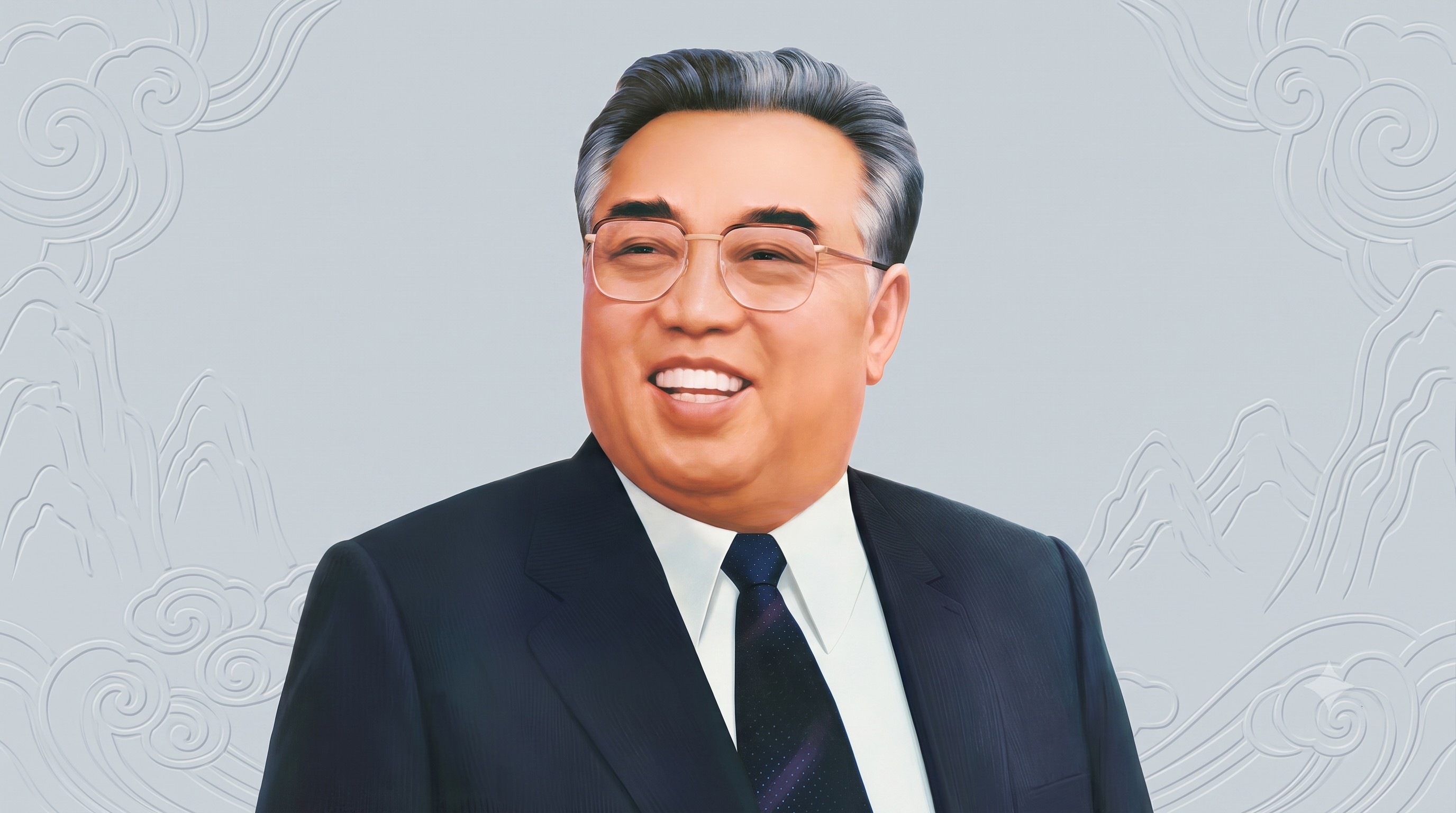
Words of , recorded and transcribed by Namo Amituofo’s disciple, Venerable HaiZe. The First Session, 2 February 2024. Namo Amituofo's discourse:
When you practise within this world, you must arrive at a deep realisation. You must come to understand the nature of impermanence and the nature of constancy. You must perceive the reality of ageing, illness, and death, while simultaneously recognising that which is beyond ageing and beyond illness. Even when you are practising at At Hsiang Kuang: A Sacred Sanctuary, it remains difficult to avoid all contact with the external world. When you must interact with people, matters, and objects in the outside world, you should possess the ability to remain untainted. Furthermore, you must be able to derive wisdom from these interactions to elevate the quality of your spirit.
The Discipline of the Unmoved Heart
Therefore, when you find yourself in the midst of worldly affairs, how should you conduct yourself? The answer lies in a simple yet profound discipline: your body may move, your mouth may move, but your heart must remain unmoved. The Buddha-name should always accompany you. You should raise the Buddha-name in the present moment, and once the task is complete, you must learn to let it go. By integrating yourself into the situation while keeping your heart unmoved, you will truly understand the importance of meditative concentration.
This is the ability to face any change in the external environment while your heart remains still, refusing to be turned by the circumstances. Only under this condition can you truly transform your environment; this is the benefit of purification through meditative concentration. If you find it unavoidable to interact with the people and affairs of this world, you must ensure that the Buddha-name is raised at any moment. By integrating yourself into the situation while keeping your heart unmoved, you are practising the skill of having an active exterior while maintaining a still interior. You must raise the Buddha-name in the present moment, and once the task is complete, you must learn to let it go.
Navigating the Changing Currents of Life
The learning we undertake in this world is necessary for our current life, but it is subject to change. It shifts according to the human heart, according to personal preferences, and according to the whims of the moment. This is the nature of impermanence; it is not a fixed constant. Worldly things change because of the requirements of the place we inhabit, the nation we belong to, and the beliefs we hold. They change according to the space and time in which we find ourselves. In short, they change according to Causal Conditions.
Because impermanence is a law of the arising and ceasing of Causal Conditions, it shifts according to the needs of people, time, and place, without being restricted by time or space. However, if one possesses true meditative concentration, one attains constancy, which is not impermanent. Those who have achieved a still heart do not move because of changes in time or space. They do not move because of changes in people, time, or location. They do not move because of changes in nations or beliefs. They do not even move because of changes in this planet or other planets, nor do they move because of the shifting preferences of the human heart.
The Profound State of Constant Recitation
If you can deeply understand this meaning, then no matter where you are, what time it is, or whom you are facing, you will be able to maintain the Buddha-name continuously. With meditative concentration in your heart, you will be able to integrate into any situation while your heart remains unmoved. The key point here is that the Buddha-name must be followed continuously, 24/7, until you reach the state of chanting without chanting, and chanting while not chanting. This will allow your heart to become still and level, pure and untainted.
A heart that is still and undisturbed by defilements is a heart without ripples, one that does not enter into the storehouse . If you find it difficult to achieve a state of absolute stillness, then ensure that the ripples you do release are ripples of Goodness, not ripples of evil. Let your actions be for the sake of all beings, reflecting a heart for the collective, rather than ripples of selfishness for . This, too, is a good path. Those who have true attainment in their practice are able to integrate into all kinds of environments while their hearts remain unmoved. Namo Amituofo.