An Interview with Venerable Yongning
Do Not Cling to Bodily Sensations
Interview with Gu Fangzhou (Chinese Virologist)
Interview with Liang Guanglie (Former Minister of National Defence of China)
Interview with Li Wenrui (Expert in Integrated Chinese and Western Medicine, Master of National Medicine)
Cells of Namo Amituofo
This is a record of an interview with Venerable Yongning, who discusses the relationship between worldly knowledge and spiritual liberation at the Hsiang Kuang Buddhist Centre in Australia. Recorded by the chief writer, Shi Fajing, on December 14, 2022.
Venerable Yongning speaks:
". I am Venerable Yongning. When I observe the minds of the fourfold assembly—monks, nuns, laymen, and laywomen—I see a great variety in their intellectual backgrounds. Some have studied extensively, while others have had little formal education. Some possess vast knowledge, while others know very little. It is fascinating to observe that these two types of people have very different spaces within The Head.
For people living in the world, the more you know and the more you have studied, the more competitive you become. It is often believed that this knowledge is the key to becoming a leader or a prominent figure in society. However, in the context of spiritual practice, this is not necessarily the case. Why is there such a discrepancy? The primary reason is that worldly life is focused entirely on the needs of the physical body, whereas here at the Hsiang Kuang Pure Land Buddhist Centre, under the guidance of Practitioner Su, our practice is focused on the needs of the spirit. The physical body requires knowledge to navigate the complexities of worldly life. The spirit, however, has absolutely no need for such knowledge. What the spirit truly craves is liberation. The liberation of the spirit must be supported by the purification of the physical body. When we look at the space within the brain, we can see that the less it is contaminated by the dust of the world, the more space is released for the spirit to breathe and ascend.
It is quite clear that worldly knowledge forms a dense, heavy space within the head. The more knowledgeable a person is, the larger this knowledge space becomes, and consequently, the smaller the space for purity. Conversely, those who have not read as much or who possess less worldly knowledge often have a much larger space for purity within their minds. We must learn to utilise this pure space to help elevate our spirits. Furthermore, we must work to purify the knowledge space itself. By applying the principles of not cling and letting go, we can naturally reach a state where we can use knowledge without being used by it—a state of using without attachment, and being unattached while using.
In the process of performing , I have often encountered many highly educated individuals. They enter the spiritual space, yet they find themselves trapped there precisely because of their excessive attachment to their own knowledge. They are unable to depart because their minds are so cluttered. Once attachment takes hold, the space within the brain expands with these heavy, worldly concepts, making it impossible for the spirit to remain pure and causing the physical body to become even more polluted.
Therefore, we must learn to let go and not cling. To know what you know, and to acknowledge what you do not know—this is true Wisdom (Prajna). By doing so, we allow the brain and the entire body to undergo a profound purification, which in turn provides the necessary support for our spirits to ascend. Namo Amituofo."
Venerable Yongning discusses the profound necessity of purifying the heart, explaining how the depth of one's practice is determined by the degree to which one can relinquish the self and worldly attachments.
Venerable Yongning shares his profound journey from a powerful demon to a dedicated practitioner, reflecting on the transformative power of the Dharma and the moment he was subdued by Practitioner Su.
Venerable Yongning explores the destructive nature of stubbornness, revealing how a rigid heart traps spirits in cycles of suffering and how letting go is the only path to liberation.
Venerable Yongning reflects on the root causes of human suffering, the profound regret of spirits trapped in the cycle of rebirth, and the path to liberation through repentance and chanting Namo Amituofo.

A candid reflection from the spirit of Elizabeth Taylor, who shares her journey from the blinding lights of Hollywood to the serene, transformative teachings of the Buddha in the Western Land of Ultimate Bliss.

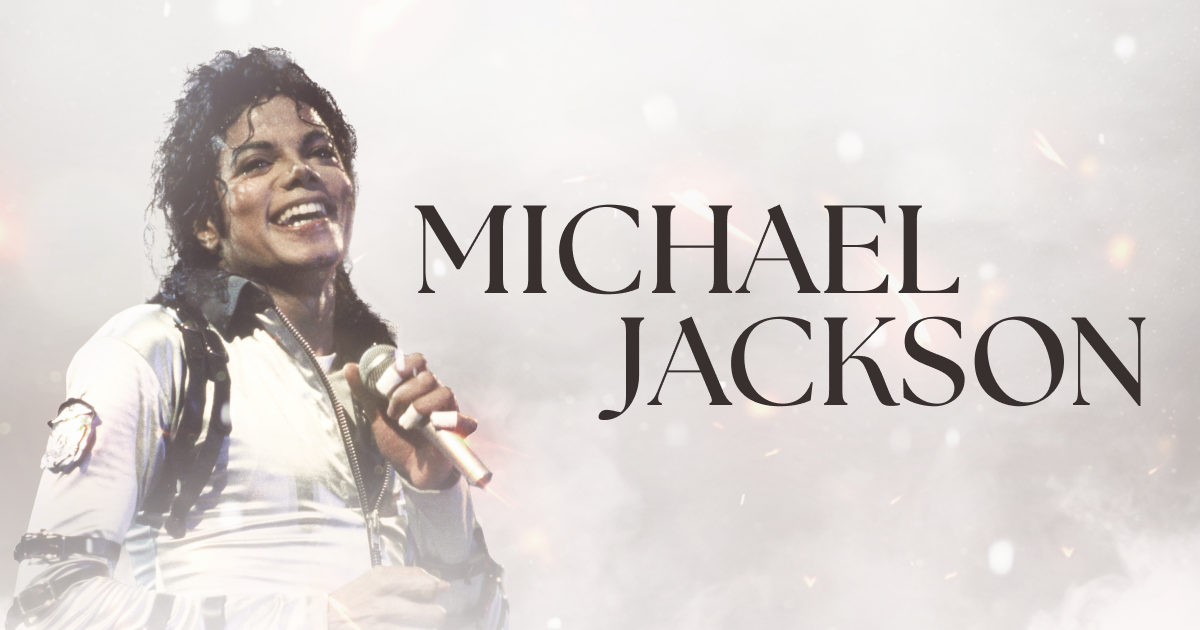
Michael Jackson shares his journey from the pressures of global fame to the peace of the Western Pure Land, revealing the truth behind his life and his ultimate deliverance.

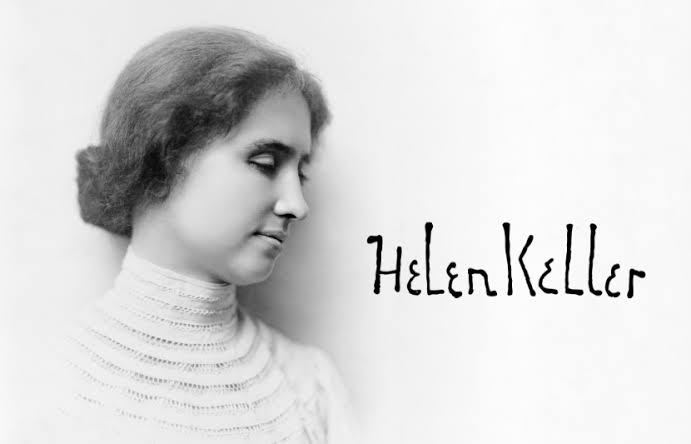
Helen Keller, the renowned deaf-blind philanthropist, shares her journey from the darkness of the ghost realm to the light of the Western Pure Land of Ultimate Bliss, guided by the compassion of Namo Amituofo and Practitioner Su.

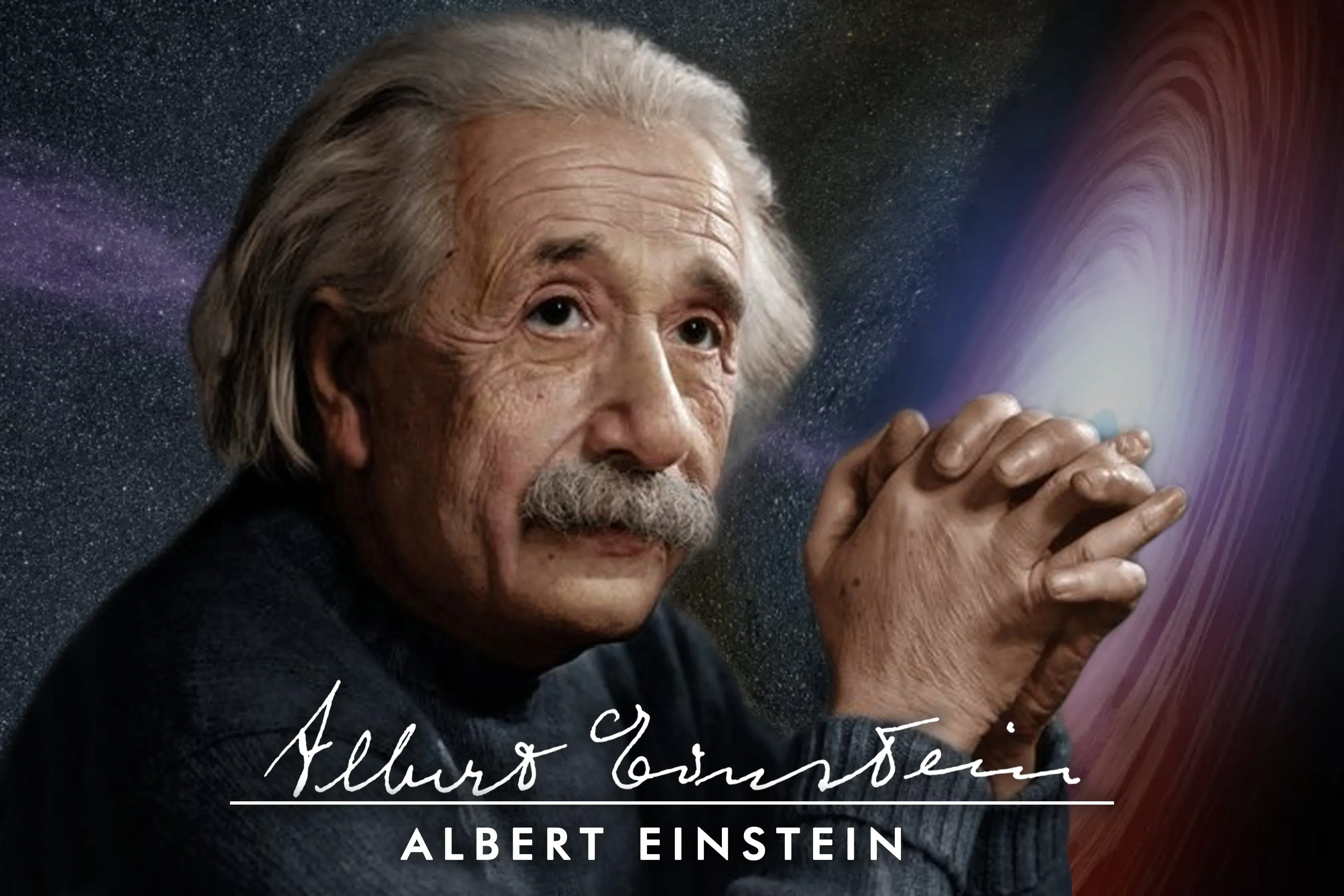
Albert Einstein, once considered the most brilliant mind in human history, reflects on his life, the nature of 'science' versus the Truth of the Dharma, and his existence in the Western Pure Land.

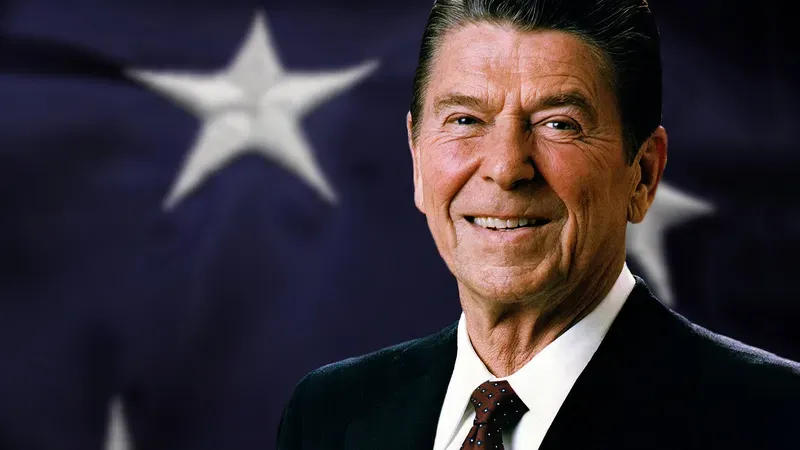
Ronald Reagan, the 40th President of the United States, reflects on his life, his political career, and his profound journey from the depths of hell to the Western Land of Ultimate Bliss through the compassion of Namo Amituofo and Practitioner Su.

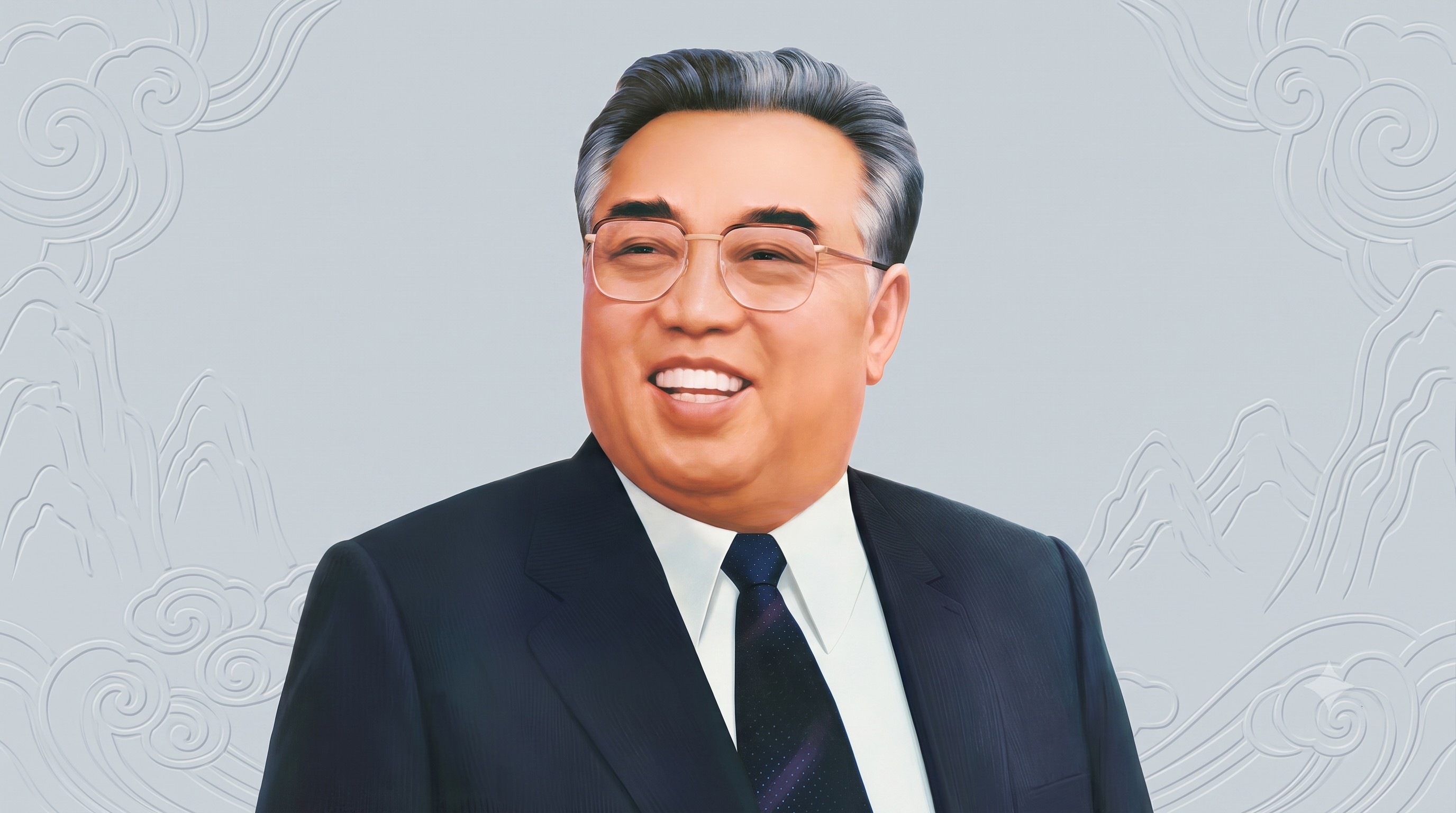
This is a record of an interview with Kim Il Sung, the founder and former leader of North Korea, who sought deliverance 32 years ago. He now resides in the Western Land of Ultimate Bliss.
Hsiang Kuang Pure Land Buddhist Centre

Contributed to Pure Land Buddhism knowledge library