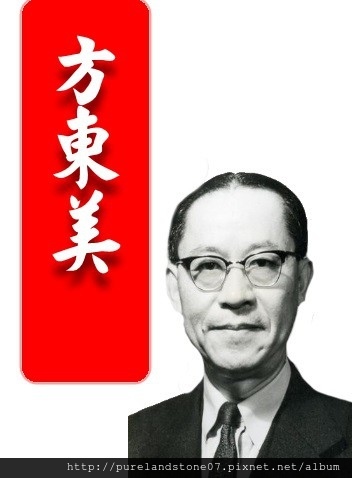
An Interview with Lay Practitioner Fang Dongmei
The Truth Behind Auspicious Signs: An Interview with Lay Practitioner Zhong Canzeng
A Message from the Western Pure Land: Lay Practitioner Huang Nianzu
Transforming the Mind: An Interview with Lay Practitioner Li Bingnan
The Crucial Choice: To Change or Not to Change
A Lamentation from Lay Practitioner Li Bingnan
Do Not Cling to Bodily Sensations
Interview with Gu Fangzhou (Chinese Virologist)
Interview with Liang Guanglie (Former Minister of National Defence of China)
Interview with Li Wenrui (Expert in Integrated Chinese and Western Medicine, Master of National Medicine)
Cells of Namo Amituofo
On the thirtieth of May, 2017, Venerable HaiZe performed the ritual of ten times to respectfully invite Lay Practitioner Fang Dongmei to speak. Lay Practitioner Fang Dongmei responded with grace, stating that he had already been waiting there for some time. Venerable HaiZe expressed his deep honour in being able to interview such a respected figure, hoping to document his life story for the benefit of future students. He noted that Practitioner Su had expressed a wish to share the biographies of the three great teachers who have spoken at the Hsiang Kuang Buddhist Centre with Pure Land practitioners everywhere.
Lay Practitioner Fang Dongmei humbly replied that Practitioner Su was too kind. He reflected on his past, noting that he was a scholar of Confucianism. He recalled that five years prior, in the same location—then known as the Hsiang Kuang Chamber—the site had transformed into the Hsiang Kuang Pure Land Buddhist Centre. He acknowledged that this journey had been filled with many trials and tribulations, all of which were deeply connected to the Pure Land school and Venerable Master Chin Kung. He remarked that without the original Hsiang Kuang Chamber, this interview would not have been possible. It was the of the Buddha that guided him, for although he had taken refuge in the Buddha's gate, he had passed away due to illness and entered the ghost realm. Even in that realm, he had continued to teach, though the beings there were not as quick or responsive as those in the human world. Life in the ghost realm was stagnant and devoid of vitality, though he had been accompanied by books.
One day, he suddenly beheld the Buddha-light. It was brilliant and warm, and in the blink of an eye, it brought him to this very place. The subsequent events—his dialogues with Practitioner Su and his eventual journey to the Western Pure Land—were facilitated by the chanting of by Practitioner Su and many other practitioners at the time. As everyone chanted loudly, he was immediately led by Namo Amituofo to be reborn in the Western Pure Land. He encouraged those interested to continue seeking guidance from Practitioner Su, noting that the achievements of the Hsiang Kuang Pure Land Buddhist Centre were not gained without immense effort. He affirmed that Namo Amituofo truly abides at the Hsiang Kuang Pure Land Buddhist Centre, a reality that even Venerable Master Chin Kung might not have imagined. With that, he began to share the story of his life, starting with his mother.
Lay Practitioner Fang Dongmei described his upbringing in a wealthy family with very strict discipline. Their home was frequently visited by high-ranking officials and noble people. Even before he was born, he heard from his mother that these visitors often came to seek counsel from his grandfather. They would sit and converse for half a day at a time, discussing the difficulties they faced and seeking solutions. Because of this, his family held a position of great prestige and influence in the local community. Occasionally, there were local figures who held opposing views to his grandfather, but his grandfather remained unmoved. This steadfastness was the reason he was so deeply respected by others, as he was a descendant of the Dongcheng school.
His parents, through the earnest prayers of his grandparents, were blessed with a son—himself. From a young age, under the profound Confucian influence of his grandfather and father, he was already able to recite the following foundational texts:
These texts, which Venerable Master Chin Kung later propagated, were essential to his growth. Under the guidance of private tutors, he became well-versed in these classics. He noted that the transition from traditional imperial examinations to the modern education system of primary, middle, and high schools did not necessarily conflict with these values; rather, it was a matter of how people prioritised their learning during a time of educational transformation.
During the late Qing Dynasty and the early Republic of China, a massive influx of foreign culture caused a significant impact on traditional education. People had to rely on their own strength just to survive. Many struggled to have enough to eat, often condensing two days' worth of food into a single meal. In such circumstances, people had little choice. According to his knowledge, many families, in order to preserve the essence of education amidst the chaos of war, were forced to leave their vast collections of books in ancestral homes, where they were moved, damaged, or burned. Yet, this era also saw the rise of vernacular literature. People seemed to lose the patience to savour the phonetics and deep exploration of classical Chinese. The content, depth, and breadth of the new literature could not compare to the substance provided by the traditional private school education of the past.
People often loudly proclaimed that traditional ideas were old-fashioned and rigid, destined to be eliminated by modern trends. They failed to realise that without deep roots, one cannot bear sweet fruit. Many superficially ornate and flowery writings were, in truth, tasteless, because the authors had not been nurtured by Confucian studies and could not express profound and moving literary grace. This was a phenomenon he observed later in life when he became a teacher and interacted with young students. In reality, there were many differences between his generation and the next, including their attitudes toward traditional culture, their levels of selfishness, and the loss of the capacity for mutual help and understanding.
Because Practitioner Dongmei had served as a representative for student associations during his own university years, he possessed a deep understanding of the student experience. Although he had spent time studying abroad after graduation, upon returning to his homeland and reconnecting with students, he could see his younger self reflected in them. He witnessed their burning passion, their idealism, and the many things they dared to say and do for their aspirations. Having navigated his own share of setbacks and life experiences, Practitioner Dongmei was able to prescribe the right medicine for their endless questions and challenges, offering advice that was both appropriate and gentle enough for them to accept. He understood that students' anger required an outlet; therefore, under the protection of the school, he provided channels for them to vent their frustrations rather than turning them against one another. He also recognised that their of helplessness required support and encouragement. It was essential for them to see a positive future for the human heart so that they could continue their studies and seek the Truth, rather than sinking into despair, eventually giving up, and losing the strength to face the pressures and changes of life.
Because Practitioner Dongmei could understand the mental notes and contradictions within his students, and because he could empathise with them so deeply, he was able to guide them out of their suffering. As a result, he was deeply loved by them. In his classroom, there were often scenes of students passionately debating contemporary issues. Even if a discussion became heated and intense, he taught them that they could not harbour resentment afterward. They had to learn to be inclusive and respect the views and thoughts of others. As the saying goes, a great leader’s mind-capacity is vast enough to sail a boat. To achieve great things, one must cultivate this breadth of mind in the small, daily interactions of life. Consequently, every student who attended Practitioner Dongmei’s classes knew the unspoken rule: In the classroom, one may speak one's mind directly. After class, we bow to one another. You and I are friends. Let us cherish this karmic connection.
Later, when Practitioner Dongmei reached the age for marriage, he was introduced to a woman by friends and family. She was gentle and refined, yet possessed the spirit of a heroine, which deeply captivated him. Against the backdrop of a changing era, our wedding differed from traditional customs; my wife, dressed in a white gown, appeared even more radiant and moving. With the of our relatives and friends, we became one. Practitioner Dongmei was no longer alone; from that moment on, two figures were always seen walking together. This image soon evolved with the birth of our children, as we became busy balancing the demands of school and family life. It became harder to see us together as a couple, replaced by the sight of us holding or leading our little ones by the hand. This seems to be a scene everyone must pass through in life, and Practitioner Dongmei experienced it too. My wife set aside her own ambitions, dedicating herself to the daily chores of managing a household, supporting her husband, and raising our children—she became my wise and virtuous helper. At that time, there was a saying: A shoulder you can rely on is worth more than a fortune. In this environment, my wife and I walked hand in hand, facing every journey of life together.
Practitioner Dongmei served in the school for a long time, walking alongside students and teachers. When problems arose, he would observe them quietly; when things were calm, the world was at peace. Yet, between movement and stillness, one must often grasp the subtle balance. Between the breaths of life, as long as one breath remains, things can be discussed; once that breath is gone, everything comes to an end. Regarding the ruthlessness and volatility of life, besides leaving one caught unprepared, it often also brings a wry smile. Among the students, there was a service team that was quite sensitive to the various changes and differences among their peers. They would often spot warning signs early; otherwise, it would be a great pity to wait until the facts had occurred to pick up the pieces. Among them was a student named Minfang, who seemed to have a unique physical constitution. This caused him much suffering, as he could see things he did not wish to see and hear things he did not wish to hear. One time, he told Practitioner Dongmei that something seemed about to happen, as several students had requested leave and would not be returning. Practitioner Dongmei felt a shock in his heart—what could it be? Afterward, it turned out that several male students, wanting to give themselves a gift before graduation, had agreed to go on a cycling trip across the province. Because they encountered a holiday, they requested a few extra days of leave to make the trip possible. They discussed their itinerary with great excitement, and I was infected by their youthful vitality. On the fifth day, news arrived that as they were crossing a railway track, one student’s bicycle chain jammed. A train was approaching, and no matter how he tried to move the bike, a part remained stuck on the tracks. He intended to abandon the bike and run, but fearing that the bicycle would block the train and cause it to derail, he did not give up on trying to move it. The tragedy occurred: the student and his bicycle were crushed under the train and he lost his life. Fortunately, the train braked in time and a greater disaster was averted, but a young and precious life was taken. This student was an excellent pupil who would have graduated second in his class over four years. When the news spread, the entire school was filled with grief. Naturally, the most painful thing was for a parent to bury their child; they were a mother and son who had relied on each other for survival. Now, only the mother remained to face life alone. Therefore, every New Year and festival, these students would visit the mother together. One of them, who had been the student's best friend, even moved near the mother’s home after graduation to care for her as if she were his own mother. This remains the most painful event in Practitioner Dongmei’s teaching career.
Of course, the human experience is a colourful painting of , anger, sorrow, and happiness. There were also moments of great joy, none more so than when a student’s growth was affirmed. One graduate student’s thesis was rich in both text and imagery, orderly and logical. Not only did it win the best master’s thesis award in the province, but it also received the national award, standing out among hundreds of papers. This honour allowed him to remain at the school to represent the institution at a global philosophy forum, where he spoke fluently in English and received high praise. To possess such ability and opportunity at the age of twenty-five or twenty-six is truly rare. This was due, firstly, to his own hard work, and secondly, Practitioner Dongmei believed that in philosophical theory, there are often phenomena and results that cannot be reached by ordinary human thinking. These are often innate talents, combined with delicate and keen observation, which allow one to stand alone and demonstrate the unique leadership qualities of a pioneer.
This student was later sent abroad for further studies at the school’s expense, and upon returning to the country to teach, he utilised his talents to repay the kindness of his alma mater.
Practitioner Dongmei felt a driving force in his teaching. Amidst the frequent wars of that era, being able to dedicate his efforts to his teaching post was a way of fulfilling his duty. Later, at the invitation of a fellow student, he came to Taiwan to give lectures. I still remember the topic at the time was the philosophical views of Taiwan and the Mainland. He conducted a series of reports and observations on the changes in Taiwan, the various humanistic thoughts, and the folk systems. Because of this report, he attracted attention. Later, he settled in Taiwan, and as the Nationalist government also moved to Taiwan, Practitioner Dongmei, his wife, and their children put down roots in this land, beginning another journey in Practitioner Dongmei’s life.
At that time, National Taiwan University was the premier institution in the hearts of all students—the first choice. Students who could enter National Taiwan University were the elite, tempered through the trials of examinations, one in ten thousand. Naturally, they carried a certain arrogant air in their studies. Therefore, if a professor could not command the students' respect and admiration, the classroom would often be filled with sighs and lack vitality. Fortunately, Practitioner Dongmei had twenty years of teaching experience, so he won the students' recognition as a new professor. After all, he brought with him many vivid and true examples from home and abroad, which touched the hearts of the students in every class. Within the rigid books and standard arrangements of text, they could hear vivid stories, combined with discussions that responded to the campus or current events of the time. This made the students voluntarily look forward to the arrival of every class, which was Practitioner Dongmei’s greatest comfort and the motivation for him to continue teaching.
The campus of National Taiwan University, with its Japanese-style architecture, carried an elegant, classical Chinese flavour. The sunset clouds and the afterglow often left Practitioner Dongmei breathless, immersing him in the scene. The beauty of nature was presented without obstruction on this land, and this place of outstanding people and spiritual energy nurtured many of the nation's pillars. No matter which country, or even in the various dynasties of the past, there have always been such schools or monasteries to cultivate and shape the driving force that moves a nation forward. This is also the responsibility and mission borne by the teachers who serve there. It is precisely because of this transmission from teacher to student that the currents of history and various lineages are able to be passed down and continued.
The students of National Taiwan University, regardless of their department, carried a unique sense of self-confidence and persistence. Beyond the academic rewards gained through the series of examinations and tests they faced to enter the school, more importantly, through the growth process before and after entering the gates, they cultivated an active attitude toward facing various tests, difficulties, and challenges without escaping. As for the results, they accepted them as they came. Truly wise students do their best in everything, and if they can transform their current situation, they accept the results with . In this way, they can roam freely within the lineage of philosophy.
Practitioner Dongmei taught at National Taiwan University for about twenty-five years before retiring. In his forty-plus years of teaching, he had seen countless students. Although their academic performance varied during their studies, if given time and proper guidance, each had room for development and improvement. The mutual comparison, jealousy, and dislike among students were very destructive. If they could be guided to regulate themselves and discover their own potential, many emotional problems and disputes could be avoided. The thing that brought Practitioner Dongmei the most comfort before his retirement was gaining a student named Jingkong, who worked diligently and achieved great success, sparing no effort to spread the Pure Land teachings. Since then, many things between Practitioner Dongmei and Jingkong have been mentioned in Jingkong’s Dharma talks. Practitioner Dongmei once said, "Learning Buddhism is the highest enjoyment in life." Having gone through the suffering of illness, the suffering of death, and the suffering of the ghost realm, and now, having been saved by Practitioner Su to the Western Land of Ultimate Bliss, he realised that this is the ultimate liberation. Therefore, Practitioner Dongmei felt deeply that "rebirth in the Western Pure Land of Ultimate Bliss is the ultimate purpose of learning Buddhism."
Namo Amituofo
In her later years, Dongmei endured the profound agony of illness. For many, a diagnosis of cancer is synonymous with a terminal sentence. Her life became a cycle of travelling between the hospital and her home. The medical treatments she received were a source of immense suffering for her body. Unless one has personally walked this path, it is difficult to truly empathise with such deep, unrelenting pain.
Around the age of fifty-six, she began to experience persistent discomfort in her stomach after meals. On one occasion, the pain became unbearable; she took medication, but it provided no relief. After seeking medical attention, she felt slightly better, but the respite was brief. Later, in the stillness of the night, she dreamt of a tall man who forcibly poured medicine into her mouth. She awoke in a state of shock. From that time on, she was frequently required to return to the hospital for treatment.
By the time she reached sixty-eight, her condition had deteriorated significantly. She suffered from total physical exhaustion, cold sweats, and excruciating abdominal pain. It is highly likely that this was the result of interference from from her past lives, who were present to seek balance for old debts. She understood clearly that this was the working of karma. Yet, looking back on her life, she had given so much of herself and felt no shame in her heart.
Throughout the many treatments she endured before her passing—some of which brought temporary relief while others intensified her agony—her body and spirit were constantly tested. Despite this, she maintained a calm and composed exterior. She accepted the situation with grace and chose to take refuge in the Three Jewels. Ultimately, she was led by the Buddha to be reborn in the Western Pure Land.
Recorded by the Buddha's disciple, Venerable HaiZe.
Many have asked why a practitioner who displayed auspicious signs during chanting still fell into the hells. Lay Practitioner Zhong Canzeng, father of Venerable Ding Hong, shares his personal testimony on the reality of karmic debt and the saving grace of Namo Amituofo.
Lay Practitioner Huang Nianzu speaks from the Western Pure Land, offering profound insights on the mission of Practitioner Su, the presence of Namo Amituofo at the Hsiang Kuang Pure Land Buddhist Centre, and a heartfelt call for practitioners to seize this rare opportunity for Awakening.
In this profound interview, Lay Practitioner Li Bingnan explores the deep connection between our mental state, the laws of karma, and the path to true healing. By understanding the role of karmic creditors and the compassionate guidance of Namo Amituofo, we can learn to transform our minds and find liberation from suffering.
In this profound dialogue, Lay Practitioner Li Bingnan explores the vital necessity of repentance and the courage required to change one's ways. He addresses the heartbreaking reality of those who refuse to listen to guidance, the cycle of karmic retribution, and the urgent call for practitioners to act with compassion to save suffering beings.
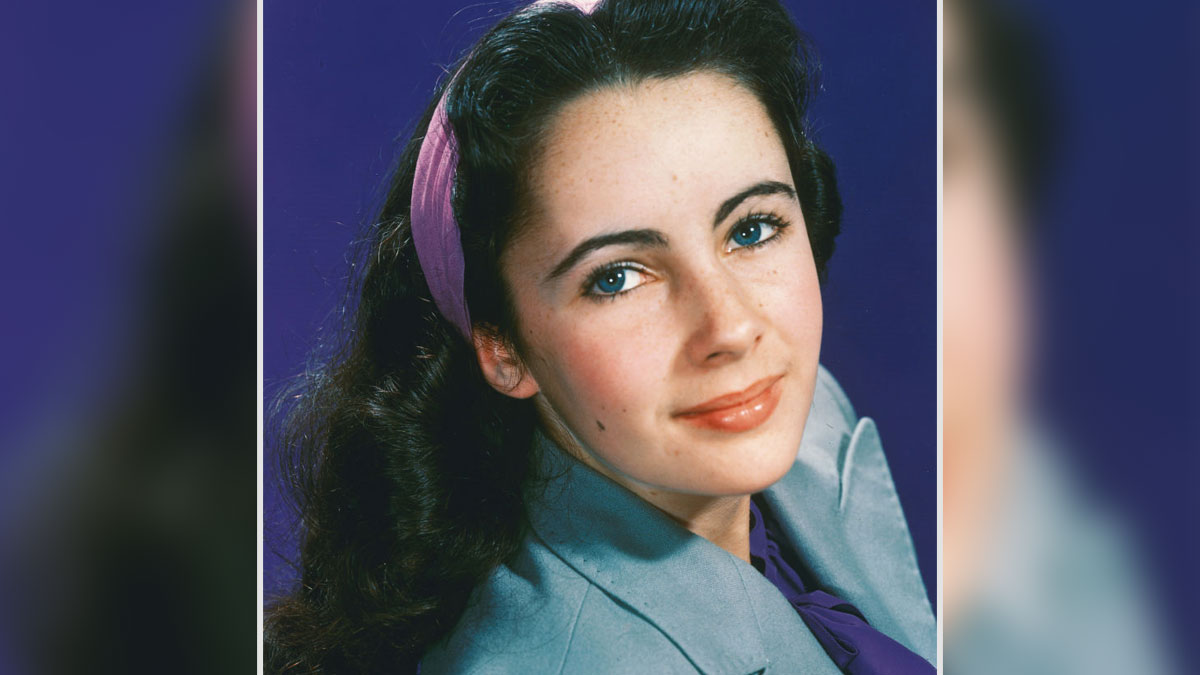
A candid reflection from the spirit of Elizabeth Taylor, who shares her journey from the blinding lights of Hollywood to the serene, transformative teachings of the Buddha in the Western Land of Ultimate Bliss.
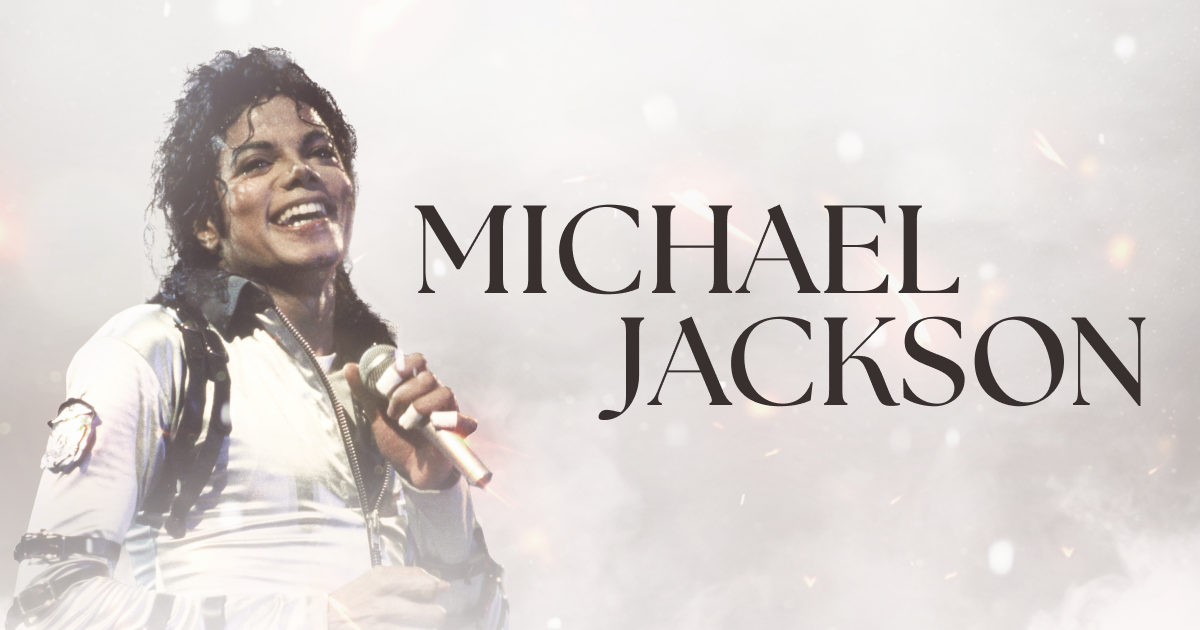
Michael Jackson shares his journey from the pressures of global fame to the peace of the Western Pure Land, revealing the truth behind his life and his ultimate deliverance.
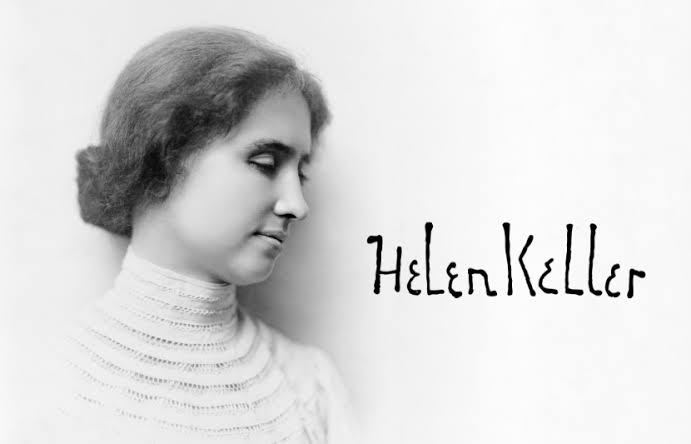
Helen Keller, the renowned deaf-blind philanthropist, shares her journey from the darkness of the ghost realm to the light of the Western Pure Land of Ultimate Bliss, guided by the compassion of Namo Amituofo and Practitioner Su.
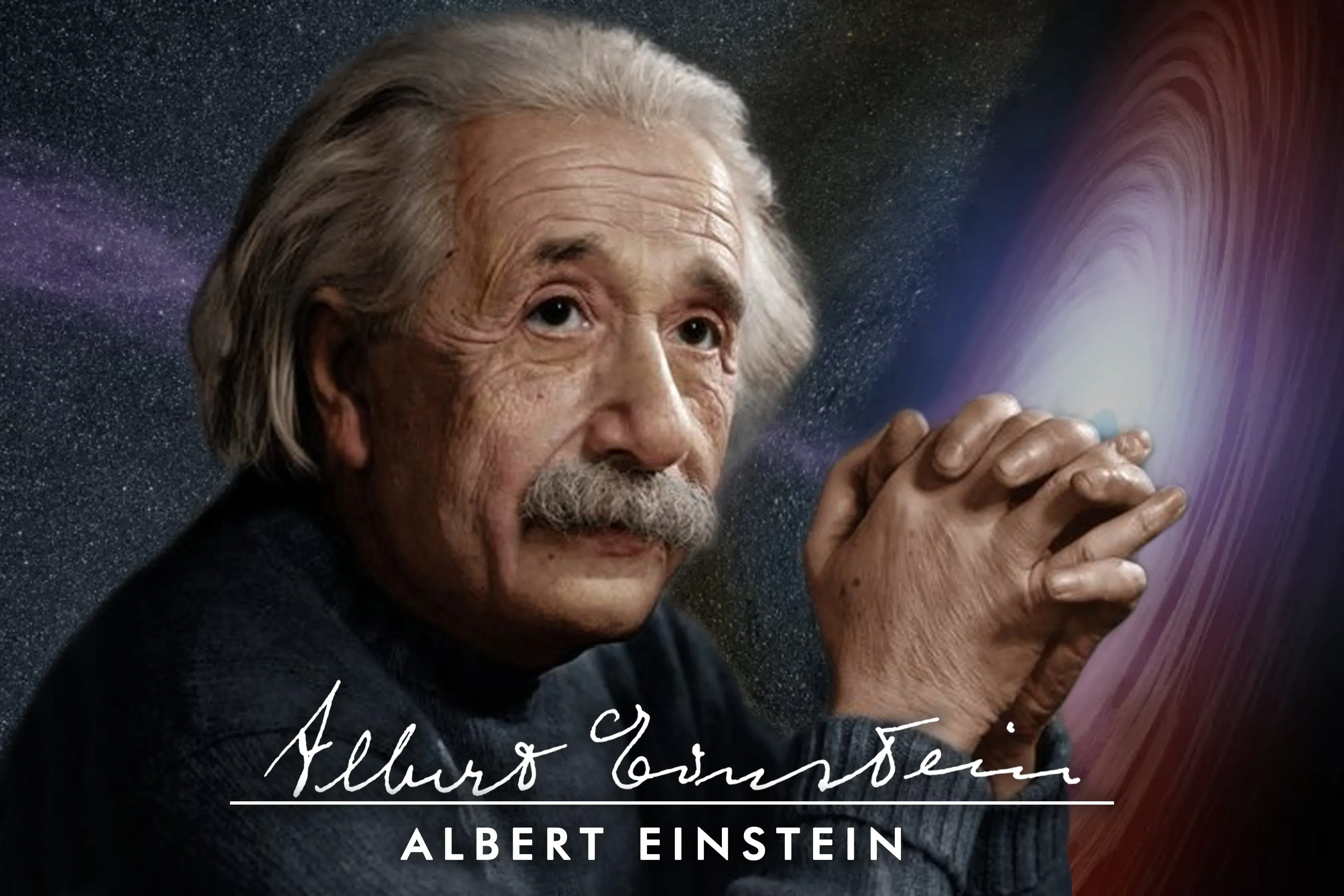
Albert Einstein, once considered the most brilliant mind in human history, reflects on his life, the nature of 'science' versus the Truth of the Dharma, and his existence in the Western Pure Land.
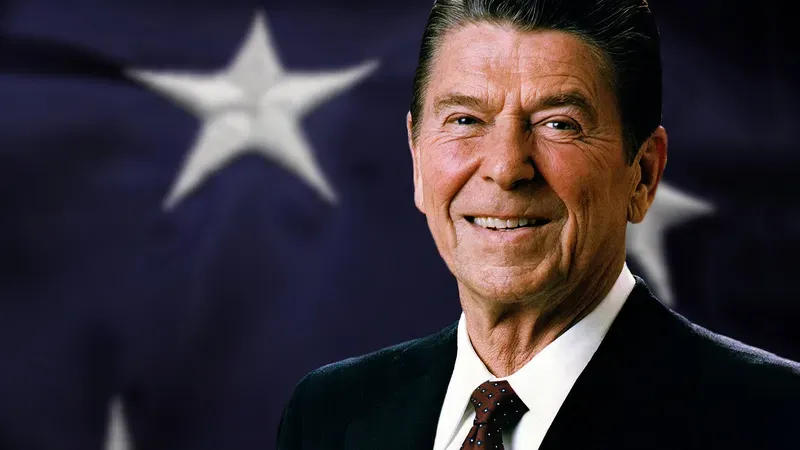
Ronald Reagan, the 40th President of the United States, reflects on his life, his political career, and his profound journey from the depths of hell to the Western Land of Ultimate Bliss through the compassion of Namo Amituofo and Practitioner Su.
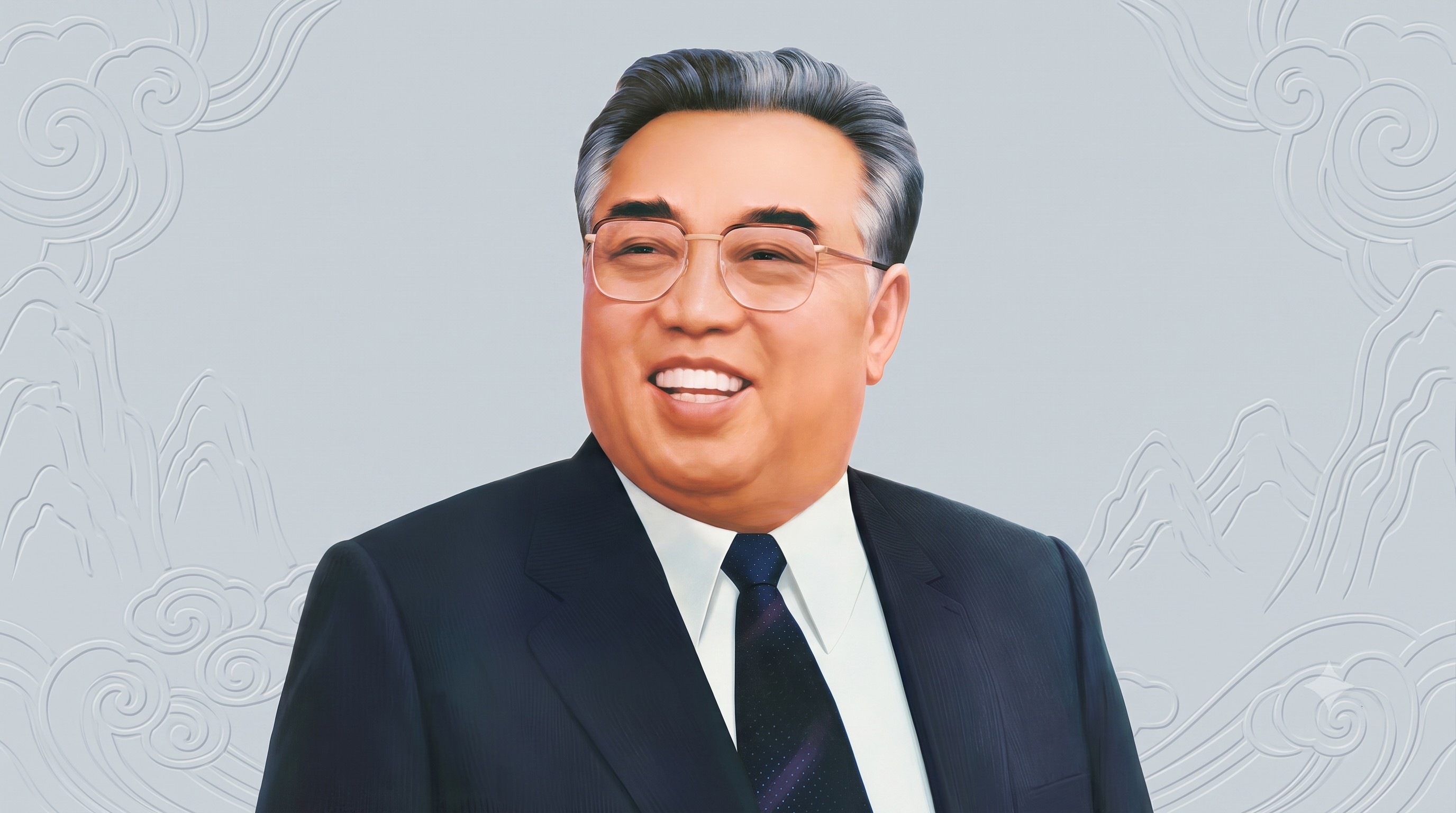
This is a record of an interview with Kim Il Sung, the founder and former leader of North Korea, who sought deliverance 32 years ago. He now resides in the Western Land of Ultimate Bliss.
Hsiang Kuang Pure Land Buddhist Centre
Contributed to Pure Land Buddhism knowledge library