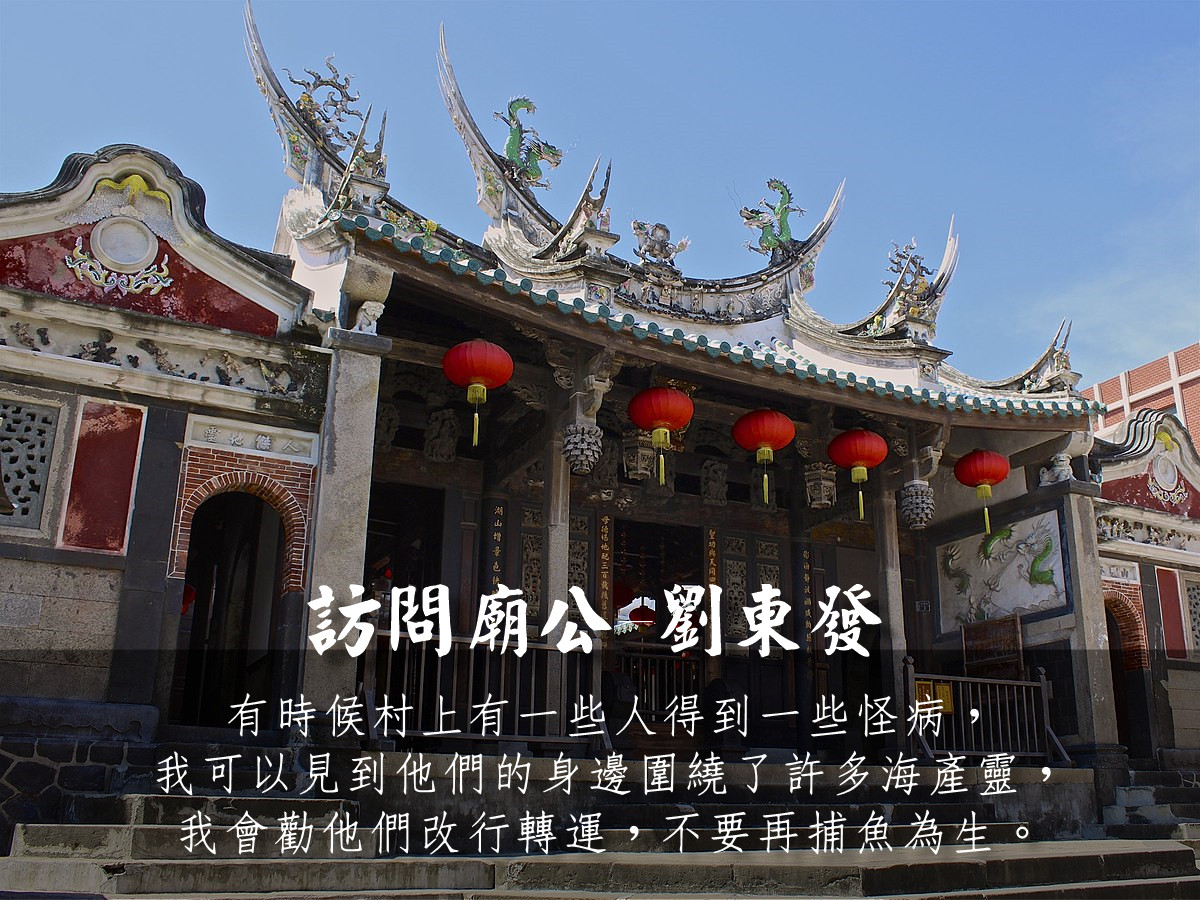
An Interview with the Spirit of Liu Dongfa
Do Not Cling to Bodily Sensations
Interview with Gu Fangzhou (Chinese Virologist)
Interview with Zhao Ning (Co-founder of WuXi AppTec)
No Longer Distinguishing Right from Wrong
Interview with Li Yining (The Theoretical Founder of China's Shareholding System Reform)
This is a record of an interview with Liu Dongfa, a temple caretaker from a fishing village in Southern Taiwan, who sought Spiritual Deliverance at the Hsiang Kuang Buddhist Centre in Australia. He now resides in the . This account reflects upon his life approximately 250 years ago. Recorded by the chief writer, Venerable HaiZe, on April 22, 2021.
Liu Dongfa speaks:
". I am Liu Dongfa. My story begins long ago, during the Qing Dynasty, when many people from the mainland crossed the treacherous waters—what we call the Taiwan Strait—to reach Taiwan. It was a perilous journey; the waves were mountainous, and many ships capsized, claiming countless lives. Those who managed to survive and set foot on the western coast of Taiwan were truly the lucky ones. They came from places like Fujian and Quanzhou, often defying imperial prohibitions because they yearned for a new life. Many were caught and sent back, while others fell victim to pirates. Only a handful made it, and those who did settled down and put down roots in this new land.
For these Han people, especially those living in the harbour villages, Mazu was the pillar of their hearts. Almost everyone worshipped her. Before setting sail, they would go to the Mazu temple to offer incense and pray for safety. 'To live by the sea is to rely on the sea'—that was the fate of the fishermen. This way of life was passed down through generations. The ocean was a gift from nature, and it shaped our village life. Most fishermen accepted their fate; they knew their lives were in the hands of the Heavens. If they returned with a bountiful catch, they were grateful. If their boat capsized and they lost their lives, they accepted it as their destiny. In this state of resignation, they relied heavily on the deities for survival. They would draw lots and cast divination blocks, seeking a sense of security and peace of mind. That is why you see Mazu temples in every harbour, facing the vast ocean, hoping the deities would watch over the seafarers and ensure their safe return.
I was a temple caretaker for a Mazu temple in a Southern Taiwan fishing village. That was two hundred and fifty years ago. Even after I passed away, I remained in the space of the temple. In that spiritual realm, many faithful devotees still came to offer incense. I was both the caretaker and the cleaner. People might say, 'The temple caretaker is the manager of the temple,' but in reality, it meant scrubbing toilets, sweeping floors, changing the tea, offering incense on time, listening to the grievances of the devotees, and managing the donation box and incense money. Every time I recorded the accounts, I had to be meticulous. Every month, I had to report the income and expenses to the deities. I could not be greedy for even a single cent. The retribution for greed is to fall into the hells. That money was the hard-earned wealth of the people, meant for the temple's vegetarian offerings, repairs, and incense—not for my own fame or respect. I received a small living allowance, and I never took more than what was allotted, nor did I ever borrow from the temple funds. If there was any surplus, it was used to help those in the village who were in need.
I continued to perform my duties even in that spiritual space. I do not know why, but suddenly, a brilliant light shone in! It was so bright, so magnificent! I saw the Buddha before my eyes, and I immediately knelt down, crying out, 'The Buddha has manifested! The Buddha has manifested!' The devotees who were in that space also knelt down, kowtowing repeatedly. The Buddha-light shone upon us all. Suddenly, someone said, 'The Buddha is here to take us away! Everyone, come quickly! Come quickly!' At that moment, everyone walked into the light. I intended to follow, but my heart hesitated: 'If I leave, what will happen to this temple?' Just as I thought this, the Buddha vanished! He had taken many of the spirits who were there to worship. I realised then that we were already dead, for I had seen my family mourning my physical body. I also understood that those who were worshipping there were also spirits. My heart was fixated on guarding the temple, thinking that if people worshipped here, they would feel more at peace than if they were wandering as lonely, restless spirits.
To my surprise, the very next day, the Buddha manifested again! I heard the sound of the Buddha-name, 'Namo Amituofo, Namo Amituofo.' Only then did I realise that this Buddha was Namo Amituofo. I saw a beside Him holding a willow branch and pure water—I knew that was Avalokiteshvara Bodhisattva, as there was a Guanyin Hall in our village where I had worshipped before. Beside her was Mahasthamaprapta Bodhisattva. These Bodhisattvas, in their great , had manifested to take us away. I never had the chance to see them while I was alive, but after death, I was granted this blessing. Many spirits who had been worshipping appeared as well. It was strange; there were never that many people usually! Where were they all coming from? I was still wondering, 'Do I really want to leave this place?' when a voice reached my ears: 'Child, come! The Buddha is here to take you back to the Western Pure Land of Ultimate Bliss!' I could not believe my ears, but the voice was so clear. I immediately let go of everything and followed the others into the light. In an instant, I entered another place of brilliance—this place, the Hsiang Kuang Pure Land Buddhist Centre in Australia. It is such a bright and magnificent temple, and the beautiful sound of 'Namo Amituofo' is always playing. Only then did I understand that this is the temple of Namo Amituofo! Suddenly, a great protector appeared and said, 'Please wait here for the interview.' That is how I learned about this interview. Everything happened so quickly and unexpectedly; it is a wonderful blessing I never could have imagined. Here, the Buddha-light shines upon us constantly. In the past, we prayed for favourable weather and a peaceful life; but after these few days of listening to Practitioner Su give Dharma talks, we all pray to chant the Buddha's name and be reborn in the Western Pure Land of Ultimate Bliss.
Now, let me tell you my story. I was born two hundred and fifty years ago in a fishing village in Southern Taiwan. We relied on the Taiwan Strait for our livelihood. My grandfather was one of those who successfully smuggled himself into Taiwan during the migration from the mainland. I often heard him tell us, 'Our ancestors traded their lives to get from Fujian to Taiwan. We, their descendants, must be grateful. We must be like one family, and neighbours must look after one another. Back then, your grandfather relied on this mutual care to survive and build a life here, which is why you descendants exist today.' Whether people lived by the sea or farmed inland, the hearts of the people were simple and pure. They were law-abiding and content, afraid to do evil. 'People may not see, but the Heavens are watching.' We were taught that one must have a conscience. These were the words my grandfather and father passed down to us, along with many proverbs and stories of loyalty and filial piety, shared through storytelling from generation to generation. Back then, people had few entertainments; life was frugal and thoughts were simple. If someone did something good, everyone encouraged them; if someone committed an act that hurt others, the community would speak out against them, which acted as a powerful deterrent. The birthdays of the deities were days for temple fairs. Villagers who rarely saw each other would gather in the square before the temple to chat and ask after each other's families. The happiest ones were us children, with food to eat and plays to watch.
My uncle was the caretaker of the seaside Mazu temple, and from a young age, I loved following him in and out of the temple. My uncle never married; he made the temple his home. I often saw him greeting the pilgrims, serving them tea, and answering their questions. My uncle was short and stout, very kind, and left a deep impression on everyone. People would greet him whenever they arrived, even if they were not there to offer incense. They would call him 'Uncle A-Lai' and ask, 'Uncle A-Lai, have you eaten yet?' When my uncle was sixty-five, I was thirty and still unmarried. He asked me, 'Don't you have a woman you like?' I replied, 'I do not wish to marry. I am free on my own, and I do not want the burden of a family.' My uncle nodded thoughtfully. Later, he went to my grandfather to ask if I could take over his position as the temple caretaker. My grandfather said it was up to me, and I nodded without hesitation. From then on, my uncle handed over all the temple affairs to me. Once he saw that I could handle things on my own, he said he could leave in peace! Not long after, I heard that my uncle had passed away peacefully in our ancestral home. I silently told him, 'Please rest assured, Uncle. I will use my heart and the rest of my life to care for this temple.'
For thirty-one years, from my youth to middle age, I guarded the temple. I established rules for the temple and used the incense money to expand its grounds, making it an important place for villagers to seek guidance. It played a vital role in stabilising the hearts of the people and resolving their calamities. Because it was a fishing village, people lived by catching and selling fish. Day after day, I began to see things clearly. I could see the spirits of the fish, shrimp, and crabs that had been caught and killed; they were everywhere in the village, unable to be reborn. Sometimes, when villagers fell ill with strange diseases, I could see them surrounded by these marine spirits. I would counsel them to change their professions and stop fishing for a living. Some agreed, and if they also adopted a vegetarian diet and performed acts of generosity and Goodness, their illnesses often improved or even vanished. I also converted the Mazu temple to a vegetarian one, hoping to do my part to stop the killing. Many people told me that no villagers would come to offer incense if I did this, but I trusted what my own eyes saw, and I told everyone about the spirits of the marine life seeking retribution and causing strange illnesses. Although some villagers did not believe me, there were those who listened, changed their ways, and adopted a vegetarian diet, reducing their karmic debt. This was my greatest comfort.
When I was sixty-one, I felt quite tired for a few days. I went to bed early and dreamt of my uncle beckoning to me. I saw the scenes of him playing with me when I was a child. I greeted him, and then I entered another space of the temple, continuing my duties as a caretaker until I finally encountered Namo Amituofo. Namo Amituofo brought me here. I believe the compassionate Namo Amituofo knows my sincerity, which is why He asked me to be the representative to speak these words. During these days here, listening to Practitioner Su give Dharma talks, I learned that Practitioner Su knows about the current drought in Taiwan. Every morning, he uses his to perform for Taiwan. With Namo Amituofo, Avalokiteshvara Bodhisattva, Mahasthamaprapta Bodhisattva, and the salvation team working together, they have opened the space for us deceased spirits, allowing us to be saved. They have resolved the resentment and anger of the spirits of chickens, ducks, pigs, geese, fish, shrimp, and crabs caused by the consumption of meat and the slaughtering of animals—a situation that is particularly severe in central and southern Taiwan. There are also countless spirits who died unjustly and are filled with dissatisfaction. The resentment scattered across Taiwan is like a magnet for moisture, which is one of the reasons for the drought. Now, Practitioner Su's Chao Du has purified the skies of Taiwan. I hope the Jade Emperor and the Dragon Kings of the Four Seas will help and bring rain soon to end the drought.
At the site where Practitioner Su gives his Dharma talks, many fellow countrymen from Taiwan have rushed to listen and seek Spiritual Deliverance. I, Liu Dongfa, wish everyone success in being reborn in the Western Pure Land of Ultimate Bliss. With Namo Amituofo and Practitioner Su here, you will soon see your wishes fulfilled.
Gratitude to Namo Amituofo, gratitude to Avalokiteshvara Bodhisattva, gratitude to Mahasthamaprapta Bodhisattva.
Gratitude to Practitioner Su! Gratitude to everyone! Namo Amituofo."
Chu Dong-yi, a former stone spirit who spent centuries observing the cycle of human suffering, recounts his transformation into a Thunder God and his profound experience witnessing Practitioner Su's deliverance of the spirits of Southern Taiwan. Seeking deliverance from his long existence as a guardian spirit, he eventually found his way to the Western Dharma-Nature Land of the Hsiang Kuang Pure Land Buddhist Centre in Australia.
Hsu Chao-shui, a former noodle shop owner from Hengchun, shares his transformation from a local deity to the Electricity God of Southern Taiwan, and his experience assisting Practitioner Su in bringing life-saving rain to the drought-stricken island.
Huang Jianqun, a Thunder God tasked with bringing rain to Taiwan, recounts his experience witnessing Practitioner Su's inconceivable power to deliver sentient beings and resolve the karmic grievances that plagued the island's water supplies.
This is a record of an interview with Su Furong, who sought Chao Du at the Hsiang Kuang Pure Land Buddhist Centre in Australia. He now resides in the Western Dharma-Nature Land. This account reflects upon his life approximately 1,200 years ago. Recorded by the chief writer, Venerable HaiZe, on April 27, 2021.
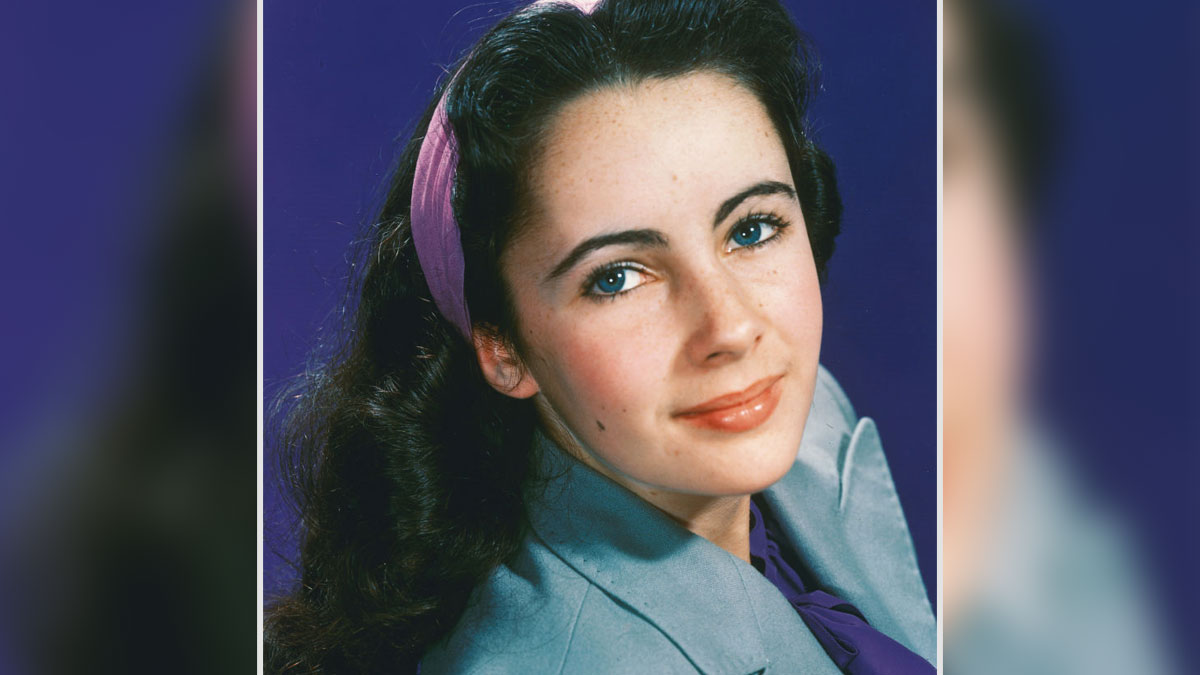
A candid reflection from the spirit of Elizabeth Taylor, who shares her journey from the blinding lights of Hollywood to the serene, transformative teachings of the Buddha in the Western Land of Ultimate Bliss.

Michael Jackson shares his journey from the pressures of global fame to the peace of the Western Pure Land, revealing the truth behind his life and his ultimate deliverance.
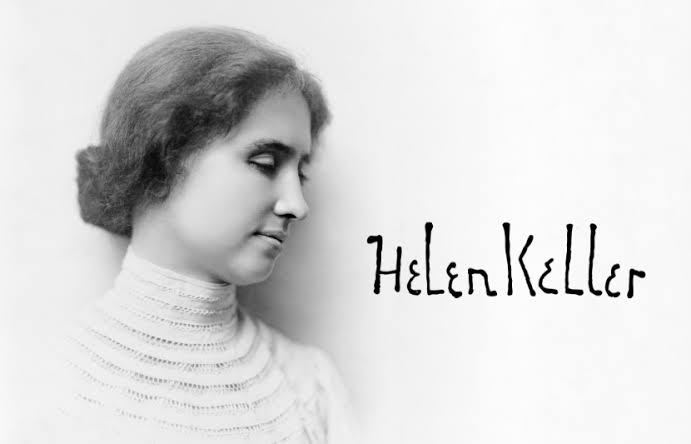
Helen Keller, the renowned deaf-blind philanthropist, shares her journey from the darkness of the ghost realm to the light of the Western Pure Land of Ultimate Bliss, guided by the compassion of Namo Amituofo and Practitioner Su.
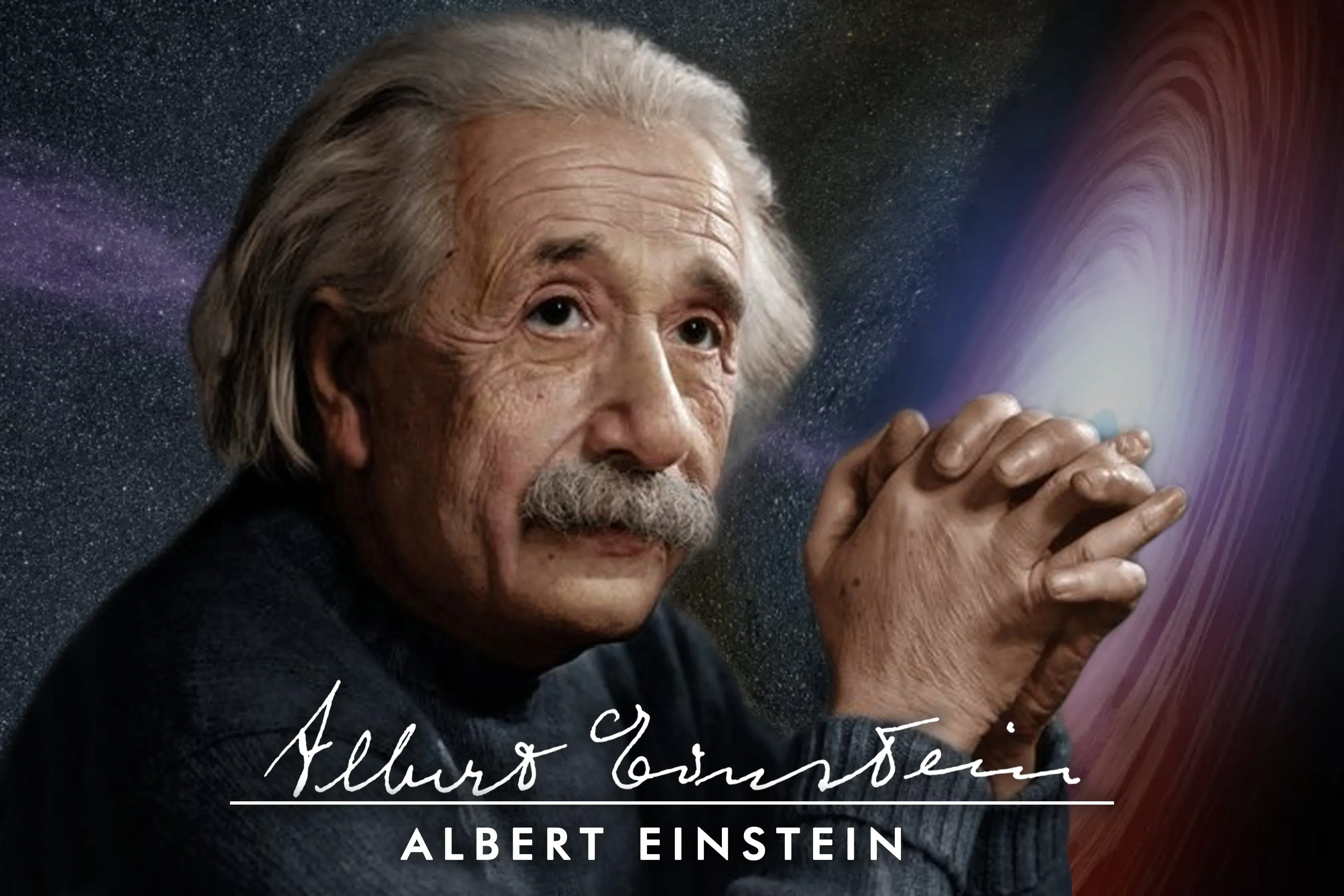
Albert Einstein, once considered the most brilliant mind in human history, reflects on his life, the nature of 'science' versus the Truth of the Dharma, and his existence in the Western Pure Land.

Ronald Reagan, the 40th President of the United States, reflects on his life, his political career, and his profound journey from the depths of hell to the Western Land of Ultimate Bliss through the compassion of Namo Amituofo and Practitioner Su.
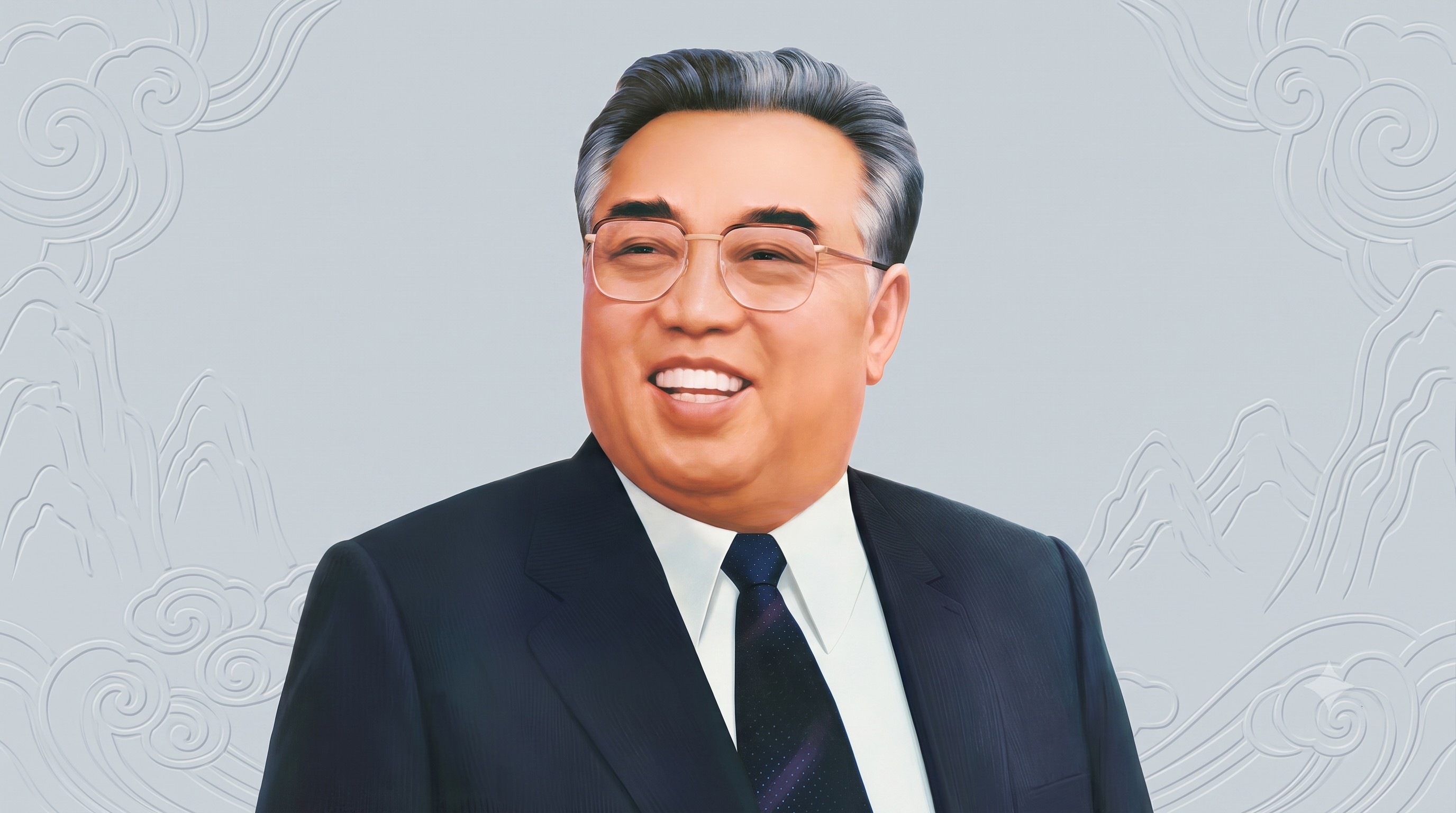
This is a record of an interview with Kim Il Sung, the founder and former leader of North Korea, who sought deliverance 32 years ago. He now resides in the Western Land of Ultimate Bliss.
Hsiang Kuang Pure Land Buddhist Centre
Contributed to Pure Land Buddhism knowledge library