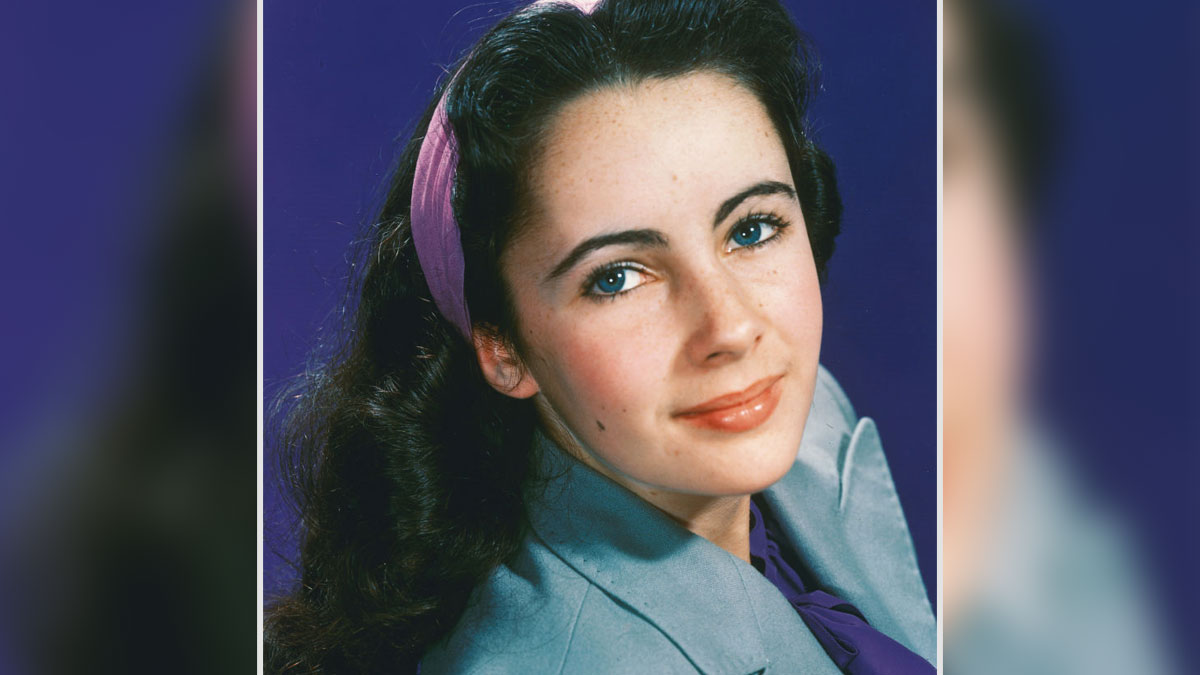
This is a record of an interview with Hu Yafang, who sought deliverance at the Hsiang Kuang Buddhist Centre in Australia. She now resides in the Western Pure Land of Ultimate Bliss. This account reflects upon her life and her subsequent journey through the realms of existence. Recorded by the chief writer, Shi Fajing, on August 16, 2025.
Hu Yafang speaks:
". Today, sixty of us prison guards have been simultaneously liberated. Having wandered through the cycle of rebirth for so long, what kind of suffering have we not endured? The pain of separation from loved ones, the agony of illness, the crushing weight of loneliness and helplessness—these have long been the familiar flavours of our existence. Yet, the most profound suffering of all was our own ignorance and delusion. We did not know how to turn back; we did not know how to awaken. Because of this, we fell, time and time again, into the endless cycle of birth and death, with no hope of escape.
I never imagined that I would possess such immense . While I performed acts of kindness during my life, I had never studied the Buddha’s teachings. I did not understand the laws of and cause and effect, nor did I know of the path to rebirth in the Western Pure Land of Ultimate Bliss. It is truly inconceivable that, due to the good roots I had accumulated over many lifetimes and the compassionate guidance of Practitioner Su, I and fifty-nine other prison guards could gather here today in the Western Pure Land."
A Vision of Pure
"Looking at the Seven-Jewel Pond and the Water of Eight Virtues before me, seeing the lotus flowers in full bloom and the light that permeates everything, all sixty of us knelt down at once. We bowed our heads in gratitude, and our voices echoed throughout the Buddha-land—offering our deepest thanks to Namo Amituofo and to Practitioner Su.
My name is Hu Yafang, and I am a woman. I was born into a family of great hardship. My parents struggled daily just to survive, and life was incredibly difficult. In those days, it was mostly the daughters of wealthy families who had the opportunity to study. For those of us from poor families, we had to help support the household from a very young age."
The Dignity of Labour
"As the eldest daughter, I began working at the age of twelve. Most of the jobs available to me were heavy, manual labour. I tried everything, but eventually, I chose to work in people's homes, helping with cleaning. Others might see cleaning as a menial task, but I understood that there was a great deal of skill involved. If you do not clean the corners and crevices with care, you leave behind flaws. I was fortunate to meet a woman seventeen years my senior who became like a master to me. Whenever she received a job, she would call me immediately, bringing me along to learn by her side. I learned quickly; after she taught me a few times, I could grasp most of the essentials. She often praised me for being diligent and intelligent, which gave her peace of mind.
I truly loved this work, not just for the money to support my family, but because I have always loved cleanliness. Seeing an environment organised and tidy gave me a sense of peace and stability. Although the house we lived in was humble, keeping it fresh and clean brought us comfort and joy. I often told myself: cleaning is not just work; it is a power that can bring peace and calm to the human heart."
Serving the Lonely
"When I reached the age of thirty-five, a new thought began to grow within me: I did not want to clean just to earn a living; I wanted to use this skill to help others. Consequently, in addition to my daily work, I began to volunteer in my community, helping the elderly clean their homes. Some of these elderly people lived together, while others were completely alone. As they aged, their bodies degenerated, making it difficult for them to walk, let alone clean. As a result, many of their homes were filled with dust and grime, their clothes scattered, and the air heavy with unpleasant odours. Some, due to illness and the degeneration of their organs, suffered from incontinence, leaving their homes filled with a lingering stench.
When I first entered these homes, most of them would decline my help, feeling embarrassed and fearing that I would find them dirty. But I insisted, telling them, 'This is my profession; please do not be polite.' I even explained that if they tried to pay me, I would not return, because I truly wanted to help them, not to conduct a business transaction. Slowly, they accepted me, and some even began to treat me like a granddaughter. I did more than just clean; I sat and chatted with them, often bringing small snacks I had made myself. It made them feel that someone cared and was willing to spend time with them. What the elderly fear most is not dirt, but loneliness, and what I gave them was a sense of warmth in their hearts."
The Bittersweet Reality of Life
"Among the elderly I served, some passed away due to illness while I was still caring for them. At those times, my heart was filled with sorrow, for we had already formed a deep bond. After they died, their children would reclaim the houses, and the atmosphere inside would change completely; I would never step foot in those places again. I did not like that feeling—the children were nowhere to be seen while the elderly were alive, but as soon as they passed, they rushed in to claim the property. I felt quite helpless, but that is the way of society, and there was nothing I could change.
Some people asked me, 'How can you endure so much filth and stench?' I would only smile and say, 'Because what I see is not the filth, but the people who need help.' My wish was simple: I only hoped that their final years would have a little more dignity and happiness. Although I was not their relative, I treated them with the most sincere heart, just as if they were my own kin."
The Transition to the Unseen
"I continued this dedication until I was sixty-three. As I grew older, I began calling the elderly 'brother' or 'sister' instead of 'grandfather' or 'grandmother'. Even so, I continued to clean diligently and share laughter with them. At sixty-three, I slipped in a bathroom at one of the homes. Although I was able to ride my bike home, illness followed, and I gradually grew weaker, eventually becoming bedridden for a year and a half.
The suffering of illness finally led me to death. The moment my spirit left my body, I found myself inside a cleaning rag. A cleaning rag was the tool I used most often and relied upon the most. I always said that with just one rag, I could make a house shine. This deep attachment became my destination after death. I spent my time cleaning incessantly within the space of the rag; when one wore out, I would move into the next. I cycled through this about ten times, and only when the tenth rag was exhausted was I able to break free."
A New Path in the Hells
"At that moment, two officials from the hells appeared and brought me before the King of Hell. The King looked at me, his tone stern yet filled with . He said that although I had never studied the Buddha’s teachings, I had been compassionate throughout my life, helping the lonely and suffering elderly, and my heart was kind and my merits commendable. Because of this goodness, I did not fall into the lower realms; instead, I was appointed as a prison guard. From then on, I began another journey in the hells. I saw with my own eyes countless suffering spirits, their screams shaking the air, their tears and blood intertwined. My heart was filled with immense sadness, yet I felt powerless to help."
The Sound of Deliverance
"Until one day, I heard a sound I had never heard before—it was the voice of Practitioner Su giving a talk. It was clear, gentle, and carried an inconceivable power. I listened with my whole being, and only then did I understand that all suffering originates from ignorance and karma, and that only the Buddha’s teachings can save beings from this cycle. At that moment, I felt as if I had been struck by lightning and awakened.
From that day on, I began to encourage the suffering spirits to listen to the Dharma talks and urged them to repent sincerely. Gradually, more and more sinful spirits obtained deliverance through the sound of the Buddha-name. Seeing them freed from their suffering filled my heart with indescribable emotion. Today, thanks to the compassion of Practitioner Su, I and fifty-nine other prison guards have been led to rebirth in the Western Pure Land. We stepped onto the lotus flowers and followed the Buddha-light, our hearts filled with infinite gratitude. I finally understand that without the blessings of the Buddha, we could never have escaped on our own.
At this moment, I represent all the prison guards in offering my deepest bows to the Buddha: