From Prison Guard to the Western Pure Land: The Story of Wei Bo
An Interview with Wei Bo, a Former Prison Guard
This is a record of an interview with Wei Bo, who sought at the Hsiang Kuang Buddhist Centre in Australia. He now resides in the Western Land of Nature. This account reflects upon his life and his transition from a prison guard in the underworld to a practitioner in the Western Pure Land. Recorded by the chief writer, Shi Fa, on October 7, 2022.
Wei Bo speaks:
"Namo Amituofo. I was very close to going down the wrong path, but fortunately, I was pulled back in time. Had that not happened, my life would have turned out completely differently. I have come to realise that every choice we make in life is a critical turning point. I am deeply grateful to the King of Hell for allowing me to serve as a prison guard, and for subsequently giving me the opportunity to join the ranks of those reborn in the Western Land of Ultimate Bliss. This is something many people dream of, and now that it is right before my eyes, I cherish it immensely and feel profound gratitude.
The Power of the Buddha-Name
The moment Practitioner Su reached out his hand, in the blink of an eye, we arrived in the Western Pure Land. At that moment, I could feel the immeasurable and boundless number of spirits behind us. Now, here in the Western Pure Land, I watch Practitioner Su perform Chao Du. Truly, every time the Buddha-name rings out, countless sentient beings are guided toward the West. I have such deep admiration for Practitioner Su's great cultivation, and I thank him for bringing us sixty prison guards to this magnificent place.
My name is Wei Bo. From a young age, I was very clever and quick-witted. My parents were both highly educated, and they hoped I would study hard to become a doctor, a scholar, or a professional. Before I even understood what life was, they were already instilling these expectations in me. Because I was naturally bright, they were convinced I would surely achieve their vision for me.
The Weight of Expectations
However, starting from the third grade, the more my parents pushed me to do something, the less I wanted to do it. Although they spoke of their expectations, their tone carried a heavy pressure that I found unbearable. To escape that pressure, I chose to be disobedient.
At first, it was just a psychological backlash, but soon my body began to rebel as well. My grades at school plummeted. This sudden drop immediately drew their attention. My parents were humiliated because the teachers knew they were highly educated intellectuals and expected me to be equally brilliant.
Every time the teacher asked a difficult question in class, they would deliberately call on me. After I answered, the teacher would clap and say, 'You are truly your parents' child, just as excellent as they are.' I felt so uncomfortable every time I heard that. I thought to myself, 'Why must I be exactly like my parents just because I am their child?' Every time I heard it, I felt more annoyed, so I started to act in reverse. Even if I knew the answers to the questions the teacher asked, I would pretend I didn't. I didn't want to go up to the front, and I didn't want to hear them link my achievements to my parents' anymore.
Searching for My Own Stage
With that mindset, I no longer wanted to live within a framework; I wanted to be myself. Because of this, I started searching—searching for a stage that belonged to me. Eventually, I found a group of like-minded friends. They were students who were also struggling academically, and I used my intelligence to help them so that, at the very least, we could all pass our exams. I also shared the pain I felt in my heart about my parents forcing me to succeed.
When they heard my parents wanted me to become a doctor, they jokingly called me 'Dr. Wei Bo.' Although I would chase them around in mock anger, the nickname stuck. Being with this group of friends was the happiest time of my life. Sometimes we would talk about the future. I would ask them, 'Besides me being a doctor, what do you want to be?' Everyone would laugh and share their ideals. Some joked about becoming CEOs, while others said they wanted to be respected leaders who stood up for justice. With them, I had more time for fun, and I almost completely neglected my studies. When my parents called the school to ask why my performance had changed, the teachers told them I was always hanging out with a group of friends. Without even asking me, my parents transferred me to a private boarding school where my movements were completely restricted.
But they didn't realise that even in boarding school, I could still form cliques and make friends.
A New Life in the Countryside
When they could no longer stand it and couldn't control me, they had no choice but to send me to the countryside to live with my grandparents. The village was mostly populated by elderly people, with very few young ones. My grandparents ran a nursing home. They would always tell the other seniors in the village, 'We must be self-reliant and take care of each other; don't expect our children to be filial to us.'
In the village, I was the youngest person. My grandparents had me do everything, and they told the other seniors to come to me for help. So, apart from the time I spent at school, I was actually very busy every day.
Sometimes I would complain in my heart, wondering why I couldn't play with children my own age like before, and why I had to do this manual labour. But when I saw the look of gratitude in the eyes of the elderly people I helped, and saw them limping or struggling with their frailty, I felt that helping them was something I was meant to do.
Sometimes, when the seniors opened up, they would talk about their pasts. Many of them had escaped during times of war and chaos, living lives of displacement before finally settling down and having children. Now that their children were grown and pursuing their own lives, they were left unable to walk well, just wanting a stable life.
There were also several seniors who had been famous, prominent figures in the past, but now their bodies were failing, and they had to rely on feeding tubes to survive.
After seeing the lives of every one of these seniors, I realised that whether they were rich or poor, in the end, everyone must face the decay of and old age and death.
The Fragility of Life
My grandparents were still quite healthy, and they would always tell me, 'I still have many seniors to take care of, so my body must stay strong.' Looking around, some of the seniors my grandparents cared for were younger than them, yet their bodies had already given out. My grandparents said they would live one day at a time and do what they could. My parents would sometimes call and urge them to retire and enjoy life, but I knew that only by staying active would my grandparents stay healthy and live to a ripe old age.
In the nursing home, every few months or half a year, we would face the passing of another senior. Time and again, I felt how fragile and short life was. The seniors would always urge me to cherish my youth. This made me reflect: 'What does it mean to cherish a young life? How should one live so that it isn't a waste?' I thought about this question for a long time, and finally, I decided to use my life to illuminate the lives of others. Once I made this decision, everything I did was filled with motivation.
I would often try to make the seniors in the home laugh, because laughter is the most natural and beautiful makeup. The one thing seniors always asked young people was, 'When are you going to get married?' I would always reply, 'Grandpa, where would I find a girl to marry here?' Ever since my parents sent me to my grandparents' village, I never left. I learned from my grandparents to care for people from the bottom of my heart. To me, all the seniors I knew were my family. Every time one of them passed away, my heart would tremble, but I always believed they had gone to a good place.
Facing the End
My parents originally wanted to take me back to the city to live, but I insisted on staying with my grandparents, and they couldn't do anything about it. My grandmother lived to be ninety-three. One night, she slipped while going to the bathroom and passed away. It was the first time I saw my grandfather cry so bitterly; he couldn't even get out of bed for days. Having faced the passing of so many seniors, I still held a heart of blessing for my grandmother, and I stayed strong to take care of my grandfather. But after my grandmother left, my grandfather couldn't open his heart, because to him, she was his life's support. His health deteriorated, and my heart ached watching him, but there was nothing I could do. Six months later, due to his frailty, he also passed away. I took over the nursing home, and in the blink of an eye, I spent decades accompanying many seniors. Year after year, seeing life disappear, I became prepared for the day I would leave myself. Before I left, my only concern was who would continue to run the nursing home. After much thought, as my own body grew weaker, I handed the nursing home over to a government agency to manage.
I went from being a young man running errands for the seniors to becoming an old man myself, drinking tea and blending in with them. Year after year, my body grew weaker; I was no different from the other seniors, eventually becoming incontinent. No one can escape the process of aging.
Several volunteers came to introduce us to the Buddha’s teachings. They brought us chanting machines and Buddha-name players, and gave each of us a string of prayer beads. I followed the method they taught and began to chant the Buddha’s name. Even though I didn't fully understand it yet, I felt a deep sense of peace.
Deliverance and Gratitude
At sixty-eight, I felt excruciating pain throughout my body, and after tossing and turning in bed, I passed away. I entered the underworld and knelt before the King of Hell. He reviewed my merits and demerits and told me that if I hadn't sincerely served and cared for the elderly in this life, I would have suffered from dementia due to the of past killing. The fact that my mind remained clear in this life was due to the merits I had accumulated.
The King of Hell also gave me the opportunity to serve as a prison guard. I understood the suffering of the human world, so I often helped counsel the beings in the hells. It was only after hearing Practitioner Su give Dharma talks in the hells that I truly understood what the Buddha’s teachings were. I longed for rebirth in the Western Pure Land, and today, I finally waited for the day to go there with the other fifty-nine prison guards. We are filled with gratitude; thank you, Practitioner Su, and thank you, Hsiang Kuang Pure Land Buddhist Centre. The supreme beauty of the Buddha-land is something one must experience for oneself to truly know.
Wei Bo, with palms joined in respect.
Note: Grandfather Wei Bo and his grandfather Wei Sanjun were in the human realm, and his grandmother Wang Tao was in the ghost realm. They were guided by Practitioner Su to the Western Land of Dharma Nature at the Hsiang Kuang Pure Land Buddhist Centre.
More from Hell Guards
The Historian's Sacrifice and the Path to Deliverance
This is a record of an interview with Park Ji-yeop, who sought deliverance at the Hsiang Kuang Pure Land Buddhist Centre in Australia. He now resides in the Western Land of Ultimate Bliss. This account reflects upon his life as a historian during the Joseon Dynasty. Recorded by the chief writer, Fa Ning, on May 17, 2026.
The Scholar Who Guarded the Hells
This is a record of an interview with Zhao Shuwen, who sought Chao Du at the Hsiang Kuang Pure Land Buddhist Centre in Australia. He now resides in the Western Land of Ultimate Bliss. This account reflects upon his life as a scholar and official during the Tang Dynasty, and his subsequent service as a guard in the hells. Recorded by the chief writer, Venerable Fa Hui, on May 10, 2026.
From the Mines to the Western Pure Land
This is a record of an interview with Gu Banjie, who sought deliverance at the Hsiang Kuang Pure Land Buddhist Centre in Australia. He now resides in the Western Land of Ultimate Bliss. This account reflects upon his life as an Indigenous Australian approximately 200 years ago. Recorded by the chief writer, Fa Ning, on May 8, 2026.
A Life Dedicated to the Harvest: The Testimony of Lin Huanda
Lin Huanda, a former agricultural technician who spent his life ensuring the people of China had enough to eat, shares his journey from the rice fields to serving as a prison guard in the underworld, and his final deliverance to the Western Pure Land by Practitioner Su.
More by Hsiang Kuang Pure Land Buddhist Centre
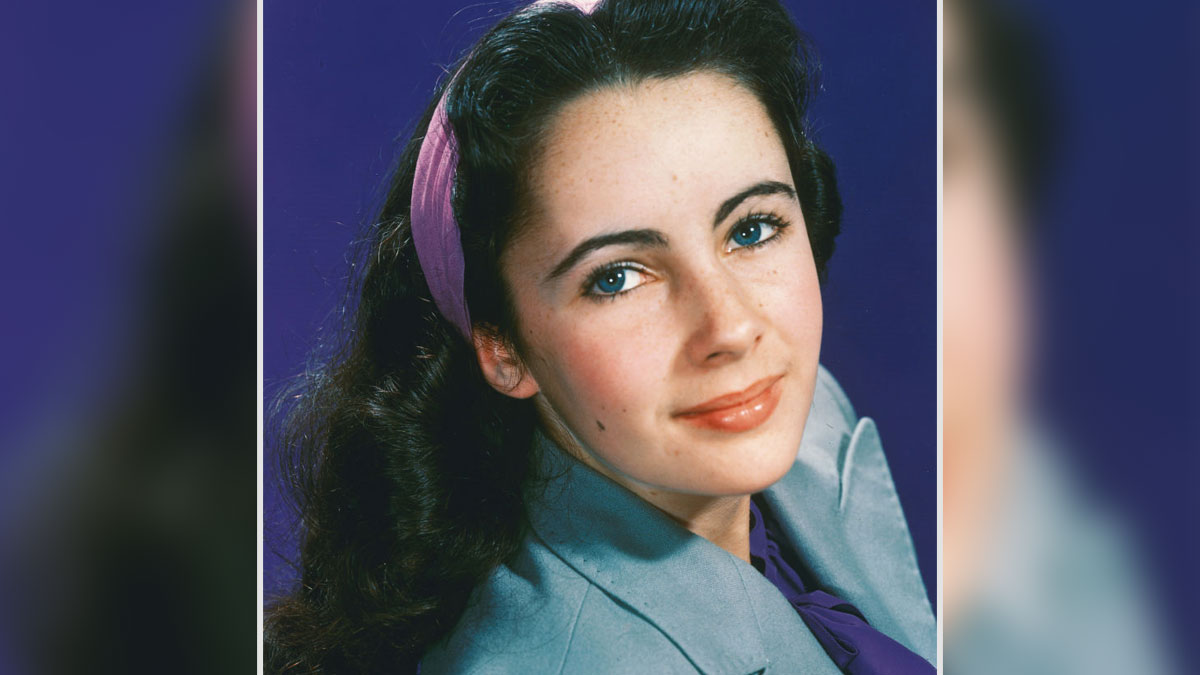
An Interview with Elizabeth Taylor (Famous Hollywood Actress)
A candid reflection from the spirit of Elizabeth Taylor, who shares her journey from the blinding lights of Hollywood to the serene, transformative teachings of the Buddha in the Western Land of Ultimate Bliss.

An Interview with Michael Jackson (King of Pop)
Michael Jackson shares his journey from the pressures of global fame to the peace of the Western Pure Land, revealing the truth behind his life and his ultimate deliverance.
A Voice from the Darkness: Helen Keller's Journey
Helen Keller, the renowned deaf-blind philanthropist, shares her journey from the darkness of the ghost realm to the light of the Western Pure Land of Ultimate Bliss, guided by the compassion of Namo Amituofo and Practitioner Su.
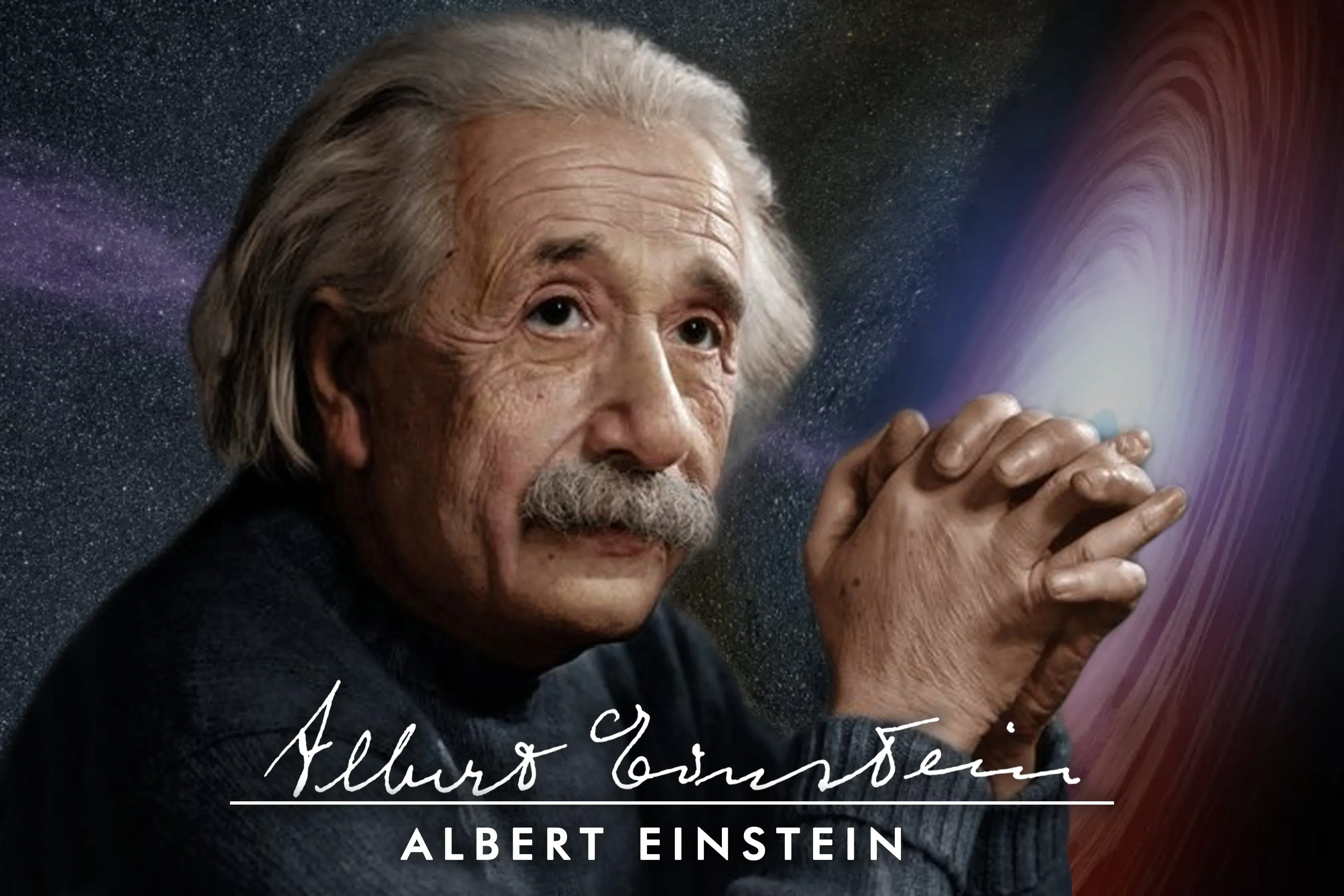
An Interview with Albert Einstein (Theoretical physicist)
Albert Einstein, once considered the most brilliant mind in human history, reflects on his life, the nature of 'science' versus the Truth of the Dharma, and his existence in the Western Pure Land.
A President's Repentance: Ronald Reagan's Journey to the Pure Land
Ronald Reagan, the 40th President of the United States, reflects on his life, his political career, and his profound journey from the depths of hell to the Western Land of Ultimate Bliss through the compassion of Namo Amituofo and Practitioner Su.
The Reflection of a Nation's Founder
This is a record of an interview with Kim Il Sung, the founder and former leader of North Korea, who sought deliverance at the Hsiang Kuang Pure Land Buddhist Centre in Australia. He now resides in the Western Land of Ultimate Bliss. This account reflects upon his life and the spiritual truths he has realised since his passing thirty-two years ago. Recorded by the chief writer, Venerable Fa Hui, on May 18, 2026.
About the Author
Hsiang Kuang Pure Land Buddhist Centre
Contributed to Pure Land Buddhism knowledge library