From Surgeon's Scalpel to the Western Pure Land
An Interview with Du Wenshan, a Former Prison Guard
This is a record of an interview with Du Wenshan, who sought deliverance at the Hsiang Kuang Buddhist Centre in Australia. She now resides in the Western Pure Land of Ultimate Bliss. This account reflects upon her life as a surgeon and her subsequent time as a prison guard in the hells. Recorded by the chief writer, Shi Jing, on March 9, 2024.
Du Wenshan speaks:
"Namo Amituofo. Today, I feel incredibly honoured and joyful to be able to attain rebirth in the Western Pure Land of Ultimate Bliss alongside fifty-nine other prison guards.
A Childhood Defined by Loss
'Wenshan, time to eat! Rest for a moment, and after you finish, you can continue your studies.' This was the phrase I heard most often during my childhood. We had no men in our family; I was the only child of my parents. My father passed away when I was only four years old, leaving my mother and me to depend on each other. From the moment I was old enough to understand, I knew I had to study hard. I wanted to earn a good living to repay my mother’s kindness in raising me, to ensure she could live a comfortable life without worrying about our daily needs.
My name is Du Wenshan. I come from a single-parent family, raised entirely by my mother. My father died of cancer when I was very young. I still remember how weak he became due to chemotherapy, his hair thinning day by day. Seeing my father tormented by the illness for so long, and watching my mother struggle to care for both him and me, my heart ached. Many nights, I would hide in my room and cry in secret, yet whenever I was in front of my parents, I wore a bright, sunny smile so they would not worry about me.
The Weight of Impermanence
As time passed, the cancer cells continued to erode my father’s body, bit by bit. The chemotherapy did not end his suffering; sometimes the cancer metastasised to other parts of his body, making his pain unbearable. Several times, he wanted to end his own life, not wanting to be a burden to my mother and me, but he was discovered just in time. After that experience, my mother and I were constantly on guard, terrified he might try again. We took turns staying by his side, encouraging him, telling him jokes, and taking him outside to soak in the sun, hoping to bring him some positive energy. But in the end, my father could not defeat the ravages of the illness and left us one morning at dawn. My mother wept bitterly, while I, young as I was, sat by her side comforting her. Facing my father’s death, I do not know why I was able to view it with such abnormal calmness. I simply felt that his body was merely a shell without a soul, and that his spirit had never truly left us; he was always watching over us.
Having experienced the pain of separation through death, I made a vow that day to become a good doctor. I wanted to help patients resolve their physical suffering, so that no more people would have to endure the torment of illness like my father did, and so they could live healthy lives in this world.
A Mother’s Guidance
My mother did not remarry after my father’s early passing. Instead, she devoted herself even more to teaching me, spending all her time and energy on me, hoping I would grow up just like any other normal child. During my school years, I was often mocked by classmates or looked at with pity because I had no father. When my mother found out, she taught me not to feel inferior. 'Those children are just ignorant,' she said. 'No one has told them that such behaviour is wrong, so they act that way. You must choose to forgive them. As for those who pity you, next time you can tell them: I have a wonderful mother who stays up with me after school to study and write. I am much better off than those children whose parents are both alive but are neglected because their parents are too busy working. So, there is no need to pity me; I actually feel very lucky.' From then on, whenever I encountered similar situations, I adopted a different attitude toward those impolite classmates. I didn't feel angry or sad; instead, I was able to stand confidently before everyone and say that I was the luckiest child in the world because I had the best mother, who always taught me to look at the good and think the good, raising me into a sunny girl with a face full of smiles.
The Surgeon’s Path
After years of diligent study, through my own efforts and the help of many others, I lived up to expectations and was admitted to medical school. Finally, I became a surgeon, fulfilling my childhood dream. When my mother and our friends and relatives heard the good news, they were all happy for me. The village head even set off firecrackers to celebrate and hosted a banquet, proudly announcing that the village had produced its first doctor. My teachers at school also wore expressions of relief and pride at my achievement. Although I encountered many setbacks and disappointments along the way, I made it through. Seeing everyone’s happy faces, I felt that all the hard work was worth it.
Wearing my white coat and starting work at the hospital, the true test of my life was about to begin. Every day, I had to face all kinds of situations and challenges. Dealing with patients of a thousand different personalities, I had to learn to patiently explain their conditions and the available treatment options. Sometimes I had to soothe the emotions of family members and answer their questions. I had to be ready at any moment to face emergencies, using the calmest attitude to analyse problems so I could treat the patients' wounds and relieve their discomfort as quickly as possible. I also had to learn to adjust my own stress and emotions, keeping myself in the best state to help patients and their families face the treatments ahead.
Finding in the Operating Theatre
Although I was not used to it at first, as time passed, I slowly grew accustomed to the high-pressure environment and learned to adjust. I increasingly enjoyed the sense of accomplishment the work brought me. Seeing the joy on the faces of patients when they successfully left the danger zone and were transferred to the general ward made me feel incredibly happy. The hospital operating theatre became my favourite room—a place where I could help patients escape the clutches of danger.
One patient who left the deepest impression on me was an elderly grandmother holding Buddhist prayer beads. The first time I saw her, she was pushed into my clinic by her family in a wheelchair, her mouth constantly chanting 'Namo Amituofo'. She seemed terrified of the upcoming surgery, clutching her prayer beads tightly, not daring to let go. Seeing this, I quickly stepped forward to comfort her. 'This is just a minor excision surgery,' I said. 'Don't worry too much; it will be over very quickly. If we don't treat it now, it might affect the function of the surrounding healthy cells. We are just removing the damaged part from your body; there won't be any major problems.' The grandmother, with her wide eyes, looked at my firm gaze and gradually felt at ease. Soon after, the minor surgery was completed quickly under my skilled hands. The process went very smoothly, and the wound was stitched beautifully. All that was left was to wait for the wound to heal completely before removing the stitches. When the family heard the surgery was a success, the heavy stone in their hearts was finally lifted, and they gratefully held my hands to thank me. Ever since the grandmother began feeling unwell, they had been terrified that she would refuse surgery, which would affect her health. It was only after meeting me that she was willing to undergo the operation. Perhaps there was a special karmic connection between this grandmother and me.
A Final Farewell
A few weeks later, I saw the grandmother walking into my clinic, supported by her family. A sense of joy welled up in my heart. Her once haggard face looked much more radiant today. Seeing her body gradually recovering and returning to health, the family standing by also felt very happy and thanked me again. Immersed in the joyful atmosphere, I did not forget their purpose for coming. I quickly helped the grandmother onto the bed to lie down and removed the stitches from her wound. After completing the final procedure, I said goodbye to the grandmother and her family with a smile, watching them leave. I hoped the grandmother would maintain a healthy body until the very last moment of her life, leaving this world without any pain.
After serving in the hospital for decades, I reached retirement age. During this period, I always felt my body becoming heavier day by day, and I grew tired more easily. But at the time, I didn't take it to heart, thinking it was just a sign of aging. So, I continued to wear my signature smile, enjoying my work, hoping that those who saw it—especially the patients in the hospital—could reignite their passion for life and find the motivation and courage to continue fighting their illnesses. Although I faced many scenes of life and death in the hospital, I maintained an optimistic mood, believing they were simply going to live in another world.
The of the Spirit
Eventually, when my physical strength could no longer handle the long hours of work, I decided to retire and return home to spend my later years. One afternoon, I was sitting in a rocking chair, holding a surgical scalpel, when I breathed my last, leaving this world without pain. Looking back on my life, I had helped many patients relieve their various pains and had removed countless tumours and necrotic cells. I thought my spirit would surely go to a good place! But suddenly, I remembered the surgical scalpel I loved so much in life, and unexpectedly, my spirit entered the space within that scalpel.
Through a series of causal conditions, I ended up in the hands of a surgeon who practiced Buddhism. When he chanted the holy name 'Namo Amituofo', my spirit gradually awakened. 'What is that sound? Why does it feel like I’ve heard it somewhere before?' I began to chant 'Namo Amituofo' as well, trying to recall when and where I had heard those six words. Suddenly, a force opened my space. My spirit exited the space of the scalpel and was taken by the Black and White Impermanence to the Yama Palace.
The Truth of
Yama saw that I was an honest person who had helped many people and done many good deeds in life, so he gave me the position of a prison guard. During my duty, I accidentally heard Practitioner Su giving a talk in the hells. Only then did I realise that the body is filled with sentient beings—some coming to seek revenge, others to repay kindness. I understood that the heaviness I felt in my body day by day was because there were too many attached spirits within me. Now, seeing that some of these spirits were filled with resentment because I had removed their 'illnesses' from patients, it is truly terrifying to look back on. After listening to the Dharma for a period of time, I finally understood that the body is a 'technology of technologies'. It can be ageless, disease-free, and deathless. Every cell in the body possesses spirituality. Through inviting these beings and resolving conflicts with , illnesses can be healed without surgery. If only I had heard such wonderful Buddha’s teachings earlier, I would have been the first to rush in and sign up to learn Practitioner Su’s skills, helping more people escape the cycle of rebirth and resolve their conflicts with karmic creditors.
Finally, I am grateful to the Buddha and Practitioner Su for their compassionate deliverance. Prison guard Du Wenshan, along with fifty-nine other prison guards, bows in gratitude for the Buddha’s grace.
Namo Amituofo.
Du Wenshan"
More from Hell Guards
The Historian's Sacrifice and the Path to Deliverance
This is a record of an interview with Park Ji-yeop, who sought deliverance at the Hsiang Kuang Pure Land Buddhist Centre in Australia. He now resides in the Western Land of Ultimate Bliss. This account reflects upon his life as a historian during the Joseon Dynasty. Recorded by the chief writer, Fa Ning, on May 17, 2026.
The Scholar Who Guarded the Hells
This is a record of an interview with Zhao Shuwen, who sought Chao Du at the Hsiang Kuang Pure Land Buddhist Centre in Australia. He now resides in the Western Land of Ultimate Bliss. This account reflects upon his life as a scholar and official during the Tang Dynasty, and his subsequent service as a guard in the hells. Recorded by the chief writer, Venerable Fa Hui, on May 10, 2026.
From the Mines to the Western Pure Land
This is a record of an interview with Gu Banjie, who sought deliverance at the Hsiang Kuang Pure Land Buddhist Centre in Australia. He now resides in the Western Land of Ultimate Bliss. This account reflects upon his life as an Indigenous Australian approximately 200 years ago. Recorded by the chief writer, Fa Ning, on May 8, 2026.
A Life Dedicated to the Harvest: The Testimony of Lin Huanda
Lin Huanda, a former agricultural technician who spent his life ensuring the people of China had enough to eat, shares his journey from the rice fields to serving as a prison guard in the underworld, and his final deliverance to the Western Pure Land by Practitioner Su.
More by Hsiang Kuang Pure Land Buddhist Centre
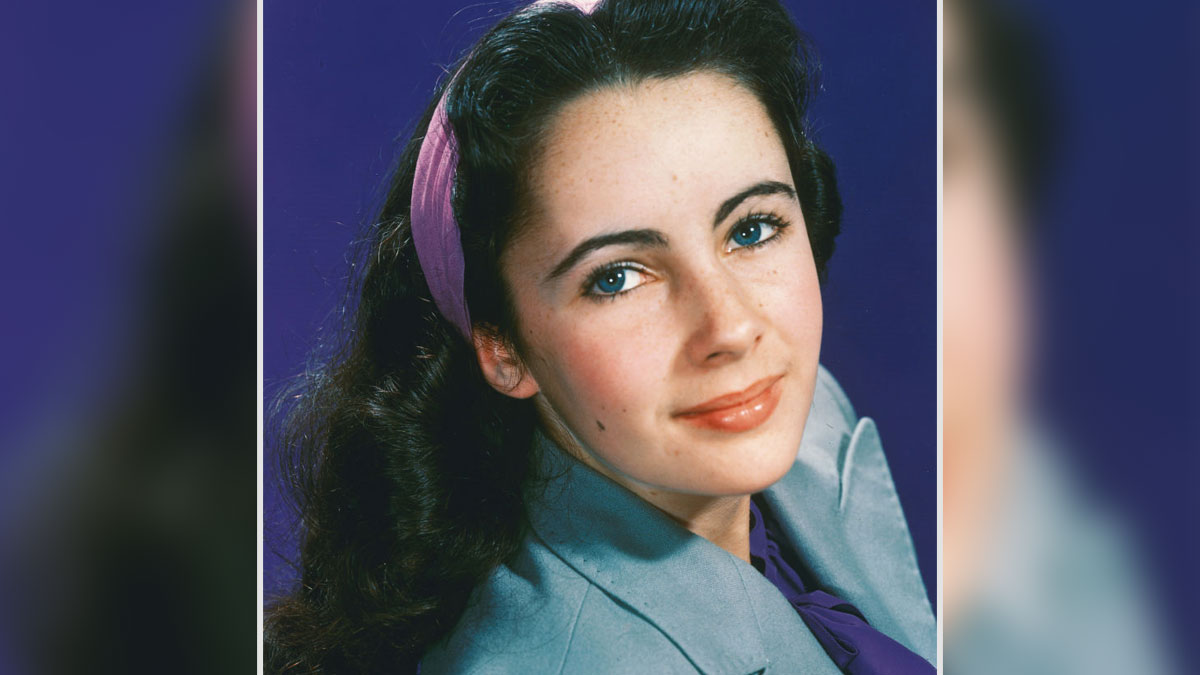
An Interview with Elizabeth Taylor (Famous Hollywood Actress)
A candid reflection from the spirit of Elizabeth Taylor, who shares her journey from the blinding lights of Hollywood to the serene, transformative teachings of the Buddha in the Western Land of Ultimate Bliss.
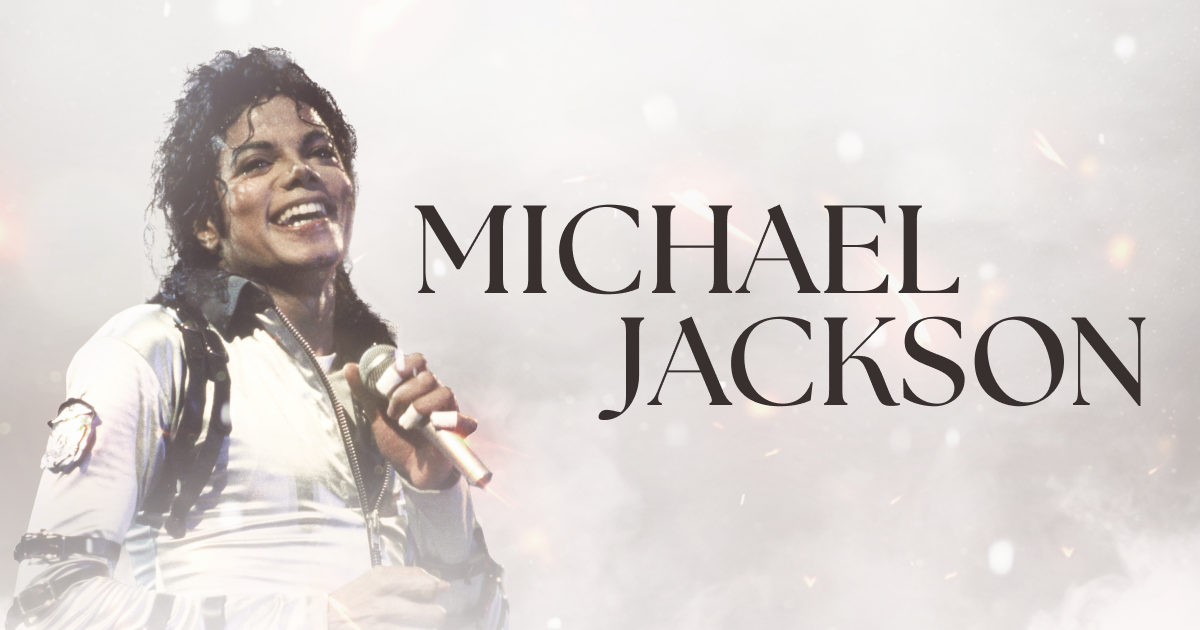
An Interview with Michael Jackson (King of Pop)
Michael Jackson shares his journey from the pressures of global fame to the peace of the Western Pure Land, revealing the truth behind his life and his ultimate deliverance.
A Voice from the Darkness: Helen Keller's Journey
Helen Keller, the renowned deaf-blind philanthropist, shares her journey from the darkness of the ghost realm to the light of the Western Pure Land of Ultimate Bliss, guided by the compassion of Namo Amituofo and Practitioner Su.
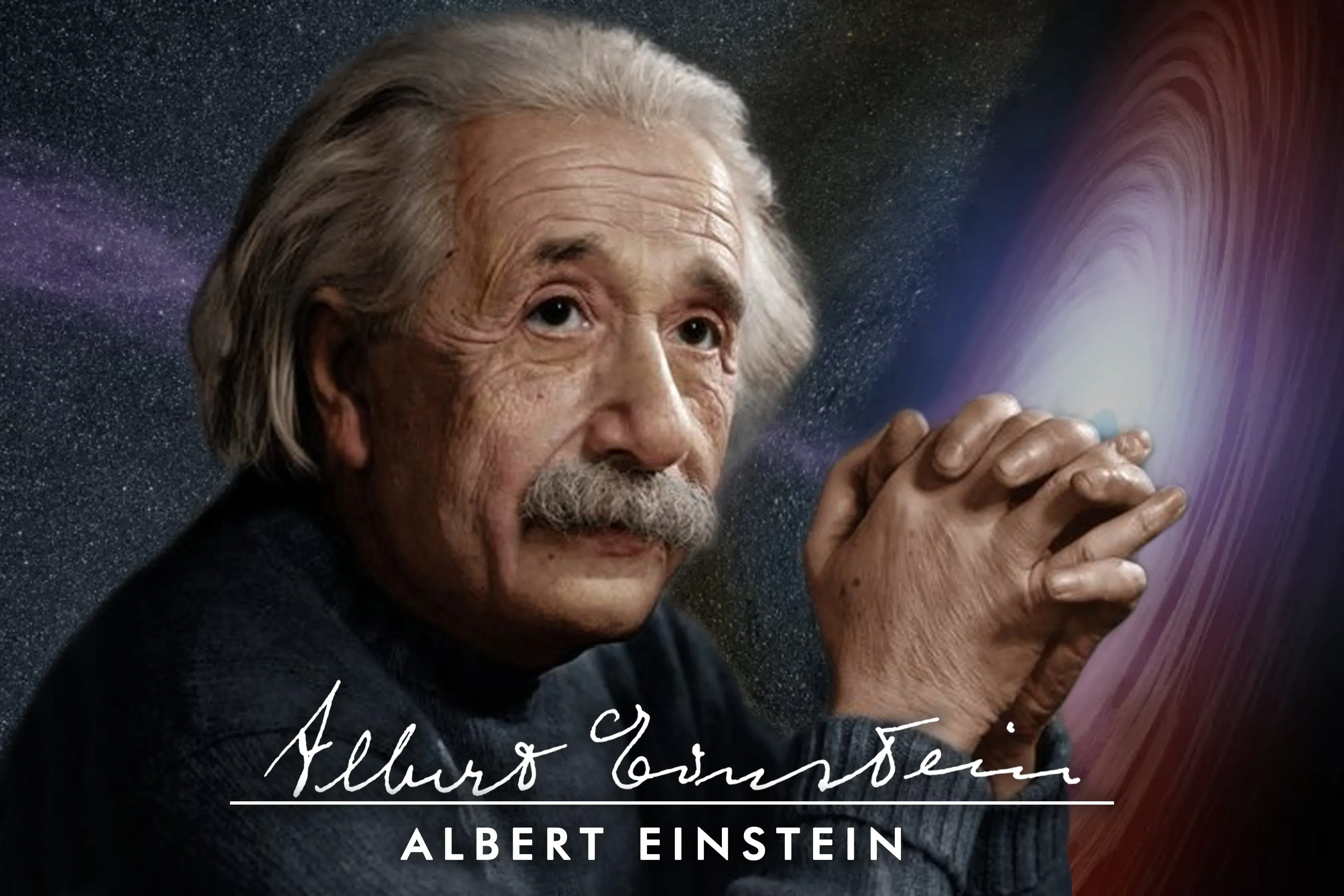
An Interview with Albert Einstein (Theoretical physicist)
Albert Einstein, once considered the most brilliant mind in human history, reflects on his life, the nature of 'science' versus the Truth of the Dharma, and his existence in the Western Pure Land.
A President's Repentance: Ronald Reagan's Journey to the Pure Land
Ronald Reagan, the 40th President of the United States, reflects on his life, his political career, and his profound journey from the depths of hell to the Western Land of Ultimate Bliss through the compassion of Namo Amituofo and Practitioner Su.
The Reflection of a Nation's Founder
This is a record of an interview with Kim Il Sung, the founder and former leader of North Korea, who sought deliverance at the Hsiang Kuang Pure Land Buddhist Centre in Australia. He now resides in the Western Land of Ultimate Bliss. This account reflects upon his life and the spiritual truths he has realised since his passing thirty-two years ago. Recorded by the chief writer, Venerable Fa Hui, on May 18, 2026.
About the Author
Hsiang Kuang Pure Land Buddhist Centre
Contributed to Pure Land Buddhism knowledge library