From the Executioner's Blade to the Pure Land
An Interview with the Former Underworld Prison Guard Luo Jing
This is a record of an interview with Luo Jing, who sought at the Hsiang Kuang Buddhist Centre in Australia. He now resides in the . This account reflects upon his life and his time serving as a prison guard in the underworld. Recorded by the chief writer, Shi Faxin, on November 4, 2022.
Luo Jing speaks:
"Namo Amituofo. Today, guided by the compassionate hand of Practitioner Su, I arrived in the Western Pure Land of Ultimate Bliss, and my heart is overflowing with . I have never seen such a magnificent world, and I have never felt such profound peace in my entire existence.
I actually saw the very house I had always dreamed of, and when I stepped inside, it was exactly as I had imagined. I am filled with such happiness. Arriving in the Western Pure Land is truly the most beautiful moment of my life. I am deeply grateful to Practitioner Su for bringing me and the other fifty-nine prison guards here to the West.
A Childhood Defined by Sacrifice
I am Luo Jing. I grew up in a single-parent household, which made my heart exceptionally resilient, though there were many times when I felt utterly helpless. As a child, I would inadvertently see my mother’s vulnerability—she would be alone, weeping, and my heart would ache for her. I knew she was only pretending to be strong for my sake.
To support us, my mother worked two jobs. When I returned from school, she would ask me to wait at a neighbour’s house until she finished her shift. The neighbour, a kind woman, took good care of me and made sure I was never hungry. But every single day, I would wait at her house, counting the minutes until my mother appeared at the door. Whenever the doorbell rang, I would rush to the entrance to see if it was her. If it was, I would pack my things with lightning speed and head home with her. It was only one floor up, but whenever my mother held my hand, I felt so safe and secure.
As I grew older and more observant, I began to recognise landmarks and patterns. After school, I would secretly go to see where my mother worked. She held many jobs, but the most gruelling was carrying bricks. I would watch her at a nearby construction site, struggling with every single brick she lifted. Many times, her hands would give way, and the bricks would fall, nearly crushing her feet. My heart broke watching her; I wished so desperately that I could be the one carrying those heavy loads instead.
I remember several men who were kind to my mother, clearly wanting to care for her, but she always remained distant. She wanted me to grow up in a simple, stable environment, so she never pursued her own happiness, choosing instead to endure every hardship alone. When my father passed away from illness, he left behind a mountain of medical debt. I was only five years old then. By the time I was ten, my mother’s face had aged significantly; the weariness of the years was etched into her features. Compared to other children my age, my heart carried a heavier burden of worry and concern.
The Artist's Path and the Call of the
I constantly wondered: what could I do to help my mother when I grew up? How could I lighten her load right now? I spent my youth waiting to be old enough to help. Finally, at fifteen, I began taking odd jobs—working in shops, restaurants, and petrol stations. Wherever the hourly wage was higher and they were willing to hire me, that is where I went. When my mother found out I was working, her heart was filled with such sorrow.
From a young age, I had a talent for painting. Painting was the one thing that brought me joy and allowed me to cast aside all my worries. At school, I won many competitions, and my teachers saw great potential in me, teaching me advanced techniques and details. Although I loved it, art supplies were expensive, so I didn't even dare to dream of pursuing it. I decided to abandon my passion; taking care of my mother was the only thing that mattered.
Even though my mother was busy with work and survival, she understood me deeply. She wanted me to attend art university. Every time she brought it up, I shook my head and refused. I had finally managed to give up my own ambitions to help earn money; I didn't want to be a burden on the family anymore. But my magnificent mother was persistent. She told me, 'I have already failed to give you a complete family in this life. The least I can do now is support your dreams.' She wept, and I wept with her. I knew that only by doing this could I ease the guilt in her heart.
With my talent for painting, I was admitted to art university. Because I lacked a formal foundation, I practised constantly during basic courses, using a sheet of paper until it was completely worn out before moving to the next. The school, aware of my family situation, helped me apply for financial aid and found free resources for me. Along the way, I was deeply grateful to everyone who helped me.
My painting style was steady and solid, unlike most others, because it was born from my own life experiences. I was a hyper-realist creator, recording the joys and sorrows of society in my work. At first, I mostly painted the hardworking people at the grassroots level, reflecting the reality of society through them. Later, beyond their hardships, I also captured their contentment with life.
My work caught the attention of the local government, and they displayed my paintings in village and town exhibition areas, allowing my name as an artist to become well-known throughout the region. I was invited to paint for many people, but most importantly, I delved into the hearts of others, painting their joys and sorrows in the hope that people would cherish life more and be more content with what they have.
Later, an aunt led my mother and me to learn the Buddha’s teachings. I was only in my twenties, but I could already feel the peace and serenity that the Dharma brought to my heart. After we began practising, my mother and I were no longer so burdened by suffering. We began to give generously every month—to the temple and to those in need. Although the amounts were small, they were offerings from our hearts.
I asked my mother to retire, and I opened a personal studio, taking commissions to support us both. I encouraged my mother to volunteer at the temple so her life wouldn't feel empty. Seeing her packing meals at the temple and getting along happily with the other volunteers brought me so much joy. It had been so long since I had seen her smile so genuinely, without a trace of worry.
The Truth of the Executioner's Blade
Every year during the Lunar New Year, I wrote spring couplets for the temple to share with the devotees. I used my skills to create paintings and shared them online to spread the Dharma. As my state of mind changed, my painting style and the energy behind my brush began to shift. Every time the temple master saw my work, he would offer me teachings, and each time, I gained a fresh perspective on life. In the past, I painted out of interest and for survival; now, I painted so that people could see my work and smile sincerely. A sincere smile is so precious.
My heart became rich and full. When my mother passed away when I was forty-two, I felt no panic or fear. Instead, I trusted and prayed that she would go to a world without suffering. I believed that the Buddha and Bodhisattvas would protect her. After my dearest person left me, I lived independently, pouring all my energy into my work and temple affairs. I was busy every day, but eventually, I began to feel overwhelmed. My memory started to fade, and after a check-up, I was diagnosed with a brain tumour. At fifty-one, I passed away alone in a nursing home.
Walking through a dark, long path, I arrived before Yama, the King of Hell. My mind was still not very clear. The first thing Yama asked me was, 'Do you have any resentment? Do you resent leaving because of the suffering of your illness?' I replied, 'I know this is what I owed, and it is time to repay it.' Yama slammed his desk and said, 'Very good.' He immediately showed me a vision. In the vision, it was me, beheading many people—I was an executioner, and my mother was my military advisor. In that life, we were both there to undergo . It was fortunate that I had learned the Buddha’s teachings toward the end of my life; otherwise, I would have been trapped in the cycle of rebirth, suffering and resenting for an entire lifetime.
From the Depths of Hell to the Western Pure Land
Seeing that my heart was calm and that I was willing to accept everything, Yama did not say much more. He allowed me to use the merit I had accumulated from doing temple work in this life to serve as a prison guard. I didn't quite understand what a prison guard did, but after taking the post, I was assigned to help direct the execution grounds, overseeing the hell-beings as they underwent their retribution. Seeing the hell-beings screaming in agony, covered in blood, I felt unbearable pain in my heart. But I knew that the laws of and cause and effect could not be escaped; having sown the seeds, one must bear the fruit.
During my time in service, I heard the voice of Practitioner Su from the Hsiang Kuang Pure Land Buddhist Centre giving Dharma talks. I even saw Practitioner Su performing Chao Du to save the beings in hell. I began to practise chanting the six-character name, 'Namo Amituofo,' to bless the hell-beings so they might soon be released from their suffering. I never expected that I, too, would wait for this opportunity to be reborn in the Western Pure Land of Ultimate Bliss.
Now that I have truly arrived in the West, the realm is magnificent, and the Buddha is constantly teaching the Dharma with such . I am so grateful to Practitioner Su for leading this prison guard to the West, allowing us to end the cycle of rebirth. I kneel and bow in gratitude.
Luo Jing, with palms joined in prayer.
Note: The mother of the prison guard Luo Jing, Ma Yingwen, was also guided by Practitioner Su to the Western Land of Dharma Nature at the Hsiang Kuang Pure Land Buddhist Centre, beside the Ksitigarbha .
Namo Amituofo."
More from Hell Guards
The Historian's Sacrifice and the Path to Deliverance
This is a record of an interview with Park Ji-yeop, who sought deliverance at the Hsiang Kuang Pure Land Buddhist Centre in Australia. He now resides in the Western Land of Ultimate Bliss. This account reflects upon his life as a historian during the Joseon Dynasty. Recorded by the chief writer, Fa Ning, on May 17, 2026.
The Scholar Who Guarded the Hells
This is a record of an interview with Zhao Shuwen, who sought Chao Du at the Hsiang Kuang Pure Land Buddhist Centre in Australia. He now resides in the Western Land of Ultimate Bliss. This account reflects upon his life as a scholar and official during the Tang Dynasty, and his subsequent service as a guard in the hells. Recorded by the chief writer, Venerable Fa Hui, on May 10, 2026.
From the Mines to the Western Pure Land
This is a record of an interview with Gu Banjie, who sought deliverance at the Hsiang Kuang Pure Land Buddhist Centre in Australia. He now resides in the Western Land of Ultimate Bliss. This account reflects upon his life as an Indigenous Australian approximately 200 years ago. Recorded by the chief writer, Fa Ning, on May 8, 2026.
A Life Dedicated to the Harvest: The Testimony of Lin Huanda
Lin Huanda, a former agricultural technician who spent his life ensuring the people of China had enough to eat, shares his journey from the rice fields to serving as a prison guard in the underworld, and his final deliverance to the Western Pure Land by Practitioner Su.
More by Hsiang Kuang Pure Land Buddhist Centre
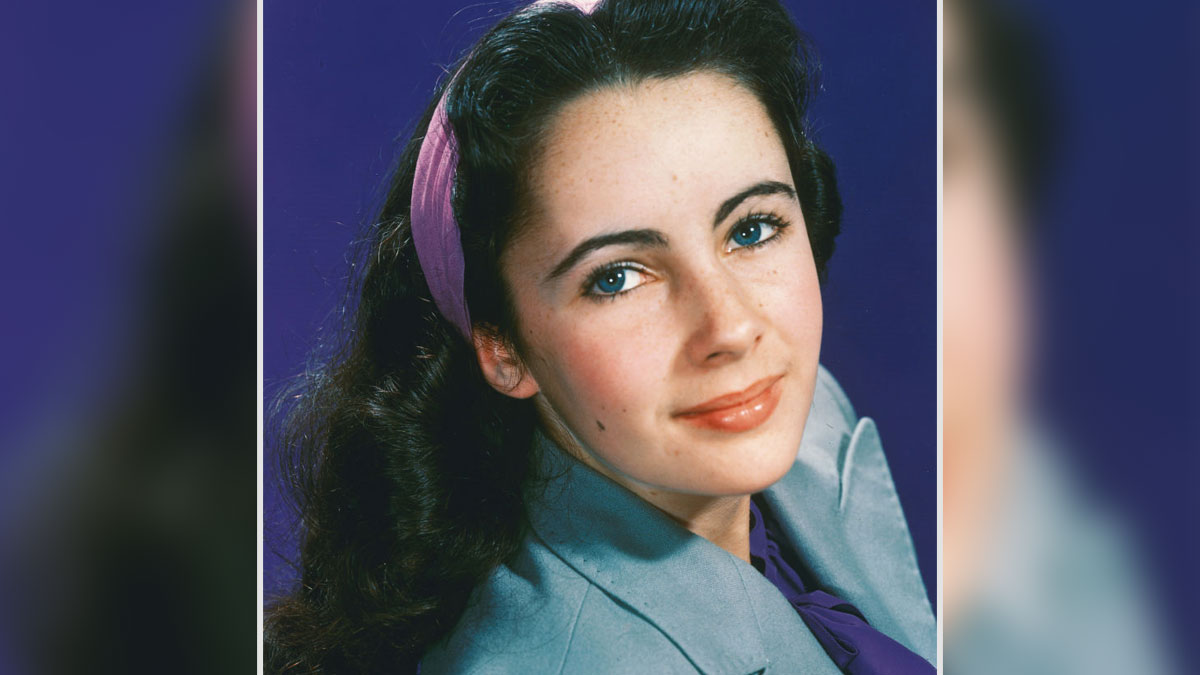
An Interview with Elizabeth Taylor (Famous Hollywood Actress)
A candid reflection from the spirit of Elizabeth Taylor, who shares her journey from the blinding lights of Hollywood to the serene, transformative teachings of the Buddha in the Western Land of Ultimate Bliss.

An Interview with Michael Jackson (King of Pop)
Michael Jackson shares his journey from the pressures of global fame to the peace of the Western Pure Land, revealing the truth behind his life and his ultimate deliverance.
A Voice from the Darkness: Helen Keller's Journey
Helen Keller, the renowned deaf-blind philanthropist, shares her journey from the darkness of the ghost realm to the light of the Western Pure Land of Ultimate Bliss, guided by the compassion of Namo Amituofo and Practitioner Su.
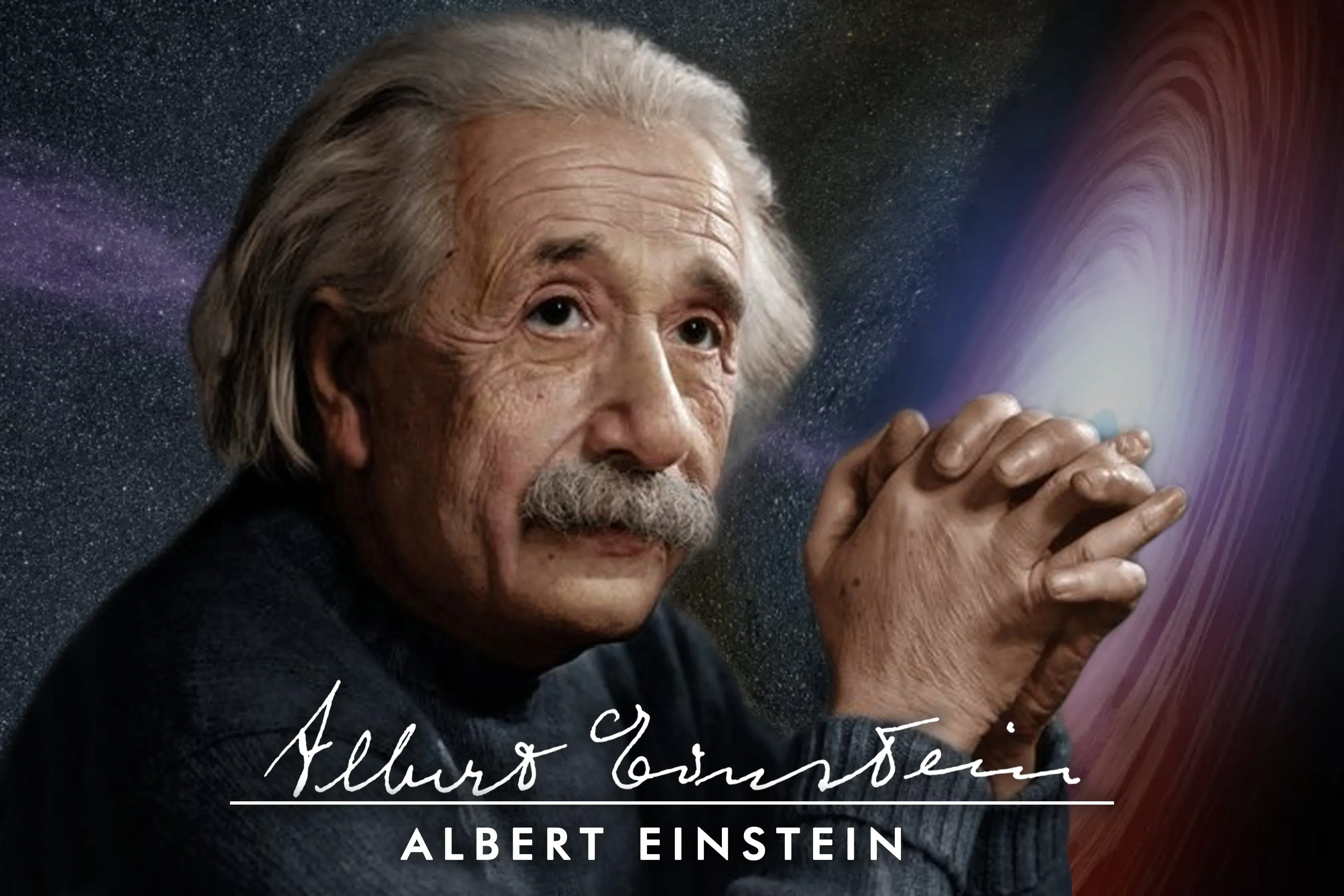
An Interview with Albert Einstein (Theoretical physicist)
Albert Einstein, once considered the most brilliant mind in human history, reflects on his life, the nature of 'science' versus the Truth of the Dharma, and his existence in the Western Pure Land.
A President's Repentance: Ronald Reagan's Journey to the Pure Land
Ronald Reagan, the 40th President of the United States, reflects on his life, his political career, and his profound journey from the depths of hell to the Western Land of Ultimate Bliss through the compassion of Namo Amituofo and Practitioner Su.
The Reflection of a Nation's Founder
This is a record of an interview with Kim Il Sung, the founder and former leader of North Korea, who sought deliverance at the Hsiang Kuang Pure Land Buddhist Centre in Australia. He now resides in the Western Land of Ultimate Bliss. This account reflects upon his life and the spiritual truths he has realised since his passing thirty-two years ago. Recorded by the chief writer, Venerable Fa Hui, on May 18, 2026.
About the Author
Hsiang Kuang Pure Land Buddhist Centre
Contributed to Pure Land Buddhism knowledge library