
An Interview with Venerable Chang Gao
Record of Interviews with Deceased Modern Chinese Celebrities (Preface)
Precious Interview Data from Chinese Elites Released on the Global Internet
Seeing the Peril of China, They Descend to Save the World
A pure heart, a new hope
Interview with Zhao Ning (Co-founder of WuXi AppTec)
This is a record of interviews with Venerable Chang Gao, who shares insights into the profound work of spiritual deliverance conducted at the Hsiang Kuang Buddhist Centre in Australia. These accounts, recorded between April 29 and May 3, 2018, by the chief writer, Practitioner Cao Rudi, reflect upon the complex nature of karmic connections and the compassionate mission to save beings across various dimensions.
Venerable Chang Gao speaks:
". I am Venerable Chang Gao. Today, I wish to share a story that touches upon the deep, often hidden connections between beings—a story of a horse and the karmic threads that span lifetimes.
Imagine a tall, majestic horse standing alone upon a vast, desolate plain. It was the season when autumn turns to winter, and the surrounding grasslands were withered and yellow, devoid of any sign of life. This horse was named Cang'er. Born and raised in this wild expanse, Cang'er spent its days galloping aimlessly across the fields. It had never known its parents. Its coat was a shimmering, dark brown, and it possessed a truly noble stature. However, Cang'er was born with an eye ailment, leaving one eye clouded, as if it were always looking through a thin, translucent veil. By nature, it was untamed and fiercely independent; it despised being ridden and disliked any contact with humans or even its own kind. It survived on the wild grasses of the plains and quenched its thirst with the water from mountain streams, growing up in complete isolation. Every day, it would stand alone on the hilltop, watching the dawn break and the sunset fade, as the days turned into years.
One day, a wandering monk passed through that region. He and Cang'er drank from the same stream to quench their thirst, though they remained on opposite banks. As the monk bowed his head to drink, he sensed something moving nearby. Despite its eye ailment, Cang'er was incredibly sensitive, especially to strangers intruding upon its long-held territory. The monk, a practitioner of great attainment, immediately perceived the horse's past and present lives. He slowly moved closer, but Cang'er, alert and defensive, reared up on its hind legs and let out a loud, piercing neigh. The monk kept a distance of at least one metre and began to speak: 'Oh, noble horse! Have you not suffered enough? In your past life, you were driven by competitiveness and ambition. For the sake of a king and a country, you incited wars and engaged in fierce battles. How many souls perished beneath your feet?'
Strangely, the horse seemed to understand the monk's words. It calmed down, its eyes fixed intently on the monk. The monk continued, 'Ping'er, that is your true name. It is a tragedy that you have fallen into the animal realm. The one standing before you is your own brother from your human life, yet you do not recognise me. In those chaotic times, we were helpless against the tides of fate. I saw through the illusions of this world and entered the monastic life, yet because of my deep emotional entanglements and my inability to let go of my family, I have returned to the human realm today, determined to seek rebirth in the Western Pure Land. Who would have thought that on this path, I would be tested by my own greatest weakness? Ping'er, Namo Amituofo, Namo Amituofo, Namo Amituofo. Falling into the three lower realms is a life of immense suffering. I shall perform the Three Refuges for you, hoping that you may escape the animal realm in this lifetime and be reborn in the Western Pure Land. Namo Amituofo!'
After the monk finished speaking, he continued his journey. But after walking three miles, he turned back. He could not bear the thought of his brother being left alone, so he abandoned his quest for , built a thatched hut on the prairie, and spent the rest of his life accompanying the horse. Even though the horse was no longer as defiant as before, they could never communicate as clearly as they had in their human lives. The monk remained deeply concerned for his brother until his final breath, and because of this, he remained trapped in that space for a long time. Had he not encountered our Master, who knows how much longer he would have had to wait?
Through accompanying our Master in the work of , I have witnessed countless stories of human and sorrow, and of beings trapped in dimensions from which they cannot escape. I share this story to remind everyone that 'seeing through and letting go'—though these four words sound simple—are anything but easy. The monk was unable to leave that space precisely because he could not let go of his attachment. On the path of Buddhist practice, it is vital for fellow practitioners to support and remind one another. More importantly, one must have a true spiritual friend, like our Master, to guide and watch over us. Only then can we ensure that our path to rebirth in the Western Pure Land remains true. Let us encourage one another. Namo Amituofo!"
(Recorded by Practitioner Cao Rudi)
Let me, Chang Gao, share a small story today. The protagonist of this story is a I encountered at today's assembly, a spirit named Gao Ming. Gao Ming told me that his name was not at all auspicious; in fact, he was anything but wise in how he handled affairs or interacted with others. He was constantly hitting walls and making himself disliked, yet he was always oblivious to the root of his problems. He would often brood in silence, nursing his frustrations without ever understanding why things went wrong.
One afternoon, Gao Ming was walking along a path paved with small, loose stones. He carried a pole across his shoulders, laden with needlework his mother had stitched by hand. He hoped to encounter a young lady from a wealthy family in town who might pay a good price for these items, hoping to bring a smile to his mother’s face and, more importantly, to ease the financial strain that had left their household in such dire straits. As he walked, he reached a fork in the road and hesitated, wondering which way to go. Suddenly, a monk appeared before him. Gao Ming asked, "Master, may I ask if the direction you have come from leads to the town? Are there many households there?"
The monk smiled broadly and replied, "Young man, mountains are not mountains, water is not water, and the town is not truly a town." Gao Ming felt a flicker of irritation. "Master, please do not tease me," he retorted. "I am but a simple, uneducated man. I do not understand your profound language. Could you not simply answer my question?"
The monk continued, "Why do you ponder so deeply? Harmony brings wealth, yet you choose to be confrontational. You think you are in the right, but you do not realise the secret losses you are incurring. You are foolishly happy in your ignorance. These are words of gold, but whether you understand them depends on your own clarity. My heavenly secrets end here; it is up to you, Bodhisattva, to see the truth." Gao Ming was becoming quite incensed. The monk refused to answer his question directly and instead spoke in riddles he could not comprehend. Frustrated, Gao Ming crouched down, hoisted his load back onto his shoulders, and chose the path the monk had not taken. He thought to himself, 'What is this monk babbling about? My neighbour once mentioned that he always took this mountain path on the right. Although it is overgrown with weeds, it is a shortcut. I cannot worry about the time; it is already nearly noon, and I am running late.'
As it turned out, the two paths led to different villages—one large and one small. Gao Ming had chosen the path to the smaller village, though he was entirely unaware of the situation. He walked on, his head exposed to the scorching sun, until he finally reached the town. By then, the crowds had long since dispersed. Gao Ming was just wondering what to do when a young lady dressed in fine silks and satins approached, followed by her maid. He thought, 'I must seize this opportunity to introduce these exquisite, handmade purses and trinkets.' He stepped forward, eagerly presenting the treasures in his load.
The young lady came from a wealthy family and had seen every luxury imaginable. Yet, this purse was the handiwork of a poor person; while the fabric was ordinary, its true value could not be measured by material standards alone. Gao Ming, however, was blind to the lady's innate Goodness. Instead, he saw only an opportunity to inflate the price, hoping to compensate for the exhaustion of his journey. The young lady, of course, saw through his intentions. Even though he charged three times the normal price, she still purchased the simple purse. Her maid, however, was indignant, muttering under her breath, "I have never seen such a greedy person in my life!"
How could Gao Ming have known that every small act on his life's journey would be recorded in the halls of the King of Hell after his death? Only then did he realise that even this trivial matter, driven by his own greed, had to be accounted for as a matter of cause and effect. A single thought of greed, exploiting the Goodness of others, became one of the reasons he fell into the ghost realm. Gao Ming had repeated such acts countless times, always believing them to be justified, always thinking he had gained the upper hand. Having had no Causal Conditions to encounter the Buddha’s teachings during his life, he had become anything but wise.
Fortunately, his mother was one who would chant Buddha's name. Although he had refused to engage with the Dharma himself, he had often heard the six-character Buddha-name—"Namo Amituofo"—as his mother held her prayer beads. If not for this, he might have missed this magnificent opportunity for Chao Du today without ever knowing what he had lost.
I, Chang Gao, have come to a deep realisation: "It is difficult to obtain a human body, and it is difficult to hear the Buddha’s teachings." This is absolutely true. We must cherish every good Causal Condition we encounter, for only then will we have the opportunity to reap a good fruit. Namo Amituofo!
This account was recorded by the chief writer, Practitioner Cao Rudi.
Venerable Changgao reflects on the true meaning of foresight, urging humanity to look beyond the fleeting nature of worldly existence and prepare for the eternal journey of the spirit.
Venerable Chang Gao explores the various stages of spiritual practice, guiding seekers from worldly attachments toward a life fully dedicated to the Dharma and the ultimate goal of rebirth in the Western Pure Land of Ultimate Bliss.
Venerable Chang Gao reflects on the true meaning of chanting Namo Amituofo, exploring how the practice can transcend mere repetition to become a profound state of purification and awakening.
Venerable Chang Gao explores the fundamental difference between practitioners who possess a genuine renunciation mind and those who do not, explaining how this heart of renunciation is the key to liberation from the cycle of being reincarnated.
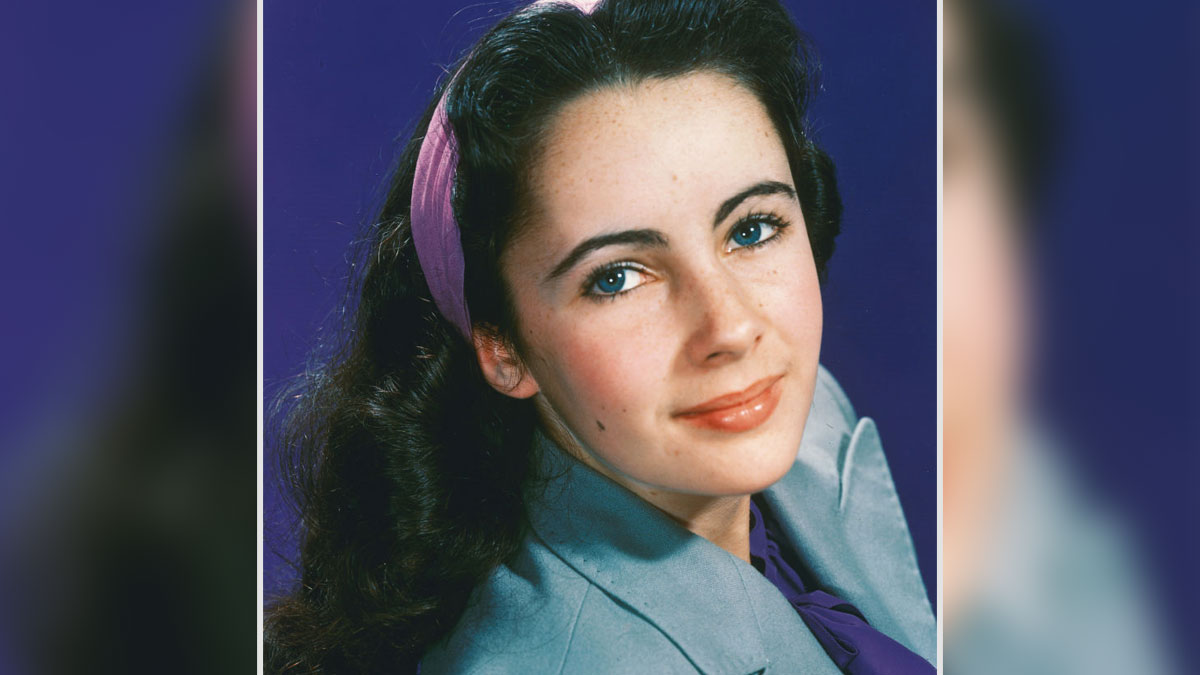
A candid reflection from the spirit of Elizabeth Taylor, who shares her journey from the blinding lights of Hollywood to the serene, transformative teachings of the Buddha in the Western Land of Ultimate Bliss.
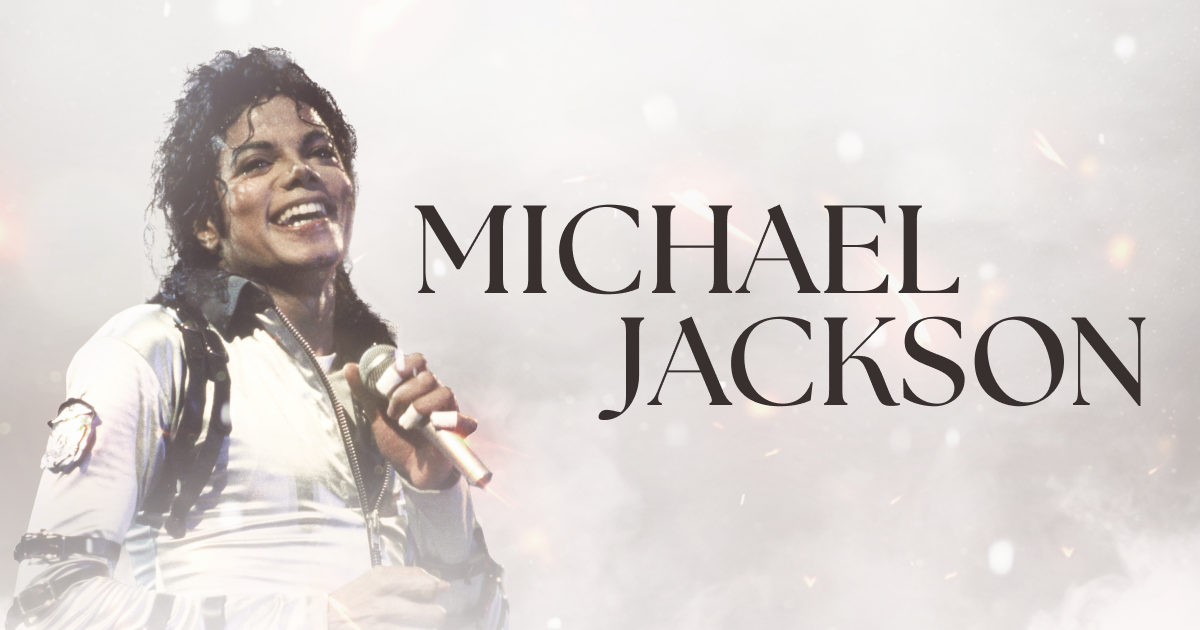
Michael Jackson shares his journey from the pressures of global fame to the peace of the Western Pure Land, revealing the truth behind his life and his ultimate deliverance.
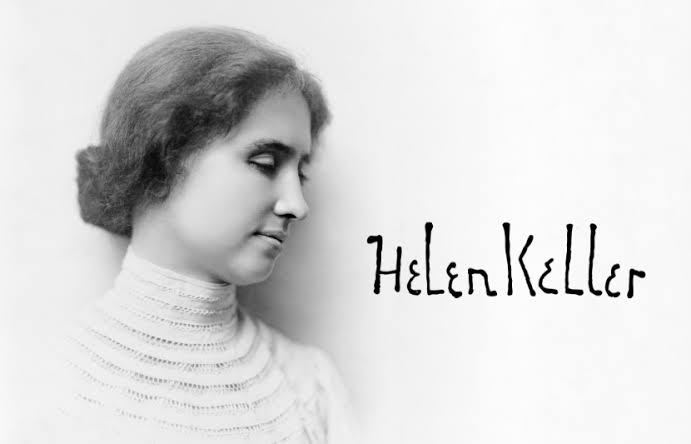
Helen Keller, the renowned deaf-blind philanthropist, shares her journey from the darkness of the ghost realm to the light of the Western Pure Land of Ultimate Bliss, guided by the compassion of Namo Amituofo and Practitioner Su.
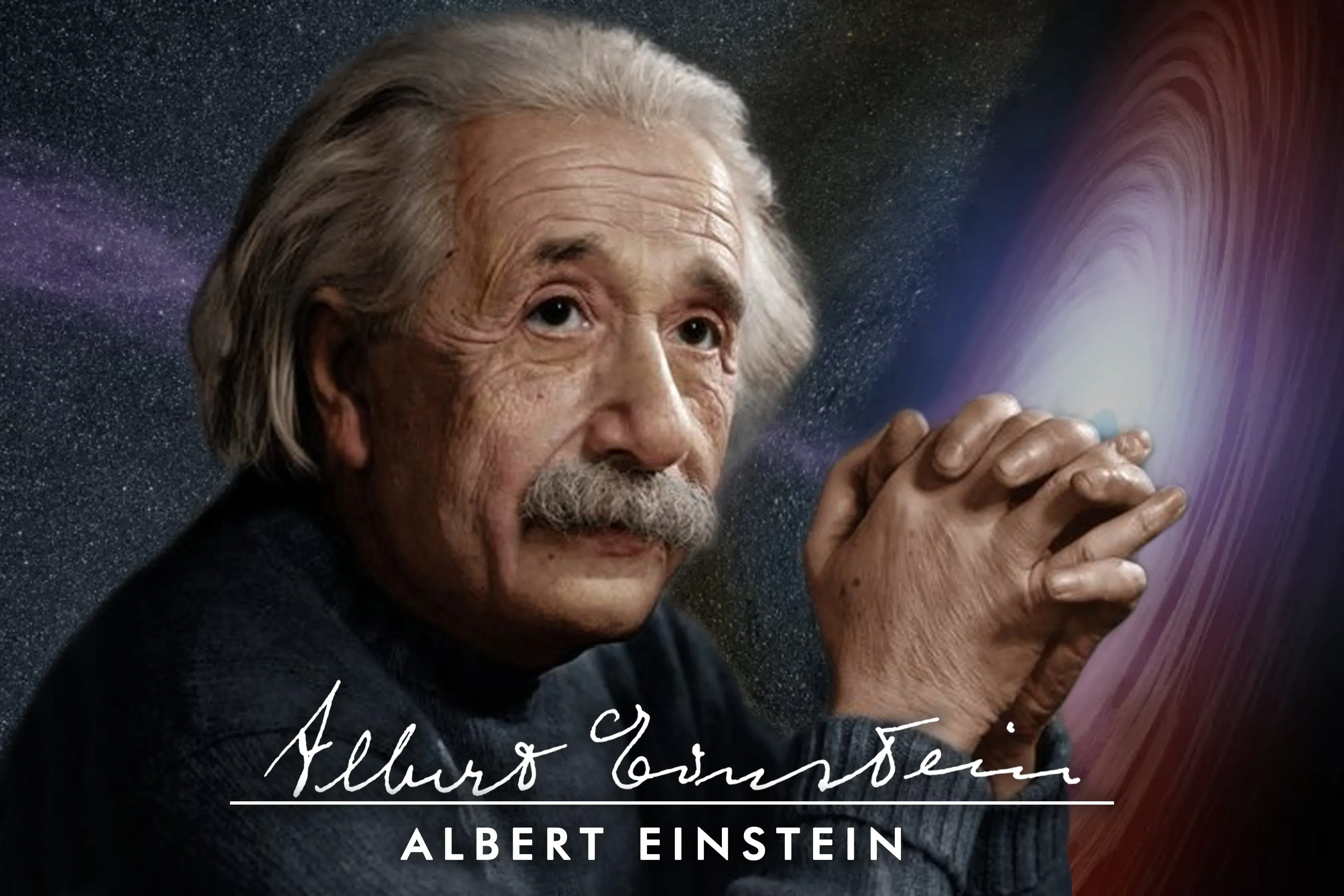
Albert Einstein, once considered the most brilliant mind in human history, reflects on his life, the nature of 'science' versus the Truth of the Dharma, and his existence in the Western Pure Land.
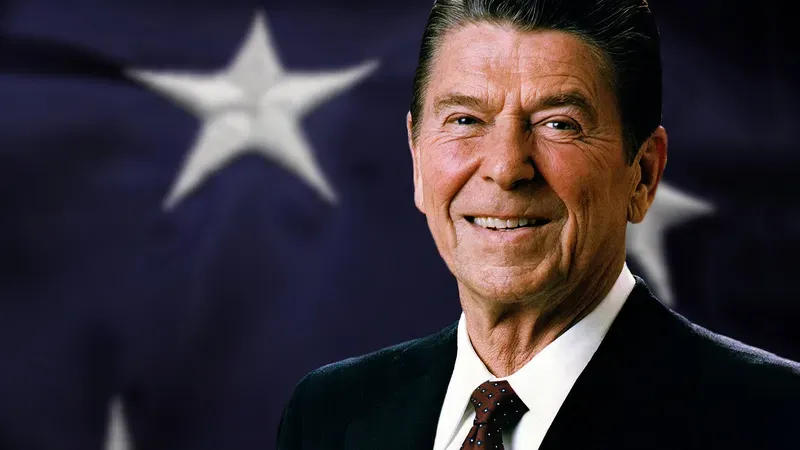
Ronald Reagan, the 40th President of the United States, reflects on his life, his political career, and his profound journey from the depths of hell to the Western Land of Ultimate Bliss through the compassion of Namo Amituofo and Practitioner Su.
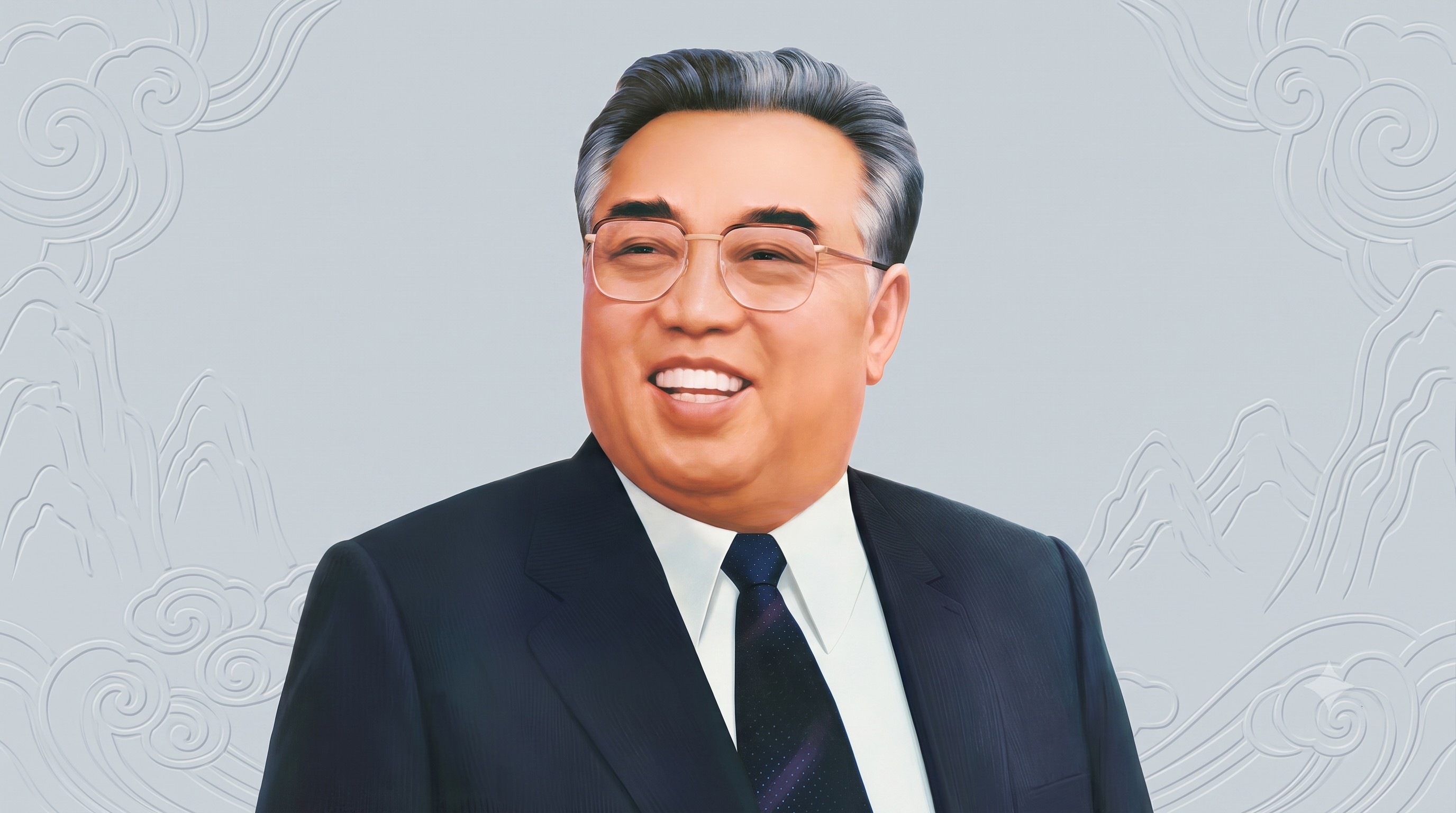
This is a record of an interview with Kim Il Sung, the founder and former leader of North Korea, who sought deliverance 32 years ago. He now resides in the Western Land of Ultimate Bliss.
Hsiang Kuang Pure Land Buddhist Centre
Contributed to Pure Land Buddhism knowledge library