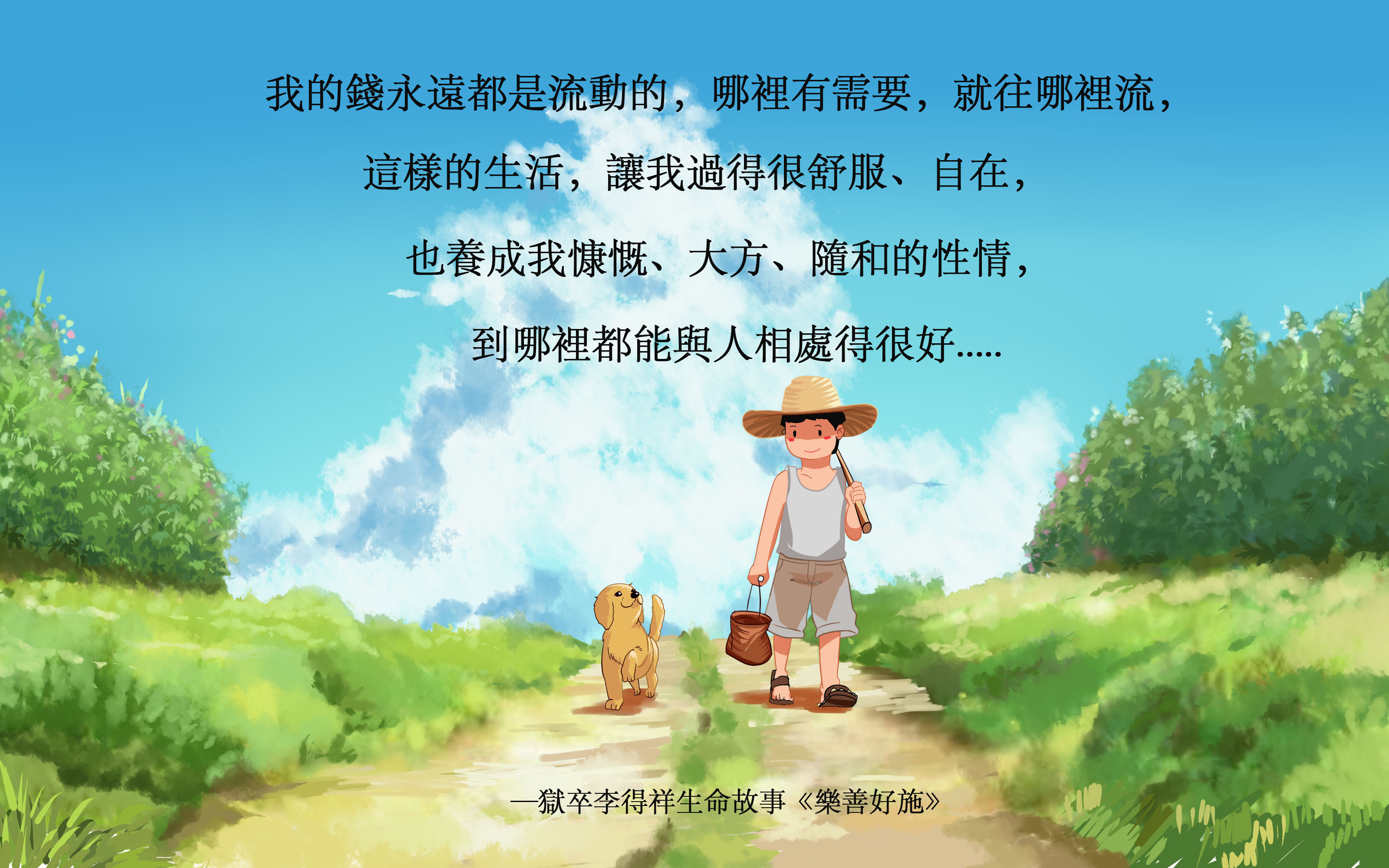
An Interview with the Spirit of Li Dexiang, a Former Prison Guard
Do Not Cling to Bodily Sensations
Interview with Gu Fangzhou (Chinese Virologist)
No Longer Distinguishing Right from Wrong
Interview with Li Yining (The Theoretical Founder of China's Shareholding System Reform)
Interview with Li Wenrui (Expert in Integrated Chinese and Western Medicine, Master of National Medicine)
Li Dexiang, a humble soul from the Yuan Dynasty, spent his mortal life dedicated to the virtue of Generosity. After passing away at eighty-seven, he served as a prison guard in the hells, where he continued his compassionate work. Seeking deliverance through the teachings of Practitioner Su at the Hsiang Kuang Buddhist Centre, he eventually attained rebirth in the Western Land of Ultimate Bliss. This interview was recorded on November 20, 2020.
Li Dexiang speaks:
". I am Li Dexiang. Along with fifty-nine other prison guards, I kneel here to express my deepest gratitude to the Buddha for His , and to Practitioner Su for her boundless mercy. After three long years, we have finally reached this magnificent moment. Our hearts are filled with and the joy; we are truly beyond grateful.
Since I passed away at the age of eighty-seven, I had remained in that elderly form. But now, having arrived in the Western Land of Ultimate Bliss, I suddenly feel young again. We sixty guards looked at one another, sharing bright, radiant smiles. Soon, we each went our separate ways, yet we all know that we are each enjoying the bliss of the Western Land of Ultimate Bliss.
The Western Land of Ultimate Bliss is vast, truly vast. I sit before the lotus pond, gazing at the large, translucent lotus flowers. Each one emits a fragrance unique to this realm. The purity, the tranquility, and the stillness here are a world of difference from the hells. I cannot help but sigh with regret: if only everyone in the world knew how wonderful this place is, they would surely strive diligently for rebirth in the Western Land of Ultimate Bliss. They would never commit the sins that lead to the hells, where one suffers retribution in hell every single second. Why put oneself through that?
Let me introduce myself properly. Hello everyone, my name is Li Dexiang. I was born in the Yuan Dynasty, in Anhui, China. I am not a person of any special status; I was just a common civilian living in the countryside with my parents.
I am so grateful to my parents for giving me a healthy human body, which allowed me to do so many things. Our family was moderately well-off. My father ran a tea shop at the corner of the lane, selling high-quality teas that were mostly affordable only to high-ranking officials or the wealthy. After a few years, my father realised that many common civilians, whose standard of living was not as high, also loved to drink tea. So, he began selling more affordable varieties in the shop as well.
Once, a customer from the upper class came to the shop and asked my father, 'Why don't you just sell these expensive teas? Selling those cheap ones lowers the quality of your entire shop. What a pity!' My father replied to him, 'The purpose of my selling tea is not entirely for profit. A good cup of tea can make a person feel happy and bring them joy. Many of us Chinese love tea, myself included. I hope that everyone, regardless of their status, background, or position, can feel happy for an entire day just by drinking a good cup of tea. That is my purpose. So, even the lower-priced teas I sell are actually high-quality; I intentionally lower the price for the common civilians so that everyone can taste good tea.' I learned from my father's kind nature—he always liked to think of others. Although I could not satisfy everyone, I did my best to meet people's needs and make them happy. Our family's income came from this tea shop. We were not wealthy, but we were not poor either; we had just enough to spend each month without worrying about money.
When many people talk about 'money,' their brows furrow. I remember my aunt often visiting us when I was young. I heard my father say that she had married a very wealthy man and lived a life of great luxury in the big city. Indeed, every time I saw her, she was dressed beautifully, exuding a faint fragrance and wearing expensive jewellery. To my six-year-old eyes, she was a wealthy lady.
That year, a disaster struck our village. Heavy rains throughout the night destroyed many houses, and the ground was flooded. Although no one lost their life, many villagers were injured while trying to repair their roofs in the rain. Families who relied on farming were facing a crisis. My father wrote a letter to my aunt, begging her to help by donating some money to provide relief for the victims so that their lives could return to stability. My aunt and father had always been close, so we expected her to send money quickly. To our surprise, after waiting for a long time, there was no news. When my father wrote again, she replied, 'I have no money. You should think of another way.' From that day on, she never visited us again. I asked my father, 'Why did Aunt stop coming after you mentioned money?' My father knew she valued money above all else, but he was shocked to find it was to such an extent that she would cut off contact. He took out all our family savings, but it was not enough. He then wrote to officials, hoping the government would provide relief funds to help the villagers rebuild. I accompanied my father to other towns to raise funds, hoping kind-hearted people would donate. After much effort, we finally raised enough money to provide for every household for half a year. Besides repairing houses, they could buy food. During those six months, the villagers did not have to worry about money. They actively rebuilt their homes and soon returned to their normal lives. The villagers were all very grateful, but my father told me, 'No matter how many people are grateful, you must know that this is simply what we ought to do.'
Through this experience of fundraising, I learned that for many people, money is more important than life itself. Getting them to take money out of their pockets is harder than ascending to heaven. Yet, I also saw some people who, despite their own poverty, were willing to help the villagers with their meager savings.
Those who held onto their money tightly, whether they were rich or not, never seemed happy. Their faces were always tense, lacking openness and ease. Those who had little but were willing to practise Generosity were, conversely, very happy. From this realisation, I understood that money is a toxic substance that harms people. Once the desire for possession arises, one's heart becomes tightly bound by it. Although I was young, this insight deeply influenced my life. To me, money is something to be utilised; it is like flowing water, not like stagnant, blocked sewage.
Money in my pocket is not necessarily for me alone to spend. It is fluid. When I see someone in need, I take it out to help them, and the money begins to flow again. If I see someone in trouble and still hold onto the money in my pocket, the first thing that becomes blocked is my own heart. My heart would be bound by that selfishness, and that is not worth it. I do not do such things. Therefore, my money is always flowing; it flows wherever there is a need. This way of life has made me very comfortable and at ease, and it has cultivated a generous, open, and easygoing temperament, allowing me to get along well with everyone.
Although I am not very rich, I have never lacked money. My funds always appear in a continuous stream, especially when I want to help others. I think perhaps Heaven is helping me! Knowing I want to help, it allows me to fulfil my dreams, providing just the right amount of money to spend entirely on those I wish to assist. I am not an exaggerator; if I have one cent, I help with one cent. I am not one to keep things for myself; if I have ten cents, I give all ten to help others. Many times, I went on long journeys and, seeing someone in need on the road, gave away all the money I had, completely forgetting that I would need it for the trip home. I never regretted giving it all away, thinking, 'The boat will naturally straighten when it reaches the bridge.' And indeed! Whenever I needed money, someone would suddenly appear to help me. When I was hungry, a roadside shop would offer me food. I am very grateful to these people; their faces seemed familiar, though I did not know them. It felt miraculous, as if someone was watching over me in the shadows.
I do not possess magical powers, yet I have been able to 'summon wind and rain.' Not many people believe this, but it truly happened to me. Perhaps it is because my heart is entirely focused on helping others that my mental notes are easily realised. Once, my father and I were travelling through mountains and rivers, wanting to see the world and understand life. When we arrived at a village, we found a large container placed in front of every household. I asked them, 'What are these containers for?' They replied, 'These are for storing water. It has not rained here for a long time, and we cherish every drop. We put these containers outside so that whenever it rains, we can catch it and not waste a single drop.' I looked at the village; the flowers, trees, and plants were all withered, and everyone walking on the road looked dehydrated. I looked up at the sky and saw a dark cloud carrying moisture that could have descended, but it was being held back. I asked the village head, 'Has anything happened in the village?' He shook his head and said, 'No.' Just then, I smelled a strong odour of mutton. I asked, 'What is that smell?' He said, 'We just slaughtered a sheep and cooked a large pot of mutton soup to give to the orphans in the village.' I asked in surprise, 'Do you eat meat often?' The village head said proudly, 'Do you see that mountain behind us? There are many animals there. We often go hunting and catch animals every day, so we have meat to eat often. Plus, every household raises poultry and animals, so it is easy to eat meat at every meal.' I looked up again at the cloud that could bring rain; it was being blocked by a force. I told the village head, 'If everyone in the village, from children to adults, can follow a vegetarian diet for one month, this drought will end.' He was half-believing, but I said, 'Trust me once.' Desperate to resolve the drought, he decided to try it. He gathered the village leaders and conveyed this to every household, telling them they must strictly adhere to it.
One month later, I returned. Before I could ask, I knew they had all been vegetarian. The village head asked, 'You don't live here, how did you know?' I smiled and said, 'The feeling of stepping into the village is completely different from a month ago. My body feels much more comfortable, and I can feel moisture in the air. It will rain soon.' As soon as I finished speaking, a drop of water hit my nose, then my forehead, then my head. I told him, 'Look, it is raining!' He was overjoyed. All the adults and children ran out, cheering, 'It's raining! It's raining!' To not waste the water, they brought out many basins of various sizes. Every villager had a happy smile. I heard later that the whole village became vegetarian and never encountered a drought again.
I also once went to a city where the sky was always covered in dark clouds, with constant rain and occasional flooding, which troubled the residents greatly. My father asked me, 'What is going on with them? Can you help ask Heaven to stop the rain?' We stayed at an inn for three days, observing. Finally, I discovered the problem: whether it was the common civilians or the officials, their greed was very strong. I could see it in their eyes and behaviour. To help them, I wrote a letter to the officials explaining how to stop the rain: stop the greed and learn contentment. If they could do that, the disaster would be resolved. The officials were sceptical, but when they were about to tear up my letter, the rain outside intensified. I told them, 'Just trust me once.' Three months later, I returned to that city. The sky was blue with white clouds, and the greedy look on people's faces had diminished significantly. I asked the residents, 'How did you change?' They said, 'Now, someone comes to teach us every week. Every household must send someone to listen, and then go home to tell the whole family. The lesson is simply the word "contentment." It teaches us to learn contentment in daily life and cut off our greed.' These residents were simple. I saw that the one teaching them was an old monk; it seems the officials had sought help from the temple, allowing the people to change their hearts and successfully resolve the disaster.
I spent my life helping others in this way. Later, as I grew old and my legs could not carry me as far, I went out less, but people often came to my home seeking help. For over eighty years, I helped people, which invisibly increased my Wisdom. I could see the solution to problems before people even opened their mouths. That is the experience of helping others. My door was rarely closed; as long as someone wanted to ask me a question, I welcomed them.
I never married or had children. I never feared running out of money, because whenever I had none, kind people would bring some. I was often embarrassed to accept it, but they would say I had helped them before and this was their small gesture of gratitude, so I would accept.
I lived to be eighty-seven. In my sleep, my soul left my body and was brought before the King of the Fifth Hall of Hell. He said that because of my merits in helping others throughout my life, I could serve as a prison guard. I was honoured to have this position and was always diligent in my duties. In the hells, I still liked to help others as I did in life. Seeing so many criminals suffering retribution in hell, I wanted to do my part to counsel them, hoping they would not have to suffer such pain again.
Having listened to Practitioner Su's Dharma talks for several years, I understand more and more that everything lies in this heart. Therefore, cultivating the heart is very important, which is what people in the world today lack. Although I am no longer a person of the world, I do not forget the heart of helping others. If I have the opportunity to be a human again in the future, I hope to be someone who knows how to teach the Dharma to others, counselling them to learn Buddhism so they can truly achieve liberation and leave suffering behind."
Recorded by the chief writer, Shi Fajing, a disciple of the Buddha.
This is a record of an interview with Park Ji-yeop, who sought deliverance at the Hsiang Kuang Pure Land Buddhist Centre in Australia. He now resides in the Western Land of Ultimate Bliss. This account reflects upon his life as a historian during the Joseon Dynasty. Recorded by the chief writer, Fa Ning, on May 17, 2026.
This is a record of an interview with Zhao Shuwen, who sought Chao Du at the Hsiang Kuang Pure Land Buddhist Centre in Australia. He now resides in the Western Land of Ultimate Bliss. This account reflects upon his life as a scholar and official during the Tang Dynasty, and his subsequent service as a guard in the hells. Recorded by the chief writer, Venerable Fa Hui, on May 10, 2026.
This is a record of an interview with Gu Banjie, who sought deliverance at the Hsiang Kuang Pure Land Buddhist Centre in Australia. He now resides in the Western Land of Ultimate Bliss. This account reflects upon his life as an Indigenous Australian approximately 200 years ago. Recorded by the chief writer, Fa Ning, on May 8, 2026.
Lin Huanda, a former agricultural technician who spent his life ensuring the people of China had enough to eat, shares his journey from the rice fields to serving as a prison guard in the underworld, and his final deliverance to the Western Pure Land by Practitioner Su.

A candid reflection from the spirit of Elizabeth Taylor, who shares her journey from the blinding lights of Hollywood to the serene, transformative teachings of the Buddha in the Western Land of Ultimate Bliss.

Michael Jackson shares his journey from the pressures of global fame to the peace of the Western Pure Land, revealing the truth behind his life and his ultimate deliverance.
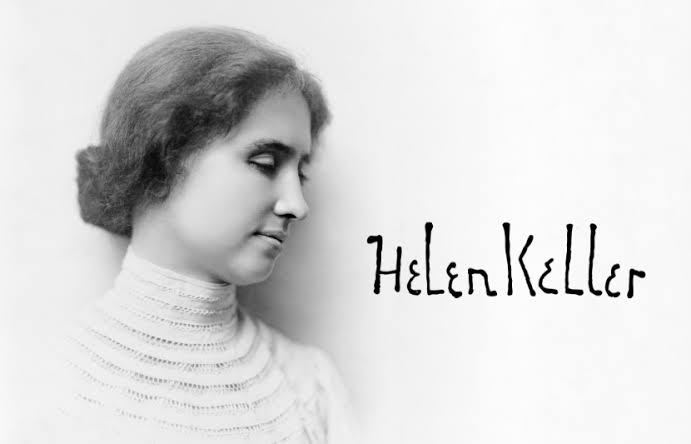
Helen Keller, the renowned deaf-blind philanthropist, shares her journey from the darkness of the ghost realm to the light of the Western Pure Land of Ultimate Bliss, guided by the compassion of Namo Amituofo and Practitioner Su.

Albert Einstein, once considered the most brilliant mind in human history, reflects on his life, the nature of 'science' versus the Truth of the Dharma, and his existence in the Western Pure Land.

Ronald Reagan, the 40th President of the United States, reflects on his life, his political career, and his profound journey from the depths of hell to the Western Land of Ultimate Bliss through the compassion of Namo Amituofo and Practitioner Su.
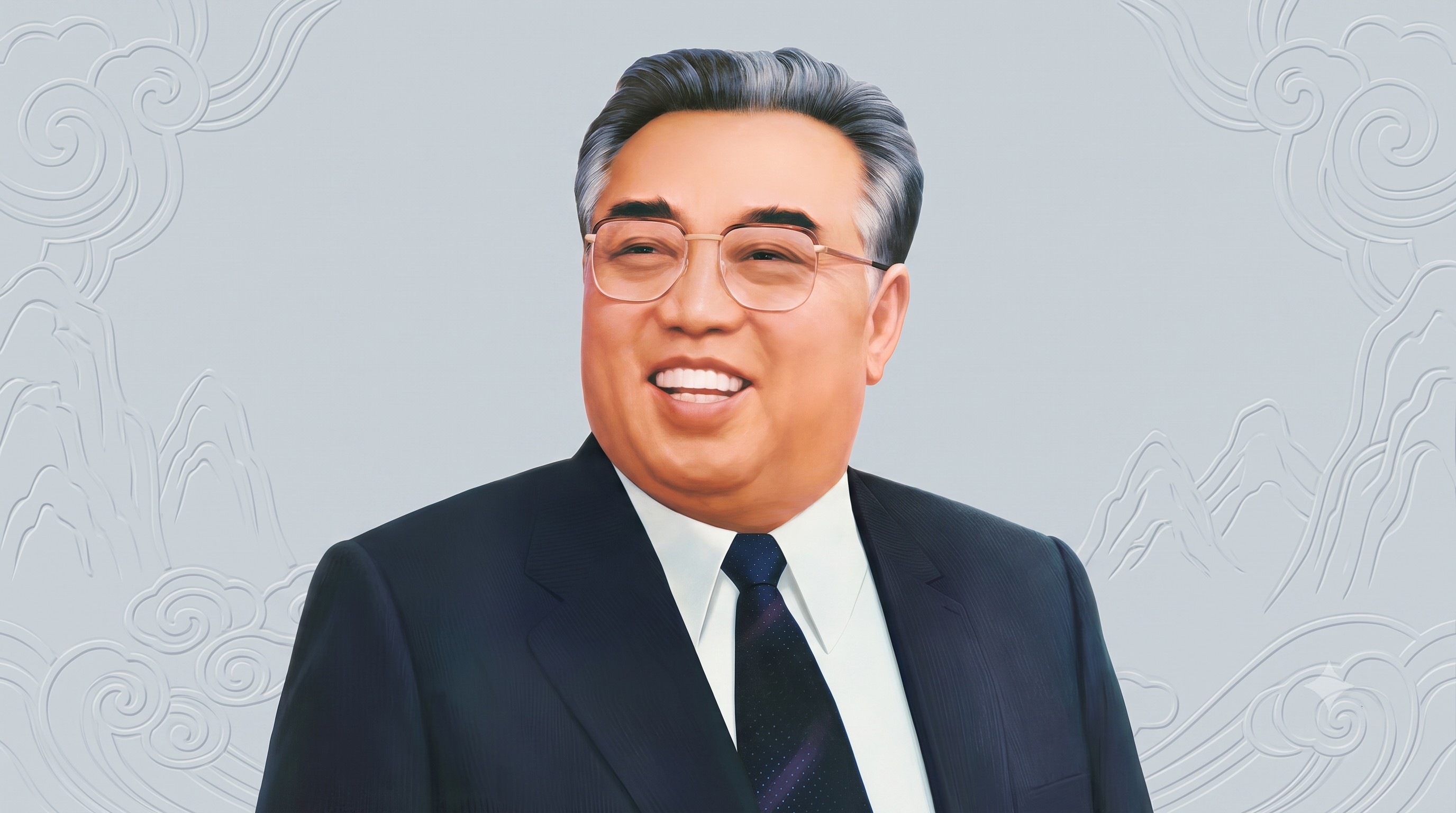
This is a record of an interview with Kim Il Sung, the founder and former leader of North Korea, who sought deliverance 32 years ago. He now resides in the Western Land of Ultimate Bliss.
Hsiang Kuang Pure Land Buddhist Centre
Contributed to Pure Land Buddhism knowledge library