Words of Namo Amituofo
Record of Interviews with Deceased Modern Chinese Celebrities (Preface)
Making Good Use of Buddha's Power
Teacher Introduces the Namo Amitabha Buddhist Hall
Interview with Xi Zhongxun (Former Vice Premier of the State Council of China, Father of Chinese President Xi Jinping)
Hsiang Kuang Pure Land Buddhist Centre in Turmoil: Chinese Leadership and Sentient Beings with Karmic Affinity

Spiritual practice is, at its core, a life of self-breakthrough, self-encouragement, and self-restraint. To truly walk this path, you must be willing to transcend the person you were before you began your practice. This transformation is not merely superficial; it requires a fundamental shift in your entire existence. You must re-evaluate your life attitudes, your ultimate purpose, your goals, and your daily lifestyle. The people you associate with, the environment you inhabit, your daily routines, and your very concepts of reality must become vastly different from those of the secular world.
After beginning your practice, you may gain some understanding of how you should live, but this knowledge is rarely complete. You may find yourself in a period of adjustment. Some practitioners are ready to accept these changes and advance further in their learning. Others may choose to withdraw, while some remain in a state of hesitation. It may take a significant amount of time before one truly decides whether to commit to a life of practice—a life that is simple, yet filled with diligent practice.
For those who have taken the and entered the monastic community as a Bhikshu or Bhikshuni, the commitment is even more profound. Regardless of the initial reasons that brought you through the Buddha’s gate, once you have joined the monastic community, you must align yourself with your role and the regulations of the community. At this stage, any problems you encounter during your diligent practice should be addressed by adjusting your perspective to align with the Universal Principle, the Truth, and the Right Way.
When you encounter situations that conflict with your ingrained habits or personal tendencies, you must strive for a breakthrough. You must make these adjustments while strictly adhering to the Precepts and ensuring that you do not create . If you remain persistent, there will come a day when you finally achieve this breakthrough.
As long as you maintain faith in the Buddha and faith in yourself, every experience—whether you feel drowsy or whether you are navigating the complexities of different spaces—is a vital part of your practice. As long as you are willing to continue walking on this path of practice, you must face your challenges head-on. You must confront your own shortcomings, overcome them, and improve yourself. It is essential to follow the guidance provided by your teachers and Practitioner Su to refine your conduct.
Always remember that having faults is a sign of being polluted. When you identify a fault, you must correct it immediately. You must correct it again and again, and you must purify yourself, then purify yourself once more. Do not be someone who knows of a fault but refuses to change. Do not ignore your shortcomings, and do not pretend they do not exist. If you allow these faults to persist, the pollution will continue to spread, becoming increasingly difficult to stop.
Any minor negligence can potentially create a negative cause, leading to the suffering of evil consequences. You must be cautious! Do not let your time pass in vain. To stop evil and perform Goodness—this is the mark of true wisdom.

A candid reflection from the spirit of Elizabeth Taylor, who shares her journey from the blinding lights of Hollywood to the serene, transformative teachings of the Buddha in the Western Land of Ultimate Bliss.

Michael Jackson shares his journey from the pressures of global fame to the peace of the Western Pure Land, revealing the truth behind his life and his ultimate deliverance.

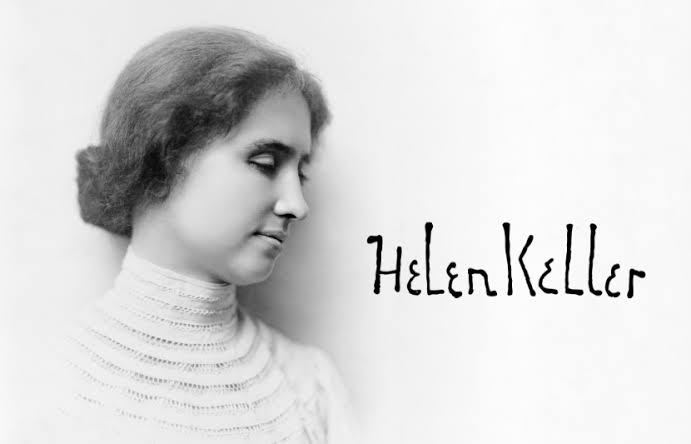
Helen Keller, the renowned deaf-blind philanthropist, shares her journey from the darkness of the ghost realm to the light of the Western Pure Land of Ultimate Bliss, guided by the compassion of Namo Amituofo and Practitioner Su.

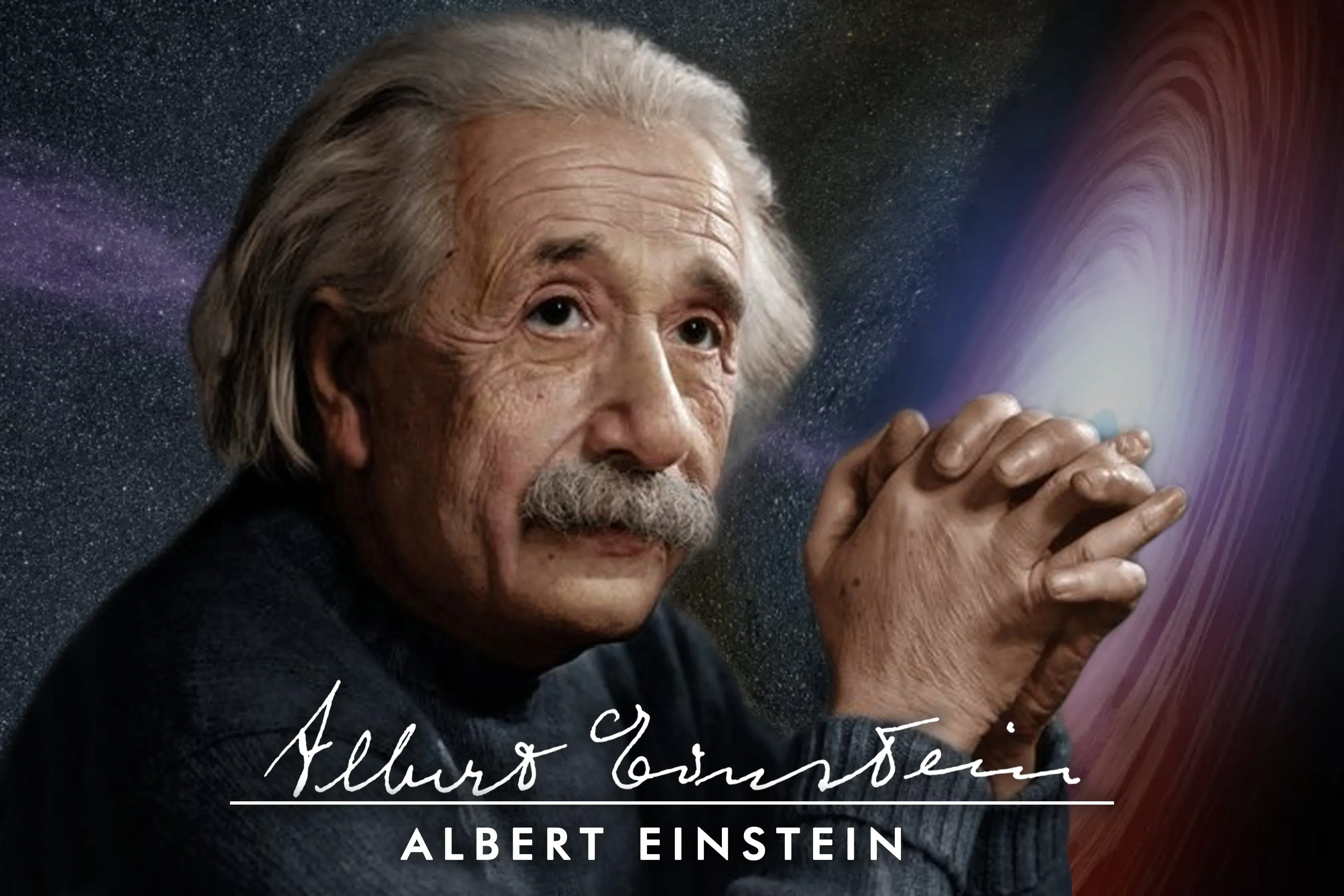
Albert Einstein, once considered the most brilliant mind in human history, reflects on his life, the nature of 'science' versus the Truth of the Dharma, and his existence in the Western Pure Land.

Ronald Reagan, the 40th President of the United States, reflects on his life, his political career, and his profound journey from the depths of hell to the Western Land of Ultimate Bliss through the compassion of Namo Amituofo and Practitioner Su.

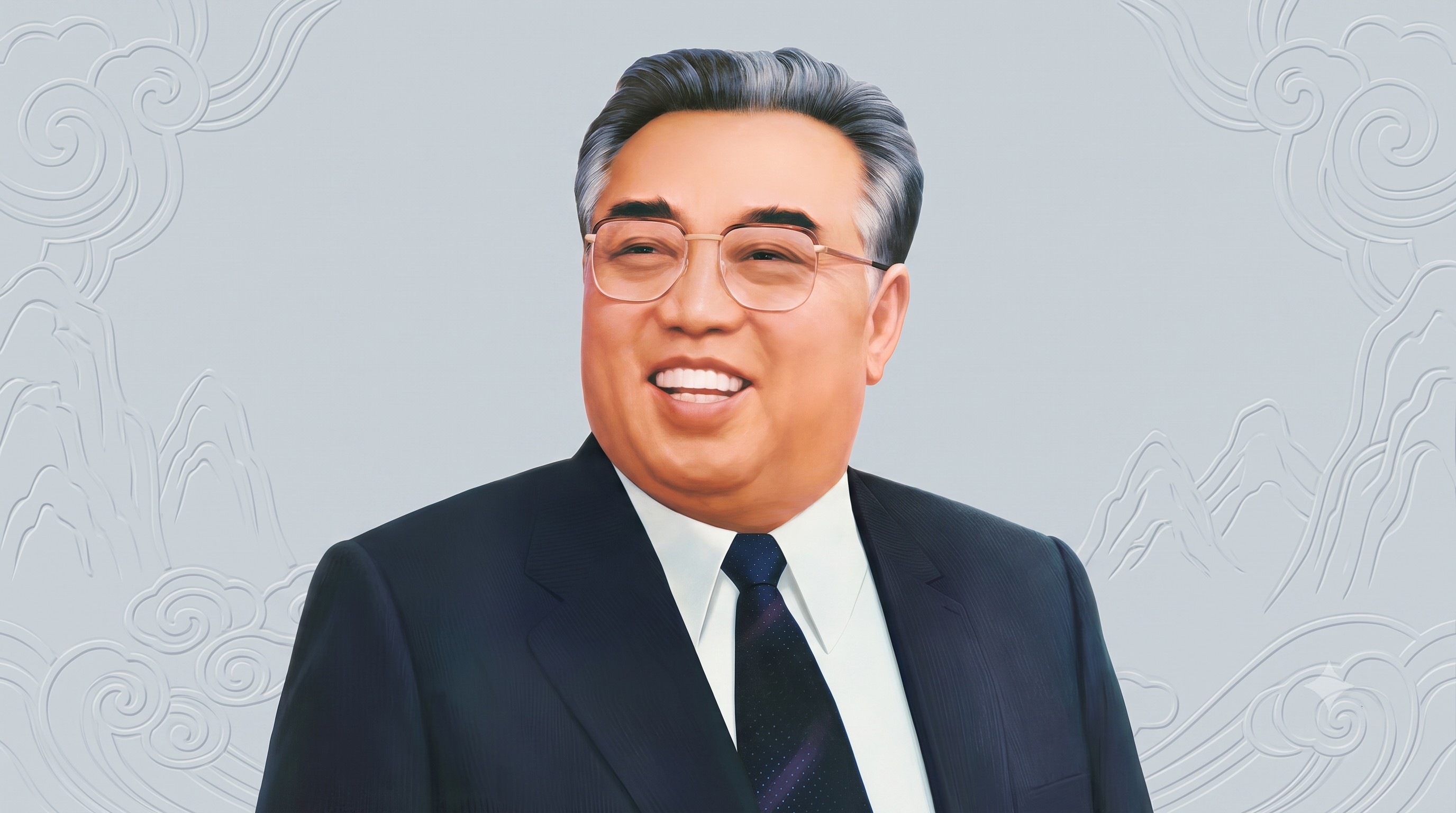
This is a record of an interview with Kim Il Sung, the founder and former leader of North Korea, who sought deliverance 32 years ago. He now resides in the Western Land of Ultimate Bliss.
Hsiang Kuang Pure Land Buddhist Centre
Contributed to Pure Land Buddhism knowledge library