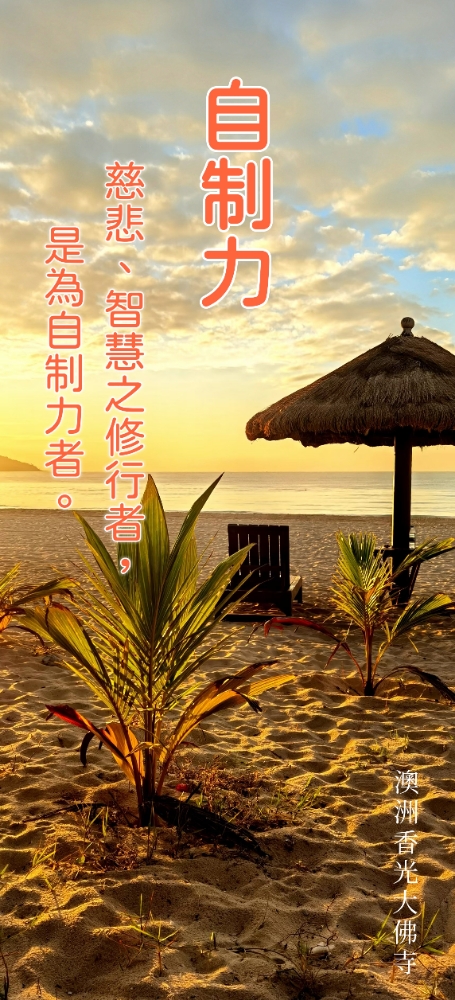
Amitabha Buddha's Discourse
Do Not Cling to Bodily Sensations
Interview with Gu Fangzhou (Chinese Virologist)
Interview with Zhao Ning (Co-founder of WuXi AppTec)
No Longer Distinguishing Right from Wrong
Interview with Li Yining (The Theoretical Founder of China's Shareholding System Reform)
Recorded and transcribed by ’s disciple, Venerable HaiZe.
Amitabha Buddha's discourse:
Self-control is the fundamental ability to govern one's own mind, speech, and actions. For any practitioner on the path to liberation, self-control is not merely a suggestion; it is the primary condition for spiritual progress. It serves as the inner compass that keeps us aligned with the Truth, ensuring that we do not stray into the shadows of our own making.
When you commit yourself to the path of practice, you must prioritise self-discipline and self-regulation. These are essential requirements for every practitioner. By cultivating a strong sense of self-control, you are able to avoid the pitfalls of laziness, refrain from indulgence in worldly distractions, prevent the breaking of the , and steadily increase your virtue.
Often, our own deep-seated habits and personality traits create the greatest barriers to our purification. When we fail to control these tendencies, we allow our past to manifest in ways that hinder our progress. This lack of discipline can lead to the manifestation of , and in severe cases, it may leave us vulnerable to the influence of attached spirits or demon crowds. When we are under such influences, we inevitably suffer the cycle of aging, sickness, and death.
To truly progress, you must allow your self-control to manifest clearly. It is only through this disciplined restraint that you can begin to change your negative personality traits and habits. This process is vital for the Body-Mind-Spirit purification that you seek. By exercising self-control, you gain the strength to overcome the obstacles posed by karmic creditors, attached spirits, and the interference of demon crowds. This is how you protect yourself from the various sufferings of the world.
When your self-control is firm, your mind becomes a vessel capable of receiving the . Only then can the teachings of purity and goodness truly take root in your heart. You will find that you are able to listen to the Dharma with clarity and put it into practice without hesitation. Furthermore, this discipline prevents the onset of and the tendency to wander into other mental spaces, which are common distractions that hinder the practitioner. Only with such a focused mind can you make genuine progress and reach the possibility of .
Those who possess strong self-control are naturally protected from creating new karma. They avoid the traps of laziness, indulgence, and the breaking of Precepts. Self-control is, therefore, a critical component of your daily practice of introspection and self-reflection. It serves as a clear indicator of your personal virtue.
A person of true virtue is one who can control themselves. They are able to live in accordance with the temple rules and the Precepts. Consider the alternative: if one does not value virtue or ignores its importance, they will inevitably place their own ego at the centre of their life. They will follow their own whims, habits, and subjective views. In such a state, how can one be any different from those who do not practise at all?
If you can speak of the Dharma but fail to act upon it, your words and deeds are inconsistent. If you lack self-control and break the Precepts, you are actively damaging your own virtue. To lose one's virtue is to drift further away from the state of Awakening. This loss is the clearest sign of a weak and undisciplined mind. Remember, the practitioner who embodies and Wisdom is always one who possesses the strength of self-control.
Namo Amituofo

A candid reflection from the spirit of Elizabeth Taylor, who shares her journey from the blinding lights of Hollywood to the serene, transformative teachings of the Buddha in the Western Land of Ultimate Bliss.
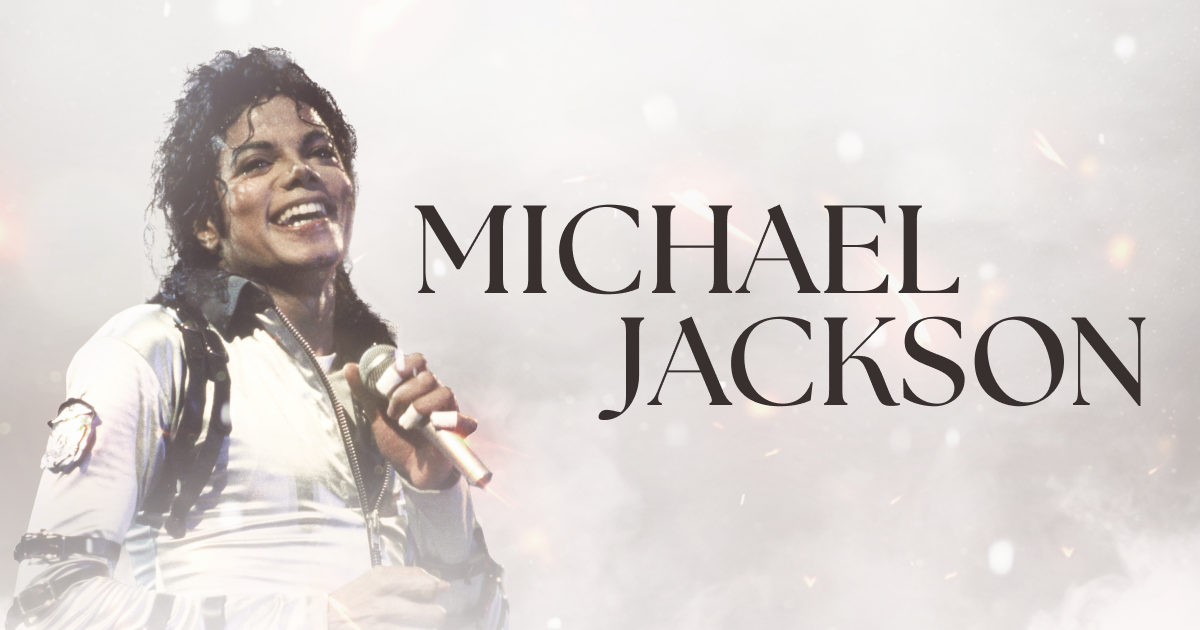
Michael Jackson shares his journey from the pressures of global fame to the peace of the Western Pure Land, revealing the truth behind his life and his ultimate deliverance.
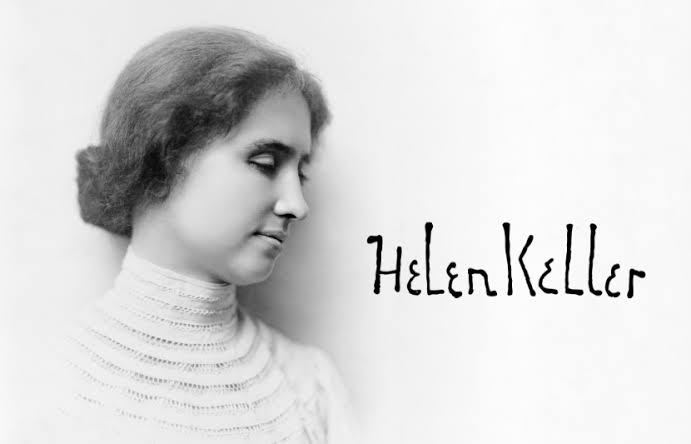
Helen Keller, the renowned deaf-blind philanthropist, shares her journey from the darkness of the ghost realm to the light of the Western Pure Land of Ultimate Bliss, guided by the compassion of Namo Amituofo and Practitioner Su.
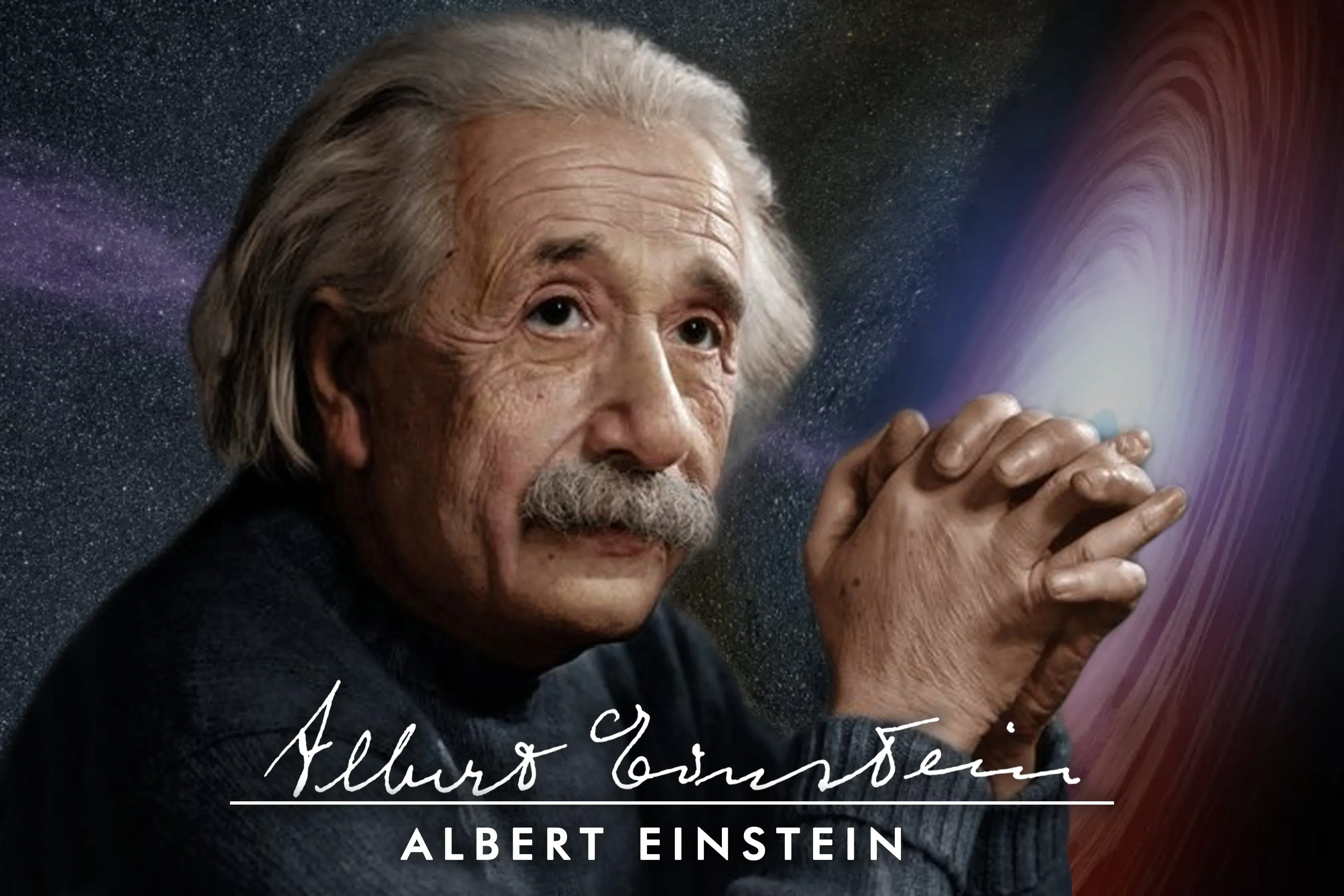
Albert Einstein, once considered the most brilliant mind in human history, reflects on his life, the nature of 'science' versus the Truth of the Dharma, and his existence in the Western Pure Land.

Ronald Reagan, the 40th President of the United States, reflects on his life, his political career, and his profound journey from the depths of hell to the Western Land of Ultimate Bliss through the compassion of Namo Amituofo and Practitioner Su.
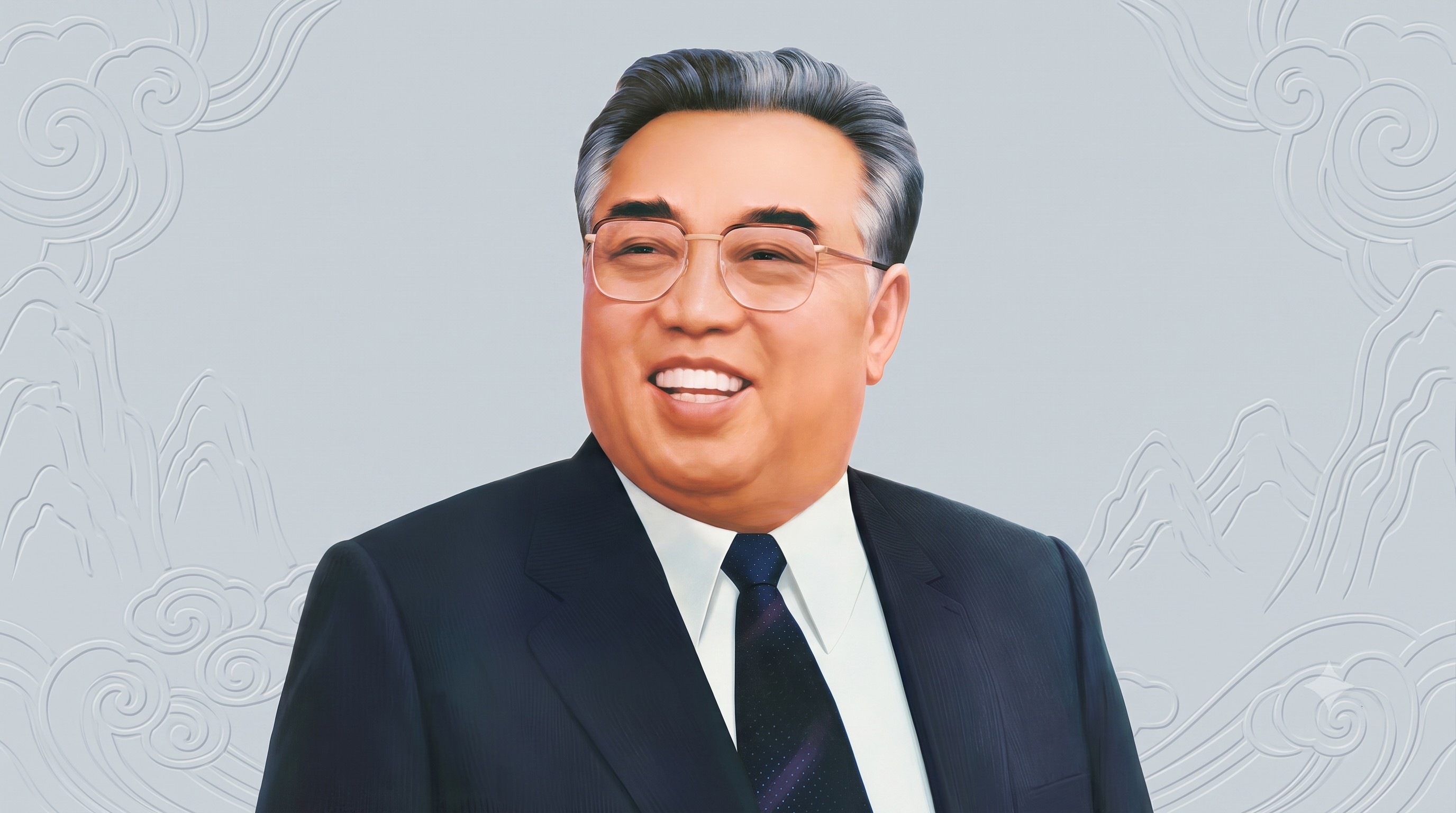
This is a record of an interview with Kim Il Sung, the founder and former leader of North Korea, who sought deliverance 32 years ago. He now resides in the Western Land of Ultimate Bliss.
Hsiang Kuang Pure Land Buddhist Centre
Contributed to Pure Land Buddhism knowledge library