The Price of Abandoning the Path
An Interview with the Spirit of Gu Qingfeng, a Former Prison Guard
This interview was recorded on September 1, 2023, by the chief writer, Shi Faxin. Gu Qingfeng, who was born into a devout Buddhist family, recounts his journey from a young novice to a life of worldly struggle, eventually finding redemption as a spirit serving in the underworld before his rebirth in the of Ultimate Bliss.
Gu Qingfeng speaks:
"I am incredibly fortunate to have stepped onto this great vessel returning to the West. I have now arrived in the Western Land of Ultimate Bliss. It is far more magnificent than I could have ever imagined. Every moment, I am being transformed by the purification and purity of this Western Land.
I am deeply grateful for the of the Buddha and the compassion of Practitioner Su, which allowed me and fifty-nine other prison guards to be reborn in the Western Land today. I kneel and kowtow in gratitude for this opportunity."
A Childhood Rooted in the
"I am Gu Qingfeng. Today, King Yama sent me as a representative. To be honest, I feel quite ashamed, yet I must share my life experience to serve as a warning to others.
I am Gu Qingfeng. My family, the Gu family, was a family of Buddhist practitioners. From my grandparents and parents to my relatives, almost everyone practised the Buddha’s teachings. Growing up in such an environment, I naturally possessed good roots for the Dharma.
Even before I could speak, my parents would wave prayer beads in front of me. Whenever I cried, the moment I saw the beads, I would stop immediately. They tried this many times, and every time they saw this, they were overjoyed.
When I was old enough to speak, my family asked me, 'Would you like to become a little novice in the future, live in a temple, and help all beings?' I did not hesitate and replied, 'Yes.' My family was delighted, though they feared it might just be childish talk. Every year on my birthday, they would ask me again, 'Do you still want to be a little novice?' By the time I was seven, my answer remained unchanged. Only then did my family truly believe this was the path I wanted to take. At eight years old, they sent me to the temple. On the day I left, although everyone was reluctant to part with me, they offered their and were happy that the Gu family would eventually produce a remarkable master."
The Rigours of Temple Life
"From the day I left home, I never returned. Upon entering the temple, my master cherished the bloodline that was willing to sacrifice for the Buddha’s teachings. He kept me by his side, watching me closely and adjusting every detail of my conduct.
Back at home, there would be a table full of food, and no one would stop me from eating as much as I wanted. My grandmother would even keep piling food into my bowl if I ate too little. But in the temple, I had only one bowl; once the food in front of me was finished, it was finished. At first, when my stomach would growl, I would wait, hoping for more, but after several meals, I realised no more was coming. I felt deeply disappointed.
Beyond the hunger, my master assigned me many chores to complete. Initially, I thought to myself, 'I never had to do these things at home; why must I do them now?' I felt a great deal of resistance, as this was completely different from what I had imagined. I had always thought that practising with my master meant simply chanting the Buddha’s name all day—I had no idea there would be so much manual labour.
My master was clearly aware of every thought and intention that arose in my heart. He was tempering me, trying to grind away the habits I had brought from home so that I could truly let go of the past and learn from the beginning."
The Struggle with Attachment and Judgment
"Six months after entering the temple, once my character had stabilised, my master began to teach me in daily life, explaining that life itself is the practice. He told me that performing Buddhist duties with full dedication and without extraneous thoughts is practice. He said that every friction and sense of injustice I felt when interacting with my fellow practitioners was also practice—an opportunity to refine my personality into someone entirely different.
My master taught me several major aspects of practice, urging me to study them well. I listened, but I found that putting them into practice was not easy. I had a very heavy habit: I was judgmental. Even though I left home at eight, the concepts taught to me by my family were deeply rooted in my heart, so I often judged others based on my own perspective.
Once, I saw a fellow practitioner take supplies from the kitchen on his own. A fire of indignation ignited within me; I felt he shouldn't have done that. I didn't say anything at the time, but I developed a negative view of his character. I was convinced my assessment of him was correct, only to learn later that he was helping to care for a sick master. I treated him with hostility, and he was not unaware of it—he simply chose not to argue with me. Even after learning the truth, my nature was hard to change; I continued to look down on others and find fault.
Eventually, when I couldn't take it anymore, I reported the 'outrageous' behaviour of my fellow practitioners to my master. After waiting a week and seeing that my master took no action, I felt he was being unfair. This wasn't the first time, so I began to wonder if I was suited for temple life. This thought circled in my mind more than once. I believed my master’s management was flawed and that my fellow practitioners were not truly practising. Since the environment didn't suit me, I didn't want to stay. I was willing to let go of everything from the first eighteen years of my life and start over."
The Regret of the Worldly Path
"When my final complaint was neither addressed nor adopted, I impulsively and firmly told my master I wanted to leave. Both he and my fellow practitioners tried to persuade me to stay, but I was resolute. Returning to worldly life, I dared not go home. I knew the expectations my family had for my practice, and I couldn't bear to let them know I had abandoned the path.
For the first month, while I couldn't find work, I slept on the streets. Subtle thoughts of regret would arise, but I dared not face them, for I knew there was no turning back. A month later, I found work in a kitchen. The boss kindly provided me with a place to stay, but I had to work from dawn until dusk. Even when others left, I had to continue.
After only two days, my body was nearly paralysed with exhaustion. During my rest time, I couldn't move, and the next day I had to drag my heavy body to continue working. I desperately wanted to quit, but the thought that I would have nowhere to live kept me from doing so. I spent several years drifting in the secular world, changing jobs frequently. I gave my best in every role, yet I never achieved the life I truly desired. I became confused and asked myself, 'What kind of life do I really want?' I fell into deep contemplation, only to find that I couldn't come up with an answer. I even began to think that the life of practice I had led in the first half of my life was what I truly wanted deep down.
After many internal dialogues, I finally faced the truth. From admission to remorse, I realised how empty and helpless I felt. I began to chant Namo Amituofo, asking for the Buddha’s blessing and repenting, praying that the Buddha would lead me to the Western Land."
Redemption and Rebirth
"At thirty-six, due to the complex emotions within me, my health began to fail. I started coughing up blood intermittently, which told me my life was nearing its end. Looking back at how my master had guided me, I realised how valuable those lessons were. It was my own personality, my attachments, and my subjectivity that had killed me and led me to live such a life.
At forty-one, a wave of dizziness overcame me, and I collapsed to the ground. It took several years from the onset of my illness to the end of my life. I knew I was undergoing , and I held a heart of repentance, hoping to follow the Buddha in the future. At the moment of death, I did not chant the Buddha’s name; instead, I saw the temple where I had once lived. A force of attraction pulled me in, and I became a hand-held chime. I returned to the temple, not realising I had died, thinking the Buddha had given me a chance to return.
I could feel the hearts of every practitioner who held the chime. When they struck it, I used the most respectful and sincere heart to emit the crisp, clear sound, hoping that the ghost deities would hear it and that the practitioners would find peace within through the sound of the Dharma instrument. I do not know how long I served as a chime before I was taken to the court of King Yama. Because of my repentance and sincerity, King Yama granted me the position of a prison guard, allowing me to serve all beings. I felt gratitude and gained profound insights while serving.
I was even more fortunate to hear Practitioner Su give Dharma talks during my service. I felt deep shame for my past attitude toward practice and my negative conduct while human, and I became determined to seek rebirth in the Western Land of Ultimate Bliss. Today, I am fortunate that King Yama has given me this opportunity, and through the compassion of the Buddha and Practitioner Su, I and the other fifty-nine prison guards have been led to the West. We are all deeply grateful.
Gu Qingfeng, kneeling and kowtowing."
More from Hell Guards
The Historian's Sacrifice and the Path to Deliverance
This is a record of an interview with Park Ji-yeop, who sought deliverance at the Hsiang Kuang Pure Land Buddhist Centre in Australia. He now resides in the Western Land of Ultimate Bliss. This account reflects upon his life as a historian during the Joseon Dynasty. Recorded by the chief writer, Fa Ning, on May 17, 2026.
The Scholar Who Guarded the Hells
This is a record of an interview with Zhao Shuwen, who sought Chao Du at the Hsiang Kuang Pure Land Buddhist Centre in Australia. He now resides in the Western Land of Ultimate Bliss. This account reflects upon his life as a scholar and official during the Tang Dynasty, and his subsequent service as a guard in the hells. Recorded by the chief writer, Venerable Fa Hui, on May 10, 2026.
From the Mines to the Western Pure Land
This is a record of an interview with Gu Banjie, who sought deliverance at the Hsiang Kuang Pure Land Buddhist Centre in Australia. He now resides in the Western Land of Ultimate Bliss. This account reflects upon his life as an Indigenous Australian approximately 200 years ago. Recorded by the chief writer, Fa Ning, on May 8, 2026.
A Life Dedicated to the Harvest: The Testimony of Lin Huanda
Lin Huanda, a former agricultural technician who spent his life ensuring the people of China had enough to eat, shares his journey from the rice fields to serving as a prison guard in the underworld, and his final deliverance to the Western Pure Land by Practitioner Su.
More by Hsiang Kuang Pure Land Buddhist Centre
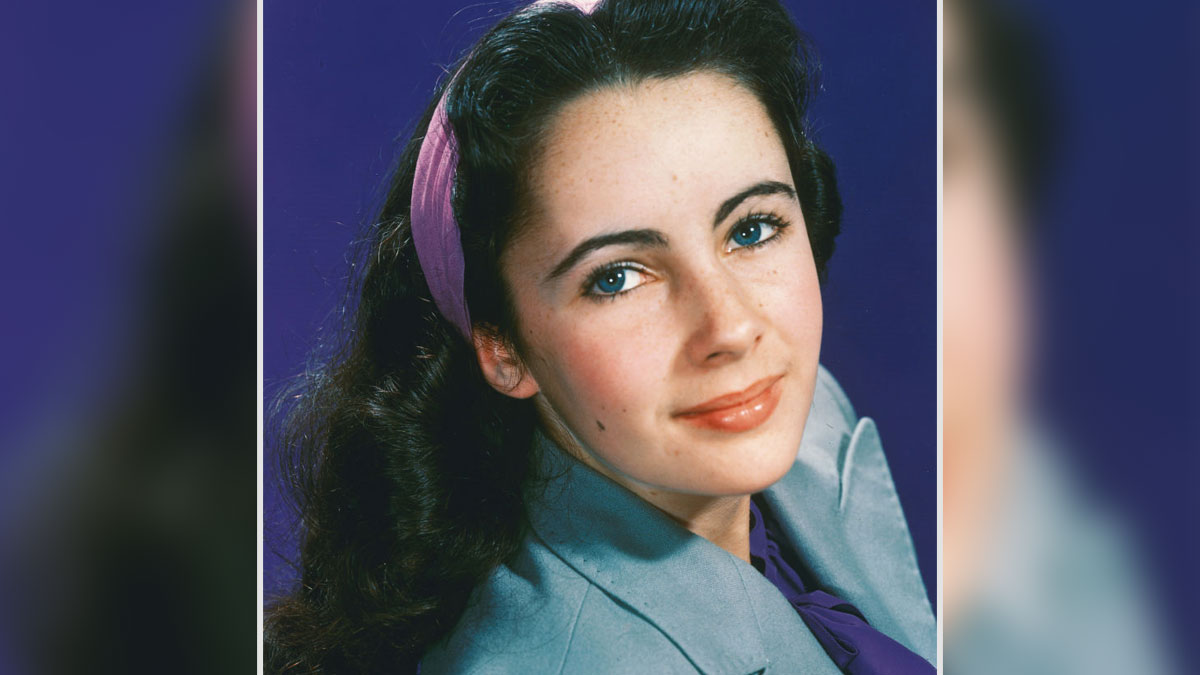
An Interview with Elizabeth Taylor (Famous Hollywood Actress)
A candid reflection from the spirit of Elizabeth Taylor, who shares her journey from the blinding lights of Hollywood to the serene, transformative teachings of the Buddha in the Western Land of Ultimate Bliss.

An Interview with Michael Jackson (King of Pop)
Michael Jackson shares his journey from the pressures of global fame to the peace of the Western Pure Land, revealing the truth behind his life and his ultimate deliverance.
A Voice from the Darkness: Helen Keller's Journey
Helen Keller, the renowned deaf-blind philanthropist, shares her journey from the darkness of the ghost realm to the light of the Western Pure Land of Ultimate Bliss, guided by the compassion of Namo Amituofo and Practitioner Su.
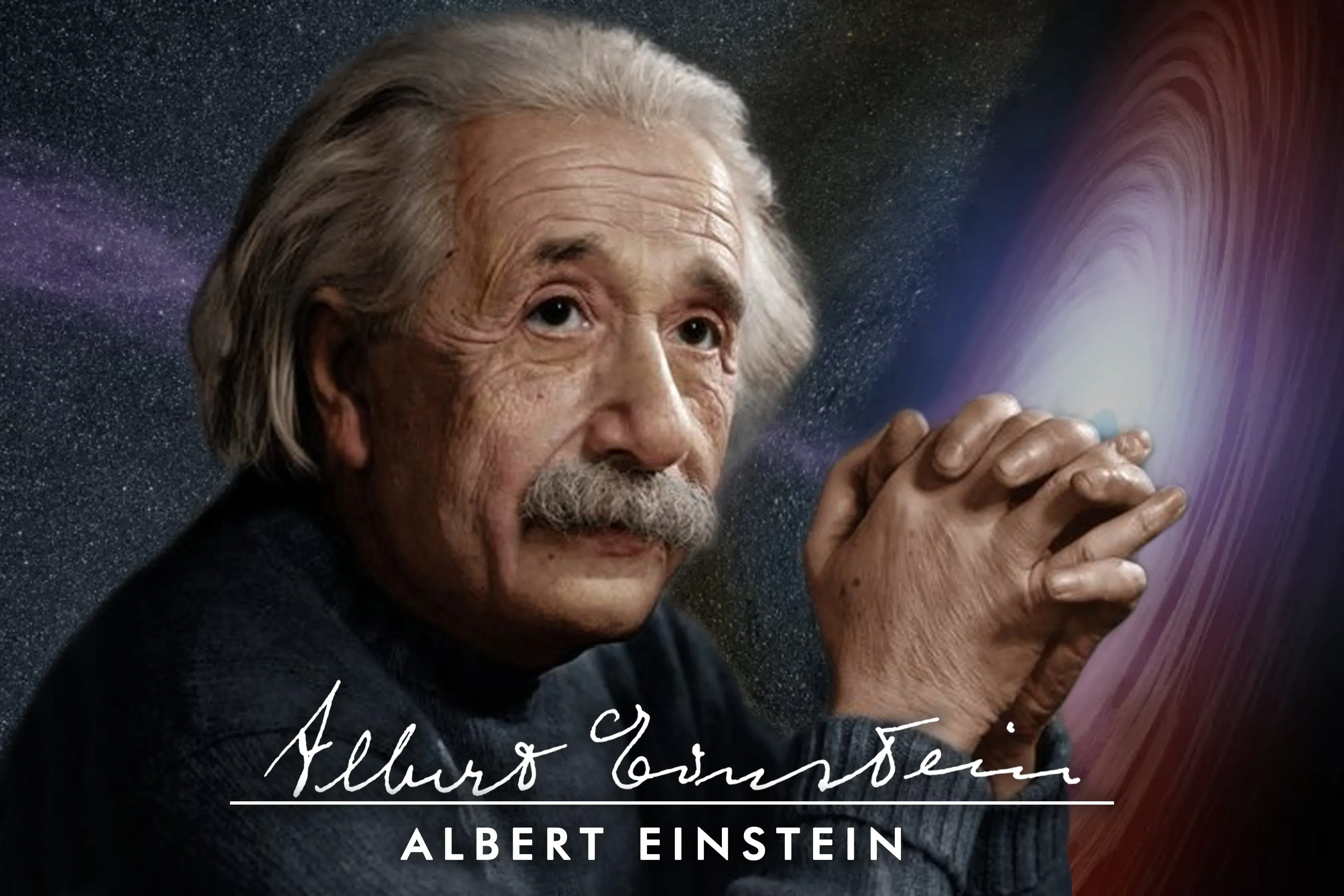
An Interview with Albert Einstein (Theoretical physicist)
Albert Einstein, once considered the most brilliant mind in human history, reflects on his life, the nature of 'science' versus the Truth of the Dharma, and his existence in the Western Pure Land.
A President's Repentance: Ronald Reagan's Journey to the Pure Land
Ronald Reagan, the 40th President of the United States, reflects on his life, his political career, and his profound journey from the depths of hell to the Western Land of Ultimate Bliss through the compassion of Namo Amituofo and Practitioner Su.
The Reflection of a Nation's Founder
This is a record of an interview with Kim Il Sung, the founder and former leader of North Korea, who sought deliverance at the Hsiang Kuang Pure Land Buddhist Centre in Australia. He now resides in the Western Land of Ultimate Bliss. This account reflects upon his life and the spiritual truths he has realised since his passing thirty-two years ago. Recorded by the chief writer, Venerable Fa Hui, on May 18, 2026.
About the Author
Hsiang Kuang Pure Land Buddhist Centre
Contributed to Pure Land Buddhism knowledge library