The Prison Guard's Path to Enlightenment
An Interview with the Redeemed Spirit Xu Shixuan
This is a record of an interview with Xu Shixuan, who sought deliverance at the Hsiang Kuang Buddhist Centre in Australia. He now resides in the Western Land of Nature. This account reflects upon his life and his time serving as a prison guard in the eighth hell. Recorded by the chief writer, Shi Haliang, on July 24, 2021.
Xu Shixuan speaks:
"Namo Amituofo. I am Xu Shixuan, representing the sixty prison guards who have been saved. I am filled with such profound gratitude—gratitude for the of Practitioner Su, and gratitude for the boundless compassion of Namo Amituofo. When our names were called, Practitioner Su’s chanted the Buddha-name, and in that instant, we were guided to the Western Pure Land of Ultimate Bliss, where the ground is paved with lapis lazuli. I saw Namo Amituofo standing tall, radiating golden light. I am so thankful to Practitioner Su, the Venerables, and the volunteer Bodhisattvas at the Hsiang Kuang Pure Land Buddhist Centre in Australia for chanting for us. Thank you all, thank you so much. The Western Pure Land is exactly as the scriptures describe: everywhere is filled with golden light, and there is a faint, lingering scent of lotus flowers."
A Childhood of Discipline and Order
"I was born in Taoyuan. My father owned a factory that manufactured metal cans. I remember the massive machines, the rhythmic clatter of metal sheets moving along the tracks, and the finished products being stacked one by one. During the height of the manufacturing boom, my father worked from dawn until dusk, and my mother was always there by his side, helping him manage the operations. My mother once told me that she worked right up until the very last moment before I was born. My father rushed to call the midwife, and as soon as she arrived, I simply slid out into the world. My cry was not particularly loud. The midwife exclaimed, 'Oh my! It’s a boy! I have never seen a first-born child arrive so easily. Usually, mothers suffer for a long time before the birth. This child’s cry is so soft; he must be a refined and gentle soul.' My father, overjoyed, replied, 'If he is a refined person who loves to read, he won't have to endure the back-breaking labour of this factory like I do.' The midwife accepted a red envelope and left, beaming with .
From the moment I was born, my parents brought me to the factory every single day. I grew up listening to the constant clatter of the canning machines. Sometimes, I would imagine it was music, though when I was tired, the noise felt overwhelming, and I would cry myself to sleep. As the business flourished, we hired seven or eight employees. One of the ladies suggested to my mother, 'The noise of the factory is too much for a child. Why don't you consider taking him home? It would be much better for his development.' After some discussion, my mother decided to stay home to care for me, while managing the bookkeeping and some delicate finishing work.
Back at home, I slept soundly and stopped fussing. In the factory, I would often wake up in the middle of the night, but now I could sleep peacefully until dawn. Because our home had become my mother’s small workshop, she couldn't always come to me the moment I cried. She would say, 'Wait until Mother finishes this task, then I will feed you.' It was as if I understood her words, and I would stop crying. Because of this early training, I learned the virtue of patience. Whenever I wanted something, my mother would ask me to wait. If she responded to my first or second cry, I would stop; if she didn't, I would continue until someone came to me. Our factory business grew year after year, and we hired more workers, transforming from a small operation into a medium-sized enterprise. As I grew older, my mother told my father, 'It was a good decision to bring Shixuan home; it gave us the time to properly teach him.' My mother trained me from a young age to return everything to its proper place, which helped me develop the habit of keeping our home clean and orderly."
The Spark of the Dharma
"I remember once walking around in my parents' shoes, making a clacking sound. I thought it was great fun, but my mother said, 'A child should walk quietly; it is a basic sign of respect.' Because of this, our home was always a place of quiet dignity. When I reached school age, my mother told me, 'When the teacher instructs you, you must be respectful and polite so that you can truly absorb what is being taught. Listen attentively, and if you don't understand something, write it down and ask the teacher after class.' When I started school, my parents became even more involved in my education. At night, my father would take me into our large courtyard to look at the stars. He would say, 'Son, look at how many stars there are in the sky. Some are quiet, and some are exceptionally bright. Which one do you like?' I told him, 'I like the brightest one. It flickers with light, and when I grow up, I want to be like that star—I want to illuminate others.' My father laughed heartily and said, 'That is a wonderful thought. When you go to school, start by caring for your classmates and the people around you. If you can hold a compassionate heart and cherish all living things, try it out and see what happens.'
The next day at school, I tried to care for my classmates. I helped a student with polio carry his water and his notebooks, and he thanked me with such joy. I also volunteered to help my teachers, who praised me for being a thoughtful child. On the way home, I saw an old man leading a cow, and a dog suddenly came running after it. I chased the dog away and returned the cow to the old man. By the end of that day, I felt like an adult; I realised that helping others is a source of true happiness. Throughout my student years, I maintained a close relationship with my parents. They believed I understood the principles of being a good person. My father said, 'Whether you go into business or teaching, I will support you in any profession, as long as it serves the public and benefits society. That is my standard. But never forget: you must take from society and give back to society. Look at our factory—why does it keep growing? Because I share half of our profits with our employees, and the other half goes to good deeds, like funding schools and libraries so more people can learn to read and understand how to be useful members of society.'"
A Life Dedicated to Teaching
"When I was in middle school, a new employee named Mr. Zhu joined the factory. He had a crew cut, worked with incredible diligence, and treated everyone with respect. The entire factory praised him. Even my father was impressed and asked him why he was so naturally composed and kind. He humbly told my father that he was a practitioner of the Buddha’s teachings and had been applying them to his daily life for about ten years. After interacting with him, my father visited a temple and was deeply moved by the solemn and dignified demeanour of the monastics. My parents, the employees, and I all went to that temple together. We all felt the same thing: a profound sense of peace and solemnity. The large Buddha statue seemed to subdue our very hearts. Mr. Zhu let us explore the temple on our own. My father noticed that the statues in the Hall of the Eighteen Arhats were peeling, so he donated money for their restoration. From that day on, my father donated half of the factory’s monthly profits to the temple. He and my mother encouraged me to visit often. During my second visit, I participated in a short-term monastic retreat. My parents were fully supportive, and I learned the basic etiquette of walking, standing, sitting, and lying down.
Three months later, I returned home and shared what I had learned. My parents were amazed at the depth of Buddhist education. I promised the master on the mountain that if the opportunity arose, I would return to become a monastic. For the time being, I remained a lay practitioner, helping with the factory while continuing to donate to the temple and attending Dharma talks every week. When the Venerable spoke on the Sutra, I felt such joy. My father told me that one day I could be the one giving Dharma talks, and that became his expectation for me. I consulted my master, who told me that lay practitioners could also teach the Dharma. He encouraged me to strive in that direction and gifted me his notes and scriptures. For five years, I studied diligently, and eventually, I learned how to lecture. My master told me I was the first lay practitioner in Taoyuan to give Dharma talks, and he encouraged me to spread the goodness of the Buddha’s teachings. My parents helped me organise, and I began lecturing in our factory’s conference hall. I started by introducing the Dharma to our employees. Mr. Zhu was the first to sit in the front row, listening with such happiness. Our whole family was grateful to him for introducing us to the Dharma. My father continued to pay the employees their full wages while they listened to the talks, and they were all filled with joy. Within six months, every employee had changed for the better; everyone worked with a calm and peaceful mind."
The Call of the Eighth Hell
"Seeing the transformation in our employees, my father decided to use our surplus funds to help Mr. Zhu learn to lecture as well. My father prepared a venue for him. My parents and I discussed it and decided to sell the factory to focus entirely on promoting the Buddha’s teachings. Rather than making cans, we would save people’s Dharma-wisdom-life. I became the pioneer, bringing the Dharma to people in rural areas. We established ten lecture halls in total. I am so grateful for my parents' support. I made a vow to remain unmarried for life and to introduce the Buddha’s teachings to everyone. I remembered what my father said about being a bright star—to care for others and to give. I realised that the Buddha’s teachings were that very source of light.
When I was fifty-nine, I had already given two hundred lectures, introducing the Dharma to over five hundred and ten thousand people. That night, as I went to sleep, I heard someone call my name: 'Xu Shixuan, Xu Shixuan, wake up. The King of the Eighth Hell wants to see you.' My heart was clear and I felt no fear. I followed the hell-officials to the Eighth Hall and met the King of Hell. I bowed respectfully. The King told me, 'Xu Shixuan, you have lectured on so much Dharma in the human world and performed so well. We in the Eighth Hall need you to help us persuade these prisoners not to return here.' The King told me, 'You have repaid what you owed. Your parents were the ones you needed to repay, and you saved them by leading them to learn the Buddha’s teachings.' I am so grateful to the King of Hell for granting me the position of a prison guard. I served for twenty years, working hard to urge all beings to repent and chant the Buddha-name."
Deliverance and the Path Ahead
"One day, the King of Hell told me, 'Xu Shixuan, your merit in serving as a prison guard and urging people to chant the Buddha-name is immeasurable. Your name is on the list of sixty prison guards that Practitioner Su is saving. Congratulations.' From that day on, I listened intently to Practitioner Su’s Dharma talks. Only then did I realise that lecturing without urging people to chant the Buddha-name and seek rebirth in the Western Pure Land was incomplete. One must view everyone as one with oneself to truly save oneself and others. To save the Dharma-wisdom-life of every being, I constantly urge everyone to cultivate compassion, wisdom, and a vast mind-capacity so that they may have the opportunity to reach the Western Pure Land. The compassion of my Buddha and Practitioner Su has saved countless suffering beings. We will now join the salvation team to save the world alongside Practitioner Su.
I am grateful for the compassion of the Buddha.
I am grateful for the compassion of Practitioner Su.
Namo Amituofo.
Prison Guard—Xu Shixuan
Prison Guard Xu Shixuan
Father: Xu Chenghui, currently in the Second Heaven, has been guided by Practitioner Su to the Western Land of Dharma Nature to listen to the Dharma.
Mother: Xu Hong Chunmei, currently beside the Ksitigarbha, has been guided by Practitioner Su to the Western Land of Dharma Nature to listen to the Dharma."
More from Hell Guards
The Historian's Sacrifice and the Path to Deliverance
This is a record of an interview with Park Ji-yeop, who sought deliverance at the Hsiang Kuang Pure Land Buddhist Centre in Australia. He now resides in the Western Land of Ultimate Bliss. This account reflects upon his life as a historian during the Joseon Dynasty. Recorded by the chief writer, Fa Ning, on May 17, 2026.
The Scholar Who Guarded the Hells
This is a record of an interview with Zhao Shuwen, who sought Chao Du at the Hsiang Kuang Pure Land Buddhist Centre in Australia. He now resides in the Western Land of Ultimate Bliss. This account reflects upon his life as a scholar and official during the Tang Dynasty, and his subsequent service as a guard in the hells. Recorded by the chief writer, Venerable Fa Hui, on May 10, 2026.
From the Mines to the Western Pure Land
This is a record of an interview with Gu Banjie, who sought deliverance at the Hsiang Kuang Pure Land Buddhist Centre in Australia. He now resides in the Western Land of Ultimate Bliss. This account reflects upon his life as an Indigenous Australian approximately 200 years ago. Recorded by the chief writer, Fa Ning, on May 8, 2026.
A Life Dedicated to the Harvest: The Testimony of Lin Huanda
Lin Huanda, a former agricultural technician who spent his life ensuring the people of China had enough to eat, shares his journey from the rice fields to serving as a prison guard in the underworld, and his final deliverance to the Western Pure Land by Practitioner Su.
More by Hsiang Kuang Pure Land Buddhist Centre
The Redemption of a Hollywood Icon
A candid reflection from the spirit of Elizabeth Taylor, who shares her journey from the blinding lights of Hollywood to the serene, transformative teachings of the Buddha in the Western Land of Ultimate Bliss.
The King of Pop's Journey to the Western Pure Land
Michael Jackson shares his journey from the pressures of global fame to the peace of the Western Pure Land, revealing the truth behind his life and his ultimate deliverance.
A Voice from the Darkness: Helen Keller's Journey
Helen Keller, the renowned deaf-blind philanthropist, shares her journey from the darkness of the ghost realm to the light of the Western Pure Land of Ultimate Bliss, guided by the compassion of Namo Amituofo and Practitioner Su.
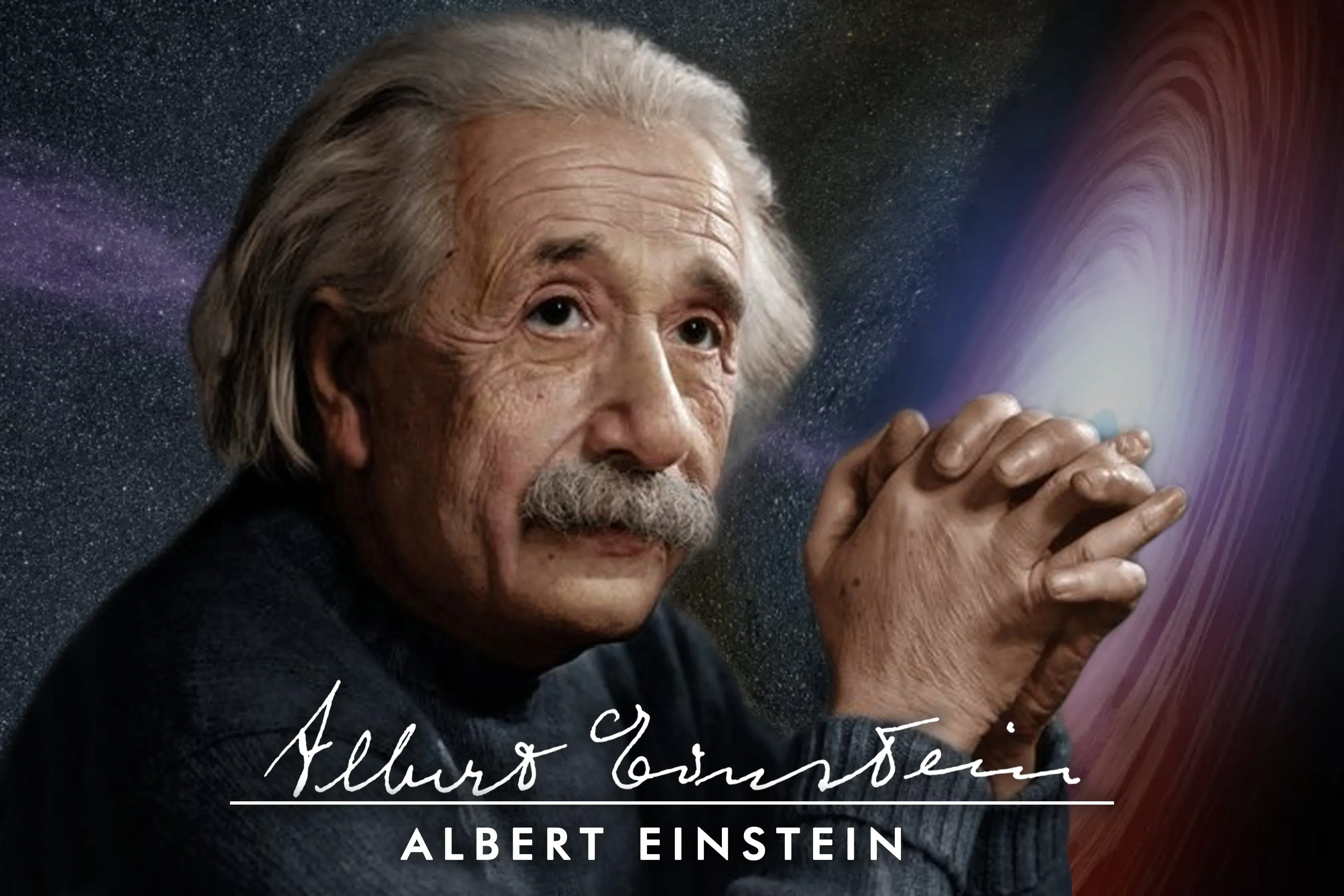
An Interview with Albert Einstein (Theoretical physicist)
Albert Einstein, once considered the most brilliant mind in human history, reflects on his life, the nature of 'science' versus the Truth of the Dharma, and his existence in the Western Pure Land.
A President's Repentance: Ronald Reagan's Journey to the Pure Land
Ronald Reagan, the 40th President of the United States, reflects on his life, his political career, and his profound journey from the depths of hell to the Western Land of Ultimate Bliss through the compassion of Namo Amituofo and Practitioner Su.
The Reflection of a Nation's Founder
This is a record of an interview with Kim Il Sung, the founder and former leader of North Korea, who sought deliverance at the Hsiang Kuang Pure Land Buddhist Centre in Australia. He now resides in the Western Land of Ultimate Bliss. This account reflects upon his life and the spiritual truths he has realised since his passing thirty-two years ago. Recorded by the chief writer, Venerable Fa Hui, on May 18, 2026.
About the Author
Hsiang Kuang Pure Land Buddhist Centre
Contributed to Pure Land Buddhism knowledge library