The Redemption of a Hardened Soul
An Interview with the Spirit of Kuang Zhongyuan
This is a record of an interview with Kuang Zhongyuan, who sought deliverance at the Hsiang Kuang Buddhist Centre in Australia. He now resides in the Western Land of Ultimate Bliss. This account reflects upon his life, which concluded approximately sixty-nine years ago. Recorded by the chief writer, Shi Fa, on February 17, 2024.
Kuang Zhongyuan speaks:
"Namo Amituofo. The suffering of the world, the suffering of the spirits, the suffering of reincarnated life—all these various forms of agony were once tearing me apart, leaving me in a state of complete ruin. It is only now that I have finally been able to let it all go.
I am filled with such profound gratitude for the Causal Conditions that allowed Practitioner Su to guide me to the Western Land of Ultimate Bliss. My heart is overflowing with thanks, and I speak for all the prison guards, and indeed all beings, when I say that our gratitude is absolute. I feel so fortunate to be one of those who have reached the Western Land, and I pray with all my heart that every prison guard and every sentient being might one day find this same opportunity. At this very moment, my heart is tranquil, grateful, and filled with . Together with fifty-nine other prison guards, I continue to make prostrations to the Buddha, thanking Him with every fibre of my being. Truly, I am infinitely grateful.
The Burden of a Hardened Life
In the lifetime where I was known as Kuang Zhongyuan—my final lifetime in the human world—I was born into a family of extreme poverty. What is a child born into such a family expected to look like? I felt that in the eyes of many, a child raised in such destitution was expected to be timid, subservient, and inferior. In my daily life, this was exactly the expectation placed upon me: I was expected to yield everything to others, to accept the worst of everything, and to always walk at the back of the line. Because my family had no money, we were people without status or standing.
My parents were exactly that kind of people. Every time they yielded to others, every time they apologised, people around us took it for granted. But as I watched from the sidelines, I felt a deep, burning resentment. And at that time, I was only nine years old.
My personality was incredibly rigid—unyieldingly so. My grandfather, grandmother, father, mother, and even my younger sister—none of them were like me. I was simply born this way, and no one knew why. I had no idea where I had learned such a temperament.
A Spirit of Defiance
Deep in my bones, I possessed a character that refused to admit defeat. Even being born into such a poor family, I refused to accept my lot. I was resentful of everything. So, when I was expected to follow my parents' example—to yield to others and to step back—my rigid nature would scream: 'On what grounds?' or more often, 'Why me?'
This attitude caused me immense suffering, yet I never understood the need to change. I cannot blame my parents; they tried to teach me, to guide me away from this path. It was my own insistence on this personality and attitude that brought such misery upon myself.
Looking back now, I realise that in several lifetimes before this one, I had been a high-ranking official, or at the very least, a person of power, influence, and prestige. That was where my personality was forged. It left me with an inherent air of arrogance, a heart that was rigid and unwilling to lose, and a high sense of pride and concern for my reputation. Even when my were exhausted and I was reduced to being a child of a poor family, I remained the same person I had been before. I had not changed at all.
The Consequences of Arrogance
In this life, it was this very personality that ruined me. I would constantly compete with others, constantly comparing myself to them. When people looked down on me, I would become furious and confront them, demanding to know why they thought they were better than me. The more I acted this way, the further people distanced themselves from me. No one wanted to be hurt by me, and no one wanted to endure my temper. I had no friends, and that was entirely my own doing.
It is fair to say that I did not succeed in a single thing in that life. When I look back at my past lives, I was someone who could achieve anything, but that was only because I still had great blessings then, which allowed me to maintain my status despite my terrible temper. But this life was different. My blessings were gone, and only my personality and temper remained, further depleting what little merit I had left. Consequently, I could not succeed in anything, I could not earn money, and I was destined to be a poor man for the rest of my days.
By the time I reached middle age, I was still a failure. Many people would walk past me and mock me behind my back. I clearly heard them say: 'Look at him. When he was young, he spoke so loudly, as if he were destined for greatness. Look at him now—still a penniless pauper.' If I had reacted according to my old temper, I would have rushed over, pointed my finger at their noses, and cursed them until I was red with rage.
However, this time I did not do that. I pretended I heard nothing and walked away. Those people were intentionally speaking near me to provoke me, but when they saw my cold, indifferent reaction, they were all shocked. I even heard someone ask in confusion: 'Was that really Kuang Zhongyuan?'
The Turning Point of Illness
I did not change for no reason. I truly realised I was wrong. The key turning point between my former arrogance and my eventual change was that I fell ill.
In my thirty-eighth year, my body began to fail. I could not sleep, I could not eat, and my appearance became truly frightening. You can probably imagine how shocking I looked. Yet, even when I first became like this, my personality remained just as rigid and hard. There was not the slightest change. Because my physical condition was so poor, my temper became even more volatile. Everyone who saw me would simply shake their heads.
It was only when I was completely alone, with no one by my side, that I slowly began to realise: 'Have I been wrong all along?' My parents had already passed away by then. I looked at their photographs, thought of their kindness, and then looked at myself. Reviewing those thirty-plus years of my life, I finally realised how terribly wrong I had been.
I had never considered how much my personality affected others. Now that I was alone and illness had arrived, I finally understood the truth of my errors.
The Path of Repentance
I repented incessantly, determined to make a radical change. The first thing I had to change was my personality and my temper. During this process of change, I discovered that it was not easy at all. Every time I tried to change a trait, countless challenges would arise. In those situations, it was incredibly difficult to let go of my attachment. Despite this, I forced myself to change; I knew that if I did not, I would have no chance left.
I am so fortunate that during this process of determination, I encountered the Buddha’s teachings. I had never imagined I would study Buddhism; I had even once thought that those who practised were superstitious. I never expected that I would eventually come to believe in the Dharma, and even become more devoted and focused than others.
After I began practising, I started to understand the importance of doing good and helping others—something I had never done before. I learned that doing good is not for oneself, but for others, for all sentient beings. My heart slowly opened, and my mind-capacity grew larger and larger. My entire demeanour changed completely. People who had known me in the past were shocked when they saw me. They asked: 'How did you change so much?' I answered them sincerely: 'I realised I was wrong.'
Later, although my body was still frequently tormented by illness, I learned to let go of this body. I no longer had attachments, and I no longer sought to possess anything. I went everywhere to serve; wherever I was needed, I went. I wanted to ensure that this body fulfilled its value—that was the most worthwhile thing I could do.
A Final Sacrifice
I lived to the age of sixty-nine. In that year, I did not die from my illness. Instead, I rushed into a burning building to save a child and perished in the flames.
After my spirit left my body, I did not immediately become a prison guard. Instead, I first became a piece of steel. That was the result of my , reflecting the rigidity of my original personality. Fortunately, because I had spent the latter half of my life saving others—even sacrificing my own life—I had the opportunity to leave that state of steel shortly after entering it, all through the sound of someone chanting the Buddha's name. The person chanting was an old man, and that old man was the very boy whose life I had sacrificed myself to save.
I never expected that all of this had been arranged long ago. The King of Hell had known it would happen. So, when my spirit emerged from the steel, prison guards from the hells were waiting for me, and they brought me before the King of Hell.
I saw the karma I had created in my past lives, the karma I had created in this life, and the good deeds I had performed. It was all played back from a computer, scene by scene, so clearly that I could not escape a single detail.
The merit and blessings I had accumulated gave me the opportunity to serve as a prison guard in the hells. In every moment I spent there, I never forgot to chant the Buddha's name, nor did I forget to introduce the Buddha’s teachings to the beings in the hells.
Later, I began to hear Practitioner Su giving Dharma talks. Whenever Practitioner Su began to speak, we could all hear it simultaneously—it was truly inconceivable. Not only that, but there were also televisions in the hells broadcasting Practitioner Su’s talks, allowing the beings there to listen and repent while undergoing their retribution. Even the hells are not behind in the changing of the times.
When I was placed on the list to be guided to the Western Land by Practitioner Su, my heart was filled with gratitude. After wandering in samsara for so long, I finally had the chance to be saved. I could not stop kneeling and kowtowing, expressing my gratitude again and again.
Namo Amituofo.
Kuang Zhongyuan bows in reverence."
More from Hell Guards
The Historian's Sacrifice and the Path to Deliverance
This is a record of an interview with Park Ji-yeop, who sought deliverance at the Hsiang Kuang Pure Land Buddhist Centre in Australia. He now resides in the Western Land of Ultimate Bliss. This account reflects upon his life as a historian during the Joseon Dynasty. Recorded by the chief writer, Fa Ning, on May 17, 2026.
The Scholar Who Guarded the Hells
This is a record of an interview with Zhao Shuwen, who sought Chao Du at the Hsiang Kuang Pure Land Buddhist Centre in Australia. He now resides in the Western Land of Ultimate Bliss. This account reflects upon his life as a scholar and official during the Tang Dynasty, and his subsequent service as a guard in the hells. Recorded by the chief writer, Venerable Fa Hui, on May 10, 2026.
From the Mines to the Western Pure Land
This is a record of an interview with Gu Banjie, who sought deliverance at the Hsiang Kuang Pure Land Buddhist Centre in Australia. He now resides in the Western Land of Ultimate Bliss. This account reflects upon his life as an Indigenous Australian approximately 200 years ago. Recorded by the chief writer, Fa Ning, on May 8, 2026.
A Life Dedicated to the Harvest: The Testimony of Lin Huanda
Lin Huanda, a former agricultural technician who spent his life ensuring the people of China had enough to eat, shares his journey from the rice fields to serving as a prison guard in the underworld, and his final deliverance to the Western Pure Land by Practitioner Su.
More by Hsiang Kuang Pure Land Buddhist Centre
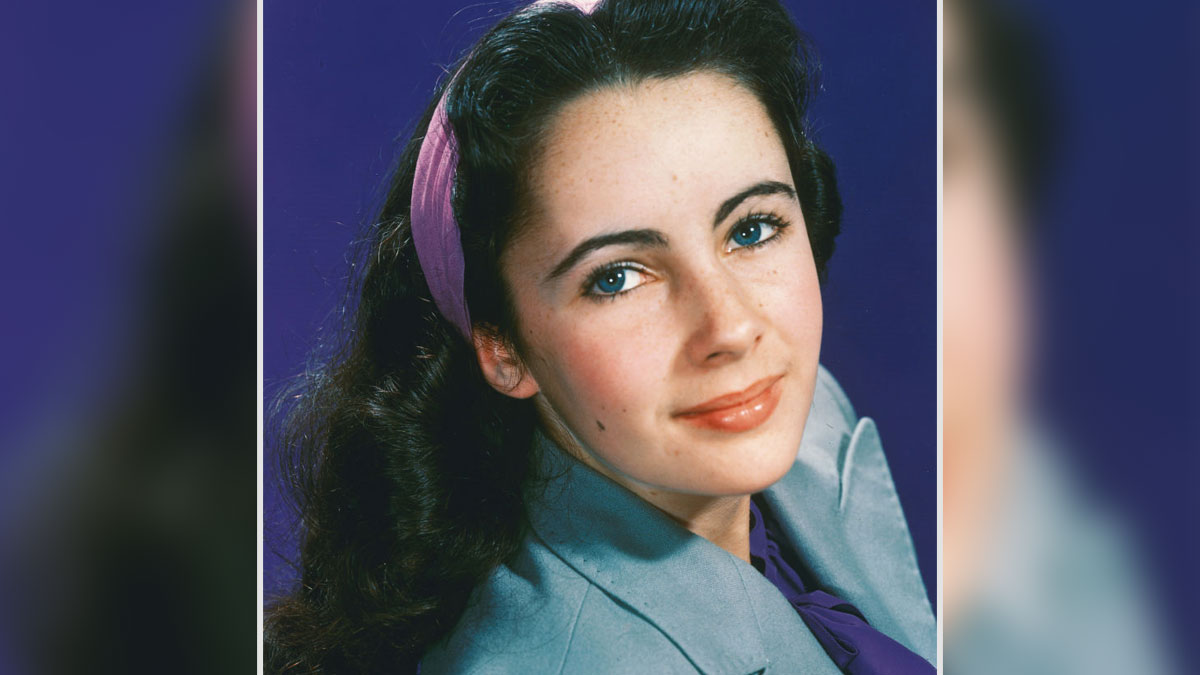
An Interview with Elizabeth Taylor (Famous Hollywood Actress)
A candid reflection from the spirit of Elizabeth Taylor, who shares her journey from the blinding lights of Hollywood to the serene, transformative teachings of the Buddha in the Western Land of Ultimate Bliss.

An Interview with Michael Jackson (King of Pop)
Michael Jackson shares his journey from the pressures of global fame to the peace of the Western Pure Land, revealing the truth behind his life and his ultimate deliverance.
A Voice from the Darkness: Helen Keller's Journey
Helen Keller, the renowned deaf-blind philanthropist, shares her journey from the darkness of the ghost realm to the light of the Western Pure Land of Ultimate Bliss, guided by the compassion of Namo Amituofo and Practitioner Su.
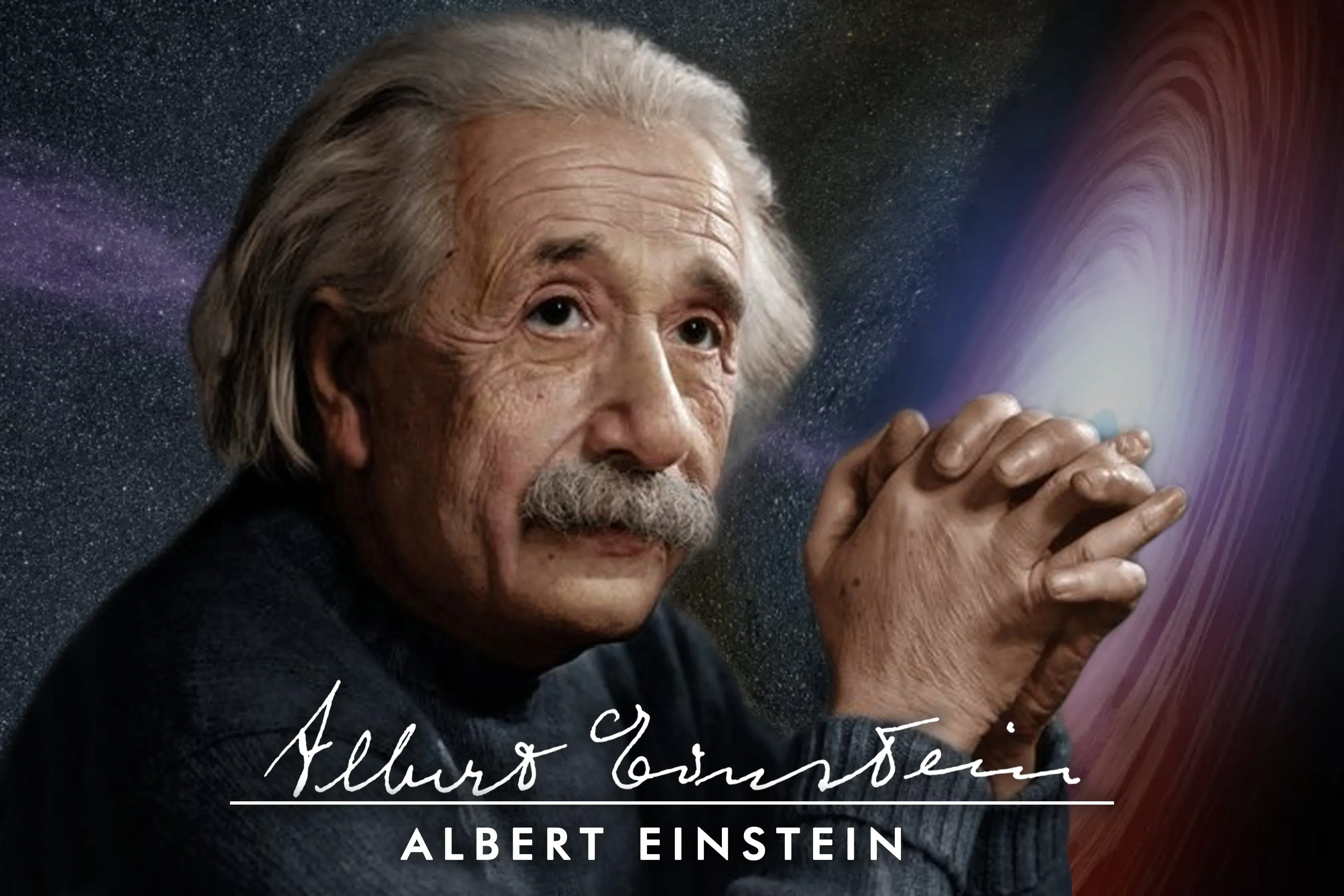
An Interview with Albert Einstein (Theoretical physicist)
Albert Einstein, once considered the most brilliant mind in human history, reflects on his life, the nature of 'science' versus the Truth of the Dharma, and his existence in the Western Pure Land.
A President's Repentance: Ronald Reagan's Journey to the Pure Land
Ronald Reagan, the 40th President of the United States, reflects on his life, his political career, and his profound journey from the depths of hell to the Western Land of Ultimate Bliss through the compassion of Namo Amituofo and Practitioner Su.
The Reflection of a Nation's Founder
This is a record of an interview with Kim Il Sung, the founder and former leader of North Korea, who sought deliverance at the Hsiang Kuang Pure Land Buddhist Centre in Australia. He now resides in the Western Land of Ultimate Bliss. This account reflects upon his life and the spiritual truths he has realised since his passing thirty-two years ago. Recorded by the chief writer, Venerable Fa Hui, on May 18, 2026.
About the Author
Hsiang Kuang Pure Land Buddhist Centre
Contributed to Pure Land Buddhism knowledge library