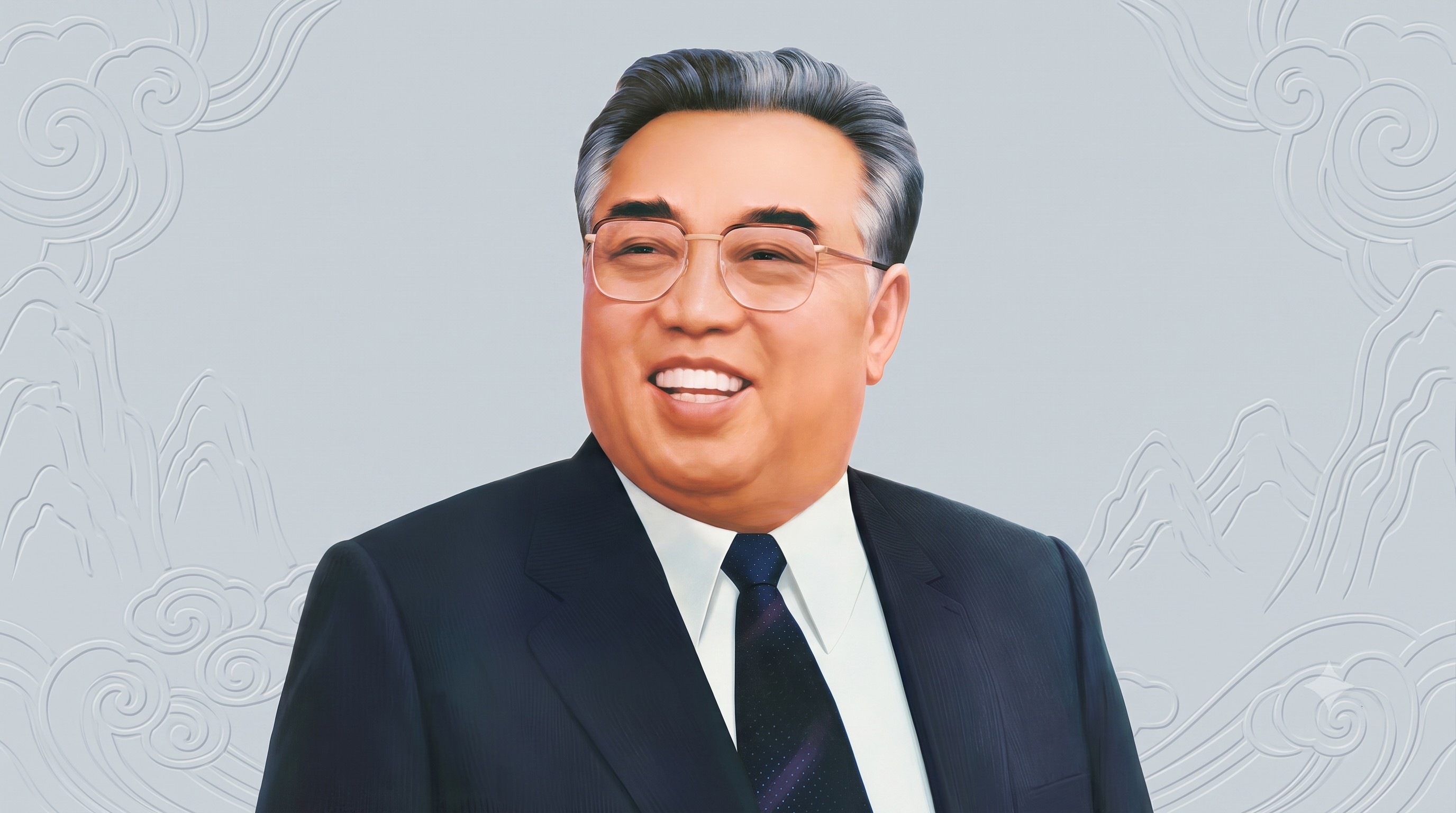
Teachings from , recorded and transcribed by Namo Amituofo’s disciple, Venerable HaiZe.
On this day, the fourteenth of November, 2025, Namo Amituofo offers us a profound discourse on the nature of our world and the critical importance of early childhood education.
The of
In this world, what is the true condition of human life? From the very moment an infant is born, their Six Roots begin to reach outward toward the external environment. They are constantly engaging with the world through their senses:
The eyes perceive the sights before them.
The ears listen to the sounds in their surroundings.
The nose detects various scents.
The tongue tastes the flavours of what is consumed.
experiences various sensations of touch.
These sensory inputs from the first five roots all enter the . As these impressions accumulate, the child begins to form a sense of self. This is the origin of personal preferences, likes, dislikes, and the subsequent development of discriminations and attachments.
The Vital Role of Early Guidance
When we speak of early childhood education, we are referring to the cultivation of a child's every thought and intention. If a child manifests an evil thought, or engages in inappropriate behaviour, speech, or intent, it is the duty of those around them to be mindful. If a caregiver is aware, they can intervene in a timely manner to stop these negative impulses or transform them into Goodness. By guiding the child toward virtuous actions, speech, and thoughts, one can establish a firm standard of right and wrong for the infant or young child over time.
When this standard is in perfect sync with the Universal Principles, Truth, and the Right Path, the child’s character will naturally develop along the righteous path.
The Consequences of Neglect
However, if a child begins to exhibit behaviour, speech, or thoughts that are biased, unwholesome, or evil—actions that violate the Universal Principles, Truth, and the Right Path—and these are not corrected in time, the consequences are severe. If such behaviours are even inadvertently encouraged, they will deepen within the child's consciousness as they grow older. These patterns eventually become an integral part of the child's personality and character. Consequently, they become prone to making mistakes or creating . Without even realising it, small acts of negativity can accumulate into great harm, leading to a life of suffering that is difficult to rectify.
Defining the Path of Goodness and Evil
What, then, constitutes the difference between the path of Goodness and the path of evil? We must understand this clearly:
Goodness: This is what the Buddha’s teachings on the laws of karma and cause and effect instruct us. It is to act for the benefit of all beings rather than for one's own selfish interests. It involves keeping a pure heart, speaking kind words, performing good deeds, and striving to be a good person. It includes chanting Namo Amituofo24/7, or at least maintaining a continuous, uninterrupted flow of the Buddha's name. It is the practice of , kindness, Wisdom, tolerance, understanding, , and the willingness to let go of attachments, all while acting in accordance with the Universal Principles, Truth, and the Right Path.
Evil: This includes speaking unwholesome words, harbouring malicious thoughts, and engaging in harmful behaviours. It is the manifestation of greed, a tendency toward anger, refusing counseling, displaying arrogance and rudeness, and harbouring doubt in one's actions, speech, and thoughts. It also includes the greed for wealth, material possessions, attachment to the physical body, the pursuit of fame and profit, gluttony, excessive sleep, and becoming addicted to computers or mobile devices.
All of these are considered evil. If they are not blocked and improved upon in time, they will inevitably lead to the creation of karma and the suffering of its retribution.
The Responsibility of the Caregiver
Those who care for and raise a child after birth are the first teachers in their education. They hold a profound and long-lasting influence over the child's growth process and the development of their moral character. Let us honour this responsibility with the utmost care and compassion.