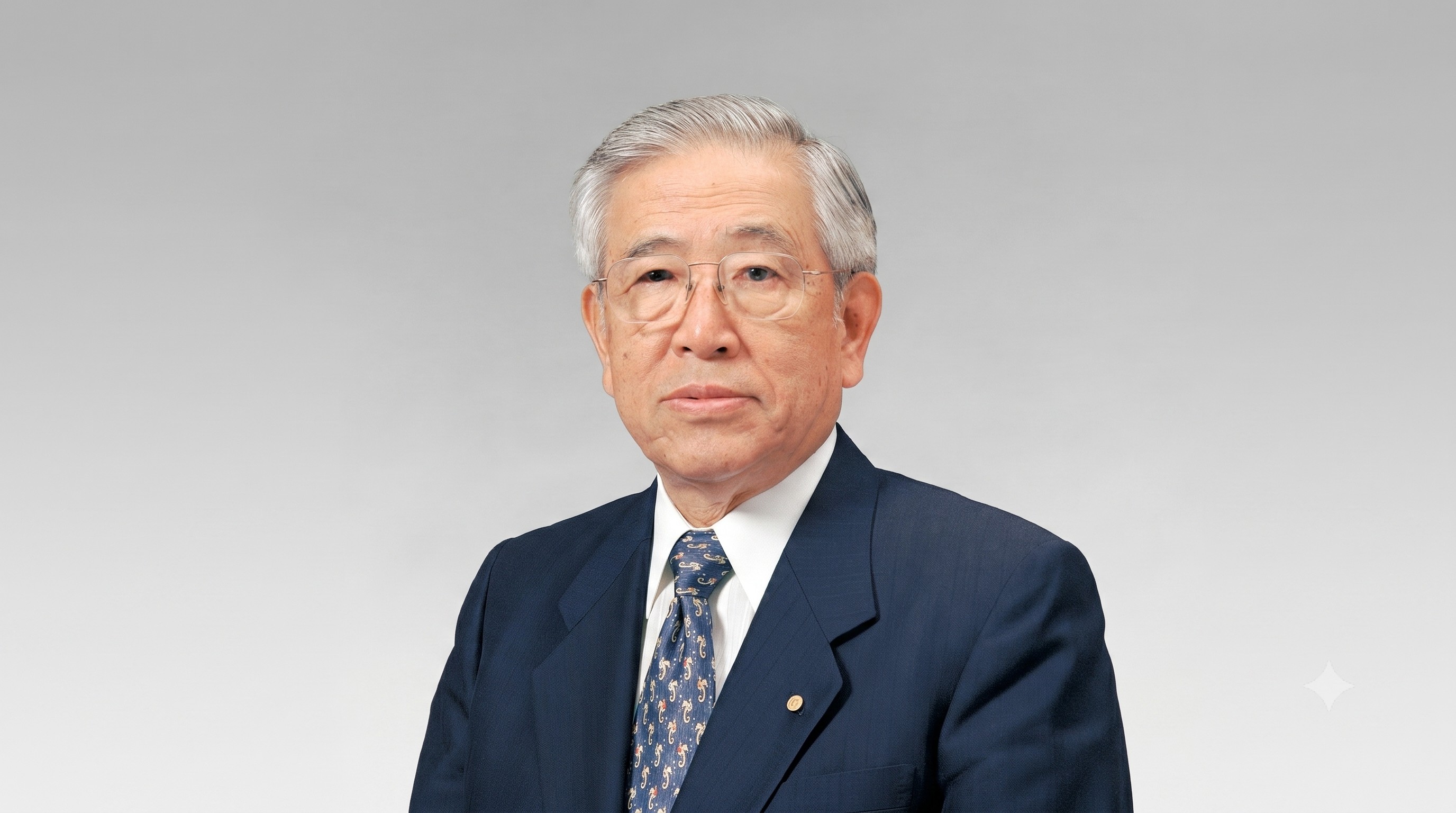
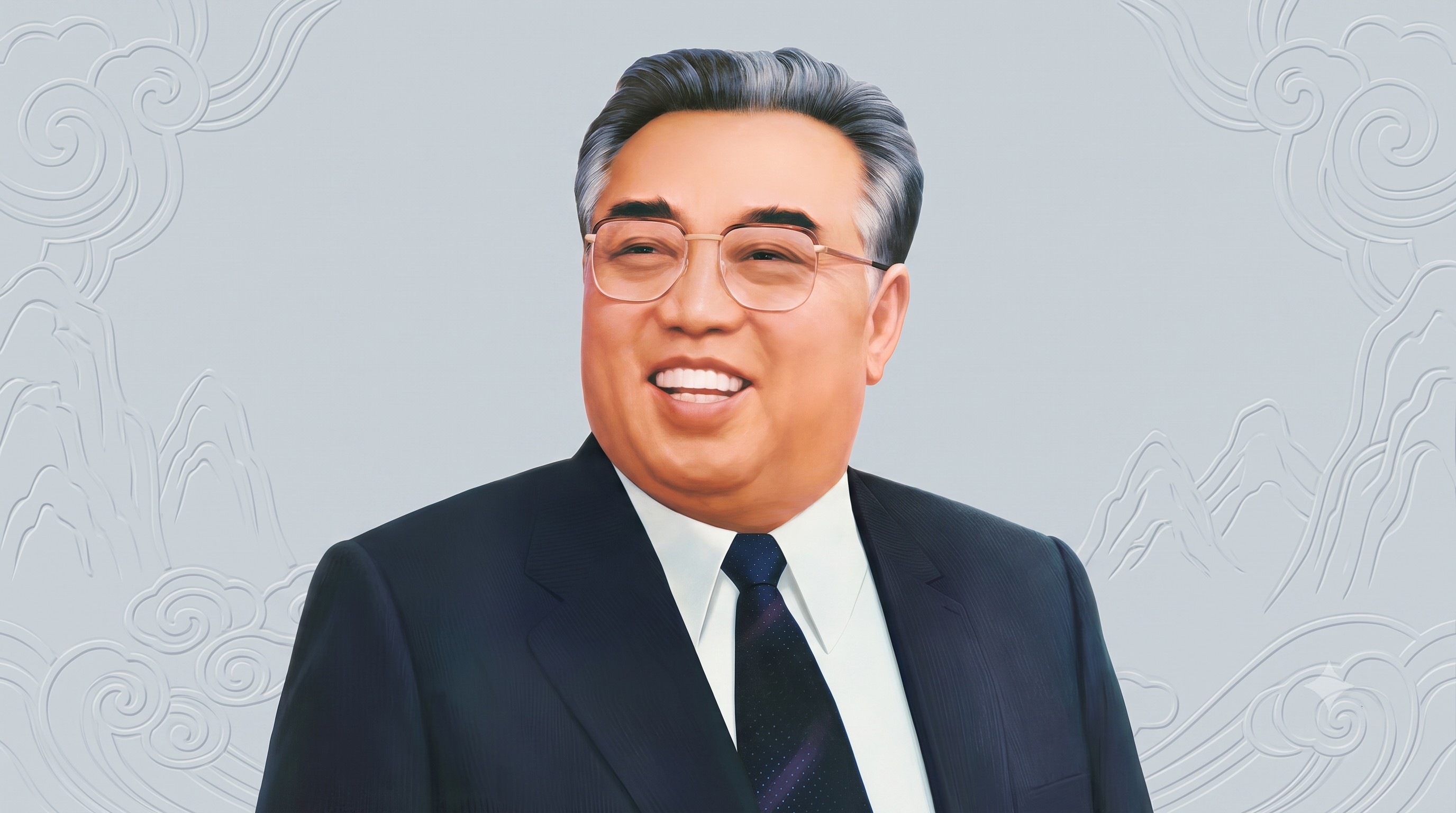
This is a record of an interview with the late Chang Yung-fa, who sought deliverance at the Hsiang Kuang Buddhist Centre in Australia. He reflects upon his observations of Buddhist practitioners and the true meaning of faith. This interview was recorded by the chief writer, Shi Fajing, on September 30, 2019.
Chang Yung-fa speaks:
". When I was still alive, no matter where I was travelling, I saw people wearing prayer beads everywhere. Some wore them on their wrists, while others draped them around their necks. Whenever I saw someone wearing these beads, I would think to myself: 'This person must be someone who chants the Buddha-name; at the very least, they believe in the Buddha.' Although I was not a Buddhist at that time, seeing those who believed and chanted still made me feel happy for them. It seemed that, at the very least, they had a spiritual anchor in their lives. It was much like my own faith in Yiguandao; it provided a natural sense of belonging, a place to return to in my heart.
The Illusion of Peace
Now that I have returned to this world, I see people wearing prayer beads everywhere I look, and the number of people doing so has only increased. I watch them, and I notice that the beads are becoming more and more elaborate. Some people wear two or three strings on a single wrist. I find myself wondering: what is the purpose of these beads? Are they truly for chanting the Buddha-name, or are they merely decorative ornaments? Is it just to provide a fleeting sense of peace of mind? If it is only for peace of mind, does that mean the more strings one wears, the more protected one is? Or perhaps, if the beads are larger, does that mean they are more effective at warding off evil spirits?
Someone once told me, 'When I wear these beads on my wrist, my heart feels much more at ease. Sometimes, if I go to sleep without them, I cannot even fall asleep. I have to rush to the bathroom area to search for them, wondering if I forgot to put them back on after my shower.' When I heard that, back when I had not yet begun to practise the , I thought to myself: 'Wow! These people who wear prayer beads are truly devoted to the Buddha. They want to keep the beads on their bodies every single moment, as if they cannot go a single minute without the Buddha!' But now, having learned the Buddha’s teachings and having truly encountered the Buddha, when I look back at those who wear prayer beads, my heart aches. It aches because, seeing them, I realise just how deeply anxious the hearts of people today truly are.
The Lack of Dignity in Practice
What is even more heartbreaking is that everyone wears these beads, yet they are not thinking about chanting the Buddha-name; they treat them only as talismans for safety. Some people do indeed take the beads off and push them one by one to chant. Looking at the speed at which they push the beads while chanting the Buddha-name, one might guess that they have been studying the Buddha’s teachings for several years. But when I look up at their faces—at their lack of dignity—I lower my head in sorrow. How is it that those who study the Buddha’s teachings do not possess a dignified appearance? They look exactly the same as the people walking beside them who do not chant at all. There is not a shred of difference! This is a truly serious matter.
What, in the end, is the meaning of studying the Buddha’s teachings and chanting the Buddha-name? If you wear prayer beads but your heart remains restless and anxious, does that not mean you have missed the entire point of the practice? What is it that everyone is actually studying? I have many questions in my heart. I have observed Practitioner Su. He has never worn a single string of prayer beads on his wrist, yet his heart is filled with the Buddha at every single moment. The Buddha-name flows naturally from his heart to his entire body, phrase by phrase. Everything he sees and everything he hears is Goodness; everything he does arises from a heart of .
The Path to True
That is what it truly means to chant the Buddha-name to the point of 'no-thought'—to be in a state of 'no-thought' while still chanting. The Buddha is always present, and his heart is forever peaceful and joyful, without fear or terror. This is what it means to believe in the Buddha, to study the Buddha, and to have the Buddha within one's heart. If everyone could truly understand the Buddha, and know how to study the Buddha and become like the Buddha, then this world would become a much better place. There would not be so many people who, despite studying the Buddha’s teachings, still frequently wander in and out of the hells, as if they were as familiar with those realms as they are with their own kitchens.
To study the Buddha’s teachings well, and to truly become like the Buddha, listening to the sutras is absolutely essential. It is only by listening to the sutras that you can better understand which aspects of yourself need to change. When you have a genuine, enlightened teacher to guide you, you can cultivate your practice much more effectively. Therefore, I am very eager to help Practitioner Su find a suitable place where Namo Amituofo can be widely propagated. This matter is truly of the utmost importance! Everything is still a work in progress, but I will continue to strive for this goal.