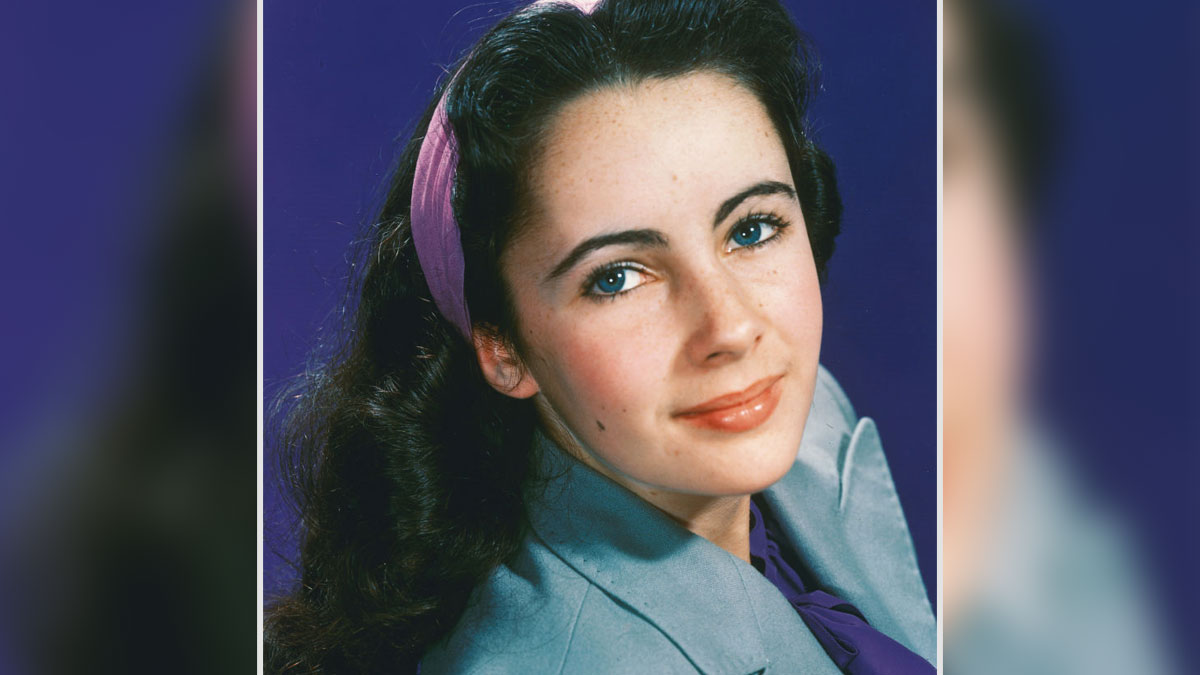
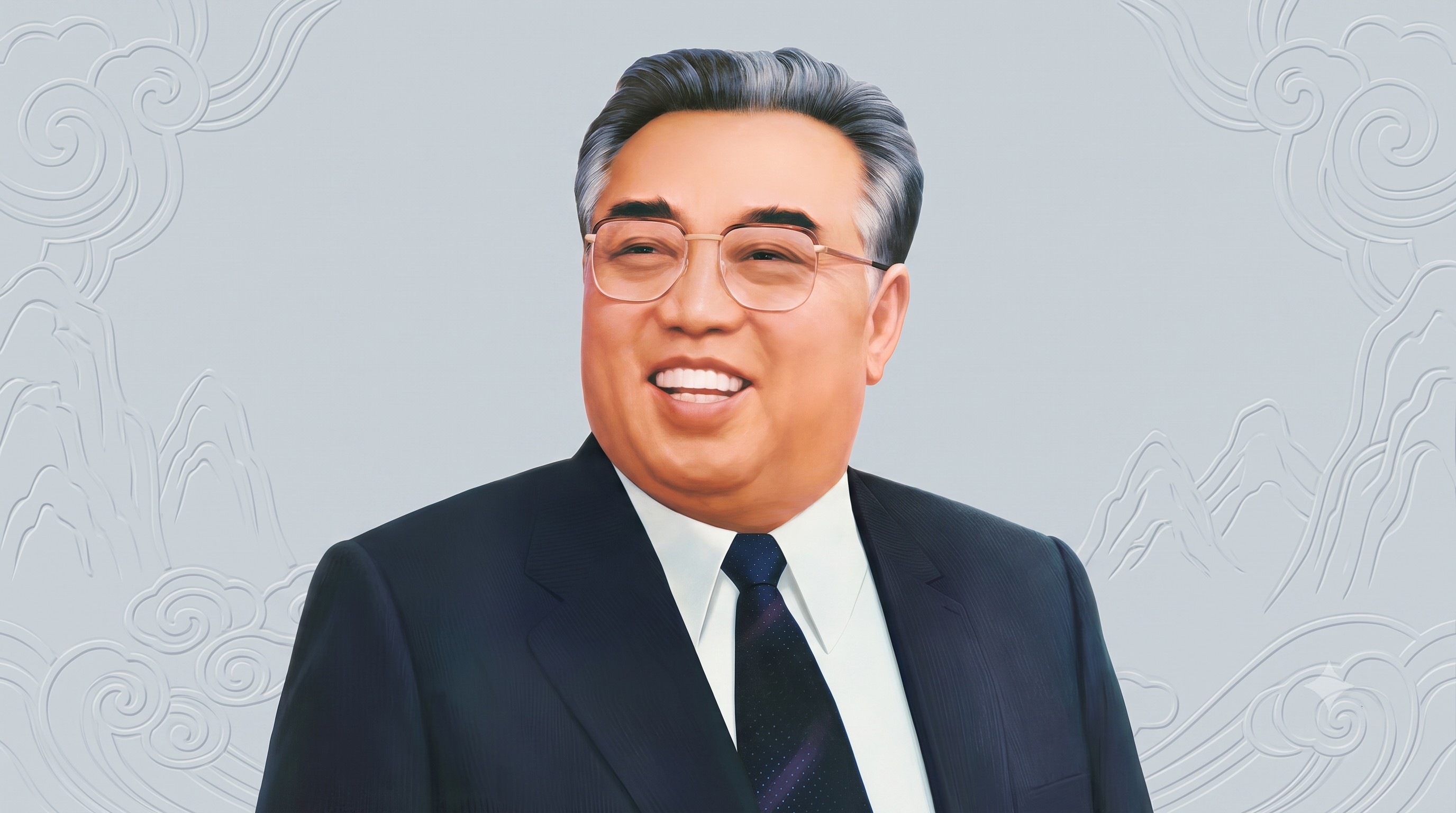
This is a record of an interview with Chou Chun-yi, who sought deliverance at the Hsiang Kuang Buddhist Centre in Australia. She now resides in the Western Pure Land of Ultimate Bliss. This account reflects upon her life as a humble vegetable seller and her journey through the realms of samsara. Recorded by the chief writer, Shi Fa, on March 23, 2025.
Chou Chun-yi speaks:
". I am filled with such profound gratitude for Namo Amituofo and for Practitioner Su. It was the Buddha who saved me, helping me to emerge from the deepest darkness and step into the light. On behalf of all the spirits who have served as prison guards in the karmic realms, I bow in humble gratitude to the Buddha’s grace and to the kindness of Practitioner Su. Namo Amituofo.
My life was one long, weary journey through the hardships of the human world. I walked through paths of poverty, loneliness, and the heavy burden of attachments I simply could not let go of. Even after I passed away, I remained trapped in a dark, desolate place for a very long time. My heart was still tethered to my children, and I did not even realise that I had become imprisoned by my own attachments.
The Power of the Buddha-Name
It was the Buddha-name that saved me. That single, sacred phrase—'Namo Amituofo'—was what pulled me out of the shadows. I chanted it continuously, over and over again. I chanted until my very being began to radiate light, until the bitterness in my heart dissolved, and until I finally found the strength to smile again.
Only now do I truly understand: no matter how small or insignificant a life may seem, as long as there is the Buddha in one's heart, and as long as one is willing to chant, one can surely escape the sea of suffering. One can bloom into a lotus of dignity and freedom. This is my own story, the story of Chun-yi. I relied on chanting to bring forth the light. This is the one thing I most wanted to share with all of you."
A Life of Toil in the Market
"I am Chou Chun-yi, an old woman who spent half a lifetime selling vegetables at the Luodong market. If you walked down that market street a decade or more ago, you might remember me—a woman who was nothing but skin and bone, with a face darkened by the sun and eyes crinkled with deep lines whenever I smiled. I would sit on the ground against the wall, shouting out to sell my greens while wiping the sweat from my brow with a worn-out towel. People often said I had a bitter life, but I never saw it that way. Heaven gave me this life, and I relied on my own two hands to feed my family.
When I was young, I was quite a beauty! I was famous in the village by the time I was sixteen. At twenty, with a bit of courage, I married the man I loved. He wasn't wealthy, nor was he particularly clever, but the way he looked at me was so incredibly tender. In our first year of marriage, we would hold hands even while hanging out the laundry. Back then, I truly felt that fate had been kind to me.
But those days did not last. When I was thirty, he suffered an accidental fall that injured his spine, leaving him bedridden for the rest of his life. From that moment on, I carried the weight of everything. We had no money, so I grew my own vegetables, picked them, and carried them to the market to sell. Even in the biting wind or pouring rain, I had to go out, because my children needed to eat. By then, we had ten children—seven daughters and three sons.
My daughters were all obedient, and even when their own lives were hard after marriage, they rarely complained. But once a daughter marries, she must look after her own household, and they could not visit often. I never blamed them; I know that being a woman and a wife is never easy.
The Burden of a Mother's Heart
What weighed most heavily on my heart were my three sons. They were handsome and charming in their youth, but I knew deep down that they were ashamed of their mother—they thought I was dirty, unrefined, and overly nagging. They would often say, 'Mother, stop calling me all the time, I am very busy,' or 'Why did you bring more rotten vegetables? It makes me lose my appetite just looking at them.'
Yet, I still loved them with all my heart; they were pieces of my own flesh. People would tell me my sons were unfilial, but I refused to believe it. I always made excuses for them. Even if they didn't see me for months at a time, I chose to believe they were simply too busy to visit.
The Day I Met Practitioner Su
I remember one day, the weather was stiflingly hot. I was sitting on the ground, and I had only two bunches of vegetables left to sell. The leaves had turned yellow, and they didn't look very appealing. The market was already thinning out, and I was debating whether to just take them home to cook into porridge for myself.
Just then, I saw someone truly remarkable walking toward me from the other end of the market. She walked with purpose and strength, her gaze clear and her smile gentle, as if light were radiating from her very being. At first, I thought she was some wealthy lady, but then I noticed two young women following her. They looked like her daughters, but upon closer inspection, they didn't seem quite right. They moved slowly, as if their bodies were not quite agile, while this lady took great care of them.
She had a keen eye for choosing vegetables, and her movements were swift and efficient; she didn't pick and choose or complain like some customers. A vendor named Old Wang told me that as soon as she arrived, she bought a large amount of produce and even gave extra money without asking for change.
I couldn't help but admire her in silence: how could there be such a radiant person in this world? As she was about to pass by me, I lowered my head, afraid that my ragged appearance would startle her. But to my surprise, she stopped for a moment and said something to the people beside her.
Then, one of the young people actually ran over to me and said, 'Grandma, we want to buy these vegetables from you.' I was stunned and hurriedly said, 'No, no, these vegetables are not good. Let me pick out the rotten leaves for you...' The person smiled and shook their head: 'Sister Su has given instructions—there is no need to pick them out. You should hurry home and rest; that is more important.'
My heart suddenly ached, and I don't know why, but tears almost spilled from my eyes. I had been selling vegetables for so many years, and it was the first time someone had shown me such consideration.
I wanted to be polite, but the person added, 'Our Sister Su wants me to tell you something.'
I looked up at her.
She said—she said: 'Selling vegetables is important, but there is something even more important. You must chant the Buddha-name. You must chant often—Namo Amituofo.'
I was taken aback. That was the first time in my life I had heard this Buddha-name, and it felt as if it had descended from the heavens, leaving an indelible mark on my heart. I didn't know what the Buddha was, nor did I understand why these six characters were so resonant, but I knew in my heart that she was a noble person sent to help me.
Later, I learned that she was called 'Practitioner Su', a person of profound practice. The young person who came to speak with me was named Venerable Hailiang, who was very polite and also seemed to walk in a glow of light.
From that day on, I kept 'Namo Amituofo' in my heart. Although I did not understand the Buddha’s teachings, I believed that what they said was the truth. I thought to myself: perhaps if I chant, life will be a little easier. I never met them again, but I knew that day was the turning point of my destiny.
The Final Moment and the Grey Market
Years later, when I was seventy-eight, I was still carrying my vegetable basket every morning, bending my back to pick greens in the fields. People said that at my age I should be sitting back and enjoying life, but I felt that being able to move was a blessing in itself. Even though life was not easy, my heart was always preoccupied with my children and my husband, who had been bedridden for over twenty years.
That day, the weather was humid and hot. I was bent over, pulling a row of garland chrysanthemums, when suddenly everything went black before my eyes, and my body collapsed forward. My head struck the edge of a stone, there was a buzzing sound in my ears, and then everything fell silent.
Some said I had been unconscious in the vegetable field for three hours before I was found. When I was taken to the hospital, I still had a breath, but my brain had been deprived of oxygen for too long. The doctors tried to save me for a night, but in the end, they declared me gone. I passed away in that hospital bed.
The moment I collapsed, my heart was still conscious. I remember struggling on the ground, trying to call out, but not a single word would come. My mind was filled with the faces of my children, especially my three sons. I kept thinking: do they know I have fallen here? Will they come to save me? Will they cry?
I didn't think of my daughters. I knew their lives were hard, and I didn't expect them to do anything more for me. But I could not let go of those three sons I had cherished since they were small. Even though they thought I was dirty, nagging, and poor, I still missed them. People say that children forget their mothers when they grow up, but as a mother, I could not forget them even in death.
At that moment, it felt as if something had hooked my heart. People say that if you cannot let go, you will fall into the underworld. I didn't believe it then, but now I do. Because when I woke up, I was in a market.
It was an old market, exactly the same as the place where I used to sell my vegetables. I sat in the same spot, with a few bunches of vegetables in my hands. There were other old vegetable sellers around me; some I recognised, some I did not. Like me, they were silently selling their produce, no one speaking, no one asking why we were there.
It was so familiar that I thought I hadn't died yet.
The in the Darkness
Days turned into weeks, and I lived in this 'grey market' just as I had in life. I didn't know where this was, and no one told me. But I felt something was strange: it never turned dark here, and there was no real sun, only a layer of grey, misty light, as if it were forever dawn or forever dusk.
I didn't think too much about it; I just felt a heavy weight in my heart, as if there was something left undone—perhaps I hadn't seen my sons one last time? I lived like this for I don't know how long, until one day, I heard a voice... It was a voice I knew very well.
It wasn't the clamour of the market, nor the shouting of vendors, but a clear, distinct sound coming from far away in the market. It wasn't calling a name; it was a teaching—it was the Buddha’s .
As soon as I heard it, my heart trembled: 'Is this... Sister Su?'
Yes! It was that Sister Su who had come to buy my vegetables all those years ago. I would never forget her voice; it was gentle yet powerful. I couldn't understand everything she was saying, but she chanted one phrase, and as soon as I heard it, I remembered: Namo Amituofo.
My whole body shuddered. I remembered that phrase. I remembered how she had instructed me to chant it. I had heard it that year and had occasionally chanted it in my heart, but later, busy with life and burdened by worries, I had gradually forgotten it.
But at that moment, the Buddha-name struck my heart like a thunderclap. I tried to open my mouth, my lips moving slightly—they were dry, but I managed to chant aloud: 'Namo... Amituofo.'
A strange thing happened! The layer of grey dust on my body seemed to peel away a little, and my chest felt a little brighter. I thought it was an illusion, so I chanted another 'Namo Amituofo', and my body became even brighter! I was stunned.
I began to chant continuously: 'Namo Amituofo, Namo Amituofo...' With every phrase, I felt as if a stone pressing on my heart had been lifted. My body didn't feel so heavy, and my heart didn't ache so much.
I began to walk around, finding others and telling them: 'Chant the Buddha-name! This phrase is useful! You should try it!' Some listened, some did not. I didn't force them; I just kept chanting, smiling, and greeting people, telling them how wonderful this Buddha-name was.
I gradually stopped selling vegetables. I walked through the market every day, not to sell, but to deliver the Buddha-name. I didn't know what use it had, but I just felt very comfortable in my heart, and the more I chanted, the more joyful I became. That was how I spent my time—chanting, smiling, and forming karmic connections with others.
The Yama Court and Final Deliverance
Until one day, I was invited to the Yama Court. I didn't know how I had arrived there. That day, I was walking in the market as usual, chanting and smiling at everyone. Suddenly, a beam of light descended from above, and several people dressed in neat, dignified attire appeared before me.
One of them said: 'Chun-yi, it is time for you to see Yama; he is waiting for you.'
I was a little nervous, but there was no fear in my heart. I knew that during these days, I had been chanting constantly, and my heart had become much cleaner. I nodded and followed them.
The Yama Court was not as dark and terrifying as I had imagined. That day, the court was as bright as a great temple. Yama, sitting on the high throne, looked at me and suddenly smiled: 'Chun-yi, you have come.'
I also smiled and chanted to him: 'Namo Amituofo.'
At that moment, all my fear vanished. Yama said softly: 'You have accumulated merit by chanting these days, and you have encouraged many people here to chant as well. This is a great goodness.' He did not judge me, nor did he scold me. Instead, he said to those beside him: 'Arrange for her to go to a place of light.'
And so, I followed those people out of the Yama Court. They led me through many places where groups of souls, just like me, were chanting. Some still had pained expressions, while others were slowly turning peaceful. The grey energy on their bodies, just like mine had been, was gradually dissipating with the Buddha-name, turning clear and bright. I chanted with them every day, laughing together. Those I had helped gradually began to draw close to me. We were no longer lonely spirits, but fellow travellers encouraging one another.
Until one day, someone came to find me. They said: 'Chun-yi, your have matured. You can go to the Western Pure Land of Ultimate Bliss now.'
Tears streamed down my face on the spot. They added: 'This time, we are giving you an opportunity. The great spiritual friend you once met, Practitioner Su, is currently teaching the Dharma in the human world. We will arrange for you to serve as a representative to express your gratitude to her. This is your blessing, and it is also your vow.'
I nodded through my tears. I said I was not qualified to be a representative, but they smiled and said: 'Chun-yi, you are the one who loves to smile and chant the most here, and you are the one who inspires everyone the most. You are the most suitable.'
I was speechless. That day, I cried like a child, chanting while kneeling down to thank the Buddha for His grace.
A Final Word of Gratitude
Today, I stand before Practitioner Su once again. More than ten years ago, I was just a vegetable-selling grandmother by the roadside, tanned by the sun and with calloused feet. When you passed by, you didn't think I was dirty, you didn't avoid me, but instead, you used a gentle tone to instruct those around you: 'Buy it all, let her go home early, and teach her to remember to chant the Buddha-name.'
That day, for the first time in my life, someone told me that 'chanting the Buddha-name is more important'. I didn't know then that that single phrase would become the seed that turned my life toward the light. When I died, I was still worrying about my unfilial sons; I fell into the market of carrying my attachments, and I thought that was the end of my destiny.
But I was wrong, because the Buddha-name you gave me allowed me to remember the light from within the darkness. It was Practitioner Su who allowed me to hear the sound of the Dharma being taught in the underworld; it was Practitioner Su who allowed me to remember 'Namo Amituofo' in the coldest, most bitter place.
I am not a high master, nor have I ever been to school. I don't understand the words in the Buddhist sutras, but I know that chanting is good. I know that will become bright, the heart will become light, and destiny will change. Standing here today is the result of the Buddha’s , your great heart, and that small act of kindness in buying my rotten vegetables, which has culminated in endless for me.
Practitioner Su, I bow in gratitude for your great kindness. I am leaving now; I am going to the Western Pure Land of Ultimate Bliss. There, the body will not age, and the heart will not suffer. I will continue to chant, and I will remember you forever. I am Chou Chun-yi, an old woman who sold vegetables at the Luodong market for a lifetime. I have no glorious achievements, I have no education, and no one will remember me. But I remember the Buddha-name, and because of that one phrase, I have walked out of the darkness.
I have written this story today, not to ask for anything, but only to say one thing—gratitude for the Buddha’s grace, and gratitude for the kindness of Practitioner Su. I am so grateful to be able to be reborn in the Western Pure Land of Ultimate Bliss today. On behalf of all the prison guards and sentient beings with karmic affinity, I bow to thank the Buddha’s grace and Practitioner Su’s grace. Namo Amituofo.