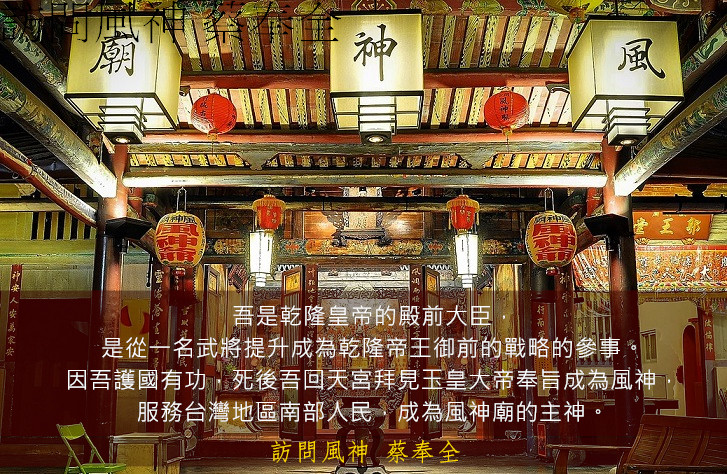
An Interview with Tsai Feng-chuan, the Wind God of Southern Taiwan
Do Not Cling to Bodily Sensations
Interview with Gu Fangzhou (Chinese Virologist)
No Longer Distinguishing Right from Wrong
Interview with Li Yining (The Theoretical Founder of China's Shareholding System Reform)
Interview with Li Wenrui (Expert in Integrated Chinese and Western Medicine, Master of National Medicine)
This is a record of an interview with Tsai Feng-chuan, the Wind God of Southern Taiwan, who sought at the Hsiang Kuang Buddhist Centre in Australia. He now resides in the . This account reflects upon his origins in the Qing Dynasty and his recent role in alleviating Taiwan's drought. Recorded by the chief writer, Shi Haliang, on April 25, 2021.
Tsai Feng-chuan speaks:
". I am Tsai Feng-chuan. I am a true son of the south, the Wind God of Southern Taiwan. My duty is to assist in bringing rain to this land. In Tainan, the south, we are famous for our Taoist temples. Most pilgrimage groups across Taiwan make their way to the Nankunshen Dai-Tian Temple in Tainan. The City God enshrined there is incredibly responsive. Furthermore, the only Wind God Temple in all of Taiwan is located in Tainan, built during the Qianlong era of the Qing Dynasty.
In those early days, the Wind God Temple did not have a physical statue; instead, the deity was honoured through a spirit tablet inscribed with characters. It was only later that a carved statue was commissioned. In the realm of the gods, those enshrined in such temples are often associated with the seven great elements: sun, moon, water, fire, wind, thunder, and earth. You will find the Fire God, the Water God, and the Thunder God, with the Thunder Lord and the Lightning Mother standing on either side of the main altar. During the reign of Emperor Qianlong, to show respect for the Wind God and to ensure that visitors did the same, a 'Reception Pavilion' was specifically constructed. It allowed local officials and civilians to pay their respects. The purpose of this pavilion was to welcome celestial beings and visiting dignitaries, who were required to dismount their horses there as a sign of reverence.
Seeing these temples reminds me of the glorious achievements of my era—the Qianlong era—for that is when I was born. Emperor Qianlong is still respected by later generations because his governance was clear and fair. He valued virtuous scholars, refused to listen to the whispers of corrupt officials, and always acted with the welfare of the people in mind. It was this heart for the people that earned him their deep love. The temples built during the Emperor's reign always brought stability to the hearts of the locals, teaching them to respect the actions of the deities and to emulate their selfless spirit of saving beings. This is how faith was used to cultivate the human heart.
The Qianlong Empire was vast, and such a large territory required wise leadership to ensure the people lived in peace. I served as a minister before the Emperor. I began as a military officer, winning many battles for the nation, before being promoted to a strategic advisor at the Emperor's side. The Emperor was strict with rewards and punishments, and officials would proactively come to report their duties. You might wonder how I became a Wind God—it was a title bestowed by the Emperor himself. During one campaign, I led ten or twenty thousand soldiers against the enemy. Just as victory seemed within reach, the weather suddenly shifted. The very direction of the wind changed, leaving my troops lost in a spatial void. Fortunately, the Emperor’s led to the construction of the Wind God Temple, providing a sanctuary for those wandering spirits. The deities within the temple cared for the Emperor's subjects who were stranded in that local space. Because it was named a Wind God Temple, other wind deities were also able to take up residence there.
A wise monarch naturally leads the entire nation toward prosperity. Whether they were high-ranking officials or humble peddlers, everyone was respected. One was not treated unfairly based on their rank, but rather respected for the sincerity and effort they put into their work. When I was by the Emperor's side, whenever we discussed strategies for war, he would constantly remind us how to minimise harm to the innocent. If a matter could be resolved without sending a single soldier into battle, he would choose that path.
This heart of benevolence often led to victory without a fight; enemy forces, seeing the Emperor's virtue and mind-capacity, would willingly lay down their hatred and submit. This is why Emperor Qianlong left such a deep impression on the world. Because of my meritorious service in protecting the nation, after I passed away, the Emperor conferred upon me the title of Wind God. I returned to the Heavenly Palace to pay respects to the Jade Emperor, who decreed that I should serve as the Wind God for the people of Southern Taiwan and become the main deity of the Wind God Temple.
Recently, Taiwan faced a severe water shortage, especially in the sweltering south. To save Taiwan from this drought, Practitioner Su performed -Body Visualisation to pray for rain. The Jade Emperor specifically summoned me back to the Heavenly Court to discuss with the Rain God, the Thunder God, and the Lightning God how we could assist Taiwan. We worked alongside Practitioner Su to bring rain to the precious island. At first, I did not fully grasp the severity of the drought and could not immediately determine when to bring rain or how much to increase it. After consulting with the other celestial deities and reporting back to the Jade Emperor, we decided on the rainfall volume based on the possessed by the local residents and their causal connections to this drought. It involved calculating the wind speed, the duration of the winds, and how the rain would pair with those winds—including the gathering of clouds. Without weighing these elements, we could not concentrate the rainfall; the timing, the location, and the people's karmic connections were all intertwined.
I, Tsai Feng-chuan, have been trembling with caution as I protect Southern Taiwan. Bearing the title of Wind God, I do not allow unruly ghost deities to invade this sacred land of Tainan. I see many temples standing in the civilian world; some were named by imperial decree, while others are managed by those seeking to profit from incense money. As temples become famous, crowds of believers flock to them. Pilgrimage groups arrive, tourists offer money, and the temple boards expand the buildings to accommodate more people. The myths grow, leading to superstition, while people neglect to learn the virtuous deeds of these deities or their acts of saving beings. Eventually, it all devolves into an annual tourist pilgrimage.
Both Taoism and Buddhism share the goal of encouraging people toward Goodness, but Buddhism focuses primarily on purifying and educating the human heart. If a religion focuses too much on money, it easily interferes with the practitioner's path. I possess this sense of integrity, and thanks to the favour of the late Emperor, I have remained here to guard this place, doing my utmost to protect the people with my own strength. Now, the causal conditions have aligned for me to work with Practitioner Su to save the world and put my skills to use. I have learned that the Hsiang Kuang Pure Land Buddhist Centre is a salvation team. The monastics there do not accept offerings from followers; they focus entirely on practice, purification, and discovering their innate nature, with '' as the priority, so that they may save more people. When Practitioner Su gives Dharma talks, he explains the truth of the universe: that everyone can become a Buddha. The criteria for practice are to be 'awake and not deluded, upright and not crooked, pure and not defiled.' Through Dharma-Body Visualisation Deliverance, he opens up space to save countless beings. A true practitioner who chants the Buddha's name will not suffer from illness, ageing, or death.
Practitioner Su at the Hsiang Kuang Pure Land Buddhist Centre saw the severity of Taiwan's water shortage and heard the cries of suffering spirits. Out of compassion, he performs Dharma-Body Visualisation Deliverance every morning to save the spirits of Taiwan, and he continues this during the . When Avalokiteshvara , dressed in white, stood above Taiwan, the civilians and spirits knelt, weeping, 'Great Compassionate Avalokiteshvara, thank you for your mercy, O Bodhisattva who saves us from suffering.' The suffering spirits kowtowed violently upon seeing the Bodhisattva. At that moment, they heard the Buddha-name 'Namo Amituofo' chanted by Practitioner Su. The deep compassion and the bathing in Buddha-light purified the ghost deities, the beings in the animal realm, and those in the hells simultaneously. Practitioner Su opened up space, and spirits from every dimension, seeing the Buddha arrive, rushed to repent and beg for help. In the sky, the Western Three Saints—Amitabha Buddha, Avalokiteshvara Bodhisattva, and Mahasthamaprapta Bodhisattva—reached out their hands to receive the beings. They also included the cows, sheep, pigs, chickens, ducks, fish, and geese that the people of Southern Taiwan had killed, eaten, or raised, chanting for their deliverance.
The spirits understood their own suffering. Some had been livestock or poultry for dozens of lifetimes, provided for human consumption. After Practitioner Su opened the space, these animals could see what they had loved to eat in their past lives, only to realise they had become the very food they once craved. They understood why they had become the dishes on people's tables in this life: it was all due to the laws of and cause and effect. The sound of chanting and the radiance of the Buddha-light filled Taiwan and Southern Taiwan as the spirits chanted to seek deliverance. Not wanting to abandon a single being, Practitioner Su used Dharma-Body Visualisation to save them, manifesting in countless forms to bring layer upon layer of immeasurable beings before the Buddha, entrusting them to the compassionate Namo Amituofo. The spirits were saved through chanting, letting go of their attachments, and joining Practitioner Su and the chanting team to help all beings.
I, Tsai Feng-chuan, followed the Rain God, the Thunder God, and the Lightning God to bring rain to Southern Taiwan. We directed the rain to the reservoirs, as instructed by the Jade Emperor, to ensure it was collected at the dams and not wasted. This was discussed beforehand between Practitioner Su and the Jade Emperor. When the people of Southern Taiwan saw the rain, farmers wearing straw hats wept, saying, 'It is good! The rain is good! If it hadn't rained, we farmers who rely on the heavens would not have known what to do!' The farmers cupped the rainwater in their hands and wiped it over their heads and faces, thanking the Rain God, the Jade Emperor, and Avalokiteshvara Bodhisattva for bestowing nectar upon the world. The parched fields began to receive water! We are truly grateful to the Buddhas and Bodhisattvas.
At that moment, hearing Practitioner Su’s chanting of 'Namo Amituofo,' the farmers began to chant along. The village elder ran over and said to the farmers, 'Look quickly! The Western Three Saints are in the sky! They have come to receive the pigs, chickens, ducks, and fish we usually eat, as well as the insects we killed with pesticides while growing rice, and the sparrows we shot with slingshots when they stole our grain. Now, the Buddha in his compassion is taking their spirits away so they do not have to be sparrows again. We must kneel and repent for our ignorance, for killing so many insects, sparrows, and other birds. We must repent! Only through this drought did we realise how selfish we were, caring only for ourselves and not respecting the sentient animals. We must truly repent. If you eat a pound of flesh, you must repay sixteen ounces; this is the law of karma. Although we usually pray to the gods only for our own benefit, now the compassionate Avalokiteshvara and the Western Three Saints have come. We must chant the Buddha's name sincerely and stop being greedy. We must not forget the lesson of this drought and must reflect on our daily lives. We took resources like water for granted, thinking they were always available. This salvation for Taiwan’s drought was initiated by Practitioner Su of the Hsiang Kuang Pure Land Buddhist Centre, who made a vow to pray for rain. He invited the Western Three Saints and the Jade Emperor, and through his Dharma-Body Visualisation Deliverance, he persuaded the resentful spirits lingering in Taiwan’s skies to let go. He invited Avalokiteshvara Bodhisattva to manifest and sprinkle nectar, eliminating the spirits' resentment and encouraging them to chant. The Buddha-light restored their bodies. Seeing Namo Amituofo’s golden light, the spirits of the pigs, cows, sheep, chickens, ducks, fish, and shrimp were all willing to let go of everything and chant the Buddha's name to follow him to the Western Pure Land.'
Namo Amituofo.
Tsai Feng-chuan
Memorial Tablet: The spirits of space and the spirits of the temples brought by the Wind God of Southern Taiwan, including pigs, cows, sheep, chickens, ducks, fish, shrimp, insects, sparrows, and other birds, in immeasurable numbers. Representative: Tsai Feng-chuan (seeking purification, listening to the Dharma, and deliverance).
Entering the Western Dharma-Nature Land at Hsiang Kuang Pure Land Buddhist Centre."
Chu Dong-yi, a former stone spirit who spent centuries observing the cycle of human suffering, recounts his transformation into a Thunder God and his profound experience witnessing Practitioner Su's deliverance of the spirits of Southern Taiwan. Seeking deliverance from his long existence as a guardian spirit, he eventually found his way to the Western Dharma-Nature Land of the Hsiang Kuang Pure Land Buddhist Centre in Australia.
Hsu Chao-shui, a former noodle shop owner from Hengchun, shares his transformation from a local deity to the Electricity God of Southern Taiwan, and his experience assisting Practitioner Su in bringing life-saving rain to the drought-stricken island.
Huang Jianqun, a Thunder God tasked with bringing rain to Taiwan, recounts his experience witnessing Practitioner Su's inconceivable power to deliver sentient beings and resolve the karmic grievances that plagued the island's water supplies.
This is a record of an interview with Su Furong, who sought Chao Du at the Hsiang Kuang Pure Land Buddhist Centre in Australia. He now resides in the Western Dharma-Nature Land. This account reflects upon his life approximately 1,200 years ago. Recorded by the chief writer, Venerable HaiZe, on April 27, 2021.
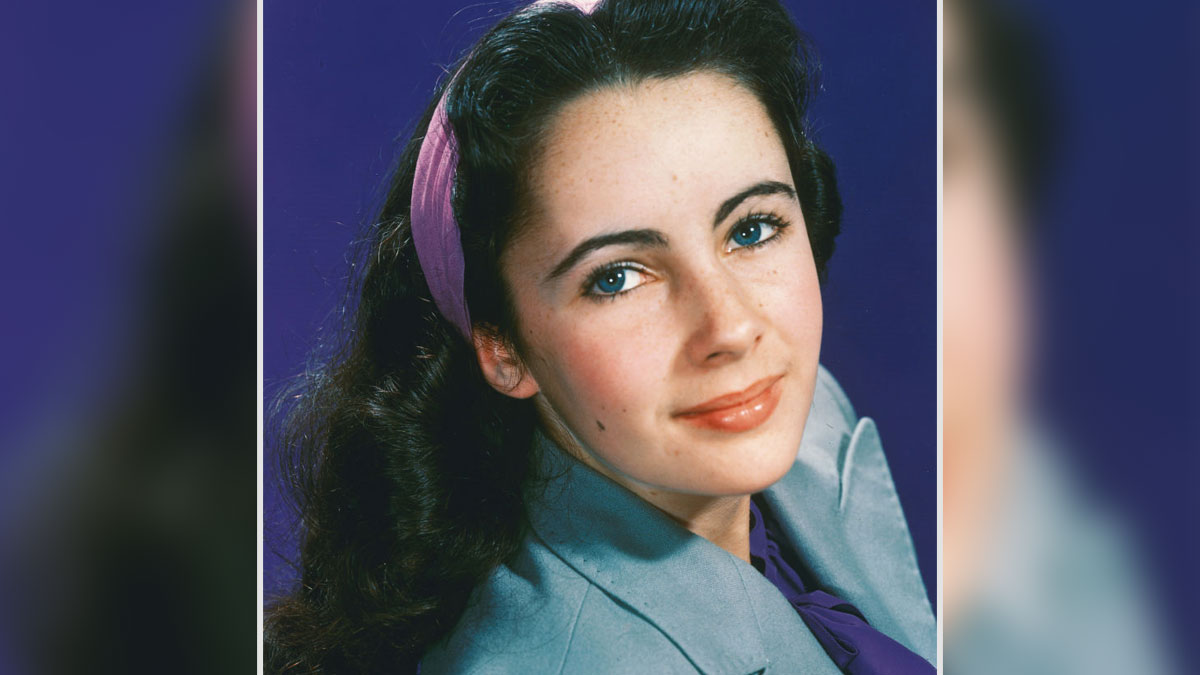
A candid reflection from the spirit of Elizabeth Taylor, who shares her journey from the blinding lights of Hollywood to the serene, transformative teachings of the Buddha in the Western Land of Ultimate Bliss.

Michael Jackson shares his journey from the pressures of global fame to the peace of the Western Pure Land, revealing the truth behind his life and his ultimate deliverance.
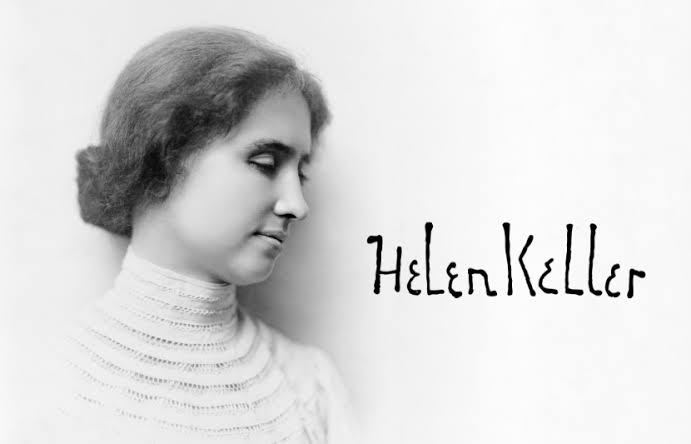
Helen Keller, the renowned deaf-blind philanthropist, shares her journey from the darkness of the ghost realm to the light of the Western Pure Land of Ultimate Bliss, guided by the compassion of Namo Amituofo and Practitioner Su.
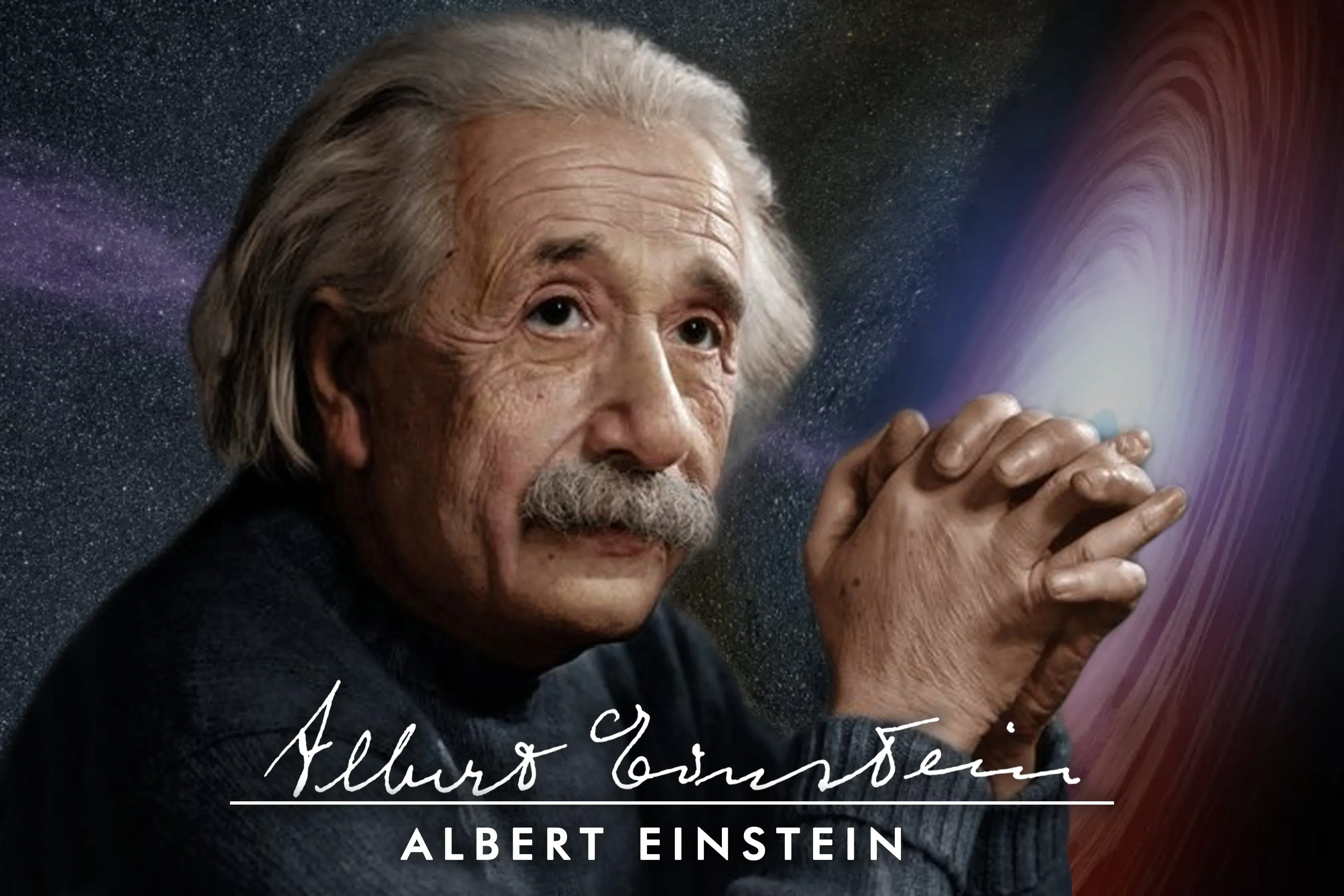
Albert Einstein, once considered the most brilliant mind in human history, reflects on his life, the nature of 'science' versus the Truth of the Dharma, and his existence in the Western Pure Land.

Ronald Reagan, the 40th President of the United States, reflects on his life, his political career, and his profound journey from the depths of hell to the Western Land of Ultimate Bliss through the compassion of Namo Amituofo and Practitioner Su.
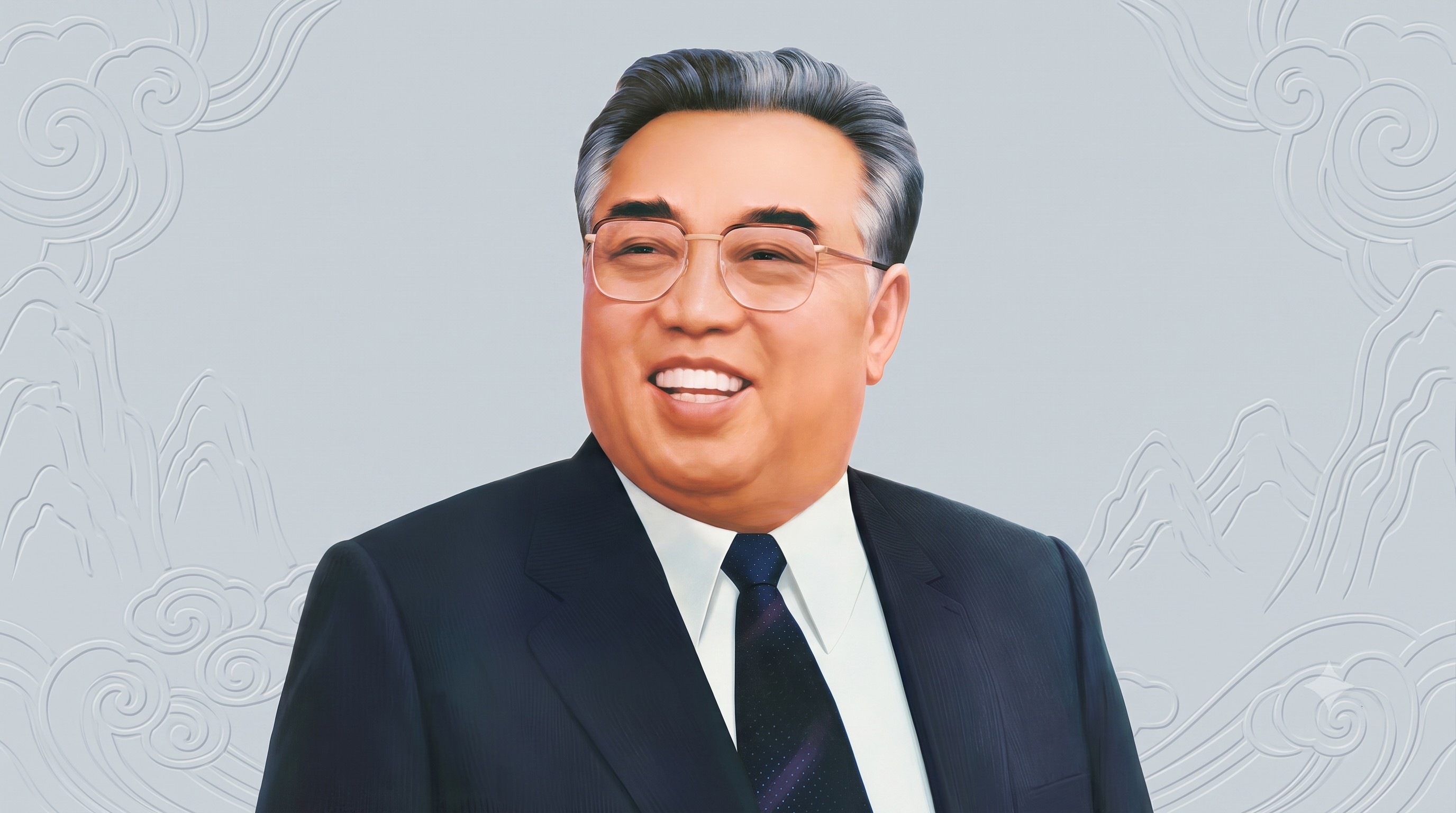
This is a record of an interview with Kim Il Sung, the founder and former leader of North Korea, who sought deliverance 32 years ago. He now resides in the Western Land of Ultimate Bliss.
Hsiang Kuang Pure Land Buddhist Centre
Contributed to Pure Land Buddhism knowledge library