Words of Namo Amituofo
Record of Interviews with Deceased Modern Chinese Celebrities (Preface)
Interview with Xi Zhongxun (Former Vice Premier of the State Council of China, Father of Chinese President Xi Jinping)
Precious Interview Data from Chinese Elites Released on the Global Internet
Seeing the Peril of China, They Descend to Save the World
A pure heart, a new hope
Buddha's discourse:
When you recognise your own faults, you must change them; do not look at the faults of others and allow them to disturb your inner peace. Often, because we are hindered by the heavy weight of our own , we find ourselves unable to clearly perceive our own mistakes, errors, or inappropriate behaviours. We may easily forgive ourselves for these shortcomings without ever truly feeling the need to repent or change. Conversely, we are often all too quick to see the faults, errors, and missteps of others. We may find ourselves unable to forgive them, and in doing so, we disturb both our own peace and theirs.
You should focus your energy on identifying your own errors and correcting them. Do not let the perceived faults of others become a source of agitation for your mind or a cause for conflict with those around you. Knowing your faults and having the strength to change them is the most effective way to elevate your character and moral virtue. By doing this, you effectively stop yourself from continuing to create negative karma, committing further errors, or violating the , which would only lead to more suffering in the future.
In the context of your spiritual practice, the ability to recognise a fault and change it is a vital part of the process of achieving success. It is not enough to simply acknowledge that a mistake exists; you must not allow these errors or inappropriate habits to persist within your life. Consider that every fault is like a stain upon your spirit. These stains contaminate your Body-Mind-Spirit, clouding your original nature. If you can change these habits—and do so thoroughly—you allow your Body-Mind-Spirit to undergo a profound purification.
If you know you have erred but refuse to change, and instead continue to repeat the same mistakes, you are only increasing the weight of your . This leads to suffering upon suffering, trapping you in a cycle that is difficult to break. To know your faults, to change them, and to never repeat them—this is the true practice of one who has truly repented. May you walk this path with sincerity and diligence.
Namo Amituofo

A candid reflection from the spirit of Elizabeth Taylor, who shares her journey from the blinding lights of Hollywood to the serene, transformative teachings of the Buddha in the Western Land of Ultimate Bliss.

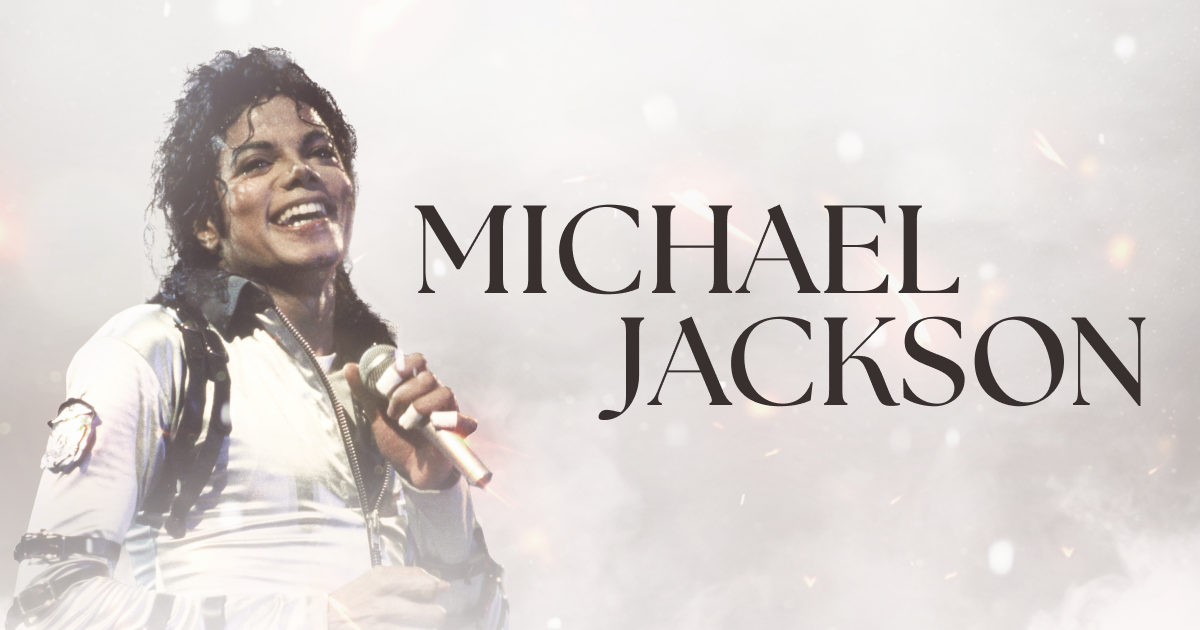
Michael Jackson shares his journey from the pressures of global fame to the peace of the Western Pure Land, revealing the truth behind his life and his ultimate deliverance.

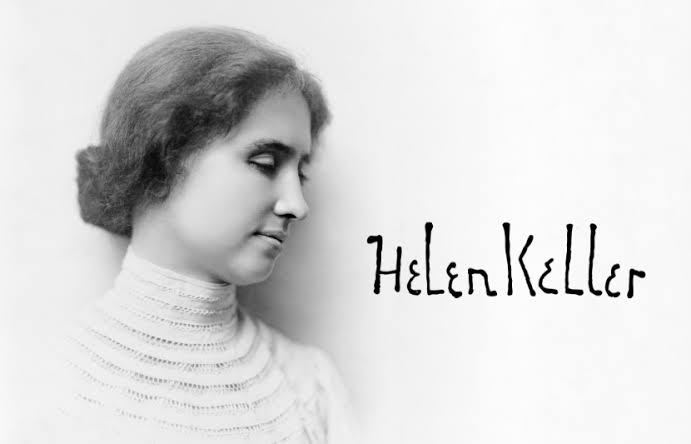
Helen Keller, the renowned deaf-blind philanthropist, shares her journey from the darkness of the ghost realm to the light of the Western Pure Land of Ultimate Bliss, guided by the compassion of Namo Amituofo and Practitioner Su.

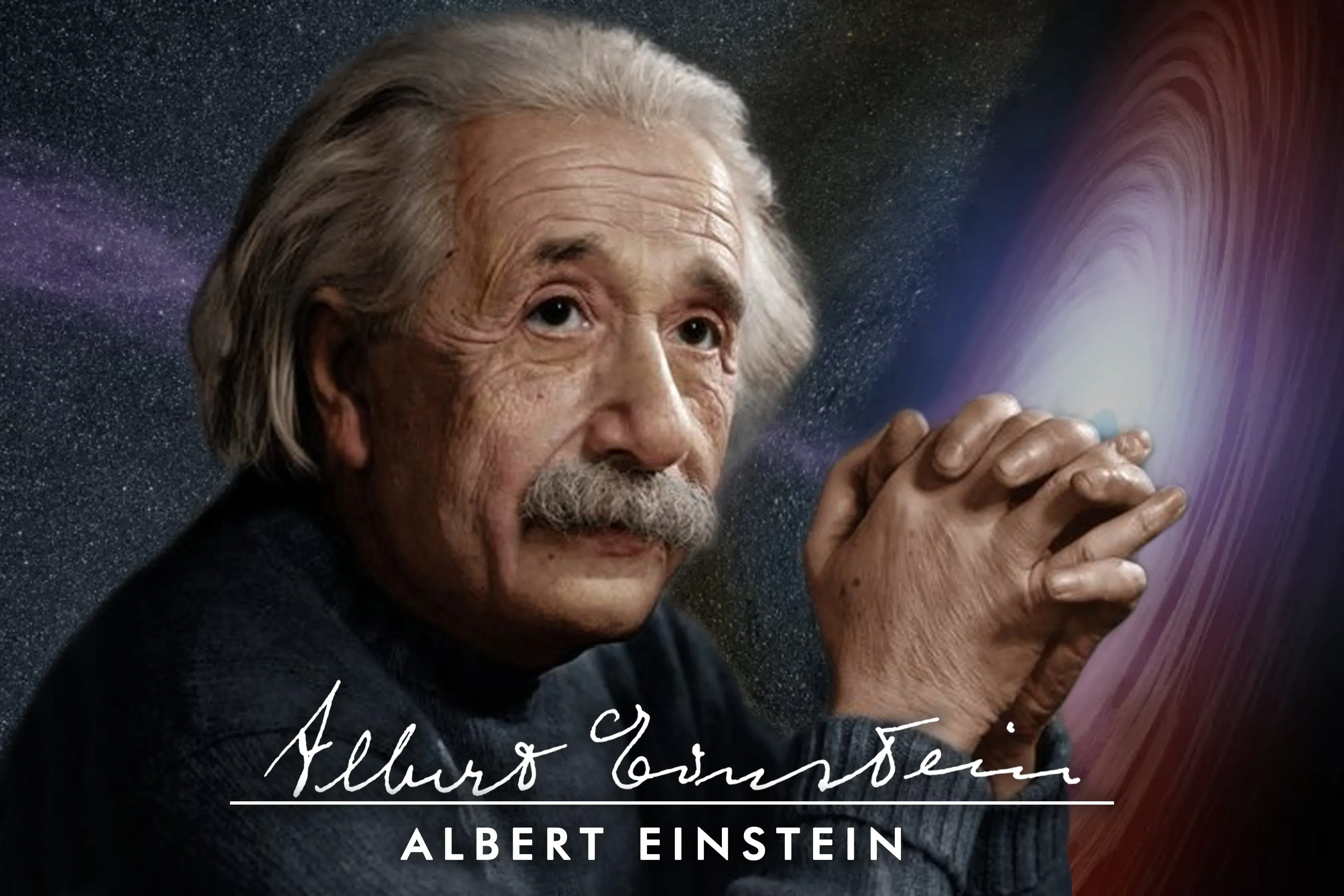
Albert Einstein, once considered the most brilliant mind in human history, reflects on his life, the nature of 'science' versus the Truth of the Dharma, and his existence in the Western Pure Land.

Ronald Reagan, the 40th President of the United States, reflects on his life, his political career, and his profound journey from the depths of hell to the Western Land of Ultimate Bliss through the compassion of Namo Amituofo and Practitioner Su.

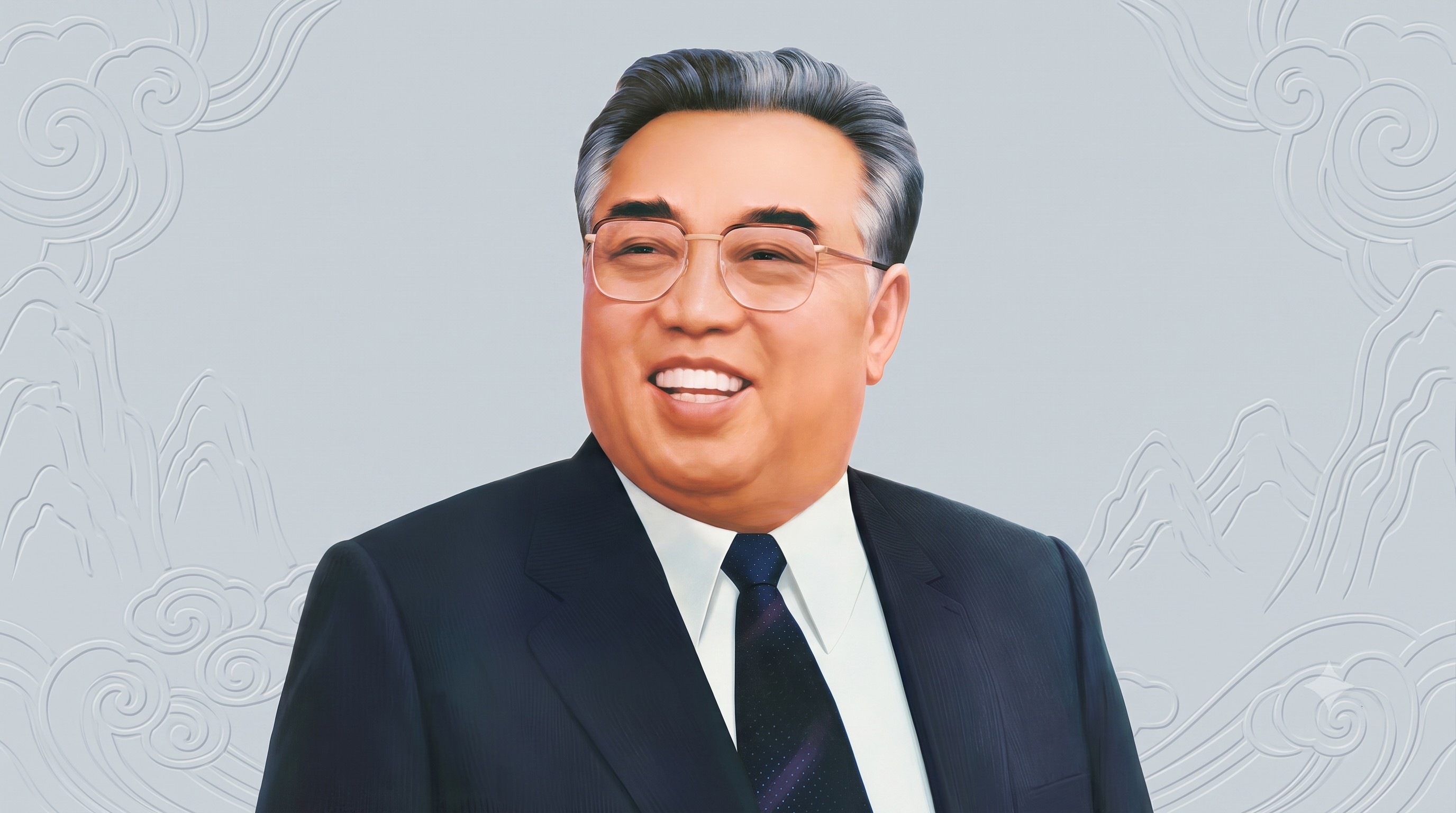
This is a record of an interview with Kim Il Sung, the founder and former leader of North Korea, who sought deliverance 32 years ago. He now resides in the Western Land of Ultimate Bliss.
Hsiang Kuang Pure Land Buddhist Centre

Contributed to Pure Land Buddhism knowledge library