A Life Forged in Compassion
An Interview with the Venerable Mingde
This is a record of an interview with the Venerable Mingde, who sought at the Hsiang Kuang Buddhist Centre in Australia. He now resides in the Western Pure Land of Ultimate Bliss. This account reflects upon his life approximately 1,815 years ago. Recorded by the chief writer, Shi Fa Jing, on December 11, 2018.
Venerable Mingde speaks:
"Namo Amituofo. The space around me shifts and transforms continuously, like ripples upon a pond, eventually settling upon a vast, pristine grassland. A figure appears on the grass, and I realise with absolute clarity that it is myself. Many people gather around; I am seated in the front, wearing my monastic robes, teaching the to the assembly. These devotees listen with profound reverence, their palms pressed together in prayer, chanting in unison, 'Namo Amituofo.'
A Dream of
I awoke from this vision at the tender age of six. I had been resting on the grass in the backyard, a bamboo broom still clutched in my small hand, my chores left unfinished as the afternoon sun began to wane. Just as I began to stir, a sharp, stinging rattan whip lashed across my leg, the sudden agony searing through my skin. The pain was so intense that I could not even cry out; I swallowed my tears, forcing them back into the depths of my heart, for I knew that showing weakness would only invite further cruelty. I did not need to turn around to know it was my stepmother. She approached with a swaying, arrogant gait, her finery rustling against the dry earth. It was her servant who had wielded the whip. 'You were told to work, yet you dare to slack off here! Let me show you how to behave!' she shouted, her voice sharp as a blade. My small, thin body was dragged into the dark, cold woodshed. With a cold, dismissive command of 'Beat him as much as you like!' she turned and left. I knew then that my only choice was to endure, for there was no one to plead my case.
The Burden of a Fractured Home
In the sweltering heat, I wore layer upon layer of clothing, terrified that my father might see the welts and bruises on my skin. My mother and father had once shared a deep, genuine affection, but my grandmother despised her. My mother was a simple, honest woman who spent her days quietly managing the household or chanting Namo Amituofo. Grandmother would often sneer, 'She is nothing like a daughter-in-law of our family!' My mother, never understanding what my grandmother wanted her to be, lived under a constant, suffocating cloud of criticism and disdain.
One day, my grandmother laughed loudly in the living room, a sound that felt jarringly out of place. Beside her sat a woman dressed in gaudy, vibrant clothes, whispering sweet nothings to please her. Grandmother was beaming, clutching the woman's hand and exclaiming, 'You should be my daughter-in-law!' This woman was the daughter of a friend of my grandmother. My father had known her since childhood, but he had never held any affection for her. Years ago, when her family went bankrupt, she had vanished from the village. Now, they had returned, wealthy and triumphant. Grandmother, who always sought to align herself with the rich, was naturally enchanted by her newfound fortune.
Grandmother demanded that my father marry this woman. No matter how he protested, he could not defy her command. My father felt a profound sense of guilt toward my mother, but she, understanding his impossible position, accepted the marriage with quiet, heart-wrenching resignation.
The Path of Patience
After the new wife entered our home, she became my stepmother. She conspired with my grandmother to frame my mother, eventually succeeding in having her cast out of the house. I had wanted to follow my mother, but my grandmother snatched me back. I was the only grandson, and she would not allow my mother to take me. Because my father held me in higher regard than his new wife, she despised me and sought every opportunity to make my life miserable.
Before my mother left, she had whispered to me, 'No matter how she treats you, do not feel anger or resentment. Just keep chanting Namo Amituofo in your heart, and you will be safe.' I kept her words locked in my heart. From a young age, I followed my mother's example, learning the Buddhist virtues of , patience, and tolerance. Whenever my stepmother harmed me, I would simply chant Namo Amituofo to endure it. Four years passed. I was ten, and I had not seen my mother once. Whenever I missed her, I would pick up the scripture book she had left behind—the one she used to teach me, hoping I would one day walk the path of practice.
A Glimpse of the Dharma
When I was ten, my grandmother finally granted me permission to go out, provided a servant accompanied me. I secretly hoped to find my mother, though I had no idea where to look in this vast world. I visited several places she used to frequent, but she was nowhere to be found. Finally, I passed a temple, and the sound of chanting and the rhythmic tapping of a wooden fish drifted out, calling to my soul.
I entered the temple and saw a group of monastics reciting the sutras. I rubbed my eyes, unable to believe what I was seeing: 'Mother has become a nun!' Tears streamed down my face. This had been her lifelong dream, one she could not fulfil due to her marriage. Now, having left home, she had shaved her head and attained her heart's desire. I left the temple quietly, not wanting to disturb her. Seeing her pure and dignified appearance, I knew her heart was at peace. I hurried back home, but word of my excursion reached my stepmother. She seized upon this as an excuse to stir up trouble. Grandmother, enraged, beat me with a broom, screaming, 'Useless child! Useless child!' I endured the pain, my heart fixed on the image of my mother chanting before the Buddha. In that moment, the physical pain vanished entirely.
The Vow of a Young Practitioner
I knelt before a portrait of Namo Amituofo that my mother had painted herself. I kept it hidden in my cabinet, and whenever I was alone, I would offer incense, chant, and pour out my heart to the Buddha. 'Namo Amituofo, Great Compassionate One,' I prayed, 'thank you for allowing my mother to become a nun. She once told me that all beings suffer. But living here, I cannot truly understand that suffering. Please, grant me a heart of compassion so that I may understand and pity the suffering of all beings.'
Gradually, I began to perceive that everyone around me was a suffering being—suffering in heart, in body, and in the cycle of samsara. Even my grandmother and stepmother, who seemed to command the world, were trapped in their own torments. I learned to treat everyone with compassion, using my sincere heart to chant for them, praying that they might all leave suffering behind and gain happiness. The hardships of my childhood forged my strength. The Infinite Life Sutra taught me the Buddha's compassion. Though I was forbidden from leaving the house, I could see the suffering of the world through the scriptures. I saw the helplessness of those trapped in samsara. Before the Buddha, I made a vow: I would dedicate my entire life to learning the Buddha's teachings and saving sentient beings.
A Turning Point and Final Deliverance
When I was fifteen, both my grandmother and stepmother fell ill with a contagious disease that threatened their lives. I chanted Namo Amituofo incessantly, praying for their recovery and for all those afflicted. Before them, I made a vow to the Buddha: 'If this illness can be resolved and all can be spared this suffering, I will become a monk to save the world.' Days later, they began to recover. They understood that it was my vow that had moved the Buddha to resolve this calamity. I asked my grandmother for permission to leave home and become a monk. Having stared death in the face, her attitude had shifted, and knowing of my vow, she finally consented. At sixteen, I left home to practice in a temple. The suffering in this Five Turbidities and Evil World was far greater than I had imagined, but I held firm to my resolve.
I practised diligently on the path, spending decades refining my habits and using the Dharma to help others. I helped beings focus on chanting Namo Amituofo, transforming the bitterness of life into the nectar of the Dharma, letting go of worldly attachments to seek rebirth in the Western Pure Land. The universe is vast, with infinite spaces and new discoveries every day. Sentient beings are trapped in their own layers of existence, unable to escape. When Practitioner Su opened the spaces connected to me, the transformations became even more profound. Some spirits were desperate for Chao Du; others remained attached to their own realms. Once Practitioner Su opened these spaces, they could hear the sound of the Dharma and understand the importance of seeking the Western Pure Land. After several sessions of Chao Du, they followed the Buddha-light and departed.
Spirits have deep emotional attachments, which often bind them to their spaces. They do not know how to let go until they hear Practitioner Su's lectures. I have always emphasised the importance of teaching the Dharma, just as I did when I was alive, helping beings break through delusion. The Buddha's teachings are truly vast; only they can help beings leave suffering behind. I believe more beings will hear the Dharma and seek rebirth in the Western Pure Land. Namo Amituofo."
Namo Amituofo.
More from Revered Ones
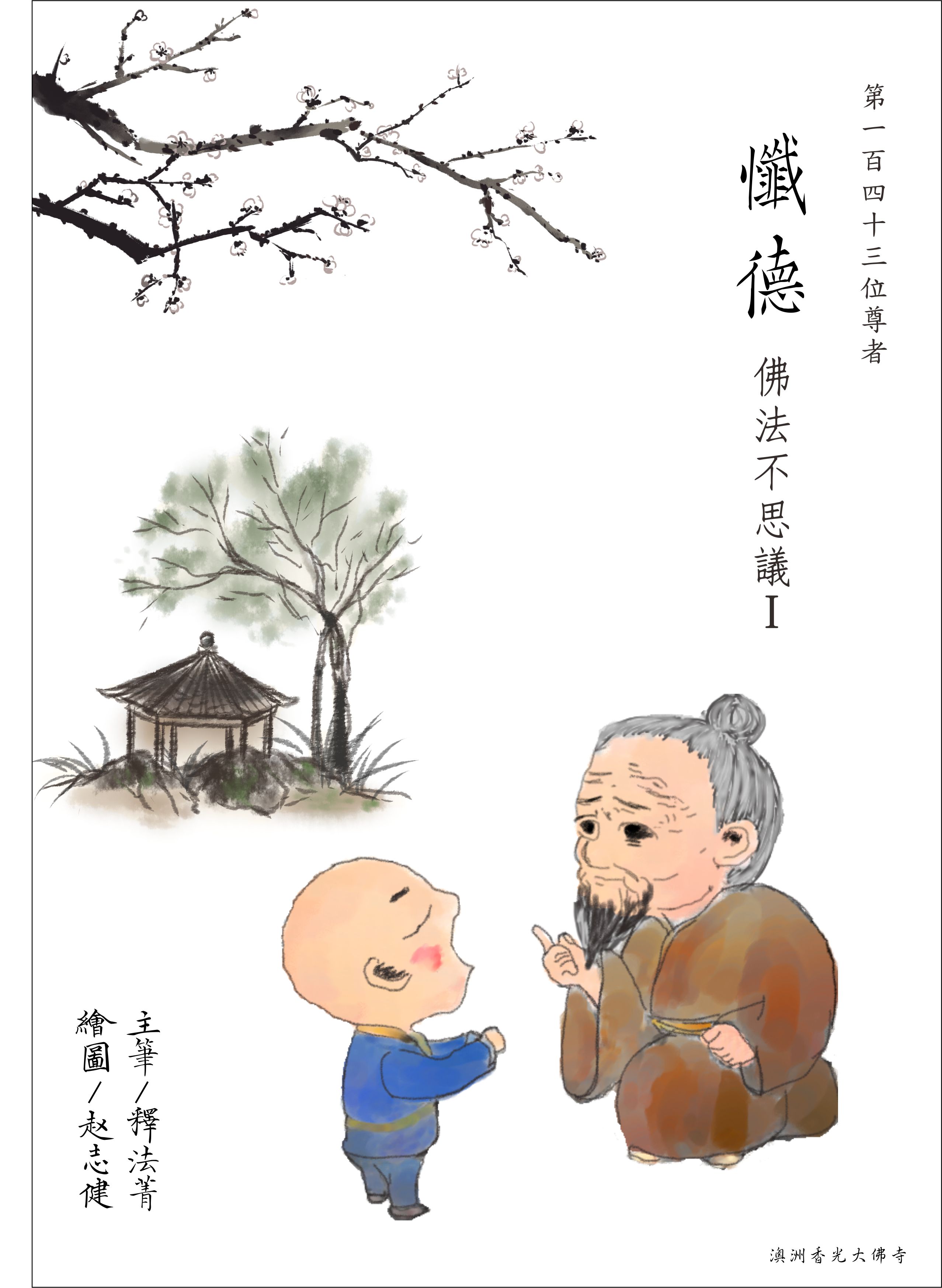
The Virtue of Repentance
A profound reflection on the journey of repentance and the cultivation of virtue from the 143rd Venerable, Chande, as he recounts his path to the Western Pure Land.
The Spiritual Anatomy of Practitioner Su's Leg
Venerable Feng An, representing a collective of 1,162 Venerables, provides a profound look into the spiritual dimensions within Practitioner Su's leg, revealing the hidden reality of karmic burdens, the nature of spiritual attachment, and the ultimate sacrifice of a Bodhisattva.
The True Meaning of Filial Piety
A touching testimony from Zhu Hongchang, who reflects on his life nine centuries ago, his journey from being rejected as a 'dull' child to discovering the profound, selfless nature of true filial piety through service to all beings.
The Path of No-Self and the Boundless Ocean of Wisdom
A poignant reflection on a life of hardship, the realization of the 'no-self' nature, and the ultimate vow to deliver sentient beings through the power of Namo Amituofo.
More by Hsiang Kuang Pure Land Buddhist Centre
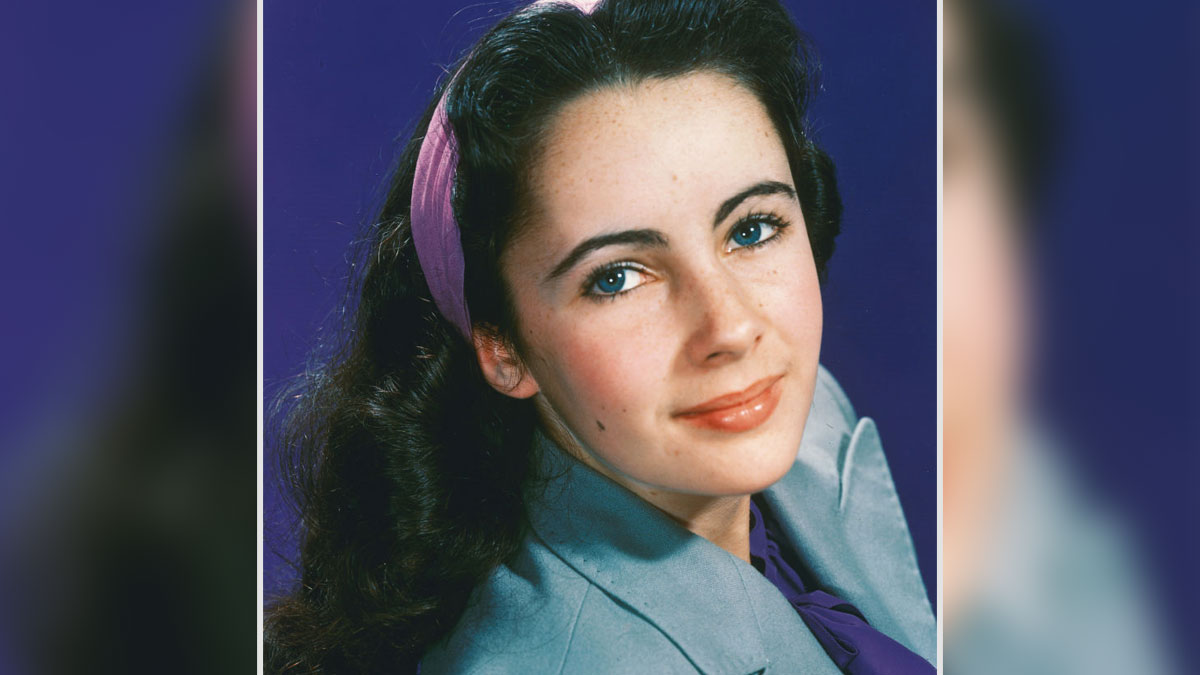
An Interview with Elizabeth Taylor (Famous Hollywood Actress)
A candid reflection from the spirit of Elizabeth Taylor, who shares her journey from the blinding lights of Hollywood to the serene, transformative teachings of the Buddha in the Western Land of Ultimate Bliss.

An Interview with Michael Jackson (King of Pop)
Michael Jackson shares his journey from the pressures of global fame to the peace of the Western Pure Land, revealing the truth behind his life and his ultimate deliverance.
A Voice from the Darkness: Helen Keller's Journey
Helen Keller, the renowned deaf-blind philanthropist, shares her journey from the darkness of the ghost realm to the light of the Western Pure Land of Ultimate Bliss, guided by the compassion of Namo Amituofo and Practitioner Su.
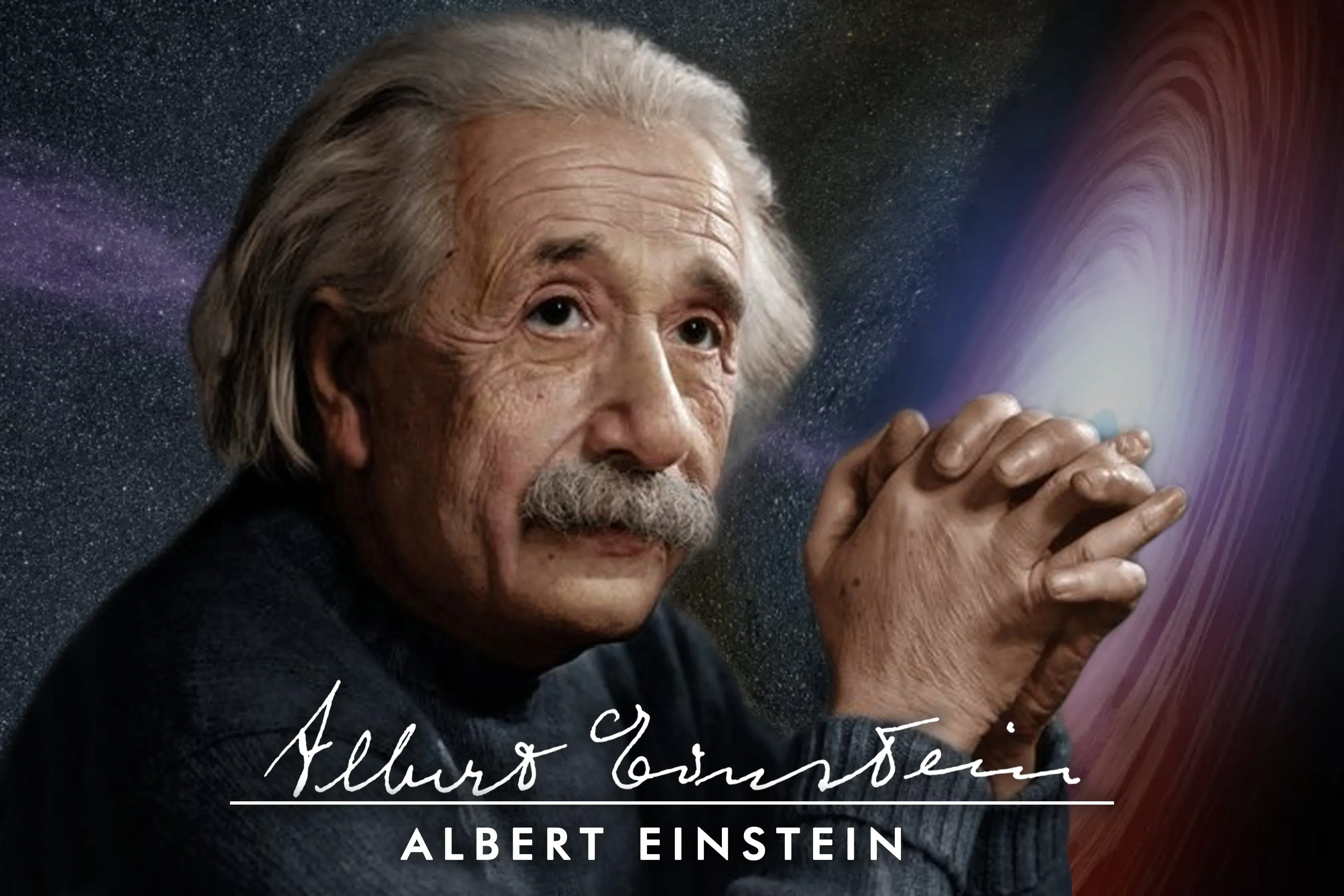
An Interview with Albert Einstein (Theoretical physicist)
Albert Einstein, once considered the most brilliant mind in human history, reflects on his life, the nature of 'science' versus the Truth of the Dharma, and his existence in the Western Pure Land.
A President's Repentance: Ronald Reagan's Journey to the Pure Land
Ronald Reagan, the 40th President of the United States, reflects on his life, his political career, and his profound journey from the depths of hell to the Western Land of Ultimate Bliss through the compassion of Namo Amituofo and Practitioner Su.
The Reflection of a Nation's Founder
This is a record of an interview with Kim Il Sung, the founder and former leader of North Korea, who sought deliverance at the Hsiang Kuang Pure Land Buddhist Centre in Australia. He now resides in the Western Land of Ultimate Bliss. This account reflects upon his life and the spiritual truths he has realised since his passing thirty-two years ago. Recorded by the chief writer, Venerable Fa Hui, on May 18, 2026.
About the Author
Hsiang Kuang Pure Land Buddhist Centre
Contributed to Pure Land Buddhism knowledge library