An Interview Regarding the True Path of Practice
The Lesson of the Kettle-Mender: A Reflection from the Western Pure Land
A Reflection from the Western Pure Land
The Unity of Chan and Pure Land: An Interview with Master Hongren
The Precepts as the Foundation of the Dharma
The Ultimate Compassion: An Interview with Venerable Master Guang Qin
Do Not Cling to Bodily Sensations
Interview with Gu Fangzhou (Chinese Virologist)
No Longer Distinguishing Right from Wrong
Interview with Li Yining (The Theoretical Founder of China's Shareholding System Reform)
Interview with Li Wenrui (Expert in Integrated Chinese and Western Medicine, Master of National Medicine)
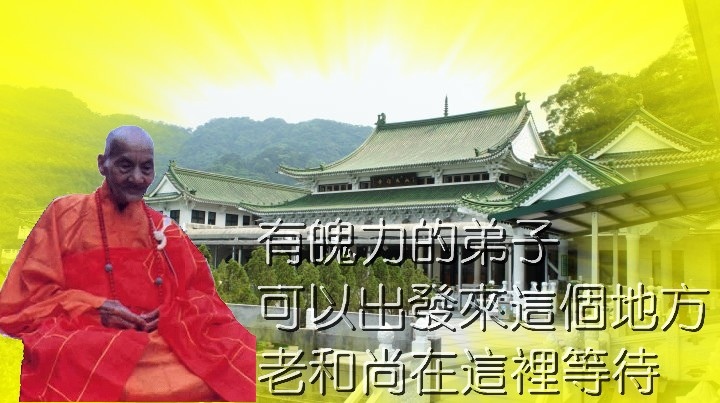
This is a record of an interview with the Venerable Guang Qin, who sought at the Hsiang Kuang Buddhist Centre in Australia. He now resides in the Western Land of Ultimate Bliss. This account reflects upon his life and his observations of the modern Buddhist world. Recorded by the chief writer, Shi Faxi, on August 2, 2017.
Venerable Guang Qin speaks:
"Coming and going, it is all nothing. Coming and going, it is everything. But right now, this is a very big matter. Since you have called upon me, the Venerable Guang Qin, I must speak clearly. My descendants and followers have truly failed to carry on the lineage. I must speak in detail, so open your ears wide and listen well.
I am the Venerable Guang Qin. You could say that I came into this world to practise. From a young age, I did not have many memories of family, but I took that in stride. I felt that everything was a matter of destiny. I spent my entire life performing Buddha-work, and my heart is truly filled with -. I am content; it was worth it.
Before I became a monastic, I lived in a temple as a young novice. I did not know the formal terms; I was just a 'little monk' doing manual labour in exchange for food. Life was very bitter for everyone back then. I was a simple, honest child; whatever people told me to do, I did. I did not have any special thoughts. I followed others to work, and none of it was easy. But I was young, I had the stamina, and I was hardworking. I just needed to be fed—at least three bowls of white rice per meal—so I would have the strength to work. I worked in the mountains, but those days felt empty. There was no real value in that kind of life; it was just for survival. I did not love that life, but I lived day by day until one day, a massive shock made me awaken and return to the Buddha’s gate.
That day, all the colleagues who were with me died in an accident; they fell into a valley. I miraculously escaped death. That day was very special—I could not keep up with my colleagues, so I had to move on my own. Just like that, the whole group perished, and I survived. Of course, I became alert to the impermanence of the world. I knew then that I should become a monastic. There is nothing great about this world; in the end, everyone walks the path of death. There are no 'great' people—only ordinary, simple, hardworking, and honest people.
I became a monastic at Cheng Tian Temple. I received the tonsure and officially entered the monastic life. Decades passed. The journey was one of hard work and toil. I was very awakened, and I never slacked off. Once I entered the Buddha’s gate, I did everything my master asked of me. I learned with a sincere and devoted heart, and I practised diligently. I did not fear suffering; instead, I felt great Dharma-joy. In the Buddha’s gate, the impermanence of the world seemed to find a new hope. I learned the skills of practice from my master. My master lived an ascetic life, and I followed him. This became my specialty. I adapted well to such a life, and with new breakthroughs and goals in life, I lived very grounded and joyfully. After I received the full , I returned to my master and asked for his permission to leave the temple to train in the mountains.
Throughout this journey, the inspiration and resolve from receiving the precepts made me decide to be a true monastic. I practised sitting meditation and wanted to find a place for solitary retreat. I asked my master for some rice and grain, and I headed up the mountain. I spent several years in a cave. I became accustomed to life in the mountains and the wild. I could satisfy my hunger by eating fruit. The mountains were famous for tigers and wild beasts, but I passed through safely. Everyone praised me for 'subduing' the tigers. In truth, the tigers were there, but they did not interfere with my life or my practice. I chanted and sat in meditation. I had no heart or opportunity to be afraid. Even life and death were nothing to fear.
My meditation was natural; I never forced any states. I was just an ordinary practitioner with no special background and no 'wise' brain. I only knew how to put in the labour and work without seeking reward. That was the heart of my practice. I sat in meditation to settle the days of my life, to let go, to relax, and to immerse myself in the holy realm of the Buddha. I had no days and no time. I was very free. If I wanted to sit, I sat; if I wanted to rise, I rose. As long as I was happy, why think so much? Every time I entered samadhi, everyone would speculate whether I had passed away. Haha, passing away is not that easy! There was still time left; how could it be my turn to go? I was just taking a nap. I remember once, while in samadhi, I heard someone calling me. I opened my eyes and saw it was Master Hong Yi. It turned out four months had passed! I did not know time had gone by so fast. Everyone praised my 'attainment,' but what attainment did I have? I was just 'stealing' some time to sleep. Come to think of it, I should repent. During those days, I did not see any beings. It is better not to stay in samadhi for too long; otherwise, since this human body is limited, one must complete the work that needs to be done.
I did not do anything special in my practice. I just did what needed to be done when the time came. When the affinity arrived, I accepted it; when the affinity ended, I forgot about it. With so much work to do, how could I have time to think about these things? I simply followed the conditions. When the conditions were right, I came to Taiwan. I gradually brought some disciples with me. Perhaps because I was an honest person and spoke Taiwanese, I felt a special affinity with the people of this precious land. I began spreading the Dharma quickly. I had no background; I was just a simple character—an illiterate monk. I often entered samadhi, so my hair would grow long until people could not recognise me. When I first arrived in Taiwan, I mostly stayed in temples. I spread the Dharma through my actions and style. I never lectured on the sutras; I just taught everyone to chant Namo Amituofo, learn from the Buddha, and act like a Buddha.
I did my best in everything, following the conditions. When people asked why I did not raise funds to build temples, I thought: if I got involved in those things, the trouble would be too great. It was better to live a relaxed life. I was free and at ease. Chanting Namo Amituofo is practice; drinking rice soup is practice. I have the roots of an ascetic. My life was simple. I was illiterate, so my practice was chanting Namo Amituofo. I taught others to chant Namo Amituofo, and I spread the Dharma by chanting Namo Amituofo. When the conditions were sufficient, kind lay practitioners bought land and built temples, inviting me to spread the Dharma. Since the affinity was there, I accepted it gladly. The first temple, the second temple—they were gradually built. I was named the abbot of several, but I never kept track of them. I just worked hard to get everyone to chant Namo Amituofo. When people asked me for the Dharma, I explained the principles according to their capacity. Many were curious about my identity and asked if I had 'supernatural powers.' I said, 'If you eat, you will have energy!' Everyone laughed. Life is about being happy; why be so calculating? Why think so much? Isn't being cool and at ease more joyful?
My disciples were active, and the Dharma protectors and lay practitioners were compassionate. Miaotong Temple in Kaohsiung, Cheng Tian Temple in Tucheng, and Guangming Temple in Xindian—these bodhimandas began to operate, receiving and saving beings. I instructed all my disciples to treat the devotees who came seeking the Dharma well. What does it mean to treat them well? It means sincerity. It means teaching them to chant Namo Amituofo and teaching them how to achieve rebirth in the Western Land of Ultimate Bliss. That was my requirement. While I was there, I saw that things were mostly good. Even when I was not there, I knew what everyone was doing. With the arrival of devotees and the establishment of temples, there was a constant stream of offerings and the promotion of Buddha-work. But then, some matters became problematic.
Dharma assemblies, such as the Water-Land Dharma Assembly, had many participants. The number of devotees and followers grew larger and larger. It seemed prosperous. I mostly stayed in the state of chanting Namo Amituofo; people only came to discuss things with me if they had questions. Everyone was very obedient and good. When I was in my eighties, I told my disciples that the Master was about to 'go home.' I spoke very subtly. The disciples who understood led the masses to beg me to stay in the world longer to continue spreading the Dharma. I agreed and lived for more than a decade longer, which finally fulfilled this life.
The disciples who received my Dharma have now some 'gone home,' but they did not come to the Western Land of Ultimate Bliss. I see them one by one—thump! Falling into the hells. Alas, to study Buddhism and end up in hell! I truly have no successor. Everyone is good at using the name of the Venerable Guang Qin to decorate themselves, but as disciples and grand-disciples, have they truly learned the fundamentals of Buddhism? The temples I see today, every Dharma service performed for Chao Du, the chanting groups, and the repentance ceremonies—the truth is terrifying. These ghost deities do not leave our temples after the ceremonies end. It is said that 'it is easy to invite the gods, but hard to send them away.' Why can they not be sent away? Because you are not in harmony; there is no harmony within. Where would you find the power to send away these ghost deities seeking deliverance? You cannot even save yourselves; it is a great pity. I truly have no successor.
Now there are 'seven-day' memorial services—who told you to do it this way? With so many beings, who are you calling to save them? Everyone is possessed by spirits. I, the old monk, speak the truth. I only speak now because there is an affinity. The descendant of A-Dan invited me to say a few words. Your old monk is now in the Western Land of Ultimate Bliss, and my two eyes are watching every one of you. Because of the descendant of A-Dan and the Hsiang Kuang Pure Land Buddhist Centre, I have the opportunity to speak. I hope everyone will learn to be a human being again. How many years are there in a life? Everyone must pull themselves together. These crooked thoughts must be purified. When I was alive, I said these things, but no one truly took them to heart. You create factions, and the trouble is immense. Hell has 'reserved seats' for these things. If you believe these words, you can still be saved. Come find the old monk; I will talk to you properly. I will save you. As long as you come to find the old monk, the whole world only has this place that can do it. Disciples with boldness can set out to come to this place. The old monk is waiting here. Namo Amituofo!"
Written by the Venerable Guang Qin
Message recorded by the Buddhist disciple Shi Faxi
This is a record of an interview with Venerable Dixian, who sought Chao Du at the Hsiang Kuang Pure Land Buddhist Centre in Australia. He now resides in the Western Land of Ultimate Bliss. This account reflects upon his life and his journey to the Pure Land. Recorded by the chief writer, Venerable Fa Hui, on May 12, 2026.
This is a record of an interview with Zhao Puchu, who sought deliverance at the Hsiang Kuang Pure Land Buddhist Centre in Australia. He now resides in the Western Land of Ultimate Bliss. This account reflects upon his life in the 20th century. Recorded by the chief writer, Shi Fa Hui, on April 18, 2026.
Master Hongren, the Fifth Patriarch of the Chan school, shares his profound insights from the Western Pure Land on why the path of chanting Namo Amituofo is the most suitable practice for beings in this modern age.
Great Master Jianzhen, the first patriarch of the Japanese Ritsu school, reflects on his arduous journey to bring the Vinaya to Japan, the nature of Dharma affinity, and the vital importance of upholding the precepts for the continuation of the Buddha's wisdom-life.
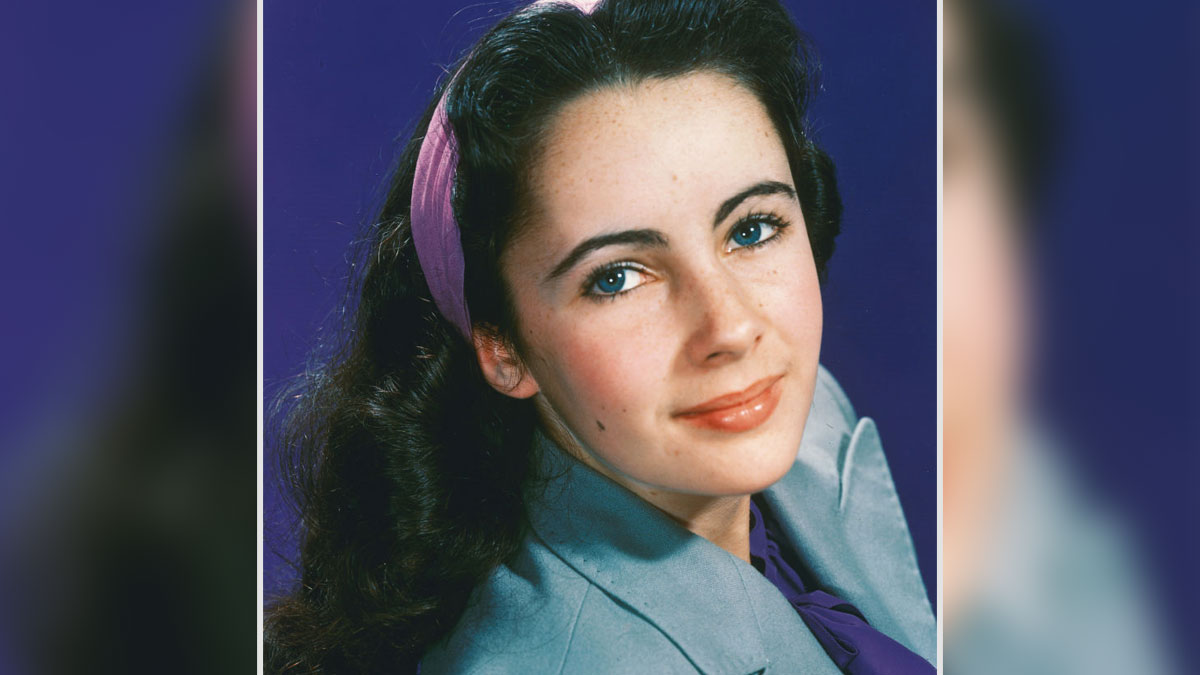
A candid reflection from the spirit of Elizabeth Taylor, who shares her journey from the blinding lights of Hollywood to the serene, transformative teachings of the Buddha in the Western Land of Ultimate Bliss.

Michael Jackson shares his journey from the pressures of global fame to the peace of the Western Pure Land, revealing the truth behind his life and his ultimate deliverance.
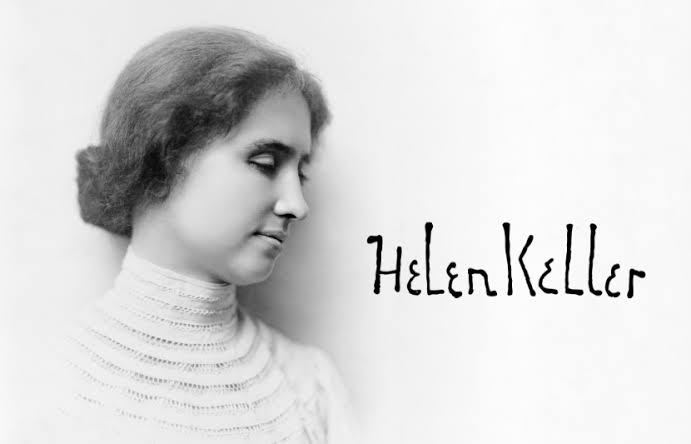
Helen Keller, the renowned deaf-blind philanthropist, shares her journey from the darkness of the ghost realm to the light of the Western Pure Land of Ultimate Bliss, guided by the compassion of Namo Amituofo and Practitioner Su.
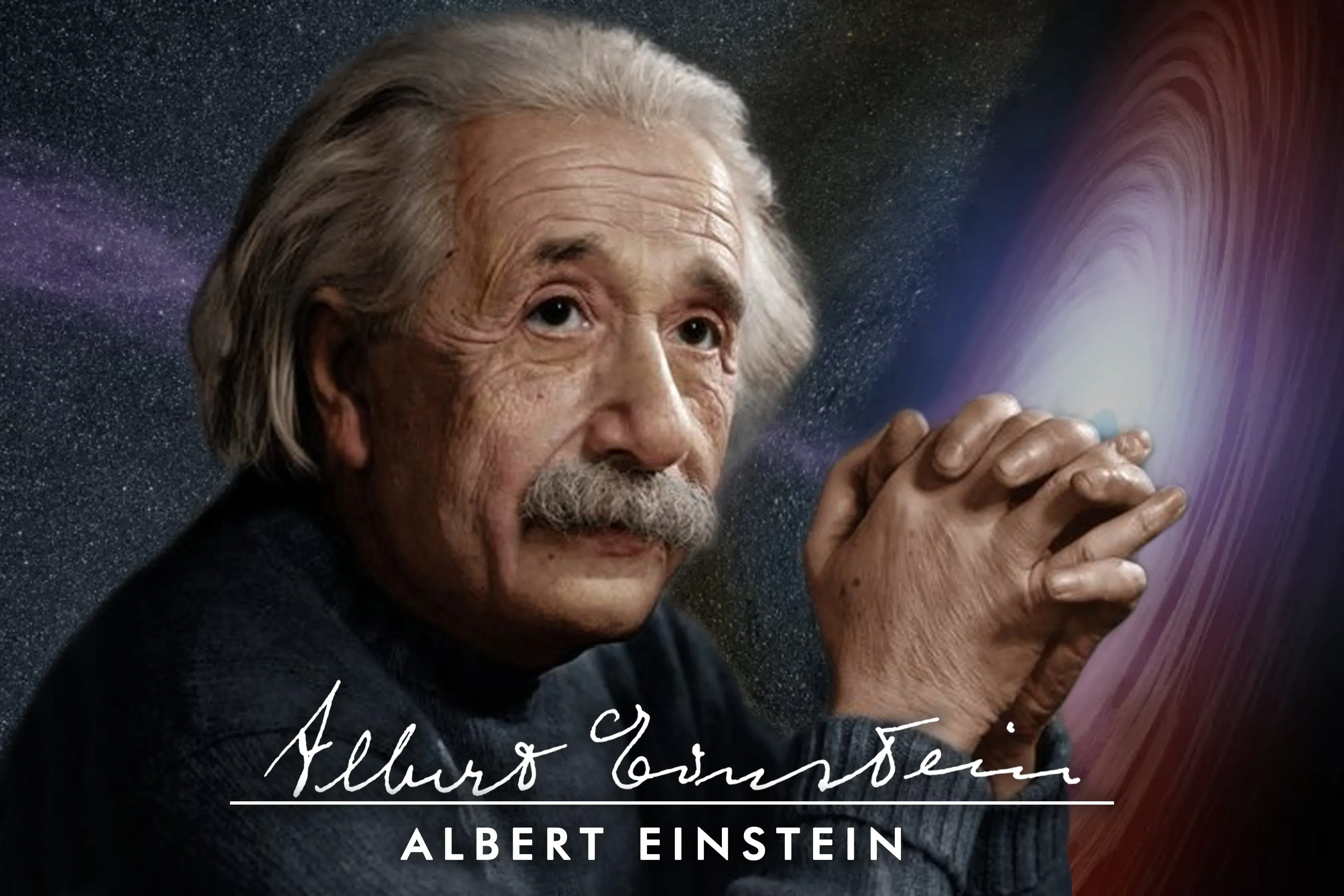
Albert Einstein, once considered the most brilliant mind in human history, reflects on his life, the nature of 'science' versus the Truth of the Dharma, and his existence in the Western Pure Land.

Ronald Reagan, the 40th President of the United States, reflects on his life, his political career, and his profound journey from the depths of hell to the Western Land of Ultimate Bliss through the compassion of Namo Amituofo and Practitioner Su.
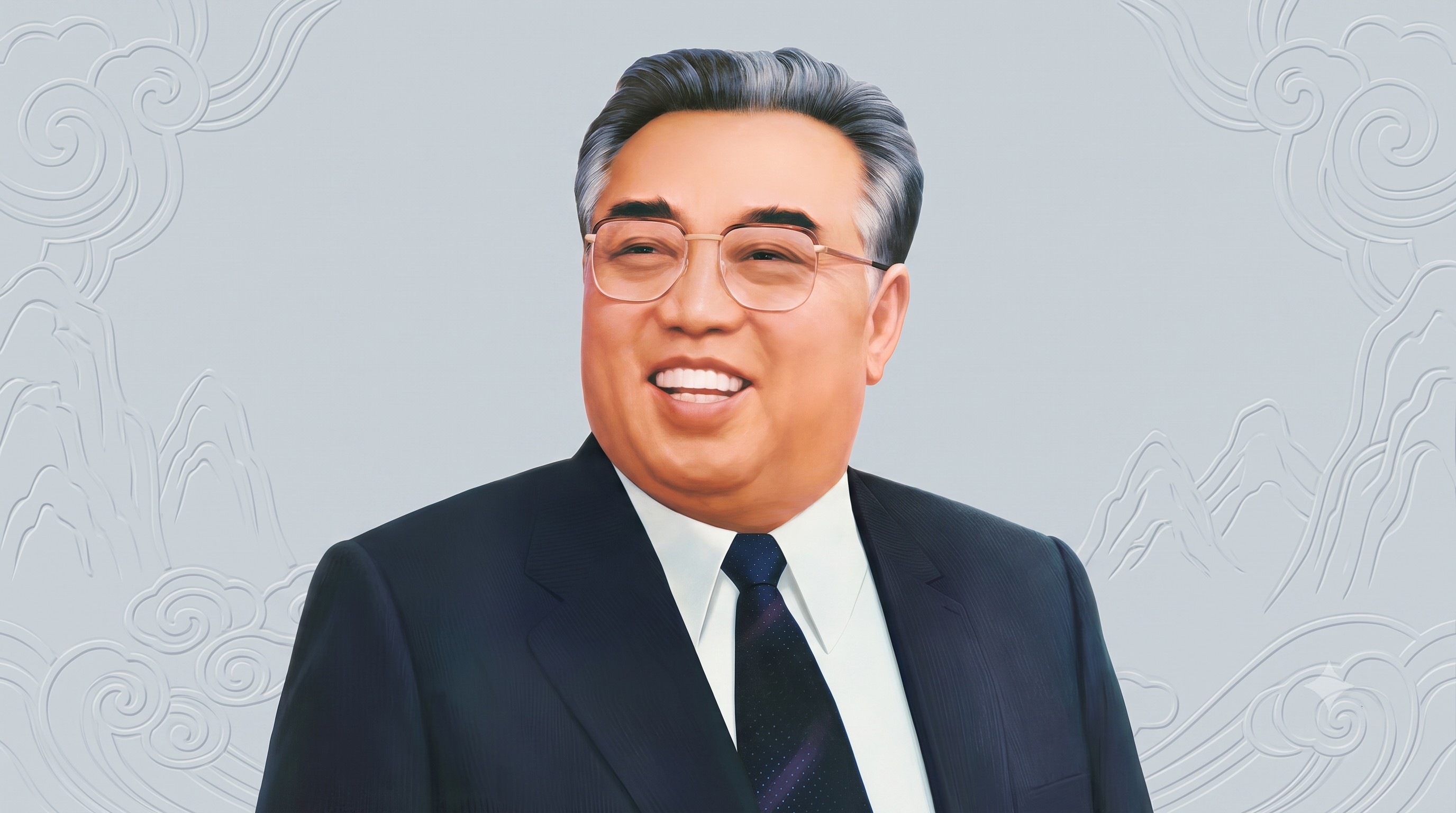
This is a record of an interview with Kim Il Sung, the founder and former leader of North Korea, who sought deliverance 32 years ago. He now resides in the Western Land of Ultimate Bliss.
Hsiang Kuang Pure Land Buddhist Centre
Contributed to Pure Land Buddhism knowledge library