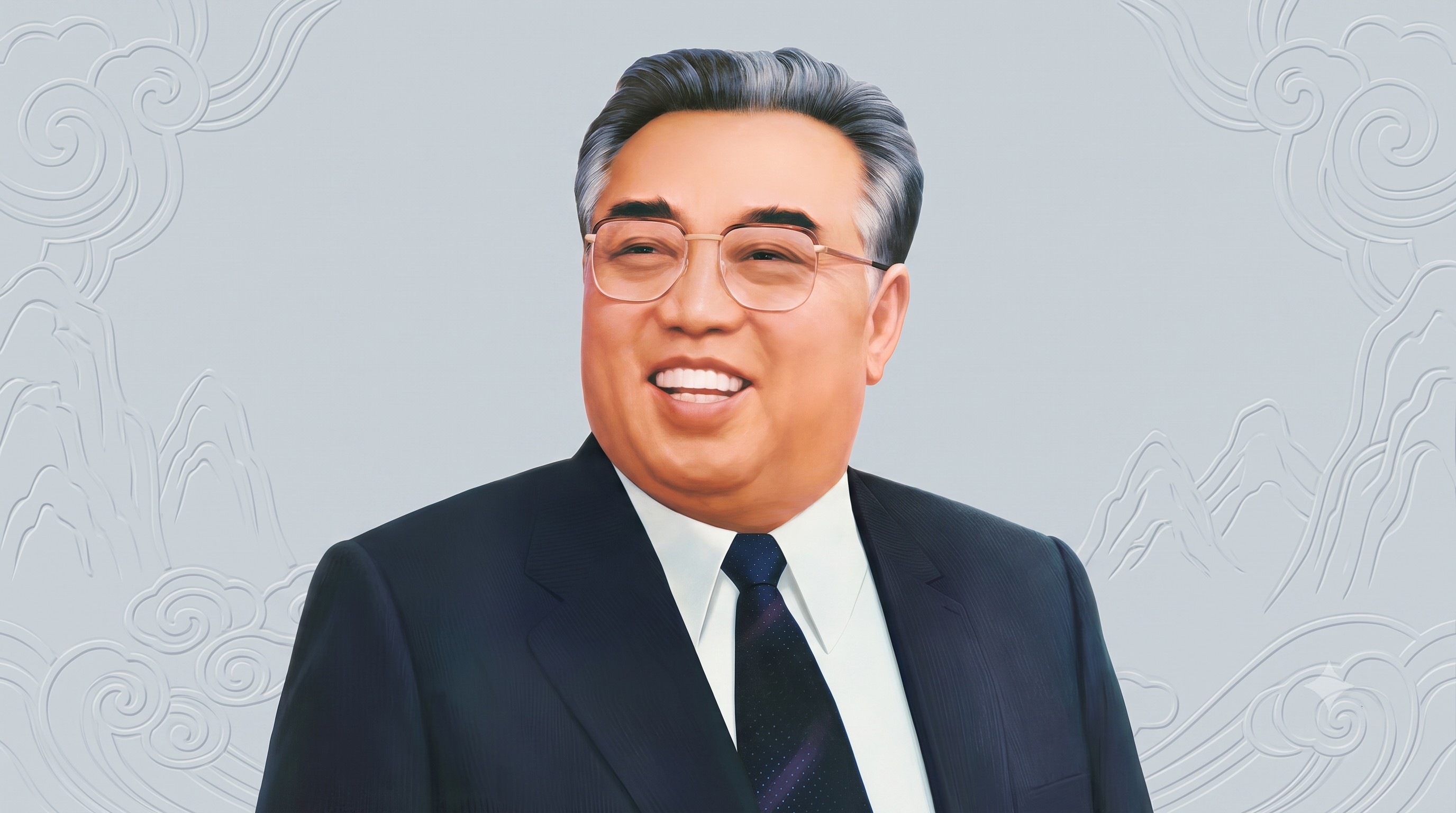
This interview with Venerable Chang Ren was recorded on February 26, 2021, at the Hsiang Kuang Buddhist Centre in Australia. Venerable Chang Ren, a dedicated monastic, offers profound insights into the necessity of inner adjustment for those seeking to transcend the cycle of suffering and achieve spiritual success.
Venerable Chang Ren speaks:
". In the process of adjusting one's life, there are many issues concerning , the mind, and one's character that require active refinement. This is precisely where diligent practice comes into play. Many people do not know how to adjust themselves because they lack the knowledge of how to shift their internal state. This is why we see so many psychological issues in the world today—depression, bipolar disorder, anxiety, tension, stress, and panic. These states are often rooted in the individual's own internal landscape. In this interview, I wish to explore the changes we can make in our 'adjustment' process during practice, and how we can effectively correct our own shortcomings.
The Hidden Obstacles of
In truth, many people are unaware of their own physical and mental state. Some are so accustomed to masking their true selves that they become lost in delusion. Others, driven by a need for self-protection, lack self-awareness and lose the ability to realise their own errors. In the path of practice, both types of people are common. Even those who have been practising for a long time often fail to adjust themselves; they do not know how to refine the inner nature hidden deep within their character. When one does not realise that their inner nature needs adjustment, their practice—and indeed their entire life—is already in trouble.
We see many people in the world who live lives of hardship, unable to escape the suffering of fate and . These individuals suffer because they cannot adjust themselves; they have no way to transform their misery. Then there are those who are 'winners' in life—their paths are smooth and their lives are comfortable—yet, deep within their bodies and minds, they are still suffering. Whether one is poor or wealthy, whether life is smooth or full of setbacks, people still feel 'suffering'. What kind of life is free from this? People suffer when things go well, and they suffer when things go poorly. Is this not a common sight in the world? This is the contradictory psychology of humanity: when we grasp something tightly, we fear we will crush it; when we loosen our grip, we fear it will fly away. Does one not feel exhausted by such a state of mind? It is time to make a change.
Facing the Challenges of Practice
We all know that spiritual practice is beneficial for our lives. Yet, when faced with the many tests that arise during practice, many are unwilling to face them. I have seen many people choose to escape or hide behind their personality traits. I must be clear: such behaviour not only fails to change the current situation, but it also causes one to become lost in their practice. It is a counterproductive approach. I hope everyone can adopt a more correct method to face and break through all difficulties one by one.
Practice has never been difficult; it is our own hearts that make it so. It is our own minds that make everything complicated. Of course, practice can also make everything simple—it all depends on whether you are willing to try. Practice is actually very simple; it primarily involves self- and self-breakthrough. If you can adjust yourself well, then spiritual success is no longer far away. How can practice be made simple? The method is straightforward: 'adjustment' and 'changing the heart'. By achieving these two, you can move toward the realm of accomplishment. That realm is within reach.
The Danger of Incorrect Adjustment
The importance of 'adjustment' is often underestimated. When encountering problems, people habitually react in the wrong way—either by suppressing their or by lashing out. These incorrect methods are also a form of 'adjustment', but they are flawed. They are the body's natural protective layers, triggered when we encounter difficulties, intended to make us feel less uncomfortable and to protect us from harm. Many people use these methods to deal with the immediate impact of a crisis, hoping to get through it quickly, while ignoring whether the method itself is correct. In this interview, I want to show you what incorrect adjustment looks like and the consequences of using it. I hope this content will be helpful to your practice.
First, let us look at what constitutes an 'incorrect adjustment'. This is often difficult to detect because these personality traits, habits, self-protective mechanisms, and selfishness have been used for decades—some even accumulated throughout your many lives. You may no longer recognise them as errors, and because no one has pointed them out, you remain unaware. Even if you do become aware, you may not be able to change, or you may not be willing to change. This is a major obstacle in practice.
Personality as a Karmic Obstacle
Everyone has their own personality, emotions, and habits. Your subjective views deeply influence you. When these are not discovered by your awareness, you cannot see the need for change. This is where many people encounter problems in their practice.
Let me explain what is not a correct adjustment: 'avoidance'. Many people's first reaction to a problem is to escape. There is a similar reaction called 'masking'. These are natural adjustment mechanisms. The body does this to protect itself, but when you choose to mask or avoid, you may get through the immediate difficulty, but you fail to overcome the weakness in your body, and your heart will not be bright. Think about whether you often have such a mindset. When this mindset appears, I often see people covering up their mistakes or shifting the blame to others. Others express their weakness through emotions—crying, losing control, hysteria, or anger. These are all attempts to escape the difficulty. The body tries to adjust to the hardship this way, but it is not the correct method, and the process often leads to more trouble.
Furthermore, another incorrect adjustment is 'giving up'. This is indeed a form of avoidance—a refusal to face reality or change. Those who choose this path often suffer from deep inferiority and anxiety, but they are unwilling to take responsibility, so they choose to give up on themselves. Regardless of which of these methods you choose, none are the right medicine. You must have the wisdom to weigh what is correct. You must choose the right path rather than using incorrect methods. Even if you manage to adjust temporarily, the problem is not truly solved; it still exists and may arise again. You may not always be able to pass through it smoothly. From the perspective of practice, facing things in the wrong way prevents your heart from becoming bright, and you will not achieve success.
The Power of Positive Transfer
I have also seen an adjustment method that could be described as 'transfer'—using the redirection of attention to adjust oneself. In this 'transfer', there can be good outcomes or bad ones, depending on how you perform it. Simply put, this mindset hopes to use other things or interests to help adjust one's mood, shift one's attention, and move past a difficult state of mind.
When you use a positive transfer method, such as prostrating to the Buddha, immersing yourself in the Buddha-name, and letting your body and mind be filled with the sound of the name, you allow the blessing power of the Buddha-name to help you move past the difficulty. This is a positive transfer force. Another good method is 'sutra reading'. Respectfully chanting the Infinite Life Sutra (The Buddha Speaks the , Infinite Life, Adornment, Purity, Impartiality, and Sutra), slowly and steadily, word by word, allows you to immerse yourself in the text, letting go of chaotic emotions and thoughts. In that moment, only the sutra and your peaceful state remain. This is also an excellent transfer method. We can call these 'positive transfers'. They help soothe unstable emotions and anxious states, allowing you to regain stability and face challenges with Wisdom.
However, when you use a negative transfer method, such as seeking external pleasures or developing distractions, you gradually become lost. Because you have chosen a method you like to avoid the test you should be facing, this is also a form of avoidance and self-abandonment. By choosing a comfortable, preferred way, you may lose the ability to face tests in the future. You might develop a tendency to retreat because you prefer to stay in your comfortable, happy protective layer rather than continue to meet challenges. When you cannot face these challenges, it means you are far from success. You are becoming addicted to the pleasure you enjoy, and whether it is this or that pleasure, these illusions are not real. The emptiness and anxiety hidden within you still persist. This is not a good phenomenon; it is a very poor transfer method. I see that these people only deepen their craving for desire, becoming increasingly unable to extricate themselves, and thus unable to transcend.
The Path to True Maturity
I hope everyone uses positive and correct ways to adjust themselves. Using good adjustment methods helps you transform and correct your physical and mental state along the path of practice, helping you grow step by step and refine your inner nature. Understanding 'positive adjustment' is crucial because everyone inevitably faces setbacks and moments of internal struggle during practice. At these times, you must know how to use the correct method to adjust yourself, and you must have the awareness to examine yourself and know how to correct the problems within these predicaments. In practice, what needs to be changed are your own problems. When you have problems, feelings, setbacks, obstacles, or difficulties, they all come from within yourself. Therefore, getting to the root of the matter, you must change yourself. You must know how to explore your inner nature and correct your own issues.
'Adjustment' is an excellent transitional method. Everyone has different tests and different predicaments because everyone has different character traits and Causal Conditions. Therefore, one cannot compare oneself to others; everyone has their own tests to face. What remains the same is the 'attitude toward practice' and 'positive adjustment and change'. This is an important physical and mental adjustment in the process of practice. Even outside the path of practice, in life, the 'attitude toward life' and 'positive adjustment and change' are equally important; they can make the body and mind healthy and stable. Only those who are truly mature in body and mind have the capital for spiritual success.
Cultivating a good inner nature is a very important matter, whether in practice or in life. I see that in the world today, many people do not know how to adjust themselves. Many physical and mental obstacles deeply trouble modern people. When many feel they cannot get through a situation, they choose extreme forms of avoidance, simultaneously giving up their precious lives. This is a very bad influence and an irresponsible act toward one's own life. When one does not know how to adjust the body and mind, problems will arise in society. In practice, if you do not know how to adjust yourself, no matter how long you practice, incomplete problems will remain in your inner nature. Whenever your body and mind encounter significant stimulation, you will be unable to bear it. In this way, your practice could fail at any moment; it becomes a mere facade. This is a very serious issue that cannot be underestimated.
I want to share this with everyone because I have seen too many such situations. People practice for a lifetime, but in the end, because of problems in their inner nature, they fail to achieve success. Many people, because they have not changed their inner nature through practice, have no way to respond when faced with internal issues; they simply follow their original personality and habits, unable to adjust themselves. In the current practice bodhimanda, there are still many people with the same problem. When they encounter issues, they cannot adjust themselves. Such practice cannot lead to success. Many people practice for a lifetime, but in the end, their personality has not changed at all. This is a problem everyone should take seriously; otherwise, at the end of a lifetime, you will have missed the opportunity!
In practice, when you encounter problems, you must have the meditative concentration to solve them. You must know how to use Wisdom to break through and change. This is a very important lesson in practice and a place where you must correct yourself. Only by changing and breaking through, and by transforming your inner nature, is it true practice. I have seen many practitioners who have failed to change their inner nature; their faces are often not radiant, and their hearts are often not at ease. When there is no practice in your heart, these things will become problems. Therefore, practice requires the assistance of a true spiritual friend so that you can discover problems, see your own issues, and change them. Practice is very important in this regard. I hope everyone will not ignore this key to practice: adjust, and then change yourself. Remember to use positive methods to help yourself change. I hope everyone can achieve success in this lifetime.
The Hsiang Kuang Pure Land Buddhist Centre in Australia is such a magnificent, pure place for practice. We have Practitioner Su leading everyone in practice, helping everyone correct their own problems every day and every hour. Everyone must cherish this magnificent opportunity and know how to change themselves. Do not miss it; when the body is destroyed, it will be too late! Everything is hard-won. We must all be grateful for the of the Buddha and grateful to Practitioner Su. Namo Amituofo."
Venerable Chang Ren
Interview message recorded by the disciple Shi Fa Xi.