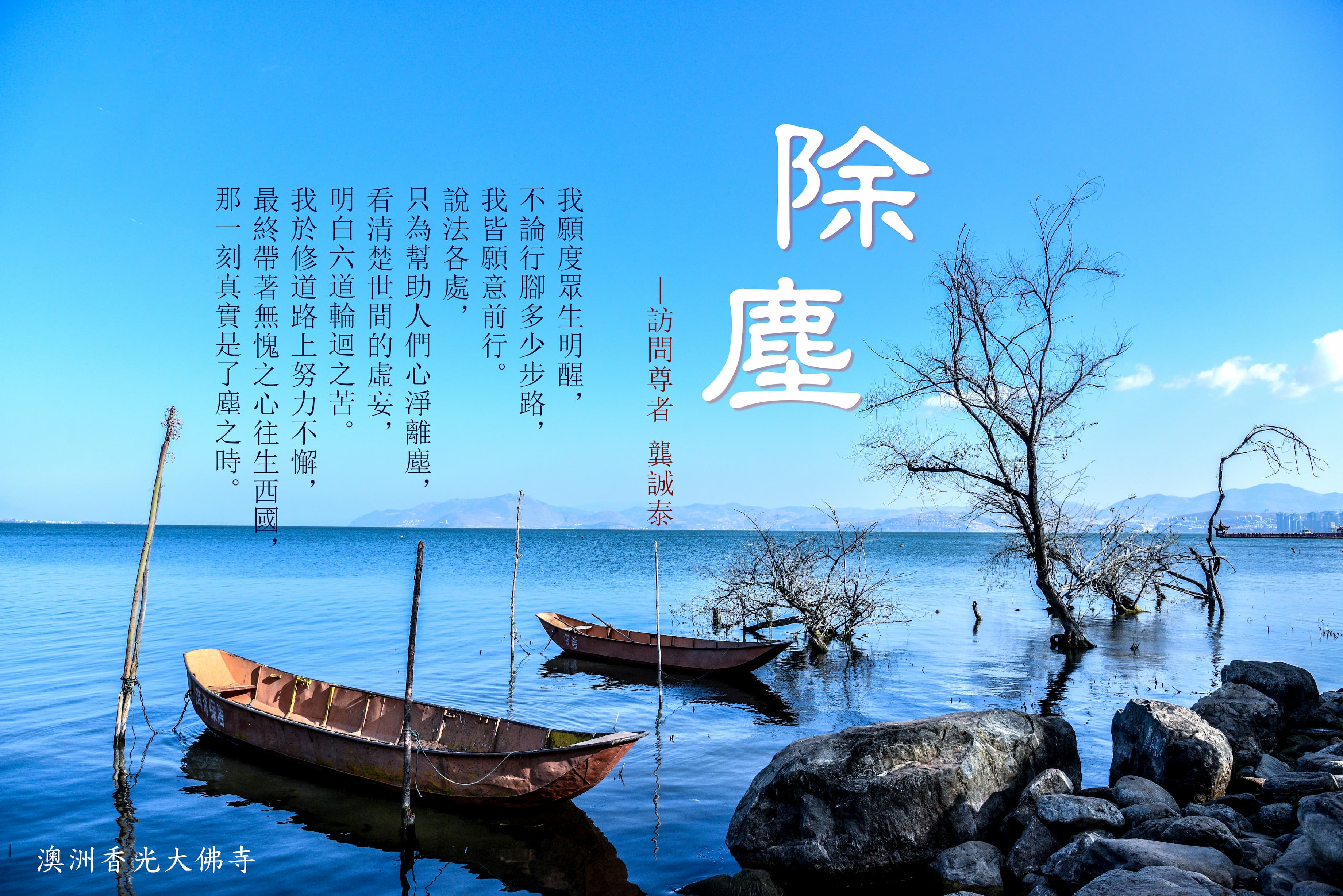
An Interview with the Spirit of Shi Daojing of the Gong Family
Do Not Cling to Bodily Sensations
Interview with Gu Fangzhou (Chinese Virologist)
No Longer Distinguishing Right from Wrong
Interview with Li Yining (The Theoretical Founder of China's Shareholding System Reform)
Interview with Li Wenrui (Expert in Integrated Chinese and Western Medicine, Master of National Medicine)
This is a record of an interview with Shi Daojing (Gong Chengtai), who sought at the Hsiang Kuang Buddhist Centre in Australia. He now resides in the Western Land of Nature. This account reflects upon his life approximately 520 years ago. Recorded by the chief writer, Shi Fa, on December 18, 2019.
Shi Daojing speaks:
". I am Shi Daojing. Five hundred and twenty years ago, I was known as Gong Chengtai. The architecture of our family home was truly elegant, retaining a sense of profound dignity and majesty. It was a home meticulously crafted by our ancestors several generations prior. Every guest who visited our home would invariably praise the Gong family ancestors, noting that they were individuals of immense depth and character, possessing the rare wisdom to use architecture to reflect the very essence of our family's integrity.
In this lifetime, I was born into a family of scholars. For generations, our ancestors were renowned for their devotion to study. Everyone knew that the Gong family possessed an exemplary house style; generation after generation, our descendants were passionate about learning, and talent seemed to bloom in every branch of our family tree. Consequently, the villagers held the Gong family in the highest regard. When my grandfather and father walked through the streets, passersby would naturally step aside to let them pass. It seemed as though my grandfather and father had grown accustomed to this treatment, as it was a deference they had received since the time of our ancestors. Under such circumstances, whenever my grandfather or father spoke with others, their chins would unconsciously lift a little higher, as if to prove that being a scholar truly made one superior to others. It was not just my grandfather and father who believed this; the villagers themselves were convinced that those who studied were the only ones truly worthy of respect.
The women who married into the Gong family were never ordinary; they were invariably ladies of high standing and refined upbringing. My grandmother's father, for instance, was a significant official serving the Emperor in the imperial court, while my mother's grandfather had been a former county magistrate. Without such a distinguished family background, even the most beautiful woman would not have been considered a suitable bride for the Gong family.
My parents were introduced through the arrangement of their elders. In contrast to my father, my mother actually held worldly fame and reputation very lightly. Even though she was born into a prestigious family, she never took pride in it. She was always humble and modest in her interactions with others, never once mentioning her family background. Many people assumed she was merely the daughter of an ordinary family, completely unaware that many high-ranking officials were actually her relatives. My mother believed in doing Goodness without seeking recognition. She contributed silently to society, offering whatever she possessed to those in need. She once owned a bracelet that she cherished above all else—it was a priceless treasure that my maternal grandfather had spent a great deal of effort to purchase from a foreign land, waiting three full years to finally acquire it. Beyond the precious gemstones it contained, to my mother, it represented a lifetime of from her father.
However, shortly after my parents were married, disaster struck many towns. The government's allocated resources were insufficient, and the civilians were suffering immensely. Corrupt officials stole the disaster relief funds, leaving the areas that desperately needed aid with nothing. Upon witnessing this, my mother immediately returned to her maiden home to plead with her parents for assistance, hoping they could provide some funds for emergency relief. But my maternal grandfather was only willing to provide a small amount. Seeing that the relief funds were still woefully inadequate and that there were so many people in need, and knowing she had already secretly given away her entire dowry to charity, my mother realised she had no other choice but to sell her last remaining treasure: that bracelet. Without a second thought for her own attachment, she took the bracelet to be pawned. Although the money she received was far less than what it had originally cost, she did not care. At least it was a substantial sum that could be used for immediate relief. When the civilians received the aid and grain, no one knew which great benefactor had so generously given it. My mother continued to uphold her principle of doing Goodness without seeking recognition, silently performing her acts of charity alone.
My father was a man of immense learning, having read five cartloads of books, and he was handsome and upright. The arrogance he had been conditioned to feel since childhood was always naturally displayed toward others. Yet, he was always extremely respectful toward my mother, because her Wisdom far surpassed all the knowledge he had acquired in his entire life. No matter how much my father knew, my mother could stop him in his tracks with a single wise remark, rendering his ten or twenty classical quotations irrelevant. My father could not help but admire her. Before making any major decision, he would always seek her opinion first. And whatever decision my mother made—whether it concerned external affairs or internal family matters—she always prioritised the benefit of others. My father admitted that he could never match such a vast mind-capacity, no matter how long he studied.
A fortune teller once predicted that my father would never have children. My grandfather, in a state of panic, searched everywhere for doctors to treat my father's condition. This was not something that began after he married my mother; long before their wedding, my father had been taking medicine every single day. My grandfather declared that he would have to continue taking the medicine until a descendant was born to the Gong family. For my father, this was the greatest humiliation of his life. As a man of natural talent, he excelled at everything he set his mind to; he was always a top performer and a leader among his peers. Yet, he was a man unable to pass on his lineage. When my grandfather selected a bride, he would always have someone investigate whether the woman was capable of bearing children. If she could not, even if she came from the wealthiest or most prestigious family, my grandfather would never allow her to enter the Gong family gates, because the Gong family could never be without an heir. Among all the noble ladies, my mother was the one who satisfied my grandfather the most. A fortune teller had said that marrying my mother would bring blessings to the descendants, as her store of blessings was deep and she was no ordinary woman. Upon hearing this, my grandfather immediately ordered my father to marry her, and as quickly as possible! In truth, my mother never wanted to marry. If not for the pressure from her father, she would never have entered into marriage, for she understood that once a woman chooses a family, she has already sacrificed half of her life to it. She still had many wishes to help others that remained unfulfilled. Thus, when she was forced into the marriage, she wept for an entire month before finally, out of necessity, donning her bridal attire to accept the blessings of high officials in front of the public and becoming wedded to my father.
At five years old, I would sit by the window, listening to the joyful laughter of children playing outside, yet all I saw beside me were stacks of books and paper and ink waiting for my use. I would casually jot down a poem, revealing my inner longing for a childhood I never had. As soon as I finished, I would quickly crumple the paper and toss it into the bin, terrified that my grandfather might see it and feel saddened. After all, I understood clearly that his dedication to me was rooted in his hope that I would achieve greatness, bring honour to our ancestors, and secure my own future. So, I listened to him and followed his instructions. Every day, dressed in fine fabrics, I would sit alone in the study, either reciting texts or practising calligraphy. Sometimes, when I grew tired, I would walk to the backyard, stand on the small bridge over the stream, and recite poetry to the fish in the water. Whenever I saw my grandfather, his first words were always, 'My good grandson, how much have you memorised today?' I was indeed the 'good grandson' in his eyes. No matter how many books he gave me, even if he required me to sleep for only an hour a day, I would comply, just to finish the assigned reading and recite the required sutras fluently within his timeframe. This was how I had been trained and taught since I was small. Grandfather said that only through such methods could I excel, stand out from the crowd, and become the most brilliant and dazzling one of all.
Grandfather said 'one,' and I did 'one'; he said 'two,' and I did 'two.' However, falling ill was not something Grandfather had written on his list of requirements for me. Yet, at the age of seven, I fell gravely ill—so severely that it nearly claimed my life. Grandfather was terrified and searched everywhere for a skilled physician, but every doctor who examined me simply shook their heads. Even after spending vast sums of money, no doctor could guarantee a cure, nor could they even identify what kind of illness I had. Grandfather was so worried he could not even eat a single meal. He sat by my bedside every day, watching my pale face. He would say, 'All the hopes of my life are pinned on you. If anything happens to you today, this old body of mine will not be able to go on.' Although I was in a coma, I seemed to faintly hear his words. To keep him from suffering, I struggled with all my might to wake up, but no matter how hard I tried, I could not do it. My body simply refused to obey; I remained trapped in that unconscious state.
On the third day of my illness, a servant ran into the room, excited, and told my grandfather, 'Master! Master! They say there is a divine physician travelling around healing people, and many have been cured by him! Should we invite this divine physician to the house to examine the young master?' Grandfather’s eyes lit up instantly, and he said, 'Invite him! Quickly! As long as he can cure my grandson, I will reward him handsomely!'
A loud voice echoed from outside: 'What reward! I am not short of money! Just bring me a pot of wine!' The person who walked through the door was an old monk dressed in rags. Seeing the monk’s wild and eccentric appearance, Grandfather looked at him with disdain and whispered to the servant, 'Is this the divine physician you spoke of? Look at his filthy state; what kind of illness could he possibly cure? This is my only precious grandson. If he is killed by this man’s treatment, I will surely hold you accountable!' The monk shouted at Grandfather, 'Where is the wine? Why are you still muttering there! I am only passing through; whether I choose to treat this illness or not remains to be seen!' The servant immediately brought a pot of fine wine to the monk. The monk sniffed it and said, 'I am not looking for this kind of wine that confuses the human heart. Pure water is more 'wine' than wine itself. It can change its fragrance at will; whether it is the scent of tea or the pure sweetness of wine, it can transform as it pleases.' Grandfather chimed in again, 'I think this monk is quite ill himself; can he really treat others? Don't make me laugh!' Grandfather then told the monk, 'We do not need any medical treatment here. Please drink your water and leave quickly!' The monk drank the entire pot of water the servant had brought, leaving not a single drop. He stood up and said to Grandfather, 'I did not drink this pot of water for nothing. Take me to see your grandson.' Grandfather, somewhat reluctantly, led the monk to treat me. The monk walked to my side, took one look at me, and burst out laughing: 'No illness!' Grandfather stared at the monk in disbelief: 'His complexion is deathly pale, and he has been lying in bed for three days. How can you say he has no illness?' The monk replied, 'I will write a prescription. If you can follow it, I guarantee this child will have no illness!' After saying this, the monk wrote two large characters on a piece of paper: 'Study Buddha.' Grandfather was incredulous, but the monk said, 'Just let this child come to the temple to study Buddha for a while, and he will be cured very soon.' Grandfather asked, 'But he is lying here; how can he go to the temple?' The monk smiled and said, 'Look, hasn't he woken up already?' Grandfather saw that I had indeed woken up and said in astonishment, 'How can such a thing be?'
Dragging my weak body, I followed the monk into the temple. For three full years, the monk had me doing chores. I no longer needed to use my brain; every day was just about chanting the Buddha's name and working. I had never done housework before, so I was a bit clumsy at first, but I kept at it. No matter how awkward I was, I continued, because besides chanting and working, I did not know what else I could do. One day, I asked the monk, 'Is there anything else you need me to help with?' The monk told me, 'Go and pull all the weeds in front of the Guanyin Hall.' I followed his instructions, changed my clothes, and began to pull the weeds. I pulled one, then another, and just as the monk had instructed, I chanted the Buddha-name with every weed I pulled, visualising the removal of the attachments within myself. I listened to his words and followed them, finding more and more in the weeding. My body felt lighter, and my mind felt less burdened, as if nothing had ever happened. After clearing the entire courtyard, I asked the monk, 'Is there anything else I can help with?' The monk replied, 'Take a broom and sweep away all the fallen leaves and dust.' I listened and followed his orders, taking the broom to every corner of the temple to clean. There were fallen leaves and dust everywhere. For some reason, the monk was the only one in the temple, so many areas had not been cleaned for a long time. I swept incessantly, chanting the Buddha-name constantly, but no matter how much I swept, there was still dust. As soon as the wind blew, dust would drift back onto the places I had just cleaned. I asked the monk, 'How can this ever be swept clean?' The monk said, 'Just keep sweeping!' I obeyed and kept sweeping, thinking of nothing else, just chanting and sweeping, chanting and sweeping. As I swept, I suddenly woke up: 'I am sweeping a dirt floor; how could it ever be swept clean? Of course, no matter how long I sweep, it will still be dirt!' At that moment, I felt as if I had awakened. Looking at the dust covering my body, I realised that my body was never pure to begin with, and my heart was inherently murky. If I do not look at the impurity of this body or the turbidity of this heart, I can be very pure. It is simply the two words: 'let go'! I happily dropped the broom and went to find the monk, telling him, 'It is just about letting go, isn't it?' The monk said, 'Let go of your heart's attachment to all dust. What is dust? Tell me.' I replied, 'Emotion is dust, seeking to perform is dust, competitiveness is dust, showing off is dust, desire is dust, moods are dust, thoughts are dust—all things that are not pure are dust.' The monk nodded and said, 'From today on, letting go is the removal of dust. With no heart and no body, there is originally no dust.'
I followed the monk's teachings, emptying my heart every day and keeping every thought within the Buddha-name. I truly let go, and as long as I did not crave anything in this world, there was nothing I could not let go of. But as long as I still wanted to possess anything in this world, I still had an attachment to this body, and then I could not let go of anything. I put in the work from within my heart, not seeking how many times I chanted the Buddha-name, how many prostrations I made, or how many sutras I recited today. What I focused on was how much 'heart-dust' I had let go of today. Even if I recited ten sutras and performed thousands of prostrations, if there was even the slightest wavering in my heart, then my heart was still covered in dust, and all the effort I had made that day was still obscured by it.
Ten years passed. I would not say I had achieved great things in my study of Buddha, but at least my heart was much purer. When I returned home, I saw that there was already a ten-year-old younger brother; it turned out that after I left, my mother had given birth to a second child. My brother was sitting at the same desk I used to sit at, doing exactly what I had done: reading and writing. I said to Grandfather, 'Grandfather, do you see any changes in me?' Grandfather said, 'Your facial features have indeed changed quite a bit, and you have grown much taller.' I told him, 'Grandfather, you do not see it, but my heart is different. Only after studying Buddha did I see clearly what is real and what is false. Before, the effort I spent trying to perform in front of you only brought me exhaustion and powerlessness. Having read so many books, if you asked me to recite any of them now, I could no longer do it. It turns out that all those years of effort were, in the end, nothing left. Grandfather, only by finding a pure and unstained heart can one find the most authentic self. I want to use this pure heart to generate even greater vows of . I am determined to save people; only when my body and mind are purer, and when there is no 'self' left, can I exert the greatest strength to help others.' Grandfather truly saw the difference in me. He looked at my brother, who was dozing off at the desk by the window, and felt a sense of reluctance. I told Grandfather, 'Even if my brother achieves fame and great success in this life, he will eventually have to leave the human world. In the past, no matter how high the officials were among the Gong family ancestors, or how great their reputation, are they not just smoke and clouds of the past now? Clinging to false fame and living in illusion is not as good as pursuing an honest and free life. Life can be lived with much more value.' Grandfather looked at me, and my mother smiled at me from the side. I knew she approved of the decision I had made; she was very satisfied with the changes in me over this period. Namo Amituofo.
I have absolutely no regrets about embarking on this arduous path of practice. Standing upon the highest peak, looking down at the vast and chaotic world below, I see how all beings are so deeply lost, struggling endlessly to escape from life after life in the cycle of samsara. I vow to help these beings awaken from their slumber. No matter how many miles I must walk, no matter how long the journey, I am always willing to press forward. I travel everywhere to teach the Dharma, solely to help people purify their hearts and leave the dust of the world behind. I want them to see clearly the illusory nature of this world and understand the profound suffering of the six realms of rebirth. I do not seek recognition for how much I have done; I only hope that for every extra step I take, one more being can leave suffering behind.
I have been tireless on this path of practice. My achievement is not found in the words of others, but in the true, radiant light within my own heart. In the end, I will depart for the Western Pure Land with a clear and peaceful conscience; that moment will truly be the time when all worldly dust is settled. I am deeply grateful for the boundless compassion of the Buddha, which has guided me through the darkest of times.
How many times have I travelled through this world? Now, in this female body, I manifest as a male. Practitioner Su’s Ultimate Vow is truly endless, and every single vow is made for the sake of all beings. Throughout the rise and fall of countless dynasties, the Buddha has always manifested in the human world to guide us. Practitioner Su’s method of saving beings is truly wondrous, manifesting in many forms to deliver all sentient beings from their plight. Today, in this Dharma-ending age, the Buddha’s teachings are in decline, and the hearts of people have changed from what they once were. To guide the lost, one needs supreme wisdom; only by remaining unmoved can one handle the myriad changes of this world.
People’s hearts have become distorted, losing their original nature; they have nowhere to dwell and nothing to rely upon. The Buddha’s teachings must flourish to save human hearts. Only when the heart is transformed can beings awaken. All efforts are currently underway, and the spreading of the Dharma never stops, day after day. Even if is weary, the heart is not. Even if the body suffers in place of others, I continue to practise without dwelling on the pain. Beings who are fortunate should seize this opportunity. Only when the Buddha is present can one achieve rebirth in the Western Pure Land. If you hesitate and miss this chance, who knows when the next opportunity will come? I am grateful for Practitioner Su’s descent into this world. There will be more Dharma protectors to come; when conditions gather, it is the time for the Dharma to flourish.
I am eternally grateful for the compassion of Practitioner Su. Namo Amituofo. This interview was recorded by the chief writer, Buddhist disciple Shi Fajing.
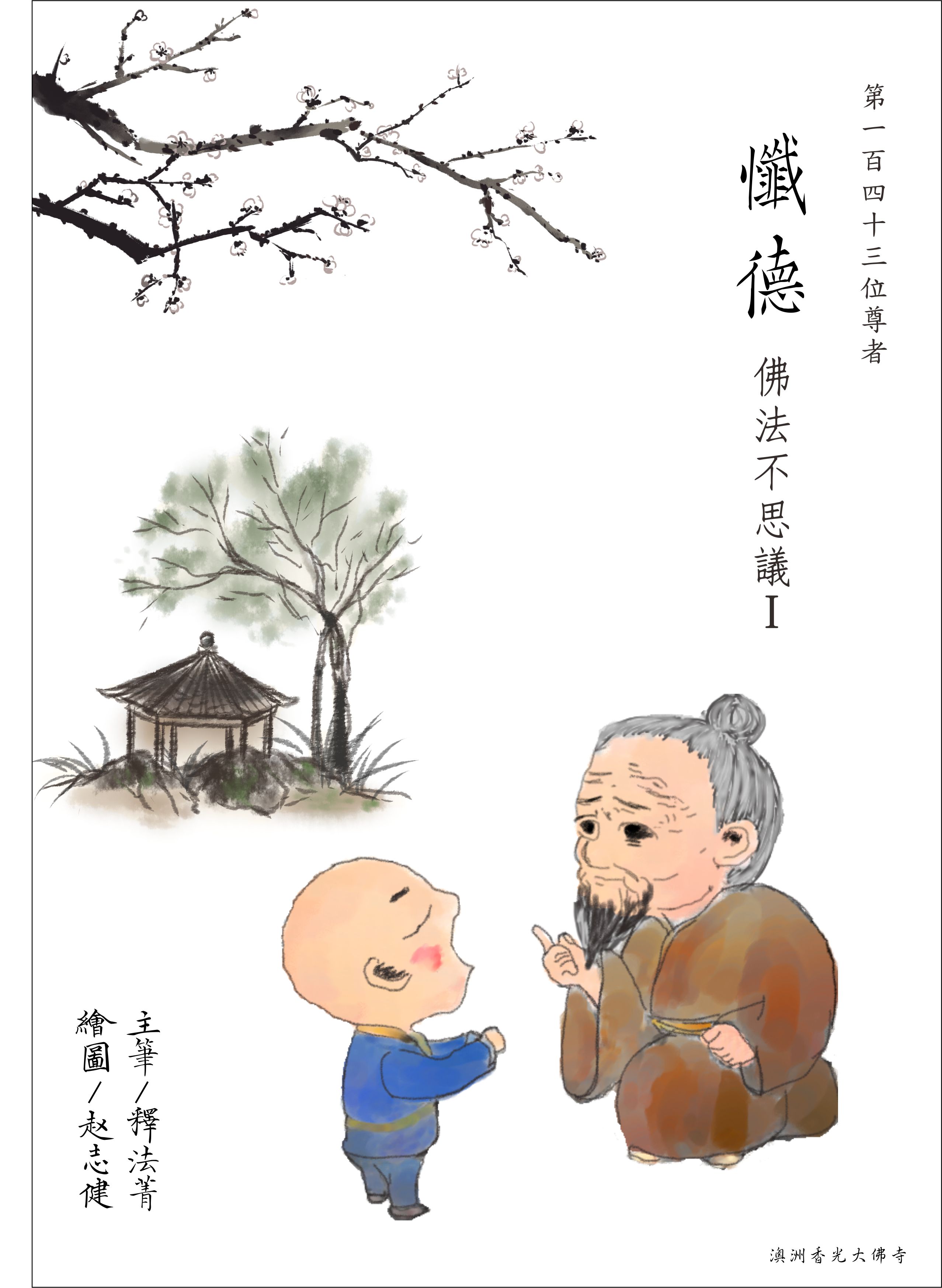
A profound reflection on the journey of repentance and the cultivation of virtue from the 143rd Venerable, Chande, as he recounts his path to the Western Pure Land.
Venerable Feng An, representing a collective of 1,162 Venerables, provides a profound look into the spiritual dimensions within Practitioner Su's leg, revealing the hidden reality of karmic burdens, the nature of spiritual attachment, and the ultimate sacrifice of a Bodhisattva.
A touching testimony from Zhu Hongchang, who reflects on his life nine centuries ago, his journey from being rejected as a 'dull' child to discovering the profound, selfless nature of true filial piety through service to all beings.
A poignant reflection on a life of hardship, the realization of the 'no-self' nature, and the ultimate vow to deliver sentient beings through the power of Namo Amituofo.
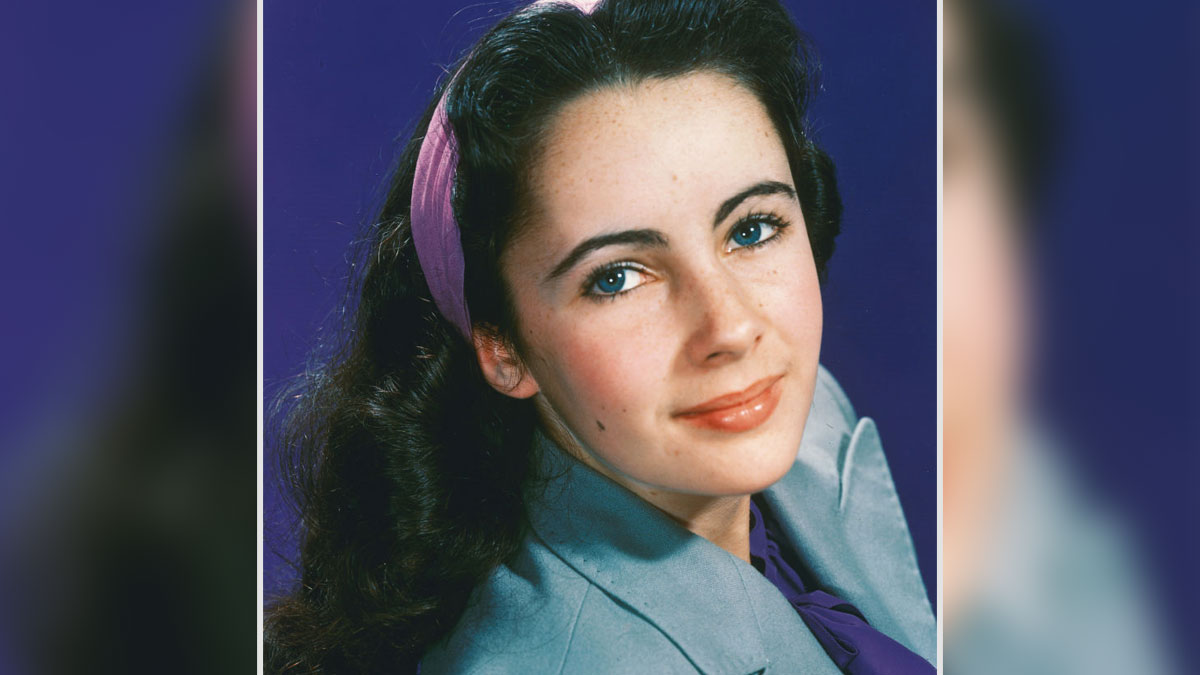
A candid reflection from the spirit of Elizabeth Taylor, who shares her journey from the blinding lights of Hollywood to the serene, transformative teachings of the Buddha in the Western Land of Ultimate Bliss.

Michael Jackson shares his journey from the pressures of global fame to the peace of the Western Pure Land, revealing the truth behind his life and his ultimate deliverance.
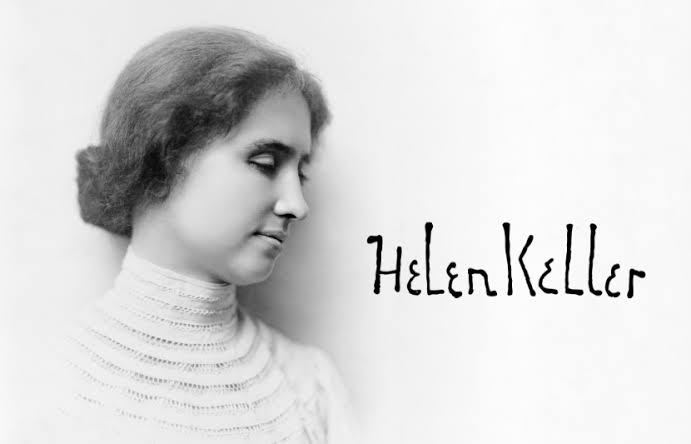
Helen Keller, the renowned deaf-blind philanthropist, shares her journey from the darkness of the ghost realm to the light of the Western Pure Land of Ultimate Bliss, guided by the compassion of Namo Amituofo and Practitioner Su.
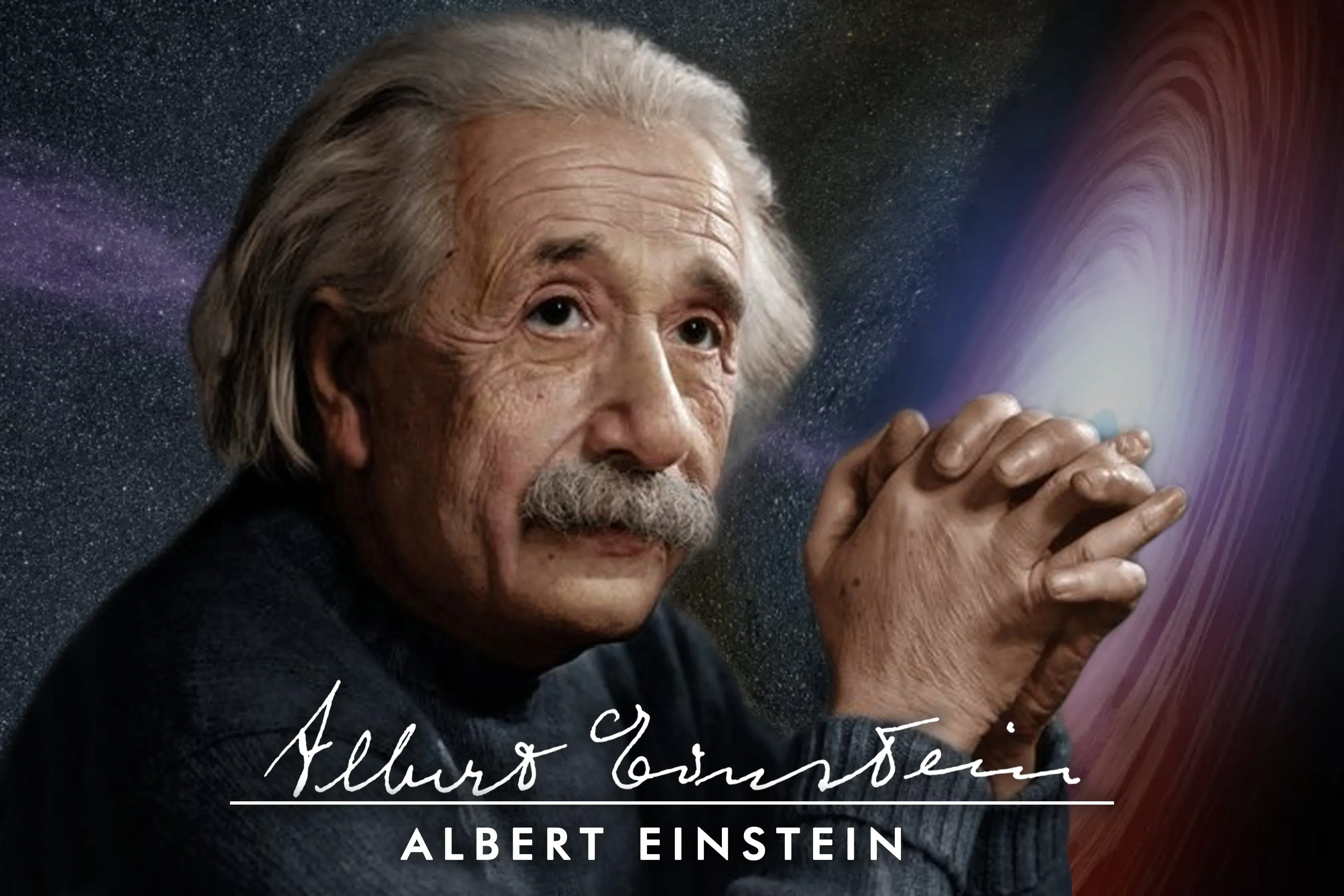
Albert Einstein, once considered the most brilliant mind in human history, reflects on his life, the nature of 'science' versus the Truth of the Dharma, and his existence in the Western Pure Land.

Ronald Reagan, the 40th President of the United States, reflects on his life, his political career, and his profound journey from the depths of hell to the Western Land of Ultimate Bliss through the compassion of Namo Amituofo and Practitioner Su.
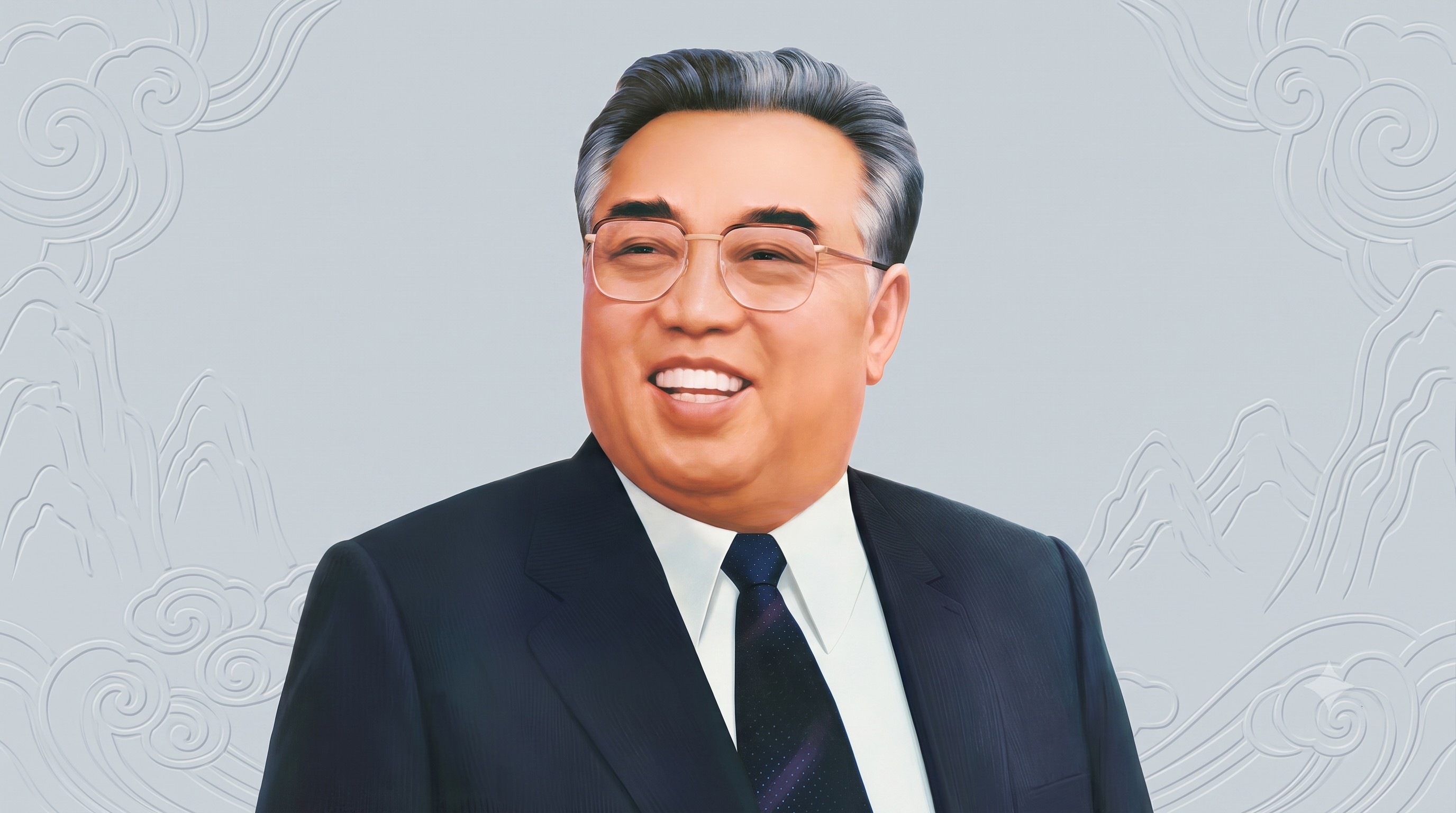
This is a record of an interview with Kim Il Sung, the founder and former leader of North Korea, who sought deliverance 32 years ago. He now resides in the Western Land of Ultimate Bliss.
Hsiang Kuang Pure Land Buddhist Centre
Contributed to Pure Land Buddhism knowledge library