A Discourse on the Path of Cultivation
The Endless Compassion of the Buddha: An Interview with Bodhisattva Asvaghosa
Bodhisattva Asvaghosa’s Teachings in the Dharma-Nature Land
Exhaustion, Suffering, and Freedom: Teachings from Bodhisattva Asvaghosa
A New Phase: Teachings from Bodhisattva Ashvaghosha
The Essence of Meditative Concentration: Teachings from Ashvaghosha Bodhisattva
Record of Interviews with Deceased Modern Chinese Celebrities (Preface)
Interview with Xi Zhongxun (Former Vice Premier of the State Council of China, Father of Chinese President Xi Jinping)
Precious Interview Data from Chinese Elites Released on the Global Internet
Seeing the Peril of China, They Descend to Save the World
A pure heart, a new hope
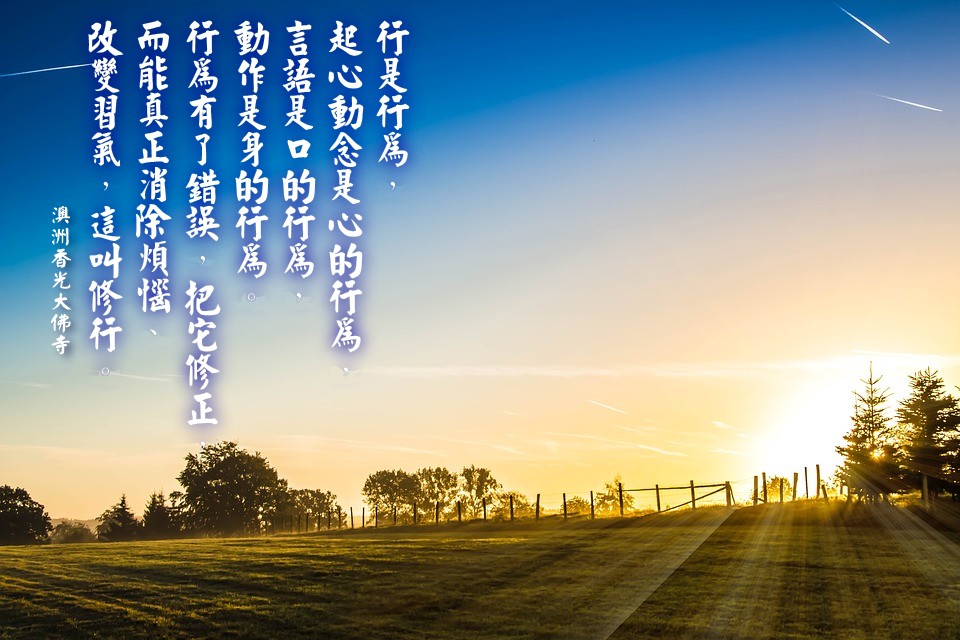
Since ancient times, people have spoken of the importance of cultivating , harmonising the family, governing the state, and bringing peace to the world. Even before the Buddha’s teachings were introduced to China, many individuals sought the path of practice. What, then, is the true nature of practice? It is the correction of our behaviour. We must understand that our actions manifest in three distinct ways: the actions of the mind, which are our thoughts and intentions; the actions of the mouth, which are our words; and the actions of , which are our physical movements. When these behaviours are misguided or flawed, we must correct them. To truly eliminate our afflictions and transform our deep-seated habits is what we call practice.
Many people mistakenly believe that simply chanting the name of , performing prostrations, or reciting the sutras constitutes practice. However, if these actions are performed without a focused mind, they remain merely external forms. There is an ancient saying that warns us: If your mouth chants the name of Namo Amituofo while your heart is scattered and distracted, you may shout until your throat is sore, but it will all be in vain. Therefore, if your chanting, prostrations, or sutra recitations are mixed with delusions, they offer no benefit to your spiritual progress. When you chant but allow your mind to wander, you are not truly with the Buddha. Instead, you are inviting confusion, which renders the practice ineffective.
Consider the act of . If your body is bowing to the Buddha while The Head is busy thinking about worldly affairs, you are not truly bowing. Similarly, when you recite the sutras, if your eyes are scanning the text and your mouth is speaking the words, but The Head is busy interpreting the meaning or anticipating the next sentence, you are not truly reciting. True recitation requires that you read each sentence with a mind free from delusion. Only then is it a genuine act of devotion. You must understand that chanting, prostrations, and sutra recitations are merely tools for practice. Their primary purpose is to help you transform your delusions, allowing you to attain a pure heart in the present moment. With a pure heart, your chanting, prostrations, and recitations become clear, luminous, and profoundly effective.
To attain this pure heart, you must learn to let go of your delusion, discrimination, and attachment. When you practise with a pure heart, you will no longer see the faults of others, which is perhaps the most vital aspect of your spiritual journey. The Buddha is the Awakened One! For those of us who are learning from the Buddha, what does it mean to truly use the name of Namo Amituofo in our practice? It means that Namo Amituofo is always present in your heart, and his name is always on your lips. You must set aside all messy thoughts and delusions, using the act of chanting Namo Amituofo to counteract every thought and intention. This is the essence of practice; this is true practice.
Chief writer: Buddha's disciple, Shi Hailiang.
Bodhisattva Asvaghosa shares his profound insights on the salvation work conducted by Practitioner Su and the salvation team during the global pandemic, revealing the boundless compassion of Namo Amituofo.
Within the Western Dharma-Nature Land, Bodhisattva Asvaghosa manifests in infinite forms to guide beings toward rebirth in the Western Pure Land of Ultimate Bliss, demonstrating the boundless compassion of Namo Amituofo and the saving power of Practitioner Su.
Bodhisattva Asvaghosa shares profound insights on the origins of human exhaustion and suffering, and how we can transcend these through the practice of Namo Amituofo and the cultivation of Precepts (Discipline), Concentration, and Wisdom.
A new phase brings a new atmosphere. After a period of deep cultivation and seclusion, the time has come to step forward and serve all beings. Bodhisattva Ashvaghosha shares profound insights on the necessity of the Three Learnings of Precepts, Concentration, and Wisdom, and the vital mission of the Hsiang Kuang Pure Land Buddhist Centre in saving infinite suffering beings.

A candid reflection from the spirit of Elizabeth Taylor, who shares her journey from the blinding lights of Hollywood to the serene, transformative teachings of the Buddha in the Western Land of Ultimate Bliss.
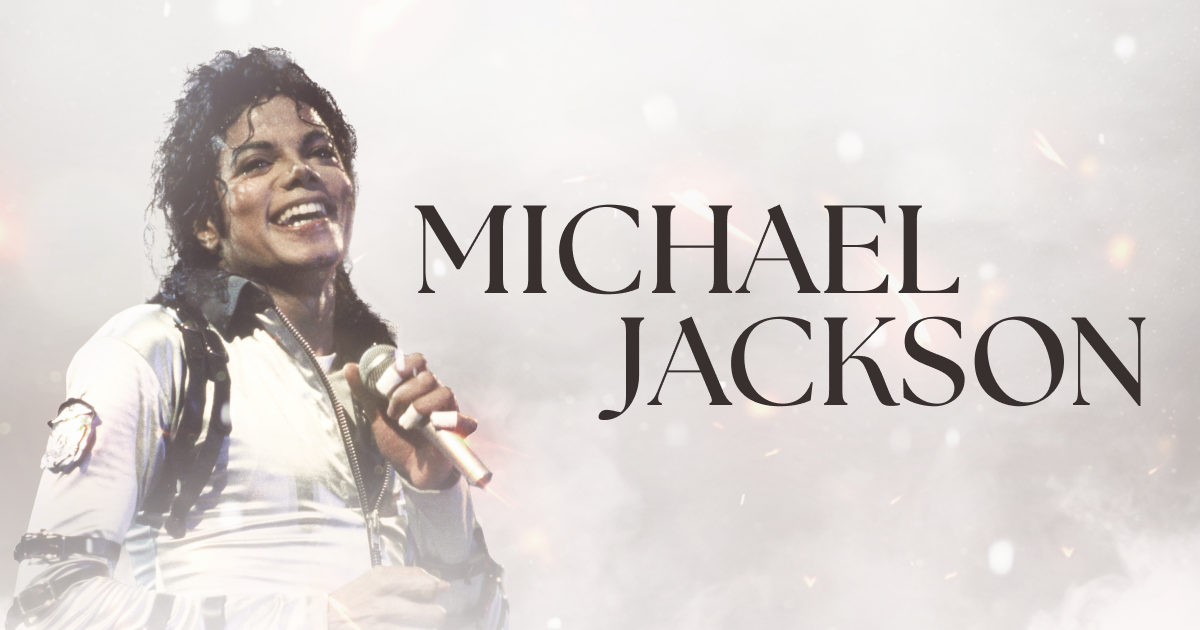
Michael Jackson shares his journey from the pressures of global fame to the peace of the Western Pure Land, revealing the truth behind his life and his ultimate deliverance.
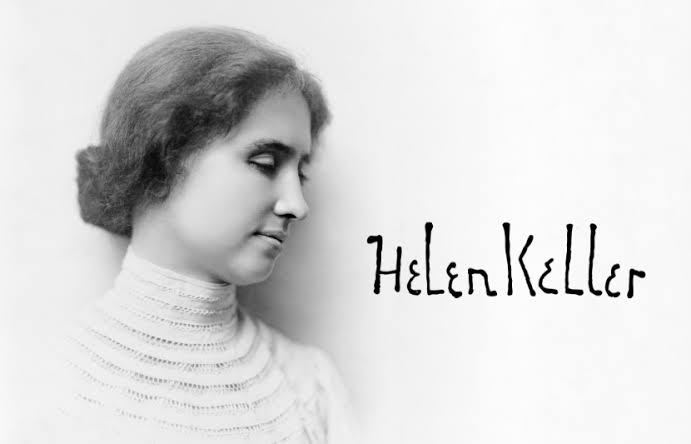
Helen Keller, the renowned deaf-blind philanthropist, shares her journey from the darkness of the ghost realm to the light of the Western Pure Land of Ultimate Bliss, guided by the compassion of Namo Amituofo and Practitioner Su.
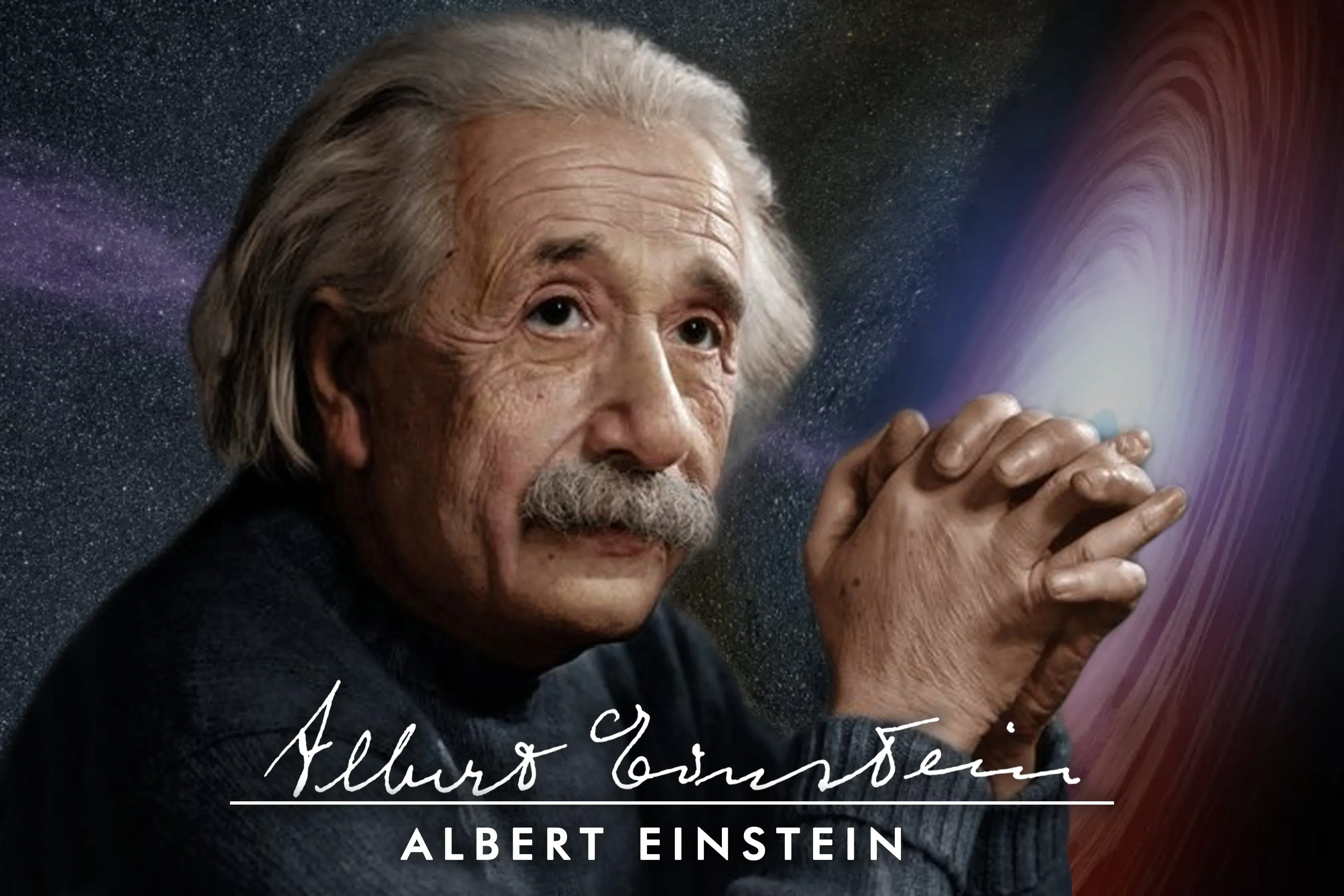
Albert Einstein, once considered the most brilliant mind in human history, reflects on his life, the nature of 'science' versus the Truth of the Dharma, and his existence in the Western Pure Land.

Ronald Reagan, the 40th President of the United States, reflects on his life, his political career, and his profound journey from the depths of hell to the Western Land of Ultimate Bliss through the compassion of Namo Amituofo and Practitioner Su.
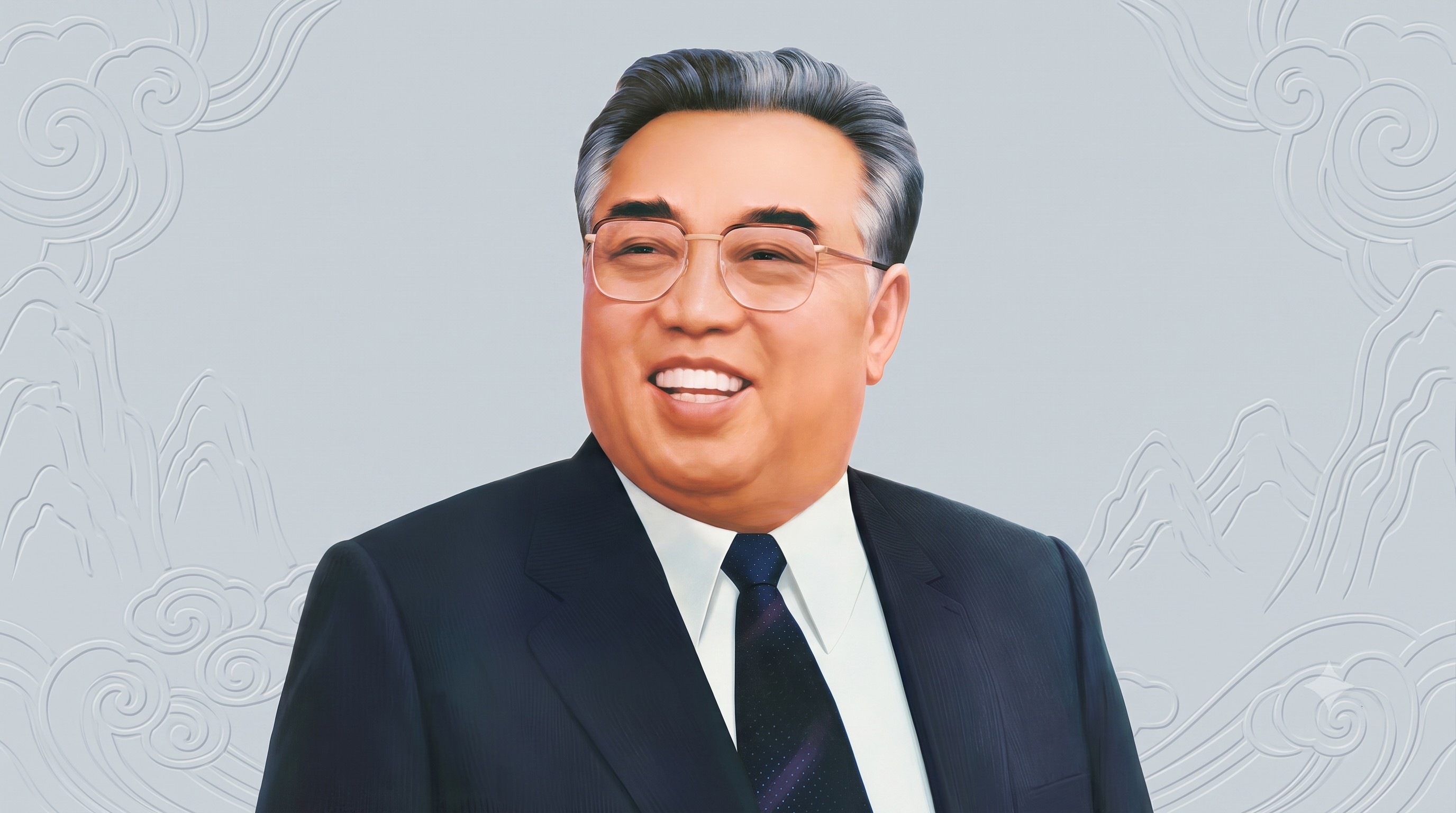
This is a record of an interview with Kim Il Sung, the founder and former leader of North Korea, who sought deliverance 32 years ago. He now resides in the Western Land of Ultimate Bliss.
Hsiang Kuang Pure Land Buddhist Centre
Contributed to Pure Land Buddhism knowledge library