
An Interview with Zhang Jie'an, the River God of the Yangtze
Do Not Cling to Bodily Sensations
Interview with Gu Fangzhou (Chinese Virologist)
Interview with Li Yining (The Theoretical Founder of China's Shareholding System Reform)
Interview with Li Wenrui (Expert in Integrated Chinese and Western Medicine, Master of National Medicine)
Cells of Namo Amituofo
This interview features Zhang Jie'an, the long-standing River God of the Yangtze. Having served as the guardian of this vital waterway for five millennia, he shares his unique perspective on the history of the land, the evolution of human civilisation along the riverbanks, and his eventual encounter with the transformative power of the . This testimony was recorded on December 24, 2020, at the Hsiang Kuang Buddhist Centre.
Zhang Jie'an speaks:
". I am Zhang Jie'an, the River God of the Yangtze. For five thousand years, I have stood as the silent sentinel of this river, which is so inextricably linked to the very lifeblood of China. This majestic river only assumed its current form after eons of tectonic shifts, the restructuring of the earth's crust, and the gradual formation of the Chinese landmass. It traverses towering mountains, vast basins, high plateaus, and sprawling plains, winding its way through countless provinces and major cities. It spans the breadth of China, nurturing an immeasurable number of living beings. It is a sacred waterway that generations of people have relied upon for travel and sustenance, witnessing the rise and fall of countless dynasties and the ravages of endless wars. From the mysterious and vast source of the Yangtze, hidden deep within the high peaks, to the river mouth where it finally meets the sea, it stretches for five or six thousand kilometres. Along this epic journey, there are surging, powerful torrents, stretches of calm, mirror-like surfaces, and winding, gentle bends. I have observed the birth and death of so many lives; endless life has sprung from these banks, and yet, countless lives have also been tragically lost within these deep, swirling waters."
"This river has existed on this land for tens of millions of years, far predating the arrival of humanity. The five thousand years of recorded Chinese history is merely the most recent, fleeting phase of its existence. Whether five thousand years ago or in the eras that followed, the Yangtze has undergone countless changes in its course, creating a complex network of branches and tributaries that spread across provinces from the southwest to the east, forming the vast Yangtze River Basin. Consequently, the entire river system and its many branches are home to a multitude of river gods, water gods, and lake gods, each diligently guarding their own specific domain and the creatures dwelling within. These waters have inspired a wealth of Chinese myths and legends, many of which hold deep truths and have been passed down through generations as cautionary tales or historical records. As the ages have passed, new stories have been added, reflecting the changing society and the shifting scenes of those eras. Today, the banks of the Yangtze are adorned with modern architecture and the indelible footprints of civilisational evolution. The Yangtze remains a vital, beating heart in the lives, economy, and existence of the people who dwell upon its shores."
"The Yangtze River is a true masterpiece of nature, a magnificent gift bestowed upon China. It has nurtured the very essence of Chinese culture and history. Through countless sunrises and sunsets, through the rhythmic waxing and waning of the moon, it has been glorious and brilliant, ruthlessly roaring with rolling, tempestuous waves, and at times, it has been lonely and weeping in the silence of the night. It has possessed the dashing, upright posture of youth, and the charming, moving smile of beauty. It has known the pure, unadulterated innocence of a child and the surging, hot-blooded passion of the young, as well as the profound helplessness and sorrow of old age. Amidst the care and the destruction wrought by humanity, it has alternated through the rise and fall of dynasties, witnessing endless blood and tears. Oh, Yangtze! Yangtze! How many lives have been born because of your grace, and how many have perished because of your fury? How much beauty and how much sorrow have forged the history of the Yangtze, to be passed down for ten thousand generations."
"I am Zhang Jie'an, born in China five thousand years ago. It was a primitive, simple, and raw land. People lived basic lives, using the most natural drawings, sounds, and gestures to communicate their needs and thoughts. Primitive tribes were formed, along with families and kinship groups. Due to the differences in age, there were clear distinctions between the elders and the young. Men were naturally endowed with larger frames and greater physical strength, while women possessed the natural maternal instinct to nurture the next generation, protect their children, and provide nourishment. All of this naturally formed a family structure where men worked outside and women managed the home. Although there were no clear written records at the time, the communication between people, between people and the natural world, and between people and the animals and plants was already very close; that is to say, there was already a significant degree of understanding and interaction between all living things."
"'Zhang Jie'an' is a name I gave myself after China had developed clear written records. At the time, the pronunciation of 'Jie'an' was a sound my family naturally made, similar to 'like this, like this, like this.' When spoken quickly, it sounded like the two characters 'Jie'an.' People at that time used the most natural, rhythmic sounds to call each other, and over time, the sound became the person. The first people one encounters after birth are one's parents, who repeat these sounds to their children. Others hearing this would follow suit, eventually leading to the custom of parents and elders naming their children."
"Jie'an loved to run and jump, and I especially loved to swim in the river beside our tribe. I was a good swimmer and often taught younger children, even giving fruit to those who performed well. At that time, this river was what would later be called the Yangtze. The river was usually calm. During the day, the sun shone, making the surface sparkle like diamonds. At sunset, the setting sun bathed the river in a deep red glow. The other side of the river seemed to touch the sky; the surface was incredibly vast. The tribal elders used drawings, gestures, and simple language to tell us: 'This river is called the Heavenly River.' This meant that the front and the bottom of the river were endless, and no tribesman had ever explored where it came from or where it went. The water was very clear, and we often fished, washed clothes, and bathed in it; it was our main source of water. Because it was passed down generation after generation, the river was an inseparable part of our lives. We were born, grew up, and lived our lives on this land by the river, experiencing birth, aging, sickness, and death."
"There was a story passed down about a pair of lovers in the tribe. The man was drowned in the river's waves, and his body could not be found. The woman waited foolishly by the river for his soul to return, as the tribespeople believed that the soul of the deceased would return to their loved ones. She waited and waited, neither eating nor drinking, until she collapsed on the shore and was also swept away by the waves, her body also never found. The tribespeople believed that their souls had met and remained together, never to be separated. They composed a song about them, which became a love song passed down in the tribe. This story, though simple, clearly shows the purity of the human heart at that time and the loyalty between men and women, which is why the families in the tribe maintained a stable, monogamous lifestyle."
"I had a deep curiosity about this river. I once thought about travelling upstream to find its beginning, but because I was young, I dismissed the idea. When I grew up and my strength matched that of the men in the tribe, I told my parents I wanted to find the source of the river. My parents said, 'The river has no source and no end.' I replied, 'Let me go and see.' Because my attitude was firm, my parents could not stop me. I bid farewell to my parents and tribespeople. They understood why I was leaving and gave me their deep , hoping I would find the source and return to tell them what it looked like. Since no one had ever done this, no one knew how long it would take. They gave me some food and helped me build a small boat. As I stepped onto the boat and waved goodbye, I felt in my heart that this would be the last time I would see my people."
"I boarded the boat and rowed upstream against the current. When there was no wind or rain, I could travel a distance; when there was wind and rain, I would moor the boat and find a place to hide. When hungry, I picked fruit. My hair grew long, so I found a sharp stone to grind and cut it. My beard grew long, and I used the same method. I went from a young man to a middle-aged man with long black hair and a black beard. Along the way, I passed some tribes who asked where I came from and where I was going. I said, 'I come from a tribe at the other end of the river, and I am going upstream to find its source.' They didn't quite understand my answer but gave me their blessings. I used drawings and oral accounts to tell them about the scenery, the flow of the river, and the fish and shrimp I had seen. Because these people had never explored the river, this information was precious to them. To thank me, they gave me plenty of food and built me a sturdier boat, as mine was falling apart."
"I continued upstream for many days and nights. I didn't meet any people for a long time, but I saw high mountains and forests. I passed several tall mountains. Beside the forests were large green spaces and many animals drinking by the river. Some I had seen, some I hadn't. Some looked at me with kindness, others with malice. To them, I was an outsider, and they were wary of me, but they did not harm me. I responded with a smile. I could often hear the echoes of animal calls in the valleys. That journey was a brand-new experience. I had never encountered such mountains and forests, and I imprinted every scene in my mind. After a few more days and nights, I encountered another tribe."
"The people of this tribe were initially defensive, as they had never seen a human who looked like me. When I showed them kindness, they asked the same questions. I told them I came from a tribe downstream and was heading upstream. They asked how far away the lower tribe was. They had lived there for generations and never knew other tribes existed. I drew pictures to show them the mountains, forests, animals, and plains I had passed. They were astonished that there was such a world beyond their own. This information was precious to them, as no one had ever left to explore. To thank me, they gave me food, fruit, and dried rations, waving until I was out of sight."
"I continued upstream. The weather, initially warm, began to turn cold. The people of that tribe gave me some fur garments, saying I would need them. Indeed, the temperature difference between day and night became extreme. After sunset, I would moor the boat and rest, and those furs helped me survive many nights. The flat land on both sides gradually turned into sand. It was a difficult stretch; the riverbed was uneven, and sandstorms made it impossible to open my eyes. Sometimes it was so hot that the sun felt directly overhead, leaving me too weak to row, but I dared not step onto the sand because it was scorching. I could only stay on the boat, drifting into a stupor until the cold wind woke me. I don't know how long I slept, only that I was freezing and shivering. I piled the furs on myself, but I still shivered while feeling a feverish heat. I knew something was wrong. I felt calm, with no strength to move forward, so I lay quietly on the boat and drifted off to sleep."
"I could hear the wind and sand blowing past when suddenly my body was shaken. I opened my eyes to see people smiling at me, making sounds I didn't understand. But through my journey, I had developed keen observation and listening skills, so I knew they had saved me. They gave me water, which was the most precious life-saving gift. I expressed my gratitude. They asked where I came from and where I was going. I told them my story. They were amazed to learn that there were other humans, tribes, and such changes in the world. They had never heard of such things. I stayed for two days and nights until my body recovered, then left. Although they wanted me to stay, I told them I wanted to use my remaining life to find the source of the river. They gave me plenty of water and wished me well."
"I continued upstream. My hair and beard had grown long again. When I saw my reflection in the water, I realised my hair and beard had turned white. Had I grown old? I cut them and continued. I saw a world of white snow and mountains, and the river had frozen. I moored the boat on the ice. I realised the source of the river was a vast expanse of ice. I had never seen ice, let alone such a vast field of it. I heard the sound of flowing water beneath the ice. Suddenly, the ice cracked, and I slipped. The freezing water numbed my body, and I felt the current pushing me forward. I couldn't breathe. I was a good swimmer, but the ice blocked me. I thought: 'I was so happy to find the source, is this the time for me to leave this world?' Gradually, I felt my body sinking, but a force pulled my soul upward, out of the ice. My soul felt incredibly light. I saw my body sinking beneath the ice. I was grateful to my body for accompanying me on this journey. From then on, was no longer mine; I was a soul without a body. I looked at the ice, the mountains, and the river. I had found the answer I was looking for."
"Suddenly, a voice from the sky called my name: 'Jie'an! Jie'an!' I was stunned. It had been so long since anyone had called my name. The last time was when my parents waved goodbye. Why would someone here know my name? I looked around, but saw no one. The voice continued: 'You are the second person from the tribes to find this place after me. This is the source of the great river. This is a glacier; the ice will not recede, but you can see the flowing water. Future generations will name this great river the Yangtze. Everything you did on this journey was to help people recognise this river. Your life has reached its end, and it is time for me to pass the duty of River God to you. You will take on the important responsibility of guarding this great river. Countless lives depend on it. Many, many gods will help you guard it.'"
"I listened in astonishment. A sturdy warrior stood before me, smiling, and draped a robe over my shoulders. He told me: 'This robe belongs to the River God. You can wave it to cover the entire Yangtze, protecting it from destruction.' From then on, I became the River God of the Yangtze. I naturally know when something happens anywhere along the river and go to handle it. The most common issue is flooding. I know the causes and consequences. If it is the collective of the people, I cannot intervene; if there is still remaining merit after the flood, I can stop further harm. This is the unchanging truth of —one reaps what one sows."
"This river has experienced countless wars. There are many military spirits in the water, and I can often hear their wailing, but I cannot intervene because it is their own karma. I have also seen the homes and military camps of different dynasties along the river. People cannot live without water, so they live near it. They live in their own space, and for thousands of years, days have passed like this. Until one day, I heard the chanting of the Buddha's name: 'Namo Amituofo.' How familiar yet strange! I once heard monastics chanting this, which calmed the water for a time. I have also seen temples built near the river, which flourished and were then destroyed by war. Now, hearing this Buddha-name again, accompanied by bright golden light, I have seen many bright monastics and one monastic in a kasaya waving his large sleeves. With a wave of his sleeves, amidst the chanting, he took away many lonely spirits and military spirits from the river and its banks. This happened every day, bringing a peace to the Yangtze and its tributaries that had never been known before. I later learned that this monastic was Practitioner Su. I am full of admiration for Practitioner Su! In five thousand years, there has never been such a grand deliverance, purifying the river and saving the helpless souls from different dynasties. Even the air around the river now radiates purity."
"In this interview, I have told the story of how I became the River God, and I express my gratitude to Practitioner Su for the deliverance of the many beings in the Yangtze River Basin, including the river, water, and lake gods who have had the opportunity to be saved. The Yangtze River Basin has such a long history, with infinite dimensions and infinite wandering spirits waiting for the light. I could take care of them and prevent them from harming people, but I could not help them leave the spirit world, nor could I give them a bright space. When Practitioner Su appeared, I knew everyone was saved! During the days waiting for this interview, I have been listening to the sutras and hearing the Dharma, gaining a deeper understanding of impermanence and karmic retribution. Many beings, in their cycle of rebirth, have been inseparable from this river. Sometimes they are humans living by the river, sometimes fish, shrimp, stones, or even trees or dust. I can see the same soul wearing different coats, unable to shed them for centuries. Now, I can only rely on Practitioner Su to save us. I, and many beings connected to me, earnestly request Practitioner Su to deliver us to be reborn in the Western Pure Land of Ultimate Bliss. I am eternally grateful!"
Interview recorded by the Buddhist disciple Shi Haize.

This is a record of an interview with the spirit of Dante, who inhabited a mannequin at a UNIQLO store in the Taiping Shopping Mall. He sought deliverance at the Hsiang Kuang Pure Land Buddhist Centre in Australia. He now resides in the Western Land of Ultimate Bliss. This account reflects upon his transition from a young man to a spirit bound to a retail display. Recorded by the chief writer, Venerable HaiZe, on September 22, 2020.
A proud general, undefeated for 136 battles, finds himself trapped for two millennia as a grain of sand in the depths of the Heilongjiang River. This is his story of arrogance, betrayal, hellish retribution, and ultimate deliverance.
For decades, Tai Qi served as the guardian spirit of Taiwan's Yushan mountain, watching over its peaks and the countless spirits trapped within its forests. After waiting for an age, he finally witnesses the arrival of Practitioner Su, whose Buddha-light offers a path of deliverance for the mountain's long-suffering inhabitants.
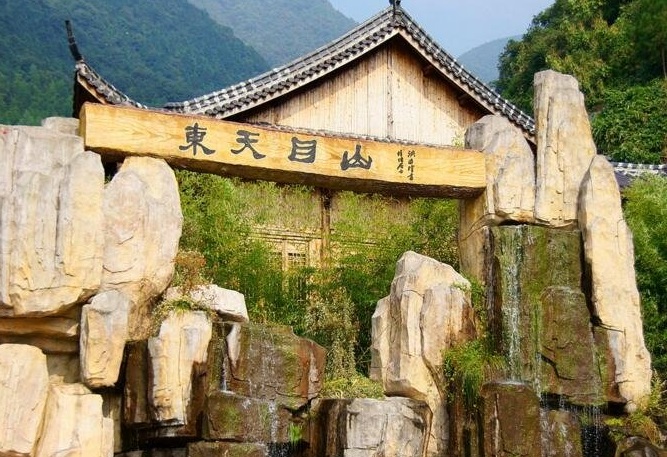
A four-thousand-year-old mountain deity reflects on his guardianship of East Tianmu Mountain and his profound encounter with the Hsiang Kuang Pure Land Buddhist Centre.

A candid reflection from the spirit of Elizabeth Taylor, who shares her journey from the blinding lights of Hollywood to the serene, transformative teachings of the Buddha in the Western Land of Ultimate Bliss.

Michael Jackson shares his journey from the pressures of global fame to the peace of the Western Pure Land, revealing the truth behind his life and his ultimate deliverance.

Helen Keller, the renowned deaf-blind philanthropist, shares her journey from the darkness of the ghost realm to the light of the Western Pure Land of Ultimate Bliss, guided by the compassion of Namo Amituofo and Practitioner Su.

Albert Einstein, once considered the most brilliant mind in human history, reflects on his life, the nature of 'science' versus the Truth of the Dharma, and his existence in the Western Pure Land.

Ronald Reagan, the 40th President of the United States, reflects on his life, his political career, and his profound journey from the depths of hell to the Western Land of Ultimate Bliss through the compassion of Namo Amituofo and Practitioner Su.
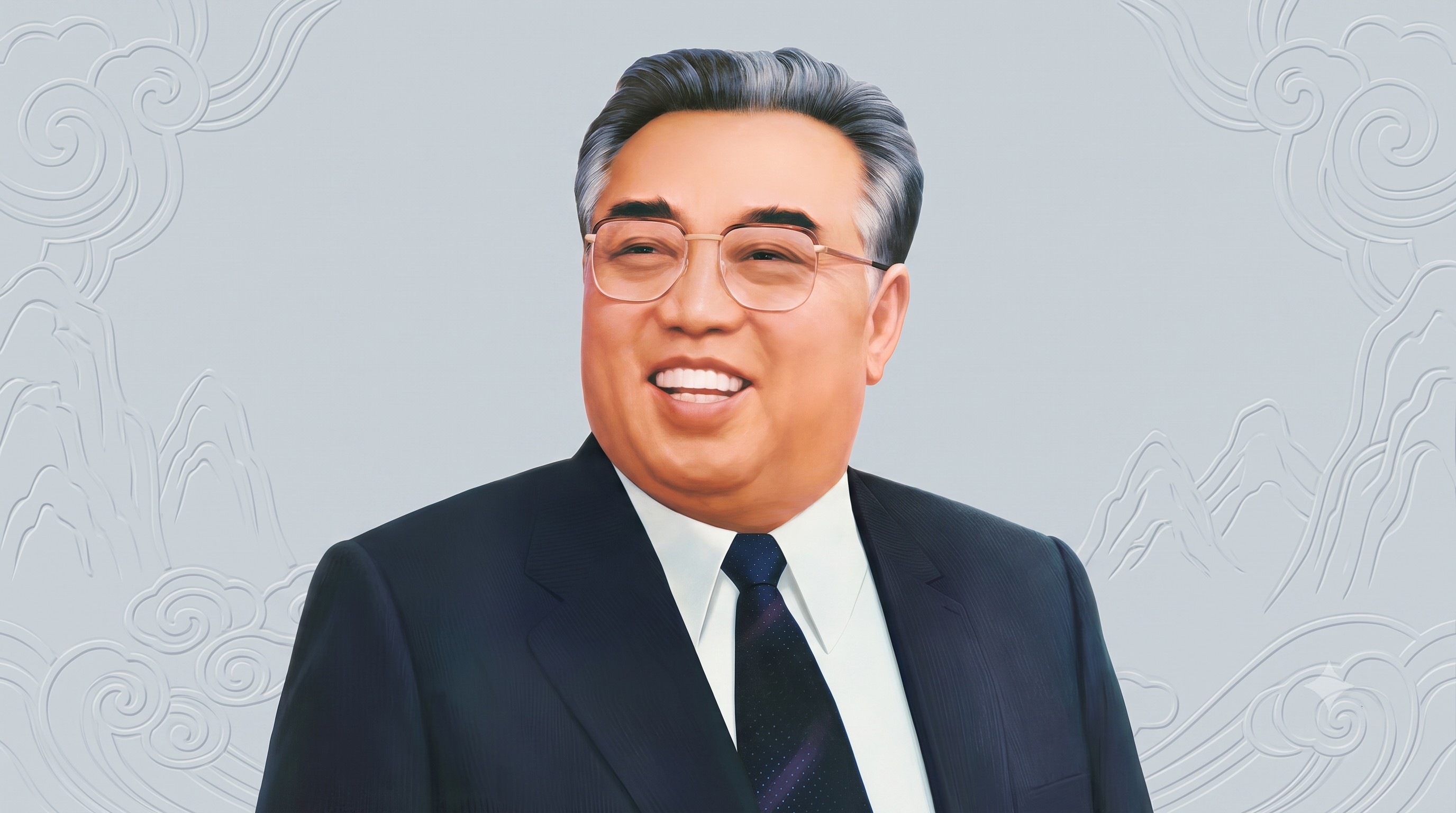
This is a record of an interview with Kim Il Sung, the founder and former leader of North Korea, who sought deliverance 32 years ago. He now resides in the Western Land of Ultimate Bliss.
Hsiang Kuang Pure Land Buddhist Centre
Contributed to Pure Land Buddhism knowledge library