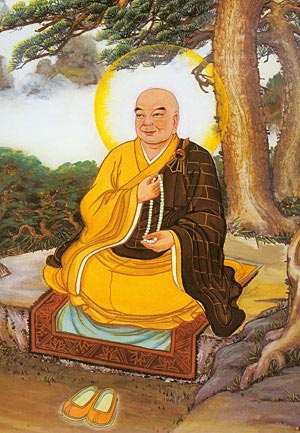
An Interview with the Fifth Patriarch of the Pure Land School
Ending the Dusty Journey: Teachings from Master Chewu
The Essence of Sincerity: An Interview with Master Shaokang
The Great Deliverance of the Earth and Space: An Interview with Master Chengyuan
Aligning Hearts and Righteous Power: An Interview with Great Master Lianchi
The Dharma Body Deliverance: An Interview with Master Shandao
Record of Interviews with Deceased Modern Chinese Celebrities (Preface)
Rectifying Body and Mind
Interview with Dr. Helmut Sohmen (Former Chairman of BW Group)
Interview with Xi Zhongxun (Former Vice Premier of the State Council of China, Father of Chinese President Xi Jinping)
Precious Interview Data from Chinese Elites Released on the Global Internet
21 April 2017
Ten prostrations before the Buddha.
Shi Haize: . In this interview with the thirteen ancestral masters of the School, I, your disciple Shi Haize, have the rare and precious spiritual connection to invite and interview the Fifth Patriarch of the Pure Land School, Master Shaokang. I humbly request that the Master grace us with his presence and share the process of his Buddhist practice during his time, why he chose to uphold the Pure Land Gate, and the experiences he encountered along the way, so that we, the later students, may learn from his wisdom. I pray for the Master’s teachings and guidance. Thank you for your !
Master Shaokang:
Namo Amituofo. Shi Haize, you are too humble. It is indeed a rare and magnificent spiritual connection that allows us to meet across the intersections of time and space. I shall speak as follows:
I was born during the Tang Dynasty in a rural village in Anhui. My parents were farmers, and I was the fifth of six children, with three older brothers, one older sister, and one younger brother. From a very young age, I did not care for idle chatter; I preferred to be alone. Because there were so many children in our family, only my older brothers had the opportunity to attend school. My younger siblings and I learned a few characters only because our brothers would teach us what they had learned.
I was particularly eager to learn, and I would often follow my brothers, asking them to teach me more characters. We would take branches and write in the sand to practise our recognition. To see more books, I ventured into a small Buddhist temple near our home. I had never entered it before, but I had heard that there were many books inside. The first time I stepped inside, I was struck by a towering pine tree in the courtyard. Standing before it, I felt incredibly small. Later, a monk in the temple told me that the pine was already four hundred and twenty-one years old. I was only nine at the time, and I could not help but feel curious about the length of life. What power allowed for such differences in lifespan? Why could this pine remain in the temple for so long without withering? Why were the pine and I destined to meet here? The pine could not speak, but its branches swayed in the wind, seemingly responding to my questions. I simply stood quietly before it, as if I, too, were letting the wind blow through me.
Being a child with a new place to explore, I began to visit the temple often. Most importantly, the monk in the temple knew I wanted to learn to read. He took a scripture and taught me to recognise and write the characters, one by one. We agreed that my study time would be after noon each day. My parents knew of this, but they did not object. I was often alone, preferring solitude over boisterous play, and they were glad I had a safe place to go.
The monk taught me using the same scripture. The characters on the edges of the pages were already worn and difficult to see, but the ones in the centre were still clear. He taught me stroke by stroke. Over time, I recognised many characters. Even if I could not write them, I could recognise them through repeated recitation, and eventually, I learned to write them as well. That scripture was the Universal Gate Chapter of the Lotus Sutra. It was there that I first learned the name of Avalokiteshvara and the Buddha-name of Namo Amituofo from the monks. Whenever devotees entered the temple, the monks would press their palms together and gently say, "Namo Amituofo." Consequently, whenever I returned home, I would also press my palms together and say, "Namo Amituofo" to my family. At first, they looked at me with strange expressions, but eventually, they accepted it and became accustomed to it. I heard the elders say, "This child often runs to the temple; he has a deep Buddhist affinity." As the days passed, reciting the sutras became one of my daily practices.
My parents were always the pillars of our home. Although my father was not a man of many words, his presence was a natural comfort. However, after a severe illness, my father passed away, leaving my mother to care for us. It felt as though the main pillar of our house had collapsed. Yet, we endured that difficult time, and I continued to visit the temple every day without interruption.
Before my father passed away, there was a period when we would often go to the temple together to listen to the monks' teachings. I did not fully understand them, but I could see my father nodding in contemplation. Before he died, he told my mother, "If the child is willing, let him enter the temple." Because of this final instruction, my life was changed forever. With so many children, the burden of raising us fell entirely on my mother, even though my older siblings could help with the farm work. One day, my mother asked me, "Would you like to go and live in the temple with the monks?" I did not hesitate and said yes. I packed a simple bag, bid farewell to my secular life, and moved into the temple, beginning a new chapter of my existence.
I was already familiar with the monks in the temple and their daily routines, so shortly after entering, I received the and began my life as a novice monk. I lived a disciplined life. Before dawn, I would rise, wash, and join the others for the morning service. I would then go to the kitchen to wash and chop vegetables and prepare the offerings. Afterwards, there was a period of free time that I used to enrich my studies. I had already memorised the Universal Gate Chapter, and for the evening service, we recited the Amitabha Sutra. Sitting in meditation was a fundamental part of our daily practice.
Working in the fields was my favourite task, as I was often sent to the city with a senior monk to purchase supplies. Once, I saw an elderly man walking slowly with a cane. I did not pay much attention until he came to my side, looked me up and down, and said, "Little monk, you must practise diligently!" He then turned and left. His appearance and his words surfaced in my mind from time to time, though after a while, I forgot about the encounter.
Years passed, and by the time I was eighteen, I had received the full ordination to become a Bhikshu. I was no longer the naive little boy I once was. I felt an invisible force driving me toward the scriptures; over the years, I had read through the entire kept in the temple. The Master knew of my eagerness to learn. One night, under the bright stars and moon, I was discussing the meaning of the scriptures with my fellow monks when the Master summoned me. I hurried to his room. He sat on the edge of his bed and gestured for me to sit. With a tone that was serious yet filled with compassion, he asked, "How many years has it been since you first entered the temple?" I thought for a moment and replied, "About seven years." The Master smiled and said, "I still remember when we would turn the pages of the scriptures together, your innocent eyes looking at me, waiting for me to teach you new characters. That little boy is now a Bhikshu, and in the future, you will be a teacher to celestial beings. I hope that in the days to come, you will put the needs of sentient beings first, with the goal of helping them leave suffering behind. The causes and conditions for saving beings with karmic affinity will appear one by one. Remember my words; do not forget your vow." Although I nodded, I did not understand why the Master spoke this way, and I did not ask further.
A few days later, an elder who was an old friend of the Master visited the temple. The Master said to me, "Would you like to go there? There is a place where you can continue your studies, which will be of great benefit to your future." I felt reluctant to leave, but seeing the Master’s sincerity and desiring to learn more, I agreed. We walked for several days. Occasionally it rained, and the paths were muddy, but the elder remained calm and smiling, holding his umbrella with a heart so still and peaceful. I felt what it meant to have meditative concentration, to be undisturbed by external conditions. Eventually, we arrived at a very large and magnificent temple. The sound of chanting emanated from within, and I could tell that many monks there possessed deep cultivation. Strangely, the surroundings felt inexplicably familiar, and the monk leading the ceremony also seemed familiar. Suddenly, I remembered the old man who had spoken to me when I went to the city to buy supplies years ago. My heart skipped a beat. Is this the inconceivable nature of Dharma affinity? A monk led me to the reception room, and the old monk walked in, smiled at me, and said, "Little monk, we meet again." I quickly pressed my palms together and said, "Namo Amituofo." The old monk said kindly, "You have had a difficult journey. Go back to your quarters and rest first." My heart was filled with ripples of emotion, as if I knew that in the years to come, my life would undergo a profound transformation.
There were over a thousand monastics in the temple. Just thinking about the menu for the daily meals required time, but that was one of the duties of the senior monks. As I had just arrived, the kitchen needed help, so I was assigned to wash and sort vegetables. Our group of four would go straight to the kitchen after the morning service. There were many people, yet the kitchen was orderly; everyone knew their place, and there was very little noise. It seemed that a single glance or gesture was enough to know what to do next. Although I had been instructed on my duties and the environment before entering, I still felt nervous about being in an unfamiliar place. Fortunately, everyone was harmonious. I seemed to be the youngest, and I quickly integrated with the group, and we looked after one another.
The Master, at seventy years of age, would rise at two in the morning. After the evening service and his teachings on the scriptures, he would return to his quarters and not come out again. One day, the Master called me into his room and asked, "It has been half a month; how do you feel?" I replied, "Thank you for your concern, Master. The senior monks have taken good care of me, and I feel that everything is well." The Master smiled and said, "You are a contented child." In truth, I knew that the tasks the senior monks gave me never ceased. They were all physical tasks—carrying water, washing clothes, scrubbing floors, and moving heavy objects—but I accepted them willingly. I treated them as my own duties, as things that ought to be done, and I was not a fragile person. Every day, one task followed another, but I performed them all faithfully. The Master said, "Starting tomorrow, come into the hall." I was stunned! To me, entering the hall was a very special event. Inside the hall were many scriptures; besides the Master’s copy, there were a few others, some of which the senior monks had copied themselves. Once, as I passed by the hall, I heard the Master explaining the meaning of the texts, and I felt great , but I dared not linger and left. I never expected that I, too, would be able to enter the hall to hear the Dharma. My heart was filled with immense joy.
The following afternoon, as everyone entered the hall one by one, I followed them inside. Some of my fellow practitioners carried their scriptures, while others appeared still heavy with sleep. After our teacher arrived, he placed a copy of The Lotus Sutra on the table. My eyes lit up; I felt a powerful surge of motivation to study the teachings. The text contained the vows and deeds of the Buddhas and Bodhisattvas. The twenty-eighth chapter, the Universal Gate Chapter of Avalokiteshvara Bodhisattva, was the very text I had been reciting daily; I had already memorised it. Learning it felt incredibly natural and in sync with my own heart, filling me with profound Dharma joy.
From that day on, our daily study sessions became the moments I looked forward to most. Without realising it, I found that after reading the daily progress just once or twice, I could naturally recite and memorise the passages. Memorising the scriptures did not seem difficult for me; I could always handle it with ease. Was it the Buddha's ? Or perhaps it was a strength I had possessed since birth? The Lotus Sutra is one of the great scriptures delivered by Shakyamuni Buddha during his forty-nine years of teaching. It details the vows and deeds of Buddhas and Bodhisattvas during their causal stages and the Causal Conditions through which they save beings. It is a vital scripture for opening the Buddha Vehicle and the Bodhisattva Vehicle.
When the Sanskrit texts were first brought from the Western Regions, the translators were deeply moved, realising that such responses and acts of salvation were hidden within their own spirits. The World-Honoured One is a speaker of truth; his words are not empty. Therefore, those with the necessary affinity can naturally accept, uphold, and practise them. Many chapters of this sutra have been extracted individually as daily reading texts, such as the Universal Gate Chapter of Avalokiteshvara Bodhisattva. Thus, those who propagate The Lotus Sutra and receive the benefits of the Dharma are those with a vast mind-capacity, for they are nurtured by the various vows and deeds of the Buddhas and Bodhisattvas.
The Lotus Sutra, the Avatamsaka Sutra, and the Shurangama Sutra are collectively known as the three primary Mahayana scriptures. Under my teacher's guidance, I was able to study them, examine their methods, and understand their underlying connections. When I opened the scriptures, beyond mere recitation, I would often study their origins and content. Wandering through the ocean of the Tathagata's wisdom, I would often lose track of time, forgetting to eat or sleep. Even when my eyes grew weary and my body exhausted, and the dawn was already approaching, I would still turn page after page. Seeing my eagerness to learn, my teacher kept an even closer watch on me. Before long, I could recite the scriptures fluently.
At that time, the other practitioners in the temple did not expect that a junior brother who had just arrived would possess such skills and diligence. They began to look at me with strange eyes and were no longer as caring as they had been before. Sensing the change in my situation, I became even more determined and diligent in my studies, while remaining humble and modest. Beyond my academic studies, I spared no effort in the temple's chores, such as sweeping and cleaning. Eventually, I managed to break down the barriers in my fellow practitioners' hearts and earned their recognition.
In truth, ever since I left the temple near my home, I had not been in contact with my family. I was like a kite with a broken string. Adapting to the new environment and integrating into the monastic community's routine—especially learning the etiquette of sweeping, cleaning, and interacting with others—provided me with a different kind of education. Because there were many people in the temple, one had to be particularly cautious. If one became even slightly lax or indulgent, one would regress, and afflictions would manifest.
There was a fellow practitioner in the temple who came from a prestigious family. He had entered the temple at the age of ten and became a monk two years later; he was now twenty-five. I respectfully addressed him as Brother Guanghai. Some people in the temple feared him because he was stern and rarely smiled. At that time, I was working in the kitchen, following Brother Guanghai's instructions, running here and there to fetch ingredients, utensils, or seasonings for our meals. Initially, I was unfamiliar with the ingredients, so I would inevitably ask a few extra questions when fetching them, fearing that I might take the wrong item and delay the cooking. If I asked him one extra question, he would glare at me; if I asked again, he would roll his eyes. Consequently, I would be targeted for the rest of our shift, leaving the kitchen later than everyone else and being assigned extra tasks. It was only later, when others talked about it, that I realised I had simply not been quick-witted enough.
Whenever the other practitioners were in his group, they would hold their breath and treat him with great reverence. At first, I was the one receiving his glares, and I felt quite sad and discouraged. However, I reminded myself that my time as a monk was precious. Given the large number of people in the bodhimanda, adhering to the monastic rules and etiquette was crucial; otherwise, it would be difficult to manage, and the order would be lost. Therefore, I knew that if there was something I did not understand, I had to ask.
One must not let mental notes pass in vain. If one's thoughts are biased or selfish, one is creating negative and committing errors. Therefore, every time I asked a question, I would avoid looking at his expression or focusing on his tone, fearing that I would lose my right . Instead, I would smile, press my palms together, and respectfully say to him, "Thank you, Brother, Namo Amituofo." At first, he would look at me with annoyance, but I would act as if I had seen nothing, continuing to chant Namo Amituofo and nodding in gratitude. I do not know how much time passed, but one day I discovered that he actually responded to me with "Namo Amituofo" and a smile. A warm current flowed through my heart; I seemed to have realised something. Watching his retreating back, it felt as if it were inscribed with loneliness. I understood then: that is what is called sincerity! Sincere respect is the foundation that can touch a person's heart. The ancestral masters and venerable masters taught that one gains one part of benefit for every part of sincerity, and this is truly the case! From then on, I understood the value of sincerity. I never forgot to treat everyone and everything I encountered—including flowers, trees, mountains, rivers, and the songs of birds—with a sincere and respectful heart. They would respond in kind, and even more so. This is one of the truths of reality.
One night, when I was nineteen, my teacher told me that my family had contacted the temple to inform me that my mother had passed away, and asked if I wished to return home for the funeral. Suddenly, memories of the past surfaced in my mind. My reason told me that all things arise from Causal Conditions and cease when those conditions end. Having been a monk for many years, I had initially thought of my parents and family, but those thoughts had gradually faded. Now that I had received this news, it seemed to be a test of whether I could truly "see through" and "let go."
I was already a disciple of Shakyamuni Buddha and could not be entangled with my secular family, as it would interfere with my determination to seek the path. I had not returned home, and I wondered how long it would take to recover if I did. Seeking my true self and original nature had always been my goal in becoming a monk. How could I throw a stone into a calm lake and stir up the water? Even if I had already thrown one and the water was rippling, it would eventually settle. If I threw a second or third stone, would the surface not remain forever turbulent, preventing me from ever seeing the bottom? In the end, I chose to shake my head and not return for the funeral. This was not a lack of emotion, but rather a transformation of that emotion into a greater love. To repay the grace of my parents' upbringing, only by truly and achieving liberation could I provide the ultimate repayment of their kindness.
When I told my teacher of my decision, he respected it. He nodded, patted my shoulder, and said, "Take up the responsibility of the Tathagata's family business." At that moment, I felt my heart expand, boundless and infinite. I also understood that I must work even harder and not be lazy. I would dedicate this physical body, gifted to me by my parents' grace, to the ocean of the Tathagata's Ultimate Vow, taking the salvation of all beings as my own responsibility. This body of mine—from head to toe, what is truly mine? Me? No. None of it belongs to me. I am merely a temporary steward. This body exists for the sake of all beings. As long as there are beings, I will remain in this human world. Wherever I am needed, I will go. My closest kin in this world were gone, but my mother, in her spirit, would surely understand my intentions. I found the motivation to continue my efforts, and during my dedications, I added my mother's name. Although becoming a monk means leaving one's home, it does not mean forgetting gratitude. Instead, I would take this parental grace and invest it with the greatest energy, transforming it into a greater grace—the grace of all beings and the grace of the Tathagata. With this shift in my mental note, I soon returned to a state of calm.
Looking at my days, I slept no more than three hours a day. Being young, I had good physical strength, but I always felt it was not enough. One day, my teacher called me into the main hall. After paying respects to the Buddha, I knelt before the statue. Thinking I had committed some error and needed to repent, I lowered my head with palms pressed together. Then, I heard my teacher ask me: "No matter where you are or what time it is, never forget that you wear the robes of a Shakya disciple. Take the spreading of the Dharma as your own responsibility and save all beings so they may leave suffering behind. If you can act according to this, swear it word by word before the Buddha."
I nodded joyfully. Was what my teacher said not exactly what I had been thinking about, what I wished to do, and my lifelong ambition? Tears streamed down my face, and I choked out the words after my teacher: "No matter where you are or what time it is, never forget that you wear the robes of a Shakya disciple. Take the spreading of the Dharma as your own responsibility and save all beings so they may leave suffering behind." My teacher then said to me: "Your Dharma affinity here has reached its end. I have passed on to you all that I have realised, practised, and can offer. I only hope you will not forget this vow, so that our time as teacher and disciple will not have been in vain."
Hearing this, I knew my teacher had made arrangements. After expressing my gratitude, I asked: "Teacher, may I ask, many years ago in the city market, I met an old man who told me, 'Little Master, practise diligently!' When I first saw you, I recognised that you were that old man. Is that so? Did you recognise me even then?" My teacher smiled and said: "So you have kept that in your heart. Yes, it was indeed me! Even then, I saw that we had this affinity as teacher and disciple. You are clever and quick-witted, a vessel for the Mahayana, and you should take the spreading of the Dharma as your own responsibility. I had manifested a transformation body in the sky, saw you, and descended to the market to have that one encounter. Now that our Dharma affinity here is exhausted, you should go elsewhere to continue other affinities."
Following my teacher's instructions, I travelled by begging for alms, taking boats, and walking, until I finally arrived at the White Horse Temple in Luoyang. At that time, the temple was bustling with incense and many people came to worship, including those seeking temporary lodging. As I entered the temple, I felt a sense of solemnity within the quiet, and compassion within the majesty. A faint fragrance permeated the air. I was enveloped by the atmosphere of the temple, and my steps slowed. A young monk approached me, smiling and pressing his palms together respectfully, saying: "Namo Amituofo. May I ask, venerable master, would you like to rest in the temple?" The sky was already growing dark. I replied: "Yes." The young monk then led me to the dormitory, and from the distance came the sounds of wooden fish and the recitation of scriptures.
The next day, I was awakened by the sound of the wooden board. I must have been exhausted from the previous night, or I would have risen earlier. After the morning service, the temple was silent. As I entered the meditation hall, I noticed that the number of people coming and going varied, and it seemed that everyone had a different daily practice. Why would each person's daily practice differ? It is because each individual possesses different Causal Conditions and karmic outcomes. The bits and pieces of mental notes, thoughts, , and actions from our past lives manifest as different karmic causes and effects in this life. Those who encounter an enlightened teacher and good friends who can point out how to remove the dross and keep the essence are truly blessed. By following their guidance, one will surely reap the benefits.
Meditation leads to meditative concentration, and concentration reveals Wisdom. When Wisdom manifests, obstacles are extinguished. How could there be no time for liberation? However, one must be clear every single day—clear about oneself, clear about others, and clear about everyone. This is also related to the environment one encounters in this life. If one remains entangled without cutting off these ties, these lingering emotional entanglements will obstruct one's clarity, leading to a life spent in vain. This is why it is said that to become a monastic is to leave one's home and forget it; this saying has held true from ancient times until now. Because emotional entanglements are an innate nature we are born with, it is said that if one's love is not deep, one will not fall into the cycle of rebirth in this world. It is difficult to sever these emotional desires.
I first met with the Venerable in charge to express my intention to study and learn under his guidance, as instructed by my own teacher. I handed over the letter my teacher had written, requesting that it be delivered to the Abbot.
The Venerable in charge saw my sincerity and said, "I will deliver this to the Abbot." Finally, I was granted an audience. The joy in my heart was beyond words. Since entering the temple as a child, Shaokang had followed the practice of not eating after noon, and the monastics of that time did the same. Like my fellow disciples, apart from the morning service, meditation, and manual labour, we especially relied on the evening drums and morning bells to break through the barriers between people and the hells, illuminating the darkness of the underworld and the dark corners of people's hearts.
Much of our time back then was spent in sitting meditation, and there was little verbal interaction between fellow disciples. The day after I entered the temple, the Abbot read the letter from my teacher and summoned me. "Shaokang, I do not know what your teacher wrote," he said. The Abbot then added, "Stay here and settle in well! For the time being, you shall be responsible for the Sutra Library." I was both surprised and delighted, as I had a profound interest in the Sutra Library. After thanking the Abbot, my heart was filled with gratitude for the Buddha's compassion. It had always been Shaokang's wish to immerse himself in the vast ocean of the Tathagata's Great Wisdom. This place surely contained many precious texts.
The Abbot was a dignified man with a square face, who spoke in a calm, concise manner and carried a compassionate, gentle expression. A fellow disciple led me into the Sutra Library. My eyes lit up, and I could not wait to explore. What books were there? What were their titles? What was the content? What benefits of the Dharma did they hold? Or perhaps, there was no need for any limitations—just look directly at them! That was exactly it. The Sutra Library became my place of manual labour, and even dusting the bookshelves filled me with the joy of the Dharma. I had never seen so many Dharma Jewels, arranged in perfect order, with each section sorted by era, title, and stroke count. The Tripitaka—Sutra, Vinaya, and Abhidharma—were all present. Some volumes looked ancient at a glance, while others seemed as if they had just been placed there. Some were kept in cabinets, while others were openly displayed in prominent, easily accessible places.
Shaokang felt as if he had discovered a treasure, leaping with joy as if a long-held wish had finally been fulfilled. I spent all my time outside of group cultivation in the Sutra Library. I dared not relax even for a moment, for I did not know how long I would have in this ocean of Dharma. Life is marked by impermanence, and I did not know what the future would bring, so every moment seemed precious. I immersed myself in the ocean of the Tathagata's Ultimate Vow. With every realization, I felt as if I were reborn, layer by layer shedding my impurities. I firmly believed this was an arrangement of the Buddha's compassion.
At that time, the temple was flourishing, and the monastics were all diligent. Whether in meditation or attending Dharma talks to hear the Dharma, the followers' understanding and dedication to the Buddha's teachings far exceeded those of previous eras. Shaokang had never been one for many words, always feeling the brevity of life. How many romantic entanglements of scholars and poets of the past, with their poems and verses, were merely superficial expressions of elegance? Few delved into the core issues, understood the laws of karma and cause and effect, or truly taught the human heart, leaving behind only fleeting sentiments for future generations. Perhaps it was Shaokang's karmic affinity that allowed me to know suffering without needing to delve deep into the red dust of the world, and to understand all phenomena through the Buddha's teachings.
It was the prosperous Tang Dynasty. In terms of the Buddha's teachings, the Zen style was flourishing and was a necessary course for all Buddhist practitioners. Back at the temple near my home, I had often envied the Venerables as they sat in their dignified and natural states. It was only two years later, when my character had become more settled, that I truly began to learn Zen by their side. It then became part of my daily practice—one stick of incense, then two. For longer sessions, I would first report it so that at least one person knew before I left, as everyone's situation was different, and the time taken to enter samadhi varied. If one speaks of the whole process, it took about one or two months to return to one's body. But this is only on the level of phenomena. True self-benefit and benefit for others come from what is usually called "meditation in motion"—this is the great cultivation.
The sitting meditation that everyone is familiar with is a method to allow and mind to be free from delusion, discrimination, and attachment while in a deep meditative state, thereby suppressing afflictions. However, to truly sever the manifestation of afflictions, one must be able to manifest true Wisdom while in motion.
One day, as usual, I knew the essence of a book just by flipping through it. In a corner of the Pure Land collection, I found the name of Great Master Shandao. I reached out, took the book, and began to read. It was filled with a compassionate heart for the suffering of beings and the ocean of the heart where you and I are one. The "Great Compassion without conditions" and "Compassion for all as one body" are the source of Mahayana Buddhism. Without this mind-capacity and essence, one cannot know the suffering of all beings and help them leave suffering behind and find happiness. Furthermore, the Ultimate Vow of Amitabha is exactly this—a beacon for beings in the ocean of karma in this world. Only those who have faith, relying on their own efforts and deep belief, and who chant Buddha's name in accordance with Amitabha's Ultimate Vow, can have the affinity to receive help and blessings, attain rebirth without regression, and become a Buddha. This is the only path to ultimate liberation.
Reading this, it was as if I were in a drought and had finally received the nectar of rain, resolving the doubts I had carried for so long. It turned out that beings in the ocean of karma have heavy obstacles. Trying to seek liberation by one's own power alone is like a fish without water; even if it struggles and leaps, it cannot escape death, and after death, it enters the six realms of rebirth again. When will this cycle end? Only by relying on Amitabha's Ultimate Vow, combined with one's own diligent practice, constantly keeping impermanence in mind, not being lax, and practising both powers—chanting the name of the Buddha being one of the methods—can one succeed. Yet, this Dharma Gate and method were little known. Although Zen meditation was a popular trend, it required one to have the right affinity and an enlightened teacher to constantly monitor and guide one's progress to achieve true attainment. There were still many beings who could not reach this. Could it be that there was no other way to save beings from suffering through the Buddha's teachings?
I had often pondered this, but because I had mostly been exposed to Mahayana lineages and sutras, I knew the capacity of ordinary civilians. I had been encouraging myself to strive for achievement as a resource to save others. Now, I realized that the Pure Land is the purification of one's own heart; does this not mean that by attaining this purity, one can connect with the Western Pure Land? And for the habits that are difficult to sever, Amitabha's Ultimate Vow allows one to carry karma to rebirth; otherwise, with karma as vast as Mount Sumeru, how could beings have the ability to eliminate obstacles, purify themselves, and be reborn in the Tathagata's Pure Land? Knowing this Great Vow of Amitabha was like seeing a spark of life, and the earth began to shine. Shaokang knew the direction he had to take: it was not just to stay in the temple studying sutras, but to walk among the people and propagate Amitabha's Ultimate Vow. The more suffering a place has, the more beings need Amitabha's salvation, and the more they need to know this essential Dharma, to believe, accept, and uphold it. Shaokang immediately made a vow: to make Amitabha's vow his own.
Thus, I rose with determination and read through all the books related to Great Master Shandao, deeply feeling the Master's compassionate heart and great vows. The Buddha's teachings are not just about sitting in meditation or self-reflection within the temple; more importantly, they are about walking among the people. Among the people, there is so much confusion, helplessness, interpersonal conflict, comparisons of high and low, worry, suffering, frustration, and grievances—all factors of the six realms of rebirth. People are unaware and unable to break free, left to be entangled by the ocean of karma and cycle through it, sinking in the sea of suffering with no end in sight. Therefore, Shaokang decided to continue moving forward. During my time at White Horse Temple, I was fortunate to have the care of the Abbot, who allowed me to wander through the Tathagata's storehouse. During my time managing the Sutra Library, I saw the compassion of the eminent monks and patriarchs in saving the world, found the direction for my own Buddha's path, and witnessed the conduct of Great Master Shandao, as if waking from a great dream.
Another matter worth mentioning is that when Shaokang entered White Horse Temple, I was in my twenties. There was a monastic in the temple with whom I had a strong affinity, as we shared a common love for immersing ourselves in the Sutra Library. After our manual labour, we would often rush to the library. Because the books could not be borrowed to protect the precious original texts—hand-copied scrolls and manuscripts from patriarchs and venerable masters, Sanskrit Tripitaka texts transmitted from the Western Regions, or the biographies and experiences of monastics of that era—we spent much time there. White Horse Temple was the first place in China to invite monastics from the Western Regions to reside and transmit the Dharma. It was managed directly by the imperial court, so it was rich in resources, and its collection was arguably the best in the country. The vastness of the Sutra Library radiated the boundless and majestic power of the Buddha's teachings.
I had many pleasant conversations with this monastic, as we shared the same foundation. This monastic was devoted to the Zen style of meditation and concentration, complementing the flourishing Zen practices of the time. His cultivation was solid; he did not like to talk about mysteries or theories, preferring to discuss the essentials of practice and how to counteract problems. I, on the other hand, had searched far and wide in the ocean of Dharma before deciding to follow the lineage of Great Master Shandao and cultivate towards the Pure Land Dharma Gate. Over the years, we studied and exchanged ideas, and both benefited greatly.
This monastic was my senior fellow disciple, having entered the temple as a child. Moreover, as this temple was a royal temple, it was highly respected and protected. Growing up and studying in this environment, his speech and conduct often revealed an irresistible Zen spirit. He was tall and stood out naturally among others. This monastic is the Venerable Haize of the Hsiang Kuang Pure Land Buddhist Center today. At that time, he was known as Venerable Luhai. Beyond Zen, he also had a unique study of the Vinaya. He was considered an anomaly at the time, as those who practised Zen were usually free-spirited and practical, pointing directly to the heart, while the Vinaya's focus on self-discipline and constant mindfulness meant that his every gesture and movement carried a sense of ritual and dignity.
Namo Amituofo
The abbot at that time was none other than Practitioner Su, who now resides at Hsiang Kuang Pure Land Buddhist Centre. He led the assembly with wisdom and stood at the forefront of our practice. His Zen style was gentle, refined, and courteous, earning him the deep love and respect of the fourfold assembly, who all wished to draw near and learn from him. The causal conditions of this encounter were truly subtle; after a thousand years, the three of us were able to meet again in this present time. I, Shaokang, was interviewed by Venerable Haize, and although Practitioner Su appeared in the form of a lay practitioner, he was truly a member of the monastic order. We worked together for the transmission of the Pure Land teachings, entering the vast ocean of Namo Amituofo's Ultimate Vow as one. I, Shaokang, felt deeply honoured by this.
Later, Venerable Lühai also studied under the abbot and eventually assumed the position of abbot himself. The ocean of karma is vast and boundless, and I, too, am but one of the many beings adrift within it. How can one dissolve such sins? One must extinguish the wandering heart and vow to recover one's original, free nature. One must stop the arising of thoughts; do not let a single thought take root. When a thought arises, sin arises; when there is no thought, sin is extinguished. What I, Shaokang, have realised must be put into practice; I must enter the world of the people and not stop here.
Time flows away in the blink of an eye. I realised that I should not remain here any longer. Although the offerings were abundant and I had no need to worry about my daily sustenance, I knew that I must dedicate this body, mind, and spirit to the service of all beings. I bid farewell to Baima Temple and, following the instructions of my teacher, travelled eastward. I followed the causal conditions wherever they led, not knowing where my body and mind would find rest. As I travelled and begged for alms, I witnessed the myriad states of human life. Why had I not seen such suffering before? It was because my heart had not yet awakened to true compassion; I could not manifest the depth of mercy, and so the people were not willing to resolve their conflicts. Now, I knew that I must align myself with the ocean of Namo Amituofo's vows, follow the teachings of Master Shandao, and emulate his conduct. When the people saw my dedication, they were moved to chant the holy name, "Namo Amituofo."
As I begged for alms, I used whatever I received to purchase sweets. I would give them to those I met, chanting "Namo Amituofo" as I did so, planting the of the Buddha-name into their and forging a connection with the Western Pure Land. I started with the children, for they are innocent and unstained. I would give them a sweet and chant "Namo Amituofo." At first, the children were suspicious, wondering what this meant. I realised that I needed to convey the compassion of Namo Amituofo at the same time. So, when I gave them the sweets, I would say, "Namo Amituofo." When they asked what it meant, I told them it represented Infinite Life and Infinite Light. The children were delighted; they would eat their sweets while happily repeating, "Infinite Life, Infinite Light."
Wherever I went, after begging for alms, if I had anything left over, I would give it away in this manner. Eventually, when I truly had no money left, I simply chanted "Namo Amituofo" aloud. Once the six-syllable holy name was uttered, I realised that this is the original name of our true self-nature. It is not inside, nor is it outside; it is entirely governed by the heart. In this world, there is nothing that can replace it. This is why, when the World-Honoured One was born, he pointed one finger to the sky and one to the earth, saying, "In the heavens above and the earth below, I alone am the Honoured One!" This true nature is possessed by everyone; it is not unique to any one person. If you only chant the name of Namo Amituofo, you will naturally attain the Buddha's state. Throughout my journey, I kept the name of Namo Amituofo firmly in my mind, entering into the Buddha's vow.
On my way to a temple, I met a couple who had been married for two years but had no children. The wife had not yet conceived, and they had sought out famous masters, tried every effort, and taken countless medicines, all to no avail. Upon seeing me, they knelt and begged for guidance. Their parents were anxious to hold a grandchild, and every time they saw the disappointment in their parents' eyes, they felt unfilial and unable to ease their parents' worries. They did not know what to do next; they had prayed to gods and Buddhas, but why was there no news? Was it truly their fate to be childless? Seeing their helpless pain and the repeated disappointments they had endured, I felt the weight of the worldly saying, "Of the three unfilial acts, having no descendants is the greatest." How many people are troubled by this attachment! When karmic obstacles manifest, some even take multiple wives in hopes of having an heir.
In the world, marriage is expected to lead to children. If there are no children, people are burdened by the ancient stigma of being unfilial. But in truth, what is the fault in being childless? Everything is governed by the laws of karma and cause and effect. There is always a cause for every result. Seeking it is useless; if one can accept it, one is actually dissolving karmic obstacles in the present moment. It is a perfect opportunity to practise without distraction or to serve one's community. Yet, people perceive it as suffering, complain, and create further negative karma, which will only lead to more retribution in the future. Furthermore, if children are filial, it is as it should be; if they are not, or if they bring shame, it is merely the creation of more karma and a continuation of the cycle of rebirth. The truth is that one should "see through" and "let go"; that is the best strategy. At that moment, the image of the Child-Giving Avalokiteshvara Bodhisattva appeared in my mind. I advised the couple to recite the Universal Gate Chapter of the Lotus Sutra, for within the Bodhisattva's vows is the power to fulfil the wish for a child, provided the couple is sincere and the conditions are ripe.
I continued my journey eastward and soon saw a temple ahead. I quickened my pace. After I knocked, an elderly monk came to the door, as if he had known I would come to pay my respects. He smiled warmly and poured me a cup of hot water. I was filled with gratitude! It was the depth of winter, and I knew that everywhere I went, I was supported by the blessings of Namo Amituofo. I knew I must work diligently to spread the name of Namo Amituofo to all beings in this Saha world. The temple was small but simple and clean. It enshrined a single statue of Namo Amituofo. The statue was majestic, with the Buddha standing in compassion, ready at all times to lead suffering beings to rebirth in the Western Pure Land. I felt in my heart that perhaps this temple was to be my resting place.
The Forty-eight Great Vows of Namo Amituofo are praised by all Buddhas; there is not a single Buddha who does not praise them. Through the Buddha's compassionate vows, beings can be reborn in the Pure Land while carrying their karma—not new karma, but old karma. Without this vow, how could ordinary people ever enter the Buddha-land? I am grateful for the Buddha's compassion. Beings have heavy obstacles, but the World-Honoured One and Namo Amituofo pity our suffering. Even a single thought or ten thoughts of sincere, earnest chanting at the time of death will surely lead to being received by Namo Amituofo and reborn in the Western Pure Land of Ultimate Bliss. Feeling the great compassion of Namo Amituofo, I wondered: the Buddha's gate knows this, but how many of the faithful and Dharma protectors truly understand it? I told myself that I should not just sit in meditation or bow to the Buddha; I should step outside the temple gates to widely spread the Pure Land Dharma Gate, praising the practice of chanting the Buddha's name, so that everyone may know the inconceivable power of the holy name "Namo Amituofo." This is not something I invented; it is clearly and extensively explained by Shakyamuni Buddha in the sutras, which all have heard, believed, and upheld.
I had a long conversation with the master. I told him of my life: entering the temple as a child, seeing the works of Master Shandao at Baima Temple, being transformed by his teachings, and dedicating my life to the Pure Land. I spoke of how I left the temple and how, through the Buddha's compassion, I began giving sweets to children while chanting the Buddha's name to forge Dharma affinities. The master praised this process, noting that one should apply the Buddha's teachings flexibly rather than just performing rituals, reciting sutras, or meditating. I asked the master if we could use the limited space in the temple to invite the faithful to come, first to recite the Amitabha Sutra or to hear an introduction to Namo Amituofo and the Western Pure Land, and then to engage in walking meditation while chanting the Buddha's name, so as to collect their wandering thoughts. Although the temple space was limited, we could walk from the temple grounds to the outdoors, thereby extending the merit of chanting the Buddha's name to all.
The master agreed with this method, but he raised concerns: there were only three or four monks in the temple, we were not familiar with the local faithful, and the travel time would be too long. It seemed difficult to implement. I took it upon myself to handle the arrangements, asking only for the help of the master and my fellow practitioners for certain tasks. The master smiled and nodded; it turned out that his earlier objections were merely to test the firmness of my resolve to spread the Dharma. Of course, he supported it! I felt as if I had taken a soothing medicine. From planning the dates and arranging the venue to organising the personnel and the route for the walking meditation, I prepared everything. Because the number of participants was expected to be large, we arranged for simple, convenient meals that could be easily supplemented. Whenever faithful followers came to the temple to offer incense and bow to the Buddha, I would sincerely inform them of the event, inviting them to participate so that they might find peace of body and mind, bring joy to the Buddhas, and be bathed in the Buddha's light.
As the date of the event approached, thanks to the master's approval, the support of my fellow practitioners, and the blessings of the Buddha, the number of attendees was unexpectedly high. First, the master introduced Namo Amituofo and the Western Pure Land. Then, my fellow practitioners and I led the assembly in walking meditation and chanting. The dynamic route made the faithful very happy to follow along. Such an event had never been held before. When it concluded, I stood at the temple gate, pressing my palms together and respectfully chanting "Namo Amituofo" to each person as they left. The faithful were initially surprised; they were not used to a monk showing such courtesy, as it was different from the usual practice of letting people come and go as they pleased. But seeing that I remained smiling and respectful, despite having been busy all day, they all returned the greeting by chanting "Namo Amituofo" in return.
When I saw children, I would bend down, press my palms together, and chant "Namo Amituofo." The children would be stunned, not knowing what to do. Their parents would quickly say, "You should also press your palms together and say 'Namo Amituofo' to the master!" The children would then shyly say a soft, unclear, but complete "Namo Amituofo." I could not help but smile and reach out to pat their heads, while their parents laughed with joy. So this is how the Buddha's power, heart, and compassion must be infused into everyone's heart! As I watched the faithful leave, I turned to see the master standing behind me. He said, "Let us do it this way from now on!" These words were like sweet dew falling from the heavens; I was filled with gratitude. I was thankful that the chanting event was a success, grateful for the support of the master and my fellow practitioners, and thankful for the blessings of the Buddhas and Bodhisattvas. Most of all, I was grateful to the faithful, who had travelled a long way to participate in the entire event. As night fell, I bowed three times before the Buddha. It felt as if I could see Namo Amituofo smiling down at me with compassionate eyes. I rubbed my eyes and made a vow in my heart: I will dedicate this body, mind, and spirit to the service of all beings, and for the rest of my life, I will strive to spread the Pure Land teachings and the name of Namo Amituofo. From that day on, I made this temple my home.
Namo Amituofo
During his time at the temple, Practitioner Shaokang would often set aside time each night for walking meditation. He would circle the Buddha hall, passing by the statues and the temple gates, round and round, completely immersed in the Holy Name of Namo Amituofo. One day, as he was chanting as usual, he suddenly felt as if he were situated within the vast earth, becoming one with his surroundings. He could no longer distinguish who was chanting or who the chanter was; his entire body felt refreshed and pure. Shaokang did not entertain any strange thoughts; he simply continued to chant, his recitation becoming even brighter and clearer.
In the Buddha hall, a lamp was lit as soon as darkness fell, casting a gentle, warm glow upon the Buddha statue. When he looked at the statue, it appeared as it always did. Shaokang quickly stopped his thoughts. Why was he looking at the statue? Did he expect to see a different one? This was a sign of attachment. Chanting while attached to appearances is like trying to swim while wearing heavy clothes. Your practice becomes skewed; not only will you fail to reach the other shore and realise your true nature, but you will also become burdened and unable to move forward, rendering your efforts futile. If you lack the strength to swim, you might even risk drowning. He quickly withdrew his gaze. Although only a few minutes had passed, it felt like a much longer time.
With this experience, Shaokang understood that every thought and intention is merely a delusive thought, a messy thought. He realised he must focus his body, mind, and spirit entirely on the Buddha-name. If one interrupts the chanting, it gives delusive thoughts a chance to arise, like muddying a pool of clear water. Thereafter, during his nightly walking meditation, Shaokang did not dare to be negligent. Every step was taken with clarity; the hand-held bell he carried was kept at a steady pace, perfectly synchronised with the Buddha-name. He kept his eyes from wandering, focusing his body, speech, and mind on the chanting. The pace was neither too fast nor too slow. If one wishes to increase the tempo, it must be done gradually; one must not suddenly change the rhythm or rush, as rapid movement easily stirs up restless thoughts. These are the essentials of walking meditation. Chanting is also a form of meditative concentration; you must fix your heart on every step and every syllable of the Buddha-name.
One day, while chanting, he suddenly felt as if his feet were treading upon soft, delicate flowers. His body felt as light and elegant as a feather. With every utterance of the Buddha-name, a wave of fragrance emanated from his mouth. Yet, Shaokang did not give rise to any thoughts; he was simply clearly aware of every step, the unusual sensation in his body, and the fragrance he emitted. He continued to chant, feeling as if he were in a sea of flowers, yet his heart remained unmoved, not giving rise to a single thought until the incense had burned out. Shaokang understood that one ending is merely the beginning of a new task. There was a more important mission to fulfil: to let more people know about and participate in walking meditation, so that they might receive the pure and magnificent benefits of the Buddha-name in this life and attain the reward of rebirth in the Western Pure Land of Ultimate Bliss in the next, for the benefit of both the living and the deceased. He needed to promote the Pure Land method, to walk among the people, for among them were those who truly needed to chant. Shaokang prepared to rise and act.
The three sages of the West—Namo Amituofo, Avalokiteshvara Bodhisattva, and Mahasthamaprapta Bodhisattva—are fundamentally one. They are one in three, and three in one. Their manifestations are based on Causal Conditions and the different person’s potential to be taught. People in this world like to see forms; only then do they feel at ease and secure, and only then can they believe in the existence of the Buddha. Furthermore, if one lacks a sense of security and lacks faith in oneself and the Buddha, even if one knows that everything in this world is illusory, impermanent, and ever-changing, one will still prioritise satisfying immediate needs. Who can know what the future holds? Thus, the heart is unsettled, easily swayed and shaken by external circumstances. As the saying goes, one's direct retribution follows the transformation of one's dependent retribution; this is the root of suffering.
If you are unsteady yourself, how can you speak of saving beings? This means you must fix your heart in the state of non-movement, remaining firm and unshakable. With firm faith and a reliable foundation, you will not be turned by external circumstances. At this point, no matter what disturbances, winds, or rains may come, they will not shake your faith. This is what it truly means to believe in the Buddha. It is not merely outward compliance while the heart is filled with flying delusive thoughts that one cannot stop; that is merely empty speech. If you know you have this fault, you must repent, realising that your spiritual obstacles are deep and that you must work even harder to eliminate your past mistakes. If your resolve to save beings is firm, even if you have faults, repent and continue; do not retreat. To retreat is to be weak, to be turned by the laws of karma and cause and effect, and to continue the cycle of six realms of rebirth without end. You must know that the difficulty of obtaining a human body is like the sand on a fingernail; hearing the Buddha’s teachings is like the sand on a fingernail compared to a stone; and to hear and practise them is like a stone within a stone—there is no difficulty greater than this.
The Buddha has no fixed form; form arises from the original nature and is used for myriad purposes. It manifests according to the person’s potential of the beings. Those with sharp faculties understand upon hearing; they possess awareness. When delusive thoughts or false speech arise, they cut them off immediately, not allowing any subtle thought to persist. If it is difficult to cut them off, one must suppress them, being careful not to let the suppressed grass—that is, delusive thoughts and false speech—manifest again, for they can propagate and grow, returning to their original state. This is like failing to cut the roots of the grass; it is futile and only leads to further entrapment. The initial moment of unawareness, when confusion arises, is how the myriad phenomena are born. The six realms of rebirth all arise from the original heart, using the delusive mind to manifest. This is what it means to be lost. When will you return to your true self / self-nature? That depends on when you awaken! Those of medium capacity are hesitant and indecisive, not knowing where to go. They need the guidance of a true spiritual friend, a bright lamp, to move forward and gain benefits. If they refuse such guidance, even if the benefits of the Dharma are right before them, they cannot receive them. Those of lower capacity are attached to their own views; because they are suffering, they reject the path to and refuse to repent. They remain as they are, and thus suffering remains suffering, tangled and difficult to escape.
Throughout the process of practice, from the innocent questions of childhood to the experience of life's hardships in adulthood, one sees how the Buddha’s teachings can temper and transform the human heart. Eventually, one becomes devoted to the Buddha, unmoved by fame or wealth. Whether these experiences are the ripening of cause and effect (Karma) of good and evil stored in one's Alaya consciousness, or tests of one's life circumstances, they all serve to cleanse the true self / self-nature and help one recover the original nature that everyone possesses. This is the greatest grace that Shakyamuni Buddha bestowed upon the beings of this worldly realm when he descended to the human world. Among these, the greatest grace is the introduction of the Western Land of Ultimate Bliss and Namo Amituofo to all sentient beings in the Dharma realm. Even if one could memorise the entire Tripitaka, even if one possessed a grand temple, and even if one were wealthy in both merit and wisdom, if one still falls into the six realms of rebirth at the end of life, this life is nothing more than a dream, an illusion, a bubble, a shadow, like dew or a flash of lightning. It is a wasted journey. If one does not end the cycle of birth and death and transcend the three realms, all of this is in vain.
Even if one is successful for a time, if one causes resentment or dissatisfaction among others, fellow practitioners, or disciples, the question of whether one's influence can truly help others hear and study the Dharma becomes the greatest obstacle to the spreading Dharma. The greatest enemy in the process of practice is oneself. Overcoming one's own habits and personality, and navigating the interactions and differing views in this environment, often means that one small movement affects the whole. Whether one's thoughts and actions at any given moment are in accordance with the Truth and the Dharma is the key. In fact, the ultimate goal of studying the Buddha’s teachings is to reach a state of no-thought. If one can achieve this, then naturally, one's actions will not be tainted by personal likes, dislikes, or preferences. Then, everything will be unobstructed, and one will be in sync with the Truth, successfully accomplishing all tasks.
Since the walking meditation event was first held, people would frequently ask if it would be held again. After discussing it with the master and fellow practitioners, it was decided that this event would be held regularly. The number of participants grew daily, but the temple space was insufficient. Because the devotees initiated the expansion of the temple, sponsoring it with money and effort, the space was expanded. The number of monastics in the temple grew from four or five to several hundred, and the number of Dharma protectors and devotees increased daily. When Shaokang first arrived, he was in his thirties, and he remained until he passed away at sixty. During this time, he was invited to other places many times and returned to the temple. Because of his promotion of this walking meditation method and the requests of the devotees, Shaokang would accept invitations and answer their questions one by one. Once the internal and external affairs of the temple were clear, he would return. At that time, a style of walking meditation was formed, led by the monastics, with the devotees following and chanting the six-syllable the Holy Name "Namo Amituofo" in unison with the sound of the bell.
After the age of sixty, Shaokang continued as usual, accepting invitations to spread the Dharma in other places. On his way back, the Buddha-name would constantly orbit in his heart—chanting without chanting, chanting in the state of no-thought.
Ahead of him, an old man approached with a kind and amiable smile. His face was so familiar. The old man walked up to Shaokang, nodded, and said with a smile, "The time has come. I will come to pick you up tomorrow afternoon." Shaokang’s eyes suddenly brightened. This old man was none other than the Namo Amituofo he burned incense and bowed to every day! In the instant that this thought formed, the old man vanished! Was it a dream or reality? He looked around; everyone was tired from walking and was resting under the trees. Some were purifying their hearts by chanting, some were whispering, and some were closing their eyes to rest. It seemed only Shaokang was awake, yet that scene felt like a dream, yet it was so real. It was time to go. The Buddha is compassionate, reminding Shaokang that the time was near. Shaokang felt very peaceful and found a stone to sit on. He sat cross-legged and closed his eyes, the Buddha-name continuously circling in his heart. Scenes from the past flashed through his mind, but they were immediately purified and emptied by a beam of Buddha-light. Shaokang was shocked again: "The Buddha is compassionate; how can I still reminisce about the past? Passing through a hundred flowers without a single petal sticking to one's clothes—that is the way!" At this moment, the Buddha-name felt like a golden shield, fully surrounding Shaokang. The next day, Shaokang once again introduced the magnificence and preciousness of Namo Amituofo and the Western Land of Ultimate Bliss, as well as examples of knowing the time of death in advance. Then, as noon approached, Shaokang sat on his bed. He did not tell anyone, but simply purified his heart and chanted. The room was filled with golden light. When the disciples rushed in, Shaokang had already followed the Buddha to the Western Land.
A journey through the human world is to seek the Dharma. The Dharma lineage is connected through the recitation of the Great Sutra.
Do not ask about family members or relatives. Walk the world alone.
Where is home to hang your heart? Why not be homeless and contain the void?
What is the use of reading all the sutras? It turns out they are all in one phrase.
Namo Amituofo. Namo Amituofo. Namo Amituofo.
It is already here and endless. Why seek it far away in other lands?
It turns out that the heart is Amituofo. Amituofo is right here in this heart.
The content of this interview was recorded by the chief writer, Venerable HaiZe.
Master Chewu shares profound insights on the nature of the Dharma-Ending Age, the vital mission of Practitioner Su, and the urgent necessity for all beings to awaken from the cycle of rebirth.
Master Shaokang discusses the profound nature of sincerity, the vastness of space, and the compassionate work of Practitioner Su in saving infinite sentient beings through the power of Namo Amituofo.
Master Chengyuan shares his profound insights on the power of the Pure Land practice and the miraculous efficacy of Practitioner Su’s Dharma-Body Visualisation Deliverance in resolving the global pandemic and saving sentient beings across all realms.
Great Master Lianchi reflects on the profound suffering of beings in the Dharma-ending age, the unwavering dedication of Practitioner Su, and the miraculous power of collective Faith, Vows, and Practice in transforming the world.
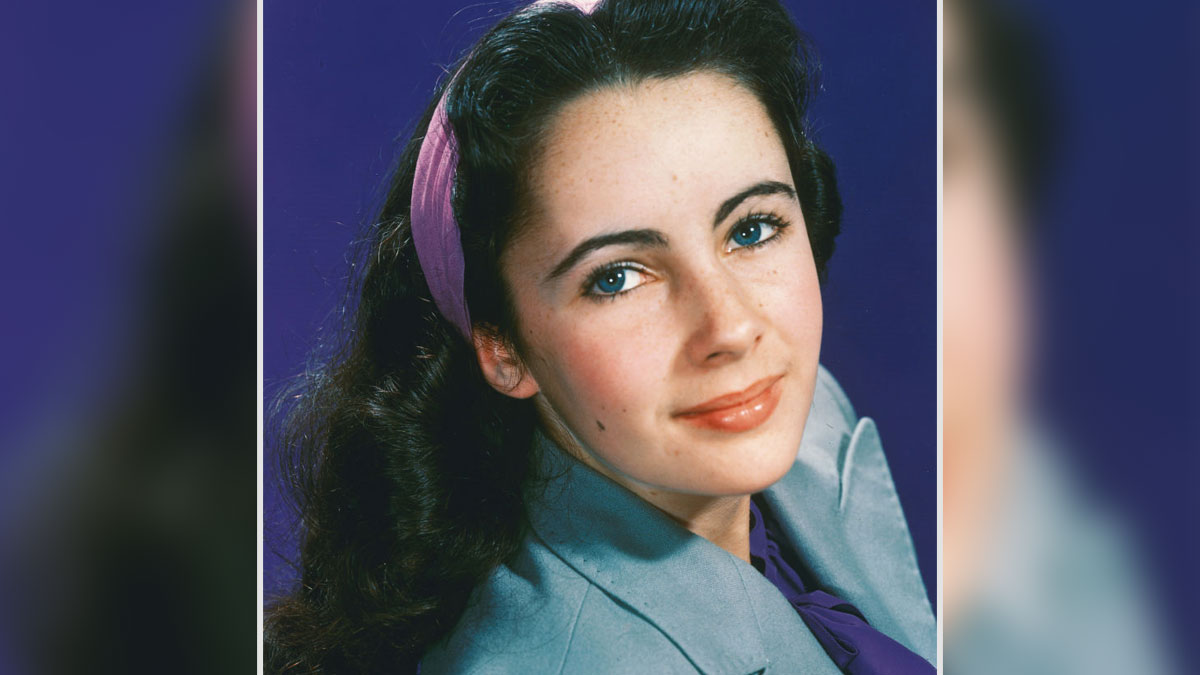
A candid reflection from the spirit of Elizabeth Taylor, who shares her journey from the blinding lights of Hollywood to the serene, transformative teachings of the Buddha in the Western Land of Ultimate Bliss.

Michael Jackson shares his journey from the pressures of global fame to the peace of the Western Pure Land, revealing the truth behind his life and his ultimate deliverance.
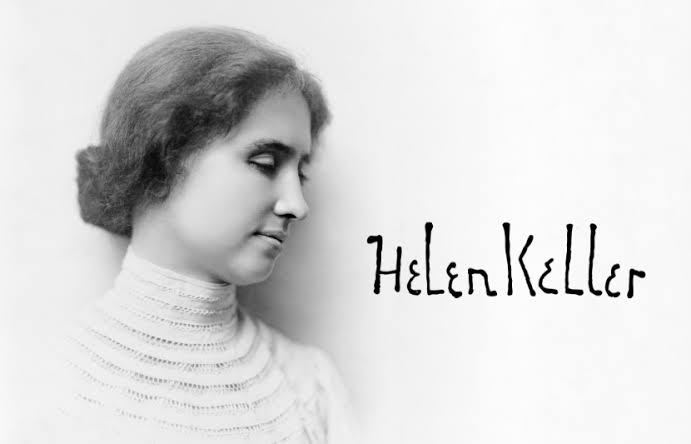
Helen Keller, the renowned deaf-blind philanthropist, shares her journey from the darkness of the ghost realm to the light of the Western Pure Land of Ultimate Bliss, guided by the compassion of Namo Amituofo and Practitioner Su.
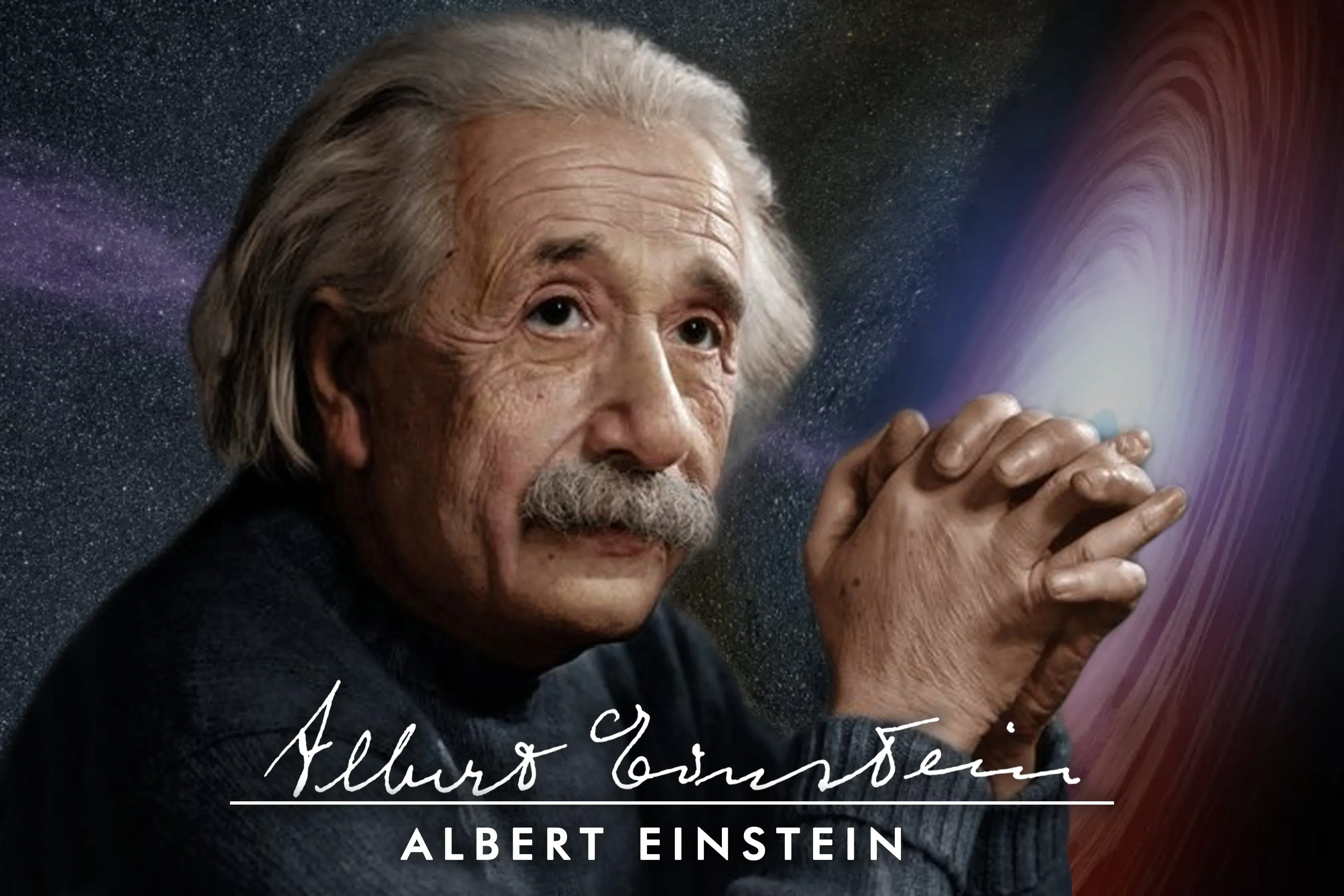
Albert Einstein, once considered the most brilliant mind in human history, reflects on his life, the nature of 'science' versus the Truth of the Dharma, and his existence in the Western Pure Land.
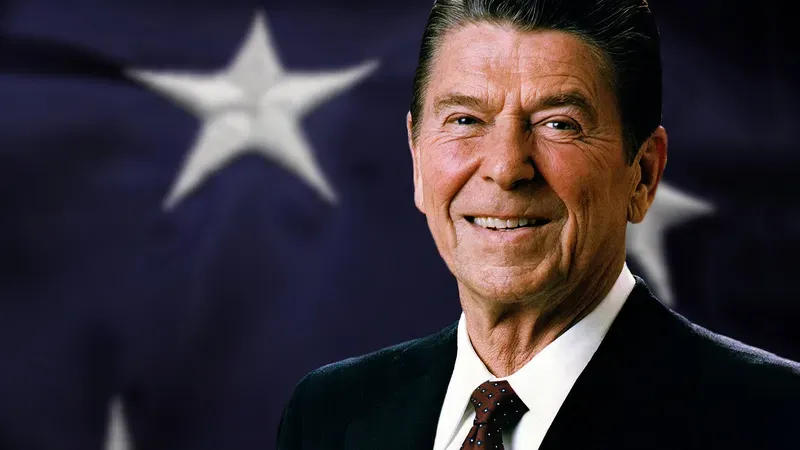
Ronald Reagan, the 40th President of the United States, reflects on his life, his political career, and his profound journey from the depths of hell to the Western Land of Ultimate Bliss through the compassion of Namo Amituofo and Practitioner Su.
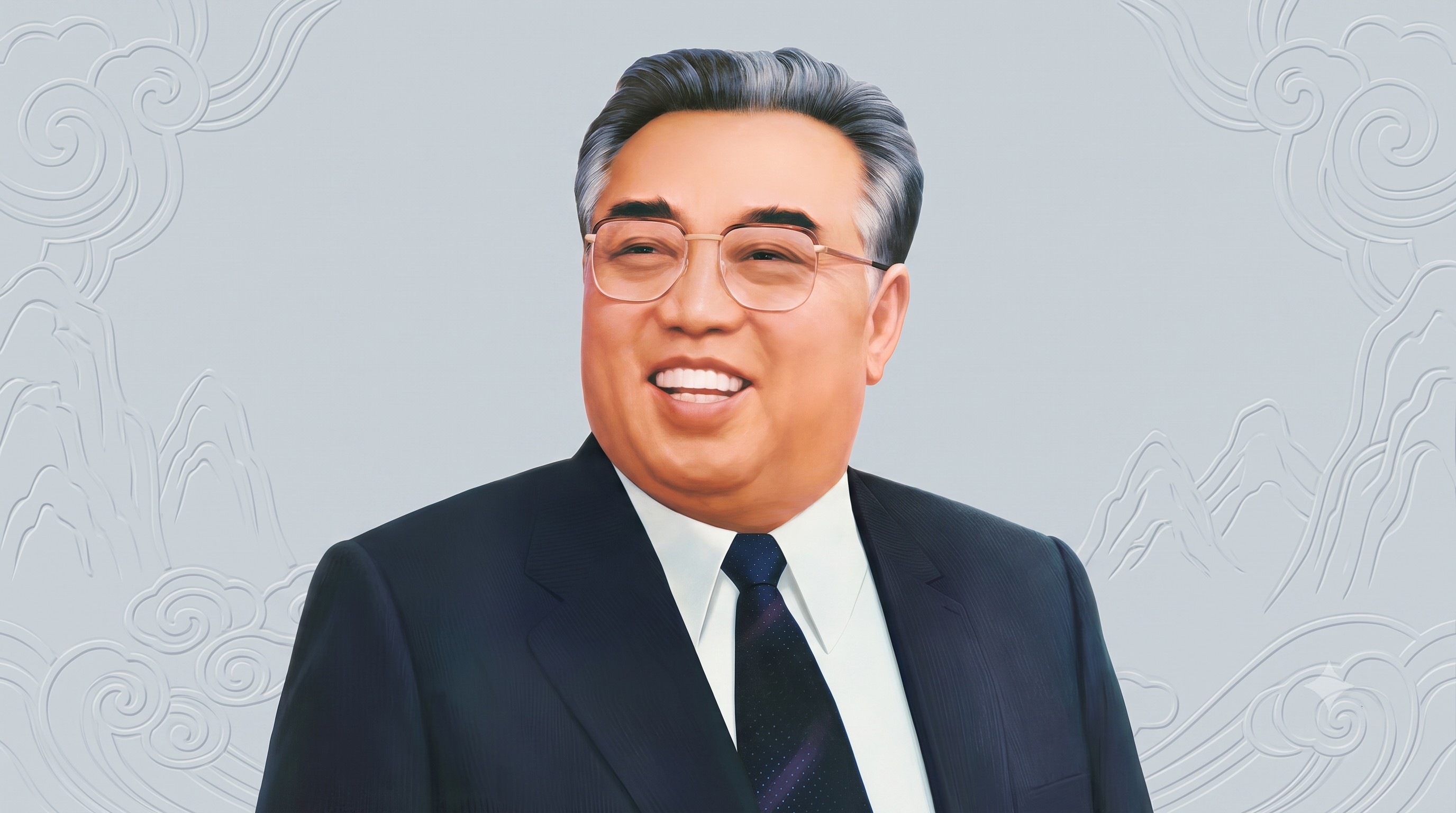
This is a record of an interview with Kim Il Sung, the founder and former leader of North Korea, who sought deliverance 32 years ago. He now resides in the Western Land of Ultimate Bliss.
Hsiang Kuang Pure Land Buddhist Centre
Contributed to Pure Land Buddhism knowledge library