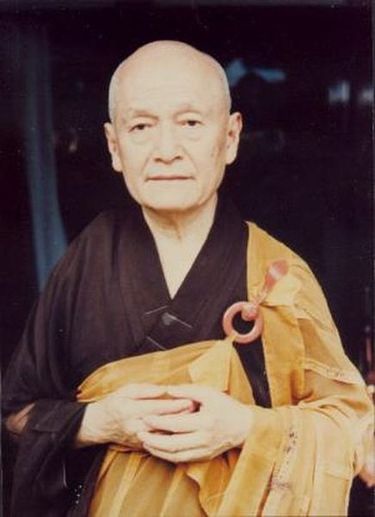
An Interview with the Late Venerable Chan Yun of Lian Yin Temple
The Lesson of the Kettle-Mender: A Reflection from the Western Pure Land
A Reflection from the Western Pure Land
The Unity of Chan and Pure Land: An Interview with Master Hongren
The Precepts as the Foundation of the Dharma
The Ultimate Compassion: An Interview with Venerable Master Guang Qin
Record of Interviews with Deceased Modern Chinese Celebrities (Preface)
Interview with Xi Zhongxun (Former Vice Premier of the State Council of China, Father of Chinese President Xi Jinping)
Precious Interview Data from Chinese Elites Released on the Global Internet
Seeing the Peril of China, They Descend to Save the World
A pure heart, a new hope
This interview was recorded on August 3, 2017, at the Hsiang Kuang Buddhist Centre. Venerable HaiZe, a monastic of the centre, respectfully invited the late Venerable Chan Yun to share his wisdom and experiences regarding his lifelong practice, his devotion to the Western Pure Land, and his insights into the challenges faced by modern practitioners.
Venerable Chan Yun speaks:
"(Performs ten prostrations) I respectfully invite Venerable Chan Yun to accept this interview.
It is finally my turn!
My apologies! I have kept you waiting for a long time, Venerable Master.
I am grateful to and Practitioner Su for giving me this opportunity to save those in the human world and the beings in other dimensions who share a karmic connection with me. I shall speak without reservation.
Indeed. Thank you to Namo Amituofo and Practitioner Su. Please proceed, Venerable Master."
"The reason I have the opportunity to connect with the Hsiang Kuang Pure Land Buddhist Centre is because the Buddha image that Practitioner Su prostrates before is the very image of Namo Amituofo—part of the Western Trinity—that I painted while kneeling on the ground. At that time, I painted Namo Amituofo, Avalokiteshvara , and Mahasthamaprapta Bodhisattva. I only began to paint after fasting and repenting with the utmost sincerity. I did this because I had witnessed the magnificent and dignified scenery of the Western Pure Land, and I was so moved and filled with repentance that I could not contain myself for a long time. I knelt before Namo Amituofo and made a vow: upon my return, I would hand-paint the images of Namo Amituofo, Avalokiteshvara Bodhisattva, and Mahasthamaprapta Bodhisattva so that people in this world could see the magnificence and dignity of the Buddhas of the West. I hoped they would be transformed, make a vow to chant the Buddha-name, and seek rebirth in the Western Pure Land of Ultimate Bliss. This is the Causal Conditions behind why I painted that image.
It took me several months, nearly a year, to complete it. Along the way, I encountered obstacles; my eyes could barely see the canvas clearly, and my hands even trembled so much that I could not hold the brush. Yet, I knew in my heart that this was a test of my resolve. So, I put down the brush and prostrated before the Buddha, repenting sincerely, determined to break through and persist—I could not give up halfway. Finally, my vision gradually recovered, and my hands became much steadier. I picked up the brush again and painted the sacred images of the Western Trinity step by step. The 'Wan' symbol before the Buddha was controversial, but I remained unmoved, for that is where the Buddha's essence lies."
"Demons also possess Buddha-nature; it is just that:
A single thought of ignorance arises. The confusion churns and cannot be left behind.
Thus, they enter the demon path and become demon crowds. Yet, bits of goodness and kind thoughts remain hidden.
Flowing into the ocean of Namo Amituofo's heart, if the demon crowds wish to turn back,
The Buddha's golden arm is always lowered, leading them toward the Western path.
This is the manifestation of 'great compassion without conditions' and 'great compassion of the same substance.' In my observation, from the time the painting was created until now, only Practitioner Su can truly understand the Buddha's intent and put it into practice. It is no wonder that Practitioner Su can subdue demonic enemies and obtain the subtle ."
"I have practised for the better part of my life. I have seen all the storms and hardships of the world. I have experienced countless human conflicts and rights and wrongs, yet I have always walked my path alone, heart and mind focused. Only Namo Amituofo accompanies me; the sound of the Buddha-name never leaves my lips. Mental cultivation must be developed by oneself; no one can replace it. Within Lian Yin Temple and among the fourfold assembly, I look upon them from the Western Pure Land. If there is no sincere repentance in the heart, one cannot see the Buddha. I am a child of Namo Amituofo who has come to the West.
I spent most of my life at Lian Yin Temple, and it was there that the auspicious signs of my rebirth in the Western Pure Land appeared. Having made this journey through the human world, I have not lived in vain; I have the face to return home and see Namo Amituofo."
"From a young age, I was quick-witted and reactive. My siblings were often helpless, always a beat slower than me, but seeing my sincere and innocent smile, they could only respond with a knowing smile. After I grew up, I loved to use a brush to paint the scenes I saw and observed in my heart. Often, I could go days without saying a word, immersed in my paintings. So, some relatives and friends would ask for my paintings. At first, I was reluctant, wanting to keep them for myself, but then my thought shifted: if others like them, they will want them; if they don't like them, they wouldn't want them even if I gave them away! After thinking this way, whenever relatives or friends asked for a painting, I would happily nod and agree. Thus, painting was one of my interests during my time as a lay practitioner.
My decision to become a monastic also came after much communication and persuasion. In my daily life, I always kept a respectful distance from romantic emotions. Whenever I heard of relatives or friends struggling with emotional entanglements or marital problems, I felt that human life is short and that emotional ties are like tangled threads—impossible to clear, and one must never touch them. I knew deeply that this is the sea of in the Saha world, a major reason why people cannot control themselves and continue to cycle in samsara. Therefore, one must prevent it before it happens; one cannot let it start, or it will be difficult to resolve. This is a major obstacle to practice. So, after becoming a monastic, I held the strictly, especially the precept against lust. This is also something I often admonished my disciples about. Among my disciples and followers, I have encountered countless spiritual obstacles and afflictions brought about by the word 'emotion'—friendship, love, family, parents, children, friends—so many problems. Therefore, I often reflect and examine myself to prevent my own faults."
"Today, major Buddhist mountains have their own Buddhist colleges. Many students are protected by their home temples and cherished by lay followers, mistakenly believing that this is what practice is. They lack tempering, and their meditative concentration—their 'holding power'—is weak; whenever a situation arises, they collapse one by one. This is true for both male and female monastic communities. Especially for female monastics, emotional entanglements are deep, and once they have an object of affection, they find it difficult to extricate themselves. Therefore, I believe the best method is to keep a distance to ensure safety. One must not let it start; if one is truly careless and it does start, one must cut through it quickly like a sharp knife. Do not let your habits and personality take the lead. Being cautious at the beginning is most important. What is called 'meditative concentration,' 'persistence,' and 'decisiveness' must be deployed at this time. This can achieve twice the result with half the effort.
I have spent my life spreading the Pure Land teachings, holding the Precepts strictly, respecting spirits, and keeping away from female monastics. That is the kind of person I am. Thus, it is natural that the majority of my followers are male, though there are some female followers, mostly couples practising together. This matter has been an unsolvable problem in the human world since ancient times. Beyond the fact that a couple must face birth, aging, sickness, and death, and the separation of life and death, they are also good fellow practitioners who support each other on the Buddha's path. One must truly overcome oneself and return to propriety. Do not engage in lust, do not speak falsely. Be like a large water vat—broad-minded and capable of containing much—but no matter how large the vat, the opening is always smaller than the belly, making it prone to defects. If one fails to hold the Precepts according to the Dharma, especially young men and women, it is easy to make a mistake that leads to eternal regret. Human life is hard to obtain, the Buddha’s teachings are hard to hear, and the Pure Land is hard to encounter. If one destroys the chance of rebirth in the Western Pure Land because of a relationship, it is truly not worth it. For monastics, returning to lay life is the lowest of the low. This is what I often warned my disciples about. Therefore, when my disciples see female donors or followers, they are also very careful, not allowing their hearts to be moved, and remaining cautious in every thought and intention."
"Furthermore, regarding practice, holding the Precepts is essential. Do not be lazy for a single day. The web of karma is like silk, waiting on the side at all times. If you connect to it, it will pounce on you, often leaving monastics unable to defend themselves and suffering greatly. Practising in a temple is like a mirror reflecting the environment; seeing others' faults is like seeing one's own—be careful not to commit them. Seeing others' merits is like achieving them oneself—rejoice in them. If one has a sincere heart, rejoicing and praising others as if it were one's own , that is true practice.
In my life, I had no illness for the most part, but later my hands and feet became unstable. If I fell, the injury was minor, but the impact on my practice was major. Looking back now, the matter of entering other dimensions truly exists. Especially if the is not unified and cannot be gathered, that is likely entering a dimension. Entering a dimension is not to be feared; what is to be feared is not knowing it.
Entering but not being able to come out—honestly, I never thought about this. Upon reaching the Western Pure Land, I often heard Practitioner Su—or perhaps it is more appropriate to call her Buddha Su—frequently speak of 'entering dimensions.' Looking back at the past, it was indeed so. At the time, I did not know, could not confront it, and could only shout to stop them or use a staff to strike, so that my disciples could wake up. I did not expect that if one did not overcome this point, it would be a major obstacle to rebirth. Fortunately, I was always cautious and careful; if my consciousness was slightly distorted, I would meditate or chant the Buddha-name aloud. Until my later years when my hands and feet needed support, I now know that it was the manifestation of spiritual obstacles on my body. One can invite the beings to leave, resolve the conflict, or send them to the . This method is truly brilliant. It can not only resolve the entanglements between but also send the beings away—truly 'peaches and plums everywhere.' Everyone knows there is a Chung Tai Chan Monastery in Puli and a Dharma Drum Mountain in Jinshan, but they are not clear that there is a Western Pure Land, and the teaching master is Namo Amituofo."
"It is a tragedy of the Dharma lineage, but fortunately, you are still here. You are the children of Namo Amituofo; your actions and deeds must all align with the Buddha-heart and the Buddha-vow, and then you can be with the Buddha forever. Practitioner Su is always by the side of her children, like a loving mother carefully protecting them, fearing that even the slightest mistake will cause the and wisdom-life of her children to be entangled, failing Namo Amituofo. That is why she is so cautious. I hope the children can achieve success early and work together to save more beings to be reborn in the Western Pure Land. After all, the affinities are different, and the connections are different.
I have had many followers and monastics come and go in my life. I dare not say I could make everyone filled with Dharma joy, but I could make those who hold the Precepts and practise the Buddha’s teachings develop faith and respect. This is my greatest achievement in this life. After all, modern people are afraid of holding the Precepts because they fear that if they break them, they will receive retribution. They do not know that the Precepts are the best weapon and constraint to protect the practitioner from making mistakes. Those who truly hold the Precepts will emit the fragrance of discipline, just as Practitioner Su always emits the fragrance of virtue. This is the best proof that a practitioner is practising effectively.
At the end of my life, the careful care of my disciples made this life sufficient for me! In fact, three months before my rebirth, I already knew the time was coming, but I remained calm. After all, the physical body is just a play; there is a time for the curtain to close. It is enough! Those who understand will know at a glance. Those who do not will let it be. After all, having made this trip, what should have been said has been said, and what should have been performed has been performed. On that day, I followed the Buddha home! Returning to the compassionate seat of Namo Amituofo, listening to the sutras and hearing the Dharma before the Buddha, and travelling to various places—there is nothing more carefree than that!
There is one thing that occasionally floats into my mind: I spent my life spreading the Pure Land teachings and demonstrated the rebirth in the Western Pure Land, but looking back, the current temples are full of followers, yet how many can truly be reborn? It is worrying! Everyone underestimates the power of beings. Often, there is no trouble in daily life, but at the moment of rebirth, the counter-attack manifests, catching you off guard. As long as you are attached to anything in this world—a thought, a hesitation, a glance—it will cause you to lose the opportunity to be reborn in the Western Pure Land. Currently, I am writing this text through the ability of the monastics at the Hsiang Kuang Pure Land Buddhist Centre to receive messages from the West. This is a real ability, not something fabricated out of thin air. The work of leading beings to be reborn in the Western Pure Land here is not something that can be achieved in a day or two. This is why everyone is tireless in jumping and planting on this vast land. They often have unexpected harvests. How I wish there were people at Lian Yin Temple who could come here to visit me and learn! To make the spirit find the door to immortality! So that one can be reborn in the Western Pure Land of Ultimate Bliss in this very lifetime."
Written by Chan Yun himself.
Interview content recorded by the chief writer, Venerable HaiZe.
This is a record of an interview with Venerable Dixian, who sought Chao Du at the Hsiang Kuang Pure Land Buddhist Centre in Australia. He now resides in the Western Land of Ultimate Bliss. This account reflects upon his life and his journey to the Pure Land. Recorded by the chief writer, Venerable Fa Hui, on May 12, 2026.
This is a record of an interview with Zhao Puchu, who sought deliverance at the Hsiang Kuang Pure Land Buddhist Centre in Australia. He now resides in the Western Land of Ultimate Bliss. This account reflects upon his life in the 20th century. Recorded by the chief writer, Shi Fa Hui, on April 18, 2026.
Master Hongren, the Fifth Patriarch of the Chan school, shares his profound insights from the Western Pure Land on why the path of chanting Namo Amituofo is the most suitable practice for beings in this modern age.
Great Master Jianzhen, the first patriarch of the Japanese Ritsu school, reflects on his arduous journey to bring the Vinaya to Japan, the nature of Dharma affinity, and the vital importance of upholding the precepts for the continuation of the Buddha's wisdom-life.
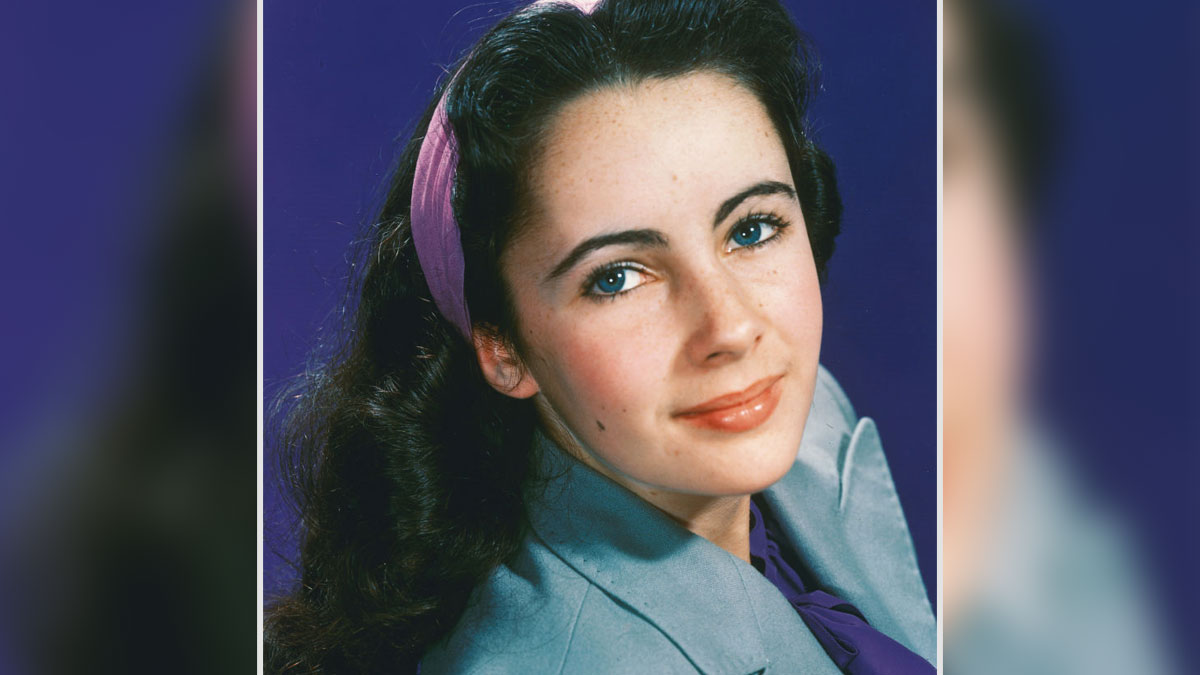
A candid reflection from the spirit of Elizabeth Taylor, who shares her journey from the blinding lights of Hollywood to the serene, transformative teachings of the Buddha in the Western Land of Ultimate Bliss.

Michael Jackson shares his journey from the pressures of global fame to the peace of the Western Pure Land, revealing the truth behind his life and his ultimate deliverance.
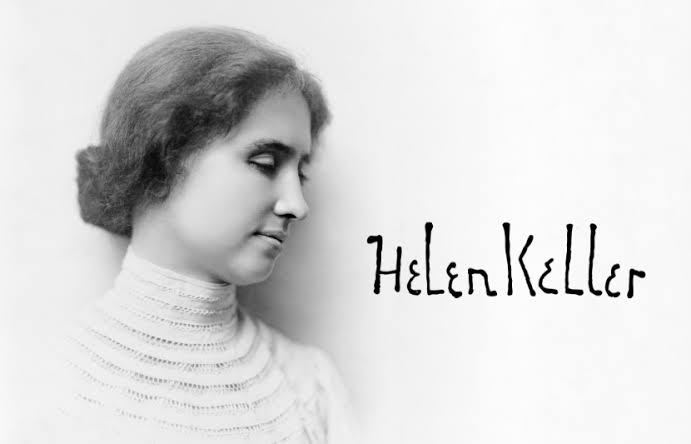
Helen Keller, the renowned deaf-blind philanthropist, shares her journey from the darkness of the ghost realm to the light of the Western Pure Land of Ultimate Bliss, guided by the compassion of Namo Amituofo and Practitioner Su.
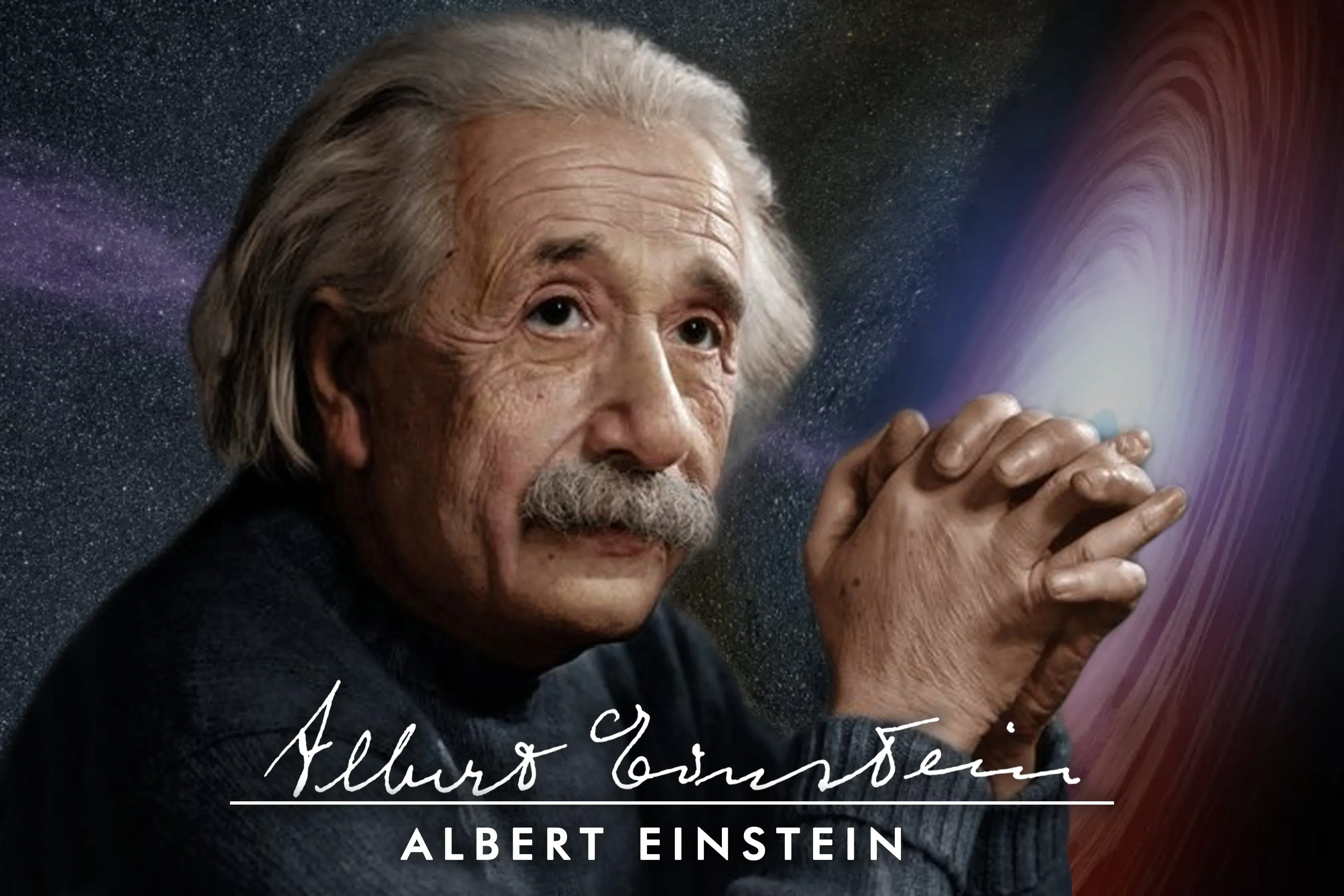
Albert Einstein, once considered the most brilliant mind in human history, reflects on his life, the nature of 'science' versus the Truth of the Dharma, and his existence in the Western Pure Land.

Ronald Reagan, the 40th President of the United States, reflects on his life, his political career, and his profound journey from the depths of hell to the Western Land of Ultimate Bliss through the compassion of Namo Amituofo and Practitioner Su.
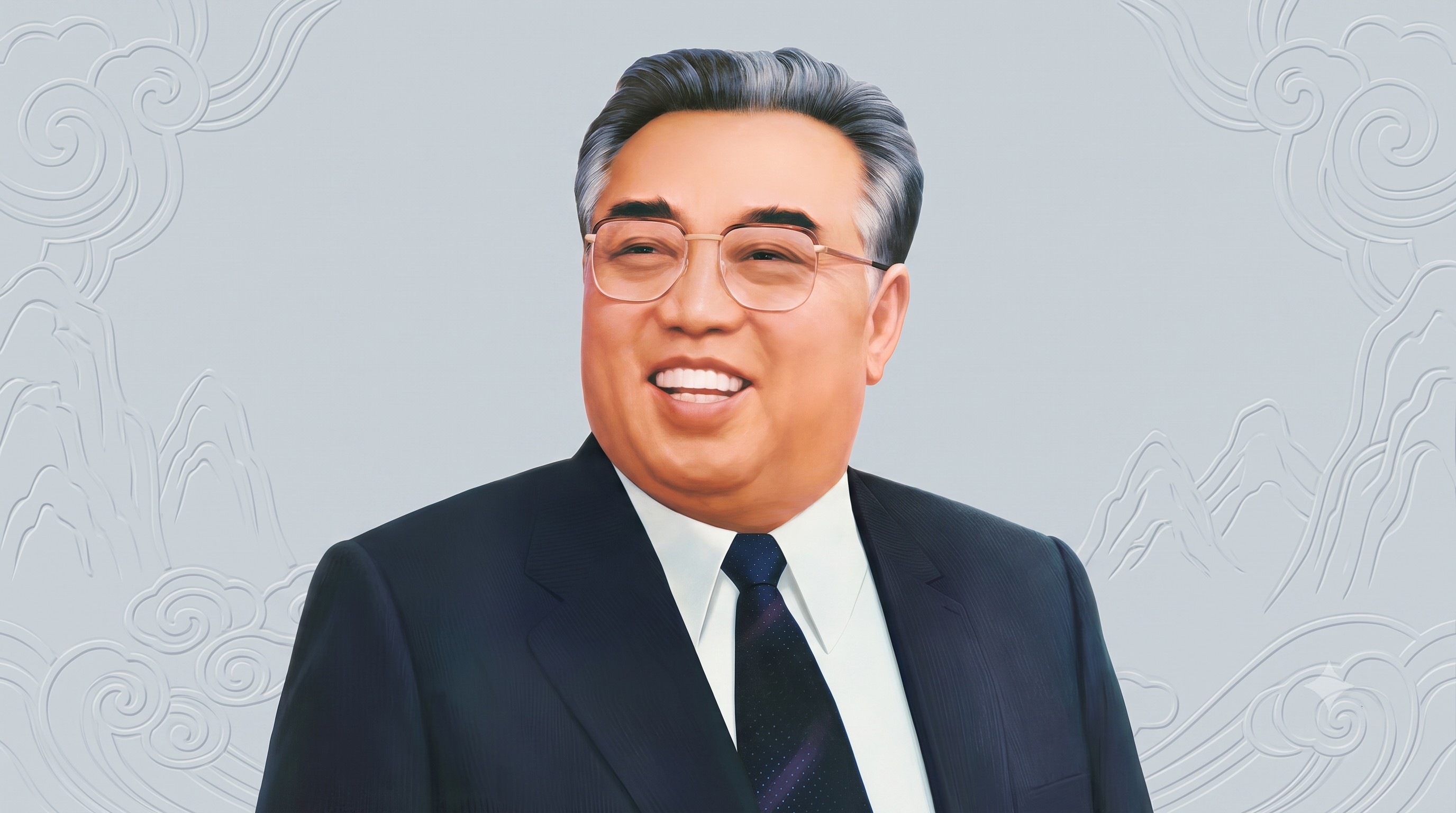
This is a record of an interview with Kim Il Sung, the founder and former leader of North Korea, who sought deliverance 32 years ago. He now resides in the Western Land of Ultimate Bliss.
Hsiang Kuang Pure Land Buddhist Centre
Contributed to Pure Land Buddhism knowledge library