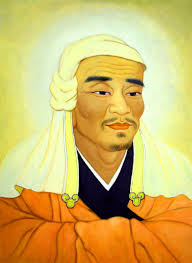
An Interview with the Spirit of Master Huineng
The Lesson of the Kettle-Mender: A Reflection from the Western Pure Land
A Reflection from the Western Pure Land
The Unity of Chan and Pure Land: An Interview with Master Hongren
The Precepts as the Foundation of the Dharma
The Ultimate Compassion: An Interview with Venerable Master Guang Qin
Do Not Cling to Bodily Sensations
Interview with Gu Fangzhou (Chinese Virologist)
No Longer Distinguishing Right from Wrong
Interview with Li Yining (The Theoretical Founder of China's Shareholding System Reform)
Interview with Li Wenrui (Expert in Integrated Chinese and Western Medicine, Master of National Medicine)
The grandparents of Master Huineng were long-time friends. Each family had only one child—the paternal grandparents had only a son, who became Huineng’s father, and the maternal grandparents had only a daughter, who became his mother. These two grew up together as childhood sweethearts, sharing a deep and affectionate bond. They often played together, rode horses, and sang songs, their hearts already intertwined. As they grew into adulthood, they followed the natural flow of Causal Conditions and were joined in marriage, becoming a couple whose love was both profound and inseparable.
For many years after their marriage, they were not blessed with a child. The mother was physically frail and frequently required the care of a physician. To earn enough to cover these medical expenses, the father worked tirelessly, often travelling far from home. The mother felt a deep sense of guilt and sorrow for her husband’s hardship, yet she felt powerless to change their circumstances. She could only help by managing the household chores and tending to a small vegetable garden, hoping to ease the financial burden on their home.
One day, the mother felt a sudden inspiration to take the vegetables she had grown to the city to sell. Knowing that her husband would surely object to her travelling alone, she waited until he had departed for work before setting out. The journey from their home to the city required passing through a dense forest. Despite the solitude, the mother felt no fear. She strapped a bamboo basket filled with fresh vegetables onto her back and began her solitary walk to the city.
At home, the mother was accustomed to a life of rest, rarely engaging in strenuous physical activity. However, as she walked with the heavy basket, her body began to release a great deal of accumulated impurities through sweat. It was as if years of stagnant energy were being purged from her system. With every step, she felt an increasing sense of rather than fatigue. Her physical strength seemed to grow, becoming more abundant and vibrant than she had ever experienced in her entire life.
Upon arriving in the city, her fresh, green vegetables were quickly sold out. Filled with joy, she prepared to return home with the earnings. On her way back, she saw a young boy sitting by the roadside, weeping bitterly. Moved by , she approached him and asked, "Child, what is the matter?" The boy replied, "My father is ill, and I have no money to pay for his treatment." He then burst into tears again. The mother, feeling deep sympathy for the boy, gave him all the money she had just earned so that he could hire a physician for his father. The boy was deeply moved by her kindness and vowed, "In my next life, I will surely repay this debt of gratitude." The mother felt a lingering sadness for the boy’s plight, as he was so young yet already burdened with the care of his father.
When the mother returned home, she sat down to rest and soon fell into a deep sleep. In her dream, she saw the boy again. He was smiling at her with such sweetness and radiance, holding two baskets of vegetables as if to offer them to her. As she reached out to take the baskets, the boy transformed into a fragrant lotus flower that began orbiting around her. Just as she was about to touch the lotus, she awoke. To her astonishment, she found a single vegetable leaf still in her hand, as if the dream had been a physical reality.
That evening, when the father returned, the mother was eager to share the incredible events of the day. However, just as she was about to speak, she remembered that she had gone to the city without his knowledge and decided to remain silent. The father noticed that his wife’s complexion was unusually rosy and that she seemed full of vitality, but he did not suspect anything unusual. From that day on, the mother’s health gradually improved, and she remained radiant and joyful.
One day, the mother felt a slight movement in her abdomen, and the physician confirmed, "You are with child!" The parents were overjoyed, eagerly awaiting the arrival of their baby. When the child was born after ten months, the sky was filled with brilliant, multi-coloured light—a miraculous sight that had never been seen before. At that moment, a monk arrived at their door to beg for alms. The father, in his joy, shared the news of his son’s birth. The monk looked at the infant, gently touched his head, and told the father: "This child has previously received the grace of the Buddha and the kindness of his mother. He has come into this life with a mission. He is destined to become a monk, using his abilities to repay this kindness and to deliver sentient beings." The monk then bestowed upon him the name "Huineng."
By the age of one, Huineng had already begun to crawl and walk, showing rapid physical development. His parents often saw him playing alone, seemingly delighted. They assumed he was simply an independent child, but in truth, Huineng was able to see celestial beings in the space around him. Often, celestial beings and other children would appear before him to play. They knew exactly what Huineng enjoyed; sometimes they would draw pictures with him in the sand, and other times they would jump in circles on the ground. They were his most cherished playmates.
When Huineng was three, he saw a group of men in black robes following his father. His father looked distressed, and Huineng pointed towards him. His mother, however, saw nothing unusual. Later that day, the father left for work and never returned. The mother received news that he had fallen into a valley and passed away. She was overcome with grief, weeping on the ground. Huineng sat beside her, watching as his father walked back, covered in wounds. Huineng pointed and called out to his father, but his mother could see nothing. The father stood at a distance, and then his figure vanished, never to be seen again.
After his father’s passing, the burden of supporting the family fell entirely upon the mother. Huineng grew up quickly. By the age of five, he began to learn how to chop and gather firewood, though the axe was heavy for his small hands. Possessing a mature character, Huineng worked hard to overcome every difficulty to ease his mother’s toil. Every day, he carried a load up the mountain. Initially, being small, he could only collect fallen branches, arranging them neatly and binding them into bundles. He would stack four or five bundles in his basket and carry them down the mountain to sell in the city.
The journey was long and arduous. At first, Huineng struggled with the weight of the load, his pace slow, and he often had to stop to catch his breath. By the time he reached the city, it was often near noon. Most people had already finished their morning meals, and few were interested in buying his wood. Furthermore, because he only gathered rotten, fallen wood from the ground, no one wanted to purchase it, and he was forced to carry it all the way back home.
Huineng gradually realised that arriving late meant he could not sell his wood, and the damp, rotten wood was undesirable. He decided to wake up earlier, rising at the very first light of dawn. He moved with great care, tiptoeing so as not to wake his mother. After a simple wash, he would set off to the mountain. He began to learn how to fell trees, striking one blow after another. It took many attempts to succeed, but through constant practice, his body became strong and robust. He began to arrive in the city much earlier, and people started to buy his wood, though he still could not sell it all. Yet, Huineng did not lose heart.
Before the dawn light appeared, while it was still dark, Huineng would mark the trees he intended to cut the previous day, tying a bright string around them to save time. Furthermore, every day upon returning home, he would sharpen his axe. A sharp axe reduced the effort required and allowed him to cut the necessary amount of wood much faster. To further train his body, Huineng began to tie a bundle of wood around his waist in addition to his basket, increasing his physical capacity and his daily income. Upon reaching the city, he stopped selling on the street and began approaching shopkeepers directly. Shops required larger quantities of wood and could purchase his entire daily supply at once. Many shopkeepers, seeing how hard the young boy worked, began to pre-order wood from him, for which Huineng was deeply grateful.
Huineng’s young skin was constantly chafed and scarred from the daily labour, and his hands became calloused. His clothes were worn and even stained with blood. To spare his mother from worry, he always carried a clean set of clothes with him, changing on the road before returning home so she would not see his injuries. His mother, however, was aware of his hardship and understood his filial heart, though she pretended not to notice. Later, Huineng discovered that his mother had secretly sewn thicker fabric into the shoulders of his clothes to reduce the friction between the wood and his skin. Huineng was moved to tears by her silent, loving care.
Beyond gathering wood, Huineng also carried water to sell in areas where it was scarce. Carrying water was even more difficult than carrying wood; the water would easily splash out, and if his body lost balance, the load would sway, making his centre of gravity unstable. To train his sense of balance, Huineng would walk on a balance beam while carrying two stones. At first, he would wobble and fall, but through repeated practice, he developed a perfect sense of balance. Walking on the beam became effortless, and his gait on level ground became steady and swift, often drawing admiration from passersby.
One day, while selling wood in the city as usual, Huineng sold his entire supply to an inn. As he sat waiting for the innkeeper to pay him, a guest sitting nearby was reading a book and reciting passages aloud. Huineng heard the words and, understanding the philosophy within them, felt a sudden awakening in his heart. He asked the guest what he was reading. The guest explained it was a passage from the Diamond Sutra. Seeing Huineng’s deep insight, the guest encouraged him to go to Huangmei to pay his respects to Master Hongren. Huineng thanked the guest for the information and, after receiving his payment from the innkeeper, departed.
Huineng had awakened and seen through the nature of the world, understanding that all phenomena are illusory. He realised that he could let go of and use this physical body to serve the masses. On his way home, he pondered how he could visit the Master and how he would arrange for his mother’s care. He struggled to find the perfect solution, but finally understood that all things follow Causal Conditions—when conditions gather, things naturally arise. He decided to go home and tell his mother everything.
Finally, observe your current state of mind. Are you rejecting this work, or are you cherishing it? Are you putting your heart into the task, or are you just doing it casually, thinking that finishing is enough? Is your heart calm, or is it restless and anxious to get it over with? If you find that your state of mind is improper, you must correct it immediately. This is the practice of that Huineng himself was cultivating. When you begin to pick and choose among the tasks assigned to you, this is when the ego manifests. You have already made discriminations, labeling tasks as things you dislike, things you do not want to do, or things that are difficult and exhausting. Under such conditions, it is difficult to complete tasks with a calm and steady heart. It is even harder to learn while doing or to grasp the subtle techniques involved, because your initial thoughts have already blocked you. It becomes difficult to see new methods or gain new insights from the work.
In reality, while working in the kitchen, Huineng was truly overwhelmed by the constant calls from every master. At first, he felt some afflictions, wondering how he could possibly fulfill all the assignments given to him by these masters one by one. Later, Huineng shifted his perspective and learned the practice of gratitude. When the first master assigned a task, Huineng began to learn from it. Then came the second and the third; each task allowed him to learn continuously while working. He was grateful to the masters for giving him such opportunities. Huineng performed every task with a heart of gratitude, acting without intention and letting thoughts arise without attachment. What remained unchanged was that throughout the process of working, he was constantly learning and learning again. For instance, the first master might ask him to wash vegetables, the second to fetch oil, the third to bring sauce and vinegar, and the fourth to add wood to the stove. When all these things happened simultaneously, Huineng had to prioritize. He would first place the vegetables in the prepared water, then gather the oil, sauce, and vinegar to deliver to the masters who needed them. He would let the dirt on the vegetable leaves float to the surface, go to the stove to add the wood, and then skim off the dirt from the water before gently washing the leaves. Through such repeated tempering, his reactions became increasingly agile, and his speed naturally increased.
The other master listened, dumbfounded, and felt immense admiration for Huineng’s work attitude. This master had originally thought he could show off his skills in the kitchen, but after making a mistake and being scolded, he developed a sense of gain and loss. Furthermore, he felt bullied by the other masters, believing they were deliberately assigning him too much work. Consequently, he complained frequently, becoming less happy day by day and growing increasingly lazy and slack. After being scolded time and again, he lost all heart for working in the kitchen. Everything he did went against his wishes, and he found the work extremely painful. Therefore, when he saw Huineng facing the same situation yet achieving a different result, he felt sincere admiration, understanding that the difference lay in the heart. The master realized that the initial state of acting without intention was the key. Everything Huineng did was done without intention; every action was natural and free of attachment, with his whole heart focused entirely on the task at hand. In contrast, he himself had wanted to perform well from the start, hoping to show his best side and expecting to receive the praise he felt he deserved. To his surprise, the result was completely unexpected. Not only did he fail to receive praise, but he was also scolded in public for messing things up. Unable to save face, he developed a sense of gain and loss and began to harbor negative thoughts and about everything. Once you grasp a single bad thought, it gradually magnifies. For example, he thought the first master was looking for trouble, so when the second master appeared and acted similarly, he naturally categorized the second master as also looking for trouble. In this way, everyone became someone who was looking for trouble. A single evil thought of being targeted expanded to include everyone. The growth and spread of such thoughts are terrifying; if one does not correct and transform them in time, they will spread and become deeply rooted.
While serving in the kitchen, Huineng rarely spoke, except to respond to the masters' instructions. He focused all his attention on every task, free from messy thoughts. When one puts heart into every movement and every detail, Wisdom gradually unfolds, and one unexpectedly realizes many truths. In the kitchen, no moment can be taken lightly. From the initial preparations—washing vegetables, starting the fire, and cooking rice—to the actual cooking, serving, and finally, the cleanup, the entire process is interconnected. Among these, the part most easily neglected or treated carelessly is the cleanup—restoring the kitchen to its original state.
Ever since Huineng entered the kitchen, the work of cleaning up gradually fell to him alone. First, he began by returning items to their proper places. All the large and small condiments used in cooking—oil, salt, sauce, vinegar—or any unused ingredients were returned to their original spots, removing the sense of clutter from the bottles and jars and bringing a sense of order. Next, he cleaned the large equipment, such as steamers, pots, and stoves, tackling the large targets first. Then, he cleaned all the cups, plates, utensils, and knives used during the cooking process—the smaller, fragmented items. Finally, he cleaned the tables, countertops, and floors, restoring everything to its original appearance. This was the simple sequence Huineng followed for cleaning up in the kitchen.
Every time he discovered a small detail, it led Huineng to a realization. For example, when cleaning a pot, the inside must be cleaned thoroughly, but the bottom of the pot is easily overlooked. When Huineng turned the pot over, he discovered layers upon layers of grease, stacked one upon another, forming a thick layer attached to the bottom. The bottom of the pot is a place that is not easily seen; it is dark and difficult to clean, making it the most prone to accumulating water stains, oil stains, or burnt residue. Sometimes a simple rinse is enough to pass, or a light scrub might be applied, but the stains remain. Accumulated time and again, they become stubborn, aged grime. The concepts of
While working in the kitchen, Huineng did not engage in conflict with others. His humble, no-self attitude quickly earned him the respect and acceptance of his fellow workers. Many would seek out Huineng to share their hearts and minds. Huineng, however, could not offer profound, complex lectures on the scriptures. Instead, he would simply draw upon the bits and pieces of daily life to contemplate the truths of existence, sharing these insights with everyone.
One of his companions once asked Huineng how he, as a minor figure serving in the kitchen, could ever compare to the masters in the lecture hall. Was it possible that he would never reach Awakening? Upon hearing this, Huineng used a steamer as a metaphor. A steamer has multiple tiers—first, second, and third. One might assume the bottom tier, being closest to the heat source, would be the first to cook. Yet, to everyone's surprise, the top tier, furthest from the heat, is often the first to be steamed through. This is because the rising heat of the steam is sufficient to cook the top layer most rapidly. Thus, who could say? Perhaps those serving in the kitchen were the ones closest to Awakening! Upon hearing this, his companion was filled with joy, as if his life were suddenly brimming with hope. However, Huineng clearly told his companion that Awakening is not something one can simply demand or seek; it must arise spontaneously when the mind is pure, empty, and the true self is suddenly revealed.
One day, while in the kitchen, Huineng overheard whispers among the group regarding the transmission of the robe and bowl: The Abbot was advanced in age, and all the masters in the temple had long been waiting for the transmission. Yet, the Abbot had remained silent. The masters would look at one another, constantly guessing when the transmission would occur and who would be the recipient. To win the favor of the Abbot, every one of them was meticulously respectful. In the Abbot's presence, they would strive to display their talents, citing scriptures and demonstrating the richness of their learning. Yet, the Abbot remained unmoved, leaving everyone baffled. Hearing this, Huineng felt a deep sense of sorrow; the masters were secretly competing and vying with one another just to obtain the robe and bowl.
Some time later, news spread through the temple that Shenxiu, the Abbot's lead disciple, had composed a brilliant verse. Once the verse appeared, everyone scrambled to see it. Shenxiu's usual display of supreme intelligence, combined with his skill in delivering talks from the high seat, left many feeling they could never compare. They speculated that he would be the next disciple to inherit the robe and bowl. Consequently, one group of masters would often shower Shenxiu with praise, hoping to gain some benefit once he became the successor. However, the subtle air of arrogance Shenxiu displayed made it difficult for another group of brothers to accept him, and complaints were often heard behind his back, frequently echoing within the kitchen. After reading Shenxiu's verse, the Abbot merely smiled and nodded without offering any commentary, leaving everyone to speculate while waiting for the Abbot to announce the transmission.
Several days passed, and the temple remained quiet; the commotion regarding the transmission seemed to have subsided. A young monk asked Huineng if he had seen Shenxiu's verse. Huineng replied that he was illiterate and had not gone to look or ask, so he did not know the content of the verse. The young monk was astonished that such a brilliant verse could be unknown to anyone! He immediately took Huineng to see the verse Shenxiu had written. The young monk read it aloud to Huineng: " is the tree, the heart is like a clear mirror stand. Constantly wipe it clean, do not let it gather dust." After hearing this, Huineng admired it in his heart, but he felt a different resonance within himself. He then casually recited his own verse: "Bodhi originally has no tree, the clear mirror is also not a stand. Originally there is not one thing, where can dust gather?"
The young monk, hearing the verse from Huineng's lips, felt his eyes light up and demanded that Huineng repeat it. Huineng insisted it was just a casual remark not worth mentioning and turned to leave for the kitchen. The young monk hurriedly grabbed him, alternating between commands and pleas. Huineng had no choice but to recite it again: "Bodhi originally has no tree, the clear mirror is also not a stand. Originally there is not one thing, where can dust gather?"
The young monk was ecstatic, repeating the words over and over as he walked back into the temple. He picked up paper and brush, copied it down, and held the paper high, looking at it with satisfaction again and again. Just then, the Abbot happened to pass by. Seeing the young monk staring at a piece of paper with a beaming smile, he asked, "What are you looking at?" Seeing the Abbot, the young monk froze for a moment before showing him the verse. The Abbot studied the verse with a grave expression and asked, "Who wrote this?" Seeing the Abbot's serious demeanor, the young monk nervously replied, "It was... Huineng from the kitchen." The Abbot tucked the paper into his sleeve and admonished the young monk: "You are forbidden from showing this verse to anyone else. This matter ends here. If anyone else finds out, I will hold you responsible." Terrified by the Abbot's stern expression, the young monk nodded repeatedly, promising never to mention the verse again. The Abbot nodded and walked away. The young monk, completely baffled, told Huineng what had happened. Huineng responded with a smile, not taking it to heart.
A few days later, Huineng was pounding rice outside the kitchen when someone suddenly tapped him on the shoulder. Turning around, he saw the Abbot and paid his respects. The Abbot nodded and asked, "How are things in the kitchen?" Huineng replied, "I have adapted well, and the work has become quite natural to me." The Abbot said, "Very good! I have observed that your movements are agile, your reactions are sharp, and you possess great perseverance." Huineng calmly responded, "I dare not claim such things; I am still lacking." At this moment, the Abbot took the paper from his sleeve and told Huineng, "I have seen the verse you composed. It is truly wonderful! But you have not yet fully realised your true self. Can you explain further?" Huineng replied, "How unexpected that the true self is originally pure; how unexpected that the true self is originally neither born nor destroyed; how unexpected that the true self is originally complete; how unexpected that the true self is originally unmoving; how unexpected that the true self can give rise to all Dharma." The Abbot solemnly told Huineng, "The robe and bowl will be transmitted to you. Meet me here tomorrow at the third watch of the night." Before Huineng could even process the reason, the Abbot had already departed.
The next morning, Huineng arrived early to wait, and the Abbot appeared right on time. The Abbot gave Huineng teachings and made him understand that accepting the robe and bowl carried the heavy responsibility of inheriting the Dharma lineage. However, given the current atmosphere in the temple, it was not appropriate for Huineng to reveal himself. He had to leave this place to avoid trouble; when the time was right, it would be the moment for Huineng to emerge and propagate the Dharma. Huineng expressed his understanding and, for the sake of continuing the Dharma lineage, was willing to shoulder this burden. Huineng bowed three times to the Abbot, bid him farewell, and hurriedly packed his belongings to leave the temple with the robe and bowl.
Huineng quickened his pace, heading into the mountains, thinking he was safe and sound. Unexpectedly, someone caught up with him. Before Huineng could hide, the man had already apprehended him. This man was a disciple under the master's lineage, asking Huineng why he had taken the robe and bowl and demanding he hand them over. Huineng took the robe and bowl from his pack, placed them on a large rock nearby, and told the senior brother: "The reason I accepted this robe and bowl is not out of greed for fame or profit, but because I sincerely wish to propagate the Buddha's teachings. I am truly not the most outstanding person, but I am willing to do my best to shoulder this responsibility. If you feel I am inadequate, you are a more suitable candidate. I am willing to yield; the robe and bowl are right here, and you may take them." The senior brother was shocked by Huineng's actions, and in his heart, he understood that Huineng's words were entirely sincere. His initially hostile expression gradually softened, and he left only one sentence: "Go!" before departing rapidly.
Huineng knew that others would surely be in pursuit, so he had to find a way to escape quickly. He soon reached the shoreline and boarded a boat to depart. He settled in a remote area where he encountered many natural wonders he had never seen before. As he walked and observed, he suddenly heard a loud noise in the distance. Huineng went to investigate and discovered a group of people living there who appeared to be indigenous! Most of their skin was exposed. Just as Huineng was about to observe a little longer, his foot slipped, making a sound. "Who is there?" The group immediately focused their attention on the area where Huineng was hiding, approaching step by step. Knowing he could no longer hide, Huineng bravely stood up and walked toward them. The group was initially hostile, but Huineng let them know he carried no weapons and explained why he was there. The people were simple and pure-hearted; they quickly empathized with Huineng's situation and even insisted he settle there, promising to protect his safety. Huineng was filled with gratitude and vowed to do his utmost to repay their kindness.
From then on, Huineng began to adapt to life on the small island. He observed that they were a group of hunters who lived by hunting, paying little attention to appearance or the details of life, and possessing bold, cheerful temperaments. Huineng first lived with them in a house covered with large palm leaves and simple tree roots. However, the nights were exceptionally cold; sometimes rain would seep through, and at other times, the cold wind would blow straight through. Although the group was strong and robust, they still could not withstand the onslaught of heavy rain. Huineng, with his agile skills, began to chop and split wood, hammering and building until he gradually constructed a sturdy and complete wooden house. The group was full of admiration for Huineng's skill in felling and working with timber.
In the past, the group would roast their prey directly to eat, but Huineng was a vegetarian and could not join them in eating meat. Thus, he would forage for wild vegetables and collect many stones of various sizes to fashion simple utensils, cooking up one delicious dish after another. However, the group was accustomed to eating meat, and every dish required meat to be included. Huineng cooked for them, while he himself ate only the vegetarian portions, picking out the vegetables to eat simply. The group would feast with great joy, praising Huineng's culinary skills. Eventually, Huineng took on the responsibility of cooking all three meals for the group.
Huineng felt deep compassion for the beings who were captured, killed, and cooked. If any of the animals brought back by the hunters still had a breath of life in them, Huineng would secretly release them. If they were severely injured, he would place them in a safe location and tend to them with meticulous care. If they ultimately succumbed to their wounds, he would bury them, doing his utmost to spare them the suffering of being cooked. The hunters had long sensed that something was amiss and began to observe Huineng in secret. One day, while Huineng was once again performing these acts of mercy, he was caught red-handed by the hunters, who demanded to know why he acted in such a way. Huineng had no choice but to speak the truth, explaining that he could not bear to see beings suffer. He took the opportunity to share the Buddha’s teachings with the hunters, and they finally understood the depth of his compassionate heart. In the days that followed, the hunters reduced the frequency of their hunts. For the prey that was still brought back, Huineng would provide teachings to each one, hoping that these beings could eliminate their hatred, escape the destiny of the animal realm, and be reborn in a better place.
Huineng lived among the group of hunters for nearly fifteen years. To him, the practice of the Buddha’s teachings does not necessarily require one to be within the walls of a temple. For Huineng, as long as the Buddha resides in one's heart, every place one goes becomes a temple. He cultivated his character and nurtured his spirit through Meditation (Concentration) while in motion. Although he did not have access to grand sutras or treatises, he elevated his Wisdom (Prajna) through the small, everyday details of life. Huineng felt that the time had come to begin spreading Dharma. He bid farewell to the hunters who had been his companions for so many years and set off alone, carrying the mission of spreading Dharma. As Huineng walked through the mountains, he felt that the flowers and grasses all possessed a spirit. He could faintly hear the voices of these spirits conversing, and it seemed as though they were guiding him in the direction he should walk. After several days, Huineng arrived before a temple. He heard two monks engaged in a heated debate. Just as the two reached a stalemate, Huineng offered a clever answer that left them both shaken to their cores. They realised that this was truly a person of great Wisdom (Prajna) who had pierced through their confusion with a single sentence.
The master of these two monks, Yinzong, saw that Huineng was a person who possessed Prajna wisdom and was truly an awakened being. He observed that in every movement—whether walking, standing, sitting, or lying down—Huineng remained in a state of Meditation (Concentration). His skills were profound, and Yinzong clearly foreseen that this might be Huineng, the successor of the Fifth Patriarch. Calculating that the time for him to begin spreading Dharma had arrived, Yinzong could not help but inquire about his background. When Huineng revealed his identity, Yinzong was filled with astonishment and joy. Yinzong chose an auspicious day to perform the tonsure for Huineng, and later, he even took refuge in Huineng as his teacher, becoming one of his disciples.
Huineng spread the Buddha’s teachings far and wide, promoting the Chan school until it reached its most flourishing period. At that time, he and Shenxiu each led their own schools in the North and South. Huineng held no intention of conflict; it was simply that their understandings of the Chan Dharma differed. Huineng dedicated the remainder of his life to transmitting the Dharma, with tens of thousands of disciples under his guidance. He passed away at the age of over seventy. Several months prior, he had clearly foreseen the time of his departure. His disciples were filled with sorrow and could not bear to let him go, but Huineng remained unmoved. Day after day, he continued to teach his disciples to ensure the continuation of the Dharma lineage. He rebuked his disciples for their grief, reminding them that clinging to the dust of the world was merely a form of greed. He taught them that the body is an illusion and that the spirit is neither born nor destroyed. The world is empty and illusory; one should not be attached to it or seek after it. The disciples humbly accepted his teachings, and on the day Huineng passed away, they knelt on the ground to bid him a respectful farewell. Huineng left behind a room filled with a lingering, pure fragrance as he returned to the West with the Buddha.
In truth, Huineng’s independent character from a young age and his excellent ability to adapt to his environment allowed him to integrate into the lives of the people very quickly. The tranquility and seclusion of the small island naturally aided in the purification of Huineng’s body, mind, and spirit. The unfolding of nature and the laws of survival often allowed Huineng to naturally realise many profound truths. Although his words were simple, they were incredibly thorough and clear, concise yet full of meaning. At times, when the group gathered together, Huineng would share the truths he had contemplated from his daily life, much like giving lectures. Cleverly, the group grew to love listening to Huineng’s sharing and would always offer him their responses. With the positive encouragement of the group, Huineng became even more confident in himself. Although he was illiterate, he was able to realise the truths of life in his own unique way.
This message was recorded by the Buddha’s disciple, Shi Fajing, as the chief writer.
This is a record of an interview with Venerable Dixian, who sought Chao Du at the Hsiang Kuang Pure Land Buddhist Centre in Australia. He now resides in the Western Land of Ultimate Bliss. This account reflects upon his life and his journey to the Pure Land. Recorded by the chief writer, Venerable Fa Hui, on May 12, 2026.
This is a record of an interview with Zhao Puchu, who sought deliverance at the Hsiang Kuang Pure Land Buddhist Centre in Australia. He now resides in the Western Land of Ultimate Bliss. This account reflects upon his life in the 20th century. Recorded by the chief writer, Shi Fa Hui, on April 18, 2026.
Master Hongren, the Fifth Patriarch of the Chan school, shares his profound insights from the Western Pure Land on why the path of chanting Namo Amituofo is the most suitable practice for beings in this modern age.
Great Master Jianzhen, the first patriarch of the Japanese Ritsu school, reflects on his arduous journey to bring the Vinaya to Japan, the nature of Dharma affinity, and the vital importance of upholding the precepts for the continuation of the Buddha's wisdom-life.

A candid reflection from the spirit of Elizabeth Taylor, who shares her journey from the blinding lights of Hollywood to the serene, transformative teachings of the Buddha in the Western Land of Ultimate Bliss.

Michael Jackson shares his journey from the pressures of global fame to the peace of the Western Pure Land, revealing the truth behind his life and his ultimate deliverance.
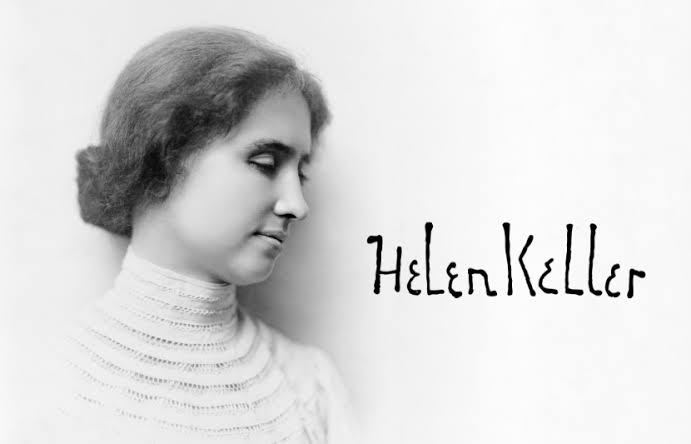
Helen Keller, the renowned deaf-blind philanthropist, shares her journey from the darkness of the ghost realm to the light of the Western Pure Land of Ultimate Bliss, guided by the compassion of Namo Amituofo and Practitioner Su.

Albert Einstein, once considered the most brilliant mind in human history, reflects on his life, the nature of 'science' versus the Truth of the Dharma, and his existence in the Western Pure Land.

Ronald Reagan, the 40th President of the United States, reflects on his life, his political career, and his profound journey from the depths of hell to the Western Land of Ultimate Bliss through the compassion of Namo Amituofo and Practitioner Su.
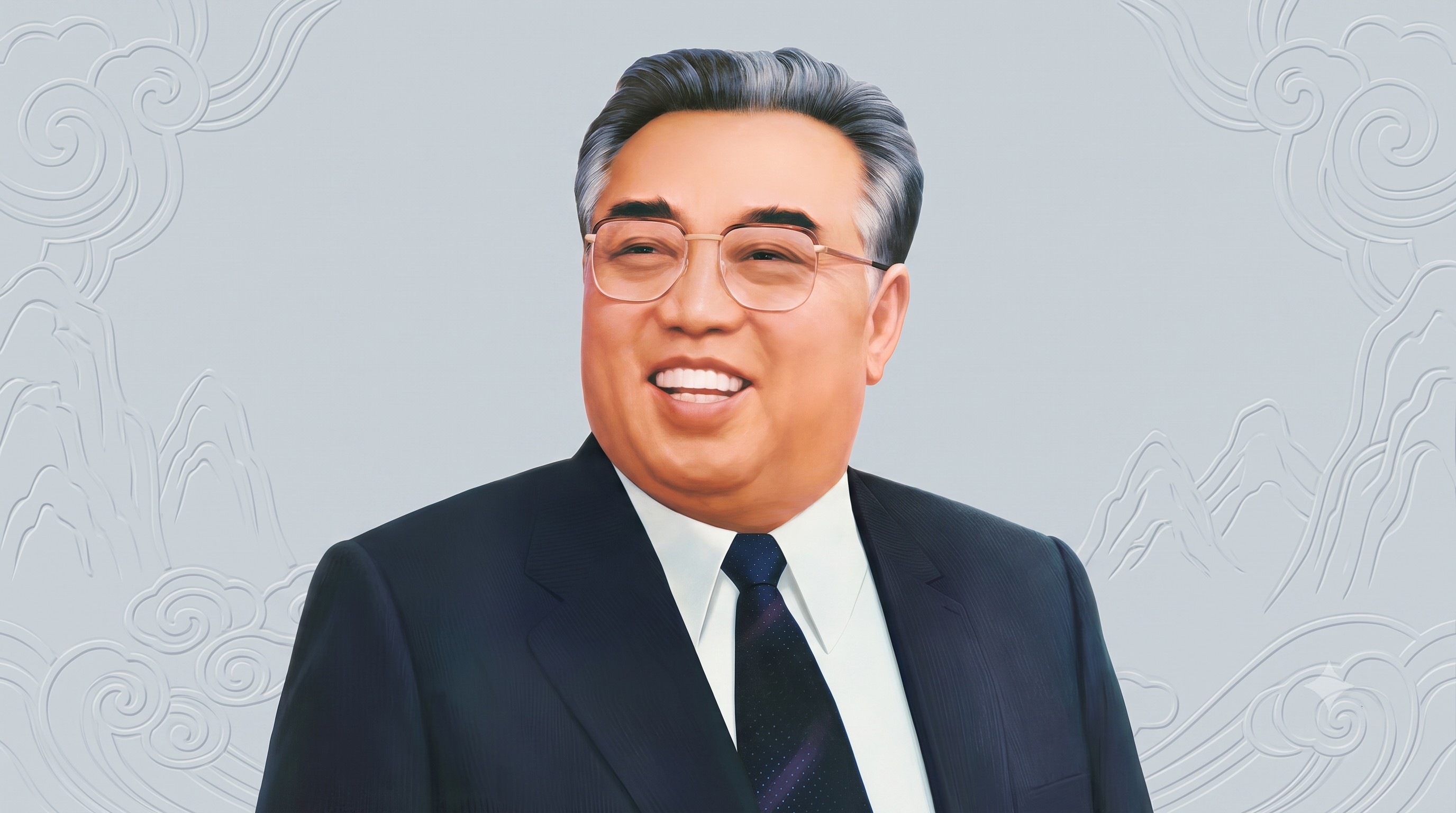
This is a record of an interview with Kim Il Sung, the founder and former leader of North Korea, who sought deliverance 32 years ago. He now resides in the Western Land of Ultimate Bliss.
Hsiang Kuang Pure Land Buddhist Centre
Contributed to Pure Land Buddhism knowledge library