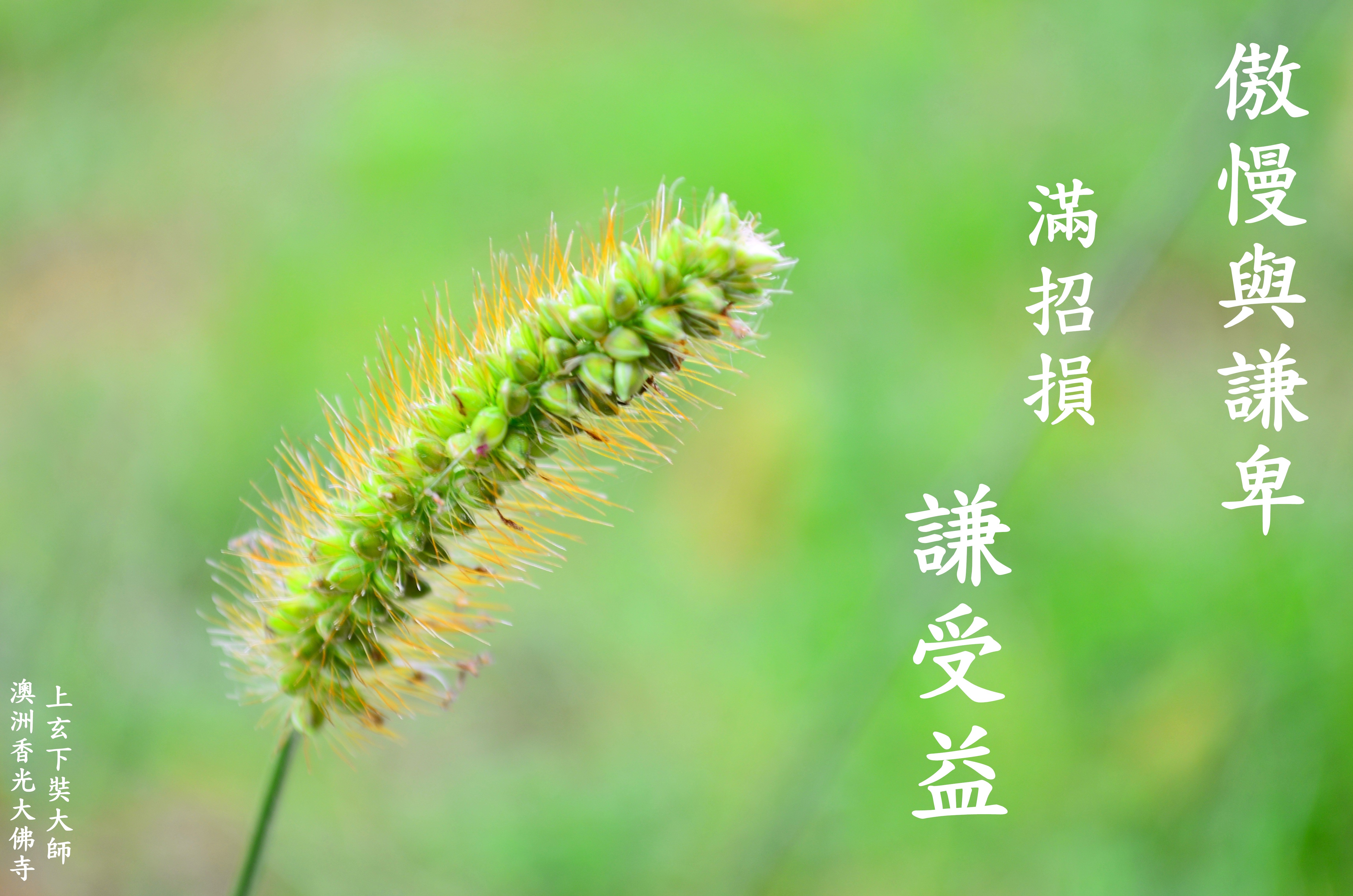
Teachings from Master Shang Xuan Xia Zang
Do Not Cling to Bodily Sensations
Interview with Gu Fangzhou (Chinese Virologist)
No Longer Distinguishing Right from Wrong
Interview with Li Yining (The Theoretical Founder of China's Shareholding System Reform)
Interview with Li Wenrui (Expert in Integrated Chinese and Western Medicine, Master of National Medicine)
The more successful and talented a person becomes, the more they must cultivate humility and modesty, ensuring they do not fall into the trap of arrogance. The more one possesses specialised knowledge and benefits the public, the more one must remain humble, avoiding the poison of pride. Furthermore, those who are virtuous, highly respected, or in positions of leadership must be especially vigilant in maintaining a humble heart. Just as a golden stalk of rice bows low when it is heavy with grain, true greatness is defined by the grace of humility, which is a quality that inspires deep admiration in others.
There is a saying that pride brings loss, while humility brings benefit. Those who are arrogant often do not realise that they are projecting an image of superiority, jealousy, and attachment to gain and loss. This is because such behaviour has become an ingrained part of their personality. In truth, what we call personality is merely the manifestation of from the cycle of reincarnated beings. When we allow these traits to dominate, we provide our with the opportunity to take control of our lives. If we fail to awaken, to remain vigilant, and to change our ways, we will inevitably face the manifestation of this negative karma, which is when true suffering begins.
What does it truly mean to be arrogant, and what does it mean to be humble? In terms of definitions, it is not difficult to understand the literal meanings. However, when it comes to changing one's personality, habits, and turning towards goodness, many people find it difficult to admit that they have such problems. When one is filled with the ego, ego-attachment, biased views, and selfishness, it is often impossible to see one's own faults without the guidance of a true spiritual friend. This blindness is also a result of one's own personality.
These terms are provided so that everyone can understand the situations being described through language familiar to the world. Whether we speak of arrogance, superiority, or humility, in reality, these states are often difficult to separate. They are a continuous stream of interconnected thoughts and behaviours. Therefore, one must possess the awareness to distinguish between them. Consider the following points to check yourself for signs of arrogance, superiority, or jealousy:
These scenarios should make us feel deeply concerned for those involved. From the moment the mind begins to fluctuate, one does not realise how much karma has already been created through Body, Speech, and Mind. For practitioners, this causes significant interference within the bodhimanda and for other sentient beings. In truth, the greatest harm is done to oneself. Every time this occurs, it is a deep wound to one's own practice and virtue. To indulge in the fleeting pleasure of a sharp tongue, only to bring about the suffering of the hells and the manifestation of spiritual obstacles later, is truly not worth it. One must deeply repent and change these ways.
For a practitioner, the six roots are pure only when there is a possibility of awakening. Unless one's meditative concentration is strong enough to stop the mind's fluctuations, any movement or intention is an obstacle to seeing one's true nature. Even good thoughts, while bringing good karma and rewards, are still a form of . If, however, one can chant Buddha's name 24/7, such that the mind is pure and filled only with the Buddha-name, one may reach a state where one chants without the thought of chanting. This pure, good state aligns with seeing one's true nature. Even if there is external movement, the heart remains unmoved. This is the attainment of concentration within movement, which does not hinder awakening. To perform all tasks without a single ripple of thought is the mark of a practitioner who has truly mastered their skills.
When there is no movement of the mind, no negative causes are created, and thus there is no suffering from negative karmic retribution. Only those who have realised their true nature can act freely within the world. Even if they use the Lion’s Roar, it is only to subdue demonic enemies, awaken beings, and resolve the conflict with karmic creditors. This subtle method is not for everyone. Therefore, all should be cautious in speech and action to avoid creating negative karma.
Practice is most valuable when it focuses on cultivating the mind. Once the mind is adjusted, external behaviour will naturally change. The intention is crucial; the same action can lead to different results depending on whether the underlying intention is good or evil. Here is how to cultivate humility:
In the state of and selflessness, one's sensitivity and awareness can manifest. Only then can one be respectful, polite, responsive, and efficient, understanding clearly what one is doing without creating negative karma. Do not be complacent or arrogant, as this easily offends others. Be humble, persistent in your diligent practice, and do not neglect small acts of goodness or commit small acts of evil.
Practise the view of oneness and equality. Do not discriminate; learn to see through and let go. Having an ego, a body, a sense of doing, a stream of thoughts, or selfishness will distance you from your true nature. The absence of these is the manifestation of your true nature. Changing your personality and habits is a vital part of learning the Buddha's teachings. No matter how others treat you, respond with respect and gratitude. A heart of gratitude is a beautiful virtue in the human world. It is this virtue that can resolve deep-seated grievances. The more your body is tested by criticism, setbacks, and misunderstandings, the more you should remain silent and calm. This is the true meaning of seeing through and letting go.
You must be able to withstand the test. If you pass, these negative situations will naturally vanish. No matter how difficult the trial, know that these are all illusory. To remain unmoved and calm is to realise the state of emptiness. Any situation can be encompassed within this emptiness, and the empty nature remains untouched. This is the manifestation of meditative concentration, Prajna wisdom, and the true reality. It is how things should be, and how they have always been. All disciples, immersing ourselves in these teachings, should know this, act accordingly, and live this way.
This message was recorded by the Buddha's disciple, Venerable HaiZe.
Great Master Xuanzang shares his profound vision for the Hsiang Kuang Pure Land Buddhist Centre, reflecting on the power of the Dharma, the mission of Practitioner Su, and the ongoing work of saving infinite suffering beings through the light of Namo Amituofo.
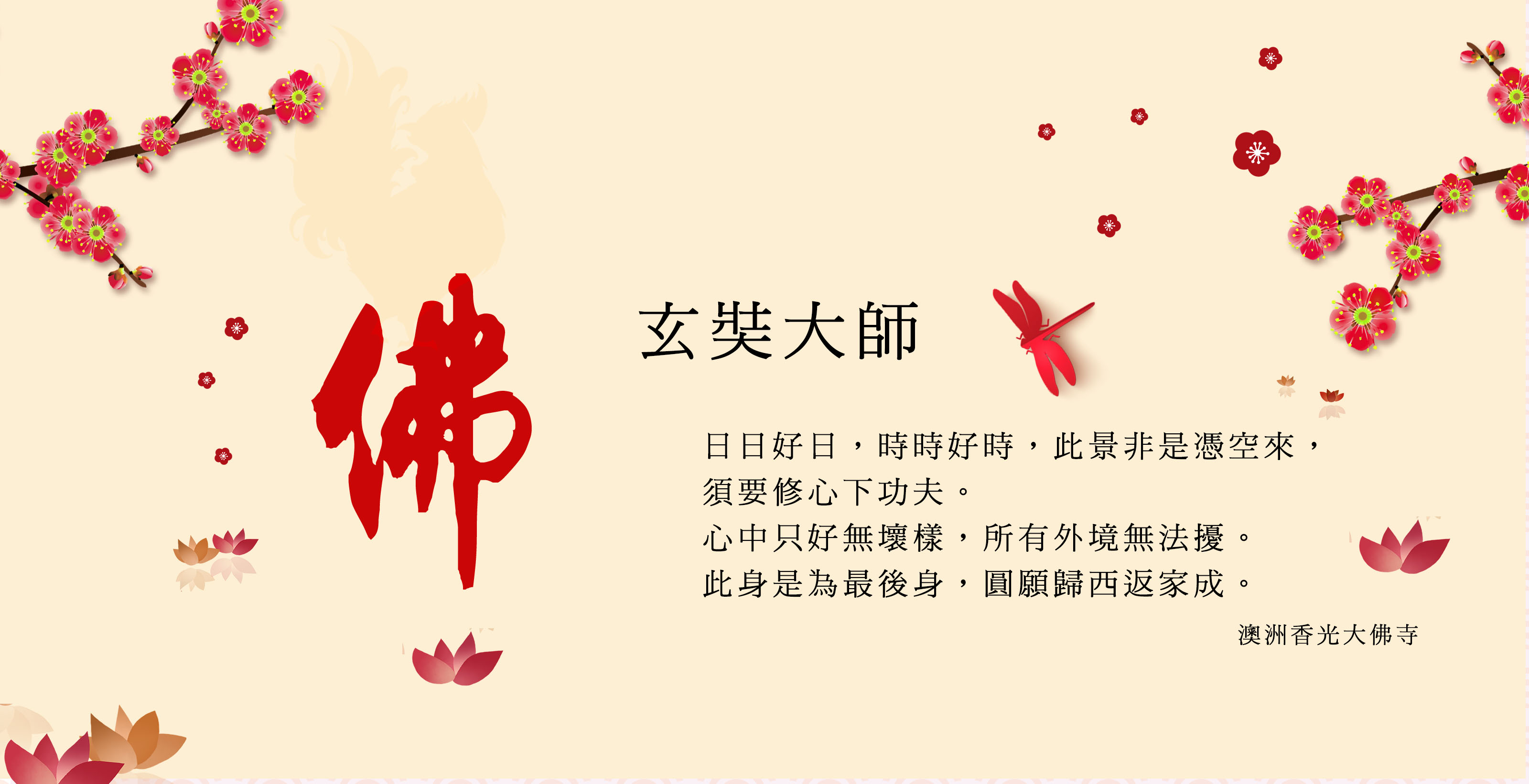
Great Master Xuanzang offers profound guidance on the occasion of the New Year, reminding us that the path to the Western Pure Land of Ultimate Bliss requires constant purification, the letting go of ego, and unwavering devotion to Namo Amituofo.
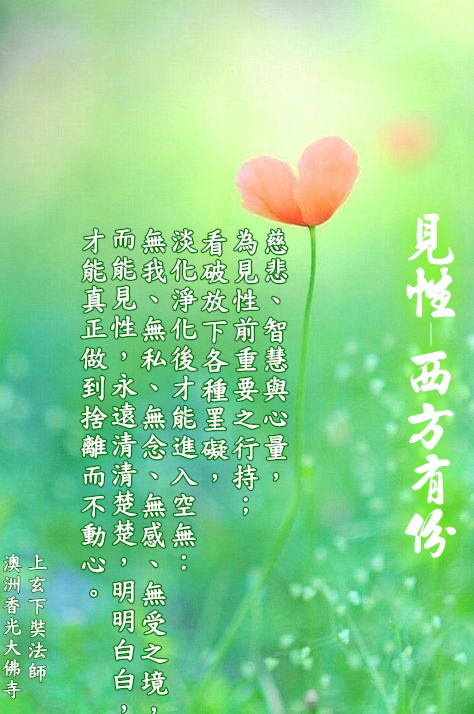
A profound exploration of how to transcend worldly attachments, purify the mind, and secure one's path to the Western Pure Land of Ultimate Bliss through Awakening and diligent practice.
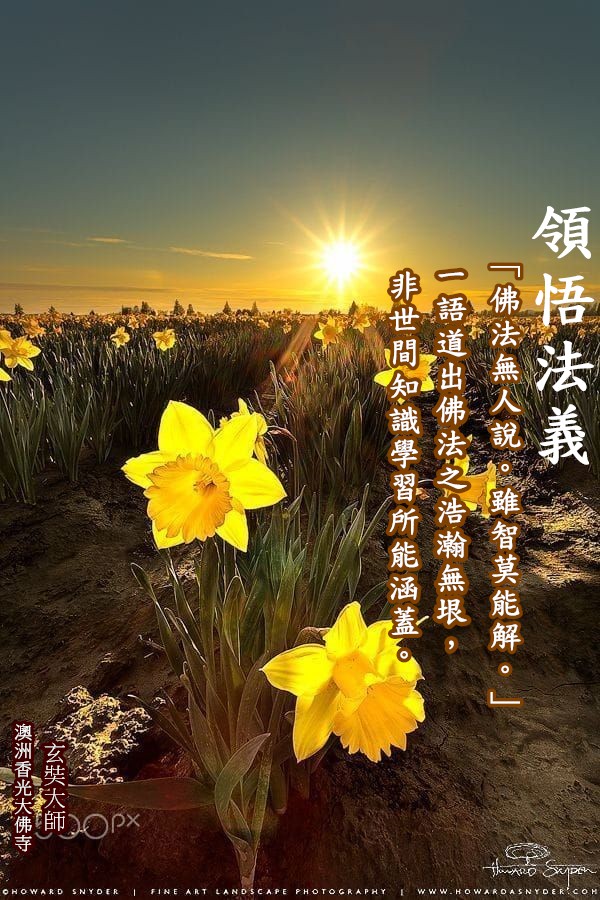
Great Master Xuanzang explains that the Dharma is vast and boundless, transcending worldly knowledge. To truly realise the profound meaning of the Dharma, one must move beyond attachment to words and names, cultivate a pure heart, and engage in diligent practice to attain Awakening.

A candid reflection from the spirit of Elizabeth Taylor, who shares her journey from the blinding lights of Hollywood to the serene, transformative teachings of the Buddha in the Western Land of Ultimate Bliss.

Michael Jackson shares his journey from the pressures of global fame to the peace of the Western Pure Land, revealing the truth behind his life and his ultimate deliverance.
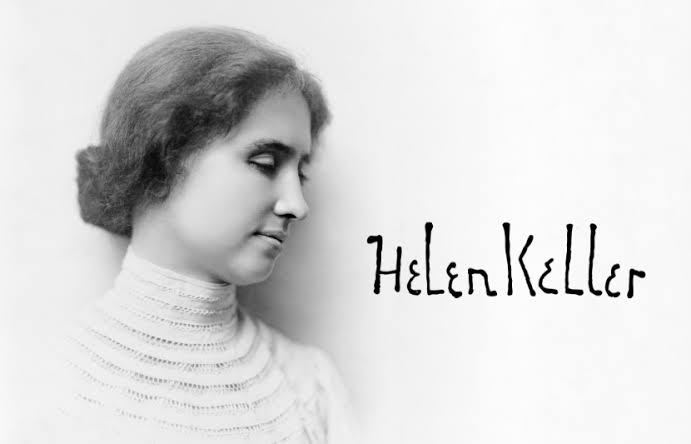
Helen Keller, the renowned deaf-blind philanthropist, shares her journey from the darkness of the ghost realm to the light of the Western Pure Land of Ultimate Bliss, guided by the compassion of Namo Amituofo and Practitioner Su.
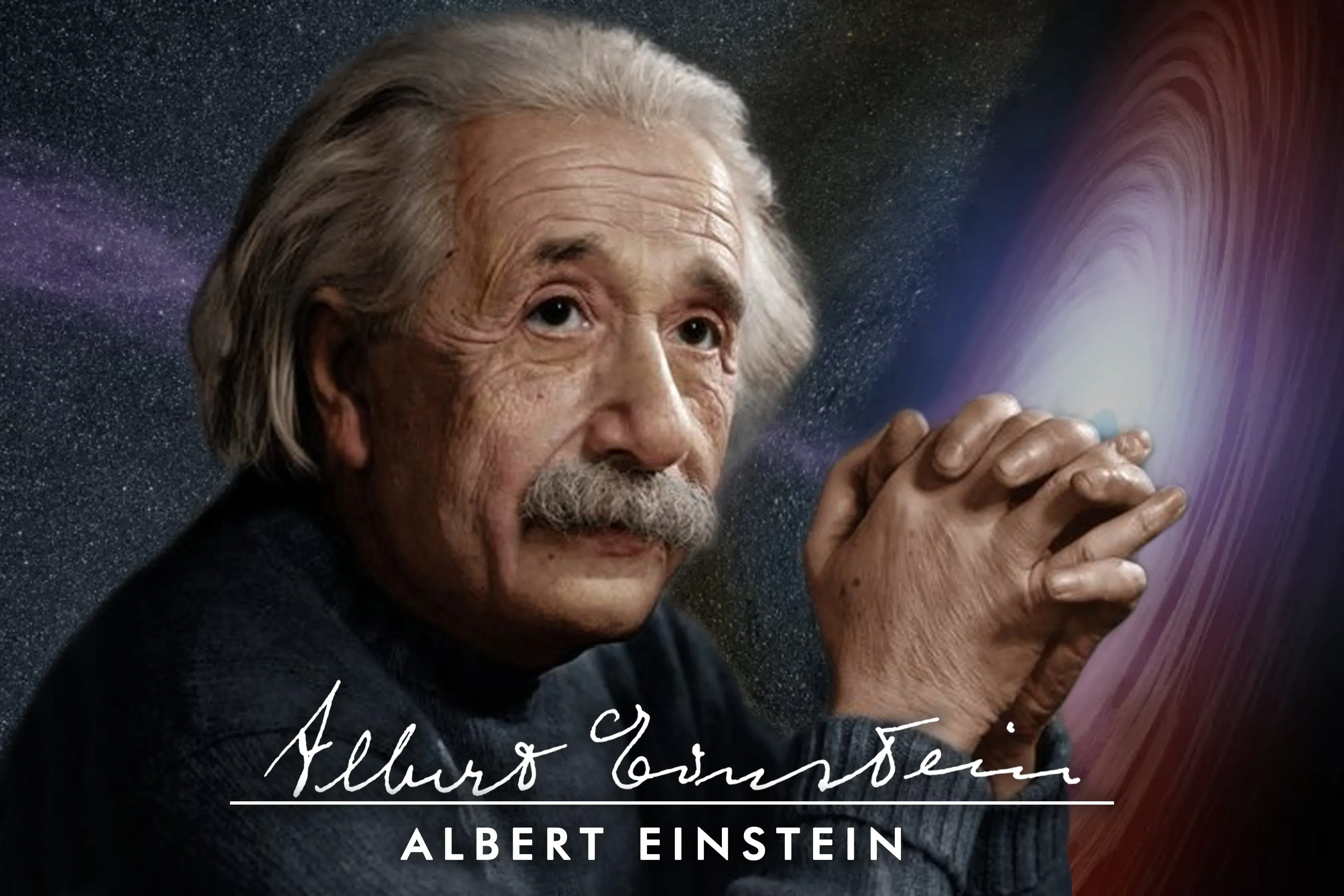
Albert Einstein, once considered the most brilliant mind in human history, reflects on his life, the nature of 'science' versus the Truth of the Dharma, and his existence in the Western Pure Land.

Ronald Reagan, the 40th President of the United States, reflects on his life, his political career, and his profound journey from the depths of hell to the Western Land of Ultimate Bliss through the compassion of Namo Amituofo and Practitioner Su.
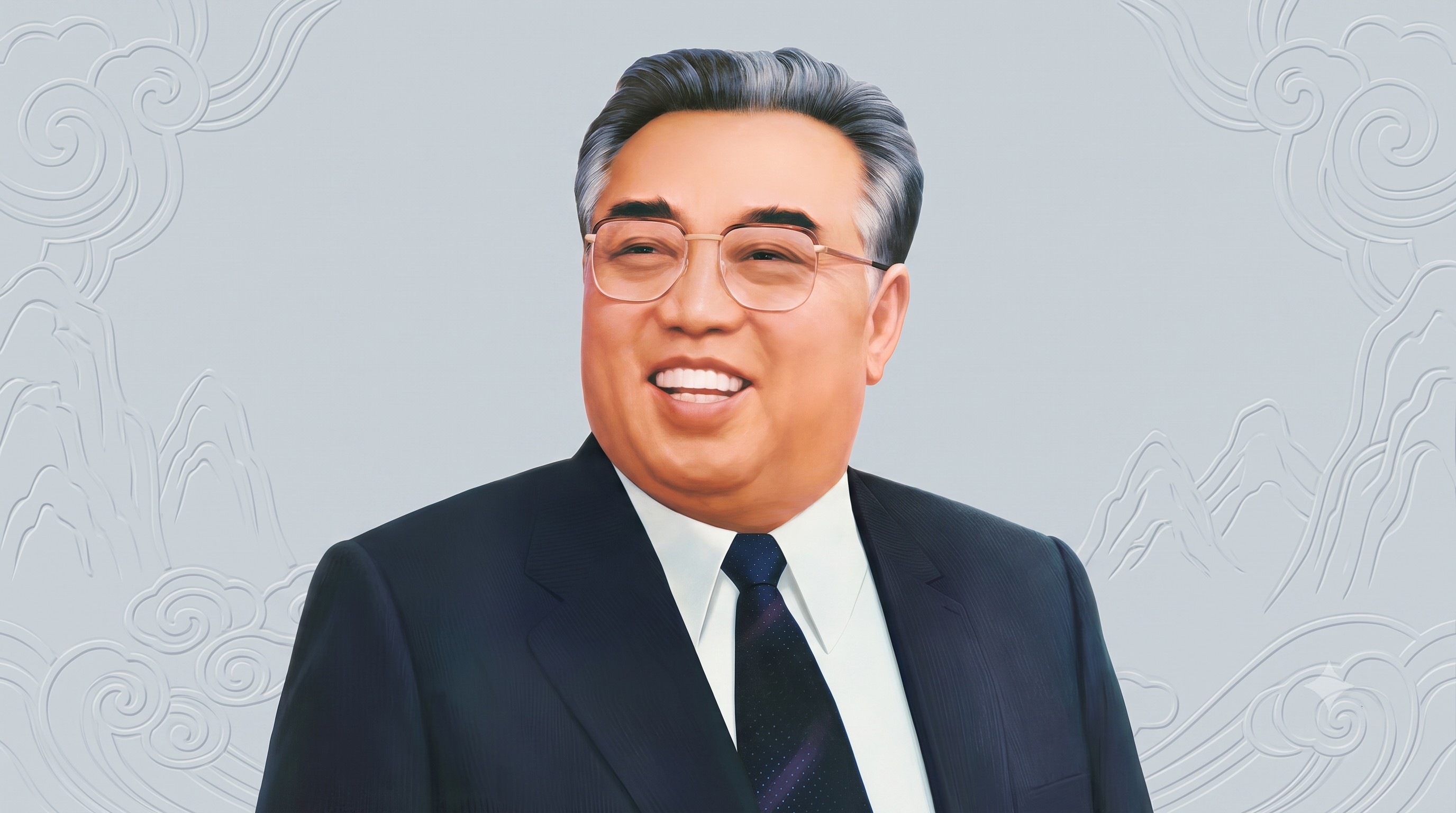
This is a record of an interview with Kim Il Sung, the founder and former leader of North Korea, who sought deliverance 32 years ago. He now resides in the Western Land of Ultimate Bliss.
Hsiang Kuang Pure Land Buddhist Centre
Contributed to Pure Land Buddhism knowledge library