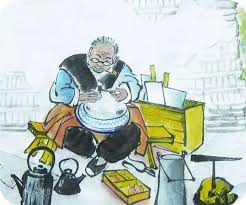
An Interview with the Disciple of Venerable Master Dihian
The Lesson of the Kettle-Mender: A Reflection from the Western Pure Land
A Reflection from the Western Pure Land
The Unity of Chan and Pure Land: An Interview with Master Hongren
The Precepts as the Foundation of the Dharma
The Ultimate Compassion: An Interview with Venerable Master Guang Qin
Do Not Cling to Bodily Sensations
Interview with Gu Fangzhou (Chinese Virologist)
No Longer Distinguishing Right from Wrong
Interview with Li Yining (The Theoretical Founder of China's Shareholding System Reform)
Interview with Li Wenrui (Expert in Integrated Chinese and Western Medicine, Master of National Medicine)
This is a record of an interview with the spirit known as the 'Pot-Mender,' a disciple of the renowned Venerable Master Dihian. He sought deliverance at the Hsiang Kuang Buddhist Centre in Australia. This account reflects upon his life and his journey to the Western Pure Land. Recorded by the disciple Fa Xi on August 18, 2017.
The Pot-Mender speaks:
". I am a simple, rough man, my hands forever stained with iron filings and grime. My life was never easy; I was born to toil, a person who, in the language of the Buddha’s teachings, lacked worldly . I lived in extreme poverty, yet my heart was incredibly wealthy. I felt a deep sense of contentment, and that is why I yearned to leave the home life and become a monk. And eventually, I did."
"I was one of ten siblings. We were not all fortunate enough to survive; some passed away in infancy, while others were given away to be raised by strangers. My sisters, once they grew older, were sent away as child brides. Our family simply could not support so many mouths—we were desperately poor. My parents tried to give me away several times, but every time they attempted it, the conditions were never right. It wasn't that they couldn't bear to part with me; it was simply that the causal conditions never aligned. After several failed attempts, my father finally sighed and said, 'Very well, let him stay.'
I was the fifth child. More children followed, and life became even harder. We worked at back-breaking labour during the day and retired early at night to save on lamp oil. In the darkness, we could see nothing, so we just slept. It was a brutal time to be alive. My parents had no way to provide for us, and one by one, my siblings were sent away. Only my eldest brother, Wu Chuan, and I—Wu Wang, as I was called—remained. Our family had been pot-menders for generations. Repairing a pot didn't take long, but it was tedious work that left us covered in iron dust. We only earned a few cents per job, and we were lucky to get one or two customers a day. It was a trade no one else wanted, yet it was how we survived."
"My eldest brother was wise and refused to accept such a life. He left home early to seek a better future so he could eventually support our parents. I lacked his ambition; I was just an honest, illiterate boy. I followed my father everywhere, learning the trade. People called us the 'Pot-Menders.' Even before I was ten, I would tag along to help—though, in truth, I mostly just played around. I was quite popular, and my cheerful nature often brought in customers for my parents. When money was scarce, our neighbours would help by giving us their leftover food. We would throw everything into a pot to make a watery porridge, seasoned with a single grain of salt. That was our feast. Often, it wasn't even good—just discarded vegetable stalks or withered leaves. When there was nothing else, we drank the water from the rice-washing, boiled until it was hot. People today might not understand, but that was our life.
Years passed, and we heard nothing from my eldest brother. I inherited my father's trade and became the Pot-Mender. I had a good relationship with our neighbours. Even when my father was still alive, I would run around playing. Despite being covered in grime, I had many friends. In the marketplace, everyone knew the 'Little Pot-Mender.' Because I was likeable and had a sweet tongue, people often gave me treats. I would always thank them, tuck the food into my tunic, and run home.
The person who gave me food most often was the mother of Venerable Master Dihian. Her family was quite wealthy at the time. I played with the young Dihian often, and his mother was very kind to me. She would give me a whole bag of vegetables and rice, and fearing I couldn't carry it, she would send a servant to walk me home. I was deeply grateful. In my eyes, she was as compassionate as Avalokiteshvara . Dihian and I were very close, though he was brilliant and I was quite slow. He was wealthy, and I was poor. People often mocked our friendship, but I didn't care. I cherished that connection. He would later become the great Venerable Master Dihian, and it was under his guidance that I eventually left the home life to practise the Buddha’s teachings."
"I shaved my head under the guidance of Venerable Dihian and became a monk, receiving the name Shi Chengrun. From that day on, I chanted the Buddha-name without sleep or rest, with the utmost sincerity. I chanted while circling the Great Buddha; I chanted while lying down to calm my heart; I chanted while sitting. I thought of nothing else, for there was nothing else worth thinking about. I was chanting Namo Amituofo every single moment. My needs were few, and the old woman, with her great , provided for me most thoroughly. I chanted continuously, and I do not know how many days passed. Then, I saw the Great Buddha smiling with such compassion, accompanied by a soft, golden light. I remembered the words of my Master and believed with all my heart that this was the Western Pure Land. I stood there, gazing intently at this light, trusting in the Western Land. I chanted with total sincerity, for chanting was all I knew. My heart was completely free of obstacles. The light told me that in a few days, it would come to receive me and bring me to the place I longed for—the Western Pure Land."
"I believed it. I told the old woman that after tomorrow, she would no longer need to bring me food. I expressed my deepest gratitude for her Compassion, , and Selfless Giving in supporting me all these days. I went out once more to settle all my affairs, including the arrangements for my passing. I had nothing left in this world, not even this body. I had even set aside the small amount of money needed for my cremation—it was not much, but it was enough to burn this broken vessel. I continued to chant Namo Amituofo. When I returned to the ruined temple after finishing these tasks, the old woman had still brought me a delicious meal. I did not want to disappoint her kindness, but I told her again that tomorrow, it would truly be unnecessary. I was ready. The surprise on her face was natural, but I simply smiled and went back to chanting."
"The next day, the old woman came from her home with food as usual, but I was no longer in the ruined temple. She called out to me for a long time, but when she found me, I did not respond. I was standing before the Buddha, smiling with the joy of the Dharma, my palms pressed together, looking slightly upward toward the Buddha. She realised that I had stopped breathing. Overjoyed, she notified everyone, and someone even ran to the temple to inform my Master. Venerable Dihian rushed over upon hearing the news. No one dared to move my body before the Master arrived. Everyone who saw it was filled with wonder. It was three days after the event when the Master finally arrived. When he saw me, he was overjoyed, praising me as a manifestation of Amitabha Buddha. He declared that the abbots and eminent monks of all the mountains were not my equal, praising me for finally achieving the ultimate goal. Even after three days, this broken body had not decayed; instead, it emitted a delicate fragrance. When they moved my physical body, they felt that it was still warm, without a hint of coldness. In my palms, they found the small amount of money I had left for my cremation. Everyone was filled with the joy of the Dharma to witness such an inconceivable miracle. I, too, was filled with joy, for I had reached the Western Pure Land."
"My life was that of a useless, poor man. Everyone looked down on me, and I had no ability to help others. I had only a heart full of sincerity. This Buddha-name is truly inconceivable. After I became a monk, I never spoke to anyone; I simply chanted, never stopping, every single phrase imbued with my full sincerity. In truth, I had long since realised my true nature. Under the Buddha's blessings, I was able to understand the scriptures. In my past life, I was indeed an eminent monk; I came in this lifetime to demonstrate the Dharma through suffering. Life is filled with bitter suffering, but as long as one chants with sincerity, even if one has nothing, one can still freely be reborn in the Western Pure Land. My life was truly not without suffering, but my heart was very content. In every small thing, I held an infinite sense of gratitude. I never clung to anything, for I firmly believed that I could take nothing with me. Perhaps my story will bring confidence to your own practice of the Buddha’s teachings, for I am a foolish human being. I do not possess the cleverness or Wisdom of others. You should see these things and grow in confidence, for you are all more capable than I am. Namo Amituofo."
"I am the Pot-Mender, the monk Shi Chengrun, bowing in gratitude for the grace of Amitabha Buddha, the grace of my parents, and the gift of Wisdom-life from my teacher, Venerable Dihian."
"Written by the Foolish One. The interview was recorded and written by the chief writer, Shi Fa."
This is a record of an interview with Venerable Dixian, who sought Chao Du at the Hsiang Kuang Pure Land Buddhist Centre in Australia. He now resides in the Western Land of Ultimate Bliss. This account reflects upon his life and his journey to the Pure Land. Recorded by the chief writer, Venerable Fa Hui, on May 12, 2026.
This is a record of an interview with Zhao Puchu, who sought deliverance at the Hsiang Kuang Pure Land Buddhist Centre in Australia. He now resides in the Western Land of Ultimate Bliss. This account reflects upon his life in the 20th century. Recorded by the chief writer, Shi Fa Hui, on April 18, 2026.
Master Hongren, the Fifth Patriarch of the Chan school, shares his profound insights from the Western Pure Land on why the path of chanting Namo Amituofo is the most suitable practice for beings in this modern age.
Great Master Jianzhen, the first patriarch of the Japanese Ritsu school, reflects on his arduous journey to bring the Vinaya to Japan, the nature of Dharma affinity, and the vital importance of upholding the precepts for the continuation of the Buddha's wisdom-life.
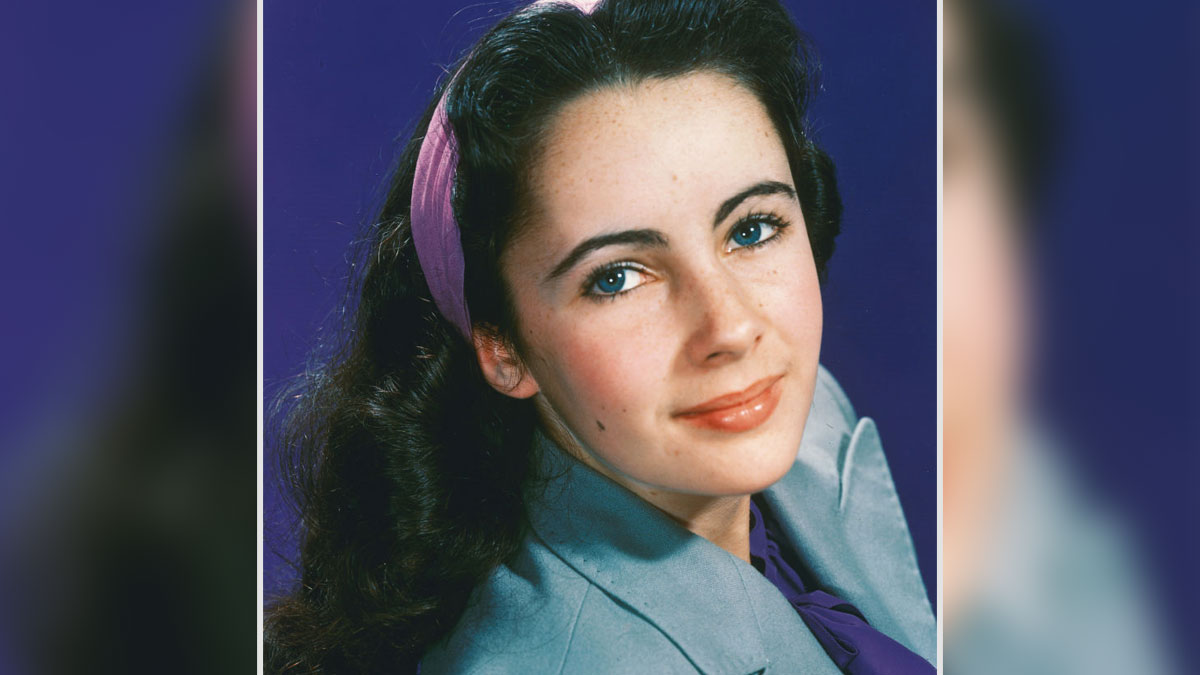
A candid reflection from the spirit of Elizabeth Taylor, who shares her journey from the blinding lights of Hollywood to the serene, transformative teachings of the Buddha in the Western Land of Ultimate Bliss.
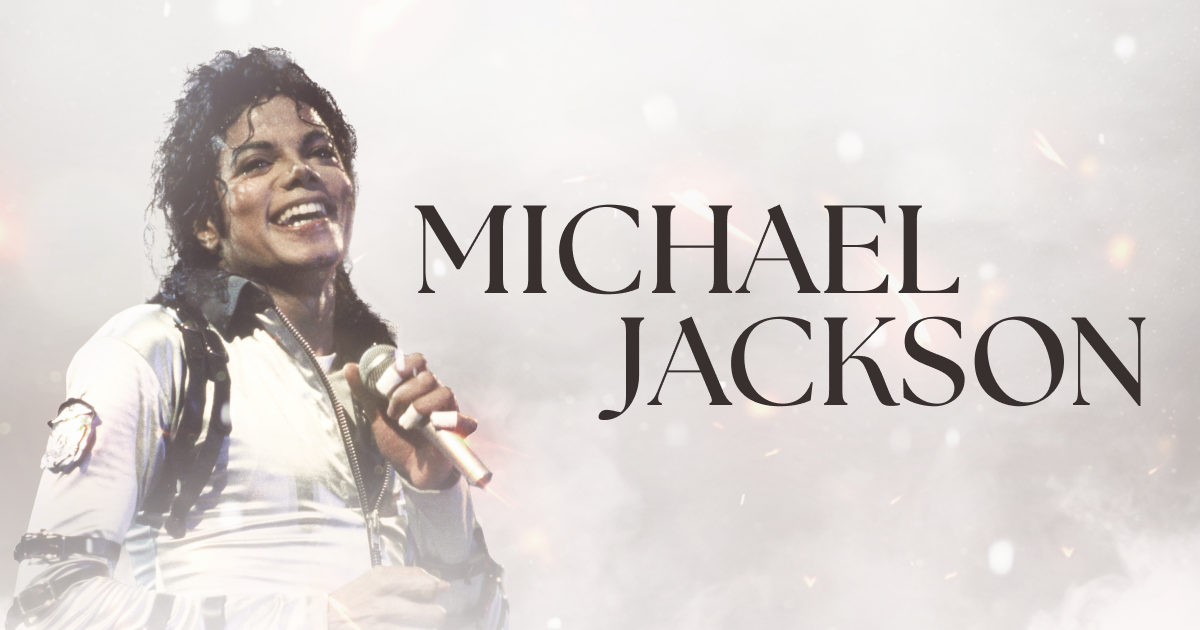
Michael Jackson shares his journey from the pressures of global fame to the peace of the Western Pure Land, revealing the truth behind his life and his ultimate deliverance.
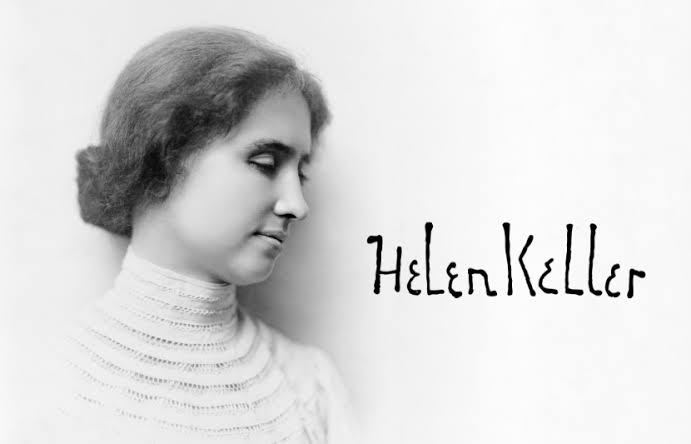
Helen Keller, the renowned deaf-blind philanthropist, shares her journey from the darkness of the ghost realm to the light of the Western Pure Land of Ultimate Bliss, guided by the compassion of Namo Amituofo and Practitioner Su.

Albert Einstein, once considered the most brilliant mind in human history, reflects on his life, the nature of 'science' versus the Truth of the Dharma, and his existence in the Western Pure Land.

Ronald Reagan, the 40th President of the United States, reflects on his life, his political career, and his profound journey from the depths of hell to the Western Land of Ultimate Bliss through the compassion of Namo Amituofo and Practitioner Su.
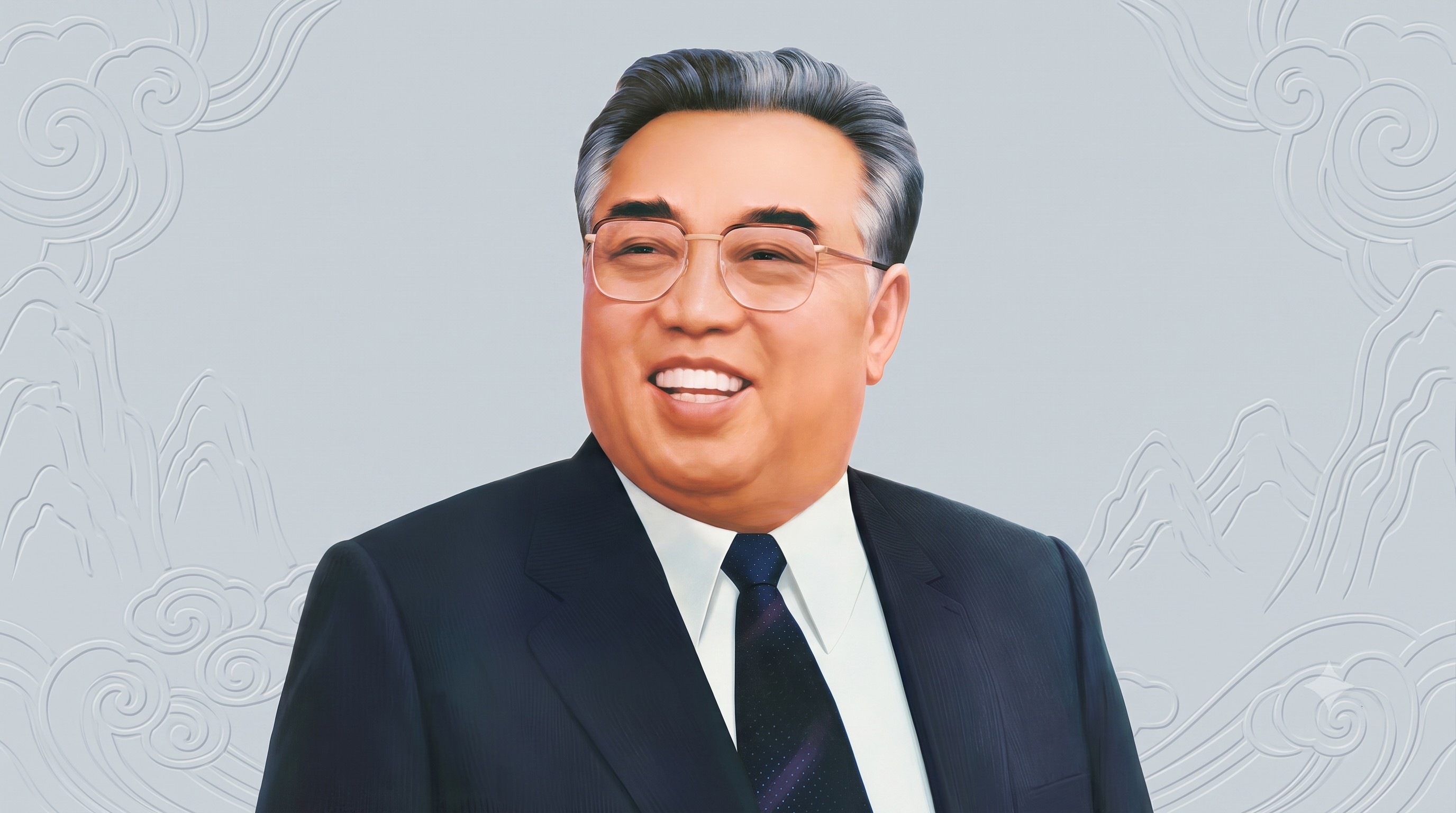
This is a record of an interview with Kim Il Sung, the founder and former leader of North Korea, who sought deliverance 32 years ago. He now resides in the Western Land of Ultimate Bliss.
Hsiang Kuang Pure Land Buddhist Centre
Contributed to Pure Land Buddhism knowledge library