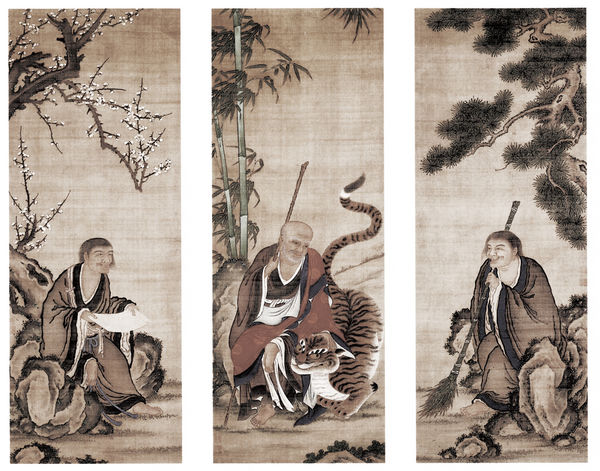
An Interview with Venerable Fenggan, Hanshan, and Shide
The Lesson of the Kettle-Mender: A Reflection from the Western Pure Land
A Reflection from the Western Pure Land
The Unity of Chan and Pure Land: An Interview with Master Hongren
The Precepts as the Foundation of the Dharma
The Ultimate Compassion: An Interview with Venerable Master Guang Qin
Record of Interviews with Deceased Modern Chinese Celebrities (Preface)
Teacher Introduces the Namo Amitabha Buddhist Hall
Interview with Xi Zhongxun (Former Vice Premier of the State Council of China, Father of Chinese President Xi Jinping)
Hsiang Kuang Pure Land Buddhist Centre in Turmoil: Chinese Leadership and Sentient Beings with Karmic Affinity
21/6/2026 Messages from Namo Amituofo’s Heart — Truth Without Deception
Disciple Shi Fa Xi: I respectfully invite the Venerable Fenggan to share his life story and his journey of practice. I humbly ask for your compassionate teachings and guidance. .
Venerable Fenggan: The heart is like the grass, swaying in the breeze; the morning dew reflects a life of purity. Like the hundred flowers that bloom in harmony, my life has been a simple journey of following the path of Namo Amituofo. I do not possess great scholarly knowledge to share with you regarding the intricacies of practice. My life has been quite ordinary; I simply felt that leaving the home life to follow the Buddha was a magnificent and auspicious choice.
If you wish to know about my origins, I have never spoken of this to anyone before. In truth, I have no home, no father, and no mother. I simply arrived in this world to become a monastic. When I was fifteen or sixteen years old, I came into this world. I am very fortunate, for everything has gone well. I lived on the outskirts of the city for a time, helping the people there to learn the Buddha’s teachings and to chant Buddha's name. Later, I arrived at Mount Tiantai. I did not go straight to Guoqing Temple; instead, I lived in the surrounding areas for several years. I worked in the local markets, performing odd jobs and manual labour. No one ever asked me where I came from or who my parents were. I treated everyone with sincerity, never seeking anything in return. Everything was left to the flow of conditions.
I had no permanent place to stay, living in temporary shelters or abandoned temples. I carried no luggage and possessed not a single coin. I simply lived day by day. My only purpose was to save beings. I knew clearly that Manjushri and Samantabhadra Bodhisattvas had already arrived, and I was searching for them. We were aware of each other’s presence, and we were waiting for the right moment to enter Guoqing Temple, for the work of saving the world was to begin there.
When I was about twenty years old, I felt the time was right. I arrived at the gates of Guoqing Temple without a single possession. I knelt at the entrance and begged the monastics to shave my head and allow me to leave the home life. I told them, I have no father or mother, and I possess nothing. I have seen the suffering and the coldness of this world, and now I wish to follow the Buddha. I wish to seize this magnificent opportunity to cherish this human body and hear the . I pray that you will shave my head and accept me into the monastic community. After speaking, I knelt and performed three prostrations. The senior monks accepted me with . In front of the entire assembly, I had my head shaved and became a true monastic. I became Venerable Fenggan. Upon entering the temple, I practised diligently without fatigue. I took on the tasks that others did not want to do. While my fellow practitioners were focused on their studies, I served the needs of the community. I never cared about how much knowledge I acquired, for I knew that my role was to serve. I did not come here to study academic theories or to focus solely on my own practice; I came to save beings and to uphold the Buddha’s teachings. I performed all the virtuous deeds of a practitioner: washing, sweeping, cooking, and manual labour. I was illiterate, yet from the moment I entered the temple, I volunteered for these tasks to support the community in their study of the Dharma. I did this with great joy, and the others were also filled with joy when they saw me.
I could not learn the five daily lessons, nor could I master them. My master sent me to the kitchen, where I served the community to the best of my ability. I prepared meals for everyone, and after the meal times, I helped with the cleaning. I also maintained the cleanliness of the temple grounds and pruned the trees. Every day, I performed these tasks. If my service could help others reduce their afflictions and provide them with more convenience, then there was nothing better. Serving every Buddha as they attain Buddhahood is a truly magnificent and auspicious experience.
Perhaps it was this selfless intention that allowed me, despite my lack of formal learning, to suddenly understand many sutras and texts. However, I did not slacken in my service to the community, for their learning was more important than my own. I became accustomed to this work, so I continued to serve. One day, my master sent me out to the market. I carried my cloth bag, walking through the streets to gather ingredients for the kitchen. I looked closely at the human world, seeing all kinds of people living their separate lives, seemingly unrelated to one another. Yet, if we are all one body, how can there be such great discrimination?
When I returned to the temple, the kitchen usually prepared many different dishes. That day, I cooked a large pot of porridge. I mixed all the ingredients intended for the meal together. I used my greatest sincerity to chant Buddha's name, blessing this delicious porridge to provide the monastics with a fulfilling day. Usually, everyone was accustomed to the complex, multi-course meals. When they saw this porridge mixed together, some laughed and ate with joy, while others could not help but show expressions of disgust. In truth, what is there to distinguish? Everyone should stir it all together and eat it. Once it is mixed into porridge or mud, it cannot be separated. So, how can there be any discrimination?
Since entering Guoqing Temple, I never lived in the monastic quarters; I resided in the rice-milling room nearby. This was more convenient for my work. Rice and grain are most vulnerable to mice, so I was also responsible for guarding against them. One night, I seemed to hear voices. In the middle of the night, who would be awake and speaking so loudly? I lit a night lamp, wanting to investigate, but I could not see anyone. Finally, outside a cave, I heard these loud, resonant voices. It turned out to be a group of mice discussing what to do because they had no rice left. They said, The rice is now being guarded, and Fenggan is the one watching it. How dare we touch it? They chattered on and on. After a while, I heard them say, I wonder if the Buddha would be compassionate enough to grant us some rice. Although we are mice, we still need to live. We have not eaten for many days, and if this continues, we will not survive. We are also beings; we are also beings! Then, a small voice said, With Fenggan in the kitchen, it is hard to find any food on the ground, let alone rice. But we respect him. It seems we must move to another location; we can no longer stand our ground here. These voices made me laugh. All beings are equal; there is no distinction between high and low. How could a monastic have a heart of discrimination? That night, I encountered this miraculous opportunity and understood one thing: all beings are equal, and they are all working hard to manage the possibility of survival. The next morning, I spoke to this group of equal beings, hoping they would move to a suitable place to live, as the temple was not a suitable residence. I saw them vaguely respond, Alright! I understood that they had listened. From then on, there were truly no more mice in the temple. In truth, one should have a heart of for all beings, but if, under certain conditions, it is impossible to coexist, forced harmony cannot be called true compassion; instead, it may be counterproductive.
Mount Tiantai and Guoqing Temple were quite famous at that time. Because of the support of the imperial court, officials often came to pay their respects, and consorts from the palace also came to offer incense. Whenever high-ranking individuals arrived, the temple would be filled with excitement, and ordinary civilians were usually not allowed to enter. Such displays were common. Fortunately, in the kitchen, I did not need to receive them. Using the excuse of being covered in sweat and dirt, I never appeared. Since leaving the home life at Guoqing Temple, I learned a great deal. Although I was in the kitchen, I did not concern myself with external matters. As long as there is purity, there is no need for worldly distractions.
Days passed, and I worked without rest. One afternoon, after I had passed the age of thirty, my master handed the temple over to me. He wanted me to pass on the spirit of diligent practice to the fourfold assembly of disciples in the temple. Not long after, my master passed away. I continued to pass on the Buddha’s teachings at Guoqing Temple. As the abbot, I had to personally receive the faithful, but most of the time, I still preferred to be in the kitchen, serving the community and cooking delicious meals. One day, while I was at the market, I passed through a pine forest and encountered a child who was crying. I saw the child’s origins clearly, and after asking, I brought the lonely, helpless child back to the temple. He was cared for by the monastic community and eventually became a monastic named Shide. Later, he was responsible for the firewood in the kitchen. Because the child had a unique nature, he originally served as the incense attendant in the Buddha hall, but because he often performed strange actions that displeased the public and caused great surprise, the assembly decided to send Shide to work in the kitchen, ending his duties in the Buddha hall. Shide’s behavior was strange, but only I could understand it. Therefore, no matter how much the assembly complained to me about Shide’s strange, improper, or rude actions, I understood that Shide had his reasons. Shide was not just the Shide that the public saw.
Everyone knows that the Sangharama protects the temple and provides food, but the temple’s rice and grain were always being stolen by crows. The assembly was helpless. When Shide found out, he beat the statue of the Sangharama Bodhisattva. The Sangharama Bodhisattva cried out in helplessness. Another day, Shide suddenly brought food into the main hall and ate with the Great Buddha. This scene was considered inappropriate and disrespectful by the assembly, but in truth, Shide was truly eating with the Great Buddha. Shide had a pure and direct nature; his appearance was ordinary, but most people in the world do not see the bright pearl within his heart.
At that time, there was a strange man in the mountains known as Hanshan. His strangeness was also not ordinary. He loved to write poetry but did not like pen and ink, often carving his verses into the mountain walls. Whenever he saw me, he was always extremely respectful. But this child could not be kept; he loved the mountains and forests. What was special was that he would visit Guoqing Temple every day. Shide greatly admired Hanshan’s poetry. Hanshan’s strangeness and character were even more different from Shide’s, and he was often treated with strange looks. But this was because people in the world did not see Hanshan’s true nature; they only saw the external appearance and did not know the truth. With these two Dharma protectors, the conditions at Guoqing Temple were complete, and all Dharma affinities flourished.
Although Hanshan and Shide seemed crazy and often behaved in ways that were considered improper, their hearts were wiser than anyone else’s. They silently protected the True Teachings, not allowing evil to invade. At that time, they manifested in this way so that the world would not know their true identity, yet they silently performed good deeds. Therefore, there are many sayings about this. When Buddhas and Bodhisattvas manifest in the world, they often do not want to be known. If people want to know, then the manifestation will disappear. In fact, their original intention was to maintain peace in the world and not to disturb the original appearance of the human world. That is why they often showed signs of passing away. But how can they truly save the world?
This manifestation of the Dharma gradually made the public understand the extraordinary nature of the three of us at Guoqing Temple. Once, during the semi-monthly recitation of the , all the monks were seated in the hall, respectfully performing the ceremony. I was also seated in the front row. Suddenly, Shide was seen playing around, sitting cross-legged and looking outside, muttering to himself. Suddenly, he saw a group of cows from the neighborhood walking in. Shide burst into loud laughter and said, A group of great virtuous ones have been reborn as cows. How shameful! This sudden action shocked the recitation. The assembly stopped and looked out the window at the cows passing by. Someone could not help but ask, Can people also be reborn as cows? I heard this and could not help but smile slightly. Shide continued to shout, The monk who passed away a few days ago is that white cow over there. Don’t hang your head, come out, come out! Everyone saw a white cow in the distance slowly moving forward, lowering its head and occasionally peeking at the monks in the hall. Shide laughed and said, If you dared to do it, do not be ashamed. Look at everyone; everyone is looking at you. Is that you, Master So-and-so? The white cow blinked and let out a long moo. Shide became excited and pointed out several more monks’ names. Shide said happily, These cows are all the great monks who passed away in the temple. If you do not believe me, I will point them out to you again. The black cow on the east is Master So-and-so, and the old cow facing west is Master So-and-so. Shide pointed to several cows one after another, and they really walked forward one by one. Everyone was stunned. Shide continued, In your previous life, you did not uphold the Precepts; you had a human face but the heart of an animal. Now you have brought this upon yourself; who can you blame? Although the Buddha’s power is great, you have failed the Buddha’s grace! He scolded the cows and the monks present. In fact, this teaching was Shide’s skillful means to show the world the true reality and to warn people not to commit the same mistakes again.
After manifesting the great Dharma and the reality of all things time and again, I decided to travel the world to save people. I handed over the position of abbot to the senior monks in the temple and set off on my journey. Wherever I went, I spread the sound of the Buddha’s name, the holy name of Namo Amituofo, hoping that people would awaken. But those who understood seemed to be nowhere to be found, and those who left did not know where they went. By chance, I met a governor who was about to take office in Tiantai. I skillfully helped him solve his difficulties, hoping that this good official could truly benefit the people. The governor received a miraculous healing and hurriedly asked, How should I address you, Great Monk? Where can we meet again after today? If my old illness returns, how can I seek a cure? I laughed loudly and told the governor, I come from Guoqing Temple on Mount Tiantai. I tell you that there are two Bodhisattvas currently manifesting in the world. Do not judge by their appearance. Hanshan and Shide are here now. The governor wanted to ask more, but I had already walked away to continue my travels. The governor hurried to Taizhou to take office as scheduled. Upon inquiry, he visited Guoqing Temple. The governor knew that these must be the two Bodhisattvas. When he first arrived, he wanted to ask if Venerable Fenggan had returned, but the answer was that I had not. The governor then searched for the two Bodhisattvas, Hanshan and Shide. The monk who received him was shocked, as he did not believe that a governor would look for two crazy monks. The monk led the governor to the kitchen, where Hanshan and Shide were playing happily. Hearing someone call their names, they turned around and stood up. The governor knelt down immediately, which frightened the monk who was receiving him. Hanshan and Shide saw this and laughed, saying, Why are you here? The governor said directly that they were Bodhisattvas manifesting in the world and asked them to accept his three prostrations. Hanshan and Shide’s expressions changed, and they shouted, Who said that! Who said that! The governor shouted, Venerable Fenggan told me to come and pay respects to the Bodhisattvas. Hanshan and Shide jumped up and shouted, Fenggan is a chatterbox, Fenggan is a chatterbox! If you do not worship Namo Amituofo, why worship us? They used their supernatural powers to escape the scene. Everyone chased after them to the mountain wall, where Hanshan and Shide laughed as they opened the mountain and escaped inside, and the mountain closed behind them. The governor felt a bit cold, but upon reflection, he thought of Fenggan? Namo Amituofo? But by this time, I had already left. This opportunity for manifestation in the world was just like that.
Laughing at the human world, playing in manifestation, expressing the great Dharma, leaving no trace behind. Today, in the dust of the world, the Dharma is expressed in the same way. But to whom? The Dharma has already been expressed. The world should cherish this. Namo Amituofo has manifested, and the Bodhisattvas have also arrived. Many have already met. Together, we promote the wonderful Dharma and display wonderful wisdom. The Hsiang Kuang Buddhist Centre is the realization of this in the world. It does not pass away; it lives with the Buddha’s Dharma. It will sail to the Western Pure Land of Ultimate Bliss, sailing directly to the West.
This is a record of an interview with Venerable Dixian, who sought Chao Du at the Hsiang Kuang Pure Land Buddhist Centre in Australia. He now resides in the Western Land of Ultimate Bliss. This account reflects upon his life and his journey to the Pure Land. Recorded by the chief writer, Venerable Fa Hui, on May 12, 2026.
This is a record of an interview with Zhao Puchu, who sought deliverance at the Hsiang Kuang Pure Land Buddhist Centre in Australia. He now resides in the Western Land of Ultimate Bliss. This account reflects upon his life in the 20th century. Recorded by the chief writer, Shi Fa Hui, on April 18, 2026.
Master Hongren, the Fifth Patriarch of the Chan school, shares his profound insights from the Western Pure Land on why the path of chanting Namo Amituofo is the most suitable practice for beings in this modern age.
Great Master Jianzhen, the first patriarch of the Japanese Ritsu school, reflects on his arduous journey to bring the Vinaya to Japan, the nature of Dharma affinity, and the vital importance of upholding the precepts for the continuation of the Buddha's wisdom-life.
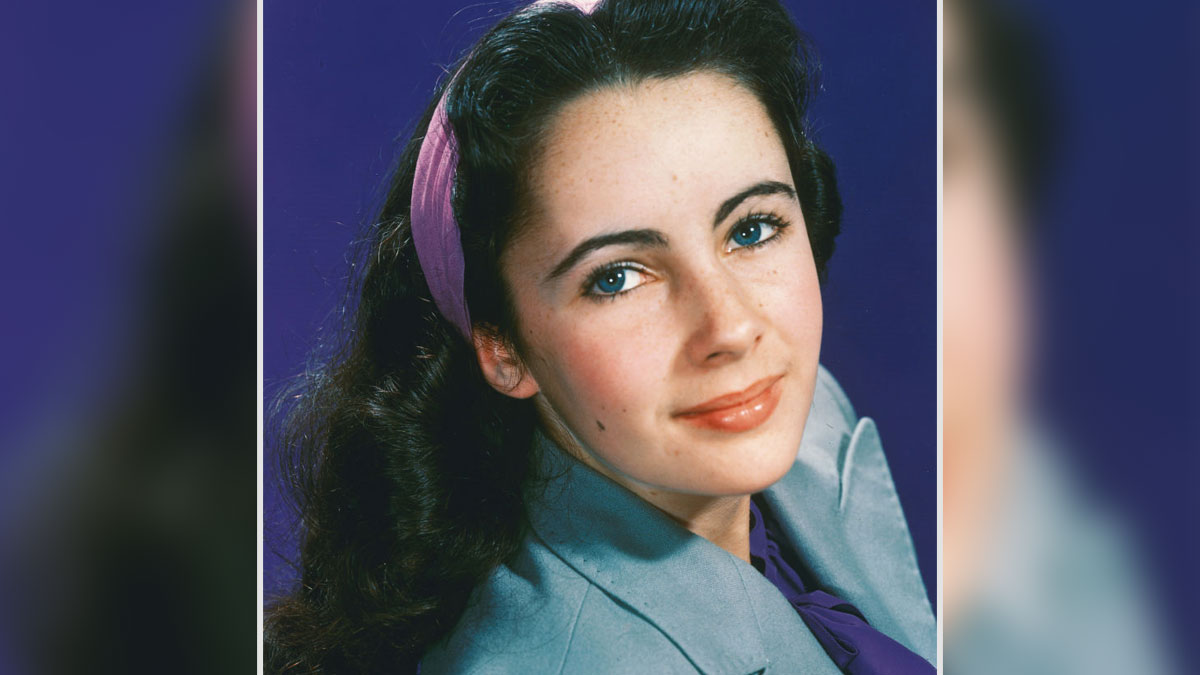
A candid reflection from the spirit of Elizabeth Taylor, who shares her journey from the blinding lights of Hollywood to the serene, transformative teachings of the Buddha in the Western Land of Ultimate Bliss.

Michael Jackson shares his journey from the pressures of global fame to the peace of the Western Pure Land, revealing the truth behind his life and his ultimate deliverance.
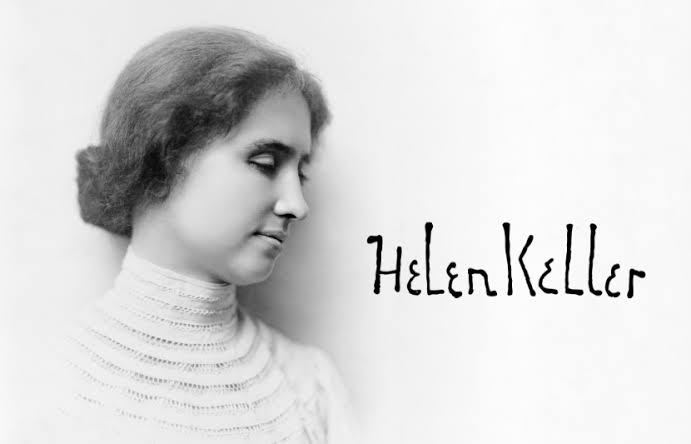
Helen Keller, the renowned deaf-blind philanthropist, shares her journey from the darkness of the ghost realm to the light of the Western Pure Land of Ultimate Bliss, guided by the compassion of Namo Amituofo and Practitioner Su.
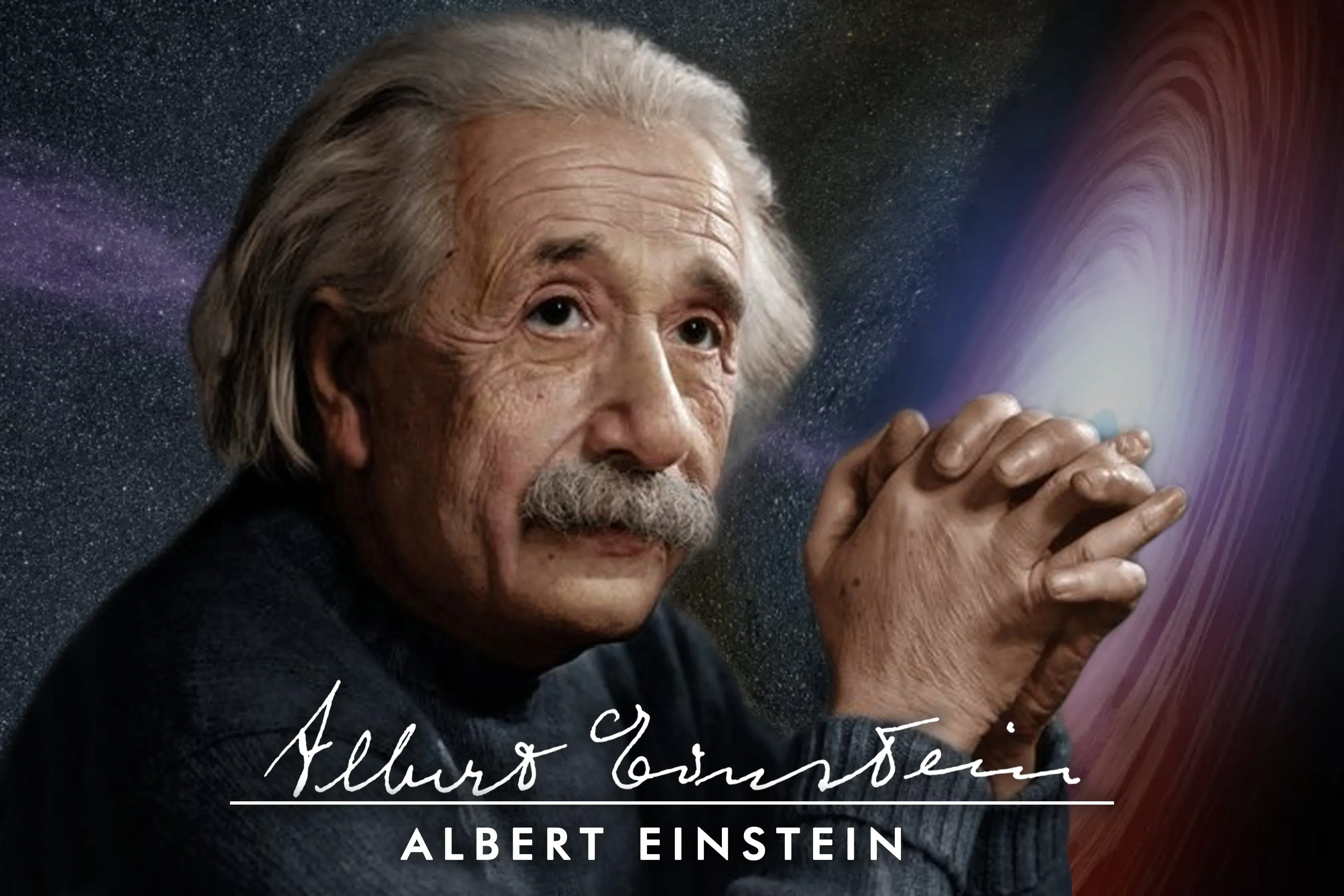
Albert Einstein, once considered the most brilliant mind in human history, reflects on his life, the nature of 'science' versus the Truth of the Dharma, and his existence in the Western Pure Land.

Ronald Reagan, the 40th President of the United States, reflects on his life, his political career, and his profound journey from the depths of hell to the Western Land of Ultimate Bliss through the compassion of Namo Amituofo and Practitioner Su.
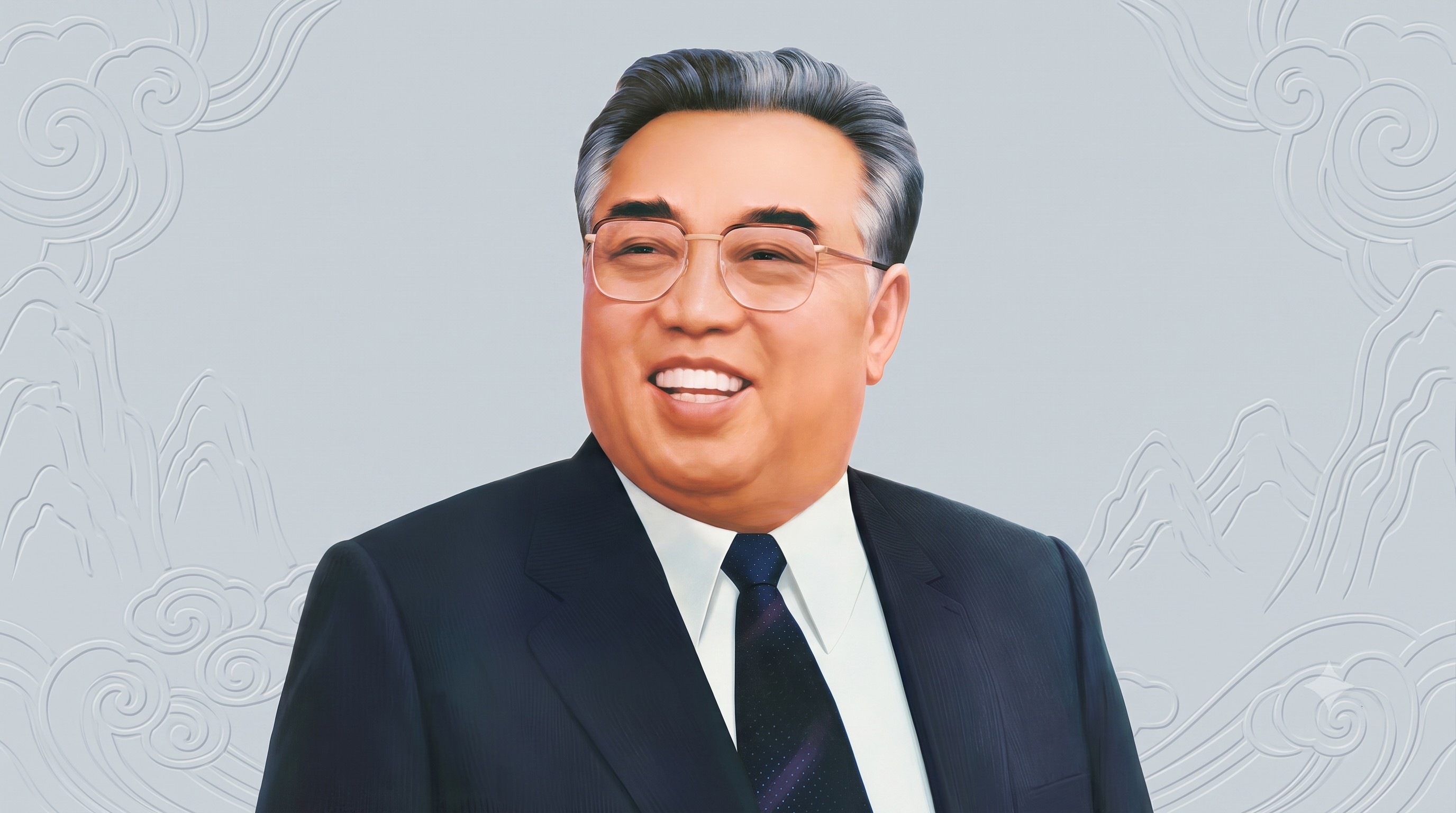
This is a record of an interview with Kim Il Sung, the founder and former leader of North Korea, who sought deliverance 32 years ago. He now resides in the Western Land of Ultimate Bliss.
Hsiang Kuang Pure Land Buddhist Centre
Contributed to Pure Land Buddhism knowledge library