Advancing Knowledge and Action Together
Teachings from Master Shang Xuan Xia Zhuang
April 16, 2019
To advance in knowledge and action together means that our understanding of the and our daily conduct must progress in perfect harmony. If you discover a fault within yourself, you must immediately correct it and change your behaviour. If you learn a new teaching or gain a deeper insight, you must put it into practice in the very next moment. Do not hesitate. Do not wait. Once you have realised that you have committed a wrong, to linger in hesitation or to be unwilling to change is to pile one karmic burden upon another. Because we have lived in ignorance throughout our many lives, we have already created immeasurable sins and suffered countless bitter consequences. Now, you have the rare opportunity to receive the Buddha’s teachings. This is a result of profound good causes and Dharma affinity. If you have listened to sutras and heard the Dharma, yet you do not hasten to improve yourself, you are squandering this precious chance.
The Urgency of True Repentance
This is especially true for the fourfold assembly residing here at the Hsiang Kuang Buddhist Centre. You must awaken your awareness, correct your faults immediately, and ensure that you do not repeat them. Often, even when we know we should not repeat a mistake, we find ourselves doing so again the moment a challenging situation arises. This is a sign of deep spiritual obstacles. Afterwards, we feel intense regret and frustration, asking ourselves why we have fallen into the same trap once more. This situation is not uncommon among the fourfold assembly. Because our personal ego, selfishness, and habitual tendencies have been cultivated over a long period, they are not easily undone in a single day.
Breaking Free from Habitual Ego
When we fail, we often tell ourselves that changing our personality is too difficult. This is a common human weakness: we forgive ourselves and indulge our own shortcomings, which only leads to repeated failures. While it is true that change is difficult, the laws of and cause and effect will not show mercy simply because you find it hard to change. The bitter consequences of your actions must still be borne. If you know a behaviour is wrong and yet you continue to commit it, you are only adding to your own burden. You are currently residing in a Buddha-land, and the work of saving the world is urgent. If you truly possess a heart of and a desire to save all beings, you must use this vow to find the strength to cut through your bad habits immediately. Do not let them arise again.
Maintaining the Peace of the Temple
If they do arise, you must use your awareness to stop them instantly. Do not continue to let your emotions, your desire to save face, your willfulness, or your stubborn personality allow these harmful habits to repeat themselves, for this only brings injury to yourself and to others. At the Hsiang Kuang Pure Land Buddhist Centre, everyone is diligently practising in their roles as monastics or volunteers. There is a saying: It is better to disturb the waters of a thousand rivers than to disturb the heart of a practitioner. If your inappropriate speech or conduct causes disturbance, fluctuation, or emotional distress to others—especially to the monastics—you have created a serious problem. While it is true that a monastic should have sufficient meditative concentration to remain undisturbed, the fact remains that the situation was triggered by your own improper words and deeds. How, then, can you avoid the evil consequences? In fact, you are only intensifying them.
The Path to Harmony and Wisdom
If you are a lay practitioner and you have been counselled by a monastic, you must listen. If you insist on your own views and refuse to accept their advice, you will inevitably cause emotional friction. This friction attracts your , who will certainly not let the opportunity pass to create further obstacles for you. This makes the situation even more difficult and embarrassing. In such moments, you must ask yourself: Who was the one who started this conflict? Who was the one who refused to listen to wise counsel? You must reflect deeply and stop repeating these mistakes. If a conflict arises, both parties should first step back, leave the situation, and calm down before seeking another way to resolve it. If the other person’s words are reasonable, you should listen, reflect on your own faults, and even offer a sincere apology. This is the way of a true practitioner.
The Power of Patience
If there is friction between monastics, the one who first regains awareness and stops the conflict is the one who is truly making progress in their practice. Do not insist on proving who is right and who is wrong. To do so is to have a narrow mind, acting like an ordinary person rather than a practitioner. It is especially tragic when one has worked hard to cultivate Patience, only to lose it because of someone else’s disturbance or the manifestation of one’s own past karma. If you cannot swallow your pride and fail to use your awareness to stop the emotional fluctuation, you are not only burning down your forest of merits and inviting karmic creditors to appear, but you are also damaging your own virtue and dignity. The loss is simply too great. Enduring a moment of anger can save you from a hundred days of worry. To act in this way requires a compassionate mind. For a practitioner, Patience is a vital gate within the Six Paramitas. Only after passing this test can one truly speak of making progress in meditative concentration. Otherwise, even if you are diligent in your daily tasks, if you have not passed the test of Patience, you have no real meditative concentration to speak of. May all members of the fourfold assembly at the Hsiang Kuang Pure Land Buddhist Centre reflect on this, change their behaviour, and ensure these mistakes do not happen again.
Recorded by the Buddha's disciple, Venerable HaiZe.
Namo Amituofo
More from Teachings of Great Master Xuanzang
The Vision of Great Master Xuanzang
Great Master Xuanzang shares his profound vision for the Hsiang Kuang Pure Land Buddhist Centre, reflecting on the power of the Dharma, the mission of Practitioner Su, and the ongoing work of saving infinite suffering beings through the light of Namo Amituofo.
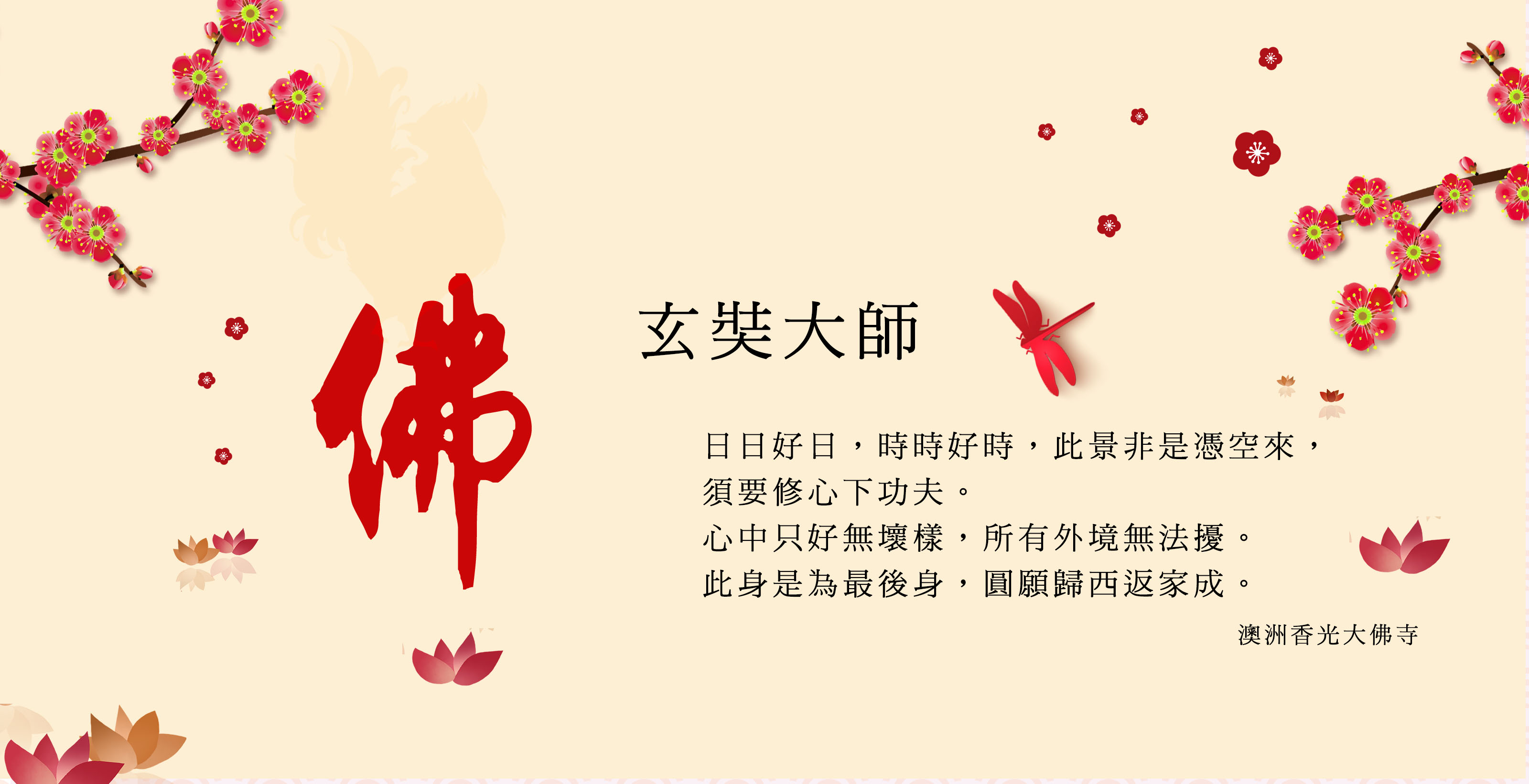
Great Master Xuanzang's New Year Joyful Purification Dharma Assembly
Great Master Xuanzang offers profound guidance on the occasion of the New Year, reminding us that the path to the Western Pure Land of Ultimate Bliss requires constant purification, the letting go of ego, and unwavering devotion to Namo Amituofo.
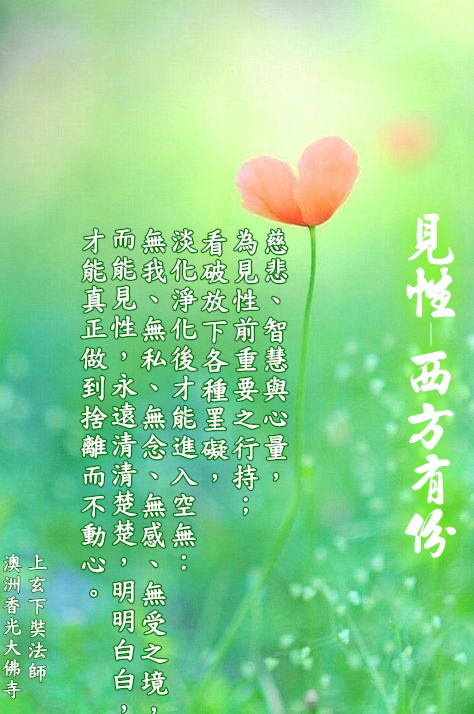
Awakening and the Path to the Western Pure Land
A profound exploration of how to transcend worldly attachments, purify the mind, and secure one's path to the Western Pure Land of Ultimate Bliss through Awakening and diligent practice.
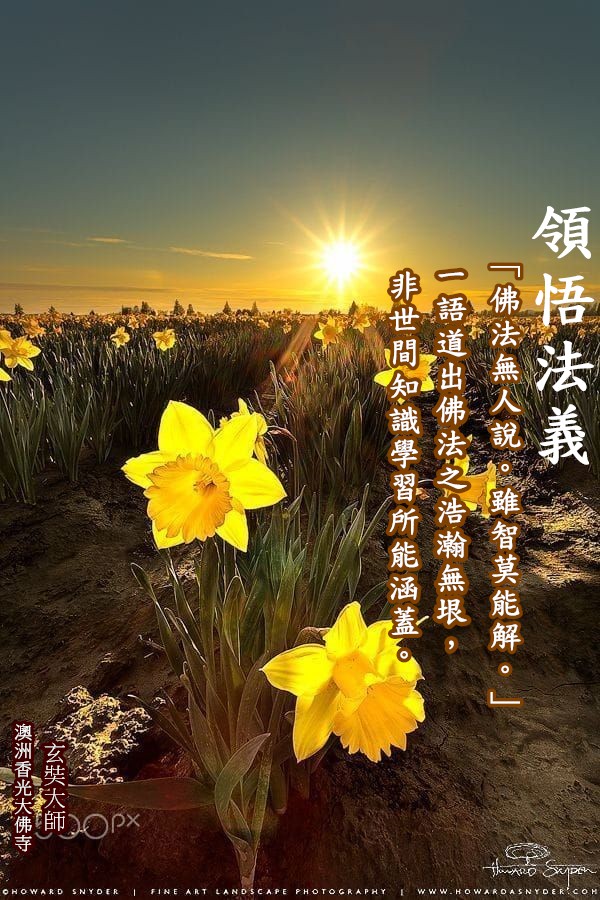
Realising the Profound Meaning of the Dharma
Great Master Xuanzang explains that the Dharma is vast and boundless, transcending worldly knowledge. To truly realise the profound meaning of the Dharma, one must move beyond attachment to words and names, cultivate a pure heart, and engage in diligent practice to attain Awakening.
More by Hsiang Kuang Pure Land Buddhist Centre

An Interview with Elizabeth Taylor (Famous Hollywood Actress)
A candid reflection from the spirit of Elizabeth Taylor, who shares her journey from the blinding lights of Hollywood to the serene, transformative teachings of the Buddha in the Western Land of Ultimate Bliss.

An Interview with Michael Jackson (King of Pop)
Michael Jackson shares his journey from the pressures of global fame to the peace of the Western Pure Land, revealing the truth behind his life and his ultimate deliverance.
A Voice from the Darkness: Helen Keller's Journey
Helen Keller, the renowned deaf-blind philanthropist, shares her journey from the darkness of the ghost realm to the light of the Western Pure Land of Ultimate Bliss, guided by the compassion of Namo Amituofo and Practitioner Su.
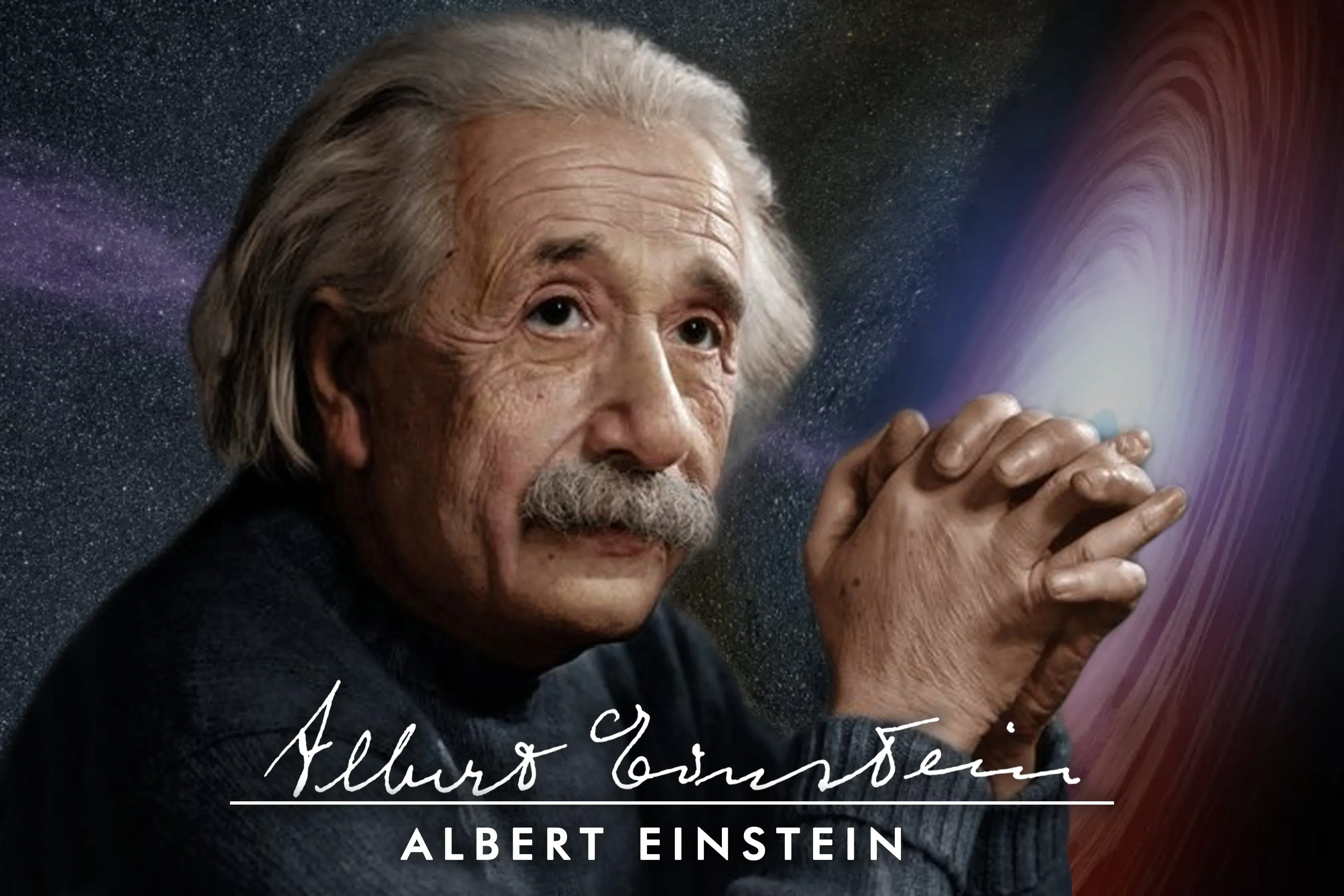
An Interview with Albert Einstein (Theoretical physicist)
Albert Einstein, once considered the most brilliant mind in human history, reflects on his life, the nature of 'science' versus the Truth of the Dharma, and his existence in the Western Pure Land.
A President's Repentance: Ronald Reagan's Journey to the Pure Land
Ronald Reagan, the 40th President of the United States, reflects on his life, his political career, and his profound journey from the depths of hell to the Western Land of Ultimate Bliss through the compassion of Namo Amituofo and Practitioner Su.
The Reflection of a Nation's Founder
This is a record of an interview with Kim Il Sung, the founder and former leader of North Korea, who sought deliverance at the Hsiang Kuang Pure Land Buddhist Centre in Australia. He now resides in the Western Land of Ultimate Bliss. This account reflects upon his life and the spiritual truths he has realised since his passing thirty-two years ago. Recorded by the chief writer, Venerable Fa Hui, on May 18, 2026.
About the Author
Hsiang Kuang Pure Land Buddhist Centre
Contributed to Pure Land Buddhism knowledge library