Cultivating the Foundation of Character and Moral Integrity
Teachings from Teacher Practitioner Xia Lianju
The Fading Light of Moral Education
On the fifteenth of April, 2022, during the second session of the , Teacher Practitioner Xia Lianju provided essential guidance on the state of moral and character education in our contemporary world. It is evident that such education has become weak and is frequently overlooked. This neglect has given rise to a multitude of problems within our educational systems, our broader society, and our nations.
If one wishes to achieve success in their practice within a bodhimanda or a monastic community, one must place great importance on strengthening one's moral character. This is not merely a secondary concern; it is the very foundation upon which all spiritual progress is built.
The Subtle Path to
Moral and character education must be applied to the most subtle aspects of our lives. We must never adopt a mindset of letting things slide or excusing our own faults. True practice begins with how we live our daily lives and how we interact with others. We must never neglect the basic dignity, decorum, and etiquette that are expected of a practitioner.
You must ensure that your own , , and actions do not become an interference to the pure practice of others. To act as if you are the most important person is a grave failure in one's practice. Instead, you should strive to cultivate the state of no-self. If you have truly reached a state of no-self, how could there be any room for the ego to arise, causing unhappiness, anger, or harm to others? Do not focus on the faults of others; instead, always begin by examining your own mistakes.
The Heart of the Buddha’s Teachings
The Buddha’s teachings are essentially teachings of the heart. If your heart harbours even the slightest impurity, you are creating . If you commit an error and do not even realise it, or if you continue to repeat the same mistake without making a sincere effort to change your ways, how can you expect your spiritual progress to grow? Without the ability to reflect and correct oneself, the path to liberation remains closed.
The Crisis of Modern Upbringing
In the modern era, families often have fewer children, and parents frequently do everything in their power to satisfy every desire of their children. This excessive indulgence, often driven by a desire to avoid the child's anger or crying, leads to a complete lack of ethical education. If a child does not learn to listen to their parents from a young age, how can one expect them to listen to their teachers later in life? This upbringing fosters arrogance and a stubborn attachment to one's own views, making the child extremely difficult to guide.
Furthermore, if parents themselves fail to uphold their own standards, their words become empty. They may speak of virtue, but without the living example of their own conduct, their words will not be effective. This results in children who:
- Develop inconsistent behaviour, acting differently in public than in private.
- Become obsessed with comparison and competition.
- Constantly seek external praise and validation.
- Neglect the vital work of internal adjustment, changing their ways, and adapting to the needs of others.
Once these personality flaws are ingrained at home and in school, it becomes incredibly difficult to address them later in life.
The Necessity of Discipline
Within a monastic community, there are various and requirements that must be strictly observed. These are not meant to be burdensome; rather, they are designed to ensure that we remain on the right path. We must follow these guidelines for several vital reasons:
- To correct improper speech and behaviour.
- To avoid committing errors that are driven by the momentum of past karma.
- To prevent the stagnation of our spiritual achievements.
- To ensure that our meditative concentration can deepen and our skills can mature.
- To gain true autonomy over our own minds, rather than being slaves to our habits.
Without this discipline, we remain trapped by the sufferings of birth, aging, sickness, and death. We continue to be reincarnated, cycle after cycle, with no hope of liberation. When a student, a child, or even a member of the monastic community makes a mistake, it is the duty of parents, teachers, and the monastic community to provide guidance or, when necessary, to impose discipline. This is an act of , intended to help the individual recognise their errors and ensure they do not repeat them. We must be extremely cautious, for minor errors affect only the individual, but major errors can cause profound harm to others, the community, the nation, and the entire monastic order.
Namo Amituofo
More from Teachings of Practitioner Xia Lian Ju
The Boundless Grace of the Buddha
Teacher Practitioner Xia Lianju shares profound insights on the immeasurable grace of the Buddha, the manifestation of Bodhisattvas across the six realms, and the rare, magnificent opportunity for spiritual growth at the Hsiang Kuang Pure Land Buddhist Centre.
The Radiance of the True Nature
Teacher Practitioner Xia Lianju explains the profound nature of Buddha-light, how it purifies the soul, and how the Hsiang Kuang Pure Land Buddhist Centre serves as a beacon of hope for all beings.
Lay Down Your Baggage and Journey Home
A profound teaching on the soul's journey through the cycle of rebirth, the heavy burden of worldly attachments, and the compassionate call of Namo Amituofo to return to our true home in the Western Land of Ultimate Bliss.
Humbly Seeking Guidance: Teachings from Teacher Practitioner Xia Lianju
Teacher Practitioner Xia Lianju offers profound guidance on the necessity of humility, repentance, and the unwavering practice of chanting Namo Amituofo to achieve liberation and rebirth in the Western Pure Land of Ultimate Bliss.
More by Hsiang Kuang Pure Land Buddhist Centre
The Redemption of a Hollywood Icon
A candid reflection from the spirit of Elizabeth Taylor, who shares her journey from the blinding lights of Hollywood to the serene, transformative teachings of the Buddha in the Western Land of Ultimate Bliss.
The King of Pop's Journey to the Western Pure Land
Michael Jackson shares his journey from the pressures of global fame to the peace of the Western Pure Land, revealing the truth behind his life and his ultimate deliverance.
A Voice from the Darkness: Helen Keller's Journey
Helen Keller, the renowned deaf-blind philanthropist, shares her journey from the darkness of the ghost realm to the light of the Western Pure Land of Ultimate Bliss, guided by the compassion of Namo Amituofo and Practitioner Su.
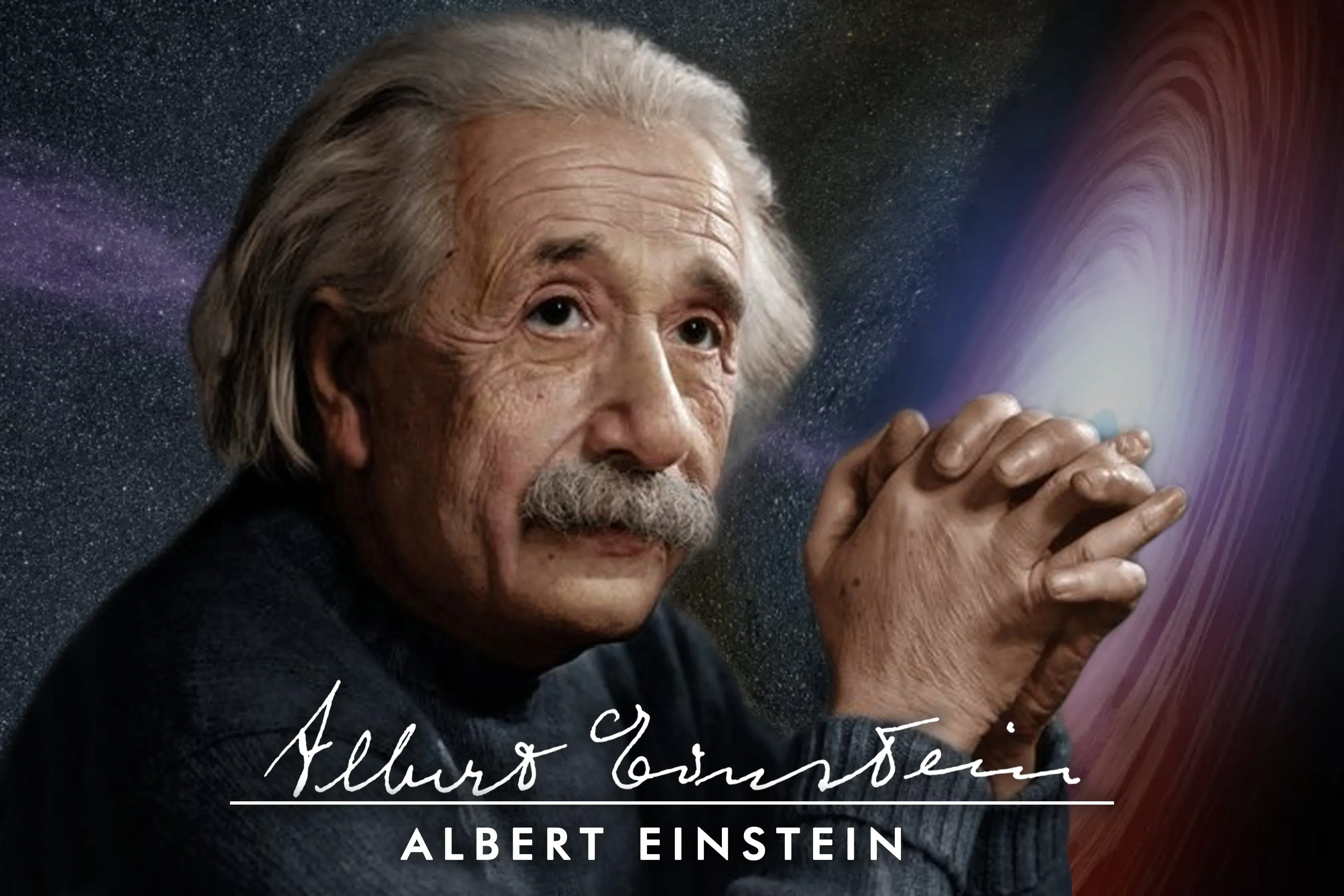
An Interview with Albert Einstein (Theoretical physicist)
Albert Einstein, once considered the most brilliant mind in human history, reflects on his life, the nature of 'science' versus the Truth of the Dharma, and his existence in the Western Pure Land.
A President's Repentance: Ronald Reagan's Journey to the Pure Land
Ronald Reagan, the 40th President of the United States, reflects on his life, his political career, and his profound journey from the depths of hell to the Western Land of Ultimate Bliss through the compassion of Namo Amituofo and Practitioner Su.
The Reflection of a Nation's Founder
This is a record of an interview with Kim Il Sung, the founder and former leader of North Korea, who sought deliverance at the Hsiang Kuang Pure Land Buddhist Centre in Australia. He now resides in the Western Land of Ultimate Bliss. This account reflects upon his life and the spiritual truths he has realised since his passing thirty-two years ago. Recorded by the chief writer, Venerable Fa Hui, on May 18, 2026.
About the Author
Hsiang Kuang Pure Land Buddhist Centre
Contributed to Pure Land Buddhism knowledge library