The Archer Who Refused to Kill
An Interview with the Spirit of Tianxiang
This is a record of an interview with Tianxiang, who sought at the Hsiang Kuang Buddhist Centre in Australia. He now resides in the Western Pure Land of Ultimate Bliss. This account reflects upon his life approximately 1,540 years ago. Recorded by the chief writer, Shi Fajing, on February 22, 2019.
Tianxiang speaks:
"Namo Amituofo. I am Tianxiang. It is a profound honour to share my story, a story that spans over fifteen centuries, from a time when the bow and arrow defined the worth of a man to the magnificent peace I have found in the Western Pure Land of Ultimate Bliss."
A Village Defined by the Bow
"In the village where I was born, life revolved entirely around the bow. Every major festival was marked by grand archery competitions. To win a medal—gold, silver, or bronze—was the ultimate mark of honour for a family. These medals were hung prominently in homes, a testament to a family's glory. Because of this, children were trained from the moment they could hold a bow. It was a lifelong pursuit, an activity that spanned generations, and the villagers were tireless in their devotion to it.
Beyond the competitions, the bow was our primary tool for hunting. Every villager was a master marksman. The speed at which they hunted was terrifying; the moment a target appeared, an arrow would be drawn and released—fast, ruthless, and precise. Ninety-nine percent of the time, the animal was struck down. Consequently, the wildlife in the surrounding forests dwindled rapidly, as the animals were all consumed as food. It was a cycle of killing that no one questioned."
A Father’s in a Cruel World
"My father was born with deformed hands, which meant he could never learn the art of archery. In our village, this made him a target of constant ridicule. The men believed that the better one could shoot, the more heroic and manly one was. A man who could not shoot was seen as a coward. The young men of the village used their archery skills to attract women, viewing it as the only way to prove their worth.
Yet, my father possessed a heart of pure kindness that no one else in the village could comprehend. He could not bear to harm any life. Even when a mosquito landed on him to bite, he would let it feed, carefully protecting it rather than swatting it away. When the other men saw this, they mocked him mercilessly. They would laugh and say, 'If you are too afraid to kill a mosquito, are you also afraid to touch a woman? Or are you perhaps a woman yourself?'
My father never let their mockery disturb his heart. He knew he was doing what was right. He did not argue or hold grudges; regardless of how they treated him, he always responded with a sincere and gentle heart. Because the women of the village were afraid of being mocked, no one wanted to marry a man who could not shoot. My father was naturally excluded from their considerations. My grandparents were deeply worried that he would be lonely for the rest of his life, but seeing my father’s calm indifference, they were at a loss. They could not hide the fact that he could not shoot, and they did not know how to help him."
The Unlikely Union
"My mother was the most beautiful woman in the village, the daughter of a wealthy family. Countless men vied for her attention, hoping to win her hand in marriage. Yet, she remained unmoved by their displays of skill. She looked at the most talented archers with complete indifference. It was only my father who captured her gaze. The other men could not believe it. How could a woman of such beauty, grace, and high social standing fall for a coward? Their jealousy turned to anger, and they suspected my father had used some kind of spell to bewitch her. They attacked him, leaving him covered in wounds. My mother, heartbroken to see him hurt for her sake, sent people to tend to his injuries, hoping for his recovery.
From that day on, their love blossomed. They soon married, though not without opposition from my maternal grandparents, who feared my father could not provide a happy life for her. Eventually, their steadfast love won over my grandparents, and they became a devoted couple."
A Child’s Refusal to Kill
"When I was born, my grandparents immediately began arranging archery training for me. They hoped I would learn the skill, but I had no desire to do so. Every time they handed me a bow, I would burst into tears. No matter how they tried to persuade me, I refused. My mother took me aside and asked, 'Why do you not want to learn archery?' I cried and told her, 'They use arrows to shoot animals; it is so cruel. I do not want to learn.' When my mother shared my reasons with my father and grandparents, they were moved by my compassion. They stopped forcing me to learn, accepting that even if we were mocked as cowards, what truly mattered was a kind heart and the ability to empathise with the suffering of all beings."
The Plague and the Light of the
"When I was five, a strange plague struck our village. Many families were devastated; some wealthy households fell into ruin, and strong, healthy men became emaciated and weak within weeks. The disease spread with terrifying speed, and before anyone knew how to defend against it, many had already died. Only my family remained safe.
I could not bear to see the villagers dying one by one, so I prayed fervently to the heavens for help. My sincerity moved the Buddha to send aid. One day, a great monk arrived in our village to teach the Dharma. Most villagers were too busy caring for their sick to listen, but my family and I went to hear him. We were incredibly blessed to be the first family in the village to encounter the Buddha’s teachings. After listening to the sutras for a month, we decided to dedicate ourselves to helping the villagers through the Dharma.
Since the villagers could not come out, we went from house to house to share the teachings. We spoke to the sick in their beds and to the families caring for them. Many families, suffering deeply, began to believe in the Dharma. Those who had lived in hardship their whole lives clung to these teachings. These families, who had always quietly performed good deeds, were the ones who truly embraced the Dharma. Even the poorest among them were willing to contribute their labour to serve others. These families of accumulated goodness followed the teachings faithfully. They stopped eating meat, ceased hunting, and focused their minds on chanting Namo Amituofo with pure, kind thoughts. Those who truly believed and changed their ways saw their illnesses gradually improve. I, too, constantly chanted Namo Amituofo, dedicating the merits to the villagers suffering from the plague."
A Life Dedicated to the Ultimate Vow
"I came to understand the preciousness of the Dharma. Without it, I would not have known that everything we create is a cause, and what we receive is the fruit. Creating negative causes leads to evil consequences, while creating good causes leads to good fruit. I am grateful that my family had the to avoid the killing associated with archery, and I am grateful to my grandparents for leading us to perform acts of generosity and accumulate merit, which gave us the opportunity to hear such precious teachings.
At twelve, I entered a monastery to practise as a monk. I did so with a great vow, cherishing every moment of my practice. I used the Buddha-name to subdue my body and mind, keeping myself in a state of absolute purity. I was willing to accept my master’s guidance on all my inherent habits. My master was very wise, pointing out what I needed to change and what I could continue to cultivate and elevate. Whatever was taught in the sutras or instructed by my master, I followed faithfully.
Twenty years later, I had become a pure and dignified bhikshu. In the monastery, I taught the Dharma, helping people resolve their confusion and release their attachments, freeing them from suffering. I truly fulfilled the vow I made when I first became a monk: to have no self and to sacrifice everything to save sentient beings. At the end of my life, I rode a lotus flower to the Western Pure Land."
Gratitude and the Work of Deliverance
"I am deeply grateful for the teachings of Practitioner Su. Since entering the spiritual realm under her guidance, I have been able to draw close to the teacher every day to hear the Dharma. Practitioner Su’s Dharma talks are deep and thorough, resolving the delusions we have carried for lifetimes and truly saving people so they may be reborn in the Western Pure Land. Listening to her, I realised how many shortcomings I still had. I am grateful for the sutras of Namo Amituofo and for Practitioner Su, who speaks on behalf of the Buddha, allowing me and all sentient beings to share in the benefits of the Dharma.
Now, I follow the of Practitioner Su every day to perform Chao Du. Her compassion and wisdom open up spaces for every individual—spaces so vast they are unimaginable, and so numerous they are infinitely layered. Every day, countless spirits wait for deliverance. If we are even slightly negligent, immeasurable and boundless beings miss their chance for rebirth. Therefore, I do not dare to rest for even a moment. I strive forward to save them, cherishing this magnificent and rare causal condition. I am grateful for the compassion of Practitioner Su. Namo Amituofo."
"Recorded by the disciple of the Buddha, Shi Fajing."
More from Revered Ones
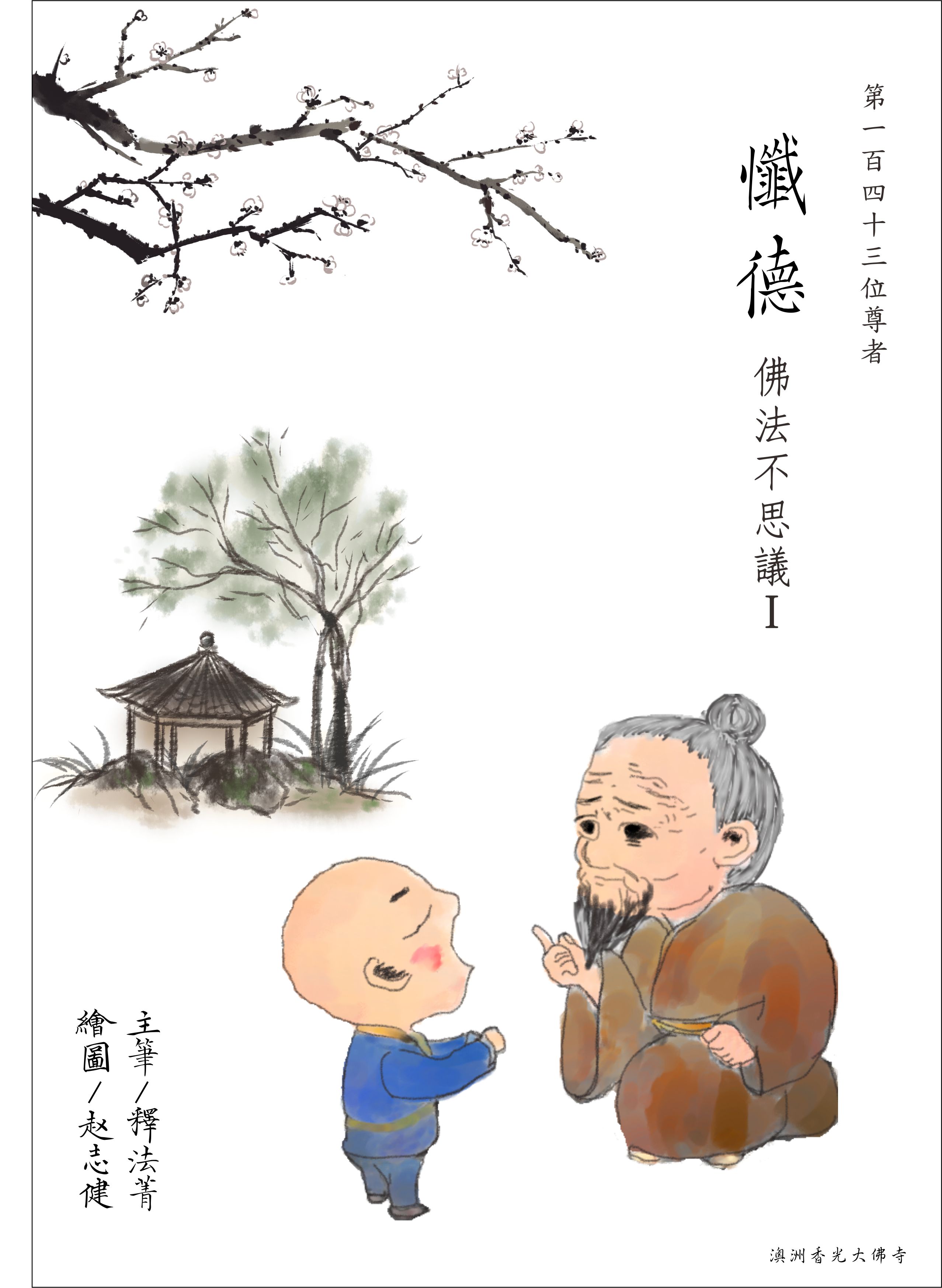
The Virtue of Repentance
A profound reflection on the journey of repentance and the cultivation of virtue from the 143rd Venerable, Chande, as he recounts his path to the Western Pure Land.
The Spiritual Anatomy of Practitioner Su's Leg
Venerable Feng An, representing a collective of 1,162 Venerables, provides a profound look into the spiritual dimensions within Practitioner Su's leg, revealing the hidden reality of karmic burdens, the nature of spiritual attachment, and the ultimate sacrifice of a Bodhisattva.
The True Meaning of Filial Piety
A touching testimony from Zhu Hongchang, who reflects on his life nine centuries ago, his journey from being rejected as a 'dull' child to discovering the profound, selfless nature of true filial piety through service to all beings.
The Path of No-Self and the Boundless Ocean of Wisdom
A poignant reflection on a life of hardship, the realization of the 'no-self' nature, and the ultimate vow to deliver sentient beings through the power of Namo Amituofo.
More by Hsiang Kuang Pure Land Buddhist Centre
The Redemption of a Hollywood Icon
A candid reflection from the spirit of Elizabeth Taylor, who shares her journey from the blinding lights of Hollywood to the serene, transformative teachings of the Buddha in the Western Land of Ultimate Bliss.
The King of Pop's Journey to the Western Pure Land
Michael Jackson shares his journey from the pressures of global fame to the peace of the Western Pure Land, revealing the truth behind his life and his ultimate deliverance.
A Voice from the Darkness: Helen Keller's Journey
Helen Keller, the renowned deaf-blind philanthropist, shares her journey from the darkness of the ghost realm to the light of the Western Pure Land of Ultimate Bliss, guided by the compassion of Namo Amituofo and Practitioner Su.
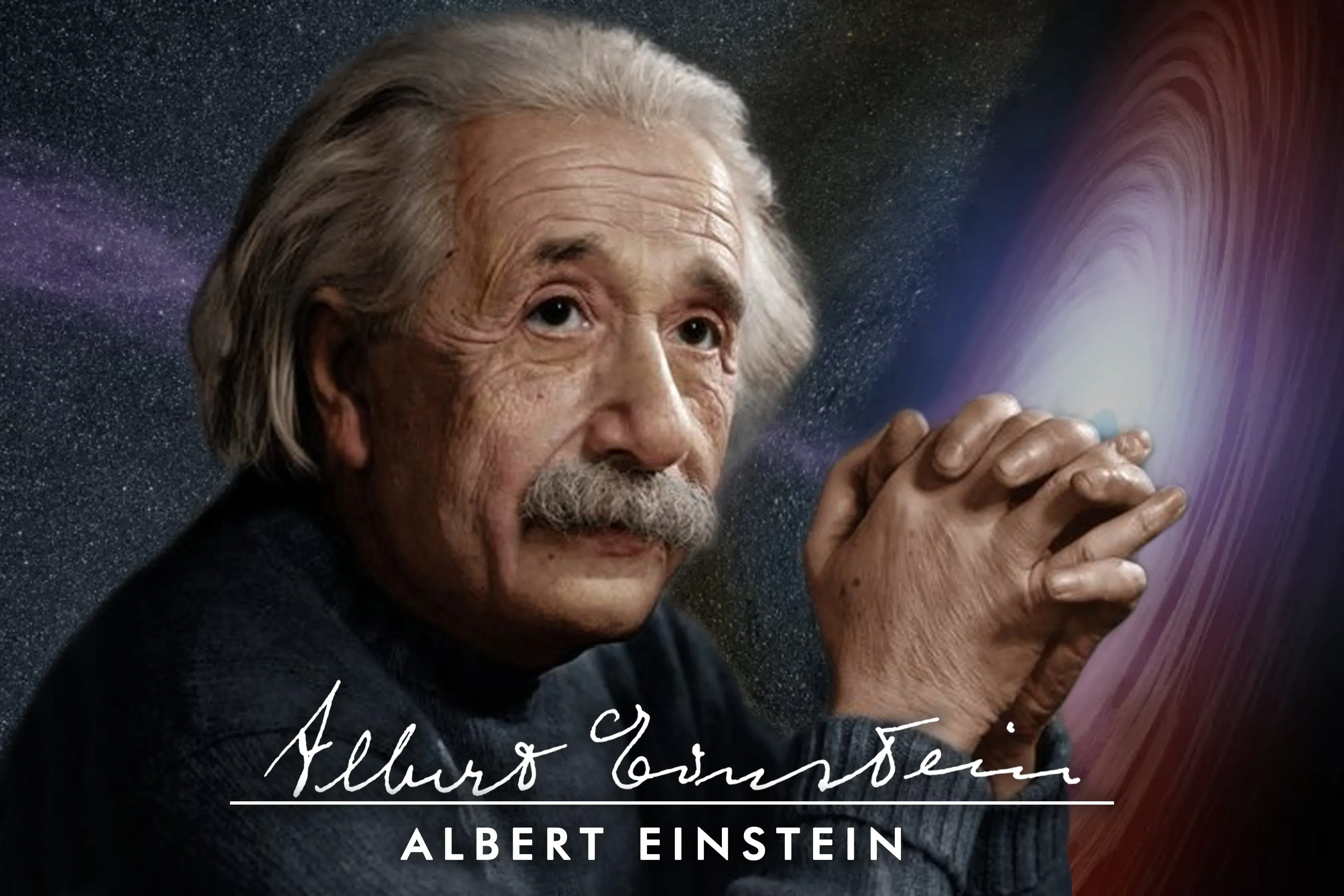
An Interview with Albert Einstein (Theoretical physicist)
Albert Einstein, once considered the most brilliant mind in human history, reflects on his life, the nature of 'science' versus the Truth of the Dharma, and his existence in the Western Pure Land.
A President's Repentance: Ronald Reagan's Journey to the Pure Land
Ronald Reagan, the 40th President of the United States, reflects on his life, his political career, and his profound journey from the depths of hell to the Western Land of Ultimate Bliss through the compassion of Namo Amituofo and Practitioner Su.
The Reflection of a Nation's Founder
This is a record of an interview with Kim Il Sung, the founder and former leader of North Korea, who sought deliverance at the Hsiang Kuang Pure Land Buddhist Centre in Australia. He now resides in the Western Land of Ultimate Bliss. This account reflects upon his life and the spiritual truths he has realised since his passing thirty-two years ago. Recorded by the chief writer, Venerable Fa Hui, on May 18, 2026.
About the Author
Hsiang Kuang Pure Land Buddhist Centre
Contributed to Pure Land Buddhism knowledge library