The Boy Raised by Monkeys
An Interview with the Venerable Ruyuan
This is a record of an interview with the Venerable Ruyuan, who sought at the Hsiang Kuang Buddhist Centre in Australia. He now resides in the Western Pure Land of Ultimate Bliss. This account reflects upon his life approximately 2,000 years ago. Recorded by the chief writer, Shi Fajing, on March 15, 2019.
Venerable Ruyuan speaks:
"Namo Amituofo. I am Ruyuan. That I survived at all can only be called a miracle. My mother, suffering from a grave illness, held me as a newborn and kept walking forward, hoping to find a kind soul to help her care for me. We lived deep in the mountains, and to find a single household required a journey of immense distance. My mother’s body was reaching its limit; she could not go any further. Just as she collapsed and drew her final breath, a mother monkey appeared before us. Unable to protect me any longer, my mother passed away, and the mother monkey rescued me, taking me under her care as if I were one of her own."
A Life Among the Trees
"I grew up surrounded by the mother monkey’s children. They were incredibly mischievous, and my appearance surprised and fascinated them. They would crowd around me, chattering away in their own language. The mother monkey seemed to introduce me to them, and after she finished, the little monkeys began to show me kindness. They treated me like a brother, opening their arms to welcome me into their family.
I could not yet speak or walk, but the mother monkey taught me slowly. The other little monkeys were equally active, teaching me how to climb trees, how to scale branches, and how to gather fruit. Whatever a monkey could do, I had to learn to do. Year after year, I grew up within the troop. I truly learned the movements they made; every gesture and every step became identical to theirs. Through constant exposure, I had become, in every sense, a human-monkey."
The Tragedy of the Wild
"I could not speak human language, but I could communicate with the monkeys in their own tongue. No one ever discovered that I was a human. One day, hunters came into the mountains. The mischievous little monkeys came out to cause trouble, and in a fit of rage, the hunters drew their bows and shot them. All the little monkeys were killed by arrows, and even the mother monkey lost her life trying to protect them. I alone survived, because I was not as mischievous as the others; I had remained quietly hiding in the trees and was not discovered by the hunters.
When I discovered that the mother monkey and my brothers had all been shot, I collapsed to the ground, utterly drained of strength. I felt the same agony as if I had lost my own kin. For a long time, I could not recover from my grief. From the time I was a baby until I was seven, these monkeys had been my constant companions. They were my family. Now, they were all dead, and I was left entirely alone. A profound sense of isolation took hold of me. I became more depressed with each passing day. The I once felt playing in the forest vanished. I would sit on the trees or the ground, staring blankly at the sky or the trees, recalling the days spent with my brothers. I longed to find them, but I had no idea where they had gone."
The Monk Who Understood
"One day, I decided to go out and search for them. As I walked, I eventually emerged from the forest and onto a road, where I became the centre of everyone’s attention. People whispered and pointed: 'Why does this child act like a monkey?' 'Whose child is this? Why does he look so strange?' A kind woman approached me, concerned by my sorrow. She asked repeatedly, 'Little brother, where are your parents?' No matter how she asked, she could get no answer, for I did not understand her words, and she could not understand mine.
Just as the crowd was debating what to do, a monk with a free and easy demeanour walked out from behind them. He recited this line: 'The Buddha teaches the with a single sound, and beings each understand according to their kind.' He understood everything I said. Although his appearance was not as formal as other monks, his Wisdom and practice were second to none. After understanding my situation, he brought me into his temple.
As soon as he entered the temple, his senior fellow monk scolded him loudly: 'How could you bring a monkey back here?' The monk replied to his senior: 'Please look closely. He is not a monkey; he is a human. What is the difference between a human and a monkey? Our spirits are the same; there is no difference. How can you have a mind of inequality?' Everyone in the temple was astonished, truly believing he had brought a monkey into the monastery. The monk took me to see his master and explained everything about me clearly."
The Long Path of Transformation
"The master agreed to let me stay, and the monk took charge of my guidance. He patiently taught me, working to change all my monkey-like behaviours. For instance, when everyone sat on chairs to eat, I would squat on the chair or climb onto the table, grabbing food directly with my hands. The once-quiet mealtime would suddenly become noisy. Everyone was shocked by my behaviour, believing I was truly a monkey reincarnated. Furthermore, whenever I walked into the courtyard, I would suddenly vanish. The other monks would not know where I had gone until they heard my laughter and realised I had climbed to the top of a tree. My agility astonished them all.
The monk corrected these behaviours one by one. It took five full years to slowly adjust me back to the appearance and habits of a human. I began to understand that I was a human, not a monkey. The monk taught me the Dharma, and bit by bit, my good roots were awakened, and a natural sense of began to arise in my heart. Those seven years as a monkey left a deep impression on me. I realised that the difference between humans and monkeys, beyond physical form, lay in how people treated them. When I was a monkey, I was an animal that had been pelted with stones by children. But when I followed the monk to learn, I was treated with respect by the devotees. I experienced both extremes and lamented the discrimination and inequality in the world. I encouraged myself to learn to show respect for all Buddhas and to view all sentient beings as equal.
My seven years of pure life among the monkeys kept my mind in a state of purity, never polluted by the environment of society. This clean body became a vessel for learning the Buddha’s teachings. The monk was like a sculptor working with clay; he took this lump of clay that had never been shaped and began to sculpt it into something beautiful. He hoped I would become a monk and use this clean body to save sentient beings. I also had the wish to become a monk. Although I was young, I had already seen through the illusions of this world. This unique life experience made me deeply understand that the environment can truly change a person’s behaviour, thoughts, and expressions. Whether human or animal, all carry deep emotions. Even though I had no blood relation to the monkeys, once I decided in my heart that they were my family, I developed deep for them, viewing the troop I had lived with for seven years as kin I could not bear to part with."
A Life Dedicated to Deliverance
"I made a vow before the Buddha to save sentient beings and was ordained as a little novice. My heart was very firm; I only wanted to help beings. If this body did not practice the Buddha’s teachings, it would only become a model shaped by the environment, living the life the environment dictated. I believe that as long as people are exposed to the Buddha’s teachings from a young age and use a Buddha-centred environment to change their hearts, they can be guided to reveal their pure, good side. All habits and personality traits can be adjusted and changed from childhood, so they no longer need to suffer or be tormented.
I worked hard to study the sutras, and under the guidance of my master, I gradually purified and changed myself. Over a decade of practice, I slowly became a dignified Bhikshu. I constantly accepted various trials and tests, walking step by step on the path of solid practice, thinking of the extreme suffering of beings, and helping them leave suffering behind and gain happiness.
This miraculous encounter in my life taught me so much and gave me a deeper understanding of life. The difference between humans and all things is merely a difference in external appearance; the spirit has never had any difference. I learned to cherish this human body that can save others, becoming a monk at a young age and practicing until I was over eighty, when I attained rebirth in the Western Pure Land of Ultimate Bliss."
Gratitude to Practitioner Su
"Practitioner Su is someone I deeply revere. Since I returned to the Western Pure Land, I have often seen Practitioner Su travelling to and from the West, easily and freely leading beings back to the Western Land. I have made a vow to help beings just as Practitioner Su does. The first thing I must do is to help heal Practitioner Su’s leg injury, so that she can exert even greater power to save beings.
Today, the universe has become incredibly bright. It is the Dharma sound of Practitioner Su that illuminates the entire universe, bringing a ray of hope to many realms that were originally filled with suffering. Many spirits, upon hearing the sutras, feel such Dharma joy and are so moved that they one after another express a sincere desire to leave the cycle of rebirth. Every time Practitioner Su performs Chao Du, they rush out to seek Spiritual Deliverance, shedding tears of gratitude for her compassion. Namo Amituofo."
Namo Amituofo.
More from Revered Ones
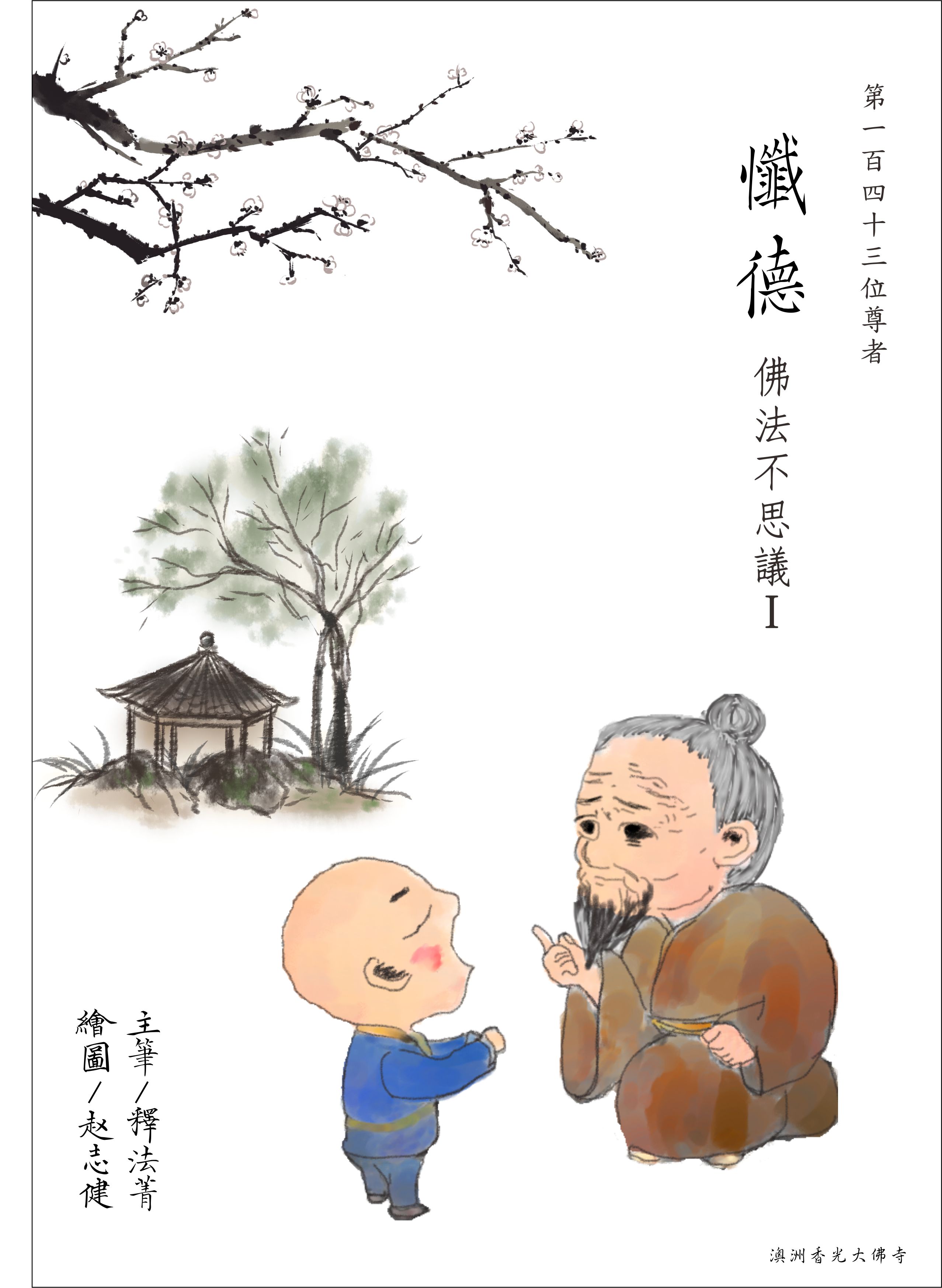
The Virtue of Repentance
A profound reflection on the journey of repentance and the cultivation of virtue from the 143rd Venerable, Chande, as he recounts his path to the Western Pure Land.
The Spiritual Anatomy of Practitioner Su's Leg
Venerable Feng An, representing a collective of 1,162 Venerables, provides a profound look into the spiritual dimensions within Practitioner Su's leg, revealing the hidden reality of karmic burdens, the nature of spiritual attachment, and the ultimate sacrifice of a Bodhisattva.
The True Meaning of Filial Piety
A touching testimony from Zhu Hongchang, who reflects on his life nine centuries ago, his journey from being rejected as a 'dull' child to discovering the profound, selfless nature of true filial piety through service to all beings.
The Path of No-Self and the Boundless Ocean of Wisdom
A poignant reflection on a life of hardship, the realization of the 'no-self' nature, and the ultimate vow to deliver sentient beings through the power of Namo Amituofo.
More by Hsiang Kuang Pure Land Buddhist Centre
The Redemption of a Hollywood Icon
A candid reflection from the spirit of Elizabeth Taylor, who shares her journey from the blinding lights of Hollywood to the serene, transformative teachings of the Buddha in the Western Land of Ultimate Bliss.
The King of Pop's Journey to the Western Pure Land
Michael Jackson shares his journey from the pressures of global fame to the peace of the Western Pure Land, revealing the truth behind his life and his ultimate deliverance.
A Voice from the Darkness: Helen Keller's Journey
Helen Keller, the renowned deaf-blind philanthropist, shares her journey from the darkness of the ghost realm to the light of the Western Pure Land of Ultimate Bliss, guided by the compassion of Namo Amituofo and Practitioner Su.
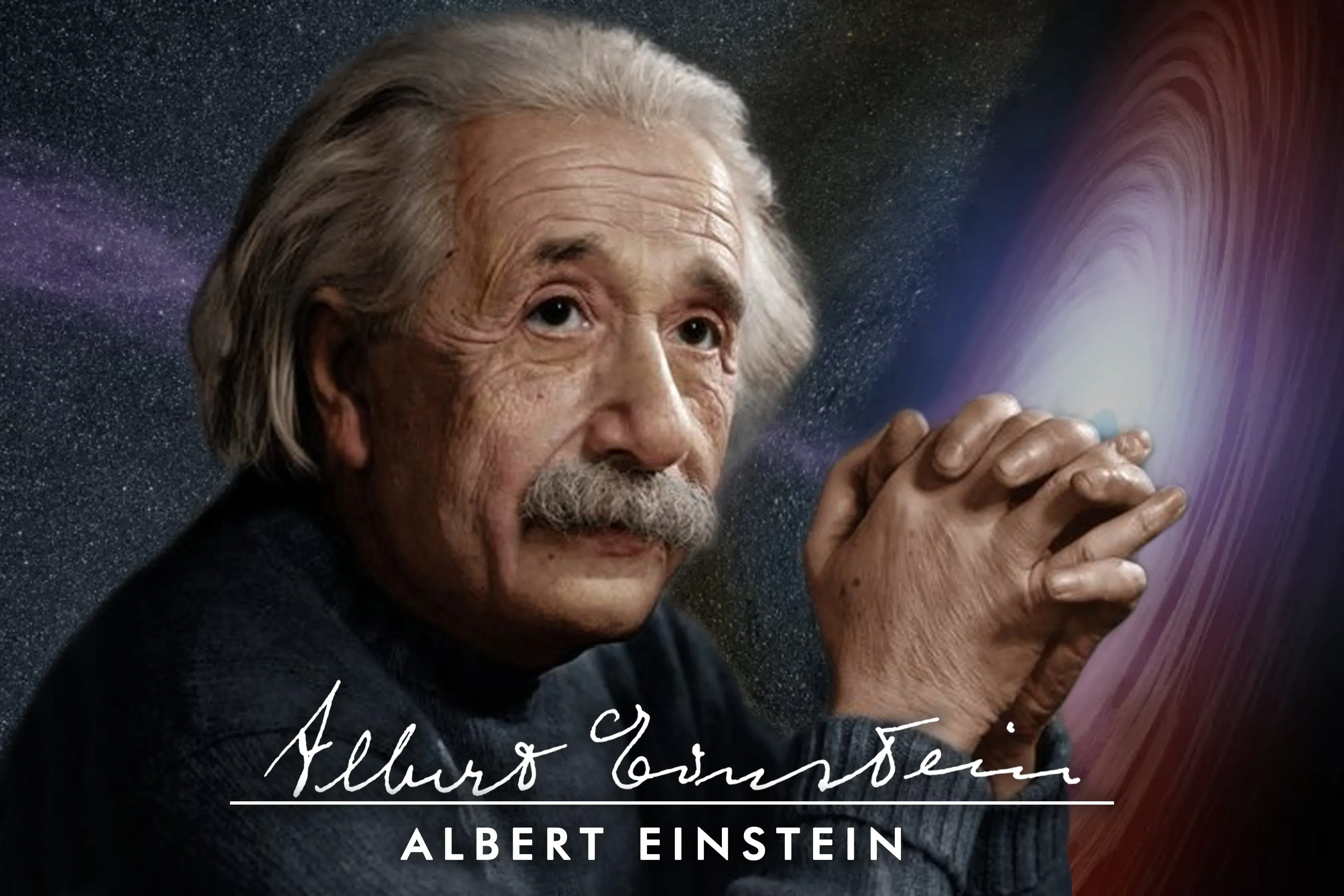
An Interview with Albert Einstein (Theoretical physicist)
Albert Einstein, once considered the most brilliant mind in human history, reflects on his life, the nature of 'science' versus the Truth of the Dharma, and his existence in the Western Pure Land.
A President's Repentance: Ronald Reagan's Journey to the Pure Land
Ronald Reagan, the 40th President of the United States, reflects on his life, his political career, and his profound journey from the depths of hell to the Western Land of Ultimate Bliss through the compassion of Namo Amituofo and Practitioner Su.
The Reflection of a Nation's Founder
This is a record of an interview with Kim Il Sung, the founder and former leader of North Korea, who sought deliverance at the Hsiang Kuang Pure Land Buddhist Centre in Australia. He now resides in the Western Land of Ultimate Bliss. This account reflects upon his life and the spiritual truths he has realised since his passing thirty-two years ago. Recorded by the chief writer, Venerable Fa Hui, on May 18, 2026.
About the Author
Hsiang Kuang Pure Land Buddhist Centre
Contributed to Pure Land Buddhism knowledge library