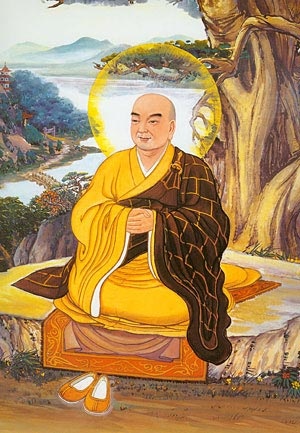
An Interview with Master Huiyuan by Practitioner Fa Xi
Ending the Dusty Journey: Teachings from Master Chewu
The Essence of Sincerity: An Interview with Master Shaokang
The Great Deliverance of the Earth and Space: An Interview with Master Chengyuan
Aligning Hearts and Righteous Power: An Interview with Great Master Lianchi
The Dharma Body Deliverance: An Interview with Master Shandao
June 10, 2017
Practitioner Fa Xi: I, your disciple Fa Xi, offer ten bows to the Buddha and sincerely invite Master Huiyuan to this interview. I wish to ask about your life, your family history, and your journey of practice. I humbly request your compassionate teachings and guidance. .
Master Huiyuan: Ah, Hui Chi! We have finally met again!
Practitioner Fa Xi: Namo Amituofo. I humbly request your teachings, Master.
Master Huiyuan:
How many years of wind and frost have passed? How many emotions of the mundane world have we endured? We have drifted through countless cycles of rebirth, and for how many lifetimes have we been waiting? We wait for a glimmer of light to survive, and we wait for a fleeting moment of connection. Yet, no one truly understands the great matter of life and death, which has never departed from our own hearts.
The foundation of the Gate is to let go of the ego. This is the essential path. We must vow to follow the Buddha in life and death, and share the same Great Vow as Namo Amituofo.
Few people truly understand the gravity of life and death. I was born during the Eastern Jin dynasty into a wealthy and prestigious family of scholars. My mother experienced a truly miraculous story when she gave birth to me, a tale that left our family and the villagers in complete awe. I was the eldest son, and I had a younger brother who was close to me in age. During the ten months of her pregnancy, my mother never felt any fetal movement. Although her belly grew larger as the days passed, there was never a sound or stir from within. The doctor was often quite worried about the condition of the child, and in truth, my family had prepared themselves for both the best and the worst outcomes.
To understand my birth, one must look back at the history of my parents. My mother and father grew up together, as our grandparents’ families had been close friends for generations. Both families were renowned for their scholarly traditions. Our ancestors were either government officials, men of letters, or monastics who dedicated their lives to the study of Confucianism, Buddhism, and Taoism. This noble atmosphere was passed down through the generations. My parents were childhood sweethearts, and their families, who were in full agreement, arranged their marriage from a young age.
My father married my mother when he was fifteen years old. My mother had never known any other man in her life, save for her grandfather and my father. Her love for him was profound and deep. Fortunately, my mother was a woman of great reason and exceptional talent; she never allowed her emotions to cloud her judgment. After their marriage, my father needed to focus entirely on his studies to pass the imperial examinations, but they were still in the early days of their marriage. As a man, my father naturally struggled with the separation, but my mother took the initiative. She proposed that they should not see each other until he had successfully achieved the title of top scholar. After saying this, she moved back to her parents' home.
Both families were well-acquainted and fully supported my mother’s decision. My father, however, resisted with all his might, though he was ultimately powerless to change her mind and had to accept it. My father studied for three years and finally achieved the top rank in the imperial examinations. The moment he returned from the capital, he did not even enter his own home; he turned his carriage around and went straight to my mother’s house to invite her home. To his surprise, she still refused to see him. My father was truly anxious, for even the most refined scholar finds it difficult to endure three years without his beloved wife. He begged her family to intercede and asked them to inquire why she would not see him. My mother replied with only one sentence: “First, go and see your parents.”
The level of my mother’s rationality was truly admired by many in the region. For a woman to act with such wisdom was rare. My father felt ashamed, yet he understood her intentions perfectly. He hurried back home, where his parents, who had long understood and forgiven everything, were eagerly waiting for their virtuous daughter-in-law to return. After my father enjoyed the meal his family had lovingly prepared, he set out once more to my mother’s home to invite her back. This time, she finally emerged. She appeared even more dignified and possessed an extraordinary aura. All the complaints my father had held in his heart vanished like smoke, and he was completely captivated by the grace she radiated. He respectfully invited her home. At the time, the local people found this couple both amusing and deeply admirable, especially for my mother’s wit and my father’s humble devotion.
My parents lived a happy life together for a time, but soon news arrived from the imperial court. The Emperor wished for my father to take up an official post in the capital. The imperial decree arrived by fast courier, and there was no choice but to obey. My father clearly expressed his hope that my mother would accompany him to the capital, and she agreed with a bright laugh. They set off for the capital filled with a sense of novelty. Life in the capital was not as free and leisurely as it was in their hometown. My father was so busy with government affairs that he often returned home only at night, falling into bed from exhaustion. My mother felt for him deeply, though she could do little to help. This was their daily routine. My mother would tenderly change his clothes and use warm water to wipe away the sweat and the smell of wine from his long days. Sometimes, in a half-awake state, my father would watch her, his heart filled with gratitude. Although he did not speak of it, he quietly sought opportunities for leave so he could spend quality time with her. However, as a newly appointed scholar, he was burdened with many trivial tasks that senior officials avoided, and he had to carry the weight of it all. In truth, being an official was not what my father desired, and the heavy workload meant that his quality of life was entirely sacrificed to the court.
During the days when my father was busy with official duties, my mother was often left alone. She had no friends or family in the capital, so she spent her time waiting for her husband to return. She began to explore the Buddha’s teachings. While Confucianism, Buddhism, and Taoism were part of our family’s heritage, this was my mother’s first time delving into the sutras. At that time, the various schools were not clearly defined. People who believed in the Buddha would simply read whatever sutras they could find, or they would focus on one or two that resonated with them. There were no distinct sects; instead, people with similar interests in certain sutras would gather to study and practise together. The essence of the sutras eventually gave rise to the schools we know today. My mother did not follow a specific sect; she simply burned incense at home, offered to the Buddha, read the sutras, and chanted the Buddha’s name.
Through a magnificent connection, the first sutra my mother picked up was the Amitabha Sutra. Strangely, on the very day she began reading it, she discovered she was pregnant. My mother described the scene: she had a habit of taking a nap in the afternoon. One day, in early autumn, the weather was cool. Having just woken from her nap, she was walking in the courtyard with a thin veil draped over her shoulders. She wandered toward the study and pushed open the door. She began browsing through my father’s calligraphy and the various books on the shelves. Some she had seen before, but she felt an urge to pick a few to read. On a side cabinet, she saw the Amitabha Sutra. She was curious and took it out to read. She had never seen or heard of it before, but as she flipped through the pages, she understood the simplest meanings within. She could not help but feel curious: what kind of realm was this in the Buddha’s gate? What kind of sutra was this, describing such a magnificent and wondrous world?
When the mother was pregnant for the first time, she did not understand the changes occurring within her body and paid no attention to fetal movements. In fact, throughout the entire pregnancy, she never felt the child move. However, because she was unaware that this was an unusual phenomenon, she remained happy and content, eagerly awaiting the arrival of her child. The father, however, understood the situation far better, and the more he knew, the more he worried about the child's condition. In truth, he was also deeply concerned about the mother’s potential distress. He began to embrace the Buddha’s teachings, praying for the and of the Buddha or to protect the child who was about to enter their lives.
The mother once told the father that she had dreamt of someone telling her that this child was born due to the Causal Conditions of the Infinite Life Sutra. Every word and sentence in the dream had been clear and distinct, which left the mother quite astonished. When she recounted this to the father, both parents felt it was truly inconceivable. Yet, the father remained fearful, wondering why their child would manifest such unusual phenomena. Physicians frequently visited their home, and at the father’s request, even imperial doctors came to offer their care. As the days passed, the time for the birth approached. The mother had not felt any discomfort during these months; in fact, she was unaware that pregnancy often involved many physical hardships. Because she did not know, she never worried. It was the father who carried all the concern. About a week before the expected delivery, the father requested that the physician and a midwife move into their home to monitor any changes at a moment’s notice. The father was deeply anxious, while the mother, not understanding his tension, simply waited with for the child’s arrival.
One day, the mother said something that startled the father. Upon waking from a dream, she told him that the child in her womb had appeared to her. The child was fair, plump, and possessed the dignity of a young boy. With a clear, resonant voice, the boy had said, "Mother, I have come to be your child!" When she woke up, the mother could still clearly see the child’s features. As she was skilled in painting, she immediately drew a portrait of him and gave it to the father. Regardless of the outcome, the father believed this was the child he was destined to protect. Tears of emotion streamed down his face, while the mother laughed continuously. Throughout the entire pregnancy, the mother had felt no movement, and when the time came, she gave birth naturally without any pain. The baby was indeed a boy, looking exactly like the portrait the mother had drawn, and he was born with a strong, resonant cry. Seeing this, the father finally let go of the tension he had held for ten months. He looked on in astonishment, realizing that the scene was identical to what the mother had described, even down to the portrait. He held the child in his arms, wondering, "Could this child have a truly extraordinary background?"
The mother, exhausted, fell asleep. In her dream, she saw an old man walk into the child’s body. This old man had been waiting by her side throughout the entire birth process, smiling at her the whole time. As soon as the child emerged from the birth canal, the old man vanished, and the baby began to cry. The image was incredibly clear. After hearing the mother’s description, the father believed that this old man would indeed become their child. He remarked that this child likely possessed a Wisdom (Prajna) far beyond that of ordinary children. It was only then that the father confessed his long-held anxiety regarding the lack of fetal movement.
The mother was astonished, as she had truly been ignorant of the situation; yet, because she did not know, she had been spared the fear. The father said it was fortunate that everything had gone smoothly. Indeed, it was a blessing. From the moment the baby was born, he was endowed with great blessings, receiving many gifts from the royal court. The child’s birth had been watched by many, and even the imperial physicians had come to offer their concern. Because everyone had worked so hard during those days, and because they had only been able to guess at the child’s condition through the pulse, everyone was overjoyed that the birth was successful.
From birth, the little one had a pair of bright, luminous eyes. He appeared to have great Wisdom (Prajna) and seemed to understand everything, always gazing clearly at every adult he encountered. The father began to feel the reality of his son’s birth and started actively preparing for his education and upbringing. It was then that Huiyuan truly arrived in the human world—he had come to save the world. At that time, Huiyuan understood that a younger brother would also arrive, who would also come to save the world. In truth, Huiyuan had been "connected" since birth. Because he had not passed through the usual process of the womb, he arrived with clarity, knowing that his brother would be born in about five years. He was a representative of great Wisdom (Prajna). The two brothers would not concern themselves with the mundane world; they would both become monastics to spread the Dharma. This vow had been set before they were even born.
Fashi, you must find it! All the Wisdom (Prajna) from those years must return! From a young age, Huiyuan’s growth was unique; he required little care. Most children appear somewhat foolish, but Huiyuan was different. He simply did not like to speak, so people were not entirely sure of the depth of his understanding. Huiyuan could speak and understood everything clearly, but he chose to remain quiet and still.
When he reached the age of three, Huiyuan felt the time was right and told his mother, "Mother, my younger brother is coming!" The mother was stunned by these words, but she trusted in her child’s uniqueness and believed him. Upon feeling carefully, she discovered changes in her body and realized she was indeed pregnant, just as the child had said. She hurried to tell the father, who was overjoyed. He rushed out of the house to invite a physician, telling the mother to sit and rest. The physician thought the family’s behavior was a fantasy—how could they believe the words of a three-year-old? It caused quite a stir! However, after examining the mother several times, the physician found that she was indeed pregnant, just as the child had predicted. The physician was left speechless and stunned, amazed to see such a miraculous child. As the physician was also a practitioner, he returned home and then hurried back to present the family with many precious medical texts and scriptures, hoping to form a connection with the child. He believed he could not be mistaken; this child was surely a great monastic reborn. This event caused a sensation in the capital, and even the imperial court sent people to express their concern. The father worried that the child might be taken to the court. Both parents shared a consensus: the court was a polluted environment, and they did not want their children to become officials. The father felt deeply that this was not a good path for life, so they decided to leave the capital and even considered resigning from his official post.
The arrival of the younger brother brought even more joy to the family. This time, the mother felt fetal movements, and they were frequent. She felt that the younger brother was a child of immense energy, as he almost never rested. However, whenever Huiyuan spoke to him, the younger brother would become still. In truth, Huiyuan and his brother, Huichi, were both old practitioners reborn—they were the two who had been by the side of the World-Honoured One. It was only natural for Ananda to follow Kasyapa. The parents were filled with anticipation for the younger brother’s arrival, while also planning their departure from the capital. To avoid the exhaustion of travel that might harm the pregnancy, they planned to wait until the child was born before making further arrangements. Perhaps it was this anticipation that the child sensed, for he was born less than seven months later.
Though his physique was a little thin, he was still a fair and plump boy, possessing the same look of Wisdom (Prajna) and a very handsome appearance. Knowing his brother had arrived, Huiyuan stood in the Buddha hall and recited the Amitabha Sutra in a loud, clear voice. The scene was incredibly dignified and solemn. Although everyone was surprised by the actions of a three-year-old, no one dared to disturb him. The younger brother fell asleep, smiling to the sound of Huiyuan’s chanting. Everyone watched in amazement; this little brother had given his younger sibling such a special gift. Huiyuan recited seven volumes, kneeling before the Buddha, and naturally, the fragrance of lotus flowers filled the air. When the seven volumes were finished, Huiyuan stood up. At that moment, the younger brother woke up and suddenly began to wail loudly, as if his throat were blocked. He cried with such force that his face turned red, then blue. Suddenly, with a cough, he spat out the meconium he had ingested in the womb. Everyone who saw this was truly stunned! The brother’s complexion returned to a rosy hue, and he began to smile again, looking at Huiyuan, his older brother, with a radiant expression. His eyes looked deep, incredibly deep, containing boundless Wisdom (Prajna).
Everyone present could not help but praise this pair of young brothers. This made the father even more determined that such children should not become officials and be polluted. He told those present that he hoped these children would work for the Buddha’s teachings and never again be tainted by official positions in this life. In fact, those present were all there through the arrangement of Causal Conditions and would not harm the children. Everyone joyfully expressed their agreement. The father’s friends from the court also helped him leave his official post and the capital, and the family of four returned to their hometown.
The father was determined to cultivate his children well. The mother’s brother was a practitioner of the Buddha’s teachings, and upon seeing the family of four return, he happily visited his young nephews. Having studied the Buddha’s teachings for many years, the uncle saw the appearance of his nephews and heard the parents’ account, and he shouted with joy, "They must become monastics! They must spread the Dharma! They must save the world!" Of course, the parents had long held such thoughts, but hearing them from the uncle made them even more certain. Both parents were charitable by nature, and given the father’s experiences in the official world, he found the suffering of the common people very difficult to bear. Later, because of Huiyuan’s birth, the father had learned the Buddha’s teachings and had even concerned himself with the state of the Dharma while at court.
The father believed that the Buddha’s teachings were a path worth pursuing. Although it did not seek fame or profit, it offered a life of purity and coolness—why not choose it? He had seen too much collusion in the official world and the influence of fame and wealth, which led so many bright young students down the path of causing trouble. Since the birth of the two brothers was so magnificent, the parents fully agreed with what the uncle had said; they only needed to wait for the Causal Conditions to mature. The two brothers grew up helping and supporting each other, both possessing great Wisdom (Prajna) from a young age. They often accompanied their uncle to study and practise. As a long-time disciple of the Buddha with great Wisdom (Prajna), the uncle was a mentor the parents felt completely at ease entrusting their children to.
Namo Amituofo
When Huiyuan was five years old, his younger brother was two. In truth, even at that tender age, the younger brother was already Huiyuan's equal in spirit. The two brothers shared a deep and intimate bond, always studying and practising together. Their parents dedicated every ounce of their energy to nurturing them. Their father imparted everything he had learned and mastered throughout his life to Huiyuan. He also provided a clear analysis of the political world, essentially preparing his sons to avoid the pitfalls of a career in officialdom. Huiyuan understood clearly that he would never walk the path his father had described. From a young age, due to his family's long-standing traditions, Huiyuan was well-versed in the philosophies of Confucianism and Taoism. Later, through various Causal Conditions, he began to study the Buddha’s teachings.
When Huiyuan was six or seven years old, he encountered a monastic. He and his brother were playing in the courtyard when this monastic walked toward them. It was the first time they had ever seen a monastic. The monastic possessed a dignified appearance. His younger brother, possessing keen eyes, immediately identified him as Amitabha Buddha. At the time, the younger brother was nearly four years old. The monastic smiled at the two of them and sat down beside them. He spoke to them of their mission and purpose in this life. The younger brother, without a single thought of hesitation, agreed. In truth, Huiyuan understood everything clearly as well; he was simply waiting for the Causal Conditions to mature.
At home, the guidance provided to the two brothers was one of constant study. They read the classics of Confucianism and Taoism, including the works of Zhuangzi, Mencius, and the Great Learning. Their scope of study was vast, and they were never permitted to be lax. The younger brother was still quite young and balanced his studies with play, but Huiyuan felt a responsibility to be even more diligent than his brother, so that he could fulfill his role as an elder brother. Their parents held deep expectations for them, fervently hoping that the two brothers would disregard fame and fortune and develop their path toward the Buddha’s teachings. Therefore, when he was in his teens, Huiyuan began taking his brother to various places to listen to the Venerables teaching the Dharma. His younger brother possessed exceptional wisdom and could fully absorb the meaning of the Dharma. Huiyuan acted as both a protective elder brother and a fellow practitioner. They found great joy and happiness in their studies, and both shared a profound vision for the Buddha’s teachings. They both knew they were waiting for the right conditions to leave the home life. Before that, the two brothers travelled extensively to seek the Dharma, listen to lectures, and observe the myriad states of life in the world. At that time, they would occasionally return home, but most of the time they were out, searching for knowledge and truth. From then on, their parents rarely questioned or interfered with their studies, believing the time was right and trusting that the two brothers were capable of taking care of themselves.
When his younger brother turned eighteen, after attending a Dharma talk held at a temple, they decided to leave the home life and took refuge together under the guidance of Master Dao'an. In truth, their travels to seek the Dharma were aimed at experiencing the power of a Venerable’s presence and their techniques in teaching. Under Master Dao'an, they finally heard the Dharma they had been seeking: the Prajna. Master Dao'an was an incredibly compassionate teacher. At that time, he accepted many disciples into the Buddha’s gate. Everyone who sat before him to listen to his lectures felt inspired to awaken their heart. This included the two brothers, who chose to bow before the Master on the same day, following him to study with a focused heart. The Master was truly a person of great Wisdom, and the fellow disciples who were ordained at the same time were also exceptionally wise and possessed deep good roots. The Master’s appearance was dignified, and his every action and word carried immense majesty. Every sentence he spoke was deeply beneficial. On the very first day, the Master said only one thing: "I will not teach you too much. I am responsible for bringing you through the door; the rest is left for you to realise on your own." The Master wished to express the importance of down-to-earth practice and a pragmatic heart.
Everyone understood clearly that the Master was an awakened being. Whether they came by reputation or to hear the Dharma, the stream of laypeople, monastics, and disciples seeking to bow before him was endless. However, the Master did not accept everyone as a disciple. One had to attend at least one full lecture, and only then would the Master choose; within the time of that one lecture, the Master would know if you were suitable to stay. The Master was excellent at reading people and never forced anyone to stay. Although he had many disciples, after entering, we did not see many of them. It was said that some had gone out to spread the Dharma, while others, unable to adapt, had left. The remainder stayed at the temple to continue their studies. The Master often said, "It is not about having many disciples; what matters is whether they can be guided. Everyone has excellent potential, but the difference lies in whether their personality is willing to be disciplined." The Master often taught, "Personality is the factor that keeps you trapped in the six realms of rebirth. If you do not change your personality, then there is no need to leave the home life and suffer. Leaving the home life is for the purpose of saving the world, and furthermore, to end the cycle of birth and death and escape samsara. If you do not change your personality, then you need not leave the home life, because you have no desire to change." The Master believed that life should be lived with freedom and happiness. If leaving the home life was so painful—even if it was just a sudden feeling of heaviness in the heart—the Master would know, and he would tell you to go back. The basic principles the Master demanded were often enforced with stern shouts or even expulsion. He appeared to be a very strict mentor, but after spending time with him, one would realise that the Master was, in fact, incredibly kind and compassionate.
After my brother and I moved into the temple, we addressed each other as fellow practitioners, and our blood relationship was never mentioned again. Although the blood tie remained, the emotional attachment was set aside. My Dharma name was Huiyuan, and my brother’s was Huichi. After entering, my fellow practitioner and I vowed to study with a focused heart, determined that one day we would spread the Dharma and benefit beings. My brother and I did not share a room. Aside from nodding and smiling when we met to show concern for one another, we spent most of our time working hard on our own. In order to truly benefit beings, we dared not be the slightest bit lax. Later, I only heard that my brother was very diligent in his practice; I never asked about other matters, choosing instead to remain calm and focus on my own spiritual achievements.
The Master’s guidance was mostly provided during his Dharma talks; the rest of the time, he allowed his disciples to develop and work on their own. Aside from giving lectures, the Master remained in his quarters. His door was never closed, not even when he slept at night. I heard from the senior disciple that the Master did this to wait for all who came to learn, never closing his door to anyone. The Master was extremely compassionate; no matter how big or small the problem, he was willing to resolve your doubts and would even guide you toward a broader perspective. The Master did not limit the direction or sect of his disciples' studies; he only required that you take responsibility for your own spiritual achievements. For any problem in practice, the Master could provide answers, offer help, and resolve every doubt, giving the most wise assistance. When I first entered, I found it difficult to choose which subject to focus on given the Master’s style of guidance. But after I asked him, the Master only said, "Ask your own heart," and told me to return to my room. I sat in my room, full of doubt, looking out the window: Yes! What kind of spiritual achievement did I want? To spread the Dharma and benefit beings—what kind of effort would be most suitable? I could not help but close my eyes as I thought, quietly feeling the sensations in my heart and contemplating what I truly wanted. Listening to my inner self like this was a marvellous feeling; it was so close to my true nature! I chose to take out the Amitabha Sutra, a classic with which I had a deep connection.
I began my studies and sought the Master’s instruction and advice. As I carefully explored the Amitabha Sutra, I felt a deep resonance. Perhaps it was because of our profound connection? It had been waiting for me even before I was born. Now that I had left the home life and was in my early twenties, I finally began to recite this classic. Despite its short length, it contained such wondrous states—it was truly magnificent! The Western Land of Ultimate Bliss was so beautiful; why should I not strive for it? In truth, my brother and I had understood our mission since childhood. We never touched the affairs of the mundane world; we were constantly seeking methods to fulfill our mission and task, constantly improving ourselves, purifying ourselves, and training the firmness of our spiritual achievements. To delve deeper into the meaning of the sutras, I learned meditation, allowing myself to become more purified, calming the ripples in my heart so that I could more fully absorb the meanings expressed within the classics.
When I first entered the Buddha’s gate, I had to be more careful and cautious than my fellow disciples because I was still learning and adapting. This included life in the monastic community, the chores of cleaning and sweeping, the morning and evening chanting, and various rituals and monastic duties. I always humbled myself and sincerely sought to learn. In the beginning, I spent double the time to master these tasks, hoping that once I was proficient, I would have more time to focus on my practice and diligence. Otherwise, day after day would be wasted! If one is not proactive during the time of growth, how many beings' wisdom-life would be harmed? How could one bear such a responsibility? I dared not be lax—truly, I dared not be lax—and simply continued to work hard. In the monastic community, there were always tasks to be completed every day, such as cleaning or the morning and evening chanting. The remaining time was not much, and the Master’s Dharma talks were mandatory to attend. Thus, the time I had for my own practice became even more precious and had to be seized. Every day was almost identical. Although it might appear monotonous to most, there was an indescribable coolness and joy within it—perhaps this is what is called the joy of the Dharma. The full schedule of daily practice left me with no extra time to think about other things, including my own biological brother. We gradually drifted apart in our daily interactions. Even though we lived in the same temple, we rarely had the chance to meet, as we were mostly working hard in our own rooms. It was enough to know that we were both striving toward our own spiritual achievements.
Namo Amituofo
I spent approximately five years by my teacher's side, focusing entirely on diligent practice and building a solid foundation. There was very little time for idle talk. Most of my days were spent in quiet, secluded cultivation. I rarely spoke, and I avoided joining in the conversations among my fellow practitioners, striving to keep my mind free from any distractions. At that time, the Pure Land school was the goal and purpose I wished to pursue. My great vow to seek rebirth in the Western Pure Land was born after I studied the Amitabha Sutra. In those days, the Pure Land school was perhaps just a concept or in its infancy; it was not yet fully formed, nor did it resemble an organized movement. Although there were no predecessors to guide me or serve as models, a great vow ignited within me, and I became determined to study and practise the Pure Land path.
While at the same monastery, I arrived at the door of Huiyuan’s quarters for the first time. I wanted to share my vows and ideals with him, wondering what advice he might offer regarding my determination to study the Pure Land path. To my surprise, Huiyuan responded with great enthusiasm. He, too, wished to leave the teacher he had been relying upon and embark on his own journey to seek the Truth. That day, we two brothers talked happily, both of us possessing our own ideals and aspirations. We agreed to work hard individually, with the ultimate goal of returning to the Western Land of Ultimate Bliss. The next day, we both went to our teacher to explain our intentions and bid farewell. Our fellow practitioners assumed that I was leaving together with Huiyuan, but in reality, we parted ways to embark on our own separate paths of practice.
I began my journey of practice, truly entering the Buddha’s gate. I jokingly referred to my previous years as merely preparatory learning, as I had not yet truly established a foundation. My real practice was only just beginning. Carrying only simple belongings, I stepped out of the monastery gates and headed in the direction of my practice. As for the cardinal directions—East, West, South, or North—wherever the Truth resides, no direction is incomplete. I slept under trees at night and travelled thousands of miles by day, seeking a true place of rest: the Truth.
Whenever the opportunity arose along the way, I would speak about the Buddha’s teachings. It did not matter how long or short the interaction was, even if it were only a few sentences; my only hope was to plant the seeds of Goodness in people's hearts. At that time, the Buddha’s teachings had not yet spread widely. I often incorporated ideas from secular books on Goodness, as well as thoughts from Confucianism and Taoism. As long as a teaching was good, taught people to be virtuous, and helped others, I considered it to be part of the Buddha’s teachings. I continued my journey in this manner, stopping and starting. Whenever I reached a village, I would seize the opportunity to propagate the Dharma and teach, hoping to spread the magnificence and philosophy of the Buddha’s teachings into the hearts of more people. I spent several months this way, allowing myself to see and learn more within the secular world. By understanding the common views and thoughts of the people, I believed I could strengthen the power of future efforts to propagate the Dharma and make it more deeply rooted in the hearts of the people.
Introducing the beauty of the Western Land was what I most wanted to achieve at that time. However, in that environment, the philosophy of the Buddha’s teachings was still unstable and lacked cohesion. The network of people propagating the Dharma was only just beginning to emerge, making it truly difficult to spread the teachings. Therefore, I realized that I had to exert even more effort. First, I had to become even more fiercely diligent in my own practice. I needed to purify myself further and understand the truth of all matters more clearly. In other words, my understanding of the Truth was not yet thorough enough, and I needed to be even more diligent. I had a habit of practising meditation, but it was not like the breath-counting meditation of the Chan school. I wanted to use the stillness of meditation to focus my heart more intently on the sound of the Buddha-name and the great benefits of chanting Buddha's name, rather than letting my mind wander with messy thoughts. While I was still travelling, I often taught the masses to chant Buddha's name and led them in group cultivation, even if it were only for the duration of one or two incense sticks. I simply hoped that everyone could understand the benefits of chanting Buddha's name and the magnificence of the Buddha’s teachings.
Huiyuan spent more and more time away, gradually gathering disciples and followers. When his teacher encountered difficulties and the disciples were dispersed, he could not return to his original monastery. Instead, he took his disciples and planned to head to Lushan to establish a bodhimanda. They travelled and stopped along the way, without really considering how far they would go or how long it would take, because Huiyuan believed that as long as the Buddha was in one's heart, every place was a good place for practice. When they passed through Lushan, Huiyuan’s fellow disciple had already established a bodhimanda at Xilin in Lushan and strongly invited Huiyuan to stay and practise together. At first, Huiyuan was naturally happy to accept, but as his disciples and followers grew in number, the Xilin bodhimanda became too small. Huiyuan could not accommodate all his disciples, and he did not want to trouble his fellow brother, so he sought to find and open a new bodhimanda. A follower of Huiyuan who served as an official in the imperial court assisted him in opening a new bodhimanda next to the existing one. Because it was located to the east, it was named Donglin. The reputation of Donglin Temple in Lushan spread further and further, and more and more followers who wished to learn Buddhism and chant Buddha's name joined them.
Huiyuan allowed his disciples to adapt to the environment, arranged for administrators, and reorganized the bodhimanda. He first closed Donglin Temple for three months, allowing the disciples to calm their minds, be diligent, and apply themselves. Only when he felt the disciples were ready did he open the temple to welcome the public. The cohesion and centripetal force of a monastic community are extremely important. Beyond being harmonious and respectful, and viewing all as one body, it is even more vital to work together for the sake of the Dharma lineage. Huiyuan was very strict regarding the conduct and interactions of his disciples. He did not allow any disputes to occur. Once he observed such things, he would impose discipline according to the severity of the incident. He did not permit discord within the monastic community, and this applied to the lay followers as well. There could be no conflicts or disturbances within Donglin Temple. In a pure place of the Buddha, one must be even more cautious; how could a pure place of the Buddha fall into the appearance of the dusty, secular world?
Donglin Temple propagated the Pure Land path, aiming to introduce the Western Land of Ultimate Bliss of Amitabha Buddha and lead the masses to be reborn in the Western Pure Land of Ultimate Bliss to attain liberation. Therefore, Huiyuan dedicated himself to lectures. Regardless of the sutras, he hoped to lead the masses to delve deeper into the essence of the Buddha’s teachings and understand the truth of reality. The concept of the Pure Land had been established since the scriptures flowed into the East, but it was not profound, nor was it sufficiently specialized. The beauty and magnificence of the Pure Land led Huiyuan to choose to dedicate his life to propagating this path. The Pure Land school was the lineage that Donglin Temple had to pass down eternally. To provide the masses with a place for group cultivation, Huiyuan also established an organization for chanting Buddha's name. At first, few people came, and most were disciples from the temple. Later, as the sound of the Buddha-name spread, more and more people joined out of curiosity. Initially, there were few who truly had the vow to chant Buddha's name. Most were initially attracted to the sound or the atmosphere, but no one understood the state of mind required for chanting Buddha's name.
In truth, the sincerity of one's heart when chanting this Buddha-name is the most important essence. The number of people in the Pure Land school gradually increased, but because they did not understand the Buddha’s teachings or how to chant Buddha's name, I felt quite ashamed. I gathered all the disciples and asked them one by one if they knew the reason for chanting Buddha's name and what the purpose was. As I had observed, only a few disciples truly understood, because they did not know the real benefits of chanting Buddha's name. These followers or monastic disciples often came and went, unable to truly settle their minds to receive the power of this Buddha-name, thus losing the original intention of the organization. However, this did not discourage my vow to propagate the Dharma lineage; instead, it strengthened my vow even further.
The followers and Dharma protectors attracted over these days increased the temple's funds. I recreated the scale and image of the chanting Buddha's name society, vigorously promoting the goodness of the Western Land of Ultimate Bliss, hoping that everyone would develop the vow to seek rebirth in the Western Pure Land and chant Buddha's name with single-minded diligence to attain . I led by example, becoming even more diligent and demanding more of myself. The society was named after the magnificent white lotus; thus, the Lushan White Lotus Society gradually expanded. Why a white lotus? The white lotus is pure white, colourless, and crystal clear. Firstly, it represents that when chanting Buddha's name, one should seek a body and heart that are clean and flawless. Secondly, when chanting Buddha's name, one should seek the blooming of the white lotus, where one sees the Buddha and awakens to the unborn upon the opening of the flower. The white lotus is a metaphor for the Western Land of Ultimate Bliss; it can manifest in ten thousand colours, yet it is devoid of any fixed colour. This is the principle I hoped my disciples would understand—I did not want them to be attached to appearances, for attachment is merely delusional thought. To subdue the chaotic minds of the masses, I used my own experience, combining chanting Buddha's name with meditation, allowing the Buddha-name to better settle within the mind.
At that time, the Buddha-name of the White Lotus Society became famous, and many people travelled thousands of miles to join in the group cultivation of chanting Buddha's name. Seizing this opportunity, Huiyuan continuously gave lectures, hoping that everyone could become an excellent disciple of the Buddha and that everyone would further spread the Buddha’s teachings, allowing them to flourish gradually. This was what I loved to see. Because of the White Lotus Society, the Pure Land school gradually began to take shape, like a white lotus flower slowly blooming—emerging from the mud without being stained, rising above the dust of the world without being muddied. The establishment and rise of the White Lotus Society at that time caused a wave of enthusiasm in the Buddhist community. The Pure Land school at that time was like a toddler just learning to walk, needing careful protection and adjustment, so I dedicated myself even more to leading the masses.
Huiyuan felt a heavy responsibility and dared not slacken in the slightest. Every day, I required myself to perform prostrations, recite the Sutras, study the teachings, meditate, and chant Buddha's name. Every day, I filled my schedule completely. On one hand, I hoped to use this to forget myself and purify myself even further. With so many people coming, I needed to have deeper skills, not only to represent the Dharma but also to inspire greater faith in chanting Buddha's name and the Buddha’s teachings among the masses. At that time, the main school of Buddhism was still that of ancient India; the number of teachings coming East to China was not large, and there were few scriptures or philosophies available. There were not many who believed in the Buddha. Huiyuan’s founding of Donglin Temple in Lushan at that time drew quite a bit of commentary and criticism, but Huiyuan did not take it to heart. As long as I knew that what I was doing was the righteous path, that it was saving the world, and that it was seeking rebirth in the Western Pure Land, what sin was there? What fault was there? Knowing that I was on the right path, there was no need for fear. If there were faults, I would correct them; if not, I would walk forward with an open heart. I understood that the destination lay on the other shore. If I were to stop sailing because of some minor matter at this moment, in what morning or evening would I ever see the sun?
Namo Amituofo
Hui Chi bade farewell to his elder brother and travelled far to the fertile lands of Chengdu to propagate the Dharma. Upon hearing that I had established a society on Mount Lu for chanting the Buddha's name, he was filled with great joy. Hui Chi also pioneered the initial development of what would become the future Bodhimanda of Samantabhadra on Mount Emei. Both of us brothers shared the same core mission: to propagate the practice of chanting the Buddha's name and to spread the Pure Land teachings. Although we were separated by distance for many years, each of us dedicated our lives to propagating the Buddha's teachings and saving beings. Occasionally, we were able to learn of each other's circumstances, providing mutual companionship along the path of spreading the Dharma.
During that time, the political situation was chaotic. Establishing a society for chanting the Buddha's name and reviving Buddhism was, in truth, an incredibly difficult task. However, because my teacher, Dao'an, had placed such great expectations upon me, I, Huiyuan, was determined to see the Buddha's teachings flourish. China should not be without the transmission of Buddhism; the human world must come to understand the Western Pure Land. I was extremely diligent in the operations of the White Lotus Society, as well as in my own purification and advanced practice. Whether I was studying the sutras or leaving behind written works, I relied on taking things step by step, working in a grounded manner to maximise the limited resources of the Buddha's teachings.
At that time, many people knew that I was a researcher of Buddhism, and they would often come to seek my counsel on doctrinal matters. The teachings of the Pure Land school were the very doctrines that enlightened me when I first began to chant the Buddha's name and study the Buddha's path, guided by the compassionate power of the Buddha. The Pure Land school is profoundly important and magnificent. Those living in this world must know of it; they must understand the goodness of the Western Pure Land and the magnificence of Namo Amituofo. Practitioners, in particular, must understand that all beings should seek rebirth in the Western Pure Land. The merit and benefits of a single phrase of the Buddha's name are truly limitless.
Under the leadership of the White Lotus Society, I practised the chanting of the Buddha's name with great diligence. Many people say that when one chants with absolute sincerity and a focused heart, one can experience a response and even see the Buddha. This is true, but one must not become attached to these experiences, nor should one let the mind be stirred by them. To be stirred is to fall into delusion, which easily leads to divergence, rendering the chanting insincere and untrue. Once you have experienced a response and seen the Buddha, you should continue chanting without interruption. If you allow insincere thoughts to arise—such as of joy or expectation—even the slightest movement of the mind will render your chanting hollow and false, no matter how resonant your voice may be.
The Chan and Pure Land schools are different, yet Chan can assist the Pure Land path, leading to even greater purity. This is because the stillness of the mind allows the holy name of Namo Amituofo to be firmly inscribed upon the heart, never to be shaken. However, this state of being unshakable depends on meditative concentration. Practitioners must possess meditative concentration to give rise to wisdom. Concentration lies in not letting thoughts arise and not letting the mind be moved. In the Pure Land school, because our goal is to lead beings to rebirth in the Western Pure Land, we do not have much time for sitting in meditation to enter samadhi. Every day, many lay practitioners and monastics come to seek guidance in collective chanting. On this busy path of propagating the Dharma, achieving concentration amidst activity is even more vital. One must maintain concentration at all times and in all places, remaining unmoved by whether circumstances are good or bad, clearly understanding that the Western Pure Land is the final destination. That is sufficient.
I do not care for overly complex studies; simplicity is key, and Awakening is what matters. The propagation of the Pure Land school held a very important position in the Buddhist world of that time and represented a significant step forward for the transmission of the Buddha's teachings in China. The disciples under my guidance were all very diligent in propagating the Pure Land teachings, which is truly worthy of praise. I have always been clear in distinguishing between good and evil, but if one harbours thoughts of self-interest, it disturbs the bodhimanda and prevents the success of one's practice. If, while chanting the Buddha's name, your mind wanders elsewhere, how can you be focused on propagating the Way? It is even easier to fall into the wrong path; this is clearly evident on the path of practice. If you lose your focus, it is like a dream; upon waking, you find yourself in a different space. This happens because of a lack of focus and stillness. You must know that in every grain of sand there is a world; the extent of the changes that can occur within a single space depends entirely on the movement of a single thought. To achieve Awakening through practice and to chant a single phrase of the Buddha's name well is, it seems, no simple matter.
Every person is born with different personal habits and temperaments; one grain of rice feeds a hundred different people! And then there is the concept of a mustard seed containing Mount Sumeru—what a terrifyingly vast and empty world this is. Yet, although we describe it as an empty world, is it not actually describing the complexity of the human heart? What kind of heart can be called transparent and bright? How many people can truly achieve this in their practice? I understand clearly that the important tenets of the Pure Land school must be established upon this foundation, yet such tenets might instantly cause many beings to lose their opportunity for Awakening! I choose not to dwell on this, but I hope that the education passed down from teacher to disciple through the generations will lead disciples to understand that their personal habits must be changed. The term 'practice' has many different interpretations, all of which have their own logic. But why is the Chan school so flourishing, while the Pure Land school has so few who are truly willing to carry on its transmission? It is because personal habits are difficult to change. A single word, a single fluctuation, a single thought—how can one stop them?
How can it be easy to let go of ? I am merely an ordinary person. Having walked the streets and markets for these many years, I clearly understand the thoughts and ideas of the people of this world. To propagate the Pure Land teachings, one must use 'skillful means.' First, provide an easy entry point, then teach the doctrines, guide the mind to chant the Buddha's name, transform the heart to let go, and focus the mind. Only then can one seek the state of and rebirth in the Western Pure Land. Leading disciples must always be directed toward the goal of rebirth in the Western Pure Land.
Practice must lead to the Western Pure Land. If one remains attached to this world of dust, it is truly a great detriment to the Buddha's teachings. In this age of the Dharma’s decline, one might see such phenomena: practitioners of the Buddha's name returning to this world of dust, putting the cart before the horse and damaging the Buddha's teachings. The Chan and Pure Land schools were the two most prominent sects at the time. Although they were just beginning, they had already clearly surpassed other branches. The Buddha spoke of 84,000 Dharma gates, and the magnificence of these two paths transcends others. However, whether it is the Chan school or the Pure Land school, the ultimate goal is to leave the Saha world. It is not right to speak ill of the Chan school, but if one does not change their heart and character, all is in vain—it is not ultimate, it does not lead to success, and it cannot liberate one from the cycle of birth and death. It is like pressing a large stone upon grass; the grass is not destroyed, and when the stone is removed, the grass grows again. How can one deal with the accumulated over countless lifetimes?
Throughout my life, I have encountered too many disputes between people. It is not necessarily easy to walk the path of practice; it is only easy if you can let go of yourself. If you cannot let go, there will surely be many setbacks on the path of practice. Setbacks arise from one's own heart, so only you are the one being stirred, and only you know the feeling of suffering. Throughout the history of Buddhism, why are there so many practitioners, yet so few who achieve success? And why has the Pure Land school never flourished until now, in the chaotic Northern and Southern Dynasties, when it fell to someone as untalented as I to make a vow to propagate it?
Before I appeared in this world, how many years of history had passed, and how many lifetimes of personal habits had been formed? Practice is still difficult to face, so is it not true that one's personal habits are the greatest poison? Yet everyone possesses this poison, and it can become an addiction. What great determination and perseverance are required to break this addiction! That is why it is difficult, and why so few study it. I understand this phenomenon clearly. I can see it in the masses who come to join the society to chant the Buddha's name. I constantly seek the Buddha's wisdom and the teachings within the sutras. Furthermore, in order to attract more scholars to turn toward the study of the Buddha's teachings, I have studied Confucianism and Taoism. In truth, they all hope to change the heart and character, and they all contain the meaning of transcending the world. I vigorously promote this transcendence through the Amitabha Pure Land, creating the White Lotus Pond and using the lotus as a metaphor to propagate the dignity and purity of the Buddha's teachings. It is like entering the muddy dust yet remaining unstained by the silt—this is what we call liberation. The path of liberation, whether through Confucianism, Buddhism, or Taoism, leads to the same destination. At the time, this truly moved many scholars and gentlemen to join under the seat of Amitabha.
There were over a hundred members in the Lotus Society, each diligently chanting the Buddha's name and practising within the state of deep peace and wisdom. For each of them, experiencing supernatural responses was a natural occurrence, but I demanded that they not become attached to them. Chanting the Buddha's name is a necessary daily lesson. Whether leading monastics or lay practitioners, the approach is indeed different, and the methods required to subdue their respective habits and temperaments also differ. The essence of the Lotus Society at that time lay in chanting the Buddha's name with a single, focused heart. This state of a single, focused heart is extremely difficult to break through, but my leadership of the Lotus Society was based on this: focus, purification, letting go of what should be let go, chanting with the utmost sincerity, and keeping this Buddha-name well, never letting it scatter. This method of practice also caused many to waver. For the sake of these hundred or so people, I had my disciples compile writings to pass down to the world, so that this magnificent and excellent Buddha-teaching would not be lost! I understand that sometimes it is a matter of Causal Conditions, but as long as I am here, I will certainly propagate the Pure Land teachings. Although I cannot lead everyone to the West, I pray for Amitabha to manifest, to lead the foolish and deluded, and to return them to the Pure Land.
In the chaotic social climate of that time, my fellow disciples were scattered, each working to promote and expand the Buddha's teachings. Although my teacher faced difficulties within the official's gates, he should have had no regrets, for his greatest vow in life—to propagate the Buddha's teachings—was being fulfilled. Now, one can see that everywhere there is the Dharma to be nurtured; though it may be large or small, at least a great step forward has been taken. For the sake of propagating the Pure Land and the Dharma lineage, I have sent disciples out to seek the Dharma, and I even hoped that they could travel to the Western Regions to seek scriptures. However, due to various difficulties, this was never completed; perhaps it was just a matter of Causal Conditions.
At that time, many eminent monks from India came to China. Through Causal Conditions, I met a monk who had come to China to propagate the teachings. We exchanged ideas, and he introduced many magnificent Dharma-wisdoms and Indian sutras—a truly magnificent encounter. In fact, whether it is people, events, objects, or sutras—all the myriad things of this world are teaching materials. Through learning, they all become magnificent nourishment for the Dharma. I was probably around forty years old at that time; it has been over twenty years since I began propagating the Dharma. I accept any disciple who has the karmic affinity to be under my guidance. Naturally, there are emotional attachments among the disciples, especially those practising the Pure Land path, which is clearly evident. When giving Dharma talks, I always use skillful means to instruct them, citing the examples of past sages or the Buddha's teachings, all to help my disciples break through their attachment to the 'self.' I tell them: 'Actions that should not be performed by disciples of the Buddha must not be performed.' As great Bhikshus, skillful leadership allows disciples to be more receptive. Through heart-to-heart guidance, I let my disciples understand how important it is to cultivate and adjust the heart.
Namo Amituofo
At over forty years of age, I may have aged, yet my body remains strong and my spirit robust. This passage of time is not a concern, for I have dedicated my life to writing and the propagation of the Dharma. Among my disciples, many have practised Buddha-recitation with great diligence, and some have even manifested auspicious signs upon their rebirth in the Western Pure Land. This has naturally inspired deep faith in the hearts of the community. To remain focused on spreading the Dharma and to avoid a scattered mind, I have never left Mount Lu, nor have I stepped beyond the gates of Donglin Temple. Whether it be high-ranking officials, members of the imperial court, fellow monastics, or common civilians, I have never withheld the Dharma from those who sought it, regardless of the difficulties they faced. I do not concern myself with your status or position, nor do I cling to any Causal Conditions. I do not travel, yet I receive all who come to seek the truth. In those days, the temple was constantly filled with a steady stream of visitors. I would never turn anyone away if I were able to assist, but if I were in the midst of Buddha-recitation or quiet meditation, I would not meet with anyone.
The sincerity of Buddha-recitation lies in its absolute steadfastness. Regardless of the depth of the circumstances or the high status of the visitor, my heart remains unmoved. Sometimes, my brother Huichi would return to Mount Lu from afar to reside in quietude. Even if we had not seen each other for three or five years, if I were engaged in my practice, I would remain undisturbed. This is what it means to truly practise; only then can one be certain of rebirth in the Western Pure Land.
Huichi was brilliant and travelled extensively. Every time he returned to Donglin Temple, he brought with him fresh insights. At the age of forty, he entrusted his own temple to his disciples. Whenever he travelled, he would bring one or two disciples with him. He possessed great skill in leading others. As his elder brother, I often humbly sought his counsel as well. Spreading the Dharma lineage both to the east and the west was his remarkable talent. Yet, he held me in such high regard that every three or five years, he would return to Mount Lu for quiet cultivation. In truth, Mount Lu was not just my residence; although I presided over Donglin Temple, several fellow practitioners lived there together in group cultivation. It is no wonder Huichi loved to return, sharing what he had seen and heard abroad with our familiar brothers. Although he was a venerable Dharma Master and a teacher to many, in my eyes, he always remained like a simple, innocent child. The world praises us both, but my brother and I have merely fulfilled our responsibilities: to propagate the Dharma lineage and pass on the Buddha’s teachings. We have never forgotten that our entire lives are dedicated to this, and our hearts are filled with joy—a state of supreme bliss.
As I approached fifty, I felt myself drawing ever closer to the Western Pure Land. Because of the inconceivable power of Buddha-recitation, I have continued to lead my disciples as always. As long as there is a need, I will continue to guide them. In truth, my most excellent disciples have performed brilliantly in the Lotus Society and in the propagation of the Pure Land teachings; they hardly need me anymore. Yet, as long as I am in this world, I will continue to care for the community, helping them to chant the Buddha’s name and attain rebirth. At that time, the Lotus Society saw an increasing number of lay practitioners and monastics joining. Although some were only temporary, at the very least, the seeds of Buddha-recitation were sown. I taught my disciples to follow the Causal Conditions and to keep their hearts pure, for without a trace of impurity or confusion, one truly resides in the Pure Land.
However, to achieve this, one must put in the work. One must truly put in the work. How can a practice without such effort be called the righteous path? Pure Land practice is not something easily maintained, yet it is of vital importance. Every single thought must be guarded well. A slight deviation or lapse could lead to inconceivable consequences. A few days of purity could be destroyed in an instant, let alone years of it. If one is always like this, how can one succeed in one's practice? As the days pass, when will I return to the Western Land? When will I behold the Tathagata? Namo Amituofo, in His great compassion, has always been by our side, guarding our growth. You need only be willing to believe in Him, chant His name, and follow Him. The establishment of the White Lotus Society was meant to correspond with the great compassionate vows of Namo Amituofo, to follow Him to the Western Pure Land of Ultimate Bliss. The purpose of the Pure Land Dharma Gate is simple: do not think of anything else, just chant the name of Namo Amituofo. Do not cling to anything in this world, including your own personal ego and habits, for are these not merely things of the Five Turbidities and Evil World? Let go of everything and seek only rebirth in the Western Pure Land. If you do this, if you do not cling to anything in this world and follow the natural flow of things, what suffering could there possibly be? Suffering arises only because we grasp at ourselves so tightly, clinging to false and illusory things that we cannot take with us. We torment ourselves, obstruct ourselves, and lose ourselves.
Although I have always known that there is no permanent "self"—that this body is merely a vessel borrowed to propagate the Dharma in this world—I have never had much attachment to it. From the moment I left home with my brother to seek the Dharma, to our ordination, and then to our mission of spreading the lineage, the journey has been as smooth as my heart allowed it to be. As I approached sixty, I realised that this human body was aging. I have always been clear about my life’s direction and what I needed to do. After encountering the Pure Land Dharma Gate, my only wish was for everyone to attain rebirth in the Western Pure Land. There was no second thought. Throughout my practice, I remained focused, knowing where my future destination lay. As long as I knew the goal was ahead, the ups and downs of the process were of no consequence. The key is to rely on the ultimate truth, not the provisional. If one practises this way, is one not free and without worry? What is there to be reluctant to let go of? One must truly let go. When I gave Dharma talks, I spoke from the heart, hoping that everyone would practise diligently and chant the Buddha’s name, for it is no easy feat to have attained this human body!
Having discovered the magnificence of the Pure Land, I naturally hoped that everyone would seek it and be reborn there together. To lead beings of all kinds, I have lectured on many sutras and delved into various literatures. In a country where the Buddha’s teachings were only just arriving, I believed that by integrating the local culture with the foreign, the Dharma could be better propagated and deeply rooted in the hearts of the people. I have known many people in my life, and Donglin Temple gained a modest reputation, with many willing to join the Lotus Society. Every day, many came to see me, and many were willing to join the monastic community to study and practise together. At that time, the Buddha’s teachings in China truly took on a new atmosphere. The Lotus Society developed steadily with fixed group cultivation and dedicated members. Under my leadership, the monastic community, joined by several lay practitioners, was exceptionally diligent, all seeking rebirth in the Pure Land and chanting the name of Amitabha Buddha. My disciples grew and flourished. At seventy, I stepped down from my temple duties, allowing the capable younger generation to take over. I remained in the Lotus Society as an old man who chanted the Buddha’s name, yet many still came to speak with me. Seeing so many young disciples seeking guidance, I felt it was my duty to promote these talented individuals. I served in the Lotus Society, and when great masters from various regions visited, I always promoted the Pure Land teachings, encouraging them to practise and seek rebirth in the West.
Is the Pure Land easy to learn? I used the story of my own life to explain it to the young ones, hoping they would grow strong. I am old now, and I see that the end is not far off. How much time is left? I cherish every remaining moment, hoping to welcome the presence of Namo Amituofo in this world, so that the sound of the Dharma may flow everywhere. This is my final hope and effort. I am at ease—truly at ease—and I feel satisfied with the life I have lived. In my seventies, I spent more time in meditation, chanting the Buddha’s name with a single mind. Huichi, who had come and gone so often, had not been seen for a long time. Once, while in a deep meditative state of Buddha-recitation, I saw Huichi with Namo Amituofo, Avalokiteshvara, and Mahasthamaprapta. I knew my brother had fulfilled his promise. We had left home together, and although I never left Mount Lu once I arrived, while he travelled, our goal was always the same: to propagate the Pure Land and lead beings to the West. We had promised to be reborn in the Land of Ultimate Bliss together. Seeing this auspicious sign, I felt comforted; Huichi had succeeded and fulfilled his vow! As I emerged from meditation and stepped into the Lotus Society, I heard the news of Dharma Master Huichi’s passing. My heart was at peace; I was glad he had gone first.
I knew my own time was also drawing near. I would exert whatever strength I had left. My friends in the north kept in touch, and I was deeply comforted to see that Buddhism in China had truly carved out a path. I felt happy, knowing that this life had been worth it. I had no regrets. From my youth to my old age, I had witnessed many auspicious signs and personally seen many of my constant disciples off. Many in the Lotus Society attained rebirth, though I knew in my heart that some did not, for one only receives the merit corresponding to the purity one has attained. I had spared no effort in teaching and leading them, but the deepest parts of the practice must be achieved by the individual. I did what I could, taught what I could, and fulfilled the Causal Conditions of my life. I had seen the Three Western Saints in my meditation several times; their magnificence was beyond words. Although I could have attained rebirth then, I resolutely chose to stay. Such a magnificent Pure Land needed to be propagated further. Thus, when I finally chose to depart, I felt complete. At eighty-three, I told my disciples to continue the transmission of the Pure Land teachings and never let the lamp be extinguished. I returned to my quarters in peace, sat in meditation, and passed away. The room was filled with a subtle fragrance, and the scent of lotus flowers drifted throughout the Lotus Society and the entire Donglin Temple. White lotuses seemed to fill the sky, and it felt as though the brothers of the Lotus Society who had already attained rebirth were arriving on lotus pedestals, and I seemed to see Dharma Master Huichi among them. These auspicious signs manifested at the very moment of my passing. Having bid farewell to Donglin Temple and this dusty world, I have fulfilled my mission in the Pure Land. Namo Amituofo.
Faxi: Master Huiyuan, I am deeply grateful for your compassionate sharing. May I humbly ask, in this current age of the Dharma’s decline, the world is filled with turmoil and the hearts of the people are restless. It is no longer as serene and free as it was in the past. How should we adjust our approach so that we may maintain diligent practice in such challenging times?
Master Huiyuan: Over the course of thousands of years, the world has undergone immense changes, and the hearts of the people have shifted accordingly. Consequently, the methods of practice must be adjusted to suit the current environment. Otherwise, in the midst of such turmoil and restlessness, it is all too easy for the mind to become scattered. When one is caught in the midst of confusion, it is easy to lose one's focus and become dissipated.
This is a significant malady of the modern technological age. It is very easy to fall into a state of dullness, and it is equally easy to be trapped within the limitations of space. Prostrations are a powerful way to clarify the heart. Although I, Huiyuan, did not engage in this specific practice as much during my own time, it was because the opportunities and conditions were vastly different then. In ancient times, the environment was naturally serene. If one wished to attain purity, one only needed to close one's eyes and rest for a brief moment to achieve a state of clarity and still the mental note.
However, in today's turbulent society, emotions fluctuate constantly, and it is extremely difficult to find a truly pure environment. If one attempts to practise sitting meditation and chanting Namo Amituofo, it is possible to achieve a focused heart, but how many people can truly reach such a state of single-mindedness without a single wandering thought? Times have changed, and I, Huiyuan, do not advocate for sitting meditation as the primary method for practitioners today. It is easy to encounter obstacles, and there is a genuine fear of falling into states that are difficult to reverse.
Prostrations help to purify the heart, eliminate karmic sins, and cleanse the filth of , mind, and spirit. In the reality of the modern world, prostrations are indeed far more suitable. Reciting the Sutras and performing prostrations do not require an excessive amount of time each day, and they may even be more effective than quiet sitting meditation.
Sitting meditation requires immense patience and perseverance. Sometimes, one may feel restless and unable to calm the mind for a long time. Looking at the world today, I see that it is truly different from the Lotus Society I led in the past. Different times and conditions require different teachings, and the methods of diligent practice must also differ. It is appropriate to choose a method that has no drawbacks; only when a method is suitable can it be considered a wonderful Dharma. Otherwise, it merely becomes an obstacle to the Dharma and an even greater obstacle to one's own heart.
I will say a few more words to you all: the propagation of the Pure Land is not as it was in the beginning. I hope you will all continue to lead the way forward. Namo Amituofo.
Faxi: Thank you, Master, for your compassionate teachings. Namo Amituofo.
The content of this interview was recorded by the chief writer, Shi Faxi.
Master Chewu shares profound insights on the nature of the Dharma-Ending Age, the vital mission of Practitioner Su, and the urgent necessity for all beings to awaken from the cycle of rebirth.
Master Shaokang discusses the profound nature of sincerity, the vastness of space, and the compassionate work of Practitioner Su in saving infinite sentient beings through the power of Namo Amituofo.
Master Chengyuan shares his profound insights on the power of the Pure Land practice and the miraculous efficacy of Practitioner Su’s Dharma-Body Visualisation Deliverance in resolving the global pandemic and saving sentient beings across all realms.
Great Master Lianchi reflects on the profound suffering of beings in the Dharma-ending age, the unwavering dedication of Practitioner Su, and the miraculous power of collective Faith, Vows, and Practice in transforming the world.
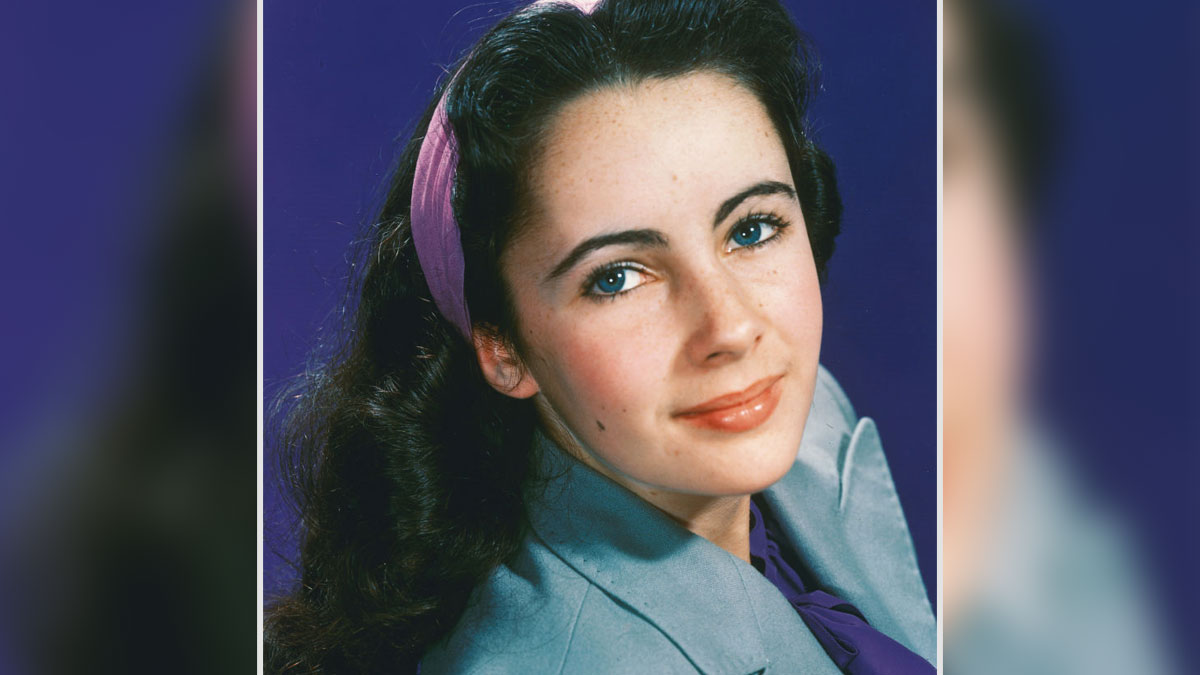
A candid reflection from the spirit of Elizabeth Taylor, who shares her journey from the blinding lights of Hollywood to the serene, transformative teachings of the Buddha in the Western Land of Ultimate Bliss.

Michael Jackson shares his journey from the pressures of global fame to the peace of the Western Pure Land, revealing the truth behind his life and his ultimate deliverance.
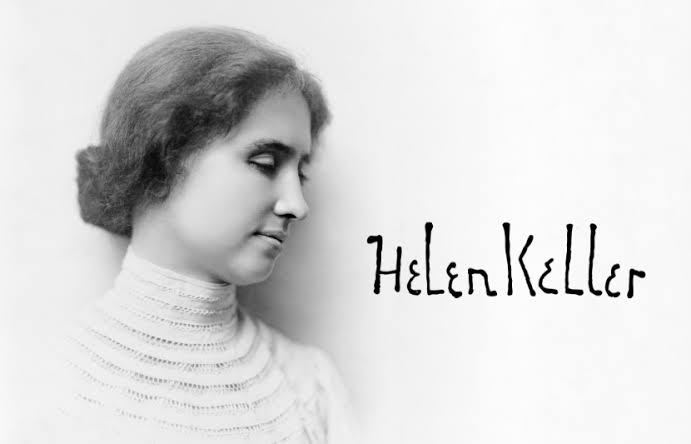
Helen Keller, the renowned deaf-blind philanthropist, shares her journey from the darkness of the ghost realm to the light of the Western Pure Land of Ultimate Bliss, guided by the compassion of Namo Amituofo and Practitioner Su.
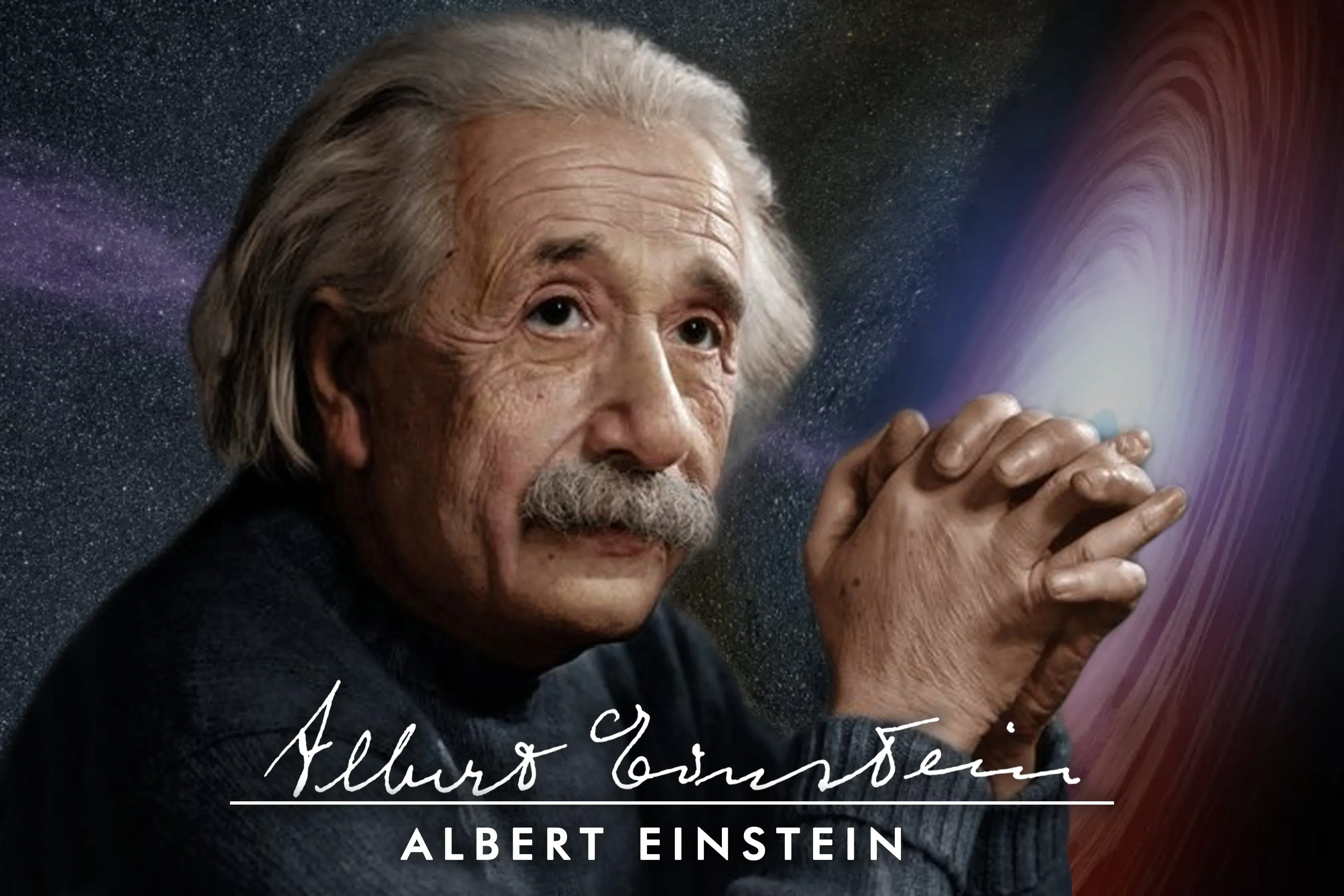
Albert Einstein, once considered the most brilliant mind in human history, reflects on his life, the nature of 'science' versus the Truth of the Dharma, and his existence in the Western Pure Land.

Ronald Reagan, the 40th President of the United States, reflects on his life, his political career, and his profound journey from the depths of hell to the Western Land of Ultimate Bliss through the compassion of Namo Amituofo and Practitioner Su.
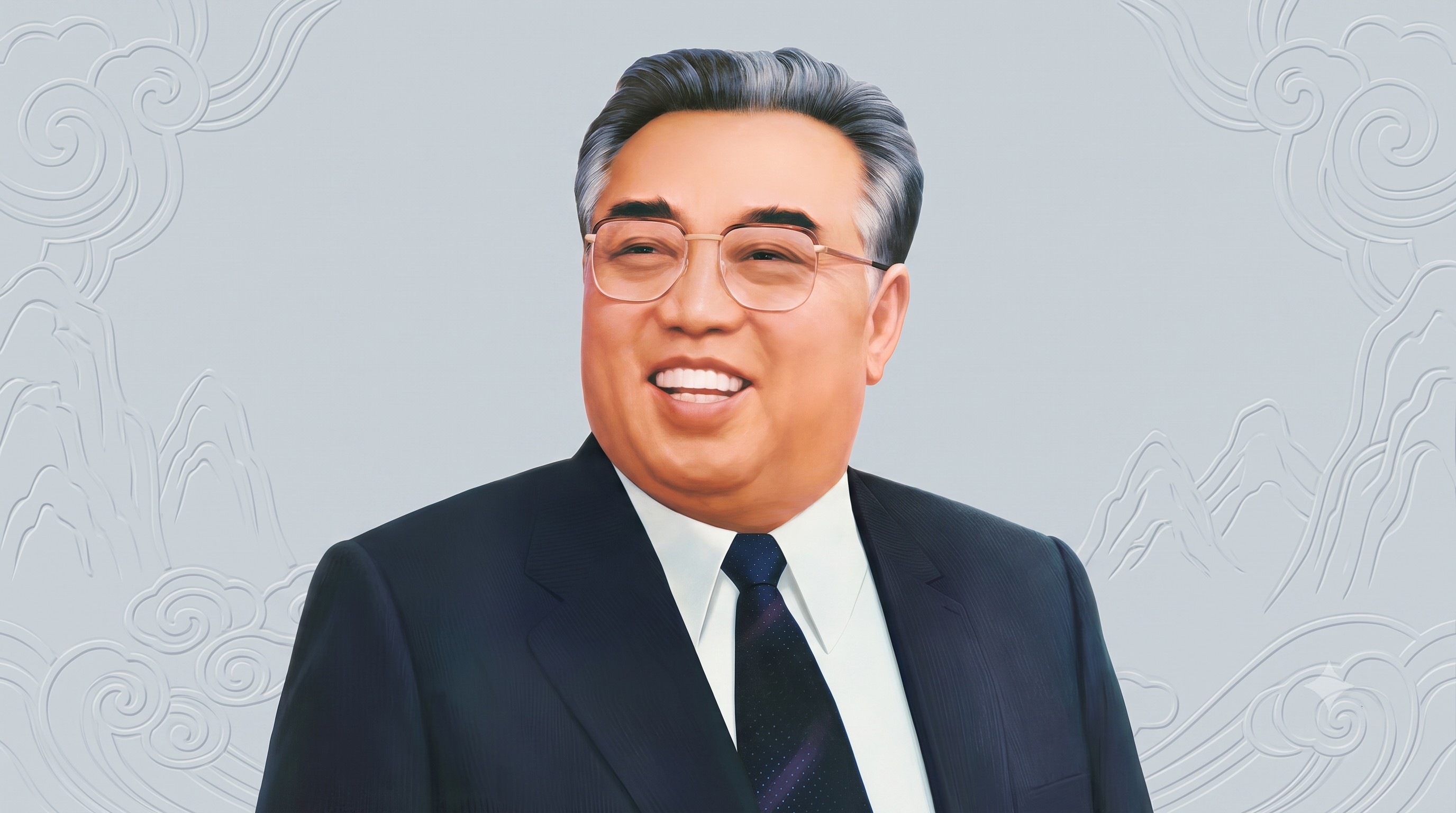
This is a record of an interview with Kim Il Sung, the founder and former leader of North Korea, who sought deliverance 32 years ago. He now resides in the Western Land of Ultimate Bliss.
Hsiang Kuang Pure Land Buddhist Centre
Contributed to Pure Land Buddhism knowledge library