The Kind Heart of Venerable Zhishan
An Interview with the Venerable Zhishan from Sixteen Centuries Ago
This is a record of an interview with the Venerable Zhishan, who sought at the Hsiang Kuang Buddhist Centre in Australia. He now resides in the Western Pure Land of Ultimate Bliss. This account reflects upon his life approximately 1,600 years ago. It was recorded by the chief writer, Shi Fajing, on February 18, 2019.
Venerable Zhishan speaks:
"Namo Amituofo. Throughout my entire life, I possessed very little fame. Before I attained Buddhahood, I was always just an ordinary person.
A Fishing Village and a Teacher's Wisdom
I was born in a small fishing village. Every household there relied on fishing for their livelihood. Some families had as many as ten children, with eight sons all following in their father’s footsteps, heading out to sea to fish. It was a trade passed down through generations, an endless cycle of the sea.
What was unique about my family was that although my father grew up in that same village, he never learned the trade of fishing. I once asked him, 'Father, why is it that we were born in a fishing village, yet you never learned to fish?' My father immediately tapped me on the head and said, 'Who says that just because you are born in a fishing village, you must know how to fish? If that were the case, then everyone born in a village of thieves would have to be a robber!' His words carried great wisdom. It was my own subjective assumption that being born in a fishing village necessitated being a fisherman. My father’s simple retort helped me realise my habit of jumping to conclusions—a habit I truly needed to correct.
My father was a teacher. From the moment I was born, he spent his days teaching at the local school. Few children in our village pursued an education, so my father usually had only two or three students. With my arrival, the class grew to four. Having learned from my grandfather, my father possessed vast knowledge. He could often weave several classical quotes into a single sentence. Many people envied his quick wit; he could effortlessly recite poetry or compose moving essays on the spot.
The Power of the Buddha-Name
I often applied my father’s logic to myself: 'If being born in a fishing village does not mean one must fish, then who says that being the son of a scholar means I must be good at reading?' In truth, I was neither good at reading nor fishing. I preferred to be alone, clearing my mind and chanting the name of Namo Amituofo. This sacred name accompanied me throughout my childhood; it was the one thing my mother always kept in her heart. She used this Buddha-name to stabilise her body and mind, keeping her emotions in perfect balance. Beyond preventing her from falling into excessive thinking or emotional turmoil, it also kept her youthful and beautiful.
Compared to my mother, my father was incredibly learned, yet I often saw him frantically flipping through ancient texts, trying to cram more knowledge into his head. Sometimes, he would pull at his hair for ages just to recall a single line of poetry. His mind was constantly racing. Although he and my mother were the same age, he looked twenty years older. When people complimented my mother on her youthful appearance, she would insist she used no special treatments. They would ask in surprise, 'Is it just natural beauty then?' My mother would quickly tell them, 'This Buddha-name, Namo Amituofo, can not only save people, but if you keep it in your heart, it can also preserve your youth and beauty.' The women of her age were intrigued and began to keep the Buddha-name on their lips, but they would chant one Buddha-name and then say ten other things. Sometimes they would chat for half a day before remembering to chant once. It was not the same as my mother, who kept the Buddha-name constantly in her heart.
The Struggle of the Mind
I saw that my father and mother were two completely different people. Like my mother, I preferred purity and avoided unnecessary thinking, so I chose to learn from her. However, chanting the Buddha-name was not as easy as I had imagined. Delusions easily disrupted the purity of my practice. Whatever my eyes saw and entered my would trigger thoughts in my mind, causing me to forget to chant. It took me a long time to learn how to chant without interruption. Sometimes, after finally managing to chant continuously for an hour, a single stray thought would shatter the entire flow. Compared to the vast number of ancient books my father read, reading ten books was not even worth the effort of chanting ten Buddha-names.
A Life of and Release
Beyond chanting, my mother would take me with her to perform acts of kindness. She used the money my father earned to buy fish from the fishermen to release them. At first, this act often drew insults from the villagers: 'We worked so hard to catch these fish, and you just put them back? Why are we even bothering to fish?' My mother would always smile at these fishermen and say, 'I will pay you double. Catching one fish and selling it to me is like catching two; it is a good deal for you.' When the fishermen heard this, they would beam with . Sometimes, even if other customers wanted to buy, the fishermen would prefer to sell to my mother because she paid double the market price. My mother lived frugally, saving every penny to buy these fish, chanting for them to take refuge in the Buddha, and then releasing them so they would no longer suffer.
By my mother’s side, I learned the practice of Generosity. This was the philosophy she lived by, taught to her by my grandmother. Now, she taught me, hoping that I would always maintain a kind heart and kind thoughts, using compassion to help all beings wherever I went. When my mother taught me that what I see, do, hear, and say should all be Goodness, it not only reduced my delusions but also kept my emotions from fluctuating based on the looks or actions of others. This allowed the Buddha-name to remain in my heart without interruption.
to the Heart
My mother had been accumulating merit through acts of kindness since she was young, and her meditative concentration on the Buddha-heart and Buddha-actions led to the growth of her Wisdom. She did not grow weak with age, nor did her mind degenerate. She always used the most skillful means to guide my growth, allowing me to spontaneously radiate kindness toward others and view all people as one with myself through a heart of great love.
My mother’s early education constantly cultivated my inherent kindness. Under her guidance, I learned to see the suffering of others from a young age. Every person’s suffering reminded me that life is not worth clinging to or craving. Every person’s suffering reminded me that I must grow from within my own character, that I should vow to end the suffering of the world, and that I should arouse the Bodhi heart, viewing all beings as myself and helping them all to leave suffering behind.
The Path of the
At fifteen, I vowed to leave the home life and practice the . Before the Buddha, I made a vow: to eradicate all afflictions, to sever all greed, anger, and ignorance, to walk the in every lifetime, and to save all beings so they may forever leave suffering behind. I practised with a joyful heart and diligent practice. The joy of practice lies in the absence of worry and suffering; a pure heart eliminates the toil of the world, and a healthy body and mind are maintained solely for the purpose of saving others. Throughout my life, I followed the sutras and the Buddha’s teachings, learning to walk the path the Buddha walked without fearing hardship. I dare not say I achieved great success in my practice, but I never stopped moving forward; there was no turning back. In my seventy-plus years of life, I seized every moment to save others from suffering. At the age of seventy-eight, I received the compassionate guidance of the Buddha and attained rebirth in the Western Pure Land of Ultimate Bliss.
Gratitude to Practitioner Su
I have returned from the Western Pure Land to the human world, fortunate enough to enter the legs of Practitioner Su to assist in his work. Practitioner Su has been walking the path of practice for many lifetimes; every step he has taken can be clearly seen in his feet. When I saw Practitioner Su walking in those days, his heart was constantly filled with the Buddha-name. It was because every step was taken for the sake of all beings; he never stopped for his own sake. Thus, from ancient times until now, he has saved countless beings. Today, there is no need for the ancient method of walking to save the world; the advancement of technology allows Practitioner Su’s Dharma talks to be broadcast on the internet, enabling immeasurable and boundless beings to hear the sound of the Dharma.
Practitioner Su’s performs Chao Du for all directions, reaching immeasurable beings throughout the universe, allowing them to hear the scriptures and understand the importance of seeking rebirth in the Western Pure Land. His power of deliverance is greater than ever before. All beings benefit from Practitioner Su’s great heart and Ultimate Vow, finally able to break free from the cycle of rebirth that has plagued them for lifetimes. I am deeply grateful for Practitioner Su’s great compassion. Namo Amituofo."
More from Revered Ones
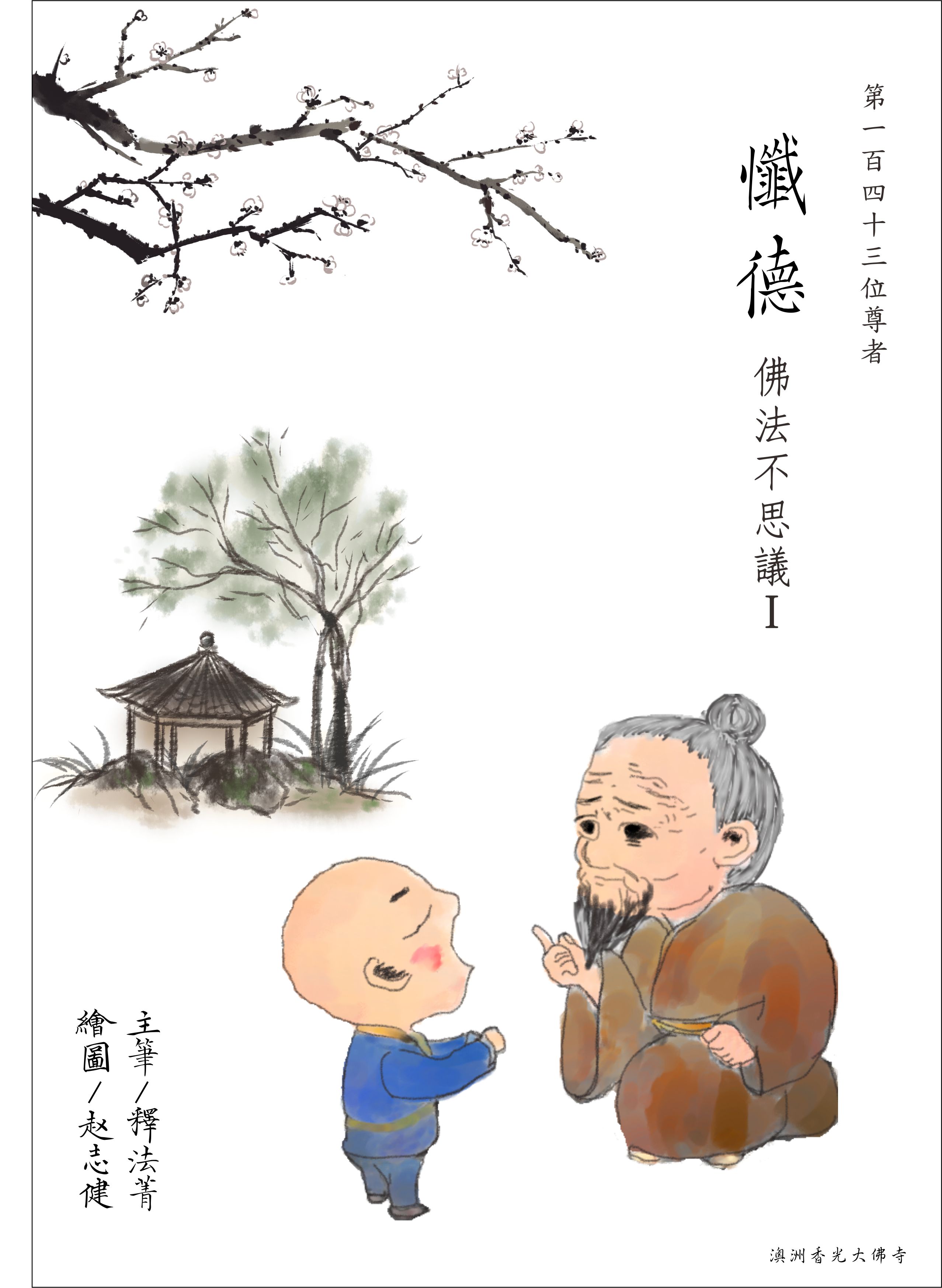
The Virtue of Repentance
A profound reflection on the journey of repentance and the cultivation of virtue from the 143rd Venerable, Chande, as he recounts his path to the Western Pure Land.
The Spiritual Anatomy of Practitioner Su's Leg
Venerable Feng An, representing a collective of 1,162 Venerables, provides a profound look into the spiritual dimensions within Practitioner Su's leg, revealing the hidden reality of karmic burdens, the nature of spiritual attachment, and the ultimate sacrifice of a Bodhisattva.
The True Meaning of Filial Piety
A touching testimony from Zhu Hongchang, who reflects on his life nine centuries ago, his journey from being rejected as a 'dull' child to discovering the profound, selfless nature of true filial piety through service to all beings.
The Path of No-Self and the Boundless Ocean of Wisdom
A poignant reflection on a life of hardship, the realization of the 'no-self' nature, and the ultimate vow to deliver sentient beings through the power of Namo Amituofo.
More by Hsiang Kuang Pure Land Buddhist Centre
The Redemption of a Hollywood Icon
A candid reflection from the spirit of Elizabeth Taylor, who shares her journey from the blinding lights of Hollywood to the serene, transformative teachings of the Buddha in the Western Land of Ultimate Bliss.
The King of Pop's Journey to the Western Pure Land
Michael Jackson shares his journey from the pressures of global fame to the peace of the Western Pure Land, revealing the truth behind his life and his ultimate deliverance.
A Voice from the Darkness: Helen Keller's Journey
Helen Keller, the renowned deaf-blind philanthropist, shares her journey from the darkness of the ghost realm to the light of the Western Pure Land of Ultimate Bliss, guided by the compassion of Namo Amituofo and Practitioner Su.
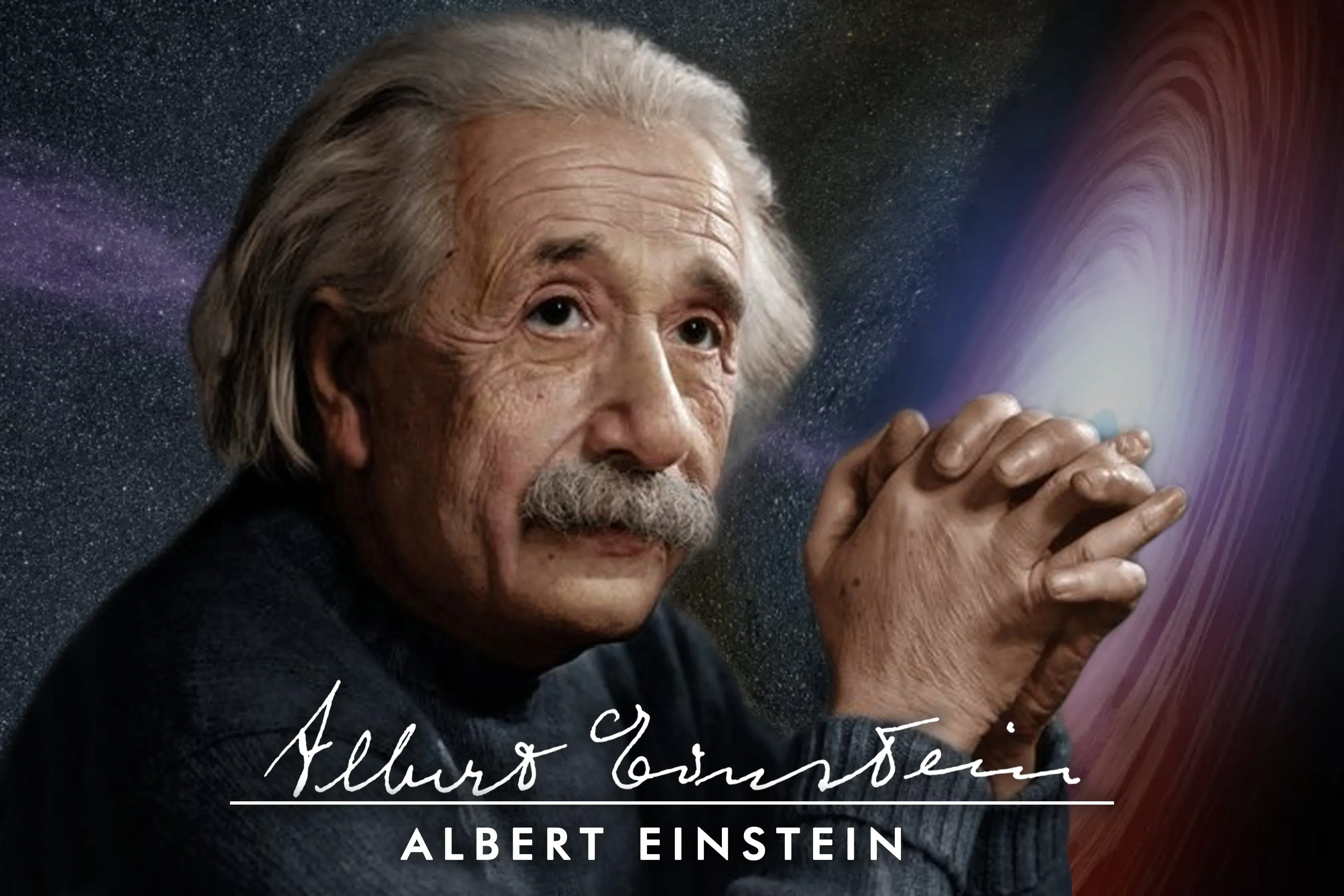
An Interview with Albert Einstein (Theoretical physicist)
Albert Einstein, once considered the most brilliant mind in human history, reflects on his life, the nature of 'science' versus the Truth of the Dharma, and his existence in the Western Pure Land.
A President's Repentance: Ronald Reagan's Journey to the Pure Land
Ronald Reagan, the 40th President of the United States, reflects on his life, his political career, and his profound journey from the depths of hell to the Western Land of Ultimate Bliss through the compassion of Namo Amituofo and Practitioner Su.
The Reflection of a Nation's Founder
This is a record of an interview with Kim Il Sung, the founder and former leader of North Korea, who sought deliverance at the Hsiang Kuang Pure Land Buddhist Centre in Australia. He now resides in the Western Land of Ultimate Bliss. This account reflects upon his life and the spiritual truths he has realised since his passing thirty-two years ago. Recorded by the chief writer, Venerable Fa Hui, on May 18, 2026.
About the Author
Hsiang Kuang Pure Land Buddhist Centre
Contributed to Pure Land Buddhism knowledge library