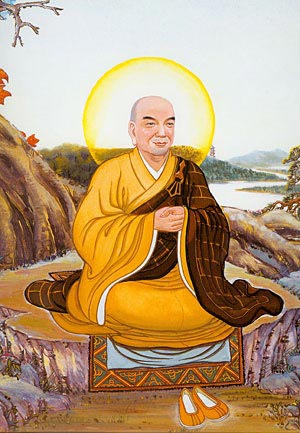
The Fourth Patriarch of the Pure Land School
Ending the Dusty Journey: Teachings from Master Chewu
The Essence of Sincerity: An Interview with Master Shaokang
The Great Deliverance of the Earth and Space: An Interview with Master Chengyuan
Aligning Hearts and Righteous Power: An Interview with Great Master Lianchi
The Dharma Body Deliverance: An Interview with Master Shandao
May 6, 2017
Disciple Fajing, having performed ten prostrations to the Buddha, respectfully invites Master Fazhao, the Fourth Patriarch of the School, to share the history of his life and the process of his spiritual practice. It is our sincere hope that this record may serve as a model and a sacred guide for future generations of practitioners. May the Master kindly provide his compassionate guidance. .
In my earliest years, my family lived in extreme poverty. We often struggled to secure even a single meal, and many days passed in hunger. My parents had been childhood sweethearts, their bond forged through years of mutual support and deep affection, eventually leading to their marriage in adulthood. However, my father suffered from a chronic illness that prevented him from working like others. He required frequent rest to manage his health, which meant the heavy burden of supporting our family fell entirely upon my mother. She laboured from sunrise to sunset, giving everything for our home without a single word of complaint.
When my mother unexpectedly became pregnant, she was filled with conflicting emotions. She worried deeply about our financial inability to raise another child, yet her heart was naturally drawn to the prospect of a new life. She was caught in a state of profound hesitation and distress, unsure of whether she should bring this child into the world.
During this time of uncertainty, my mother experienced a remarkable dream. She felt her entire body become light and supple, and the air around her was filled with the delicate, pure fragrance of lotus flowers. She found herself surrounded by these blossoms, and from the distance, a single purple lotus bud drifted slowly toward her. As it reached her, it bloomed, revealing a baby boy sleeping peacefully within. The sight of the child filled my mother with such overwhelming that she reached out to hold him with the utmost care. As the baby stirred and opened his eyes to look at her, he spoke a single word: Mother. A wave of warmth surged from the depths of her heart, spreading throughout her entire being. Tears of profound emotion welled in her eyes, for she felt a sense of intimacy and familiarity that she could not explain. Who was this child? Why did he feel so close and comforting? Just as she leaned in to see his face more clearly, she awoke.
Upon waking, the room was still permeated with the lingering scent of lotus flowers. My mother immediately shared this inconceivable dream with my father. He, too, was struck by its significance, and they both understood that the child in her womb was no ordinary being. They realised that this was a destined arrival, and they resolved to bring the child into the world. To provide for the coming baby, my mother worked even harder. Miraculously, her complexion became radiant and healthy, her spirit was vibrant, and her body felt light and agile, as if she were not pregnant at all. My father, too, found his health improving day by day, and he began to seek work to help prepare for the birth of our new family member.
On a clear night under a bright, full moon, my mother felt a sudden, gentle sensation, and before my father could even summon a midwife, I was born naturally. I entered this world with a smile, a smile that would remain with me even through the most difficult trials. My body emitted a faint, pure fragrance, and my features were dignified. My parents were further convinced that my arrival was a sacred mission, not a mere coincidence.
My parents cared for me with the utmost devotion, guiding my every word and action. They watched over me closely, ensuring that I would not stray from the right path. Once I learned to walk, I followed my father everywhere. Every moment spent with him was a lesson in how to be a human being and how to cultivate a heart of compassion.
Each morning, my father would take me to our small vegetable garden. The garden was home to many insects, which would hungrily chew holes in the leaves of our vegetables. Seeing this, my father never felt a trace of anger. Instead, he would teach me:
Through these daily acts, my good roots were nurtured and grew, bit by bit.
My father also frequently took me into the community, where he treated everyone he met with profound respect, whether they were strangers or acquaintances. The kindness he radiated and the goodness of his thoughts left a deep impression on my mind. One day, while we were walking in nature, he pointed to the horizon and said, "When you look up at the vast, boundless sky, you see the infinite. When you look down, you see only the single point where you stand. The difference between these two views lies entirely within your own heart."
He asked me, "Do you prefer to look at the vast distance or the grains of sand at your feet?" I replied that I loved the distance, for it seemed as though there were endless worlds to discover. My father smiled and said, "Our bodies are small, but our hearts can be as vast as the earth. This earth nourishes everything, from the smallest grain of sand to the largest forest. If you treat your heart like this earth, it will be broad enough to contain everything. How could you ever see anyone as 'bad' then? You should see everyone as good, for your heart is the earth that can embrace people of all backgrounds, personalities, and races. Is it not a great joy to see the goodness in all things?" Though I was young, his guidance began to open the doors of my heart.
Because we were poor, I could not attend a formal school. Instead, my father taught me to write by tracing characters in the sand with a stick. When other children mocked me for this, I felt deeply hurt and discouraged. Seeing my self-doubt, my father took me to town to observe the world. He showed me the wealthy ladies in their carriages, the scholars playing chess, the vendors calling out their wares, the labourers working hard, and the beggars in the street.
He explained that everyone has their own role and their own strengths. He told me that comparing oneself to others is a path to suffering, for everyone is unique. He reminded me of my own perseverance in learning to write, regardless of the weather or the mockery of others. "You are who you are," he said. "You do not need to compare yourself to anyone else. Just do your best in your current position, and that is the best version of yourself." With these words, my heart returned to peace, and I understood the wisdom he had shared.
Following this, Fazhao practised with even greater diligence. Every stroke and every line was written with meticulous care upon the sand. After some time, his father presented him with an old, unusual-looking brush, encouraging him to use it for his practice. Yet, Fazhao possessed neither ink nor inkstone; how was he to write? Filled with doubt, he kept the brush in his room and continued to practise on the sand with a small branch. One day, while writing the phrase, "dripping water can penetrate stone," a sudden inspiration struck him. He ran to his room, retrieved his father's brush, and hurried to the riverbank. Finding a large, flat stone, he began to write upon it, using only the river water as ink. Each stroke was clear and distinct; he would wait for the water to dry before writing the next character, practising continuously. Strangely, the brush remained perfectly intact, appearing remarkably resilient. When Fazhao asked his father about it, he learned that the brush had been crafted by his father's own hands, woven from natural palm fibres. It was exceptionally durable and perfectly suited for writing on stone. Admiring his father's wisdom, Fazhao practised diligently every day, and with every word, he saw his progress grow.
Fazhao loved listening to stories. His father would often share tales of daily life, ancient classics, or legends, through which Fazhao learned the principles of conduct and how to navigate the world. One story his father told most often was that of an old man living alone in the deep mountains. This man had once possessed everything: a wife, children, great wealth, and a high position. He had spent his entire life chasing fame and fortune, striving for prestige and status, and indulging in the most captivating human emotions. He had possessed everything the human world could offer.
One day, while climbing a mountain alone in search of new excitement and admiring the scenery, the old man slipped near the summit. He tumbled all the way down to the base of the mountain. During his fall, he saw his entire life—from birth to old age—flash before his eyes like a series of slides. By the time he reached the bottom, he was covered in wounds and fell into a coma. He lamented that his life was ending in such a way, but unexpectedly, he was rescued by an old monk before he could perish. As the old man opened his eyes and saw the monk dressing his wounds, he felt a deep sense of gratitude, yet his heart remained heavy with sorrow. This experience made him profoundly aware of the impermanence and illusory nature of life. Had the monk not saved him, he would have died, and no one would have known where he had gone.
Who would inherit the wealth and fame he had spent a lifetime pursuing? He could not take a single thing with him. What, then, was the purpose of this life? The old man sighed deeply. Only in his later years did he realise the absurdity of his life, having spent most of it chasing empty, illusory things. In the end, he let go of everything in the human world, followed the monk to practise in the mountains, and lived a pure, ascetic life. He shared his story with many followers, helping them understand the illusory nature of the world and their original, pure hearts.
Why do people come into this world? If everything is illusory, what can one do with their life? What is left for me to do? These questions surfaced one after another, swirling endlessly in Fazhao's mind. His father seemed unable to provide a clear answer to these doubts, which felt far removed from his current life—a realm he had never before considered. What was the ultimate answer to the goal of life? Fazhao felt confused, yet he intuitively sensed that the answer would be magnificent and full of light. Having no siblings, Fazhao spent most of his time alone, which fostered a more independent character.
At the age of twelve, I proposed to my parents the idea of leaving home to travel. This desire was intense, as if it had been circling in my mind for a long time. When I finally gathered the courage to speak to my parents, I expected them to stop me and ask many questions. To my great surprise, my father agreed immediately and even asked what he could help me prepare. My parents simply packed a few sets of clothes, some travel money, and dry rations for me. I bade them farewell and embarked on an unknown journey. My birth had been a miracle to my parents, a sign of some hidden arrangement; they had long felt that I would not stay by their side for long. Thus, when I proposed leaving, they were calm, accepting it without hesitation, fully believing it to be the Buddha's will and arrangement.
Dressed in simple clothes and carrying a small pack, I left home alone and arrived in a strange city. It was a place I had never visited; the people, their attire, the architecture, and even the language were entirely new to me. The people here were dressed in magnificent, colourful garments adorned with gold, silver, and jewels. Pearls, lapis lazuli, and beautiful jade were everywhere, and the air was filled with a sweet fragrance. Everyone appeared dignified, radiant, joyful, and at ease. The majestic, golden buildings scattered throughout the city made it feel like a celestial realm on earth. I stayed in this city for some time, enjoying a life I had never known—witnessing breathtaking scenery, eating exquisite food, and living in luxurious mansions. There were no afflictions or worries; everything was free and easy. Upon my arrival, I was deeply mesmerised by this dreamlike state, which was a world of difference from my previous life. I indulged in it completely, forgetting myself in the joy of it all.
After an unknown amount of time, a fierce storm suddenly descended with thunder and lightning. In an instant, the scenery vanished, and what met my eyes was a scene of utter devastation. People were living in abject poverty, wearing rags or nothing at all, emaciated and begging for food. I was terrified by the sight. My own magnificent clothes were suddenly tattered, and the premium pastry I held in my hand turned into hard stones. Before I could understand what was happening, officials rushed toward me, shouting, "Hurry! Hurry! He is right there!" Not knowing why, I was seized by the officials and dragged to the government office. The official interrogated me, "You have committed crimes; what is your punishment?" Without waiting for a response, they threw me into a prison to be tortured. I was covered in wounds and suffered great pain. After the punishment, I crawled out with my remaining strength. Passersby, seeing my pitiful state, offered me food, but when I smelled it, it was rotten swill. I had no strength left to eat, so I swallowed it in one gulp. The situation was so painful that I fainted.
When I awoke, I rubbed my sleepy eyes. Before I could regain my , I was startled and immediately checked my body, finding nothing amiss. Looking around, I realised I was lying on a large stone; I had simply grown tired while walking and had fallen into a peaceful sleep in the breeze.
Reflecting on the dream, I found it hard to believe. Could this be heaven and hell? Why did I have such a dream? I scratched my head, unable to find an answer, and continued on my way. Humming a tune and observing the natural scenery, I eventually reached the outskirts of the city and found a place to rest—a ruined thatched hut. Upon entering, I was shocked to find a man lying on the ground, covered in wounds. I immediately went to check on him; his wounds were still bleeding profusely. I tore off a piece of my own clothing to bandage him, then went to a nearby river to collect water in large lotus leaves, making trip after trip to provide him with water, clean his wounds, and share all my dry rations to help him regain his strength. As his wounds stabilised and his energy returned, I grew exhausted and fell asleep beside him.
When I awoke, the man was gone. Sitting before me was a monk draped in a kasaya. The monk's dignified appearance left me in awe, and his unmoved meditative concentration filled my heart with admiration. I held my breath, not daring to make a sound, and watched him intently, admiring his posture. The monk slowly opened his eyes and said, "I am grateful for your life-saving kindness, young boy. Your compassion is truly moving." I looked at him in surprise: "Are you the man from before?" The monk replied, "Indeed." I rubbed my eyes in disbelief; their appearances were so different, yet they were the same person! Just as I was about to ask more, the monk asked, "Why is a child here alone?" I replied, "I am searching for the Truth." Hearing this, the monk smiled and asked, "Very good! And where is the Truth?" I answered, "I do not know; I am still searching." The monk laughed heartily: "Excellent! I, too, am searching for the Truth. Shall we travel together?" I nodded immediately, and we set off together.
We crossed a rushing stream. Being young and of small stature, I tried to jump across, but the mossy stones were slippery. I fell into the torrent, which immediately engulfed me and swept me forward. Just as I was about to crash into a large rock, a pair of large hands lifted me up and placed me safely on the bank. My rescuer was gone, and looking around, the monk had also vanished, leaving me alone. I understood then that my rescuer was the monk. All good causes and good fruits—to plant a good cause and reap a good fruit—that is the Truth.
Fazhao lay on his bed for an entire day and night. By the time he was ready to rise, it was already the evening of the following day. He walked slowly out of his room into the profound silence of the surroundings. As he admired the trees and plants, the sound of Buddha-recitation gradually drifted into his ears. He walked closer to investigate and discovered that the masters were all gathered in the main hall, chanting the sutras for their evening service. Fazhao watched them from a distance; they were arranged in neat, orderly rows, chanting with powerful voices. The dignity of the scene left him completely dumbfounded. As the service drew to a close, Fazhao hummed the melody of the sutras to himself while walking back to his quarters. Shortly after, a master entered his room to check on him. Seeing that Fazhao had fully recovered his strength, the master breathed a sigh of relief, prepared a medicinal decoction to further nourish him, and provided instructions on where to wash before departing.
The next morning, Fazhao rose at the crack of dawn. It happened to be the time for the morning service. He watched from outside, deeply enamoured by the solemn and majestic atmosphere. He imagined himself as one of the masters, standing tall with his chest out, humming along with the chanting. Suddenly, a monk walked up from behind him. Fazhao, still lost in the melody of the sutras, did not notice him until the monk gently tapped him on the shoulder. Startled, Fazhao turned around and gasped, "Is this... is this not the monk who saved me by the river?" The monk smiled warmly and asked if he was settling in well. Fazhao expressed his deep love for the tranquil atmosphere and said he felt quite at home. As he spoke, his eyes kept darting toward the masters in the main hall. Sensing Fazhao's keen interest, the monk gestured for him to enter and arranged for him to stand at the very back of the hall. Fazhao felt a surge of excitement. Once inside, he adopted a serious demeanour, unconsciously puffing out his chest and staring straight ahead. However, he was so nervous that he began walking with his hands and feet moving in unison. A less focused master noticed Fazhao's awkward gait and could not help but chuckle. Seeing this, the monk immediately walked over to that master, his expression stern, and pointed toward the sutra, commanding him to focus on the text and refrain from letting his mind wander or looking around. Witnessing the monk's authority, Fazhao could not help but wonder who he truly was; even the other masters seemed to hold him in awe. Fazhao participated in the entire morning service with great joy and satisfaction. Later, the master who had cared for him during his illness approached and asked how he came to be there. It was only then that Fazhao learned the monk was the Abbot. He swallowed hard, silently hoping he had not committed any inappropriate actions.
Afterward, the master led Fazhao to the great kitchen, where he sat at a wooden table with other lay practitioners to partake in the meal, while the masters had already returned to the dining hall for their own meal. Fazhao was filled with curiosity about everything in the temple and proactively asked if he could help in the kitchen. The lay practitioners there were very fond of him, and after seeking permission from the master, they allowed him to assist. Having helped with household chores since childhood, Fazhao possessed a nimble body and quick reflexes, making him quite adept at kitchen work. Although his small stature sometimes made tasks challenging, he performed them with immense joy. Whether he was picking vegetables, washing them, or tending to the stove and adding firewood, he did so with great enthusiasm. He became the "happy pill" of the kitchen, bringing laughter and harmony to everyone around him.
Fazhao had been at the temple for some time, yet he never forgot his quest to find the meaning and value of life. During these days, while he busied himself running around the temple, helping in the kitchen, or cleaning the grounds, he observed every move of the masters. He deeply admired the peace and meditative concentration they displayed. The Abbot, seeing through his heart, arranged for him to attend lectures. Though he sat in a corner at the back of the hall, Fazhao cherished every session. He was always the first to arrive and the last to leave, never once dozing off. He studied with great diligence, learning much from the Sutra, Vinaya, and Abhidharma Pitakas. His earnest focus earned the admiration of the masters, though he had not yet shaved his head to become a monk.
Whenever he listened to the , Fazhao seemed to grasp profound truths between the lines. He pondered the question that had always haunted him: "What is the meaning and value of life?" If one is merely attached to the seven emotions and the , then life is utterly meaningless. In the temple, free from the impurities of the world, Fazhao explored life with a clear heart. In the mundane world, the joys and sorrows of life and the entanglement of emotions cause the heart to waver, leaving one trapped in a cycle with no resolution. One is always burdened by the word "suffering." Where is the happiness? In truth, there is no real happiness; what people call happiness is merely a temporary relief from suffering. After this brief respite, one falls back into emptiness, only to seek a higher level of pleasure, creating a cycle that is truly exhausting. It is the underlying "insecurity" that is at work. Whether in suffering or in pleasure, there is no peace; it is all an illusion. When the human heart remains in constant meditative concentration, free from suffering and joy, without waves or agitation, that stability and steadfastness constitute true freedom.
The silence and stability of his practice led Fazhao to resolve to leave the mundane world behind. He shaved his head, became a monk, and took the Abbot as his teacher. After becoming a monk, Fazhao seemed even more diligent, never allowing a moment of laziness. He followed his teacher to learn meditation. The teacher patiently guided him, starting with the regulation of his breath—adjusting the intervals and stability of each inhalation and exhalation until his breathing became faint, as if it were non-existent, yet steady and calm. Then, he learned to sit in the lotus position, moving from a single-leg fold to a full double-lotus. It was very difficult at first; sometimes his legs would go numb and he would be drenched in sweat, or his legs would stiffen and cramp. He had to overcome these one by one, subduing every sensation of the physical body. The teacher guided him one-on-one, paying close attention to every breath. The teacher could even detect the slightest variation in Fazhao's breathing frequency and would strike him firmly to bring him back to awareness. If Fazhao allowed delusions to arise and had not yet fully entered the state of meditation, he would be instantly awakened by the teacher's staff. It was a tense process, and after every stick of incense, his robes would be soaked through, requiring him to change into clean ones immediately. Through constant tempering, Fazhao tried to place himself in a state of near-emptiness. Within a few years, his meditative concentration improved significantly. At first, he could see himself meditating—a wondrous sensation—but within seconds, he would return to his body, feeling a warm current at the crown of his head. The peace of meditation, the state of being "unmoved," and the comfortable, ethereal sense of freedom were intoxicating. Initially, Fazhao loved this state and always seized every opportunity to sit in meditation, immersing himself in it while joining the community for other practices. His character gradually became more mature and steady.
Fazhao's progress was indeed rapid, earning the praise of many fellow practitioners for his wisdom and agility. However, Fazhao discovered that whenever he received praise, his heart would fluctuate. This fluctuation was very subtle—sometimes it was joy, but mostly it was pride. After a few times, arrogance began to manifest. He naturally adopted an arrogant expression and attitude. At first, he did not notice it until a fellow practitioner pointed it out. Fazhao then realised that when he spoke, he would inadvertently show a haughty expression, even lifting his chin slightly, speaking to others from a position of superiority. Sensitive people felt uncomfortable because of this. Yet, Fazhao could not control the arrogance rooted deep within him; it would often manifest naturally. Every time it did, he would use meditation to suppress it. While meditation could completely suppress this arrogance, it was only suppression, not eradication. Fazhao was often frustrated by this, and his frustration would lead to a scattered mind, making it difficult to enter samadhi. He needed more time to return to his original state. Through repeated training, his meditative concentration did indeed improve, and soaring through the skies was no longer a problem.
However, one afternoon, Fazhao went to the main hall alone and saw a woman weeping on the floor, begging the for compassion. Her home had been destroyed by a great fire. Her family of five, once happy and harmonious, was gone, leaving only her unharmed, while the others were in critical condition. Overwhelmed by grief and at a loss, she could only kneel and pray for the Buddha's protection to save her family. Seeing this, Fazhao stepped forward to comfort her, but he could not provide any substantial help. The woman left the temple with a heart full of hope for the Buddha. Fazhao was deeply struck by this. He had practised for many years, yet he could not help beings leave suffering behind. Was becoming a monk only for the sake of his own inner peace and stability? He could not accept such selfishness; he had to treat the suffering of beings as his own and help them leave suffering behind. Fazhao knew that everything was arranged by Causal Conditions. The time had come for him to reignite his great vow to save beings and to find the fundamental Dharma that could truly deliver them. He told his teacher of his great vow, thanked him for his kindness, and resolutely left the temple.
Fazhao travelled over mountains and across rivers, believing that Causal Conditions were waiting for him. His firm heart helped him move forward courageously. He walked on and on without extra food. Just as he was about to faint from hunger, he saw a wooden hut ahead with smoke rising from the chimney. Fazhao knocked on the door to beg for food. An old woman served him a bowl of porridge, some side dishes, and a little dry food, allowing him to continue his journey with his great vow. As he sat on a large rock eating, he saw the shape of a temple faintly appearing in the porridge. Thinking he was delirious from hunger, he rubbed his eyes and looked again—it was indeed there! Fazhao kept the image of the temple in his heart, understanding that it was an arrangement by the Buddha and Bodhisattvas, and that there must be Causal Conditions guiding him. Following the appearance of the temple, he set off again, searching day and night, unafraid of wind or rain, moving forward with courage!
With a heart burning with the intense and unwavering desire to save all beings, one will inevitably receive the and support of the Buddhas and Bodhisattvas. Just as Practitioner Fazhao stepped out from a forest, a sudden flash of golden light appeared! Fazhao shielded his eyes with his hands, unable to look directly at the brilliance. When he finally opened his eyes, a magnificent temple, shimmering with golden light, stood before him. Fazhao looked closely—was this not the very temple that had appeared within his bowl of rice porridge? Moved to tears, he prostrated in gratitude for the Buddha's grace, performing the ritual of taking three steps and one bow, then five steps and one bow, all the way until he reached the temple gates.
Upon entering, he found a monk standing before the Buddha. Before Fazhao could even speak, the monk already knew of his arrival, saying, "I have been waiting for you for a long time." Fazhao was struck with awe; truly, the Buddha’s teachings are inconceivable.
The monk introduced Fazhao to the temple's environment and the essence of the Pure Land Dharma Gate:
Everything is brought together by the combination of multiple . Realising that only the Pure Land Dharma Gate could truly save beings from suffering, Fazhao immediately took the monk as his teacher and began his practice within the temple.
The fellow practitioners in the temple were all dignified in appearance, with impeccable manners and graceful movements. Even when they were not sitting in meditation, their hearts remained in a state of constant concentration, focused solely on Namo Amituofo. Fazhao studied with an open mind, following the community in their basic daily practices.
Temple duties were shared by all. Fazhao was quick to learn and efficient, completing his assigned tasks in record time, which earned him the admiration of his peers. However, in these small successes, a sense of arrogance began to stir within him. His teacher, possessing sharp insight, noticed even the slightest flicker of pride in Fazhao's eyes and immediately corrected him. Unable to overcome the arrogant air he had carried through accumulated lifetimes, his teacher assigned him a new task: to be solely responsible for cleaning the temple's waste. This included every hall, dormitory, restroom, and lecture hall.
Fazhao understood his teacher's intention. By cleaning the filthiest waste for the community, he was also cleansing and purifying the dirt within his own heart. While the act of cleaning was simple, the overpowering stench was sometimes difficult to bear. As he gathered the waste and buried it in the soil behind the temple, he was reminded of his father’s childhood teachings: to treat oneself like the earth—inclusive of all things, pure and equal. Fazhao felt a deep sense of shame. His father had long ago seen the arrogance rooted in his nature and had used the metaphor of the earth to guide him toward humility. He felt grateful for his father's wisdom, regretting that he had not fully understood it at the time.
As he buried the waste, Fazhao steeled his resolve to learn to lower his ego and practise Patience (Endurance), just like the soil. Even when buried under piles of foul-smelling waste, the earth accepts it all completely. True "no-self" means lowering oneself to the very bottom, letting go of the "self" entirely, and using the greatest mind-capacity to embrace everything. People admire the beauty of the green grass, but it is the soil that nourishes it, contributing everything to sustain all life while highlighting the unique beauty of others. Even if the soil is dark and hidden at the bottom, never seen or appreciated, it does not matter. This was the no-self and the vast mind-capacity Fazhao needed to learn; how could there be any room for arrogance then?
Fazhao continuously adjusted and refined himself. Whenever his old habits surfaced, he would simply chant the Buddha-name and lower his ego further. The process of refining one's habits is indeed difficult. It is like stretching a tight tendon; as one ages, the tendon becomes stiffer. When you finally realise it is no longer flexible and try to stretch it, the pain is intense, especially at the beginning. Because it has been stiff for years, neglected through laziness and lack of exercise, it has become deeply ingrained. Just as habits become deeply rooted through indulgence, the pain of change is hard to endure. Yet, with patience, perseverance, and the willingness to endure, one can stretch it little by little, without stopping, until it eventually regains its original flexibility.
Refining one's habits is the same. Growing up without the guidance of a true spiritual friend, one allows bad habits to grow day by day until they become deep-seated. If you do not shake them, they will bind you for a lifetime. Practice is the cultivation of the heart—modifying one's habits. Even if it is painful, one must break through. Without a strong vow, this breakthrough is impossible. This vow is like a reef in the middle of the ocean; to climb onto it, one must use all their strength to overcome every obstacle, fighting with one's very life. Whenever Fazhao faced setbacks, he reminded himself of the suffering of all beings. How could the pain of refining his habits compare to the suffering beings have endured throughout their many lives? Is the suffering of the six realms of rebirth not also created by these very habits? If one changes their perspective, changing one's habits is not suffering—it is the path to leaving suffering behind!
Whenever Fazhao felt distressed in the temple, he understood that his ego was manifesting. No one can disturb one's inner peace but oneself. If you remove the "self" that governs the heart, who else can disturb its peace? Everything is created by the "self"; the root of practice is to cultivate oneself.
Fazhao had several methods for refining his habits. When they surfaced, he never felt frustrated, for he knew this was a necessary process of breakthrough. Like stretching, even if it hurts, every stretch brings a little more flexibility. As long as you are willing to stretch, where is the room for frustration? Every moment of awakening is progress. What is absolutely essential is perseverance. Even if you fall, perseverance will lift you up; even if you stall, perseverance will push you forward; even if you are tired, perseverance will help you recover. Therefore, perseverance is vital—it is the foundation for overcoming all difficulties.
Following his teacher, Fazhao learned to let go of his status, his dignity, and the pursuit of all external conditions. He did not seek the comfort of smooth paths but welcomed the tempering of adversity, viewing every challenge as a reef that creates more beautiful waves. Practice is exactly this: seeing everything as good and doing everything naturally, without a trace of impurity or hypocrisy.
Beyond learning to give lectures, Fazhao spent every second refining his habits. When he understood that only rebirth in the Western Pure Land was the ultimate goal, he realised that everything in this world is illusory and empty. Why toil and exhaust one's life in blind pursuit of worldly things? Thus, he dedicated his entire life to spreading the Pure Land teachings and helping beings leave suffering behind.
Jealousy among fellow practitioners is inevitable, but he viewed it all as illusory and empty. He focused on teaching and guiding beings, hoping that in his lifetime, more people would understand the falsity and sorrow of this world, seek rebirth in the Pure Land, and find happiness. Having inherited his teacher's mantle, he used the concept of "emptiness" to teach his disciples. He showed them that everything is "empty," and that doing one's duty is simply what is required. If one can view everything as empty and as a natural duty, there will be no pursuit of fame or wealth, no arrogance, no jealousy, and no comparison. Each disciple has the responsibility to carry on the Buddha’s teachings, so he placed great importance on their education. Having transitioned from Zen to the Pure Land, he deeply felt the importance of refining one's habits—not just suppressing them temporarily, but eradicating them completely so they would not manifest at unexpected moments, or at the time of death, obstructing one's chance for rebirth. If even a trace of habit remains, one cannot be reborn in the Western Land. Therefore, he placed great importance on the cultivation of his disciples' character, hoping each could save beings with the purest heart and pass on the Pure Land Dharma Gate.
As he approached his time of rebirth, Amitabha Buddha informed him of the date. He did not dwell on it but continued to teach beings diligently. Even when he was busy, the name of Amitabha never left his heart; he remained constantly calm and settled within the Buddha-name. Thus, when Amitabha Buddha reached out to lead him, although Fazhao was focused on the sutras, the Buddha-light suddenly appeared. He let go of everything in the world, remained calm and composed, sat upon the lotus platform, and was led by the Buddha to rebirth in the Western Pure Land. No disciples were by his side at that moment; he wished to demonstrate through his own example that everything is empty, so that at the time of death, one can let go completely, without attachment, and be reborn in freedom.
A journey through the human world. It is essentially illusory. Entirely empty. Empty and void. Void and empty.
Calm and composed. Purity in one heart. Only Amitabha. Constantly dwelling in the heart. All else is delusion.
Letting go is it. Nothing remains. Received by the Buddha. Reborn in freedom. Liberated and at ease.
Disciple Fajing: Disciple Fajing asks the Master: In the biography you left behind, you mentioned seeing the Manjushri bodhimanda in a bowl of rice porridge. Could you please compassionately explain the details of this experience? Thank you, Namo Amituofo.
Master Fazhao:
What is written by my hand. There is no need to doubt. The Manjushri bodhimanda. It is indeed Zhulin Temple. The circumstances at that time.
I shall tell you again.
During my time studying the Pure Land Dharma with my teacher at the temple, I occasionally practised sitting meditation. One day, while I was in a deep meditative state, I witnessed a magnificent scene. Auspicious dragons appeared, and the sky was filled with vibrant, swirling clouds of white, golden, red, and purple light. The radiance was truly dazzling. Beneath these clouds stood a temple of immense dignity, firmly seated amidst the mountains. Its presence was awe-inspiring, commanding respect from all directions and capturing the hearts of everyone who beheld it.
I wondered, what place was this? As I looked closer, I saw red characters inscribed upon a stone tablet: Zhulin Temple. Golden light shone into the temple, where the Bodhisattvas Manjushri and Samantabhadra were giving lectures. The hall was filled with followers who were receiving teachings and being nurtured by the Dharma. It became clear to me that it was my responsibility, as Practitioner Fazhao, to build this temple. Thus, I began the construction. Supported by the power of the Buddha, the light of the Pure Land spread the holy Dharma far and wide, and the entire Dharma Realm was bathed in its fragrance. I only wish to follow the Tathagata, for the hearts of people in this world are not as they once were, and they are in dire need of being taught.
I obeyed the command to build this temple. After coming out of my deep meditative state, I reflected upon the vision. The mountains I had seen were remarkably similar to Mount Wutai. I travelled to that mountain myself and found that the reality was exactly as I had seen in my vision. It took several years to establish this bodhimanda and promote the Pure Land Dharma Gate. Many monastics joined me in this practice, and we worked together to continue the Buddha's wisdom-life for the sake of the Pure Land. By exclusively chanting the holy name, adjusting our body and mind, and spreading the Buddha's teachings, immeasurable and boundless beings were able to receive the benefits of the Dharma. This was the situation at that time.
As for the thin porridge mentioned previously, there is no need to doubt its reality. It has been passed down through the ages. What is true? True practice is essential. To transcend the cycle of birth and death is the only ultimate goal. The world is an illusion, and all talk without practice is empty. True teaching, true practice, true adjustment, and the tempering of one's heart and will—this is the purity of Goodness.
The hearts of people in this world are full of suspicion. If you want people to believe, there is only one way: you must have a single heart and firmly believe in Amitabha. Consider these truths regarding our path:
Namo Amituofo.
This message was recorded by the Buddha's disciple, Shi Fajing.
Master Chewu shares profound insights on the nature of the Dharma-Ending Age, the vital mission of Practitioner Su, and the urgent necessity for all beings to awaken from the cycle of rebirth.
Master Shaokang discusses the profound nature of sincerity, the vastness of space, and the compassionate work of Practitioner Su in saving infinite sentient beings through the power of Namo Amituofo.
Master Chengyuan shares his profound insights on the power of the Pure Land practice and the miraculous efficacy of Practitioner Su’s Dharma-Body Visualisation Deliverance in resolving the global pandemic and saving sentient beings across all realms.
Great Master Lianchi reflects on the profound suffering of beings in the Dharma-ending age, the unwavering dedication of Practitioner Su, and the miraculous power of collective Faith, Vows, and Practice in transforming the world.
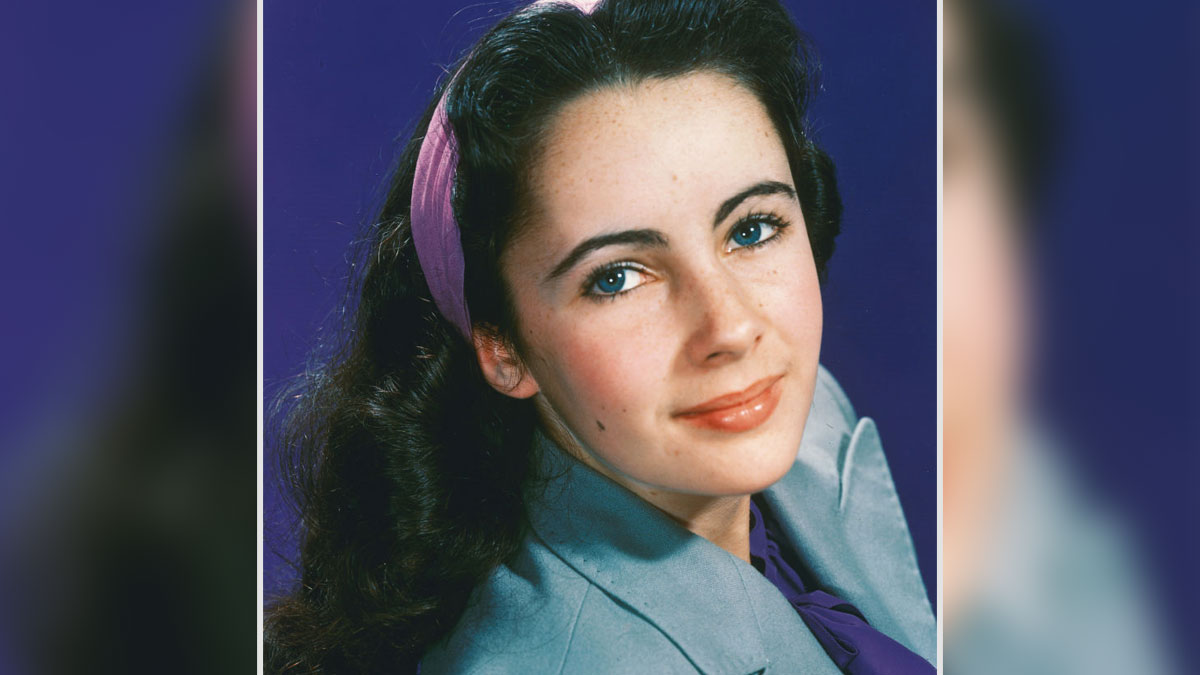
A candid reflection from the spirit of Elizabeth Taylor, who shares her journey from the blinding lights of Hollywood to the serene, transformative teachings of the Buddha in the Western Land of Ultimate Bliss.

Michael Jackson shares his journey from the pressures of global fame to the peace of the Western Pure Land, revealing the truth behind his life and his ultimate deliverance.
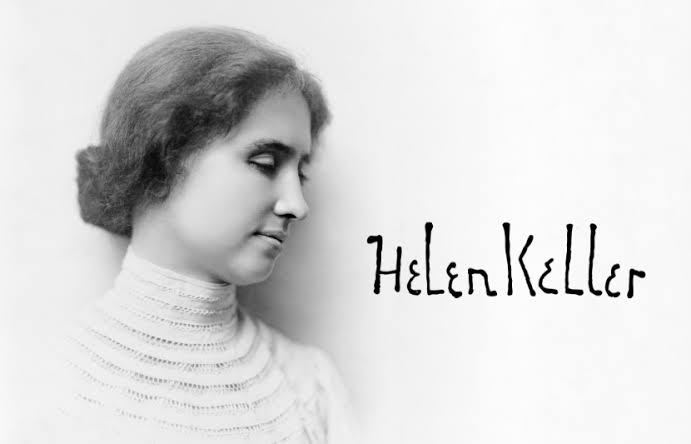
Helen Keller, the renowned deaf-blind philanthropist, shares her journey from the darkness of the ghost realm to the light of the Western Pure Land of Ultimate Bliss, guided by the compassion of Namo Amituofo and Practitioner Su.
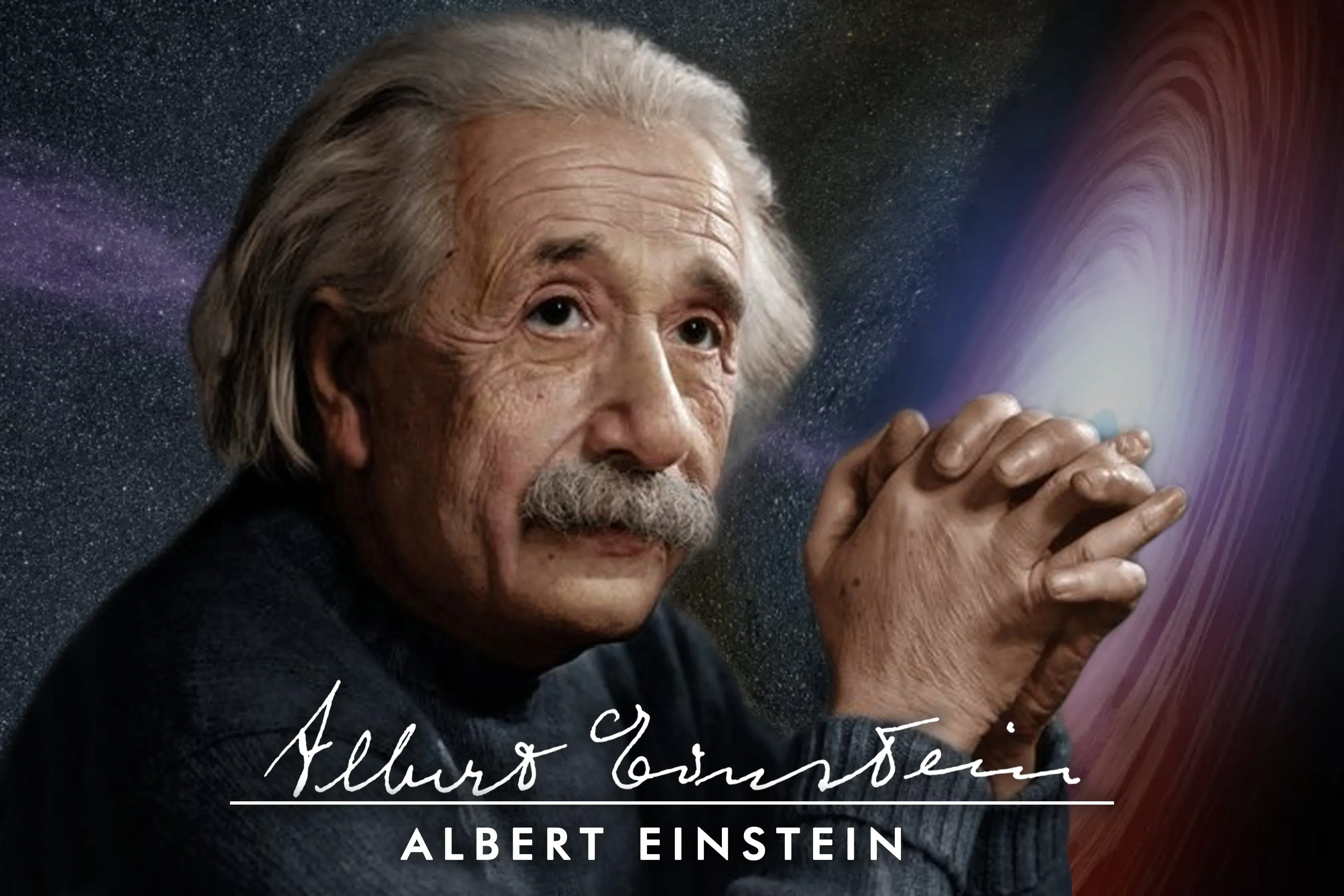
Albert Einstein, once considered the most brilliant mind in human history, reflects on his life, the nature of 'science' versus the Truth of the Dharma, and his existence in the Western Pure Land.

Ronald Reagan, the 40th President of the United States, reflects on his life, his political career, and his profound journey from the depths of hell to the Western Land of Ultimate Bliss through the compassion of Namo Amituofo and Practitioner Su.
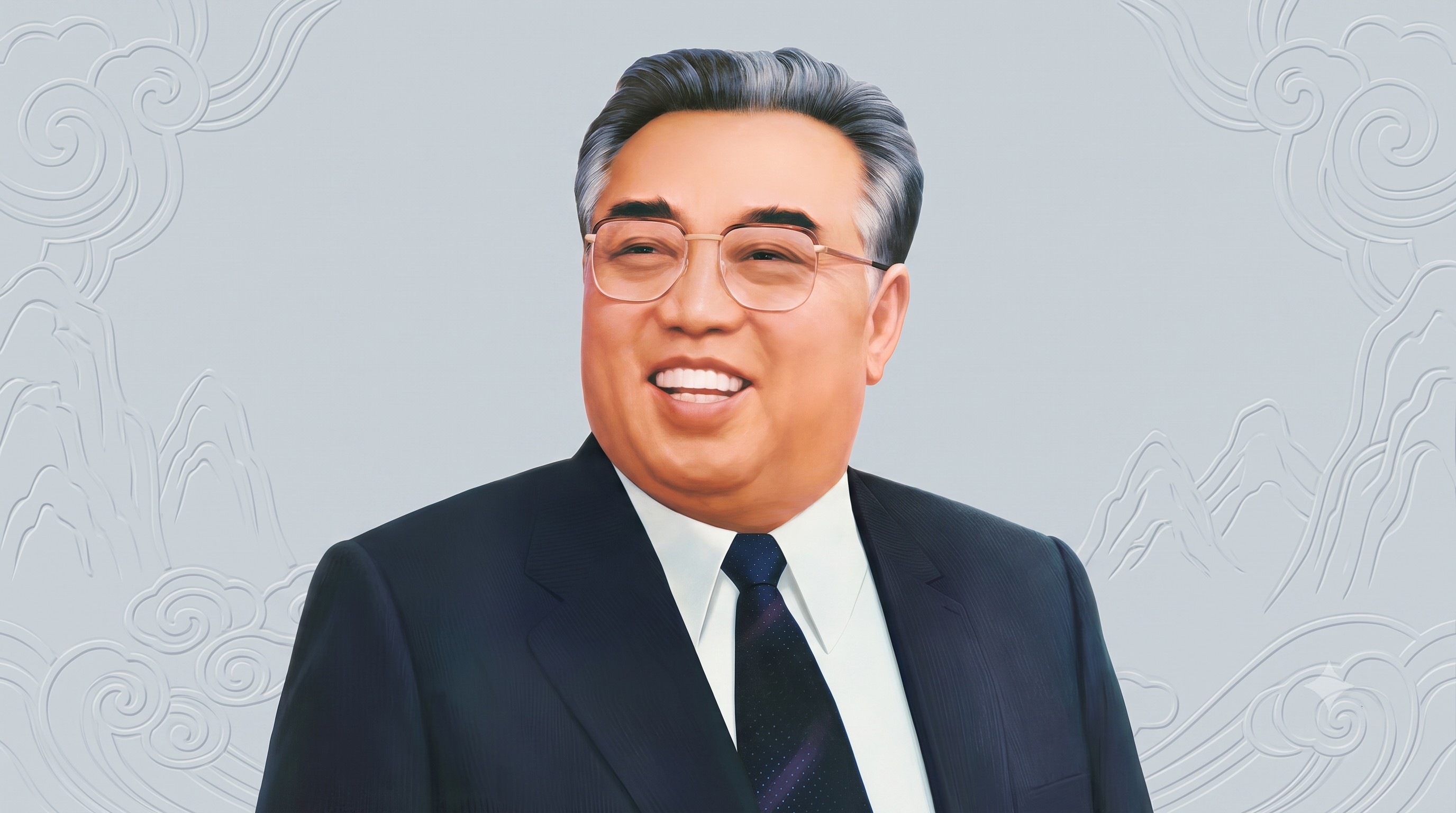
This is a record of an interview with Kim Il Sung, the founder and former leader of North Korea, who sought deliverance 32 years ago. He now resides in the Western Land of Ultimate Bliss.
Hsiang Kuang Pure Land Buddhist Centre
Contributed to Pure Land Buddhism knowledge library