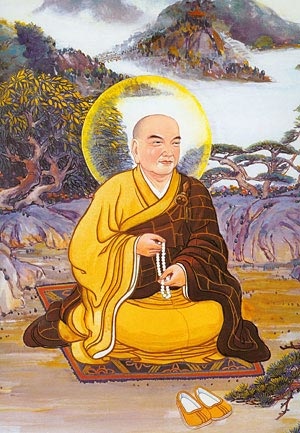
An Interview with the Third Patriarch of the Pure Land School, Master Chengyuan
Ending the Dusty Journey: Teachings from Master Chewu
The Essence of Sincerity: An Interview with Master Shaokang
The Great Deliverance of the Earth and Space: An Interview with Master Chengyuan
Aligning Hearts and Righteous Power: An Interview with Great Master Lianchi
The Dharma Body Deliverance: An Interview with Master Shandao
On the 5th of May, 2017, the disciple Rudi offered ten prostrations to the Buddha and sincerely invited the Third Patriarch of the School, Master Chengyuan, to share his life story and the process of his spiritual practice. It is hoped that his wisdom will serve as a guiding light for all those who follow the path of the Buddha.
Master Chengyuan offered these teachings:
In this Five Turbidities and Evil World, the hearts of people are in chaos. They are often filled with panic, yet they remain unaware of the underlying causes of their suffering. The Buddha is the Great Physician who can extinguish all forms of suffering. Whether one receives this benefit depends on whether one has gathered sufficient . If one possesses the necessary blessings, one will naturally encounter the True Teachings. If not, one may let this precious opportunity slip away.
Those who cling stubbornly to their own views and refuse to believe in the Buddha will ultimately be the ones who suffer the loss. Now that you have obtained a human body, which is so difficult to attain, you must use this life to practise and escape the cycle of samsara. If you place your faith in the Buddha and the power of the two-fold path, you will surely find the response you seek. When you truly realise your true self, you will have no further desires. With a single-minded focus on rebirth in the Western Pure Land, you will leave the ocean of behind. By realising your true self, you can save your own . When you take the hands of these karmic creditors and travel together to the Western Pure Land, the world will be at peace, free from conflict. Everyone must believe in the laws of karma and cause and effect across the three lifetimes.
All illness and pain originate from these karmic debts. If you can resolve these conflicts and work together with your karmic creditors to save all beings from suffering, you will have found the supreme, incomparable . When the fourfold assembly works together to save spirits from their suffering, each person will develop profound skills. To save beings from all suffering is to act like Avalokiteshvara . This is the mark of a true disciple of the Buddha and the highest path of the .
Master Chengyuan was born in Chengdu, Sichuan, during the Tang Dynasty, an era when Buddhism was flourishing. His father served as a local magistrate. Although the family was not wealthy, they lived a comfortable life compared to the average civilian. His father was a man who placed great importance on education. There were five children in the family, and Master Chengyuan was the third, with an older brother and sister, and a younger brother and sister. He felt fortunate to have been raised in such a complete family.
At that time, his father invited a private tutor to the home to teach the children the Four Books and Five Classics. Beyond his own children, his father also invited children from the clan or the village who could not afford schooling to join them. This was not only a virtuous deed but also a way to improve the quality of education for the children in the village. During the busy farming seasons, however, every child would return to their duties to help their families secure their daily needs.
The tutor taught them primarily through the method of rote memorisation. Because the children were of different ages and levels, the teacher would often say, "Read a book a thousand times, and its meaning will naturally reveal itself." He encouraged them not to worry about understanding the deeper significance of the texts they were memorising. The tutor also had some knowledge of Buddhist scriptures and would often cite stories from the sutras to teach the children about the laws of karma and cause and effect. These stories left a deep impression on the young Master Chengyuan, planting the initial seeds of the Buddha’s teachings in his heart. It was only much later, after delving deeper into the Dharma, that he truly understood the depth of the laws of karma across the three lifetimes.
His father was determined that his children should be well-rounded, insisting that by the age of fifteen, they should be proficient in the arts of the zither, chess, calligraphy, and painting. Master Chengyuan understood that his father hoped the sons would pursue an official career to support the family. By the age of fifteen, his foundational education was well-established, but he found himself increasingly drawn to the vast wisdom of the Buddha’s teachings. Although the tutor had not provided formal Buddhist instruction, the stories of Shakyamuni Buddha—specifically the account of Prince Siddhartha witnessing the stark contrast between the lives of the rich and the poor—had moved him deeply. He longed to understand the profound mysteries of the Dharma.
At that time, the Zen tradition was very popular in society. Master Chengyuan had no formal concept of Buddhism, save for the stories of karma he had heard from his teacher. His grandmother, his father’s mother, recited the Universal Gate Chapter of the Lotus Sutra daily, but there were no other Buddhist texts in the home. When he expressed his desire to study the Dharma, his father realised that his son’s curiosity could not be suppressed. Fearing that he might fall into incorrect paths if left to his own devices, his father decided to provide him with proper guidance. After much consideration, he arranged for Master Chengyuan to study Zen at a monastery not far from their home.
The monastery was a serene place, housing dignified statues of Shakyamuni Buddha, Avalokiteshvara Bodhisattva, and Ksitigarbha Bodhisattva. Because his grandmother was a devout follower of Avalokiteshvara, his mother often visited the monastery to pray for the family. His father, a man who cherished his family, would often accompany her and had developed a good understanding of the abbot. He felt at ease entrusting his son to the master’s care. His father’s intention was simple: he believed that the practice of Meditation (Concentration) would help his son develop the stillness required to produce wisdom, which would ultimately benefit his future career. Thus, he happily allowed his son to pursue his wish to study the Buddha’s teachings.
One afternoon, I entered the meditation hall as usual to prepare for my practice. As I closed my eyes and my heart gradually grew still, I could clearly hear the sound of my own breathing. Suddenly, an image appeared before me: I saw my mother holding my younger sister with one hand and my younger brother with the other. All five of us children were following her as she walked through a bustling market. The market was lively, filled with all kinds of dried goods, street performances, and the candied hawthorn sticks that we children loved so much. We were clamouring for our mother, calling out, "One for each of us! One for each of us!" This was the first vision I had ever experienced since I began my meditation practice.
After coming out of meditation, I told my teacher about this vision and everything that had transpired. My teacher responded just as he had when he first instructed me: "Child, look, but do not truly look. Later, different scenes may appear to test you. Just remember these words of your teacher, and you will be on the right path."
Although I had joined the meditation hall to practise alongside my fellow disciples, I continued to share in the daily chores and temple duties as usual. Even though I had not yet left the home life to become a monk, I felt as though I had already merged into one with the teachers and monastics at the temple. The meditation hall was not large, so I soon requested that my teacher allow me to take over all the cleaning duties. My intention was to give my fellow disciples more time to meditate, sit in silence, and purify their hearts. Whether it was going up the mountain to gather firewood, chopping wood, or cooking in the kitchen, I rolled up my sleeves and did my best to contribute. Because of this, I became well-liked by everyone in the temple.
Sometimes, when my fellow disciples finished their meditation, they would share their experiences with me, and suddenly, it felt as though I had many mentors guiding me. One evening, during the time for evening chanting, we were all sitting in the meditation hall as usual. I quickly entered a state of deep stillness. "I saw white cloth hanging at the entrance of my family home. I looked very closely, but I could not read the words written upon the cloth. My family members looked deeply sorrowful, and I did not know what had happened. Then, the scene shifted to the main living room. I saw my father and mother kneeling before a coffin, their eyes swollen from crying. The lid of the coffin was open, and I saw the kind face of my grandmother. She looked as if she were merely sleeping, lying there neatly dressed, while the servants bustled about. Soon, people began arriving one after another to offer incense and pay their respects."
As the eldest grandson of the family, if this were truly happening, returning home was an absolute necessity. After ending my meditation, I reported everything I had seen to my teacher. He nodded but did not say much. Two days later, a carriage stopped in front of the temple gate on the mountain, and an elderly man slowly stepped down. A young monk led the lay practitioner to the main hall to find my teacher. At that time, my teacher was leading us in meditation. It turned out that the family steward had come to find me. The news of my grandmother's passing two days prior was true. Could it be that because I had been so close to her since childhood, my connection to her was so swift and intense?
Time flowed on, and I had been learning at the temple for two and a half years. While I could not claim any great achievement, I had learned the basics of meditation. Sometimes, I could remain in deep stillness for a day or two. The feeling was marvellous and truly unique; my whole body felt light, as if my spirit had left my physical form—it was truly inconceivable! At first, I looked down from the air and saw my own body sitting quietly in the meditation hall. Then, I began to drift forward. I arrived at a mountain valley and saw the moss on the valley walls. To my horror, I could see eyes, mouths, and noses on them! The entire face looked like a transforming machine. I dared not dwell on it and quickly adjusted my thoughts, reminding myself to be compassionate. All things possess a spirit; sentient and insentient beings alike attain perfect wisdom. I reminded myself to look, but not to truly look.
Because of my grandmother's passing, my father hoped I would return home early, even though I had originally planned to stay at the temple for at least three years. Thus, I returned home to attend the funeral and did not go back to the temple. This was my first time leaving home to study the Buddha’s teachings. At that time in the temple, the old master did not teach the sutras; the focus was on purification and meditation. However, the method of "pressing grass with a stone" often failed when faced with real challenges. When my old habits arose, I would completely revert to my original personality. My father had always hoped I would pursue an official career, so he used this opportunity of my early return to insist that I take the imperial examinations.
For me, having already established a foundation in literature, the examinations were not difficult. I easily passed and obtained a minor official position to serve the local community. As I reached adulthood, marriage and fatherhood followed naturally, and I soon had a son and a daughter. I followed the worldly life, passing the days one by one, yet the scenes of group cultivation in the meditation temple constantly surfaced in my heart. At the age of twenty-three, I decided to go out and seek the Truth of life. Life should be more than this. Where had my meditation teacher gone after he passed away? I had no answer, though my fellow disciples always believed he had gone to the Western Pure Land.
I explained my aspirations to my father and entrusted my wife and children to my parents' care. To avoid causing my wife too much worry and sorrow, I packed a simple bag and left home in the middle of the night. My youngest son was barely a year old at the time. I did not know where to go, and I had little money with me. I wanted to see if I could endure hardship and understand the various states of human life. I walked south for three days and three nights until I arrived at a Buddhist temple. Stepping into the main hall, I saw Buddha enshrined in the centre, with Avalokiteshvara Bodhisattva and Mahasthamaprapta Bodhisattva standing on either side—it was truly dignified! This was a Pure Land temple. There were not many monastics, and the temple was not large, but the environment was clean, tidy, and serene. I had a pleasant conversation with the abbot, who was willing to let me stay and join their group cultivation. Before this, I had never encountered the Pure Land Dharma Gate. I honestly told the abbot about my meditation experience, admitting that I had not yet tasted the true flavour of the Dharma and felt that life should have something more profound. In truth, I did not even know what I was looking for.
In this temple, the master had fixed times for lectures every morning, noon, and evening, each lasting an hour, focusing primarily on the Infinite Life Sutra. This was something I had never encountered before. I only began to learn about reciting the sutras and performing prostrations here. At that time, the social trend was heavily influenced by Zen, so I naturally equated meditation with the Buddha’s teachings. However, here, the master did not encourage sitting meditation, replacing it instead with sutra recitation and prostrations. The master repeatedly reminded me that prostrations must be performed with a pure heart free from messy thoughts, as this is the fastest way to dissolve karma. I followed his instructions and tried my best to complete a thousand prostrations daily. I would say that I was prostrating without messy thoughts, but sometimes, as soon as my head touched the ground, I would see the face of my beloved son. This happened several times, and fearing that my prostrations were in vain, I asked the abbot what I should do. The master pointed out without hesitation that I should increase the speed of my prostrations and learn to look without truly looking. He told me that this test had only just begun!
Regarding sutra recitation, at first, it took me about two hours to recite one sutra. If I felt drowsy, it would often take two and a half to three hours. To follow the text and contemplate its meaning, I used my finger to point at each character as I read. As I became more familiar with the content and the text, my speed increased, and eventually, I could finish a sutra in about forty or fifty minutes. In this way, I followed the master's teachings, using sutra recitation and prostrations to subdue my wandering mind.
The seven emotions and are the most difficult to overcome. When I left home, my children were still small. Learning to let go of parents, wife, and children was a test of seeing through and letting go. Through the master's explanation of the Infinite Life Sutra, we understood that all conditioned phenomena are illusory. After years away from home, what I sought was nothing more than a pure, unstained heart. The are a very important lesson in the Buddha’s gate. By observing the five precepts and ten virtues, one gains meditative concentration, and from concentration, wisdom arises. I strictly observed the precepts. The five roots of hell—wealth, lust, fame, food, and sleep—along with greed, anger, delusion, arrogance, and doubt, were all opportunities to train my heart through experience. All phenomena are created by the heart, and all things arise from the thoughts of the heart. What we cultivate is nothing but this heart of no-thought. Often, I did not know if it was my heart influencing my thoughts or my physical sensations affecting my heart. In the subtle moments, when a thought arose, the resulting emotions could be as overwhelming as a tidal wave, impossible to suppress. This could affect my peace of mind not just for a moment, but for a day, two days, or even longer. Before I was ordained, I faced many tests. Every time I made up my mind to ask the abbot to help me shave my head and ordain, a test would arise during my meditation, causing me to hesitate and fail to follow through.
I knew that there are many monks and practitioners before the gates of hell. If one does not have a firm heart to save beings, shaving one's head to become a monk only creates more karma, adding sin upon sin. On the path of practice, the most important thing is to always maintain a cool, happy heart, using this as a means and method to rediscover the original nature. Only then can one save beings according to conditions, as easily as a fish in water. The master often reminded me: what is the purpose of shaving one's head and becoming a monk? Externally, it is to cultivate one's own cool, free appearance and to use one's own body to manifest the Dharma and save beings from suffering. When I first left home to seek the Way, I did not understand the work of saving beings. My thinking was entirely that of a practitioner—seeking only personal liberation—and I did not understand how the capacity to benefit all under heaven and the power of inclusiveness were truly important for Awakening. At that time, I had not yet been ordained. After years of living with the master and being immersed in his teachings, I understood the compassionate heart of the monastic community even better and became more certain of my choice, even though it was not easy. The master compassionately examined me and felt the time was right. He chose an auspicious day to help me shave my head, and I officially became a monk, a true disciple of Shakyamuni Buddha.
Namo Amituofo
From that moment on, I felt the weight of my responsibility grow even greater. My Abbot compassionately allowed me to continue my group cultivation at the temple as a lay practitioner for many years, ensuring I was truly qualified to join the monastic community. He encouraged me to dedicate myself to the compassionate task of saving suffering beings. During my time in the temple, I followed the daily schedule of the monastics. Before I had entered the temple, my life had been one of ease, where my every need was met without effort. If not for the basic life skills and self-care abilities I had cultivated during my earlier meditation practice, I might not have been able to endure the rigours of temple life. I spent several years in group cultivation under the guidance of my teacher—three years as a lay practitioner, followed by my formal ordination as a monk, though I remained at the temple. It was here that I learned the mind-capacity expected of a Mahayana practitioner. I came to understand the vital importance of maintaining a mind free from wandering thoughts. As the saying goes, one must give rise to , acting with a heart of and , delivering beings according to their Causal Conditions.
One morning, after completing the morning service, my teacher summoned me to his quarters. He spoke to me with profound sincerity: "My child, the time has come. Everyone's Causal Conditions are different. You have studied under my guidance for some time now. It is time for you to truly realise the nature of this worldly realm. There are far too many spirits and sentient beings who require salvation from their suffering. I believe you have your own unique karmic connections to teach and deliver them. Set out on your journey when the time is auspicious." The next morning, I paid my respects to my teacher and my fellow monastics, packed a few simple belongings, and stepped out onto the road. I did not know where I was going; I simply followed my intuition. As I travelled, I reflected on my journey—from my initial meditation practice to my eventual encounter with the Pure Land Dharma Gate, reciting the Sutras and performing prostrations.
In the early stages of my meditation practice, my concept of concentration was simply to calm my chaotic and restless mind. I would use breathing techniques to gradually relax my entire body, seeking comfort in both body and mind. I would then probe deep within, and when my body and mind became unified, I believed that if my spirit were to leave the physical body, I could roam freely throughout the universe. At the time, my thoughts were very simple. I thought, how wonderful it would be to be so free, wandering through the vast spaces of the universe! Yet, I had never considered what would come after attaining such freedom. Would I simply spend my days wandering through mountains and rivers? It was not until I encountered the Mahayana teachings that I began to understand the necessity of incorporating the concept of benefiting the world and delivering all beings. The Pure Land Dharma Gate is far broader; it teaches us to expand our mind-capacity, to practise compassion, to sever the Five Desires and , and to benefit not only ourselves but others as well, thereby delivering all those lost in confusion.
I began my journey of learning and delivering sentient beings. As I stepped out of the temple gates and onto the mountain paths, I soon encountered a woodcutter carrying a bamboo basket filled with dry firewood. His eyes were vacant, as if he had lost his soul. Curious, I approached him. The woodcutter told me, "A few days ago, my wife died suddenly for no apparent reason. My elderly father is still at home, and now I, a son, must bury my own wife. My heart is shattered." I felt deeply the impermanence of life. If a father weeps for his child, or a child for his parent, and they have not learned the Buddha’s teachings to end the cycle of rebirth and transcend the Three Realms, it is truly a life of immense suffering. Continuing on, I felt thirsty and scooped up a handful of water from a stream. In the water, I saw transparent tadpoles, which made me realise that human life can be vast or minute; all are manifestations of the spirit. The laws of karma and cause and effect span three lifetimes; if one is not careful, one might find oneself reborn as a tadpole in the next life. While living in this human world, with its myriad forms, one must cherish the precious human body.
I continued into the forest and onto a dirt path. In the grass, I heard a rustling sound and suddenly saw a green bamboo snake following me. As it drew closer, I shouted at it. I knew this was a family member from a past life, so I urged the snake to let go of everything and seek a new rebirth, giving itself a chance to be human again. It was a truly heart-breaking sight. While cultivating at the temple, the guidance and purification provided by my teacher allowed me to see the karmic connections between myself and my family members. Even when delivering sentient beings, I could clearly foresee the karmic relationships between the people, events, and objects I encountered. This made my work of delivering beings according to their Causal Conditions much more skillful. This was a capability I had not yet attained during my initial stage of meditation practice.
As I wandered through the wilderness, I passed through a village that appeared completely deserted. I went further to investigate and saw corpses exposed in the wild, tattered and being devoured by insects—a sight too tragic to behold. I knew that the Hsiang Kuang Pure Land Buddhist Centre had the power to perform for the spirits in that space, so I asked Practitioner Su to compassionately write a memorial tablet to deliver them.
The world spins in chaos, smoke and dust fill the air. Surrounded on all sides, it is hard to find a moment of peace. Attacked from left and right, there is no escape. The battle lines are drawn, and the people suffer. Not a single soul survived. Bodies lie exposed in the wild, consumed by insects. I lament the terror of humanity. Driven by fame, wealth, and self-interest, they have lost all sense of human dignity. The entire village and town are shrouded in dark, suffocating energy. The suffering spirits of the civilians cannot escape; they remain in this space, guarding their homes. I pray that a memorial tablet be written for them, so that these spirits may finally be saved.
Memorial Tablet Content: To the countless sentient beings and Bodhisattvas with whom I, Master Chengyuan, have formed karmic affinities during my travels, who remain in the space of war, steadfastly guarding their homes. (They have been invited to the Western Land of Dharma Nature at Hsiang Kuang Pure Land Buddhist Centre.)
I often remind myself: what is the purpose of leaving home, renouncing desire, and becoming a monk? After encountering the Pure Land Dharma Gate, I have come to understand what true freedom from life and death really means. Beyond ending my own cycle of rebirth and transcending the Three Realms, I must view all beings as myself and lead them all to the other shore. Only after leaving my teacher's side did I truly begin to learn how to deliver sentient beings. The spiritual capacity of beings varies, and the methods used must be skillful, adapting to the situation. Looking back on my path of practice, the most difficult obstacles to overcome were the tests of the Seven Emotions and Five Desires. After all, when I left home, my children were still young, and during my meditation practice, this was a hurdle I struggled with often. Having gone through this process myself, I am better able to understand the difficulties my disciples face with such issues.
On the path of practice, one must transform personal love into compassion. I teach my disciples to always remember: all men are my fathers, and all women are my mothers. The exhaustion of life and death, the turning of the six realms of rebirth—men and women, roles shifting—who is whose family member or karmic creditor? If one can realise one's true self, the source of all these problems becomes crystal clear. When one first begins to study the Buddha’s teachings, who can penetrate these truths? It is even harder to understand why one must transform small love into great love. Buddhism speaks of inclusiveness. Is our practice in the bodhimanda not about interacting with others to understand the extent of our own capacity for tolerance? The tolerance of the heavens and earth, the tolerance of living in harmony with all things—every bit of interaction forms the web of cause and effect.
Green mountains and clear waters are mine to roam. I play in the human world, delivering beings far and wide. The myriad states of life are all captured in my eyes. Everything serves as a teaching material. Everywhere I look for opportunities to deliver beings according to their Causal Conditions. I sprinkle the life-saving stream of Dharma everywhere, like Avalokitesvara Bodhisattva.
I travelled everywhere, roaming the length and breadth of the land, delivering beings as I went, with no fixed abode. Wherever the karmic affinity was ripe, I would sit and give lectures. I always spoke highly of my Abbot, and any offerings I received were returned to the temple in their entirety; I did not keep a single cent. Sometimes, while travelling, I would emulate the Buddha by sleeping under a tree, exposed to the wind and rain—this was a common occurrence.
The bits and pieces of my past learning, whether in the Chan school or the Pure Land Dharma Gate, each have their own merits. Whether something is "good" or "bad" depends on the individual's spiritual capacity and Causal Conditions. I was fortunate to have made progress in both. In my subsequent teaching and spreading of the Dharma, I was able to apply these methods as I wished, all because of the foundation I had built. During the Tang Dynasty, the practice of Chan was flourishing. In my teachings, Chan served as a skillful means to lead beings, and by combining Chan and Pure Land, I could apply them with ease. In my daily teachings, I introduced the Pure Land method of chanting the Buddha's name, conducting three sessions of study, reciting the Sutras, performing prostrations, and practising Precepts, Concentration, and Wisdom. For disciples who were attached to Chan meditation, I did my utmost to guide them as well. Among my fellow disciples, some practised Chan and some practised Pure Land; we could refer to each other's achievements. However, since sitting meditation is not the ultimate path, I would eventually urge my disciples to seek rebirth in the Western Land of Ultimate Bliss, guiding them back to the Pure Land.
I often share small stories from my own practice and methods of diligent practice with my disciples as references. I mentioned earlier that during meditation, I feared the tests of emotional entanglements most. At such times, I would turn to prostrations to overcome the rising emotions, increasing the speed of my bowing. If that did not work, I would take a cold shower—no matter how cold the weather was—or wear fewer clothes and continue prostrating until my heart was calm. The ancients often said, "A full stomach and warmth lead to thoughts of desire," and there is truth in that. I do not shy away from admitting that during one period of my practice, a lay practitioner brought his female relatives to the temple to offer incense. The women were elegant and beautiful. I was young and full of vitality at the time, and my heart was stirred; I became red-faced. My teacher, who was talking to the family, saw everything. After the guests left, my teacher scolded me severely. This, too, was a test of emotional attachment that I had failed to pass.
There was another time when I was on a mountain path, gathering firewood to take back to the temple. I met a child, a poor boy of about ten years old who was also gathering firewood, but his bamboo basket was empty. It was nearly dusk, and the child looked distressed and helpless. Night was falling, and his family was waiting for the firewood; their livelihood depended on it. After I asked him what was wrong, I did not hesitate to swap my basket, which was full of dry branches, with his empty one. When I returned to the temple, I told my teacher what had happened. Although it affected the water supply for the kitchen and my fellow monastics that day, everyone was very understanding once they knew the reason. This is just one of the many small stories from my time of learning Chan.
Namo Amituofo
Master Chewu shares profound insights on the nature of the Dharma-Ending Age, the vital mission of Practitioner Su, and the urgent necessity for all beings to awaken from the cycle of rebirth.
Master Shaokang discusses the profound nature of sincerity, the vastness of space, and the compassionate work of Practitioner Su in saving infinite sentient beings through the power of Namo Amituofo.
Master Chengyuan shares his profound insights on the power of the Pure Land practice and the miraculous efficacy of Practitioner Su’s Dharma-Body Visualisation Deliverance in resolving the global pandemic and saving sentient beings across all realms.
Great Master Lianchi reflects on the profound suffering of beings in the Dharma-ending age, the unwavering dedication of Practitioner Su, and the miraculous power of collective Faith, Vows, and Practice in transforming the world.
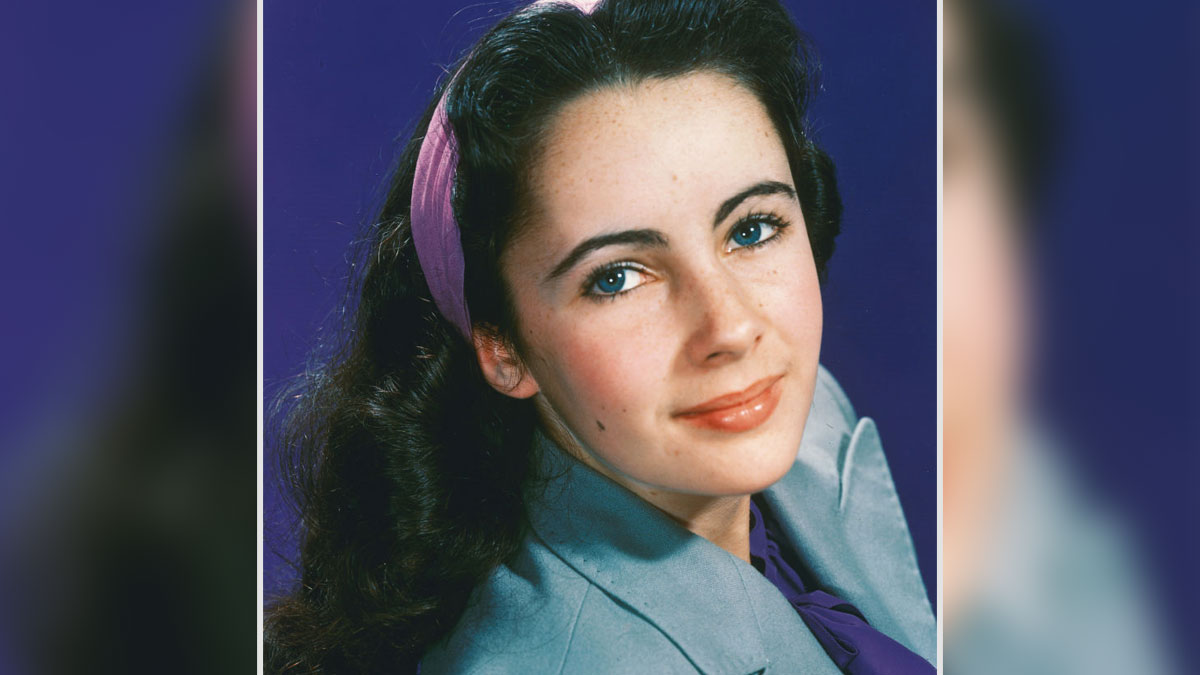
A candid reflection from the spirit of Elizabeth Taylor, who shares her journey from the blinding lights of Hollywood to the serene, transformative teachings of the Buddha in the Western Land of Ultimate Bliss.
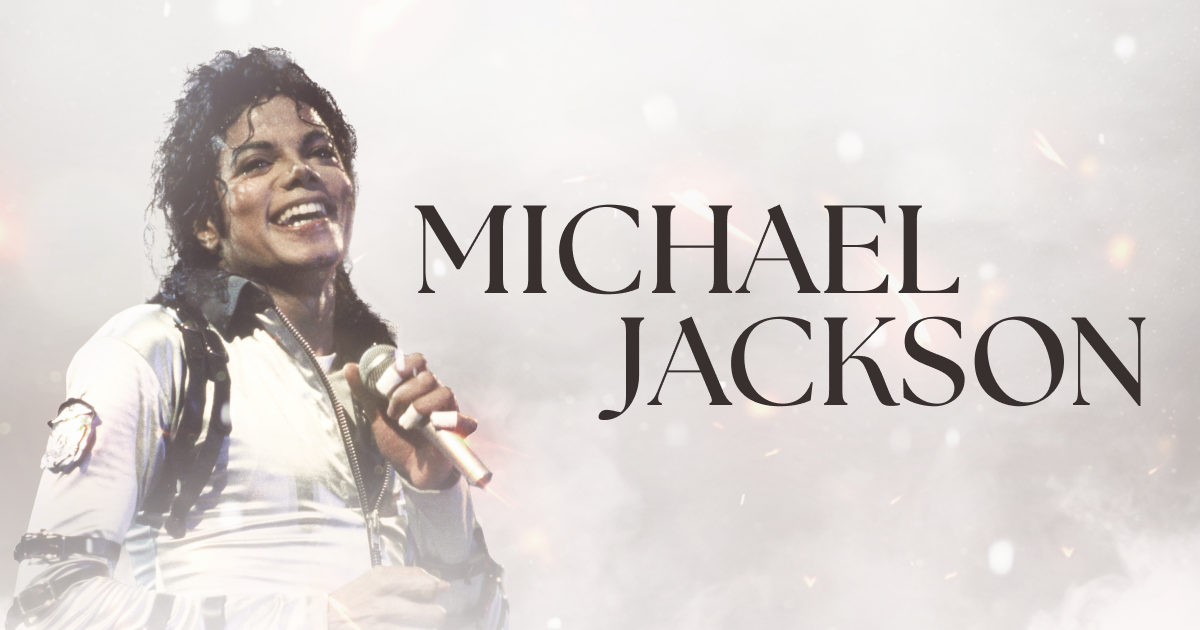
Michael Jackson shares his journey from the pressures of global fame to the peace of the Western Pure Land, revealing the truth behind his life and his ultimate deliverance.
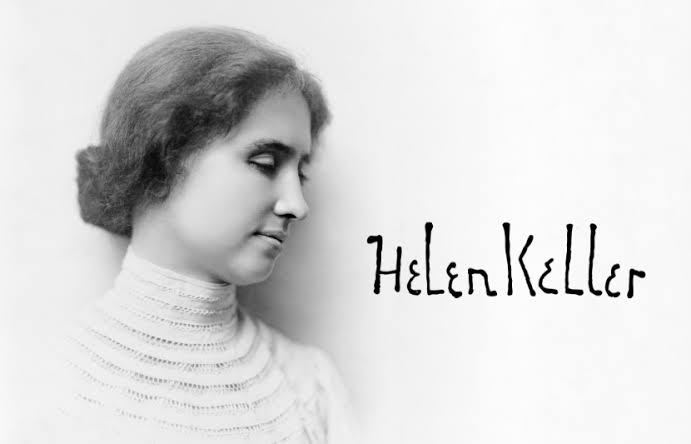
Helen Keller, the renowned deaf-blind philanthropist, shares her journey from the darkness of the ghost realm to the light of the Western Pure Land of Ultimate Bliss, guided by the compassion of Namo Amituofo and Practitioner Su.
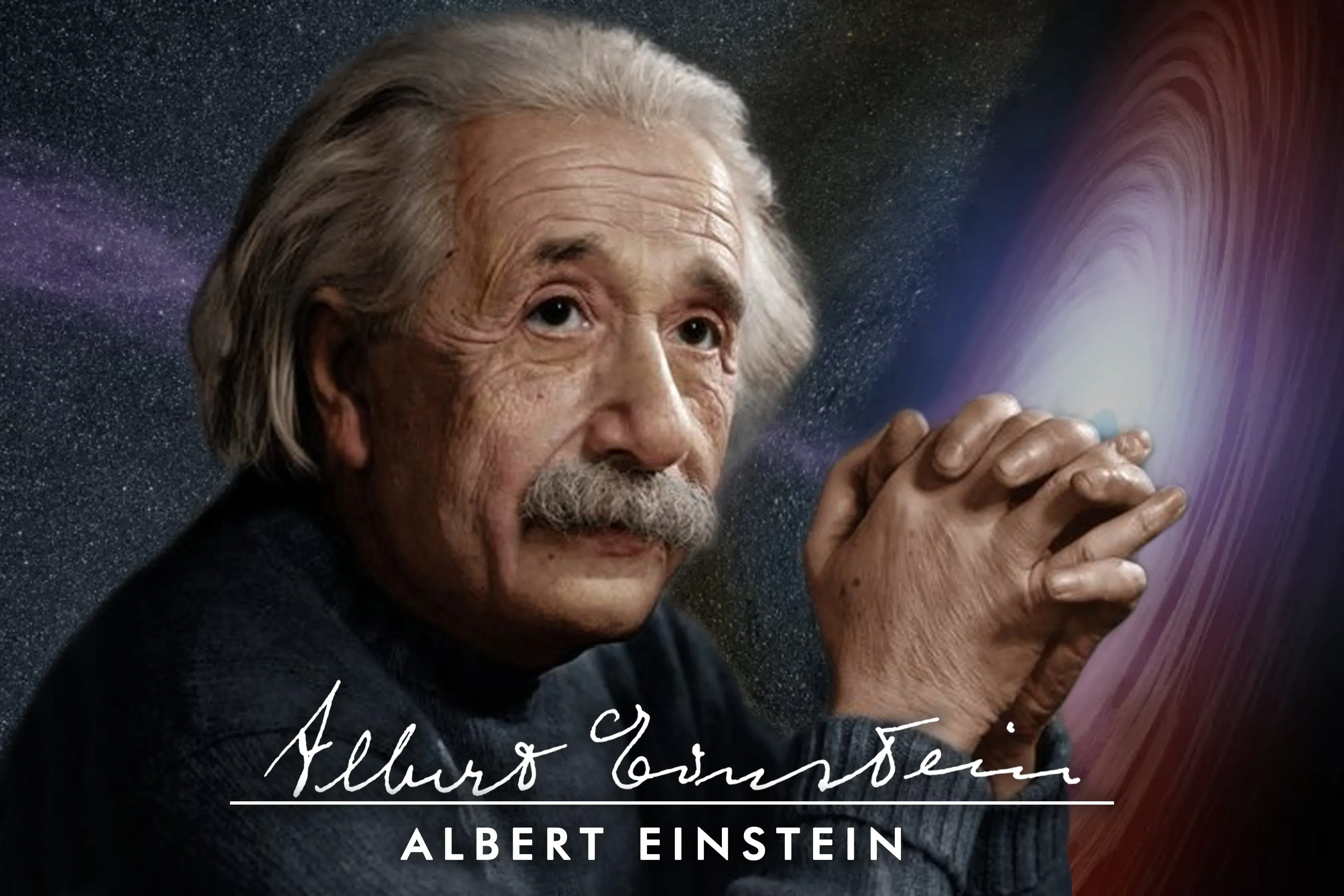
Albert Einstein, once considered the most brilliant mind in human history, reflects on his life, the nature of 'science' versus the Truth of the Dharma, and his existence in the Western Pure Land.
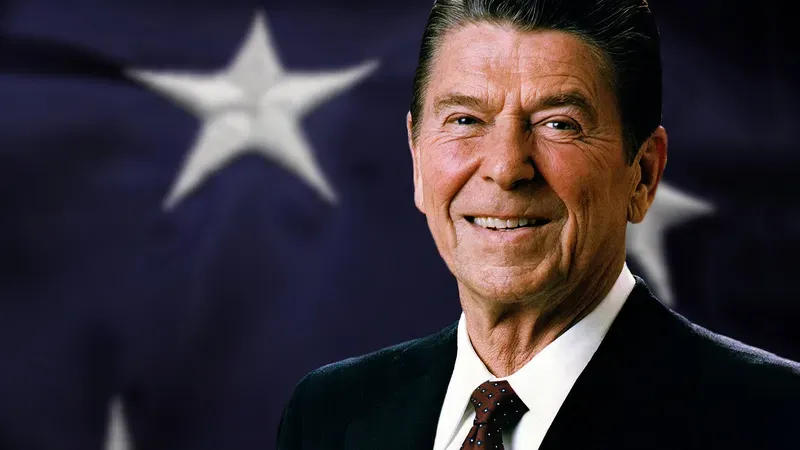
Ronald Reagan, the 40th President of the United States, reflects on his life, his political career, and his profound journey from the depths of hell to the Western Land of Ultimate Bliss through the compassion of Namo Amituofo and Practitioner Su.
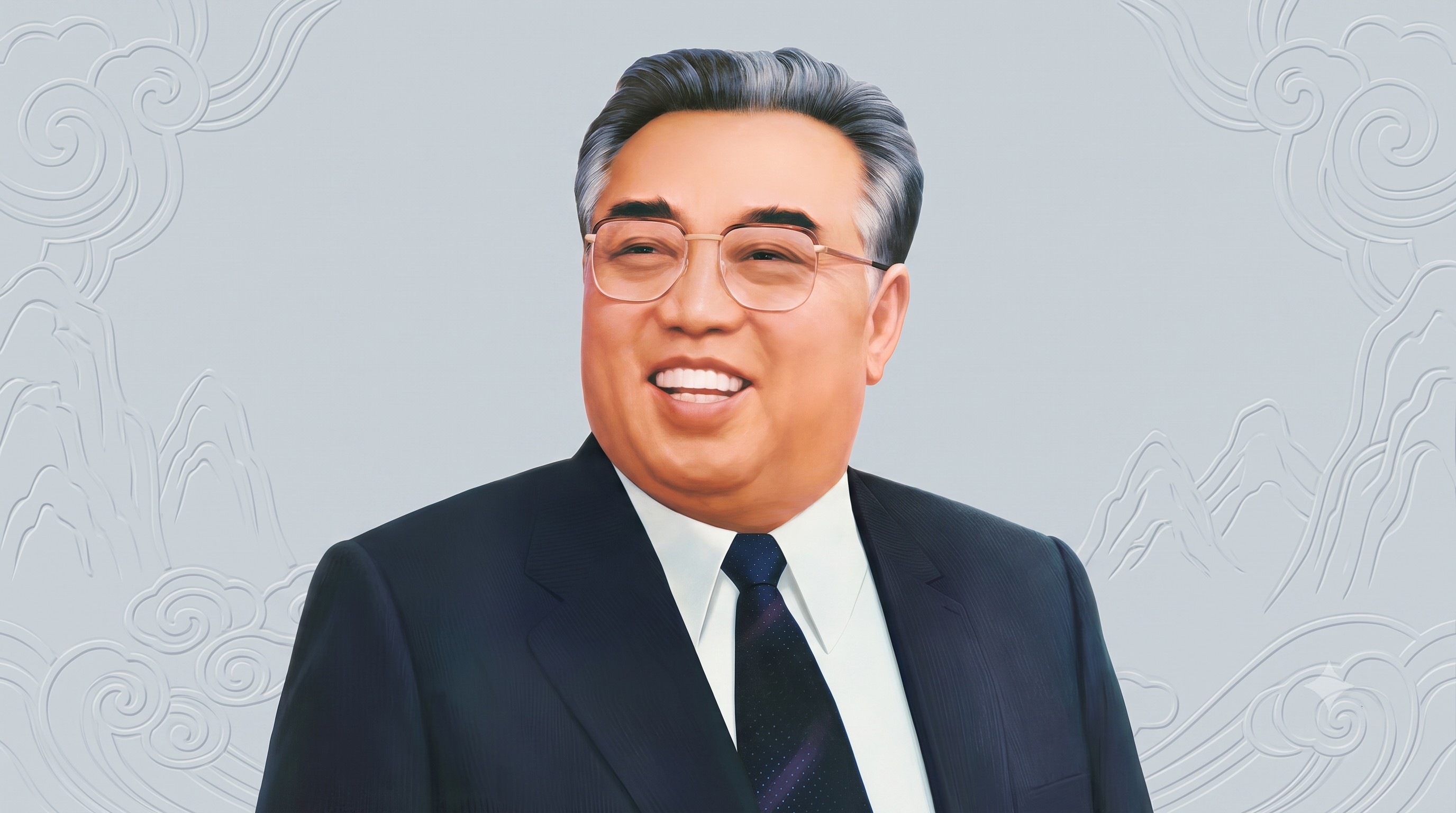
This is a record of an interview with Kim Il Sung, the founder and former leader of North Korea, who sought deliverance 32 years ago. He now resides in the Western Land of Ultimate Bliss.
Hsiang Kuang Pure Land Buddhist Centre
Contributed to Pure Land Buddhism knowledge library