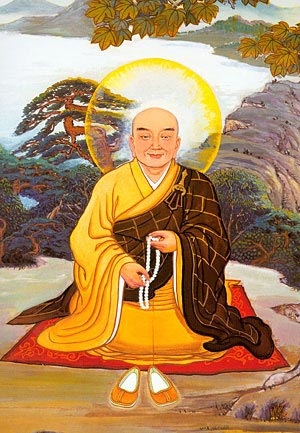
Teachings from the Second Patriarch of the Pure Land School
Ending the Dusty Journey: Teachings from Master Chewu
The Essence of Sincerity: An Interview with Master Shaokang
The Great Deliverance of the Earth and Space: An Interview with Master Chengyuan
Aligning Hearts and Righteous Power: An Interview with Great Master Lianchi
The Dharma Body Deliverance: An Interview with Master Shandao
Do Not Cling to Bodily Sensations
Interview with Gu Fangzhou (Chinese Virologist)
Interview with Zhao Ning (Co-founder of WuXi AppTec)
No Longer Distinguishing Right from Wrong
Interview with Li Yining (The Theoretical Founder of China's Shareholding System Reform)
May 4, 2017.
Practitioner Jiaxian: . I respectfully invite the Second Patriarch of the School, Master Shandao. Practitioner Su has requested that we revisit the lives of the thirteen patriarchs of the Pure Land School. With the of the Buddha, we humbly request that Master Shandao introduce your genealogy and the process of your practice, so that we, the younger generation, may have a guide for our own learning. We pray for your compassionate teachings.
Master Shandao: I was born during the Tang Dynasty into a family of high standing. My mother came from a distinguished lineage, and her marriage to my father was a union of equals. After she married into the family, she was known for her virtue and her filial piety toward her parents-in-law. However, for a long time, there was no news of a child. My grandparents were concerned and often urged her to seek a solution. Anxious and desperate, my mother travelled everywhere to burn incense and offer prostrations, praying to the Buddhas and Bodhisattvas for the blessing of a child. Yet, year after year passed, and still, there was no sign of a pregnancy.
Whenever my mother heard of a temple where the Goddess of Fertility or the Buddhas and Bodhisattvas were particularly responsive to prayers, she would travel even the furthest distances to seek their aid. Holding incense in her hands, she would kneel before the Buddha, praying with the utmost sincerity: "There are three forms of unfilial conduct, and having no descendants is the greatest. I have been in this family for so long without bearing a son or daughter, and I feel I have failed my husband's family. I beg the Buddhas and Bodhisattvas to compassionately grant me a child!" My mother was overwhelmed with anxiety, weeping bitterly as she cried out, "Buddha, I beg you! Buddha, I beg you!" She wept before the Buddha for a long time. Perhaps due to exhaustion, she eventually fell asleep, slumped over the prayer mat before the statue of the Buddha. When she awoke, she saw a master standing beside her, smiling. He said, "Your sincerity has moved the Buddhas and Bodhisattvas. You will have a son, and this son will one day enter the Buddha’s gate to save the world." After the master finished speaking, my mother returned home, filled with , her mind occupied only by the promise of a child.
Not long after, my mother became pregnant, and the entire household was overjoyed, eagerly awaiting my birth. When I was born, the sky above our home was filled with golden clouds that orbited the entire estate. I arrived into this world, and the household was a flurry of activity, celebrating my birth. My grandparents cherished me, and my mother cared for me with the utmost tenderness. As soon as I was old enough to understand, my mother taught me to write and sent me to school. Beyond mastering the classics, I found myself drawn to the sutras, as if the mysteries contained within them were calling me to delve deeper. I read the Four Books and the Five Classics countless times, and compared to other children of my age, I was considered exceptionally intelligent.
My father wished for me to carry on the family line and had matchmakers identify many young women from noble families, hoping to see me settled. At that time, I was only twelve years old. I had never once considered the prospect of marriage or fatherhood; in fact, I had no interest in women at all. I politely declined my father's well-intentioned plans, as my heart was set entirely on reading the scriptures and exploring the profound meanings within them. One day, while at the market with my mother to purchase the Four Treasures of the Study, I encountered a master with a most dignified appearance. His presence deeply captivated me. I respectfully pressed my palms together in greeting, and the master returned the gesture, saying, "Namo Amituofo, little . This sutra is a karmic connection for you. If there is anything you do not understand, you may come to the temple at this location to find me, and I will resolve the doubts in your heart."
Upon returning home, I read the sutra, but its depth was profound, and I felt a burning desire to explore every detail. I made up my mind to visit the temple and seek the master's guidance. The next day, I told my father that I wished to visit the temple to ask the master a few questions and would return in a few days. My father nodded in agreement. My mother, however, felt a deep sense of unease, as if she knew this day would come all too soon. Before I left, she held my hands tightly, tears streaming down her face: "My son, do not forget your parents. Go and return quickly." Her words carried a weight that made it seem as though I would never return home again.
I packed a simple bag and set off for my destination. Upon entering the temple and meeting the master, he smiled and said, "I have been waiting for you for a long time." He arranged a room for me to settle in. In the morning, I was invited to participate in the morning service. Although I had never recited the sutras before, as I joined in the chanting, the sound of the sutras and the Buddha-name touched the very depths of my heart. After the service and breakfast, I met with the master to discuss the parts of the sutras I did not understand, and he patiently answered each one. Realising the vast and boundless nature of the Dharma, I decided then and there to leave the secular life and enter the Buddha’s gate to propagate the teachings. After deciding to become a monk, I wrote to my family to ask for my parents' forgiveness, and then I focused entirely on my practice within the temple.
During my practice, because I was intelligent and quick-witted, the master took great care of me. When the master gave Dharma talks, he specifically instructed me to listen carefully, as everyone was required to take turns on the podium to learn how to lecture. I had a good memory and was articulate; I could repeat eighty to ninety percent of what the master had taught without any stage fright. The master praised me, and I felt a great sense of joy, which in turn gave rise to arrogance. At times, I would unconsciously watch my fellow practitioners giving their lectures and feel a sense of superiority, thinking they were all inferior to me. Later, the master privately taught me, "Everyone has different aptitudes and strengths. You cannot think yourself clever and look down upon your fellow practitioners. Practice is about moving from a small family into a great family. You were a young master at home, served by servants, but here, we are in a great family. You must support one another, be humble and modest, and never act superior. If you still think of yourself as a young master, you might as well go home and enjoy your life!"
The master's words forced me to reflect. I realised that this habit of mine was truly difficult to change! Because I had been pampered since childhood and served by others, I found that in the temple, where I had to do everything myself, every sip of water and every bite of food was a hard-won blessing that required gratitude. I began with myself, letting go of my status as a young master and starting with the most basic task of wiping the floors of the main hall. I would kneel on the ground, slowly wiping the floor to lower my arrogance. When I saw my fellow practitioners had not finished their work, I would try my best to help them. For tasks that others did not want to do, I would set aside my ego and complete them with even greater diligence. The master said, "In practice, there is no 'you' or 'me,' no high or low. If you can treat your fellow practitioners as one body and achieve the Six Harmonies, you will encounter far fewer obstacles on the path of practice." I learned from the basics, slowly letting go of my pampered life and my pride. I began from the most fundamental level, changing from the depths of my heart.
Because I had a strong capacity for learning, I understood the meanings of the scriptures easily, and whenever I had doubts, I would immediately ask the master. During his lectures, the master would often ask questions for me to answer, and I would explain the meanings according to the sutras. When the master asked my fellow practitioners questions, they were often stumped. Some would try to answer but fail, while others would mumble, scratch their heads, and not understand at all, let alone be able to explain. I watched this and thought, "How can they not know such simple questions?" Arrogance slowly began to rise in my heart without me even realising it. The master guided me from the side, "Your arrogance has risen again. Your intelligence should be used to help your fellow practitioners who are less capable than you, not to look down upon them." The master told me, "Arrogance is a great poison. If you do not remove arrogance during your practice and continue to look down on others, it will cover your compassion, and demonic obstacles will slowly invade without you knowing. How many practitioners in this world think they are right, believe they have high attainment, and thus give rise to arrogance! They do not listen to counseling but only listen to deception, leading them to go astray or onto the wrong path, eventually ending up in the hells or entering the demon path. There are many monks and practitioners before the gates of hell. My disciple, remember this, remember this! Be humble and modest! Arrogance must not be allowed to take root."
I was grateful for the master's constant reminders, which helped me shed my worst habits bit by bit. Because I had been served in every way at home, eating the best food and using the best things, I had developed a habit of being picky, with my mother even instructing the chef to cook my favourite dishes. When I arrived at the temple, it was very difficult to adjust. At first, I found the meals hard to swallow, but I slowly let go of my desire for food and changed my mindset toward enjoyment. I began to chew the roots of vegetables, finding that even simple tea and plain rice were a form of enjoyment. Once the thought shifted, everything tasted good. It was difficult to change at first, but changing one's thinking and perception happens in a split second. I slowly realised that I could not let my thoughts dominate me.
One thing that was most difficult to change was my greed for sleep. When I was at home, I could sleep until I woke up naturally, following my own whims. Now that I was practicing, sleep became one of my greatest obstacles. Every time we had morning service, it was very difficult to get up, and I was always the last one to rise. When reciting the sutras, I was never fully rested; my eyelids would often close against my will, and I would frequently doze off during the service, only to be jolted awake by the master's staff. Embarrassed by my own , I tried every possible way to overcome the difficulty and prevent myself from becoming drowsy during the recitation. Sometimes, when I felt drowsy, I would pinch my own thighs; at other times, I would secretly prepare a cold towel to cover my face to dispel the sleepiness. I knew this was because I had been pampered, and I could no longer let my own desires dictate my actions.
My drowsiness and restlessness were very, very severe, and I tried every method to overcome them. Especially in winter, I would place a cold towel on my head to make the sleepiness vanish instantly, but the effect would only last for a short while. Sometimes, when I could not overcome this difficulty, subtle ripples of doubt would arise in my heart. I would ask myself: "I enjoyed wealth and honour at home, and I was a young master; why did I come here to suffer?" The more I thought about it, the less I could control my habits. I slowly became lazy, unable to lift my spirits, and began to act as I pleased, unable to overcome these sleep obstacles, allowing myself to fall into restlessness and drowsiness.
Whenever it was time to recite the scriptures, I would fall into a deep, heavy sleep. My Master could not bear to watch this and offered me these teachings: "Why did you choose to become a monk in the first place? Before you left home, you disregarded your parents' objections because you wanted to explore the mysteries of the universe and human life. Now, you have cast those vows aside. Does a tiny bit of difficulty defeat you so easily? Do you truly wish to return to your worldly home? Even if you were to enjoy all the wealth and glory of the world, you would not be able to take anything with you in the end. Do you really want to continue wandering in the cycle of rebirth?"
I was instantly awakened by my Master's stern reprimand. I thought to myself, "How could I let such a small obstacle defeat me? This is not who I am! Why have I become so lacking in confidence?" I turned to my Master and said, "Master, I know I was wrong. I will improve." From that moment on, I began to change. I started my learning anew, striving to overcome my drowsiness and restlessness. I reflected on my own habits and realised that my greatest flaw was my attachment to my own opinions. I was fond of my own personality and refused to change, acting according to my own whims. I began to examine my faults one by one and worked to overcome them. If I felt drowsy, I chose to perform prostrations and repent. If the drowsiness persisted, I changed my approach by cleaning the temple inside and out to clear my mind before returning to my daily practice. It took a long time, but I eventually overcame these obstacles and returned to the right path.
It also took me a long time to change my habits and put down my sense of self-importance. For instance, I suffered from arrogance. I often looked down on those who were slower at learning than I was. I would think, "This is so simple, why are they so clumsy? Why can they not learn it?" I thought I was clever, and sometimes I would be unforgiving in my speech without even realising it. I offended many of my fellow practitioners, causing them to avoid me.
After receiving my Master's guidance, I finally understood that my arrogance had offended them. I slowly began to repent for my pride, starting by serving the community and letting go of my ego. I began with the tasks I disliked the most, such as cleaning the toilets and the kitchen. I learned to care for others, to tolerate their mistakes, and to take the initiative to help my fellow practitioners with things they did not understand. By changing myself, I corrected my wrong views and learned to forgive the faults of others, seeing them as one with myself. I treated my fellow practitioners with sincerity, and they gradually accepted the change in me.
Having been pampered by my parents, I was used to having everything I needed. However, in the temple, all people, objects, and resources belong to the ten directions. I was spoiled and did not like sharing my personal belongings. If a fellow practitioner used my stationery without my permission, I would become angry and confront them directly. My fellow practitioner would say, "These items belong to the temple; they are not yours alone. What is the harm in borrowing them? If you are not used to living here, you should have stayed home and remained a young master!" Hearing this, I would fly into a rage, and we would argue back and forth, neither willing to yield.
When my Master found out, we were both punished. We had to kneel in the main hall to repent and recite the scriptures. Privately, my Master counselled me: "Everything in the temple is provided by the ten directions; you cannot claim it as your own. In your practice, you must have a vast mind-capacity when interacting with your fellow practitioners. If you view them as yourself, you will not distinguish between 'you' and 'me.' The most dangerous thing in practice is the heart of anger. Once a single thought of anger arises, a million obstacles appear. Your anger offends your fellow practitioners and hinders your own path of practice. Why do many practitioners fall into the demon path? It is because they become angry when things do not go their way. A single thought of Goodness is the Buddha; a single thought of evil is the demon. So, Master asks you: do you want to be a Buddha or a demon?" I smiled and replied, "Forgive me, Master. Of course, I want to be a Buddha." My Master said, "To be a Buddha, you must change! Change your anger, change your worst habits, expand your mind-capacity, and embrace everything. Then, you are a Buddha!" "Thank you for your guidance, Master. I will keep your words in my heart and carefully correct my mistakes."
To spread the Pure Land teachings, I dedicated myself to training young, promising students, sending them to various regions to deliver Dharma talks. By that time, I was in my forties and gradually began to step back into a supporting role. I became even more active in writing books, transcribing the Infinite Life Sutra, and painting depictions of the Western Pure Land. I worked day and night, hoping to leave behind a wealth of literature so that future generations could connect with Namo Amituofo through what they see and hear. Once the Buddha-name enters the ear, it becomes a seed for the Path forever. My wish is for the name of Namo Amituofo to take root in everyone's , so that it may eventually blossom and bear fruit.
Although I stepped into the background, I continued to travel tirelessly to various temples to transmit the Dharma. At that time, the Zen school was flourishing, and many were practising it. I sought every possible way to help these Zen practitioners accept the skillful means of the Pure Land Dharma Gate. With the wisdom I had cultivated throughout my life, I visited many temples to introduce the magnificence of the Pure Land path, helping people understand how to cultivate the heart through it. I never criticised other schools; instead, I used skillful means to allow these practitioners to engage in both Zen and Pure Land practice simultaneously.
In Zen practice, one observes the mind to suppress one's habits. The Pure Land Dharma Gate, however, is about transforming the heart and nature, distancing oneself from all pollution. It is about purifying the heart and goodness, finding the original face one had before one's parents were born, and rediscovering one's true self. Within this true self, there is purity without defilement, neither birth nor death; it is inherently complete, unshakable, and capable of giving rise to all phenomena. Within this true self lies infinite wisdom, which everyone possesses and no one lacks. By rediscovering this true self, we no longer allow the universe to dictate our birth, aging, sickness, and death, or our cycle of rebirth. By rediscovering this true self, we can transcend life and death and achieve rebirth in the Western Pure Land with ease.
At that time, many who practised Zen did not understand the Western Pure Land of Ultimate Bliss. I devoted myself to promoting the Pure Land teachings so that these Zen practitioners could understand this skillful path. Afterward, they did not abandon their Zen practice; rather, they realised the benefits of the Pure Land path and adopted a dual practice, understanding that the Pure Land Dharma Gate allows one to carry to rebirth. The Pure Land Dharma Gate is a shortcut to the Western Pure Land of Ultimate Bliss, and many switched to this practice. Many practitioners were diligent and hardworking; when the time came for their rebirth, they knew it in advance, and their passing was marked by magnificent, auspicious signs. This influenced many monastics and lay practitioners alike to take up the Pure Land path. The name of Namo Amituofo spread everywhere, which was my greatest comfort. I did my utmost to ensure the Pure Land teachings would endure, allowing people of the world to understand that by practising this path, one can know the time of one's death in advance and be guided by Namo Amituofo to the Western Pure Land of Ultimate Bliss. I used my own example of knowing the time of death to demonstrate that rebirth is a matter of ease, thereby influencing many beings.
To spread the Buddha’s teachings and let the Pure Land Dharma Gate take root in people's hearts, I led by example. I chanted the Buddha-name daily without ceasing, and when I retired for the night, I would chant until I was drenched in sweat. I required my disciples to recite the Infinite Life Sutra and chant the Buddha-name tens of thousands of times, ensuring the name never left their lips and could penetrate deep into their hearts. I also taught the followers that the Buddha-name is inconceivable and must be taken into the heart. If one can have faith, make vows, believe in oneself, believe in the Buddha, believe in the existence of the Western Pure Land of Ultimate Bliss, and believe in Namo Amituofo, while also regulating the heart and nature in daily life—not letting the heart be turned by the and of the external world—one can dwell securely within the Buddha-name. Then, one will know the time of rebirth in advance and achieve it with ease. I was also diligent in writing and distributing Pure Land sutras everywhere, never daring to be the slightest bit slack. Life is impermanent, and death is unpredictable. If people in this world do not understand the Buddha’s teachings or the truth of the universe, they pass their days in confusion, mistaking the false for the real. They do not know that everything is illusory, yet they cling tightly to family affection, romantic love, and friendship. Beings are foolish; they do not know that if their emotions were not so heavy, they would not fall into this Saha world. A human body is hard to obtain, and the Buddha’s teachings are hard to hear. Yet, having obtained a human body, people do not know how to cherish it, allowing their true hearts to be covered by fame and wealth, cycling through the six realms of rebirth for countless lifetimes without knowing the suffering.
All people should accept Buddhist education and use the Buddha’s teachings as the for their daily lives. Everyone should be law-abiding and self-disciplined, examining their every thought and intention to ensure they are considering others. Be content with your lot; do not forcefully take what is not yours. The Buddha’s teachings are education; they teach people to transform their hearts and natures. The Buddha’s teachings are not superstition; they teach us how to find the original face we had before our parents were born, which is pure and good. The Pure Land Dharma Gate is a skillful means that both laypeople and monastics can learn. As long as you have deep faith in the Western Pure Land of Ultimate Bliss and deep faith in the power of the six-character name of Namo Amituofo, if you can keep the six-character name on your lips 24/7 and make your heart pure and good, you will be free from sickness and suffering. If you can maintain this faith and chanting until the very last thought at the end of life, you will all be able to be reborn in the Western Pure Land of Ultimate Bliss.
People in the world do not know how to face old age and helplessness; they fear birth, aging, sickness, and death. They fear that after they become ill, their children will not be by their sides or will not be filial. They spend their whole lives busy and rushing—but for what? In the end, they are left in panic and helplessness. Even with a vast fortune, one brings nothing at birth and takes nothing at death. People do not understand the truth of the universe; they do not understand that we are born carrying karma—we are here either to collect debts or to repay them. If people could have the to encounter the Pure Land Dharma Gate and know that Namo Amituofo allows one to carry karma to rebirth, and if they could let the Buddha-name penetrate deep into their hearts, they would know that everything is illusory and understand the laws of karma and cause and effect. Then, they would not be terrified at the end of their lives. They would be able to weary of the Saha world, wish to believe in Namo Amituofo of the Western Pure Land of Ultimate Bliss, and everyone would be able to be reborn in the Western Land.
Lay Practitioner Jiaxian: I am grateful for the compassionate teachings of Master Shandao. May I ask, how long before your rebirth did the Buddha notify you that He would come to lead you to the Western Pure Land of Ultimate Bliss?
Master Shandao: Namo Amituofo is compassionate. Three months before my rebirth, the Buddha came to notify me. After learning this, I worked even more diligently and actively to organise the scriptures I had written, allowing my disciples to spread them everywhere. I gathered my disciples from all over and said, "My disciples, as disciples of the Buddha, each of you should shoulder the responsibility of the Tathagata’s work, spread the Pure Land teachings, and wish for the Pure Land Dharma Gate to be passed down for ten thousand generations. Each of you carries a heavy responsibility. Today, I have gathered you because Namo Amituofo notified me three months ago that He would come to lead me to rebirth. Today, I hope my disciples will be even more diligent, work hard, and spread the inconceivable Pure Land Dharma Gate, so that at the end of your lives, you too may receive the compassionate guidance of Namo Amituofo to the Western Pure Land of Ultimate Bliss. I hope you will collectively chant the name of Namo Amituofo to see me off on my final journey."
The sound of the Buddha-name resonated throughout the entire main hall. I sat in meditation with palms joined, and the Three Saints of the West held a lotus to lead me to rebirth in the Western Pure Land of Ultimate Bliss. At that time, the fragrance of the lotus permeated the entire hall and did not dissipate for a long time. My worldly age was sixty-nine. I set an example: I was free from sickness and suffering, and my body was healthy in old age. I set an example: I knew the time of my rebirth in advance, providing a final demonstration.
Lay Practitioner Jiaxian: May I ask, Master Shandao, during your practice, did you encounter interference from from beginningless time? If you did, how did you resolve the conflict with them? Please, Master, give us your compassionate guidance.
Master Shandao: During my practice, there were many obstacles, especially when my habits were difficult to tame in my youth. My master assisted me from the side to break through these obstacles. I started by regulating the heart, reflecting upon myself, adjusting my heart to be pure and good, and placing my mental notes on the work of saving all beings. If there is no "self," where do the beings come from? It sounds like a simple matter, but subtle fluctuations require careful attention to be detected. During the process of compiling the sutras and spreading the Pure Land Dharma Gate, I also received much criticism and slander from the outside world. At that time, I was single-mindedly focused on spreading the Pure Land teachings. Regardless of how great the criticism and slander were, I remained firm in my faith, moved forward courageously, and gradually gained recognition.
At that time, I often suffered from headaches and shoulder and back pain. Because this physical body is false, I did not pay too much attention to it. However, the situation became increasingly severe. I realised that these pains had a cause. Upon careful observation, I found that they originated from subtle thoughts and external fluctuations; my inner heart had ignited a fire of ignorance, which triggered them. In a past life, I was an official, and the beings I had harmed through my words came to seek balance, causing my headaches and shoulder and back pain. At that moment, I repented to my karmic creditors. I repented for my past ignorance—for the sake of my own fame and wealth, I had disregarded the of others and been selfish. I knelt before the Buddha to repent and repent again, dedicating the merits I had cultivated to sincerely resolve the conflict with my karmic creditors.
Lay Practitioner Jiaxian: Namo Amituofo. I am grateful for Master Shandao’s compassionate guidance on how to practise and spread the Buddha’s teachings. Master, your Dharma voice reached China and the East, and those who study Buddhism in Japan hold you in the highest regard. I humbly request that you provide guidance and teachings for their direction in practice.
Master Shandao: When the Pure Land teachings were introduced to the East, they spread widely. The Japanese monk Honen sincerely sought guidance and promoted the Pure Land Dharma Gate. At that time, people’s hearts were simple and pure, and they encountered such a convenient path that lay practitioners could easily learn it. The Japanese monk Honen promoted it with great heart, and the Pure Land Dharma Gate gradually spread throughout Japan. The only difference was in the transmission of the Dharma; he taught that ten recitations would ensure birth, but he did not truly enter into the Infinite Life Sutra. Namo Amituofo’s Forty-eight Great Vows must all be fulfilled, and every vow teaches how to use the power of Namo Amituofo’s vows to save all beings. One must start from self-reflection, change the habits accumulated since time immemorial, transform the heart and nature, find oneself, and find one’s true self to achieve rebirth in the Western Pure Land of Ultimate Bliss with ease.
At that time, people’s hearts were pure and thick, easy to teach, and they supported the bodhimanda, promoted the Buddha’s teachings, and had true faith and vows. Many people chanted the name of Namo Amituofo and achieved rebirth with ease. Today, however, people’s hearts have changed into greed and selfishness, seeking only their own fame and wealth. The leaders of nations are filled with ambition, wanting to rule over other countries, harming countless civilians, and causing heavy casualties. In the end, they harm others and themselves, causing their own people to suffer. To this day, greed continues, and videos and books of adultery spread everywhere, harming young, innocent hearts. These harmful videos and books influence underage teenagers to become addicted to promiscuity, polluting all of Japan and the entire world. How can one bear the karma of this?
Today, whether in Japan or any other country, people are selfish and self-interested. To consolidate their national interests, they secretly research nuclear bombs and harmful chemicals. Once these leaders research chemicals that harm the human body, they not only harm the people but also harm all creeping and flying creatures, as well as bacteria and microorganisms invisible to the physical eyes. The karma for such harm is difficult to bear! Today’s society is filled with too much selfishness. People are blinded by fame and wealth and will stop at nothing. There are far too many things that go against one’s conscience! The entire society has become foul and chaotic. With no one to teach, people’s hearts have decayed. Only by ensuring the True Teachings dwell long in the world and guiding people’s hearts to be pure and good can we change our families and the entire planet.
Namo Amituofo
Today, many monastics do not realise that the entire universe is an organic whole, where sentient and insentient beings alike attain perfect wisdom. As monastics, your duty is to embody compassion; therefore, you should follow a vegetarian diet and must not consume the flesh of other beings. Monastics ought to rectify their body, heart, and spirit, propagate the Buddha’s teachings, and set a virtuous example to transform the prevailing negative atmosphere, leading people toward purity and Goodness. If you do not practise properly, you project a poor image, disrupt the moral climate, and become obsessed with fame and wealth. You fail to truly propagate the Buddha’s teachings, and the burden of the laws of karma and cause and effect will be difficult to bear. Remember this well! The gates of hell are often crowded with monks and practitioners. Namo Amituofo.
Lay Practitioner Jiaxian: Some Japanese monastics do not follow a vegetarian diet. I humbly invite Great Master Shandao to kindly offer teachings to the monastics in Japan.
Great Master Shandao: Monastics should hold compassion as their primary duty and must be vegetarian. These fish and shrimp have only come to be reborn and suffer retribution due to Causal Conditions. Compassion dictates that you should be saving these beings from their suffering, not harming them further. These beings are undergoing their ; they possess a clear, luminous spirit and are acutely aware of the pain when they are sliced alive to be eaten. You must be compassionate, refrain from eating the flesh of beings, and avoid creating negative karmic ties with them.
Currently, many monastics treat the monastic life as a business to be managed, failing to truly understand the significance of leaving the home life. To leave the home life is to save beings, preventing them from suffering in the six realms of rebirth. These monastics do not understand that they must lead by example, nor do they grasp that the Buddha’s teachings are meant to broadly save and deliver sentient beings. One must truly understand this before becoming a monastic; this is not a game. Remember this, remember it well! Otherwise, the karmic consequences will be impossible to repay.
Lay Practitioner Jiaxian: I invite Great Master Shandao to kindly provide guidance to those studying Buddhism in Japan, as your image is present in many major temples there to inspire their practice.
Great Master Shandao: In the past, the hearts of the Japanese people were pure and simple, and religious faith was the sole refuge for the civilians. Japanese monastics learned from China that the Pure Land Dharma Gate is profound and subtle. Its unique quality, which distinguishes it from all other paths, is the ability to achieve rebirth in the Western Pure Land while carrying karma. The Pure Land sutras describe how Amitabha Buddha uses the Forty-eight Great Vows to save beings. As long as one can have Faith, make Vows, and chant the six-character name of Namo Amituofo, one can be reborn in the Western Pure Land. This is highly suitable for lay practitioners, which is why Japanese monastics brought the Pure Land sutras back from China to propagate them.
At that time, Japanese monastics diligently and widely spread the images of Amitabha Buddha and the sutras. Today, however, most Japanese temples are operated using commercial methods. Temples exist to teach and transform the hearts of the people, yet they have forgotten the true meaning of the Buddha’s teachings. They have forgotten that Amitabha Buddha’s true purpose is to transform the hearts and natures of people, helping them move away from pollution, return to their original state, rediscover their true self, and broadly save beings. The ultimate goal is to be reborn in the Western Pure Land and forever escape the six realms of rebirth. Today, temples are managed through fame, wealth, and tourism. How can the True Teachings dwell long in the world this way? They have completely lost the original meaning of saving beings. This is why the True Teachings can no longer be passed down, and why the people, bound by their Collective Karma, lack the necessary blessings.
Lay Practitioner Jiaxian: May I ask, Great Master, why the Buddha’s teachings in Japan have collapsed today, with no Dharma left to educate the public? Please provide your compassionate teachings.
Great Master Shandao: In any nation, or even any family, the mindset and mind-capacity of the leader are of vital importance. If a leader does not consider the welfare of the people but only seeks personal fame and status, ignoring the lives of the citizens, desiring to occupy and invade the lands of others, and wishing to claim everything as their own, they will exhaust their people and resources. This causes suffering to the people of many nations, leads to countless deaths, and ultimately harms both others and oneself, causing the citizens of one’s own nation to die in foreign lands. The laws of karma and cause and effect are unfailing; if you forcefully seize what does not belong to you, both sides will end up defeated. The karmic burden of causing so many innocent lives to perish amidst the chaos of war is impossible to bear.
Why is it that the True Teachings cannot be passed down in Japan today? While temples may appear to have flourishing incense, they have not truly allowed the Truth of the Pure Land to enter the hearts of the people. Today, the public heart is corrupted by selfishness, greed, and lewd books and films that are transmitted everywhere, including online. These pollute the minds of ignorant teenagers, leading them to commit acts they are not ready for, resulting in consequences they cannot manage. The spread of such harmful materials corrupts the social climate and leads to the abortion of unborn infants. Those who manufacture these harmful books and films cannot escape the laws of karma and cause and effect.
National leaders should consider the welfare of their people and not be selfish. They secretly develop nuclear energy and weapons that harm the human body, thinking they are acting in secret, yet the Truth of the universe is clear, and karma is unfailing. They believe they can conquer nature, not knowing that the power of nature surpasses everything. A single earthquake or tsunami can destroy an entire homeland. These chemical pollutants harm the people, causing them to suffer. Heads of state should consider the lives and safety of their people, not harm them for the sake of developing higher technology. The selfishness and greed of the human heart will ultimately harm oneself; the karmic consequences are impossible to bear.
Today, although temples are magnificent and golden, many monastics wear the robes of a monastic while secretly committing acts that violate the precepts and are not in accordance with the Dharma. They do not understand that the true meaning of leaving the home life is to shoulder the mission of the Tathagata, to propagate the Buddha’s teachings, and to spread the Pure Land Dharma Gate. They do not understand the great compassion of Amitabha Buddha’s Forty-eight Great Vows, which are intended to broadly save beings and help them escape the six realms of rebirth. Monastic life has been polluted by the pursuit of fame and wealth; it has changed in nature. Why can the True Teachings of the Pure Land not be widely spread? The nation of Japan, from its leaders down to the common people, lacks the necessary blessings—this is part of their Collective Karma. This has led to the inability to continue the transmission of the True Teachings. It is tragic to have magnificent temples that do not truly serve to propagate the Dharma and benefit beings. Every monastic must take responsibility for this and face the karmic consequences.
Lay Practitioner Jiaxian: Since every monastic must take responsibility and face the karmic consequences, please, Great Master, is there any room for redemption?
Great Master Shandao: If there is to be redemption, education must begin with the Chinese classic, *Di Zi Gui* (Standards for Being a Good Student and Child). From a young age, the pure heart must be guided by Ethics and Morality, filial piety, and respect for teachers. Children must be taught how to get along with others and to always consider the needs of others. By instilling Ethics and Morality from childhood, we prevent harmful films and books from polluting their young minds. Keep them away from such things and encourage them to engage with books related to Ethics and Morality. By providing these children with Ethics, Morality, and proper education from a young age, we can gradually turn the situation around.
For instance, monastics must take up the mission of the Tathagata even more seriously. Monastics are educators and mentors; they should delve deeply into the mission of the Tathagata and understand the profound meaning of the Pure Land. The Pure Land Dharma Gate teaches people to rectify their hearts and thoughts, to regulate their minds, and to avoid being polluted by the Five Desires and the Six Dusts of the external world. Monastics should delve even deeper into the sutras to understand that the Great Vows of Amitabha Buddha in the Pure Land Dharma Gate are meant to save all beings, from the highest level of Bodhisattvas down to those in the hells, helping all beings escape the six realms of rebirth.
I hope these monastics can understand why they left the home life and what their responsibilities are. Leaving the home life is about serving the public and saving beings. The offerings received from the ten directions are not for your personal enjoyment, but to allow you to practise well, find your true self, and broadly save beings. If you act according to the Dharma, changing step by step, and if everyone works to propagate the Dharma and benefit beings without seeking anything for themselves, then the Pure Land Dharma Gate can flourish in Japan once again. I hope these monastics will understand the laws of karma and cause and effect: a single grain of rice from a donor is as heavy as Mount Sumeru; if you do not attain the Way in this life, you will have to repay the debt by wearing fur and horns in the next. Remember! The gates of hell are often crowded with monks and practitioners. Namo Amituofo.
Lay Practitioner Jiaxian: This disciple thanks Great Master Shandao for accepting this interview. I am grateful for your compassionate teachings.
Interview recorded by chief writer, Lay Practitioner Li Jiaxian; transcribed by Lay Practitioner Lai Boya.
Master Chewu shares profound insights on the nature of the Dharma-Ending Age, the vital mission of Practitioner Su, and the urgent necessity for all beings to awaken from the cycle of rebirth.
Master Shaokang discusses the profound nature of sincerity, the vastness of space, and the compassionate work of Practitioner Su in saving infinite sentient beings through the power of Namo Amituofo.
Master Chengyuan shares his profound insights on the power of the Pure Land practice and the miraculous efficacy of Practitioner Su’s Dharma-Body Visualisation Deliverance in resolving the global pandemic and saving sentient beings across all realms.
Great Master Lianchi reflects on the profound suffering of beings in the Dharma-ending age, the unwavering dedication of Practitioner Su, and the miraculous power of collective Faith, Vows, and Practice in transforming the world.

A candid reflection from the spirit of Elizabeth Taylor, who shares her journey from the blinding lights of Hollywood to the serene, transformative teachings of the Buddha in the Western Land of Ultimate Bliss.

Michael Jackson shares his journey from the pressures of global fame to the peace of the Western Pure Land, revealing the truth behind his life and his ultimate deliverance.
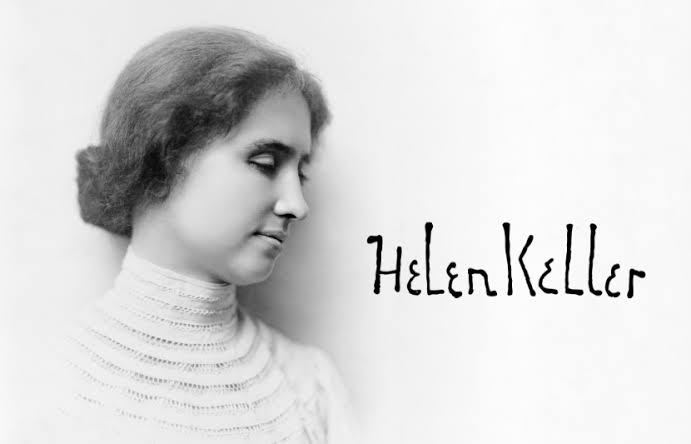
Helen Keller, the renowned deaf-blind philanthropist, shares her journey from the darkness of the ghost realm to the light of the Western Pure Land of Ultimate Bliss, guided by the compassion of Namo Amituofo and Practitioner Su.
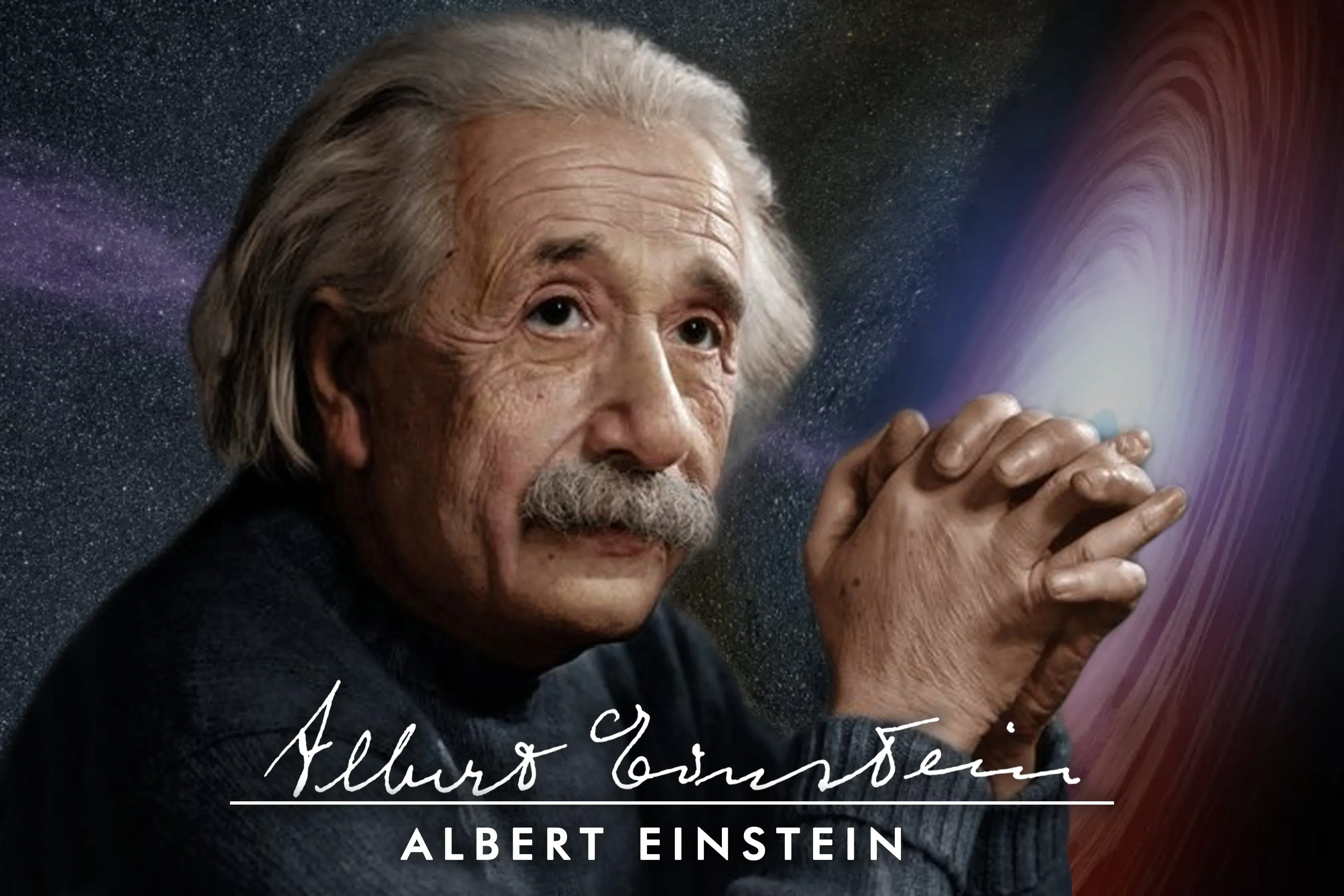
Albert Einstein, once considered the most brilliant mind in human history, reflects on his life, the nature of 'science' versus the Truth of the Dharma, and his existence in the Western Pure Land.

Ronald Reagan, the 40th President of the United States, reflects on his life, his political career, and his profound journey from the depths of hell to the Western Land of Ultimate Bliss through the compassion of Namo Amituofo and Practitioner Su.
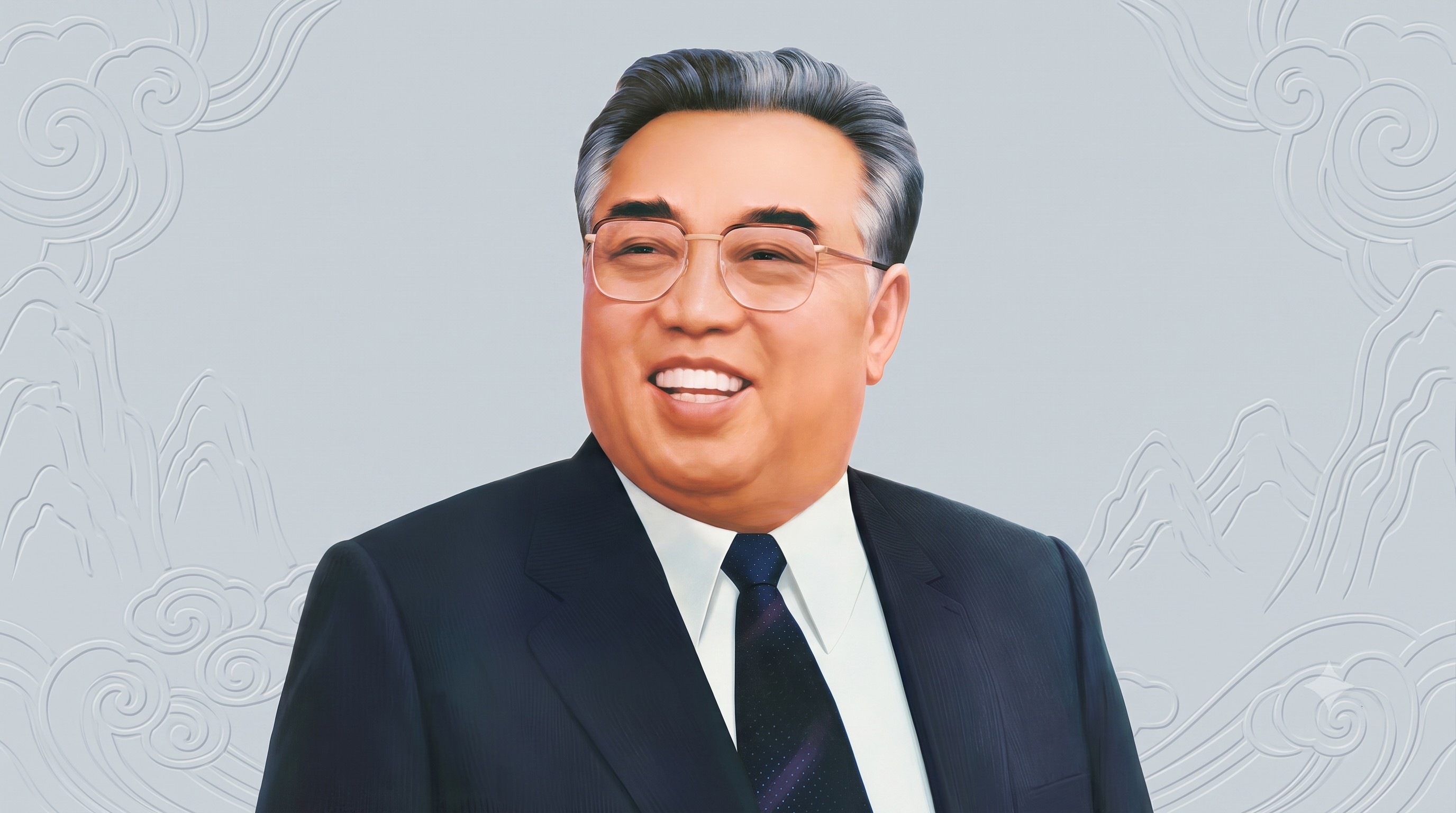
This is a record of an interview with Kim Il Sung, the founder and former leader of North Korea, who sought deliverance 32 years ago. He now resides in the Western Land of Ultimate Bliss.
Hsiang Kuang Pure Land Buddhist Centre
Contributed to Pure Land Buddhism knowledge library