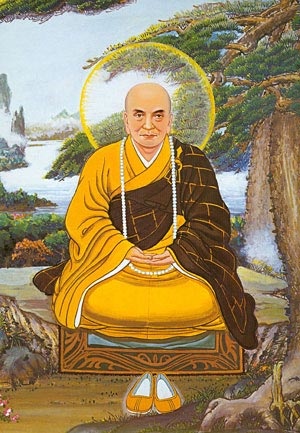
An Interview with Great Master Yinguang
Ending the Dusty Journey: Teachings from Master Chewu
The Essence of Sincerity: An Interview with Master Shaokang
The Great Deliverance of the Earth and Space: An Interview with Master Chengyuan
Aligning Hearts and Righteous Power: An Interview with Great Master Lianchi
The Dharma Body Deliverance: An Interview with Master Shandao
Do Not Cling to Bodily Sensations
Interview with Gu Fangzhou (Chinese Virologist)
Interview with Zhao Ning (Co-founder of WuXi AppTec)
No Longer Distinguishing Right from Wrong
Interview with Li Yining (The Theoretical Founder of China's Shareholding System Reform)
On the fifth of May, 2017, the Buddha's disciple, Shi Facie, performed ten prostrations to invite the Thirteenth Patriarch of the School, Great Master Yinguang, to share his life story and the core points of his practice. Great Master Yinguang responded with profound simplicity: "Strive for excellence. Ascend to higher purity. Have no discrimination. Let your good roots emerge. Record this without attachment. See through and let go. Have no thoughts of self. ."
Great Master Yinguang began by recounting his early years. He was born during a time of civil war, a period of great instability. Shortly after birth, he suffered from an eye ailment that caused him to cry incessantly, whether day or night. He wondered if he was crying for his own blindness or for the suffering of all beings trapped in the darkness of ignorance. This lasted for half a year before his condition improved, perhaps as a way for the Buddhas and Bodhisattvas to help him experience the hardships of life.
Under his father's guidance, he studied Confucian thought from a young age. He saw his playmates disappear one by one as the ravages of war forced families to flee. By the age of seven, he already questioned the complexity and cruelty of human nature, wondering why people would sacrifice the lives of innocent civilians for their own selfish gains. He asked his teacher about this, and the teacher replied, "This is the complexity of human nature. Where there are people, there is conflict. For the sake of personal gain, people will disregard everything and commit heinous acts." This was his first encounter with the terrifying complexity of the human heart.
At twelve, a severe illness left him bedridden, weak, and helpless. This experience taught him the impermanence of life and the reality that his physical body was not under his control. He felt like a puppet, subject to the whims of sickness and emotion. He longed to find a way to master his own mind and achieve true liberation. As his family's financial situation deteriorated, he felt deep guilt for being a burden. A passing monk, seeing his parents' distress, suggested that this was the manifestation of from past lives. He advised them to repent and recite the name of Avalokiteshvara .
The young Yinguang began to communicate sincerely with his own body and karmic creditors, repenting for past ignorance and vowing to dedicate all future good deeds to them. Miraculously, his health began to recover. Within three months, he was fully restored, leaving him with a profound impression of the power of the and a desire to delve deep into the sutras. He realised that is not the master of , and he became determined to seek the path that leads to true, lasting happiness and liberation.
As the war spread, he witnessed the full spectrum of human suffering: the wealthy living in constant fear of losing their assets, the poor struggling for survival, and the desperate begging for food. At seventeen, he left home to seek the path of liberation. He wandered through mountains and forests, eventually arriving at Songzan Temple. After a cold, harrowing night spent shivering at the temple gates, he was taken in by the abbot, Master Shijianwu. There, he began his formal study of the Buddha's teachings, learning that the true purpose of monastic life is to help all beings break through delusion and escape the cycle of rebirth.
He observed the daily life of the temple, where the monks engaged in lectures and helped the public break through delusion and attain . He was deeply moved by the solemnity and dignity of the practice. He began to attend lectures on the Amitabha Sutra, where Master Shijianwu taught that the sutras are not merely to be recited for good luck, but to be lived. He warned against the "thief" of ignorance—the anger, greed, and dissatisfaction that arise from a cluttered mind. He emphasized that the practice of chanting Namo Amituofo is a skillful means to focus the mind, let go of the world, and achieve meditative concentration.
Yinguang, known for his honest and quiet nature, began to serve the community. He learned that true practice is found in every action—cleaning, serving others, and maintaining a pure, focused mind. He faced many tests, including his own internal struggles with pride and dissatisfaction. Through the guidance of his teacher, he learned to put down his own views and accept the opinions of others, realising that the "self" is the greatest barrier to enlightenment. He understood that the goal of practice is to subdue the mind and not let it be led astray by messy thoughts.
Upon his ordination, Yinguang vowed to dedicate his life to propagating the Buddha's teachings so that all beings could leave suffering behind and find happiness. He entered the library for a close-door retreat, vowing to be diligent, fearless, and humble. He began copying sutras, realising that the act of writing helped him focus and dissolve his own thoughts. Through this deep immersion, the profound meanings of the sutras began to manifest naturally. When he copied the Amitabha Sutra, the magnificent scenes of the Western Pure Land appeared before him, confirming that the Pure Land Dharma Gate is the most suitable path for beings in this age of the Dharma's decline.
After his retreat, Yinguang travelled to propagate the Dharma, combining Confucian ethics with Buddhist teachings to reach a wider audience. He established the Honghua Society to print and distribute sutras and books on the laws of and cause and effect, such as the "Tai Shang Gan Ying Pian" and "Di Zi Gui." He emphasised that without a foundation in ethics and morality, society would inevitably decay. His life was a testament to the power of humility, repentance, and the unwavering focus on the Buddha-name.
In his final moments, he gathered his disciples, gave a simple teaching on the importance of holding the and chanting Namo Amituofo, and then sat in meditation. As he passed away, a golden light appeared, and he was led to the Western Pure Land of Ultimate Bliss. His life remains a beacon for all practitioners, reminding us that by seeing through the illusions of this world and focusing our hearts on Namo Amituofo, we too can achieve rebirth in the Western Pure Land. Namo Amituofo.
Master Chewu shares profound insights on the nature of the Dharma-Ending Age, the vital mission of Practitioner Su, and the urgent necessity for all beings to awaken from the cycle of rebirth.
Master Shaokang discusses the profound nature of sincerity, the vastness of space, and the compassionate work of Practitioner Su in saving infinite sentient beings through the power of Namo Amituofo.
Master Chengyuan shares his profound insights on the power of the Pure Land practice and the miraculous efficacy of Practitioner Su’s Dharma-Body Visualisation Deliverance in resolving the global pandemic and saving sentient beings across all realms.
Great Master Lianchi reflects on the profound suffering of beings in the Dharma-ending age, the unwavering dedication of Practitioner Su, and the miraculous power of collective Faith, Vows, and Practice in transforming the world.
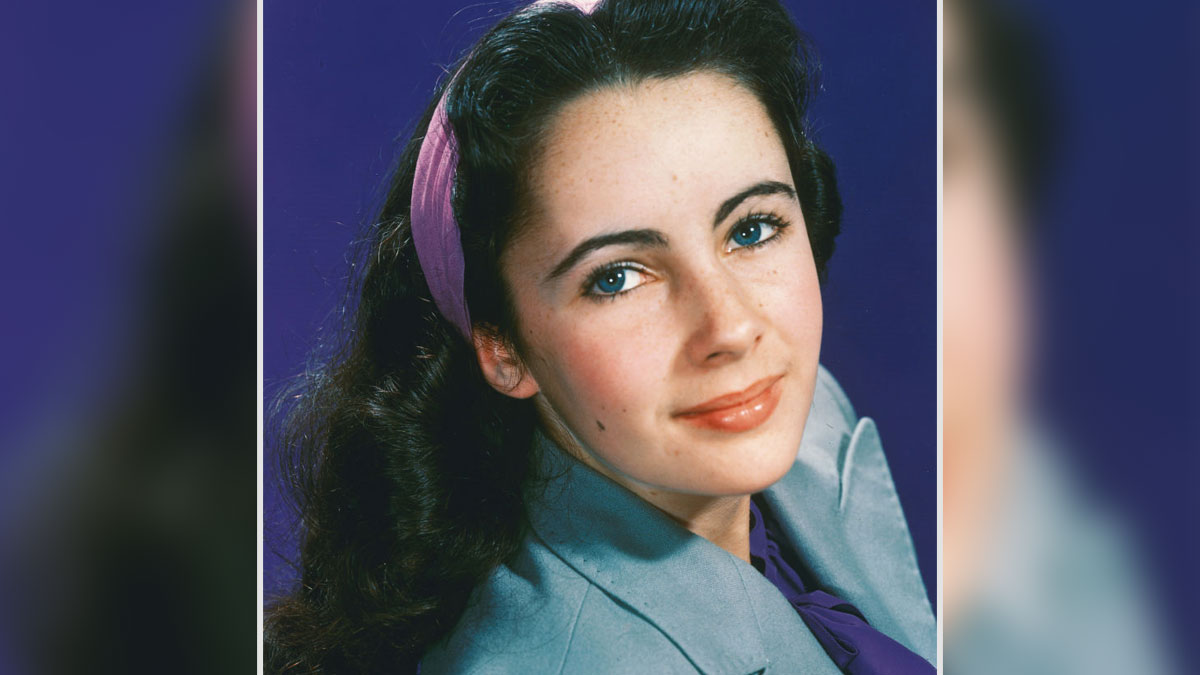
A candid reflection from the spirit of Elizabeth Taylor, who shares her journey from the blinding lights of Hollywood to the serene, transformative teachings of the Buddha in the Western Land of Ultimate Bliss.
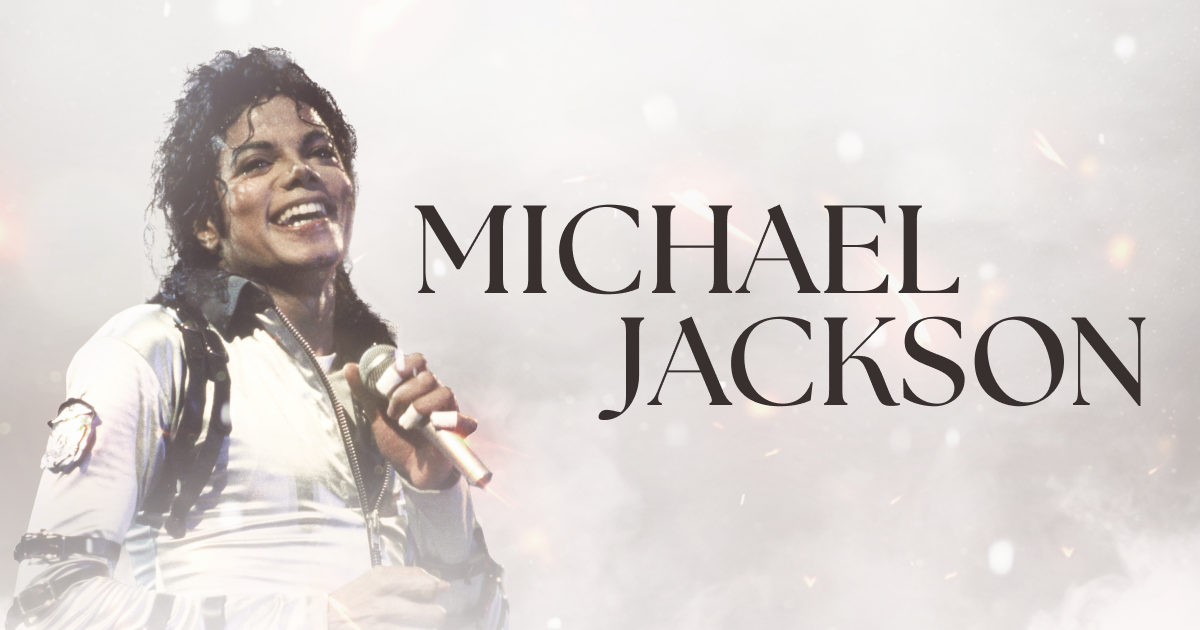
Michael Jackson shares his journey from the pressures of global fame to the peace of the Western Pure Land, revealing the truth behind his life and his ultimate deliverance.
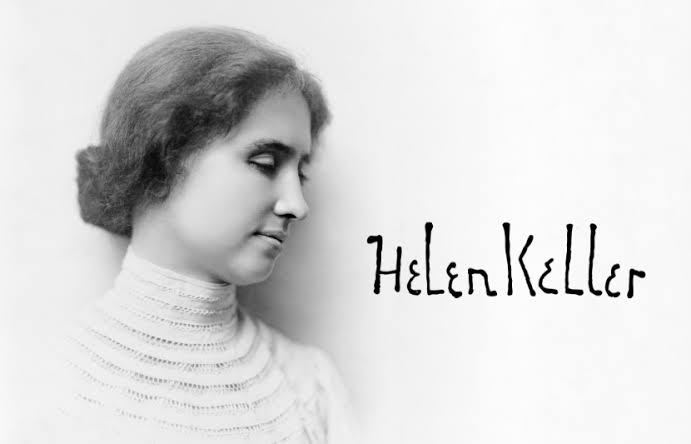
Helen Keller, the renowned deaf-blind philanthropist, shares her journey from the darkness of the ghost realm to the light of the Western Pure Land of Ultimate Bliss, guided by the compassion of Namo Amituofo and Practitioner Su.
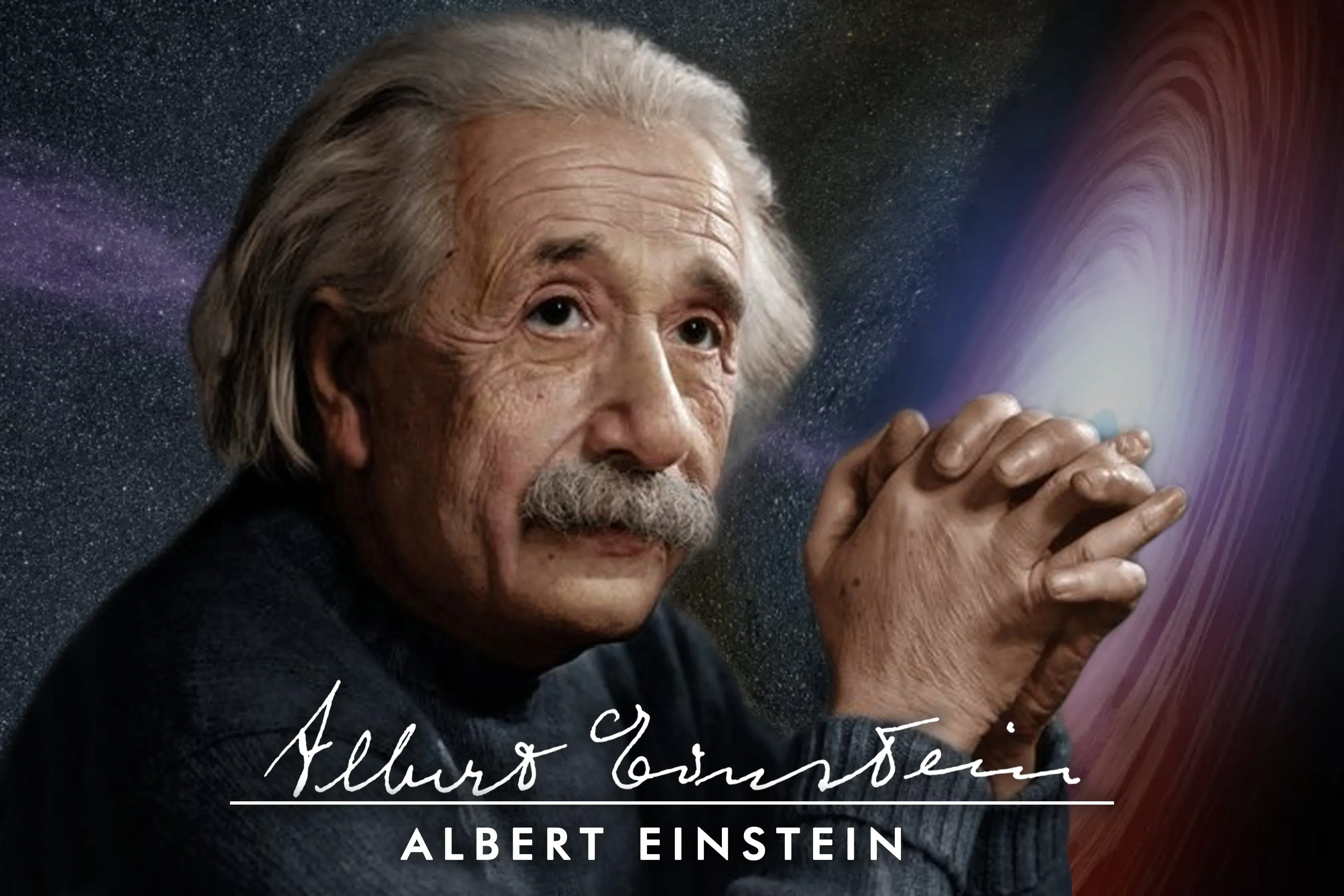
Albert Einstein, once considered the most brilliant mind in human history, reflects on his life, the nature of 'science' versus the Truth of the Dharma, and his existence in the Western Pure Land.
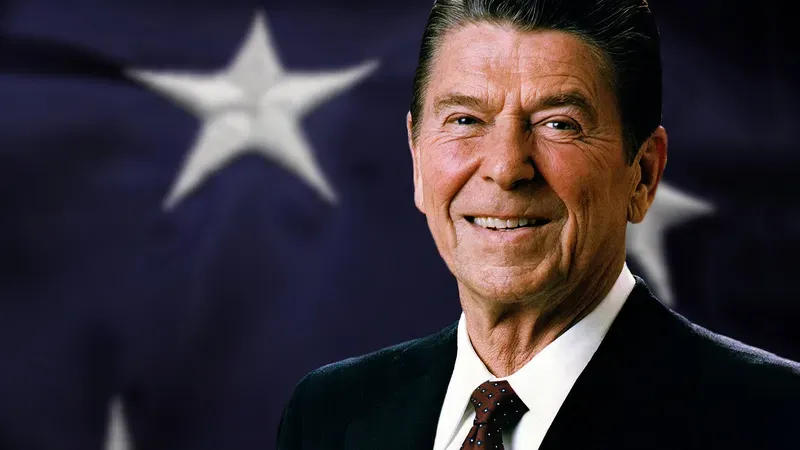
Ronald Reagan, the 40th President of the United States, reflects on his life, his political career, and his profound journey from the depths of hell to the Western Land of Ultimate Bliss through the compassion of Namo Amituofo and Practitioner Su.
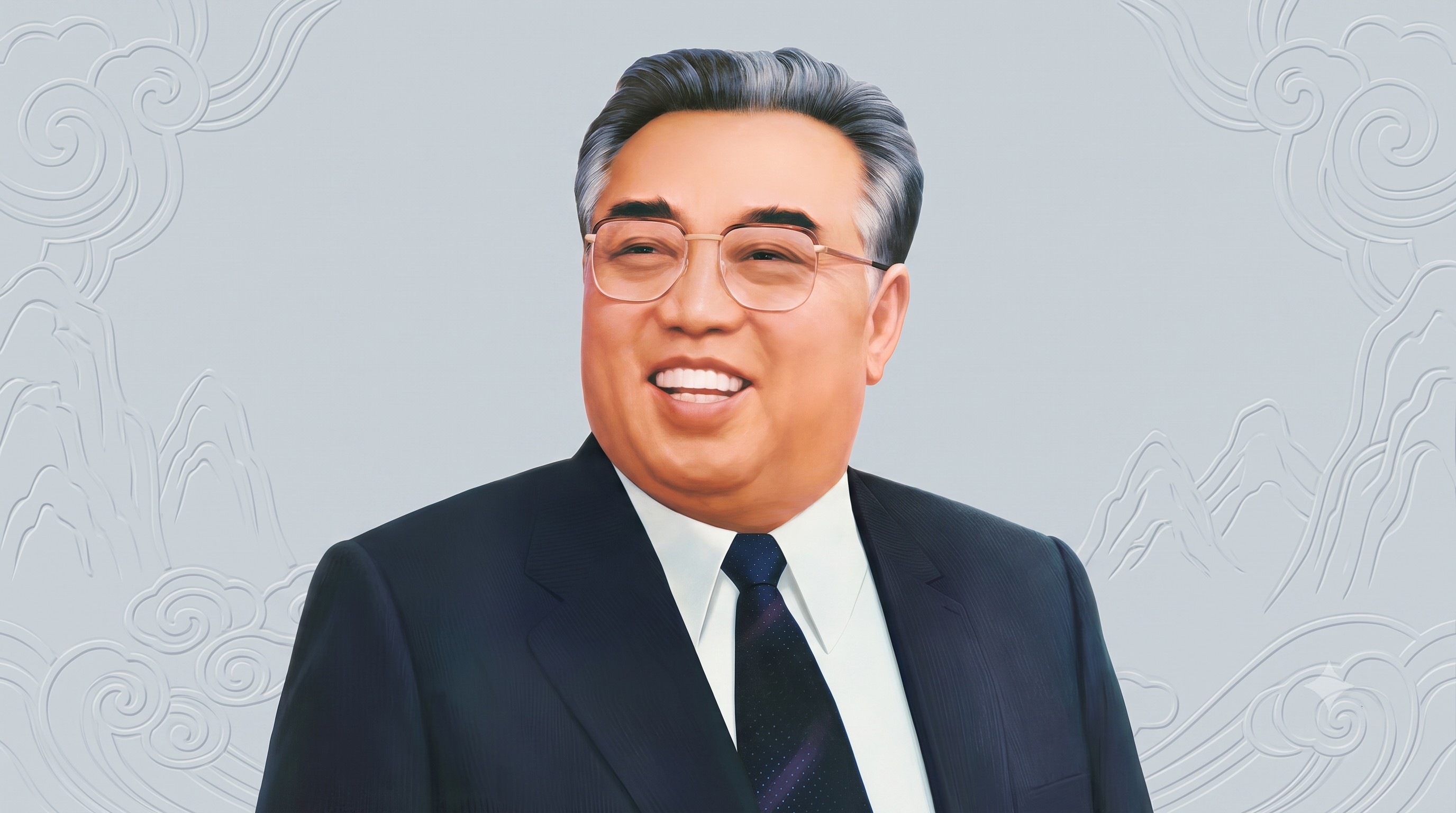
This is a record of an interview with Kim Il Sung, the founder and former leader of North Korea, who sought deliverance 32 years ago. He now resides in the Western Land of Ultimate Bliss.
Hsiang Kuang Pure Land Buddhist Centre
Contributed to Pure Land Buddhism knowledge library