The Transformation of Faith: The Testimony of Matsuda
An Interview with the Spirit of Matsuda
This is a record of an interview with Matsuda, who sought at the Hsiang Kuang Buddhist Centre in Australia. He now resides in the Western Pure Land of Ultimate Bliss. This account reflects upon his life approximately 370 years ago. Recorded by the chief writer, Shi Fa, on March 19, 2019.
Matsuda speaks:
"Namo Amituofo. I am Matsuda. In the life I once lived, my grandfather was the great elder of our tribe. Whenever there was a matter of significant importance, he would convene a meeting with the other elders to discuss and decide upon the path forward. The results of these meetings were absolute; every member of the tribe was bound to follow them without question. I remember one particular meeting that changed the course of our lives, as it concerned the very foundation of our religious faith.
The God of Our Tribe
Our tribe held a singular belief in a celestial deity, whom we regarded as our protector. Legend held that he was the original founder of our tribe, a man who had sacrificed his own life to defend our land against foreign invaders. To honour his memory, our ancestors carved a statue of him and elevated him to the status of a god. He became the primary object of our worship, the one we called the Midala God. We were taught that he watched over us, and in return, we offered him our absolute devotion. We believed that our very existence was tied to his favour, and that any deviation from this path would invite catastrophe upon our people.
During that fateful meeting, the elders formally decreed that any member of the tribe who dared to harbour a dual faith—worshipping another god alongside the Midala God—would be forced to leave the tribe. They argued that such a person’s heart was no longer aligned with the tribe, that they had forgotten their roots. If they did not leave voluntarily, the elders would forcibly drive them out. Once the decision was finalised, all members were summoned to the assembly hall to hear the decree. It was a terrifying time for anyone who dared to think differently, as the social pressure to conform was absolute and suffocating.
A Leader in Training
My parents were staunch believers in the Midala God. Every year, on the anniversary of his legend, my father would personally tie a red rope adorned with sacred totems around the statue. We would offer vast amounts of livestock—pigs, chickens, ducks, and fish—along with wine, to appease and thank him. The entire tribe would dance around the statue, celebrating our protection. It was a time of great , especially for the children, who played amidst the festivities, unaware of the heavy price paid by the animals sacrificed for our celebration.
When I was born, my father immediately slaughtered three large pigs and dozens of other animals as an offering. You see, my father had been told in his youth that he would never have children. After he married, he prayed sincerely to the Midala God for a child, and three years later, my mother became pregnant. My father was overjoyed; he had promised the god a grand sacrifice if a child were born, and he fulfilled that promise the moment I arrived. I became the treasure of our home, and everyone in the tribe believed I was a lucky child, destined to follow in my grandfather’s footsteps as a wise leader. I was raised with the weight of these expectations, constantly reminded that my life was a gift from the Midala God.
The Weight of Killing
My grandfather groomed me from a young age. He taught me the history of our tribe, the details of every battle we had fought, and the names of the warriors who had sacrificed their lives. He insisted that I know every household’s situation so that I could provide assistance when needed. I shadowed him everywhere, learning how to handle problems by observing his every move. Our tribe was isolated, a tight-knit family where no outsiders were ever permitted to enter. I learned to navigate the complex social dynamics of our people, believing that our way of life was the only way to survive in a harsh world.
When I turned twenty, the year I was to assume leadership, disaster struck. A plague swept through our people, claiming many lives, followed by a relentless series of floods. The tribe was terrified, and many doubted that I, a young and inexperienced leader, could save them. With our food supplies dwindling, I knew I had to seek help from the outside world. I travelled to neighbouring villages to beg for aid, and eventually, some villagers sent supplies, and a travelling physician came to offer medical assistance. It was a humbling experience, seeing how much we relied on the kindness of others when our own traditions failed us.
The Price of Truth
It was during this desperate search for solutions that I encountered a compassionate monk. My grandfather had always taught me that the Midala God was the only deity we could trust, but as I watched my people suffer, I realised that our god was powerless to restore peace. I decided to listen to what the monk had to say. Upon seeing me, he said, 'The killing in your tribe is too heavy; the spirits of the slaughtered are all here to seek revenge. You must teach your people to chant the name of the Buddha, adopt a vegetarian diet from this day forward, and sincerely repent to these sentient beings. Only then can you avoid these frequent disasters.'
His words hit me like a lightning bolt. I experienced a profound 'Aha!' moment. I suddenly understood. Our tribe lived by hunting; we ate meat at every meal, and during festivals, we slaughtered countless animals as offerings to the Midala God. I finally saw the truth: we had been causing immense suffering to other beings. The monk introduced me to the laws of karma and cause and effect. I was shocked, lamenting that if only our people had heard the Buddha’s teachings sooner, we would never have accumulated such heavy karma and suffered such painful retribution. It was a heavy burden to carry, knowing that our prosperity had been built on the suffering of others.
A Return to the Homeland
When I returned to the tribe and began teaching the , the backlash was immediate. The elders were furious, accusing me of betraying the Midala God. They thought I had been driven mad by the disasters. Out of respect for my grandfather, they did not exile me immediately, but they stripped me of my authority. I continued to teach, however, because I saw that the spirits of the dead were desperate for retribution. Many residents, seeing no other way to survive, chose to believe me. They began to chant Namo Amituofo and repent to their . To everyone’s astonishment, those who followed these practices saw their illnesses begin to fade. This was a miracle compared to the prayers to the Midala God, which had yielded nothing.
Eventually, the other tribal leaders could no longer tolerate this. They cast me out of the tribe, forbidding me from ever returning. I spent the next ten years in a monastery, diligently practicing and taking the vows of a monk. When I finally returned to the tribe as a bhikshu, the people were unrecognisable—they were impoverished and broken. My parents wept when they saw me, telling me that after my grandfather passed, the tribe had fallen into chaos and the worship of the Midala God had ceased. With my father’s help, I began to lecture on the Dharma. The people, having suffered for so long, were finally ready to listen. Many were moved to tears, regretting their past stubbornness. Young men began to follow me back to the monastery to become monks, and our tribe began to transform. We stopped killing, adopted a vegetarian diet, and peace returned to our lives.
The Infinite of Namo Amituofo
I spent my life propagating the Dharma, breaking through countless obstacles. While no one in our tribe had ever lived past eighty, I lived to be one hundred and seven before being reborn in the Western Pure Land of Ultimate Bliss. This miracle only strengthened the people’s faith in the Buddha’s teachings. I am eternally grateful for the compassion of Namo Amituofo, who saved me from the cycle of rebirth. My life is a testament to the power of the Dharma to transform even the most hardened hearts.
Today, countless sentient beings from across the entire Dharma-realm are rushing to seek deliverance from Practitioner Su. They have suffered in the darkness of space for aeons, and no one else has been able to help them break free. Only a human being with a physical body can cultivate the ability to help them transcend these spatial constraints. Practitioner Su has truly achieved this, dedicating decades to saving these spirits. The scene of him lecturing on the Dharma, with layers upon layers of spirits listening intently, is a sight never before seen in history. It is a magnificent display of compassion and wisdom.
Some spirits, in their desperation, have even lashed out at Practitioner Su’s physical body, yet he continues to teach, cherishing every second to help them break through delusion and attain . I stand by his side, doing my best to protect him, though I know he still suffers. I ask for his forgiveness for any shortcomings, and I, along with the other venerable ones, will continue to strive to assist him. Namo Amituofo."
This interview was recorded by the disciple Shi Fa Jing.
More from Revered Ones
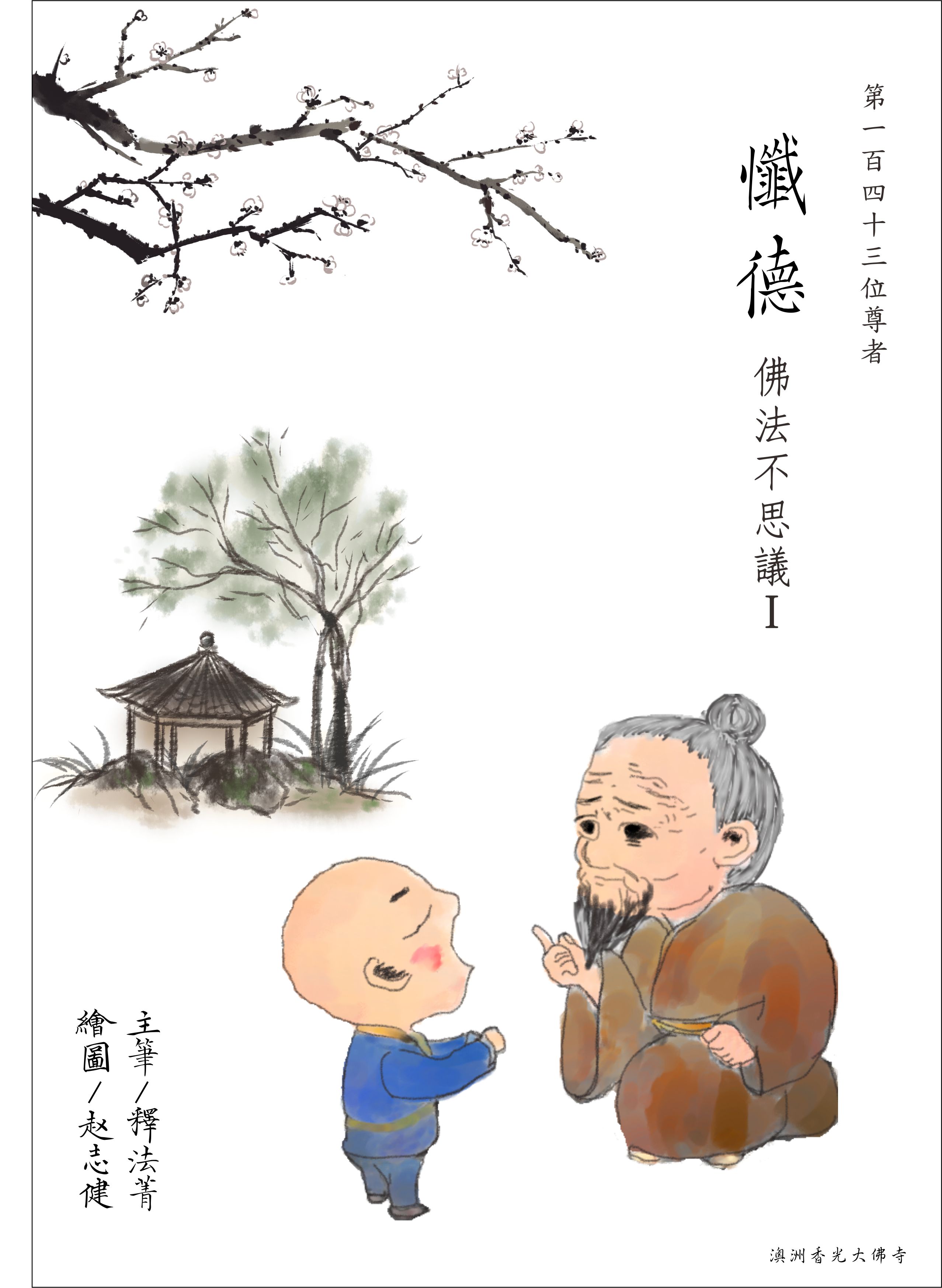
The Virtue of Repentance
A profound reflection on the journey of repentance and the cultivation of virtue from the 143rd Venerable, Chande, as he recounts his path to the Western Pure Land.
The Spiritual Anatomy of Practitioner Su's Leg
Venerable Feng An, representing a collective of 1,162 Venerables, provides a profound look into the spiritual dimensions within Practitioner Su's leg, revealing the hidden reality of karmic burdens, the nature of spiritual attachment, and the ultimate sacrifice of a Bodhisattva.
The True Meaning of Filial Piety
A touching testimony from Zhu Hongchang, who reflects on his life nine centuries ago, his journey from being rejected as a 'dull' child to discovering the profound, selfless nature of true filial piety through service to all beings.
The Path of No-Self and the Boundless Ocean of Wisdom
A poignant reflection on a life of hardship, the realization of the 'no-self' nature, and the ultimate vow to deliver sentient beings through the power of Namo Amituofo.
More by Hsiang Kuang Pure Land Buddhist Centre
The Redemption of a Hollywood Icon
A candid reflection from the spirit of Elizabeth Taylor, who shares her journey from the blinding lights of Hollywood to the serene, transformative teachings of the Buddha in the Western Land of Ultimate Bliss.
The King of Pop's Journey to the Western Pure Land
Michael Jackson shares his journey from the pressures of global fame to the peace of the Western Pure Land, revealing the truth behind his life and his ultimate deliverance.
A Voice from the Darkness: Helen Keller's Journey
Helen Keller, the renowned deaf-blind philanthropist, shares her journey from the darkness of the ghost realm to the light of the Western Pure Land of Ultimate Bliss, guided by the compassion of Namo Amituofo and Practitioner Su.
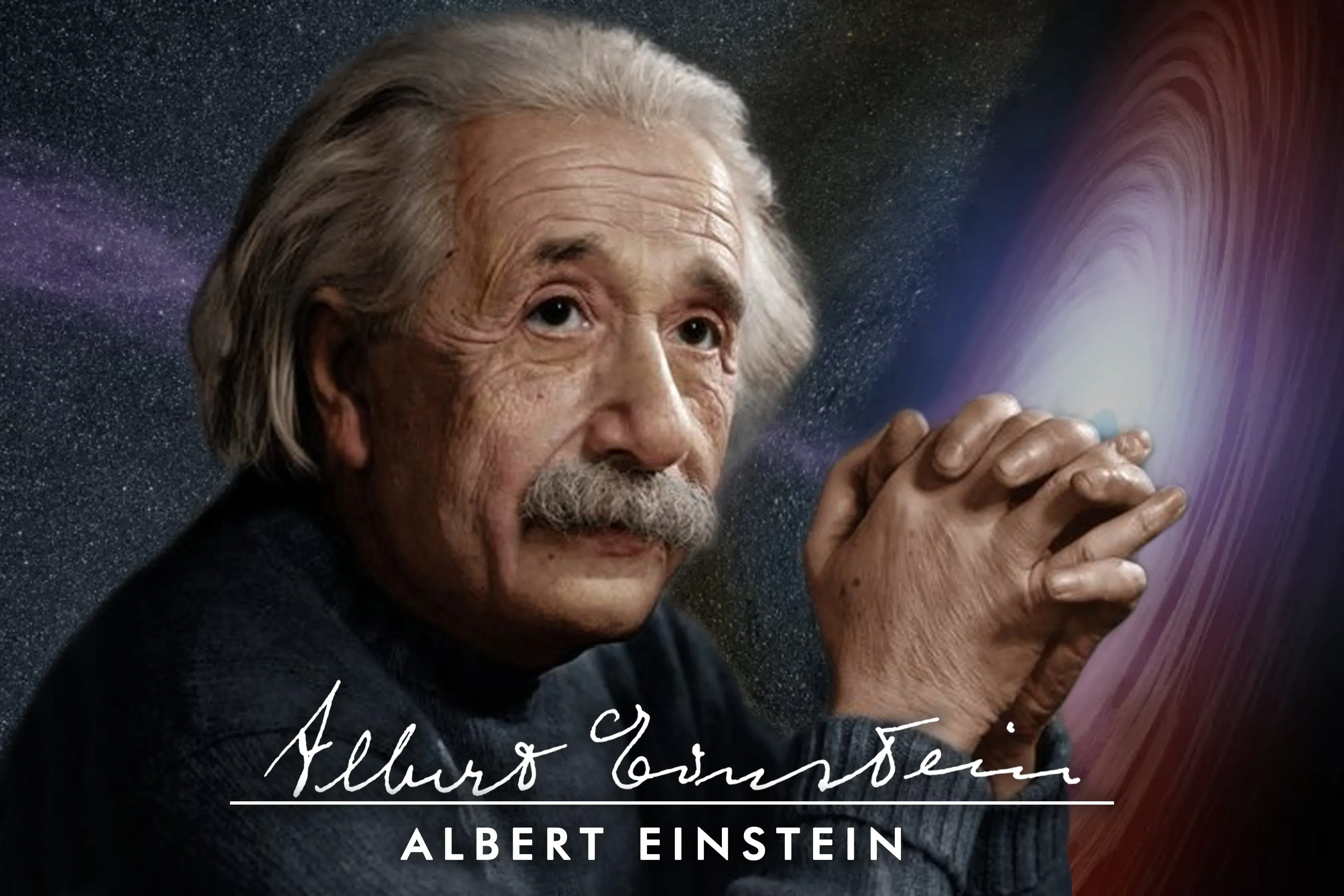
An Interview with Albert Einstein (Theoretical physicist)
Albert Einstein, once considered the most brilliant mind in human history, reflects on his life, the nature of 'science' versus the Truth of the Dharma, and his existence in the Western Pure Land.
A President's Repentance: Ronald Reagan's Journey to the Pure Land
Ronald Reagan, the 40th President of the United States, reflects on his life, his political career, and his profound journey from the depths of hell to the Western Land of Ultimate Bliss through the compassion of Namo Amituofo and Practitioner Su.
The Reflection of a Nation's Founder
This is a record of an interview with Kim Il Sung, the founder and former leader of North Korea, who sought deliverance at the Hsiang Kuang Pure Land Buddhist Centre in Australia. He now resides in the Western Land of Ultimate Bliss. This account reflects upon his life and the spiritual truths he has realised since his passing thirty-two years ago. Recorded by the chief writer, Venerable Fa Hui, on May 18, 2026.
About the Author
Hsiang Kuang Pure Land Buddhist Centre
Contributed to Pure Land Buddhism knowledge library