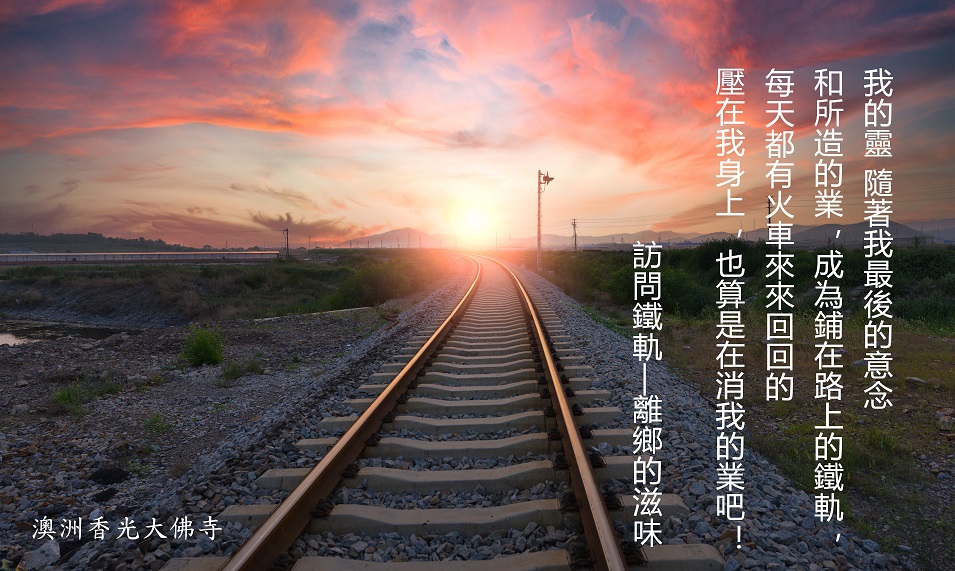
An Interview with the Spirit of Zhiguang
Do Not Cling to Bodily Sensations
Interview with Gu Fangzhou (Chinese Virologist)
No Longer Distinguishing Right from Wrong
Interview with Li Yining (The Theoretical Founder of China's Shareholding System Reform)
Interview with Li Wenrui (Expert in Integrated Chinese and Western Medicine, Master of National Medicine)
This is a record of an interview with the spirit of Zhiguang, who sought deliverance at the Hsiang Kuang Buddhist Centre in Australia. He now resides in the . This account reflects upon his life approximately 168 years ago. Recorded by the chief writer, Shi Fajing, on November 30, 2018.
Zhiguang speaks:
". I am Zhiguang. As I speak to you now, I can still feel the heavy, rhythmic vibration of the train carriages passing over me, one after another. It is a sound that has haunted my existence for so long—the screeching of metal against metal, the grinding of wheels against the iron tracks. But beyond that sound, there is something far heavier: the crushing weight of homesickness. Oh, how I longed to go home. How I yearned for the warmth of a life I had so carelessly discarded, a life that now feels like a distant, unreachable dream.
I remember my mother, always busy in the kitchen, preparing our New Year's Eve dinner. We were not a wealthy family; our lives were defined by struggle. The finest ingredient on our table was usually just a single fish, a rare luxury that we looked forward to all year. Most days, we survived on nothing but salted porridge. I can still see my younger brothers sitting at the table, their eyes wide with anticipation, waiting for the meal to begin. My father would boom out, 'You ill-mannered children! The adults haven't even taken their seats yet, and you are already scrambling for yours! Get down at once!' Watching them, I could not help but smile. That simple, joyous atmosphere—it is a memory that is constantly orbiting my mind, a ghost of the happiness I once possessed.
I was born in a rural village in China, the eldest of three sons. My father was the pillar of our family, a blacksmith who had learned his craft from my grandfather. He started as a ten-year-old apprentice and laboured until he was forty to become a master smith. Though he earned more as he grew older, his health began to fail him. Every cent he earned seemed to vanish into the void of medical expenses. We lived in constant hardship, yet the financial burden was nothing compared to the agony of watching him wither away. It felt as though all our efforts were for nothing, leaving us with nothing left.
When the doctor finally told us that Father had lung cancer, the world stopped. I remember the pallor of my mother’s face, the way her tears flowed like a river. She would hide in the bathroom to weep, muffling her sobs with her hands because she could not bear for Father to see her despair. She wanted to be his strength, even as her own heart was breaking. We were a simple family, and this tragedy felt like a mountain crushing us. My worry for his physical situations far outweighed any concern for our poverty. I could hear her sobbing in the dark, a sound that still echoes in my heart today.
Father passed away when I was nineteen. I was just one year away from my adult ceremony, a milestone he would never see. On the day of the ceremony, the other young men were beaming with pride, their families cheering from the sidelines. I stood there, a hollow shell. My face was a mask of indifference, but inside, I was screaming for him. I didn't care about dreams of travel or success; I would have traded everything just to see him standing in the crowd, just to see him smile at me one last time. But no matter how many times I scanned the faces in the audience, he was not there. The silence of his absence was deafening.
After Father died, I took up the heavy responsibility of supporting the family. I went to the factory to learn the blacksmithing trade, hoping to feel closer to him. It was my way of keeping him near, of pretending he was still by my side. But my body was not as strong as my resolve. Less than six months later, I fell gravely ill. I had been pushing myself, arriving at the factory before anyone else, working until my hands bled. One day, as I bent down to pick up my tools, a wave of dizziness crashed over me. The Head felt as though it were spinning, and the world turned black. I collapsed, and I remember nothing after that.
When I finally opened my eyes, I was back in bed, with my mother hovering over me, her eyes red and swollen. When she saw me stir, she jumped from her chair, crying out, 'Zhiguang, you’re awake! Heavens be praised, you’ve frightened me to death!' Seeing her worry, my heart ached. I hadn't looked at her closely in so long. Since Father’s death, she had not known a single day of true . Her hair had turned white, and her face was etched with the lines of premature age. I wanted so desperately to give her a happy life, but I felt so utterly helpless. How could I, a broken son, provide for her?
The doctor said it was merely exhaustion, but I knew I could not afford to rest. My family needed to eat. I dragged my weak body out of bed and returned to the factory, hiding my dizziness from my mother. I told my colleagues I was fine, working myself to the bone, refusing to acknowledge the fatigue. Then, ten years later, a relative visited and spoke of the gold rush in Australia. He asked if I wanted to join him. I was hesitant—I could not bear to leave my mother and brothers—but she encouraged me to go, hoping I might find a bright future for us all. Three months later, I left home, dragging my luggage toward a land I knew nothing about.
Life in Australia was brutal at first. I arrived around 1855, during the height of the gold rush. When I finally struck gold, I was ecstatic. I thought I had finally secured our future. But money has a way of poisoning the heart. As my wealth grew, my character began to warp. I became greedy, always wanting more, using my gold to satisfy every base desire. Eventually, I forgot about my mother back home. When news of her death reached me, I felt nothing. My heart had become cold, hardened by the very gold I had sought to save her with. I had let my emotion and arrogance take control, and I had lost my way.
I spent my money on debauchery and idleness until I had nothing left. I became a homeless wanderer on the streets, yet even then, I did not realise my errors. I turned to stealing. The day I committed my first theft, I was terrified, running and hiding, my heart pounding in my chest. But before I could spend a single cent, I was struck by a speeding vehicle. As I lay dying on the side of the road, I looked up and saw the railway tracks. In that instant, the sight of the iron rails triggered a memory of my father’s workshop. The truth of my life hit me with the force of a hammer: what had I become? I had spent my life causing trouble, acting as if I could do whatever I wanted, and now, it was all for nothing. It was all a dream that had turned into a nightmare.
My spirit, bound by my final thoughts and the I had created, became the very tracks I died beside. Every day, the trains would thunder over me, crushing me, grinding me into the earth. It was my retribution. My heart was filled with such agony, such regret. I wept for my ignorance, for the way I had let greed blind me to the love of my mother. I had been an unfilial son, a man who had lost his way. Today, I am so grateful to be able to share my story. I hope that my confession can serve as a warning to those in the world, that they might not make the same mistakes I did. I have finally learned to let go of my past and seek the . Namo Amituofo."
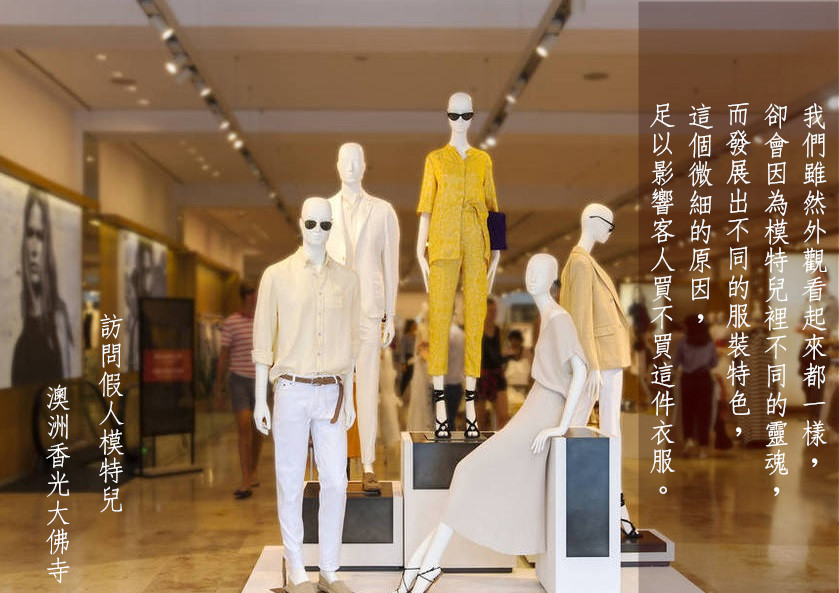
This is a record of an interview with the spirit of Dante, who inhabited a mannequin at a UNIQLO store in the Taiping Shopping Mall. He sought deliverance at the Hsiang Kuang Pure Land Buddhist Centre in Australia. He now resides in the Western Land of Ultimate Bliss. This account reflects upon his transition from a young man to a spirit bound to a retail display. Recorded by the chief writer, Venerable HaiZe, on September 22, 2020.
A proud general, undefeated for 136 battles, finds himself trapped for two millennia as a grain of sand in the depths of the Heilongjiang River. This is his story of arrogance, betrayal, hellish retribution, and ultimate deliverance.
For decades, Tai Qi served as the guardian spirit of Taiwan's Yushan mountain, watching over its peaks and the countless spirits trapped within its forests. After waiting for an age, he finally witnesses the arrival of Practitioner Su, whose Buddha-light offers a path of deliverance for the mountain's long-suffering inhabitants.
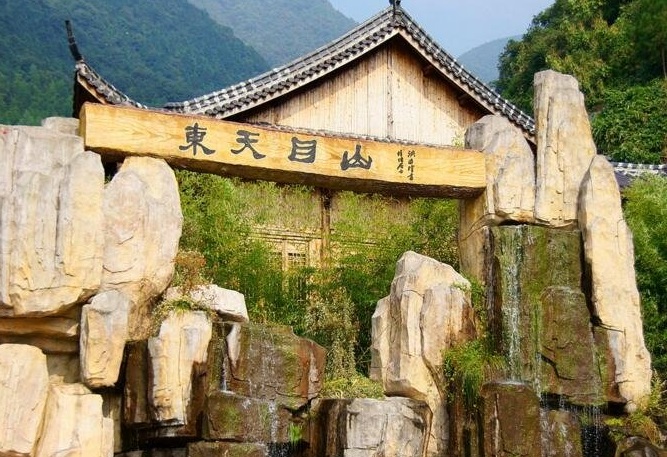
A four-thousand-year-old mountain deity reflects on his guardianship of East Tianmu Mountain and his profound encounter with the Hsiang Kuang Pure Land Buddhist Centre.
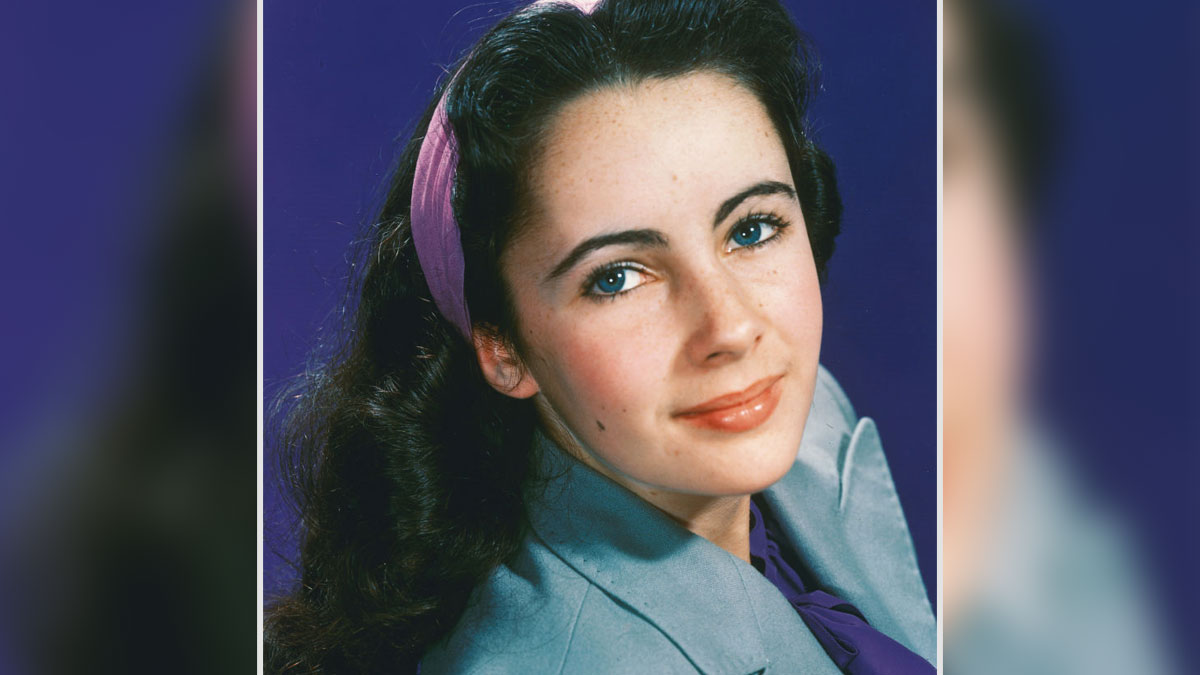
A candid reflection from the spirit of Elizabeth Taylor, who shares her journey from the blinding lights of Hollywood to the serene, transformative teachings of the Buddha in the Western Land of Ultimate Bliss.

Michael Jackson shares his journey from the pressures of global fame to the peace of the Western Pure Land, revealing the truth behind his life and his ultimate deliverance.
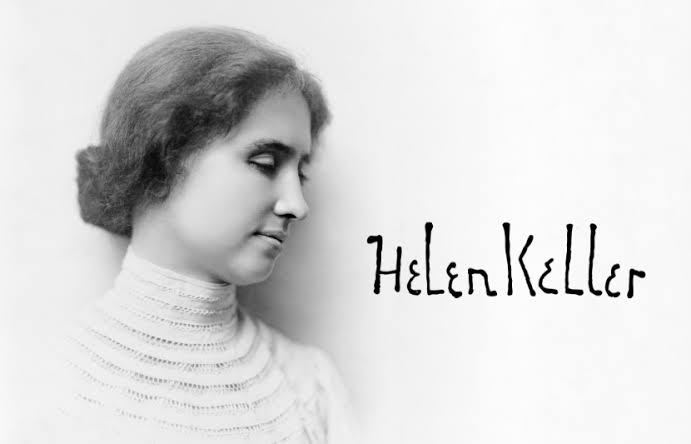
Helen Keller, the renowned deaf-blind philanthropist, shares her journey from the darkness of the ghost realm to the light of the Western Pure Land of Ultimate Bliss, guided by the compassion of Namo Amituofo and Practitioner Su.
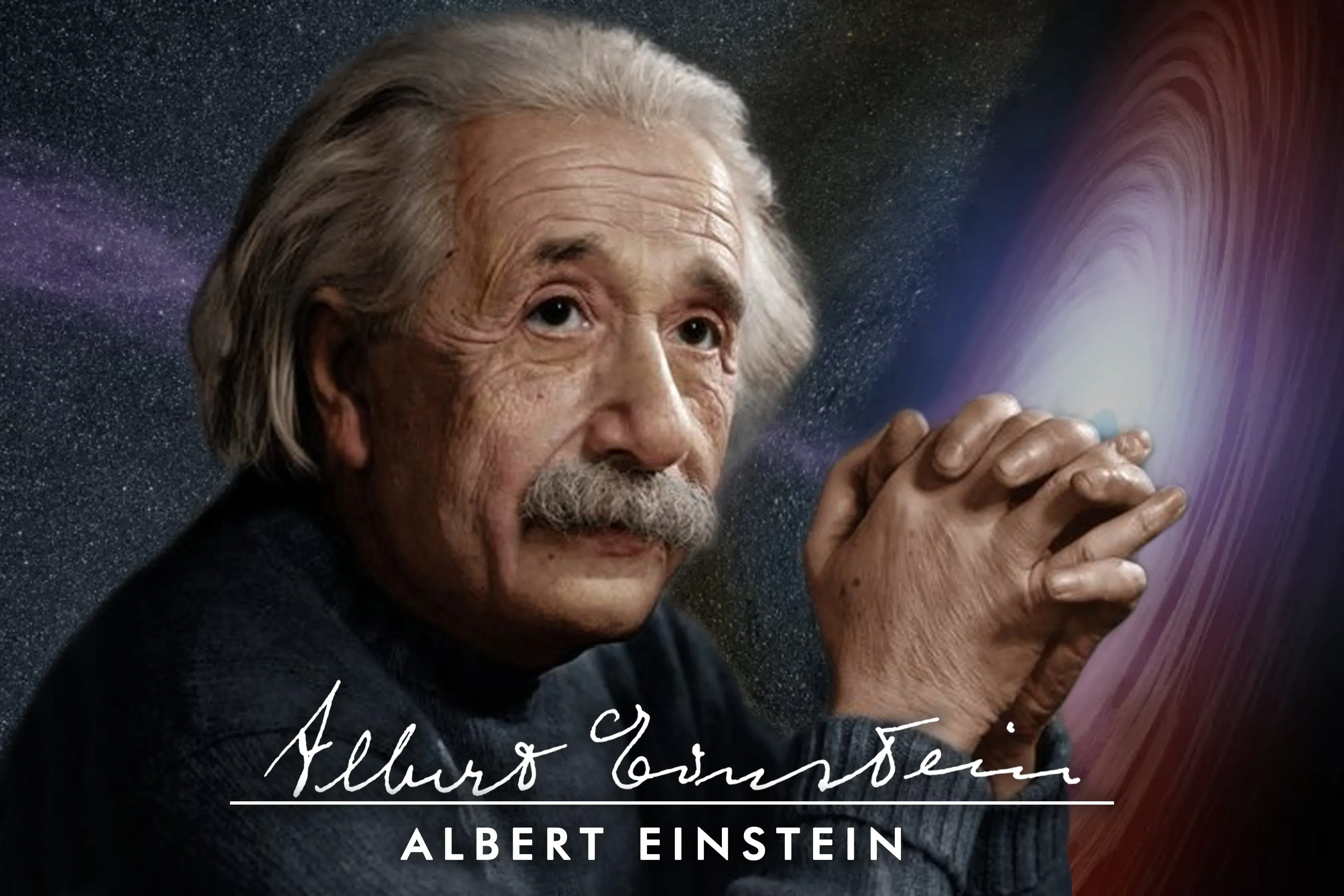
Albert Einstein, once considered the most brilliant mind in human history, reflects on his life, the nature of 'science' versus the Truth of the Dharma, and his existence in the Western Pure Land.
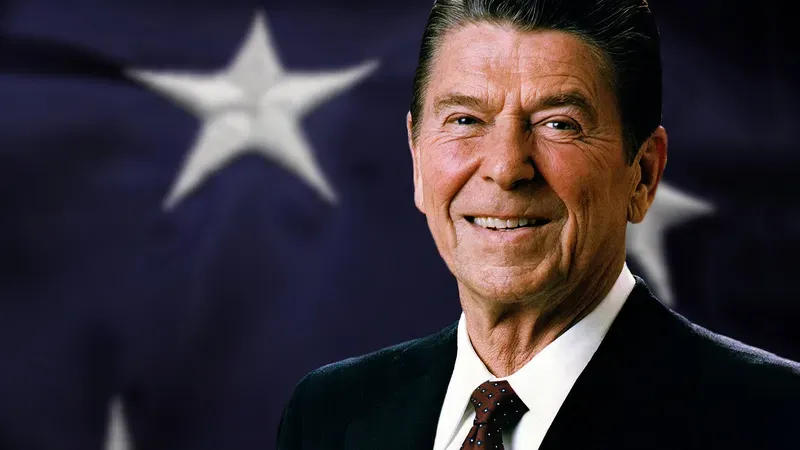
Ronald Reagan, the 40th President of the United States, reflects on his life, his political career, and his profound journey from the depths of hell to the Western Land of Ultimate Bliss through the compassion of Namo Amituofo and Practitioner Su.
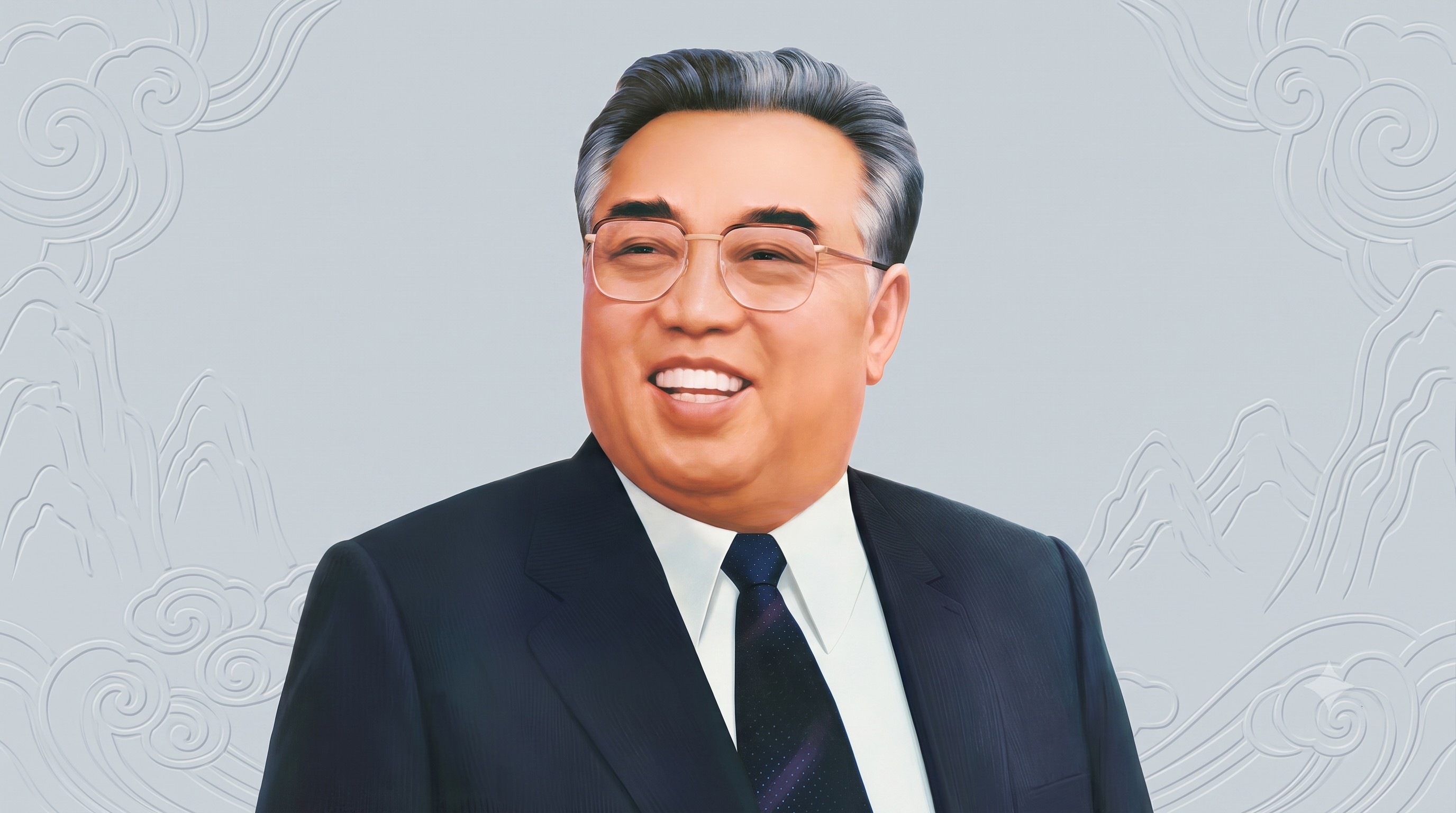
This is a record of an interview with Kim Il Sung, the founder and former leader of North Korea, who sought deliverance 32 years ago. He now resides in the Western Land of Ultimate Bliss.
Hsiang Kuang Pure Land Buddhist Centre
Contributed to Pure Land Buddhism knowledge library