The Wisdom of Opening and Closing
Teachings from Teacher Practitioner Xia Lianju
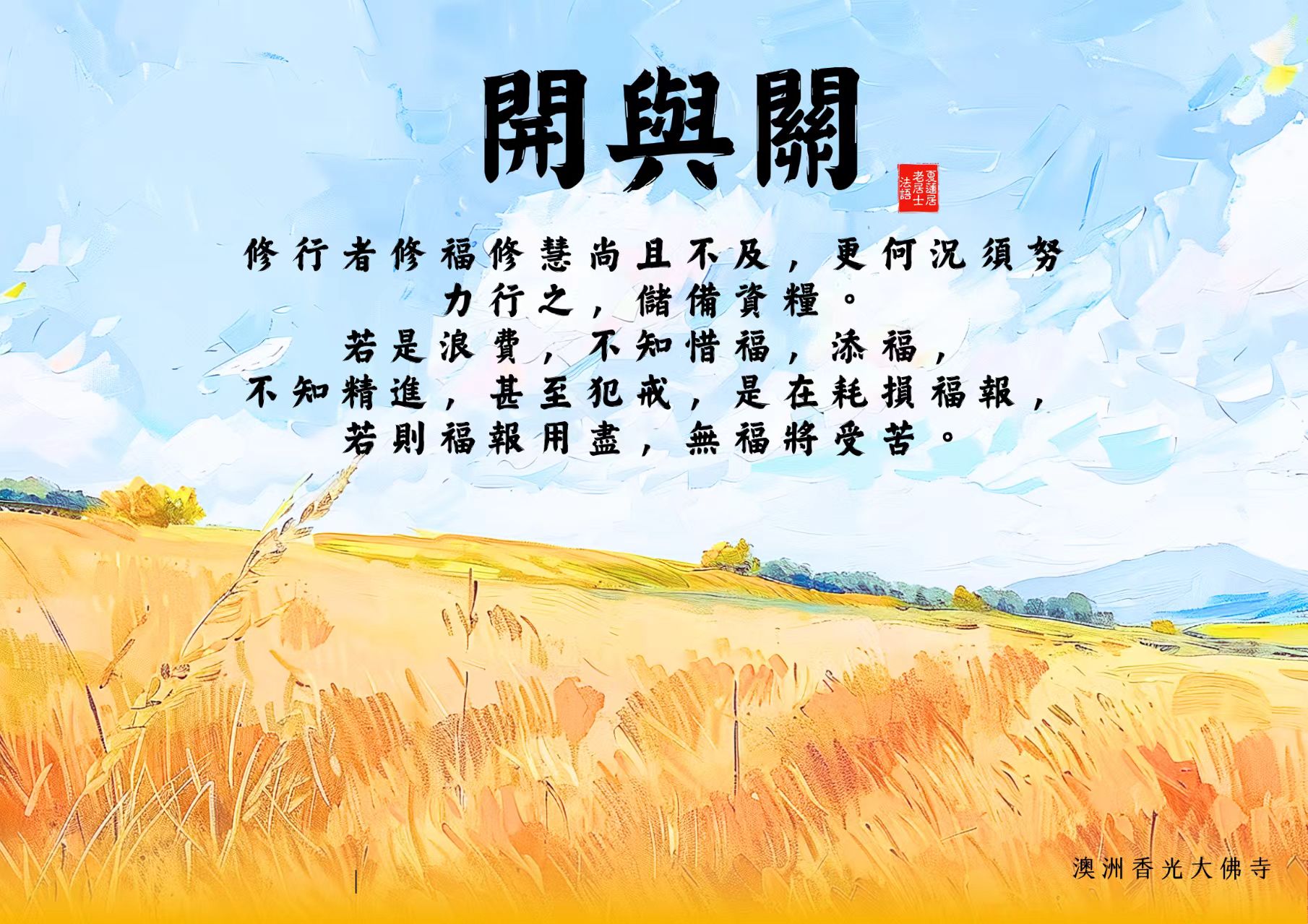
The Art of Mindful Living
The concepts of opening and closing are not merely physical actions; they are deeply and intimately connected to our daily lives and our spiritual practice. When we understand how to apply these principles at the appropriate time and in the correct manner, we find harmony. However, if we fail to apply them with wisdom, we may find ourselves suffering the consequences of our own negligence.
Consider the simple act of using water. We open the tap when we need it, and we must close it immediately after use. If we fail to do so, we risk wasting this precious resource. When the time comes that we truly need water, we may find the supply exhausted, and we will suffer the hardship of thirst. Similarly, consider the use of electricity. We should switch it on only when it is required. If we leave lights or appliances running when they are not needed, we deplete energy unnecessarily. When the power is finally gone, we will be left in total darkness, unable to see the path before us.
The Spiritual Significance of Conservation
The same principle applies to the use of fire. We ignite a flame only when it is necessary for our tasks. If we leave a fire burning when it should be extinguished, we invite the grave danger of an accidental blaze. Likewise, consider the doors of our home or the temple. We open them when it is time to welcome others or to move between spaces, but we must close them when it is time to secure our environment. If we leave a door open when it should be closed, we compromise our safety and peace of mind.
In our spiritual practice, we must learn to guard our actions and our environment. These daily resources—the water we drink, the electricity that powers our centre, and the facilities we use—are provided through the support of the protectors and the offerings of the temple. We must cherish these resources and avoid all forms of waste. To waste is to squander one's own .
Cultivating Gratitude and Merit
As practitioners, we are constantly striving to cultivate both blessings and wisdom. We are often behind in our efforts, which is why we must work even harder to accumulate the necessary provisions for our journey to the of Ultimate Bliss. If we are wasteful, if we do not know how to cherish our blessings, and if we fail to engage in diligent practice, we are effectively depleting our own merit. When our blessings are exhausted, we will inevitably face suffering.
To cherish your blessings, you should adopt the following practices:
- Conserve water and electricity in every possible way.Manage your resources wisely; consume only what is necessary and avoid greed in your diet.Use paper and other materials sparingly; do not be wasteful.Value all resources; if an item can be reused, you should make every effort to do so. To do otherwise is to diminish your own merit.
If we lack gratitude, if we break the , or if we are lazy and disrespectful, we are actively destroying our own virtue and blessings. We are enjoying the fruits of our good without engaging in the diligent practice required to sustain it. You must be extremely cautious in this regard. Let us always remain mindful, cherish every resource, and continue our path with a heart full of gratitude and devotion. Namo Amituofo.
Recorded and transcribed by Namo Amituofo’s disciple, Venerable HaiZe.
More from Teachings of Practitioner Xia Lian Ju
The Boundless Grace of the Buddha
Teacher Practitioner Xia Lianju shares profound insights on the immeasurable grace of the Buddha, the manifestation of Bodhisattvas across the six realms, and the rare, magnificent opportunity for spiritual growth at the Hsiang Kuang Pure Land Buddhist Centre.
The Radiance of the True Nature
Teacher Practitioner Xia Lianju explains the profound nature of Buddha-light, how it purifies the soul, and how the Hsiang Kuang Pure Land Buddhist Centre serves as a beacon of hope for all beings.
Lay Down Your Baggage and Journey Home
A profound teaching on the soul's journey through the cycle of rebirth, the heavy burden of worldly attachments, and the compassionate call of Namo Amituofo to return to our true home in the Western Land of Ultimate Bliss.
Humbly Seeking Guidance: Teachings from Teacher Practitioner Xia Lianju
Teacher Practitioner Xia Lianju offers profound guidance on the necessity of humility, repentance, and the unwavering practice of chanting Namo Amituofo to achieve liberation and rebirth in the Western Pure Land of Ultimate Bliss.
More by Hsiang Kuang Pure Land Buddhist Centre
The Redemption of a Hollywood Icon
A candid reflection from the spirit of Elizabeth Taylor, who shares her journey from the blinding lights of Hollywood to the serene, transformative teachings of the Buddha in the Western Land of Ultimate Bliss.
The King of Pop's Journey to the Western Pure Land
Michael Jackson shares his journey from the pressures of global fame to the peace of the Western Pure Land, revealing the truth behind his life and his ultimate deliverance.
A Voice from the Darkness: Helen Keller's Journey
Helen Keller, the renowned deaf-blind philanthropist, shares her journey from the darkness of the ghost realm to the light of the Western Pure Land of Ultimate Bliss, guided by the compassion of Namo Amituofo and Practitioner Su.
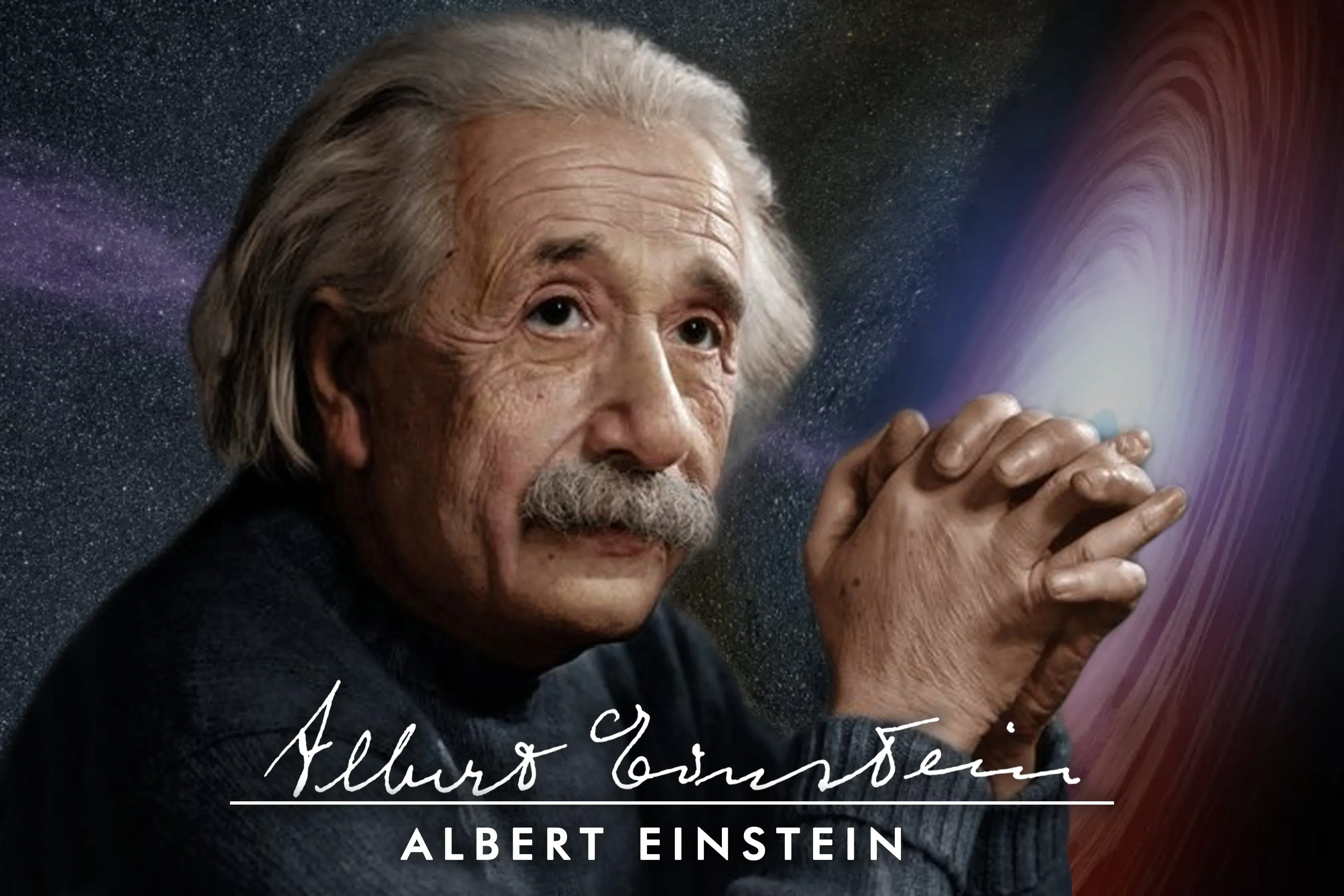
An Interview with Albert Einstein (Theoretical physicist)
Albert Einstein, once considered the most brilliant mind in human history, reflects on his life, the nature of 'science' versus the Truth of the Dharma, and his existence in the Western Pure Land.
A President's Repentance: Ronald Reagan's Journey to the Pure Land
Ronald Reagan, the 40th President of the United States, reflects on his life, his political career, and his profound journey from the depths of hell to the Western Land of Ultimate Bliss through the compassion of Namo Amituofo and Practitioner Su.
The Reflection of a Nation's Founder
This is a record of an interview with Kim Il Sung, the founder and former leader of North Korea, who sought deliverance at the Hsiang Kuang Pure Land Buddhist Centre in Australia. He now resides in the Western Land of Ultimate Bliss. This account reflects upon his life and the spiritual truths he has realised since his passing thirty-two years ago. Recorded by the chief writer, Venerable Fa Hui, on May 18, 2026.
About the Author
Hsiang Kuang Pure Land Buddhist Centre
Contributed to Pure Land Buddhism knowledge library