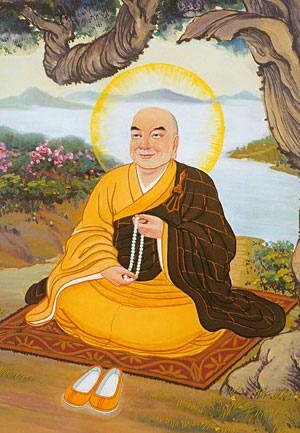
An Interview with the Eighth Patriarch of the Pure Land School
Ending the Dusty Journey: Teachings from Master Chewu
The Essence of Sincerity: An Interview with Master Shaokang
The Great Deliverance of the Earth and Space: An Interview with Master Chengyuan
Aligning Hearts and Righteous Power: An Interview with Great Master Lianchi
The Dharma Body Deliverance: An Interview with Master Shandao
Do Not Cling to Bodily Sensations
Interview with Gu Fangzhou (Chinese Virologist)
Interview with Zhao Ning (Co-founder of WuXi AppTec)
No Longer Distinguishing Right from Wrong
Interview with Li Yining (The Theoretical Founder of China's Shareholding System Reform)
April 27, 2017.
Venerable Hai Liang: I, your disciple Hai Liang, offer ten prostrations to the Buddha and respectfully invite the Eighth Patriarch of the School, Great Master Lianchi. . I humbly request that you accept this interview, so that I may learn from your wisdom and receive your teachings on how to practise.
Great Master Lianchi:
The white waves roll on, vast and boundless, and the worldly realm is just the same. If you ask where the traveller comes from, it is the busy, exhausting cycle of rebirth. We see only the white hair of age and the suffering of illness; when life ends, the cycle begins anew. Every thought is filled with the suffering of body and mind, yet one does not realise that these thoughts arise from the mind itself. Chant Namo Amituofo to purify the of body, speech, and mind; in this very life, you shall be a person of the Land of Lotuses.
Venerable Hai Liang: I am deeply grateful for your teachings. Namo Amituofo.
Great Master Lianchi: Namo Amituofo. The Hsiang Kuang Pure Land Buddhist Centre is truly unique. If an interviewer cannot maintain a pure and undefiled heart, they may not be able to receive these messages. It is only because the Hsiang Kuang Pure Land Buddhist Centre is a place where true Buddhist work is performed and where Namo Amituofo truly abides, that Practitioner Su can open up space and create the conditions for such an interview to take place. I feel honoured and find this experience inconceivable. I am also grateful for the memorial tablets established here for my ancestral spirits and the parents of my many past lifetimes. Let me begin by speaking of the conditions of my birth.
I was born in Hangzhou. My birth was a life that was so deeply anticipated! My mother often visited the temple to burn incense and pray for a child, kneeling specifically before Avalokiteshvara to plead for a son. Time passed quickly—six months, then a year, and after three years of waiting, there was still no happy news. Yet, my mother continued to visit the Bodhisattva with a sincere and earnest heart. According to her, during her final visit, she stood before the statue of Avalokiteshvara for a long time and made a great vow: "Avalokiteshvara Bodhisattva, if I am fortunate enough to give birth to a son, I shall name him Zhu Hong, and in the future, he shall take refuge in the Buddha's gate."
At that very moment, my mother felt a gentle, warm Buddha-light shining upon her. She described that as soon as she made this vow, she knew it would be fulfilled. In her heart, she planned that once her future son grew up and carried on the family line, she would allow him to leave the home life to practise and work for the Buddha's gate. This was my mother's promise, though she never spoke of it to anyone. She only revealed this vow to me personally before she passed away. Originally, my mother thought that as long as there was someone to carry on the family name, she could walk her own path of practice in peace. However, because of her deep attachment and love for me, she could not bear to speak of this vow for a long time.
My mother most often spoke of the auspicious signs that appeared at my birth. She believed that I must have practised in my past lives, otherwise, I would not have possessed such intelligence and wisdom. Even more remarkably, when the midwife arrived at our home, my mother experienced no pain at all and delivered me with great ease. The entire room was filled with a faint, sweet fragrance of flowers. My father was waiting in the hall for the good news. When he held me in his arms, he immediately asked the midwife, "What have you done to my son? Why is he so fragrant all over?" The midwife explained repeatedly, "I do not know. This is truly extraordinary. This child was born with this faint, pure fragrance, and the lady's room still retains this scent." She added that newborn babies usually do not have such a special smell, only the scent of birth fluids. While she accepted the red envelope, she praised me as a truly unique child, which made my father beam with .
Because our family was wealthy, my parents always considered me a special child. Everything I learned and everything I was given was carefully arranged, which always left me feeling very satisfied. From a young age, I spoke very little; sometimes I would not say more than a few words in a day. At the time, I did not think this was unusual. Seeing the servants in our home arguing over trivial matters made me wonder why people felt the need to talk so much. Naturally, I did not enjoy conversing with others, and this quietness allowed me to be at peace with my inner self. I preferred to read and study alone, finding speech to be a nuisance. My father understood me well and provided me with many books on Confucianism, and I became immersed in the profound meanings within those texts. I am most grateful for my mother, who accompanied me throughout my childhood, and for those Confucian classics, as well as my favourite scripture, the Amitabha Sutra. My mother told me that a master had asked her to pass this scripture on to me. When I first received it, I did not have a strong urge to read it, but the thought that "a master asked for this to be given to you" kept surfacing in my mind. Although I had never met this master, his compassionate and pure image naturally appeared in my thoughts, so I began to read it. The scripture had been preserved with great care; although the cover was slightly worn, the two characters "Cheng Yi" were written in the bottom left corner.
The text described the various scenes of the Western Pure Land of Ultimate Bliss, as well as the radiance emitted by the colourful lotuses in the lotus pond. Most importantly, the scripture often mentioned that the Western Pure Land created by Namo Amituofo is inhabited by beings of supreme goodness. I found the greatest interest in reading the sutras and studying Confucian texts with my tutor. As I grew older, I read extensively. Beyond the Four Books and Five Classics of Confucianism, I found that the scriptures I requested from the temple became more meaningful each time I read them. Every time I opened them, I gained a deeper understanding and had new realisations. When I asked my tutor about the meaning of the Buddhist terms, he would sometimes ask me, "Can you truly understand these scriptures?" I would then explain the meaning of the text to him in great detail, speaking fluently and without hesitation, even though I was only about twelve years old. My tutor praised my natural talent and extraordinary wisdom in literature before my parents, which brought a quiet joy to my heart.
While reading the scriptures, my heart was incredibly peaceful. This inner harmony led me to recite the classics daily, and I felt a particular familiarity with the Amitabha Sutra. The Western Pure Land described in the text was so dignified; every time I finished reading, the scenes—the golden sand covering the ground—would appear in my mind. Sometimes, at night, the golden light of the Pure Land would even appear in my dreams. Although I was young and treated these visions as mere dreams, I was extremely sharp in my observation of the people and things around me. It was as if I could already perceive what was in the minds of adults. I was very aware, spoke little, and viewed everything with a smile, seeing no need for conflict. Looking back, the environment of that time cultivated a personality that was truly more aware of my own thoughts and intentions, allowing me to focus more on the present moment. I became conscious of how many thoughts and intentions were combined and mixed within every action and word.
I visited various temples and understood the rules of silence during Buddha-recitation retreats or meditation retreats. When a group of people gathers to practise, the main purpose is diligent practice, and naturally, there must be shared rules to create an environment where everyone can practise with peace of mind. Silence also has the benefit of helping one gather . By observing these rules together and respecting everyone who is sincerely striving for progress, most people are happy to comply. To show gratitude for my parents' care, when I was about seventeen or eighteen, I wanted to test my level of learning and took the imperial examinations. I achieved the top rank, which caused a sensation throughout Hangzhou. Being so young and achieving such a rank, I was a credit to my family, and friends and relatives came to congratulate me. I took the opportunity to introduce the Amitabha Sutra to them. I believe that reading the sutras helped me the most, enhancing my ability to face all people and situations with a calm mind. Thus, I became even more interested in reading the scriptures, yet I still had lingering attachments. The deeper my understanding of the classics became, the more I desired to leave the home life—the desire for renunciation.
Reading the scriptures was originally just a matter of focusing on the text before my eyes, without idle thought, clearly and distinctly. This was also an opportunity to cultivate meditative concentration. The most important thing is to recite them often, preferably the same scripture, entering into contemplation along with the text. If one truly calms the heart to read, the meaning within the scripture will naturally emerge. As the saying goes, "Read a book a thousand times, and its meaning will reveal itself." In fact, reading the scriptures is a form of meditation. With the Six Roots—the heart, eyes, hands, and mouth—all engaged, even the most restless thoughts must be concentrated. That is why it is said to be the best opportunity to cultivate meditative concentration.
After I passed the examination, my parents insisted that I follow their arrangements and complete the life-long commitment of marriage to a woman to whom I had been betrothed since childhood. At the time, the union of our two families was very satisfying to both sets of elders. After my wife, Madam Zhang, gave birth to a son, our whole family lived a happy life. I asked myself then: "Is this all there is to my life?" The answer was no. I silently asked myself, "Is this why I came into this world?" While my family was happy and harmonious, another voice often asked me, "Is this what you want?" The greatest blow and most profound experience was when my only son fell ill and passed away, bringing a sorrow to our family as if a dark cloud had descended. Following this, my wife, overcome with grief, stopped eating, became weak, and wept daily until she, too, passed away. In the quiet of the night, I tossed and turned, unable to sleep. "Is this the life I am meant to live?" To ease the sorrow of my parents, I reluctantly agreed to marry Madam Tang. At the time, I agreed to give the two elders hope, but in my heart, I already knew: life is impermanent. Is life merely a cycle of birth, aging, sickness, and death, with no way to be the master of one's own fate? Is the matter of life and death not the most important thing?
Do we only live for the bonds, worries, or the joys and sorrows between family members? When a family member is no longer in this world, the emotional pain is so difficult to let go of. I pondered this constantly, asking myself questions. Sometimes I looked up at the sky, and sometimes, after reading the scriptures, I seemed to understand more clearly that this was not the true purpose of life. Fortunately, I reached a consensus with my new wife, Madam Tang, that we would be husband and wife in name only. I told her of my desire to leave the home life and practise in the future, and she expressed that she, too, wished to become a nun. When I was twenty-seven, my father passed away, and when I was about thirty-one, my mother passed away. With the successive departure of my parents, the grief continued, causing me immense pain. I was the only one left in the world among my relatives, and the more I thought about it, the sadder I felt. Again, a voice asked me: "Are you going to continue living like this?" This was like a sudden awakening. Now that I was truly alone, I could finally complete the long-awaited path of renunciation and practice.
The true work I wished to undertake began the night after I bid farewell to my wife, Madam Tang. When we were first married, I had already been honest about my intentions: I told her that I would one day walk the path of practice, and I feared that by doing so, I might delay her happiness or ruin her life. I asked for her forgiveness, and she, in turn, revealed that she too intended to become a nun. Therefore, when my mother passed away, I packed my simple belongings and set out, carrying my mother's memorial tablet as I sought a teacher. One year after my ordination, I bid farewell to my master. I explained my thoughts to him, and before my three-year mourning period for my mother had concluded, I resolved to carry her memorial tablet on a pilgrimage to the great sacred mountains. Wherever I stayed, people would point and whisper, puzzled as to why a monastic would carry a memorial tablet. I explained that because my mother had passed away less than three years prior, I was still fulfilling my filial duties. I no longer concerned myself with the judgment of others.
Throughout this journey of pilgrimage, my primary goal was to sever my doubts. Deep in the quiet of the night, the sorrow of losing my loved ones would often surface, threatening my inner purity. I hoped that through this pilgrimage, I might encounter a high master who could provide guidance. I visited the four great sacred mountains, including Mount Wutai and Mount Emei, listening to the lectures of eminent monks along the way. One encounter left a profound mark on me: a Zen master asked a monk, "Who is the one chanting the Buddha's name?" and instructed him to contemplate this. Another time, a high master was surrounded by a crowd waiting for his teachings. He spoke calmly and unhurriedly: "In your monastic practice, do not be harmed by fame and wealth; distance yourself from all fame and wealth." When I heard this, it felt as though he were speaking directly to me. I realised that the Buddhist work I performed was simply the duty of a monastic, requiring no reward, and that all such work should be for the benefit of all beings.
I constantly remind myself to stay away from worldly disputes and interpersonal conflicts so that I may maintain a pure mind in my practice. Only by keeping myself pure and purified can I be better equipped to help other beings and, in the future, face the great matter of life and death with the freedom to be reborn in the Western Pure Land. Beyond my daily practice, the most important thing is the heart itself. It is so easily influenced by the most subtle thoughts and intentions; therefore, purification is vital. Chanting "Namo Amituofo" is essential, as it serves to subdue our delusions, discriminations, and attachments. Only when we can take charge of our minds and possess the power of awareness can we stop the afflictions brought about by our delusions and confusion.
The ego-attachment of worldly people is a common ailment. We are attached to our physical bodies, our greed, and our sensations—especially the sensations of this present life—and we harbour a deeply selfish "self." Why do I call it a selfish self? Because this "self" is attached to its own name, which obstructs our originally pure heart and, in turn, causes waves of afflictions to surge forth. Therefore, one must be cautious and careful in every thought, word, and action.
Every practitioner must understand the greatest obstacle in this life: you cannot truly find your "self." That "self" is your original face before your parents were born. Another obstacle is the failure to find the Truth of the universe. You must understand the difference between the "self" that is in pain and the "self" that is in joy. When I think of the sorrow I felt at the death of each loved one, and compare it to the joy of seeing my wife's smile when she gave birth to our son, what is the difference? It is all a matter of the fluctuations of the mind. Our shifts and turns, and our emotions—joy, anger, sorrow, and happiness—are all illusions. As the Diamond Sutra says, all conditioned phenomena are like dreams, illusions, bubbles, and shadows, like dew and like lightning; thus should you view them. Once you understand that everything is illusory, you can see through it, which allows one to be liberated from the cycle of rebirth. This depends on the single thought at the moment of death.
The state of your mind and the transformation of your thoughts at that moment are crucial; this is the true measure of your meditative concentration. Where does sorrow go? Where does joy go? Where do the joys and sorrows of parting and meeting go? They all return to this heart. The essence of practice is cultivating the mind. If you can be clearly aware of every thought and intention, it is like the wind blowing ripples on the surface of the water, while the sand at the bottom remains unmoved. This is the state of purity, free from mixed thoughts. When you clearly understand that everything is illusory, how can there be pain or affliction? Only then can you understand that the matter of life and death is paramount. The Amitabha Sutra states: "If a good man or good woman hears of Amitabha Buddha and holds fast to his name—for one day, two days, three, four, five, six, or seven days—with a mind that is not distracted, then at the time of death, Amitabha Buddha and the holy assembly will appear before them. At that moment, their mind will not be inverted, and they will be reborn in the Western Pure Land of Ultimate Bliss." This is the Pure Land Gate; those who possess true Faith, Vows, and Practice will surely be reborn there. People often find this path difficult to believe. I am grateful for the Buddha's ; having experienced the impermanence of life before becoming a monastic, I can understand the inexplicable anxiety and fear in the hearts of those who have not encountered the Buddha's teachings. No matter one's status, wealth, or material enjoyment, when the final breath ceases, everything is left behind, and one departs with nothing.
Whenever I stayed at a temple, I would hear the sound of bells and drums in the early morning, calling me to awaken. In the process of my Buddhist practice, I never thought of becoming an ancestral master or an eminent monk. However, from childhood, I seemed to have different views and thoughts than other children; I did not like to talk, but I loved to read. As I grew older, I found the compassion and Wisdom contained in the scriptures to be like discovering a treasure trove. The more I studied, the more I realised the preciousness of the Buddha's teachings. Whenever I visited a temple, I would ask for scriptures to take home and study diligently. Ultimately, my only wish was to let more people know about the goodness of the Buddha's teachings and the importance of chanting the Buddha's name for rebirth in the Pure Land.
My life has been ordinary, yet I have encountered extraordinary things. I was raised with care, studied the classics and Confucianism, and eventually encountered the Buddha's teachings. I married my betrothed, had a child, lost my child, lost my wife, and saw my parents pass away one after another. Left alone in this world, I asked myself: what can I do? If I had not awakened from my sorrow, I could not have continued. I dared not look back at the past or imagine the future, for I could only live in the present moment; otherwise, the pain of losing my loved ones would have overwhelmed me like a tidal wave. If not for my strong willpower, I would have easily been led by past memories and circumstances. This is what is meant by the interdependence of our karmic rewards and our environment. I truly understand that life is not merely about birth, aging, sickness, and death, or the enjoyment of the and , but about how much one can awaken while possessing a human body and how much one can help other beings. This is the essence of life. Why is it that some people can strengthen their will in the face of pain, while others only complain? This is true in the age of the Dharma’s decline, just as it was in the ages of the True and Semblance Dharma. In reality, the one who truly governs is the creation of one's own mind.
Why do we practise? Most people want to escape suffering and find a way to leave suffering behind and gain happiness, yet they still take the false for the real, clinging tightly to habits they have followed for a long time, while expecting different results. Practice is the process of correcting and changing one's delusions, wrong views, and behaviours—changing one's habits, perspectives, and thoughts. Every person who wants to practise or is on the path of practice thinks they are changing, so why is there no visible difference? It is because, while habits are being formed, we simultaneously judge the external environment, people, and things based on our own preferences. Thus, we think we have changed, but in fact, we have not; we are still following the standards we have set for ourselves. Our personality and habits are formed by the environment in which we were raised over many lifetimes, by our parents' upbringing and values, and by our reactions to how we have been treated. The ultimate goal of practice is to know the terror of reincarnation and to be able to take charge at the moment of death, chanting the Buddha's name to be reborn in the Pure Land. Because I have truly experienced the impermanence of life, I know that human beings suffer greatly—the suffering of birth, aging, sickness, and death, and the eight sufferings: the suffering of suffering, the suffering of decay, the suffering of conditioned existence, the suffering of not getting what one wants, the suffering of separation from loved ones, the suffering of being with those one dislikes, and so on, as well as the fragility of life. I have seen how the elderly are tormented by sickness in ways that others or their loved ones cannot replace. Only by taking charge of one's own life, not being defeated by aging, sickness, and death, and not being tempted by the Seven Emotions and Five Desires, can one find the path to liberation. Furthermore, one must have the heart to save others. Only with such correct views can one achieve success. This explains why, although there are so many who chant the Buddha's name, so few truly achieve rebirth.
When I left my hometown, I decided to visit the sacred mountains and fulfill the vow my mother had made. With a heart of utmost sincerity and devotion, I made the pilgrimage, bowing at every three steps.
By understanding the Western Pure Land of Ultimate Bliss, I realised that the suffering of life is not just the eight sufferings, but the suffering of reincarnation and the pain of being unable to take charge of one's own destiny. Life is impermanent, and the Seven Emotions and Five Desires are all attachments. I know that the beings connected to us are the same as us, trapped in suffering due to ignorance. With a heart of compassion for the suffering of beings, a great power naturally drives us to be diligent and unceasing in our practice. This is what is meant by making a vow, and the of Faith, Vows, and Practice are indispensable. Once a vow is made, it urges the practitioner to see life clearly, to understand that everything encountered in this life is meant to wake us up, to let us know suffering, to realise that it is all illusory, and to generate Bodhicitta to save all infinite suffering beings. We have the tremendous blessing of learning the Buddha's teachings and the Pure Land Dharma Gate, chanting the Buddha's name to seek rebirth in the Western Pure Land of Ultimate Bliss.
How should one chant "Namo Amituofo" to truly be called "chanting the Buddha's name," and how can it help oneself and others? The Pure Land Dharma Gate is a dual-power path: and . On the foundation of generating the heart, with correct views, the next step is the aspect of practice. If one can consider the benefit of others rather than just self-interest, this chanting of the Buddha's name will possess even greater power of compassion. The most well-known example of the efficacy of chanting is a village where, due to a drought, all crops were failing and the people faced a crisis of food shortage. Kind-hearted people requested my assistance, asking me to use the Buddha's teachings to invite the heavenly rain deities to bring rain and end the drought.
At that time, I, Lianchi, already understood that the true cause was rooted in the laws of karma and cause and effect. However, it was also a magnificent opportunity to demonstrate the Dharma. Following the Causal Conditions, the best and simplest method was to chant the Buddha's name. I held a wooden fish and chanted with a sincere heart. In truth, before I began chanting, I communicated with the local spirits of the land and the rain deities, inviting them to bring forth rain. As I began to chant Namo Amituofo, wherever I went, the rain deities followed, sprinkling sweet nectar upon the earth. Every participant present was dumbfounded, wondering what kind of master possessed such inconceivable skills. Wherever the sound of the Buddha-name reached, rain would fall. Through the compassion of the Buddha, and thanks to the of the civilians, the drought was finally resolved.
After the rain-prayer ceremony concluded, I accepted the invitation of the village head and the villagers to provide teachings. I seized this opportunity to reveal the inner voice of the local land spirit and explain the relationship between the civilians and the drought through the laws of karma and cause and effect. I wanted everyone to understand that the true principle of the universe lies in respect.
I relayed everything the land spirit and the rain deities wished to convey. It turned out that in a past life, the village head and the villagers had a deep grievance with the land spirit. Before the land was burned, the land spirit had appeared in a dream to the village head, pleading: "Within this land, please do not harm the living beings. There are many small creatures, including a nest of newborn mice. Please give them time. I will take responsibility for spreading the word; it would be best to wait a month before clearing the land." However, the village head was stubborn and refused to listen. He covered the land—which was teeming with life—with hay and set it ablaze. In an instant, the hay ignited everywhere. Not only was the land spirit scorched black, but what caused the most sorrow was that the nest of newborn mice was completely incinerated. With their final breath, the mother mouse had tried to dig a tunnel, scratching at the land spirit, but it was too late. They were all burned to a crisp, unable to escape. Because of these Causal Conditions, the land spirit encountered its old enemies again, and naturally, a desire for revenge arose in that moment.
The land spirit was, in fact, that mother mouse from the past. Even though the heavens had decreed that such harm to living beings was forbidden, the land spirit had reported the incident to the Jade Emperor and promised that it would only issue a warning without harming any creatures. Thus, when the old enemies met again, the resentment was particularly intense. When the village head pleaded for rain, he did not realise that the simply did not want the people of this land to have a good life. As I held the wooden fish and chanted, I relied on the compassion of the Buddha to resolve the past hatred. Whenever there is karma, if one can eliminate the hatred, good thoughts will naturally arise. Through the chanting of the Buddha's name, the conflict was resolved. Because of the control previously exerted by a shaman's magic, this rain-prayer ceremony became a sensation that was truly inconceivable.
Master Hailiang: I am grateful for your teachings, Venerable.
Master Lianchi: If one has true attainment in chanting the Buddha's name, one will feel cool, calm, and at ease in body and mind. It also helps others achieve purity and freedom from defilement. Most importantly, it is about clearly introducing the six-character Buddha-name to every practitioner who wishes to be reborn in the Pure Land. Namo Amituofo.
Within the Pure Land Dharma door, there is the chanting of the Buddha's name based on reality, visualization, contemplating the image, and the recitation of the name. Among these, the recitation of the name is the simplest. One only needs to chant each character clearly without any delusions. I remember my first time chanting; I recited the Buddha's name ten times in one breath. This was my first attempt to see the difference between chanting and not chanting. When I chanted, my whole body naturally relaxed, and my intention was focused solely on the six-character name. Without any distractions, the sound flowed from my mouth and into my ears, cycling continuously. The most important aspects were my mental note and my mind-capacity, carrying a compassionate heart for the benefit of others while chanting Namo Amituofo. At that moment, my entire being was peaceful and focused. I did not feel tired; it was as if I had been blessed, and my mind was clear.
After about half a year of practising the recitation of the name, the sound of the Buddha's name would often echo in my ears. Chanting is truly the best medicine for subduing afflictions. On my path of practice, I encountered many obstacles and tests. Whenever afflictions arose, I mostly used the Buddha-name to subdue them, triggering good thoughts or shifting my focus away from the memories in my mind. The Buddha is compassionate; it is this six-character sacred name, Namo Amituofo, that purified my thoughts, allowed me to awaken instantly, and caused the confusion and illusions of that moment to vanish like smoke.
The experiences I encountered during my journey as a monk are not something an ordinary person can easily grasp. The heart-wrenching pain of losing a child, and the successive departures of my loved ones from this world—setting aside the transcendental Dharma, even in worldly terms, these events were deeply sorrowful. Looking back now, it seems light, but the process was filled with immense suffering. Especially in the dead of night, the pain was more intense. Tears would flow uncontrollably, and the most difficult confusion to subdue would surface: the image of my wife holding our beloved son, their faces smiling at me... my dear parents beckoning to me. These various scenes stirred my heart. Sometimes I would reach out to grab them, only to find they had vanished. Only then did I realize that everything is an illusion—an illusory appearance. This is a space that ordinary practitioners cannot easily enter.
Fortunately, I would quickly return to chanting, and eventually, I was able to detach myself. Although these situations occurred time and again, and the scenes that appeared were different, they could no longer stir sadness or other emotions in me. Sometimes they would come in a rush, but I already knew not to be deceived. When delusions arose, I would raise my awareness, chant Namo Amituofo, and calm down; the illusory images would then disappear.
Such occurrences became fewer and fewer, and my delusions also diminished because the Buddha-name was always in my ears. After becoming a monk, I saw too many people lost in their delusions. To truly help them, I cherished and grasped every opportunity and every moment, understanding the impermanence of life, and dared not be the slightest bit slack. Therefore, after becoming a monk, when the night was deep and quiet, I would read the sutras or chant the Buddha's name without any other thoughts. Naturally, I was no longer disturbed by the past.
It is worth mentioning that I previously discussed the four methods of chanting. In fact, these four can be used flexibly, just as I used them during the rain-prayer ceremony to beseech the Buddha's compassion to bring down the sweet nectar. At that time, I used all these methods together. First, I raised a banner to announce that there would be a rain-prayer Dharma assembly, facilitating the participation of the public and allowing the spirits to inform one another.
When the ceremony began, I burned incense and made prostrations, visualizing Namo Amituofo standing compassionately, presiding over the rain-prayer assembly. His compassionate light shone upon every grain of dust on the earth and the cracked soil. I then visualized the clouds in the sky and the civilians and officials repenting and kneeling. Through the Buddha's compassion, all the attendees chanted the Buddha's name loudly together. As we chanted, we shed tears of gratitude, transforming all resentment, dissatisfaction, and hatred into sweet nectar that was sprinkled everywhere.
At that moment, all the heavenly spirits and ghosts bowed to the Buddha's grace. To the physical eyes of the public, I was simply holding a wooden fish and chanting the Buddha's name while walking around the land. In truth, I was using compassion to resolve our karmic grievances, ultimately benefiting more beings and using the power of the Buddha's compassion to transform all spirits. This rain fell at the perfect time, bringing joy to the masses, resolving hatred, and raising hope. It fostered respect for life and gratitude for all things in the universe. I am grateful for the Buddha's compassion. Namo Amituofo.
Master Lianchi: The most important thing in practice is how to help all sentient beings. If one cannot even subdue one's own afflictions and habits, how can one know suffering and end it? How can one inspire confidence in oneself and the Buddha for those who are helpless or just beginning to encounter the Buddha's teachings? In the secular world, the way people interact is influenced by the environment and family life they have experienced since childhood. When one grows up, one applies these experiences to interpret life. Without the guidance of a true spiritual friend and proper learning, it is difficult to arrive at different results based on one's own judgment. To truly understand the principles of the universe and life, simply put, one must understand the Truth of the universe.
What is the Truth? Some believers think the truth is the values taught by their parents from childhood, combined with the norms of society. They call this the truth, but in fact, it is not. In terms of the Buddha's teachings, it is a greater mind-capacity and greater compassion—what is called "great compassion for those with whom one has no affinity, and great compassion for all as one body." When the Truth is understood and followed by all, it will be the Pure Land. There will be no selfishness of "you, me, and him," no disputes between people, and certainly no evil views. Everything seen and heard will be pure and good. The satisfaction of the human heart will reduce many unnecessary sins. The Western Pure Land of Ultimate Bliss created by Namo Amituofo is exactly like this: the ground is made of gold, adorned with lapis lazuli and jade—everything that people today pursue. In the Pure Land, there are no women, only men, and all possess a dignified male appearance. There is no distinction between beautiful and ugly, and there are no deluded thoughts. It is a place where such virtuous people reside.
In the Pure Land, one can hear Dharma talks everywhere. Whether by the side of a stream, one can hear the flowing water singing the sutras; the birds in the sky can sing the sutras; and the swaying trees can emit the melodious sound of the Buddha's name. As long as one wishes to hear the Dharma in the Pure Land, there is a place to listen; it is everywhere. Furthermore, the seven-jeweled pond is filled with soft, fine golden sand. The lotus flowers in the pond emit a faint, pure fragrance, and they come in various colours: red, white, green, purple, and yellow. The lotus flowers are as large as carriage wheels and naturally emit light. As for the water of eight virtues, its temperature adjusts according to each person's needs. When one enters the water, one can adjust the temperature and purify oneself according to one's own intention. As the saying goes, "food is the heaven of the people." In terms of diet, the Pure Land offers hundreds of flavours, and there is no waste. For those born in the Pure Land, eating is primarily a matter of intention; whatever one wishes to eat, it appears. The Pure Land created by Namo Amituofo is so magnificent that it is difficult to encounter in millions of years.
Practitioner Lianchi understood that the matter of life and death is of the utmost importance. Therefore, he dedicated his life to examining the events he encountered and identifying the root causes of the greed that often arises when learning the Pure Land Dharma Gate. By curbing these desires, one naturally avoids creating sins. It is truly precious to be a human, the highest form of sentient being, possessing the capacity for family bonds and collective cooperation. The family is the core of cohesion, and family members are often one's greatest supporters. As we grow, we are accompanied mostly by our kin, and naturally, this deep emotional bond ties us together. When a major event occurs within the family, such as a death, the pain is truly difficult to soothe for a long time.
Whether one practises Chan, the Pure Land Dharma Gate, or the study of the , the goal is always to cultivate the mind. We must learn how to eliminate greed, anger, and delusion; how to face the fame and wealth of the world; and how to handle the Six Dusts that contaminate us through our Six Roots, or the memories that linger and intermittently interfere with our practice. For those who practise Chan, the primary focus is to observe the mind and the breath, thereby restraining all delusions and attachments. These pollutions are like thieves that arrive quietly to seduce the practitioner's heart. This is what we call a stirred mind, or confusion. If one lacks awareness, it is inevitable that one's spiritual achievements will become skewed. Most people find it difficult to overcome the lure of fame, wealth, and the Five Desires. Because these influences operate unnoticed, a practitioner truly needs the guidance of a true spiritual friend to avoid taking unnecessary detours or stepping onto deviant paths.
During his own journey of practice, Practitioner Lianchi delved into many teachings. Because he made a vow to spread the Buddha’s teachings widely, he naturally received the support of Buddhas and Bodhisattvas. While spreading the Dharma at Yunqi Temple in Hangzhou, he was strict with his disciples. This was largely because, throughout his own journey, he had witnessed many monastics who, blinded by the pursuit of profit, could not solidify their spiritual achievements and eventually lost their resolve. It was a great pity to see. The Pure Land Dharma Gate is a supreme method for resolving the matter of life and death, yet it is also a teaching that is difficult for people to believe. It is difficult to believe precisely because it is so easy to learn. This is why Practitioner Lianchi, while promoting the Pure Land Dharma Gate, often reminded his disciples to chant Namo Amituofo—to chant honestly and sincerely, without putting on a show or breaking the rules.
Some disciples were confused by this, asking, "Master, we are very diligent and sincere! Why do you say this?" Practitioner Lianchi would ask, "When you are chanting, where is your heart?" It is easiest to notice that the mind is wandering. One may be chanting, but in reality, one does not know where the mind has gone; only the lips are moving. Only when the disciples calmed their minds and gained true insight did they begin to learn how to properly chant. They learned to gather the Six Roots, ensuring that the mouth chants and the ears listen, chanting clearly and distinctly. As delusions decrease and one focuses entirely on the Buddha-name, the chanting becomes a state of "chanting without chanting," and at that moment, one understands with absolute clarity.
The Pure Land Dharma Gate emphasizes single-minded focus. By "chanting without chanting" and holding firmly to the name of Namo Amituofo, one purifies one's delusions, intentions, and confusion. naturally decreases, and one gains the ability to be the master of one's own mind. To be able to pass away freely and be reborn in the Western Land of Ultimate Bliss at the end of one's life, one must possess the Three Provisions: Faith, Vows, and Practice. The presence of Faith and Vows is the most critical. One must have faith in the existence of the Western Land of Ultimate Bliss, faith in Namo Amituofo, and faith that chanting the Buddha-name will lead to rebirth. Of course, this faith includes faith in oneself, faith in others, faith in the phenomena, faith in the principles, faith in the causes, and faith in the effects—believing that chanting is the cause, and becoming a Buddha is the result.
Often, the greatest obstacle in studying the Pure Land is doubt—doubting one's own abilities and blessings, doubting the existence of the Western Land of Ultimate Bliss, or wondering where the ten trillion Buddha-lands are. Regardless of which Dharma gate one studies, success depends entirely on the presence of faith. If the root of doubt is not removed, even the most convenient and supreme Dharma will not lead to success. Everyone is born with this root of doubt, especially intellectuals. Practitioner Lianchi had experienced this himself; having studied Confucianism and the Book of Odes since childhood, he initially found it easy to practise Chan because he could immediately begin the practical exercise of observing his breath. Counting breaths was easy to master.
Chan meditation allows one to let go of and mind and to relax. Why do most people find it hard to let go? Because when they sit in meditation, they relax their whole body and regulate their breath; those with a bit of natural aptitude naturally enter a state of emptiness. Relaxing the body and mind is the easiest part, and one can perceive the coarseness or fineness of the breath as it enters and exits. When Practitioner Lianchi realized that all 84,000 Dharma gates ultimately lead back to the Western Land, he thought, "Why take a long detour? Holding the name of Namo Amituofo is such a shortcut—how wonderful!" Among the disciples who came to learn, some were Chan practitioners. Practitioner Lianchi was happy to share his experience, encouraging them to hold the holy name in their daily lives. It is not just about sitting in meditation; one can realize that the Buddha-name is present in every act of dressing or eating. One can apply effort everywhere.
The true skill of chanting is to reach a state of single-mindedness without confusion. This is what disciples most often asked about: "How do we reach single-mindedness?" Practitioner Lianchi would always ask them in return, "What do you call single-mindedness?" If you chant without mixing in other thoughts and without doubt, just chanting this one sentence, "Namo Amituofo," that is it. If, while chanting, you are still thinking about what single-mindedness is, then that very thought of "single-mindedness" is not single-mindedness at all—it is a delusion. Thoughts are that subtle.
In the process of spreading the Dharma and saving beings, Practitioner Lianchi faced many tests. His only desire was to ensure that this rare and magnificent Buddha-teaching would be passed down forever. Therefore, he had to establish temple rules that everyone could follow; otherwise, with many people, there would be many opinions, making it difficult to maintain harmony. Although monastics focus on their practice to resolve the matter of life and death, if one is not careful, one might interfere with others' practice and create negative karma! Thus, every duty and responsibility in the temple was appropriately arranged, giving everyone an opportunity to perform and develop. Every three months, there would be a report meeting to discuss what needed cooperation and improvement in the temple's operations.
The most taboo thing in practice is jealousy and obstruction. Do not think that because they are male monastics, they are immune; jealousy and obstruction seem to be a human nature that everyone possesses. Moreover, in a bodhimanda, the monastics come from different backgrounds, so their habits differ, and their levels of patience vary greatly.
Once, two disciples had a conflict because their assigned duties and the scope of their work differed. Their junior brothers began to complain on their behalf, and the resentment built up. To prove his superiority to his junior brothers, one senior brother challenged the other to a fight behind the mountain, and both ended up with bruised faces. They came to repent and seek Practitioner Lianchi's forgiveness. Practitioner Lianchi stared at them for a full quarter of an hour without saying a word, which terrified them into kneeling and begging for mercy. They thought, "The Master is so angry he won't even speak; we are in trouble. We might be expelled from the temple." When he saw that they had finally calmed down, he said softly, "From tomorrow, you two will swap your work areas and lead each other's junior brothers. In one month, all of you will come to see me, and we will discuss how to handle this." The two seemed relieved and left after bowing.
Practitioner Lianchi felt a deep emotion at that moment. Outwardly, they all looked like great men, but their capacity of heart was the size of a sesame seed. How could they become the "dragons and elephants" of the Buddha’s gate or achieve spiritual success in the future? They needed a serious rectification! After this incident, whenever he gave Dharma talks or teachings, Practitioner Lianchi would remind the monastics of the rules for living together in a temple. He would cite Shakyamuni Buddha, who often reminded the community that monastics living in a forest bodhimanda should strictly observe the Six Harmonies. What are the Six Harmonies? Harmony in views, harmony in precepts, harmony in living, harmony in speech, harmony in joy, and harmony in benefits. The precepts also frequently mention the severity of offenses, and one should repent and change one's ways after confessing to the community.
Time passed quickly. When the month was up, early in the morning before breakfast, Practitioner Lianchi opened his door to find twenty disciples kneeling on both sides, heads bowed, silent. The senior brother spoke, "Master! We have come to repent. We should not have worried you, and we should not have been selfish, comparing the size of our work areas. It was your painstaking effort; only after swapping jobs did we realize that the state of mind is even more subtle, and that we must clean with even greater care. Like this incident, our casual complaints caused our brothers to quarrel and disturbed the bodhimanda. We only realized the inner filth of our hearts because of this event. We are willing to accept your punishment." Seeing that they truly had a heart of repentance, but also needing to consider the impact on the community, Practitioner Lianchi had them follow the formal procedures of repentance. He announced the incident, and from then on, no similar events occurred regarding the assignment of duties.
Practitioner Lianchi was ordained at the age of thirty-two. He traveled to visit famous mountains and met with many renowned monastics of great virtue. Later, he returned to Hangzhou to practise in seclusion and built Yunqi Temple, determined to promote the Pure Land Dharma Gate. He wrote works such as *Bamboo Window Essays*, *Advice on Chan Practice*, and the *Commentary on the Amitabha Sutra*. At that time, he practised both Chan and Pure Land, but he realized that in the end, the only way to truly resolve the matter of life and death was this one sentence: "Namo Amituofo." He made a sincere vow to be reborn in the Western Land.
When Practitioner Lianchi was nearly eighty, a wealthy man visited him on an early summer night. The man claimed to be a follower and asked how he could face death bravely and without fear. He spoke with a mouth full of Buddhist terminology and wore silk robes. He asked, "Can one practise well without becoming a monastic? Can one be reborn freely by chanting the Buddha-name?" Practitioner Lianchi replied, "Yes." The man asked again, "How can I quickly receive a response and accumulate blessings?" Practitioner Lianchi replied, "There is no shortcut, but there is one thing you can realize immediately."
Seeing the man's eagerness, Practitioner Lianchi told him, "The act of releasing life—once you do this, you will have an immediate realization." After receiving this advice, the man said, "Master! I will go back to prepare for the release of life. After it is finished, I beg you to let me go into seclusion in the temple. My life is very bitter, and I want to understand the great truths; I do not want to be surrounded by afflictions. I have much wealth, but I am troubled; I have no true friends—they either borrow money and never return it, or they treat me like a fool and cheat me! After partnering in business, they run away with the funds. I have many wives and concubines, but I am troubled; they only care about their own beauty and are jealous of one another—it is truly bitter! I have many children, but I am troubled; they only want me to divide my property, and I fear no one will care for me in my old age. My business is good, but I am troubled; I fear the accountant will run away with the money. I am troubled even when I sleep, fearing that if I fall asleep, I will not wake up and will stop breathing before everything is settled. In short, Master, I am very bitter!"
Namo Amituofo
Lianchi listened as he finished his long account, and his emotions seemed to settle. "Master, you are truly compassionate! Seeing your compassionate eyes as I poured out all my suffering has made me feel much better!" Lianchi nodded quickly. "Master, then I shall return to prepare for the release of the living beings!" Three days later, a large group arrived, carrying many birds in cages, along with others in large net baskets. Master Wang happily asked his servants to bring offerings and personally brought a large sum of money to make offerings to all the monastics. Before the release, Lianchi performed the refuge ceremony for the birds and offered teachings, urging them to make a vow to be reborn in the Pure Land, reciting the Rebirth Mantra and dedicating the merit to these birds.
After the ceremony, all the birds were released from their cages and baskets. At that moment, Lianchi noticed one bird with beautiful feathers that simply would not move. Lianchi invited Master Wang to come before the bird and open the cage door to let it fly out. Strangely, the bird remained motionless. Master Wang gently waved his fan, hoping to encourage the bird to fly, but it did not move and instead retreated further. Seeing that the Causal Conditions were ripe, Lianchi asked Master Wang, "Why does this bird not move and yet stares directly at you?" Master Wang replied, "To be honest, Master, this is a bird I raised at home. Because I thought that releasing life benefits all beings, I endured the pain of parting with it, hoping that the bird could also chant the Buddha's name and attain rebirth." With over a thousand birds present, Lianchi guided Master Wang to speak to the bird. He then asked Master Wang, "Do you share the same state of mind as this bird? You have locked yourself in a cage. Even though the door is open, you remain motionless, stubborn, unwilling to change, and unwilling to let go. You have trapped and restricted yourself." Master Wang spoke to the bird, talking to himself for a long time. The bird seemed to understand, slowly walked out, flapped its wings, and flew into the sky. How compassionate the Buddha is; Master Wang seemed to have gained some insight.
Lianchi asked, "Lay practitioner Wang, are you alright? Who is it that clings to their attachments and refuses to let go? Everything is illusory, like a dream, a bubble, or a shadow. Even the inability to breathe is temporary. All your afflictions are created by your own mind and consciousness. No matter how many afflictions surround you, it is because you cannot see through them and cannot let go." Master Wang said, "Master, I am grateful to the Buddha and grateful to you for helping me gain this insight." He finally revealed a smile. From that day on, Master Wang became an important Dharma protector of our Yunqi Temple. He chanted the Buddha's name ten thousand times daily, complained less, and worried less. The main reason was that he had no time to worry; he was content.
On the path of practice, Lianchi has seen many people speak of their afflictions yet remain unable to transform them. The primary reason is that they value their own and physical bodies too highly, which is caused by selfishness. No one is willing to suffer a loss; everyone wants to keep the benefits for themselves and cannot let go of their own feelings. If one is new to the Buddha's gate, one can learn to give—offering one's body to serve the community. Lay practitioners can start as volunteers, harmonizing their habits while serving the temple community. As for monastics, they should start from the most basic tasks, such as cleaning the restrooms, doing what others are least willing to do, and seeking only to give without asking for a return.
Working on the level of phenomena is the best way to practice. In one's spare time, one should chant the Buddha's name. When first entering the Buddha's gate, one should maintain a learning attitude. Whatever fellow practitioners teach, whether right or wrong, one should check if one has made a mistake and correct it. If one is misunderstood, one can turn it into a reminder not to repeat the error. Silently work on your own heart and mind, and with a Heart of Gratitude, thank the true spiritual friends who are willing to teach us. Only those who truly accept the corrections of others and calm their minds to make changes will make progress. Practice is about correcting one's own wrong concepts and behaviors, not clinging to one's own views, and being able to care for and empathize with the feelings of others. When it comes to saving beings, it becomes easy to observe their capacity and act accordingly, because by understanding the habits of beings, one can provide the right medicine to cure their afflictions.
There are even more unknown events within the temple that Lianchi will now reveal. Monastics, especially in a male-dominated bodhimanda, must be particularly vigilant. Since it is a place of practice, one must face all kinds of believers—men, women, young, and old. Monastics living in the bodhimanda are bound by rules and precepts and dare not violate them, but those who are influenced by laypeople or followers and lack meditative concentration are easily shaken and may break the rules. The most difficult thing to guard against is the boundary between men and women—the subtle boundary between monastics and female followers. Throughout history, due to Causal Conditions or karma, some practitioners have returned to lay life and lost their spiritual resolve. Lianchi began by adjusting the character of the monastics in the temple, addressing the five roots of hell: wealth, sex, fame, food, and sleep. Among the precepts monastics receive, violating the precept of celibacy requires leaving the monastic community. Those who knowingly commit such acts often do so thinking they will not be discovered or by harboring a sense of luck. Many bodhimandas put great effort into maintaining the boundaries between monastics and female followers, but if a monk truly encounters the active and gentle advances of a woman and lacks meditative concentration, he can easily lose all his previous efforts. Lianchi cherishes the spiritual resolve of his disciples, and besides offering teachings and Dharma talks, he repeatedly admonishes them not to approach women, speaking with earnest, heartfelt concern.
Lianchi had a disciple who had entered the temple to practice since childhood. Watching him grow year by year, it was clear he would become an outstanding Bhikshu. His chanting voice was pure, resonant, and had a wide range; he was already one of the important cantors in the temple. One morning, he came to Lianchi's room and knocked. Seeing me open the door, he immediately knelt and repented, "Master, your disciple lacked meditative concentration last night and violated the precept of celibacy by having relations with a woman. Please forgive me, Master. I know I have violated your teachings and the temple rules. I repent and will leave. I bid you farewell, Master." As he spoke, he held back the hot tears in his eyes. Lianchi asked him to stand and explain clearly. It turned out that because he had entered the temple as a child, he had never experienced the gentleness and care of a woman. The woman had fallen in love with him after hearing his chanting and often used the excuse of asking the young master to teach her chanting to approach him. Three months ago, she began her gentle advances, and over time, feelings developed, leading to this mistake. Lianchi asked the disciple, "Were you tempted due to a lack of meditative concentration, or was it mutual affection?" The disciple was also confused; it could truly be said to be the pulling of karma. Therefore, the movement of people in and out of the bodhimanda must be strictly controlled. Most importantly, monastics must learn how to truly settle their own body, mind, and spirit so they are not tempted. Although they know to contemplate the impurity of the body and perform the white-skeleton meditation, when the situation arises to test them, they still cannot take charge.
Dharma Master Haiyuan: I am grateful for your compassionate teachings, Master. Please, out of your compassion, teach us how you applied yourself in your practice to achieve what you have today.
Dharma Master Lianchi: Lianchi dare not claim to have achieved anything in practice. I can only say that having gone through this life, I know that human life is truly bitter. Knowing suffering is the driving force to keep moving forward. The environment of my childhood and the various events encountered during my growth have all allowed Lianchi to gain insight. As the Diamond Sutra says, all appearances are illusory and unreal. To work on the level of phenomena, one must first clearly understand the principles. If one truly understands that nothing is unchanging and that the endless changes are created by our own minds—by what the mind thinks and transforms—then the more one understands the laws of karma and cause and effect, the less one will suffer. One will no longer cling to discriminations and will maintain the peace within one's own heart. This allows one to see clearly that what is manifested in the external environment is teaching Lianchi true Wisdom. This heart, which is not shaken by external conditions, and the constant awareness of my own suffering and the suffering of all beings, naturally leads to the desire to help them. Wisdom then opens wide, and both the inner and outer worlds are seen with absolute clarity.
The Wisdom of the Buddha's teachings is truly inconceivable. With Faith—faith in oneself and faith in the Buddha's teachings—combined with the power of vows, the ultimate goal of practice in this life is to seek rebirth in the Western Pure Land of Ultimate Bliss. Everything done is without regret and without seeking a return. This is because one can share the same heart and vows as the Buddha, helping the spirits suffering in the sea of karma. It is also because of gratitude. During Lianchi's most painful times, the great compassion of the Buddha and Bodhisattvas took care of me, allowing me to always encounter true spiritual friends and the teachings of kind people. The ups and downs on the path of practice occur because one's faith is not yet sufficient and one does not understand one's own true self enough. Therefore, seeking the Dharma outside the mind will never lead to success. Only by looking inward, working on one's own heart, and allowing awareness to manifest—no longer being deluded, observing and reflecting on every thought and intention—and then holding the name of Namo Amituofo, settling within the Buddha-name, without giving rise to thoughts or chasing after external conditions, will one's spiritual achievements naturally grow.
The most important thing to overcome during the process of practice is how to face adversity. Besides knowing that everything is created by the mind, right thoughts and the power of vows are most important. About five years after Lianchi became a monastic, I was constantly tested by dreams, and the next day my mental state would be poor. This situation lasted for a month, and my physical strength was failing. One night, while I was sitting in meditation observing my breath, I did not know why, but the image that appeared was a graveyard. It turned out to be my family's graveyard. I realized that the past grief stored in my was pulling at me. Namo Amituofo.
From that day on, it served as a stern warning for Lianchi. He realised that his meditative concentration and practice were not yet strong enough. He made a sincere vow to seek rebirth in the Western Pure Land in this very lifetime. He applied himself to diligent practice, chanting the Buddha-name of Namo Amituofo day and night without interruption. Gradually, his body began to recover, and his strength returned.
Having experienced such a profound encounter, his faith in chanting the Buddha-name became even more earnest and unshakable. Whenever he gave lectures or shared the Dharma, his words resonated deeply, stirring the hearts of his listeners. Every day, Lianchi maintained a continuous flow of the Buddha-name, reaching approximately ten thousand chants. Whether he was walking, dressing, eating, or resting, he held the sacred name of Namo Amituofo in his heart. His body felt lighter, and his spirit was at peace.
Lianchi’s practice was rooted in the reality of daily life. Beyond his initial focus on meditative concentration, he strictly observed the precepts and actively promoted the Pure Land path. Throughout his life, his primary focus was to:
He taught that only by chanting Namo Amituofo with a sincere heart could one truly attain rebirth in the Western Pure Land.
With every lecture he gave, he felt the Western Pure Land drawing closer. As his practice matured, he attained the ability to foresee the exact time of his departure. About half a month before his passing, the Buddha’s compassion manifested, and Lianchi knew his time was near. He intensified his diligent practice even further. Within the temple, he constantly reminded his disciples that true chanting is the only way to transcend the cycle of birth and death.
On the day before his passing, he descended from the mountain to the city to meet with several close friends and lay practitioners. He clearly informed them of his impending departure. He knew that many of these lay practitioners felt a deep reluctance to see him go, yet they were also filled with anticipation. This demonstration of knowing the time of one's death is of vital importance for those learning the Pure Land path; it serves as a powerful testament to strengthen one's faith.
He recalled how, years ago, if he had not been told by a neighbour about her husband’s peaceful passing through the power of chanting, he would never have realised how crucial this single Buddha-name truly is.
On the final night, Lianchi took up his brush and wrote: "Everyone, chant the Buddha-name honestly. Do not put on a show, and do not break the rules."
At two o'clock the following morning, he faced the West and began to chant. Bathed in a radiant golden light, he was led away by the Buddha. At the age of eighty-one, having served as a monk for fifty years, he demonstrated the ease and freedom of one who has attained rebirth in the Western Pure Land through the power of chanting.
Venerable Hailiang: "I am deeply grateful for the teachings of Master Lianchi. His guidance on the cultivation of character through the Pure Land path, his clarity regarding the laws of karma and cause and effect, and his dedication to spreading the Dharma have been invaluable to my own diligent practice. I am forever grateful for your compassion. Namo Amituofo."
Recorded by the Buddha's disciple, Shi Hailiang.
Master Chewu shares profound insights on the nature of the Dharma-Ending Age, the vital mission of Practitioner Su, and the urgent necessity for all beings to awaken from the cycle of rebirth.
Master Shaokang discusses the profound nature of sincerity, the vastness of space, and the compassionate work of Practitioner Su in saving infinite sentient beings through the power of Namo Amituofo.
Master Chengyuan shares his profound insights on the power of the Pure Land practice and the miraculous efficacy of Practitioner Su’s Dharma-Body Visualisation Deliverance in resolving the global pandemic and saving sentient beings across all realms.
Great Master Lianchi reflects on the profound suffering of beings in the Dharma-ending age, the unwavering dedication of Practitioner Su, and the miraculous power of collective Faith, Vows, and Practice in transforming the world.

A candid reflection from the spirit of Elizabeth Taylor, who shares her journey from the blinding lights of Hollywood to the serene, transformative teachings of the Buddha in the Western Land of Ultimate Bliss.

Michael Jackson shares his journey from the pressures of global fame to the peace of the Western Pure Land, revealing the truth behind his life and his ultimate deliverance.
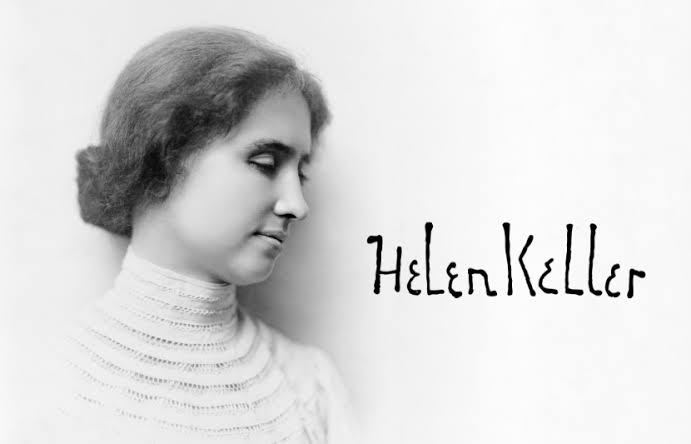
Helen Keller, the renowned deaf-blind philanthropist, shares her journey from the darkness of the ghost realm to the light of the Western Pure Land of Ultimate Bliss, guided by the compassion of Namo Amituofo and Practitioner Su.
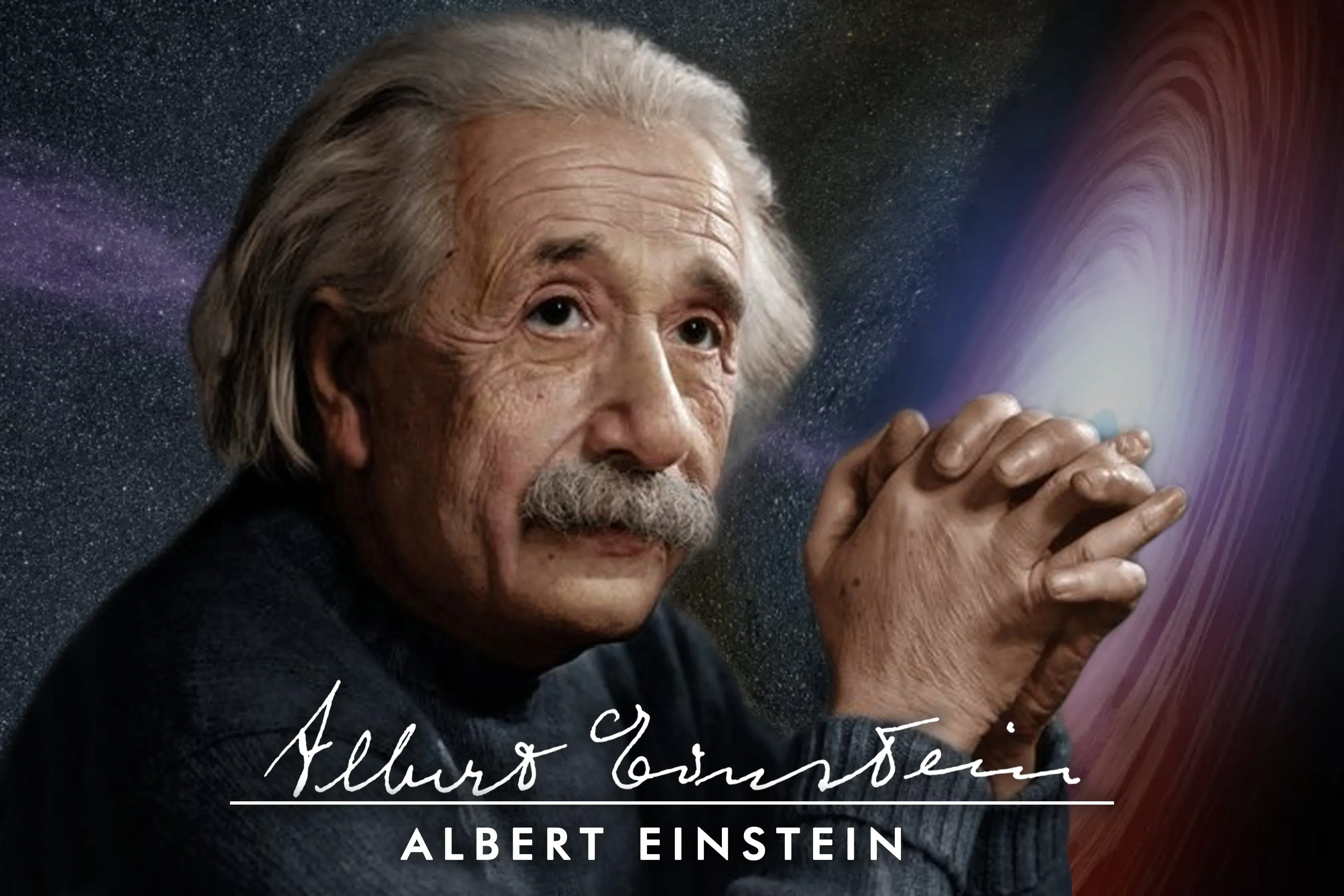
Albert Einstein, once considered the most brilliant mind in human history, reflects on his life, the nature of 'science' versus the Truth of the Dharma, and his existence in the Western Pure Land.

Ronald Reagan, the 40th President of the United States, reflects on his life, his political career, and his profound journey from the depths of hell to the Western Land of Ultimate Bliss through the compassion of Namo Amituofo and Practitioner Su.
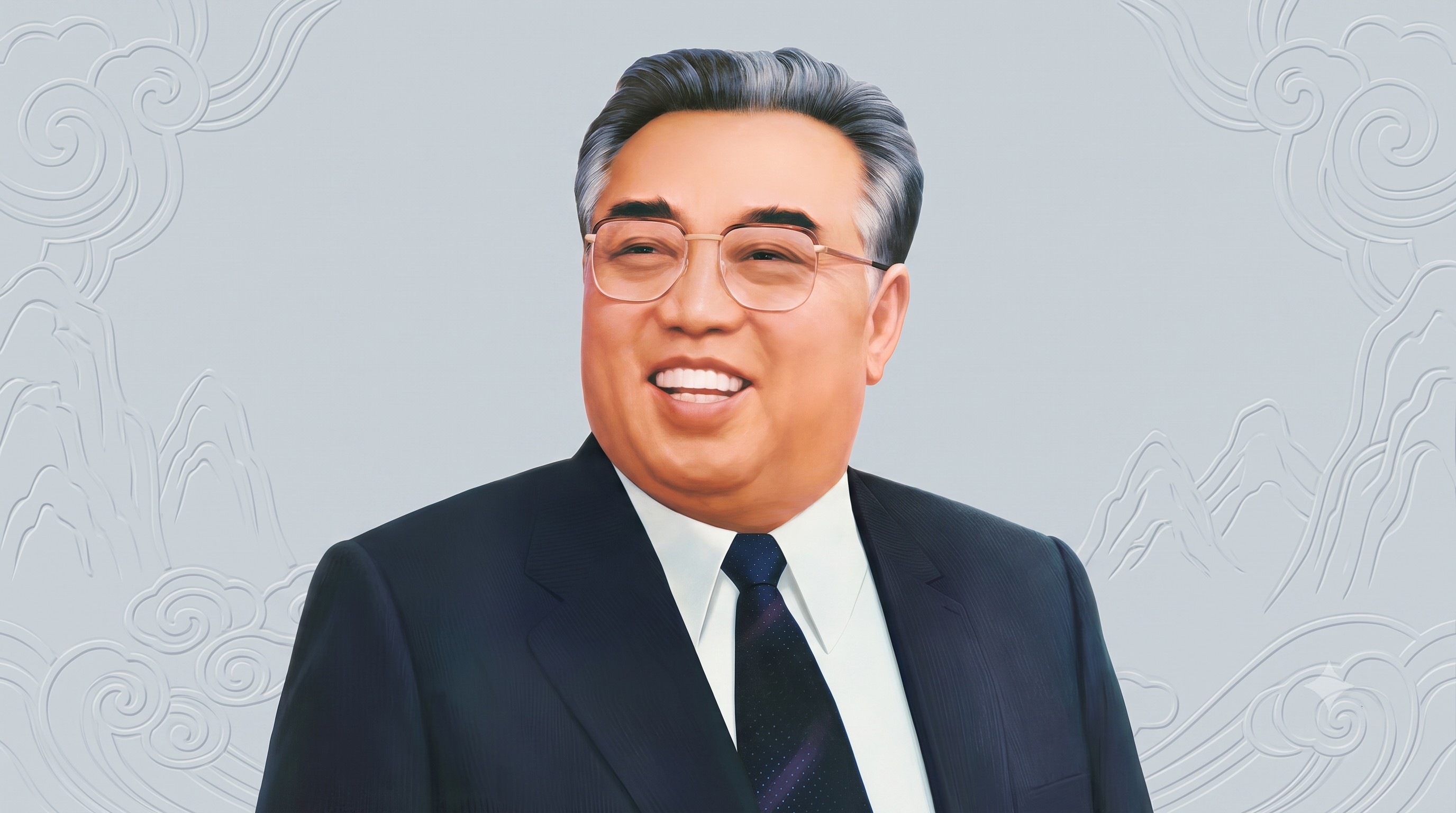
This is a record of an interview with Kim Il Sung, the founder and former leader of North Korea, who sought deliverance 32 years ago. He now resides in the Western Land of Ultimate Bliss.
Hsiang Kuang Pure Land Buddhist Centre
Contributed to Pure Land Buddhism knowledge library