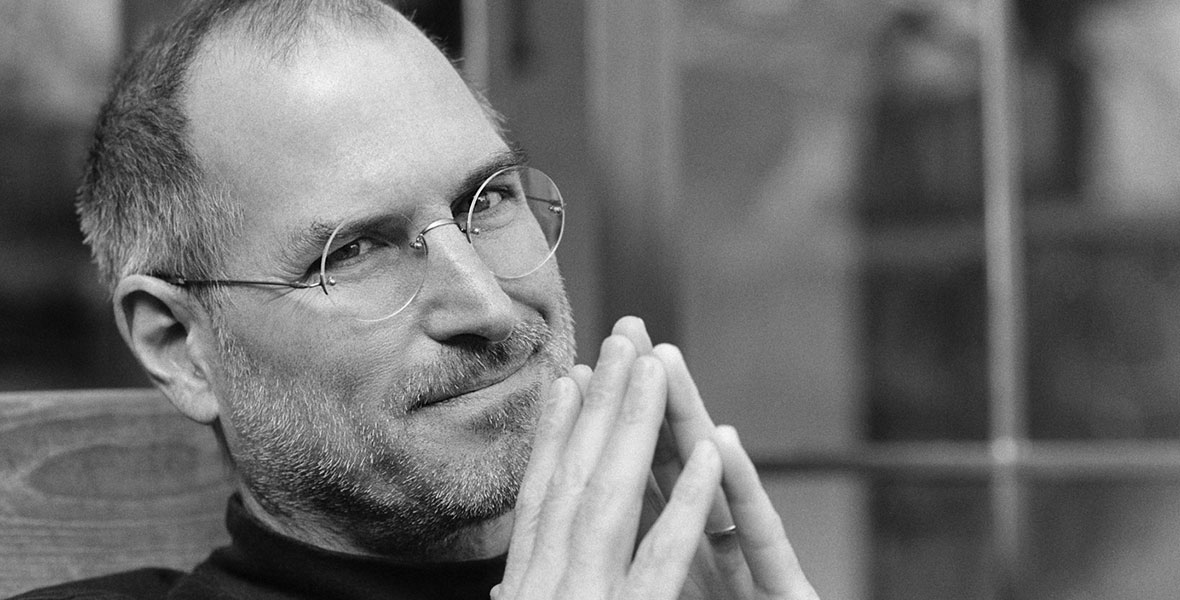
This is a record of an interview with the spirit of Steve Jobs, who sought deliverance at the Hsiang Kuang Buddhist Centre in Australia. This reflection on the nature of human thought and the power of the Buddha-name was recorded by the disciple Shi Faxin on August 9, 2019.
Steve Jobs speaks:
". I am Steve Jobs. Consider this: human hair is fine, yet our thoughts are far more numerous. We think while sitting, standing, or moving. We think upon seeing people or objects. Thinking has become a habit. We think until our hair thins, never realising that everything we experience is a projection of our own thoughts.
The Illusion of Control
In the secular world, we are obsessed with planning. Without meticulous blueprints, we feel insecure. This goal-oriented mindset is what society teaches. Everyone dreams of success, yet few calculate the true price. We exhaust our energy and wealth, watching as the signs of ageing take hold. We develop deep-seated habits: constant analysis, scrutinising others' flaws, and interacting through worldly transactions.
When ill, we seek doctors; a terminal diagnosis feels like a death sentence. We are unable to be the master of our own destiny. Pleasures are fleeting—a brief beginning followed by a brief end. Our living space is narrow, and our are binary. Most of the time, we are like robots—controlled by our own habits and the collective thoughts of other beings.
The Ripple Effect of Intention
Why do many struggle their entire lives without success, while others receive it instantly? It comes down to our mental notes—our intentions. Science studies thought power, which is indeed potent. Only after receiving did I understand how it permeates the entire Realm and the Milky Way. The intensity of these invisible waves is profound. Once they spread, thoughts of Goodness attract Goodness, and evil thoughts attract evil.
In the human world, accidents appear random. Yet, before they occur, many mental notes and intentions converge to facilitate them. These invisible forces—the interference of other beings—are connected to us by karmic affinity. They are debts from the past, and in this life, those thoughts arise to bring creditors to our door. Many believe in the laws of and cause and effect, yet they do not understand the significance of chanting Namo Amituofo.
The Magnificent Power of the Buddha-Name
Many view chanting as superstition; even those who study the Buddha’s teachings often treat it as mere religious belief. However, a single Buddha-name can penetrate the ten directions. It can save the accumulated lifetimes of our physical bodies, as well as the vastness of the oceans, mountains, and the void of space. We chant for the sake of the Buddha-name, not . Beyond preventing ourselves from creating karma, it adds a thread of purity to the void.
If you grasp the vastness of the Buddha’s teachings and are willing to step into the Buddha’s gate, the heart you cultivate and the vows you make will benefit the entire Dharma Realm. Whether it is a good thought, a thought of Goodness, or a thought of the Buddha, each level of chanting helps a different space. You can chant with magnificent power, even in silence. As the Infinite Life Sutra states, the power of the wisdom of thought can be exerted throughout the void. To realise that the self is insignificant, to have no-thought—this is the most magnificent and supreme benefit.