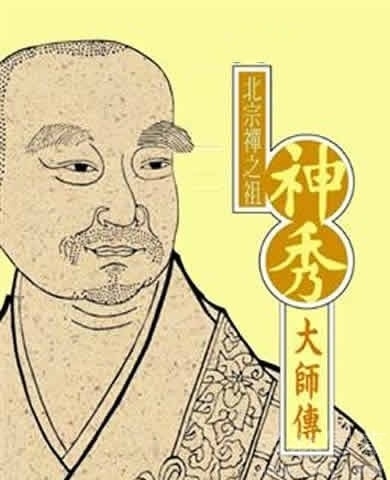
An Interview with the Spirit of Zen Master Shenxiu
Record of Interviews with Deceased Modern Chinese Celebrities (Preface)
Making Good Use of Buddha's Power
Teacher Introduces the Namo Amitabha Buddhist Hall
Interview with Xi Zhongxun (Former Vice Premier of the State Council of China, Father of Chinese President Xi Jinping)
Hsiang Kuang Pure Land Buddhist Centre in Turmoil: Chinese Leadership and Sentient Beings with Karmic Affinity
This is a record of an interview with Zen Master Shenxiu, who sought deliverance at the Hsiang Kuang Buddhist Centre in Australia. He now resides in the Western Pure Land of Ultimate Bliss. This account reflects upon his life and his spiritual journey during the Tang Dynasty. It was recorded by the chief writer, Shi Faxin, on July 27, 2017.
Zen Master Shenxiu speaks:
". I am Shenxiu. From my earliest years, I was a child of practice. My intelligence was far beyond that of my peers, and I spent my youth seeking answers to the mysteries of existence. I loved reading the scriptures, and though my family was wealthy and expected me to pursue a career in government to bring honour to our name, my heart was set on a different path. I begged my parents to let me shave my head and become a monk, and eventually, they relented."
"My parents’ union was not initially blessed. My mother came from a poor family, while my father held a modest position of status. Despite the disapproval of his clan, he married her, but soon after, the family fortune declined, and they were blamed for this misfortune. They endured great humiliation and left their home. My father eventually secured a government post, and they longed for a child to be the centre of their lives. My mother prayed sincerely, and one night, she dreamt she was sitting on a great stone that suddenly cracked open with a thunderous sound, causing her to fall. Shortly after that strange dream, she became pregnant with me.
I was the child they had prayed for so fervently. From a young age, I was solemn and well-loved, often speaking with a maturity that surprised the adults around me. I could resolve disputes between elders with words that seemed far beyond my years. After I was born, my father’s career flourished, and he rose to high office. I was a child who loved to read. Even as my parents had more children, I remained their focus. In private school, I was fascinated by Confucian thought and the works of Laozi and Zhuangzi, often burying myself in books for entire days. Because my parents were generous supporters of the local temples, I often accompanied them to offer charity or assist with chores. One day, during the temple's annual book-drying day, I helped move the scriptures from the library to the sun. As I handled the texts, I caught glimpses of the profound wisdom within, and a deep blossomed in my heart. From that day on, I frequented the temple, desperate to read more. The master, seeing my eagerness, would secretly slip me a scripture to take home. When I did not understand, I would ask him, and eventually, he invited me to attend the talks. I became the youngest and most diligent student in the temple. When the time was ripe, the master asked if I wished to become a monk. I had long desired this, and at thirteen, I left home to join the monastic order. My master gave me the Dharma name Shenxiu. I was finally on the path I was meant to follow."
"I took on the chores of chopping wood and carrying water with great diligence, never complaining, as I saw it as a way to build perseverance for my practice. In my spare time, I studied the classics of the ancient masters. My master, seeing my intelligence and dedication, gradually entrusted me with important temple duties. I served him with all my heart. My fellow practitioners respected my ability to manage affairs, and I always did my best to assist them.
As more disciples came to study under my master, he asked me to help guide the newcomers, to look after them, and to adjust their behaviour or thoughts when they strayed. I helped them build a solid foundation for their daily lives, though the master still personally oversaw their meditative concentration, as I did not yet have the ability to handle the complex situations that arise during deep meditation. I was meticulous in everything I did, never cutting corners. However, looking back now, I realise that my excessive concern for perfection slowly transformed into a form of attachment and a stubborn, competitive nature. It is important that I speak of this openly so that all practitioners may understand the subtle fluctuations of the mind. My master was not unaware of this, and he pointed it out to me at appropriate times. I was sensitive enough to recognise my own flaws and would repent before him. He was compassionate and, without saying much, arranged for me to begin giving Dharma talks during his own breaks. I started with my fellow practitioners and eventually spoke to the lay followers. Having read many great sutras and treatises, this was not difficult for me. I would prepare my topic, and once on the podium, the words would flow effortlessly. I accumulated a following, and my fellow monastics grew to respect me. I held nothing back in my talks; I only wanted everyone to truly understand the beauty of the Buddha’s teachings and to ensure they were passed on.
As the number of disciples grew, I found that living and interacting with my fellow practitioners was the greatest test of my practice. I knew that a monastic should not have a personality or ego, but despite my master’s favour, jealousy began to fester among some of my peers. It showed in their expressions and their coldness. I tried not to dwell on it, though there were those who were truly practising and did not care for such things. I constantly reminded myself that I must not allow arrogance to take root, or all my years of practice would be in vain. I had been considered clever since childhood, but it was through countless late nights of study that I had reached this point. I did not consider myself someone who had achieved sudden ; I advocated for gradual progress, step by step. When I wrote, ' is the tree, the mind is like a clear mirror stand; at all times we must diligently wipe it, and not let it gather dust,' my intention was to remind myself to constantly watch over my heart, to ensure it was not stained by worldly dust, and to keep my awareness sharp at all times."
"I did not intend to compete with Huineng, but I truly admired his insight into the Buddha’s teachings. His verse, 'Bodhi originally has no tree, the mirror also has no stand; originally there is nothing, where can the dust gather?' was indeed breathtaking. Huineng, who had never been noticed by anyone, could speak with such profound clarity. I had been teaching for some time, yet my heart could not achieve that same coolness. To be honest, to say my heart was not moved after seeing his verse would be a lie. I discovered that after so many years of practice, my old habits had suddenly manifested. A fierce jealousy, an arrogant refusal to accept his superiority—it was like a thief that I could not block, no matter how hard I tried to suppress it. Hearing the whispers and discussions among my fellow practitioners only made my heart fluctuate more, and the pain of gain and loss followed. It was terrifying! Truly terrifying! I did not know that my own foundation was still so shallow. This inner turmoil changed my very appearance. My face lost its former radiance, and a sense of desolation pulled my heart down, deeper and deeper.
When I learned that my master had passed the robe and bowl to Huineng, I said nothing on the surface, but my heart felt as if it were bound in chains. My fellow practitioners and disciples could see that I had changed; I had lost my confidence and my light. My heart ached, and I could not understand why the master would pass the Dharma to someone who, in my eyes, had contributed so little to the propagation of the teachings. My disciples, acting behind my back, sent people to hunt down Huineng, who had already fled with the robe and bowl. After that, I remained at my post, but my heart was no longer open. My chest felt heavy and pained. Now that the Hsiang Kuang Pure Land Buddhist Centre has opened the three hun souls and seven po souls of humanity, I look back and see that at that time, my jealousy, arrogance, and attachment to gain and loss had already caused me to lose two of my hun souls and three of my po souls. My body began to grow weary and ache. One of my souls was trapped in a dark corner of my own heart, spiralling in confusion over why my practice had turned out this way. How pathetic and miserable it is to speak of it now! My own habits had ruined me.
After I died, I fell into the brain-gouging, heart-gouging, intestine-gouging, and wolf-devouring hells. Although I did not personally send people to hunt down Huineng—it was my disciples—I had set a bad example, and I had to bear the for their actions. I am so grateful to Practitioner Su of the Hsiang Kuang Pure Land Buddhist Centre for saving me from hell and sending me to the Western Pure Land of Ultimate Bliss. Otherwise, I do not know how much longer I would have suffered in those hells. I have written down my experience without reservation to serve as a warning and a mirror for everyone. Do not let your habits defeat you; never forget your original intention. I am now in the Western Pure Land of Ultimate Bliss, surrounded by light, listening to the teachings before Namo Amituofo and repenting. The Western Pure Land of Ultimate Bliss is a world without self. Compared to the worldly realm, where the seven emotions and , the five desires and are layered upon the body, making it so difficult to escape—it is truly terrifying! Everyone must return to the Western Pure Land of Ultimate Bliss; do not have even the slightest attachment to the dust of this world. This dust is what keeps the spirit trapped in the infinite cycle of rebirth, which is extreme suffering. You must listen to my counsel. Namo Amituofo."
訪問主筆:釋海願 二O二六年六月十九日 釋傳印: 阿彌陀佛,我乃是傳印,此時於西方極樂世界傳回訊息。 承蒙澳洲香光大佛寺阿彌陀佛及蘇佛相助,將傳印由地獄救起,送入香光大佛寺之西方法性土。在西方法性土上,日日蒙阿彌陀佛慈悲加持,佛光注照,淨化傳印悲苦之心,慚愧至極。 阿彌陀佛正住於香光大佛寺,此為傳印親眼所見、親身所感。此事說來,實在不可思議,不可思議。傳印靈性生命之如此轉折,身亡後之種種遭遇,與在世時之所作所為,竟相去甚遠。由此可知,實有其深義在焉。實在需要將香光大佛寺所體悟之靈性佛法教育,廣為宣說,告諸世人。即便出家之比丘、比丘尼眾,甚至淨土諸位大德,皆當聆聽,切勿忽視。 香光大佛寺乃是我佛
Venerable Laimin reflects on a lifetime of stubbornness, the heavy karmic debt of a monastic who failed to practise truly, and her eventual deliverance to the Western Pure Land through the compassion of Practitioner Su.
Venerable Hailiang shares an awe-inspiring account of witnessing Practitioner Su's Dharma Body performing mass Chao Du during the Thrice Yearning Ceremony, revealing the inconceivable speed and multi-dimensional reach of her work.
A monastic who spent over fifty years in the robes reflects on his journey from the darkness of the hell realms to the magnificence of the Western Land of Ultimate Bliss, made possible through the compassionate deliverance of Practitioner Su at the Hsiang Kuang Pure Land Buddhist Centre.
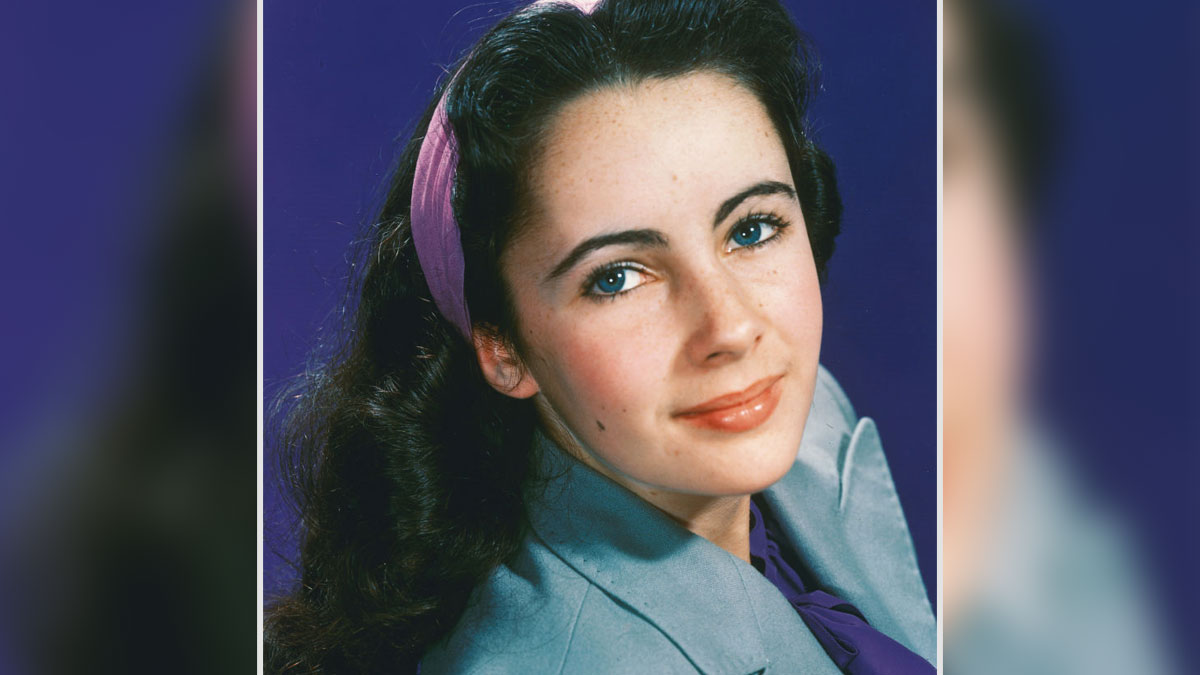
A candid reflection from the spirit of Elizabeth Taylor, who shares her journey from the blinding lights of Hollywood to the serene, transformative teachings of the Buddha in the Western Land of Ultimate Bliss.

Michael Jackson shares his journey from the pressures of global fame to the peace of the Western Pure Land, revealing the truth behind his life and his ultimate deliverance.
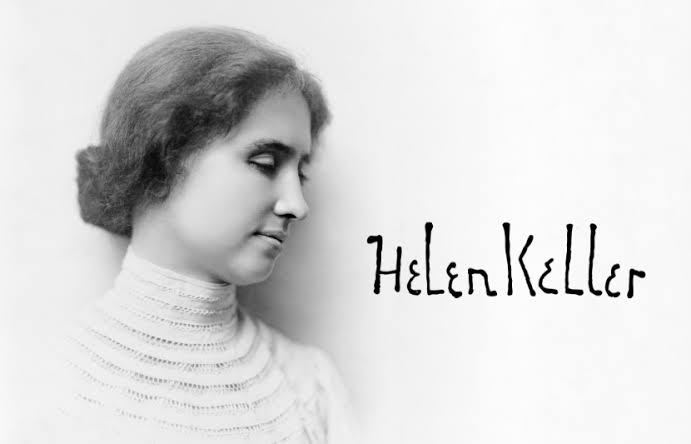
Helen Keller, the renowned deaf-blind philanthropist, shares her journey from the darkness of the ghost realm to the light of the Western Pure Land of Ultimate Bliss, guided by the compassion of Namo Amituofo and Practitioner Su.
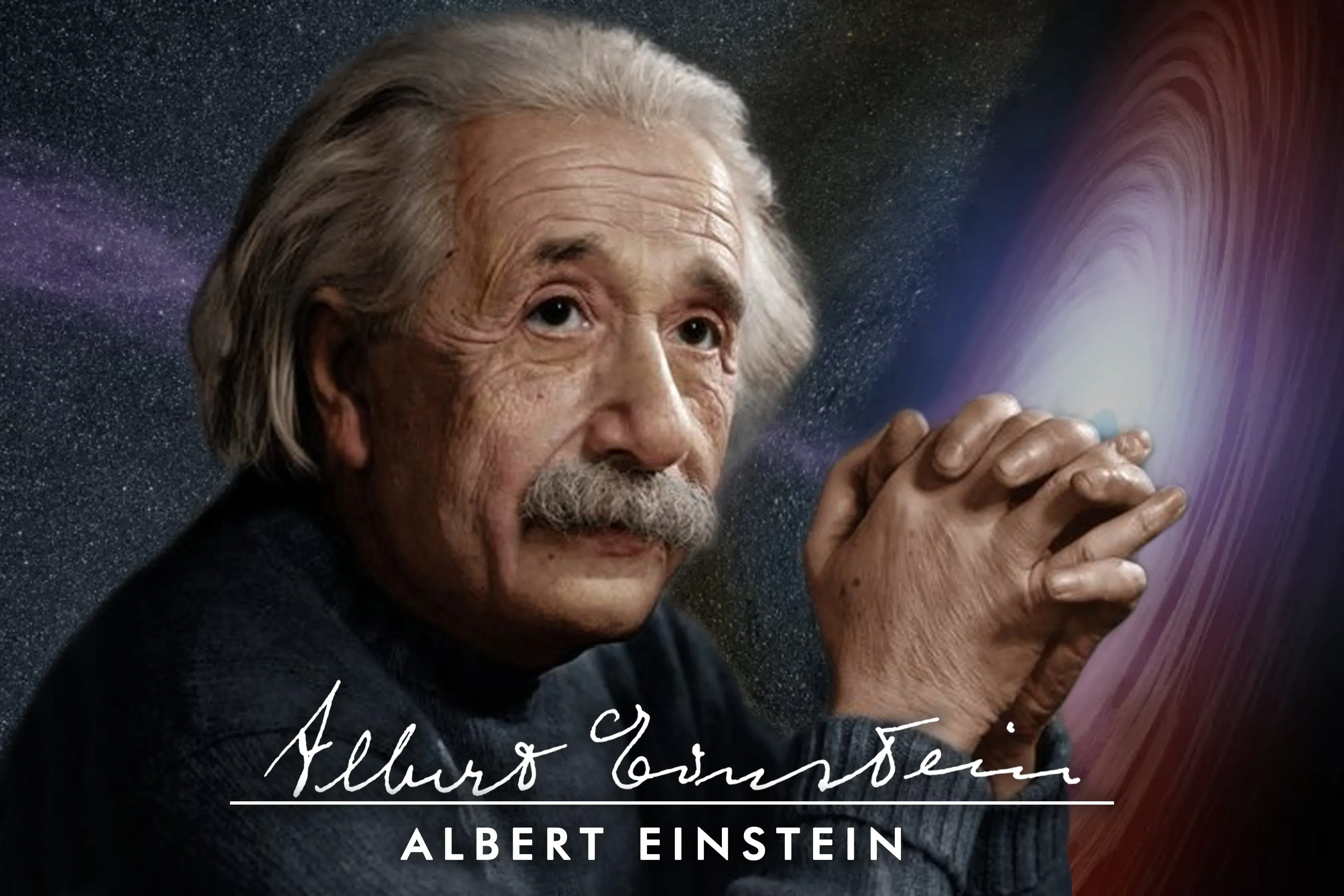
Albert Einstein, once considered the most brilliant mind in human history, reflects on his life, the nature of 'science' versus the Truth of the Dharma, and his existence in the Western Pure Land.
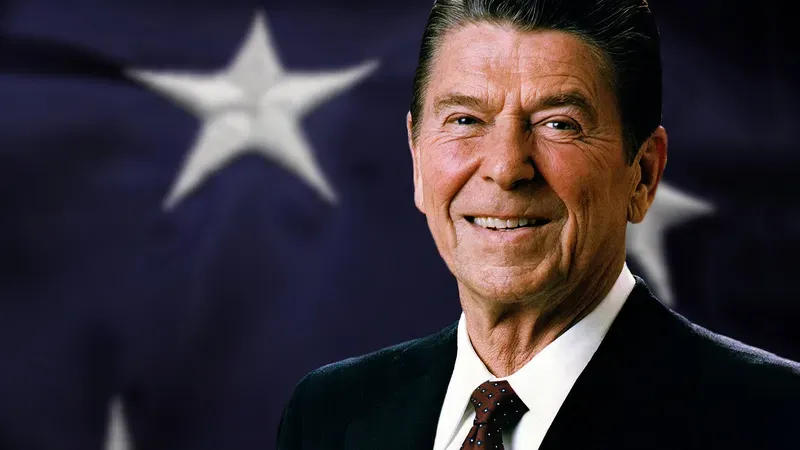
Ronald Reagan, the 40th President of the United States, reflects on his life, his political career, and his profound journey from the depths of hell to the Western Land of Ultimate Bliss through the compassion of Namo Amituofo and Practitioner Su.
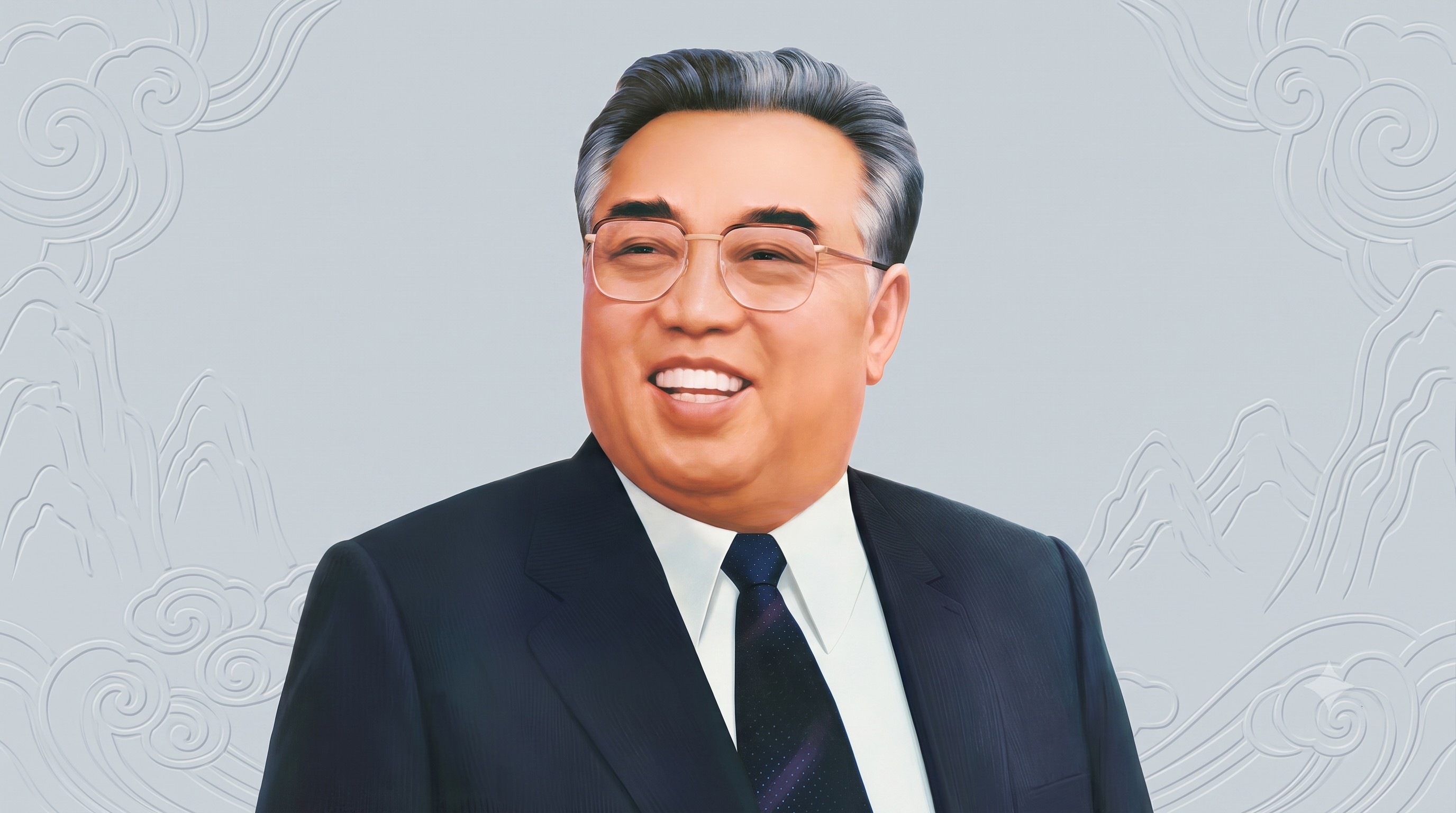
This is a record of an interview with Kim Il Sung, the founder and former leader of North Korea, who sought deliverance 32 years ago. He now resides in the Western Land of Ultimate Bliss.
Hsiang Kuang Pure Land Buddhist Centre
Contributed to Pure Land Buddhism knowledge library